
Armstrong Economics Blog
Re-Posted Sep 24, 2016 by Martin Armstrong
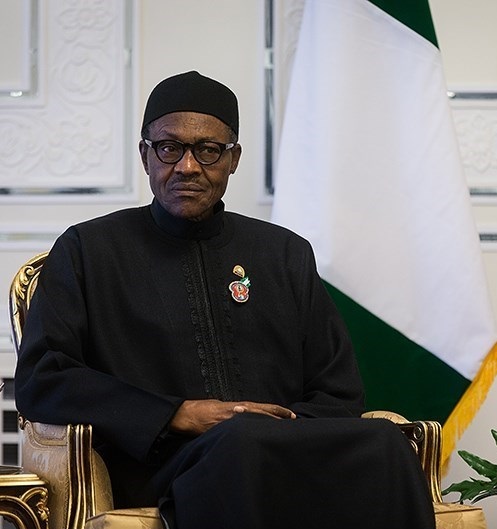
Nigeria has begun the hunt for taxes as they target 700,000 firms as the country is desperate to look for more revenue as its income from oil has collapsed. Nigeria is Africa’s biggest economy and it has entered its first recession in more than 20 years as overspending produces only higher taxes, not economic reform. The current President is Muhammadu Buhari, since 29 May 2015. Politics began to change in Nigeria also going into 2015.75 turning point for government worldwide. The 2015 election marked the first time in the history of Nigeria that an incumbent president actually ever lost to an opposition candidate in a general election. So the ECM is truly a global model and not based solely upon a single country or trend.
Africa was the fastest-growing continental economy on the planet going into 2015. However, the one thing that was growing faster than the economy was of all is debt in every category from personal and corporate in the private sector to government. In 2015 Africa’s debt reach an untenable level and not the hunt for taxes has begun. In 2014 countries such as Senegal, Côte d’Ivoire (less than five years after a previous government-debt default), and Zambia all placed bonds worth as much as $1 billion into the market and these issues were oversubscribed because of the collapsing interest rates in developed countries. Kenya’s record-breaking sale of $2 billion in debt back in 2014 was also oversubscribed four times over.
Currently, Nigeria is struggling to fund a record $18.6 billion 2016 budget (6.06 trillion naira) that, following Keynesianism, is expected to stimulate growth by tripling capital expenditure. These measures are failing of a worldwide basis. Nevertheless, government are all following the same play book despite the fact it never works.
According to the IMF, back in 2009 the entire of sub-Saharan Africa raised almost $5 billion issuing bond, which included both private and sovereign issues. By 2013, that debt issue had grown to $14 billion and it exploded to about $20 billion by 2014. Africa’s total debt-to-GDP ratio dropped sharply to 30% going into the economic crash 2008-2009 only because of defaults and debt forgiveness. However, in some countries, this debt-to-GDP is exploding back up towards 70% or higher.
Rock stars had helped convince the international community to write off more than $100 billion of African government borrowings back before 2010. This time, the debts are back and have been exploding. It just seems as this debt-forgiveness never works for it hides the crisis and fuels them to do the same once again. it’s getting tougher for countries to pay them off.
Mozambique was indeed one of the biggest beneficiaries of debt forgiveness when its debt was written off by 86% of GDP back in 2005 to just 9%. The debt simply has grown all the way back to 61% of GDP. One has to wonder how stupid people are to lend government money.
Ghana’s debt was 82% of GDP back in 2005. Their debt was forgiven by 50%. It too has seen its debt climb all the way back up to 73% of GDP. However, back in 2003 terms, its debt was $7.5 billion. Today, the debt is now $25 billion.
Funds that have been rushing to lend into Africa should be sold now. Their investment rush into Africa reminds me after the 2005 debt forgiveness efforts of George Bush trying to figure our the fool me once line. How many times will these fund manager buy public debt that always ends up that they have to forgive it?

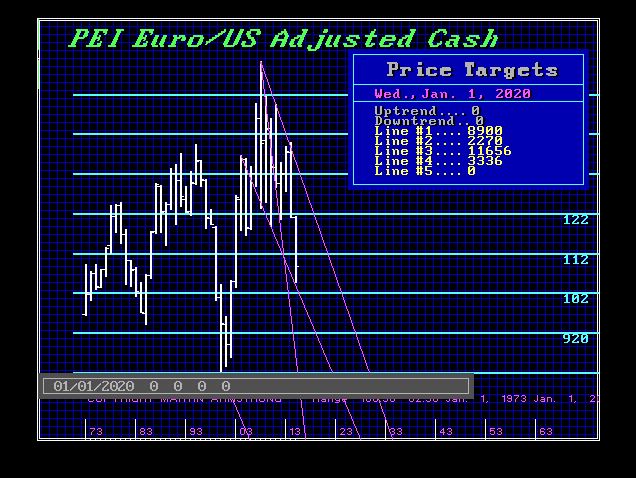


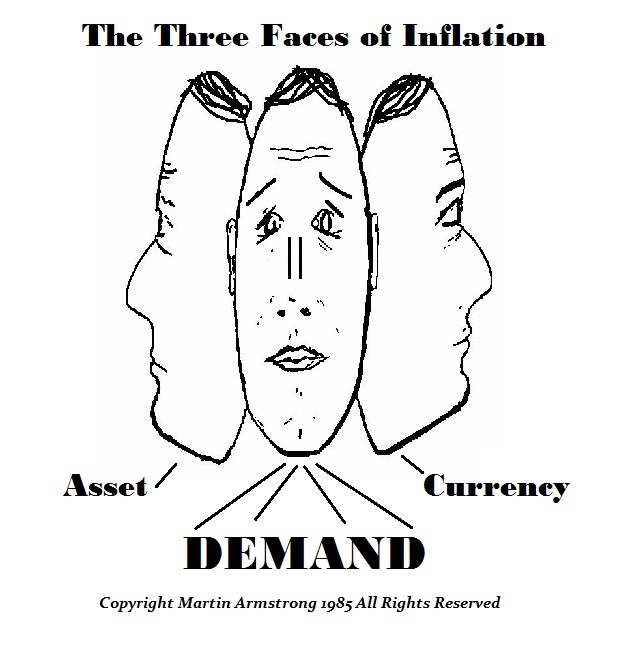

 Note that the day of BREXIT, yes the currency collapsed because of their forecasts. But the stock market rose that day. It did not collapse. This is CURRENCY INFLATION and these people are clueless when it comes to understanding real international capital flows. I have told the story before that I bought a 328 Ferrari in London for about £30,000 when the pound fell to $1.03. The same car in dollars was selling for about $50,000. The pound had been over $2 when Ferrari priced what they would sell that car for to Brits. Since the pound fell so hard, the Italians raised the price to £45,000. Then the pound rallied back to almost $2. I drove the car in London for about two years and then sold it used for about $50,000. This created the false assumption that a Ferrari was a great investment and people began buying and storing them. It was just the currency — not the car. The same thing took place with property in London. Americans rushed in buying everything.
 I also ran to British Airways and asked how many open tickets they would sell me for the Concorde. They looked at me like some sort of dodgy person and could figure out why I would do such a thing. They came back and said 25. I said great. A round trip was £2,000. Back when the Concorde began, it was about a $5,000 ticket when a first class ticket was about $3,000. So the Concorde was overpriced and mostly empty. With the drop in the pound to par, it was now cheaper than a first class ticket. I bought as many as they would sell me. I got on the Concorde and suddenly it was full with Americans all saying what a deal.






 Centinel2012