QUESTION: Didn’t you also buy gold bars from the SS Central America ship that was discovered? The gold bugs hate you and say you are bearish gold but you buy a lot of it.
All the best
JE
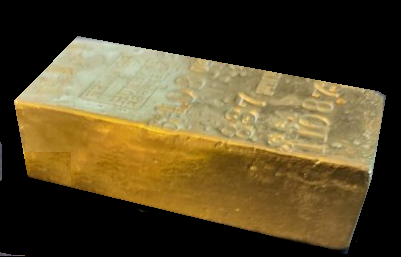
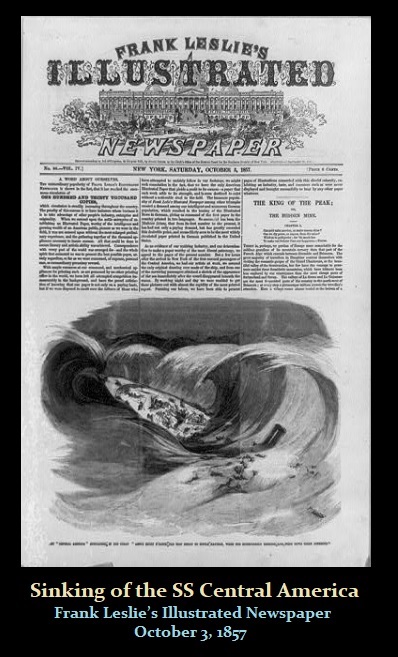
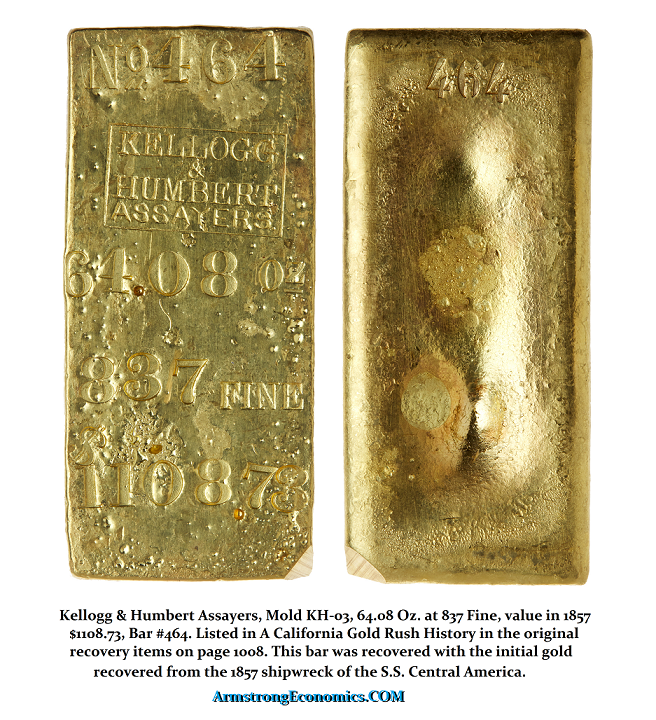
ANSWER: Oh yes. I tend to collect important relics from major economic events. The sinking of that ship set off a financial panic in NYC because the banks were counting on that gold shipment. I did buy bars. There were some 30,000 pounds (13,600 kg) of gold and about 15 tons were recovered.
They are a piece of history. I would not melt them down.
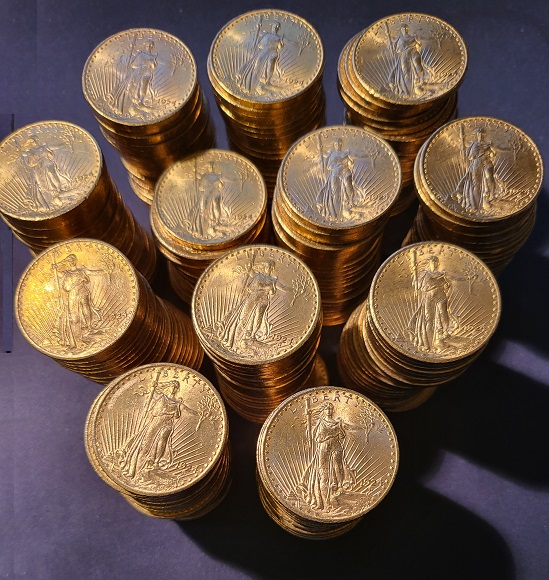
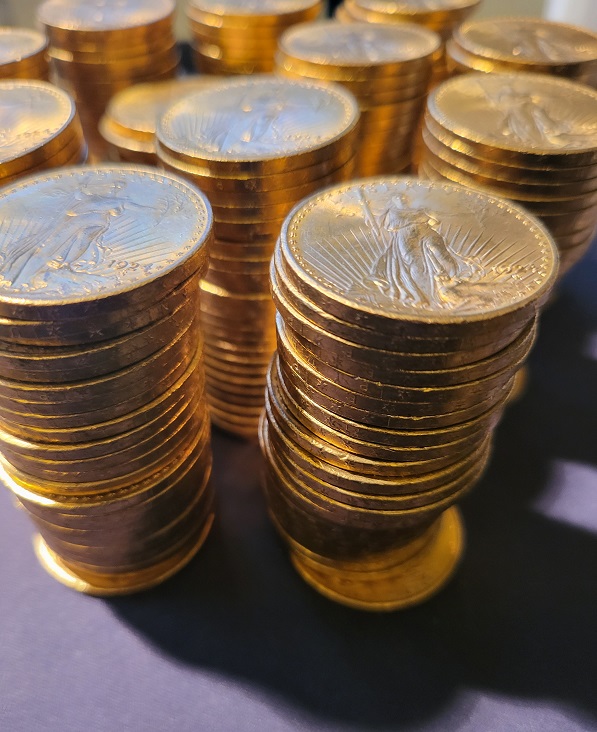
In times of economic distress, people will hoard their wealth. This is as true in ancient times as it is in modern times. I was called in about a hoard of gold – one thousand $20 St Gaudians gold coins all dated 1924 – uncirculated. As you see, I have a reputation for buying hoards as well as funding major archaeological digs. This was a hoard of US$20 gold coins. So I took the lot. As for those who say I hate gold, no, I have always loved the $20 st Gaudens.
Obviously, this was a stash. It was the year of a Presidential election and in 1925, Calvin Coolidge was the first President to have his inauguration broadcasted on radio. In 1921 the Chinese Communist movement began and in 1924 Stalin came to power after poisoning Lenin and his wife. The flight from Russia began in 1917, but it escalated by 1919. It is hard to say why this hoard was stashed away. But they are all dated 1924 and may have been connected to the upheaval in Russia. By the end of 1919, it was clear to almost everyone that the Bolsheviks had won the Civil War. The White armies were defeated on all fronts: Siberia, the Russian North, and Petrograd (as St Petersburg was then called). Pravda on Aug. 31, 1918:
“Our cities must be mercilessly cleansed of the bourgeois rot. All these gentlemen will be put on file, and those who pose a danger to the revolutionary class will be destroyed … Henceforth, the hymn of the working class will be a song of hatred and revenge! ”
It was the White Russians who fled. It was estimated that at least 2 million fled Russia at the time. That was about 2%-3% of the surviving population by 1919. Given the date of this hoard and the condition, they were tucked away and never saw circulation. They may have been related to the turmoil in Russia.
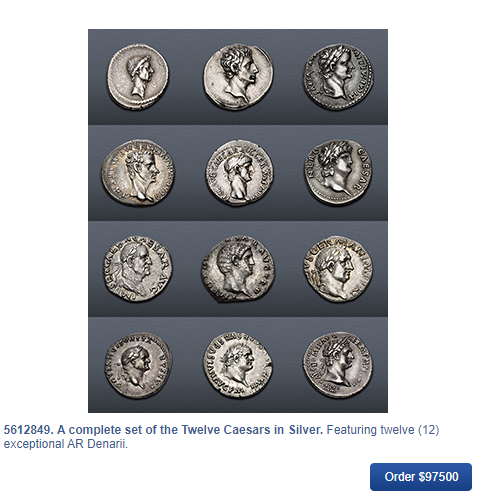
A number of people have asked if I could put together sets of the 12 Caesars because I had mentioned I thought that could be done for half the price of the set being offered elsewhere. I am trying to get a small hoard of Caligula denarii. They are very difficult to find. I believe because he was so hated, they may have just melted down his coinage.
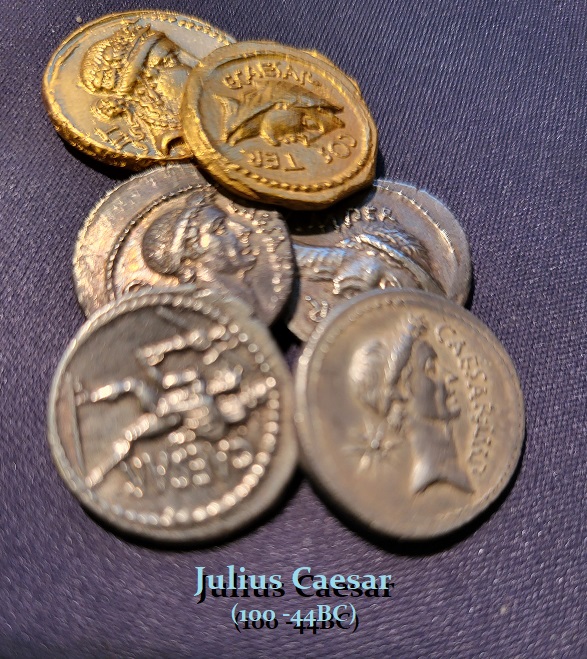
It all depends on quality. I have purchased a small hoard of Julius Caesar coinage. I will try to see If I get these Caligula denarii. If I do, I will try to see if I can put together some sets with much more realistic prices.
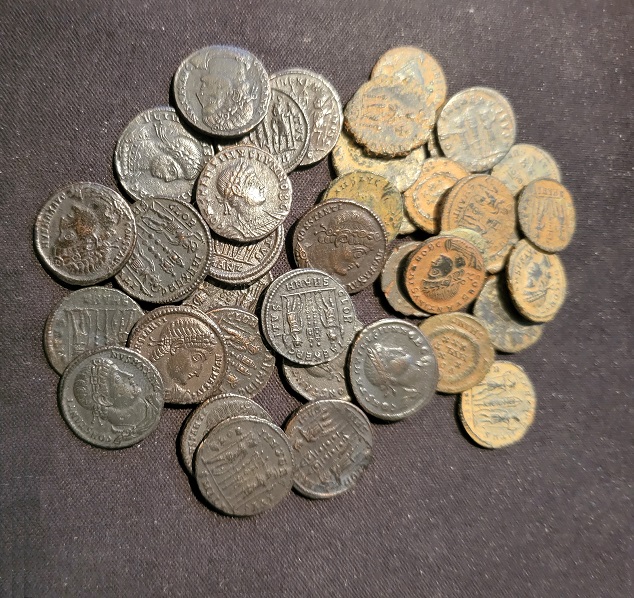
I have purchased a hoard of late Constantine bronze. They are very reasonable.
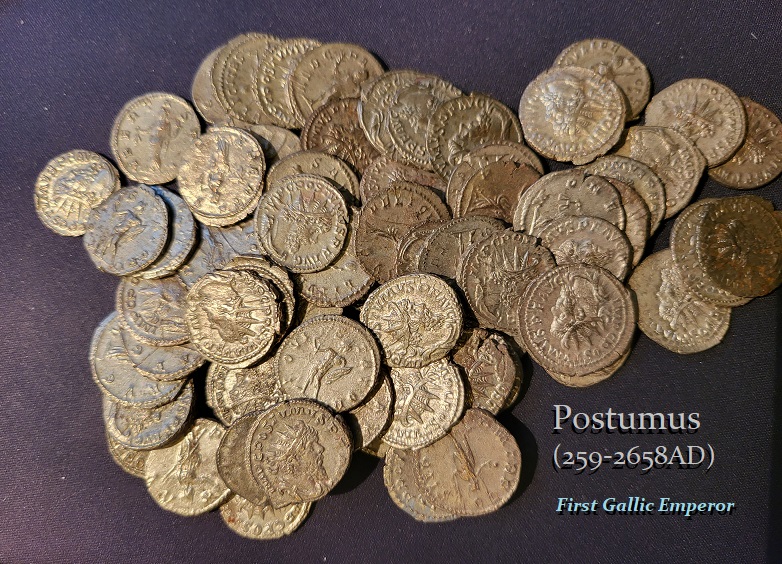
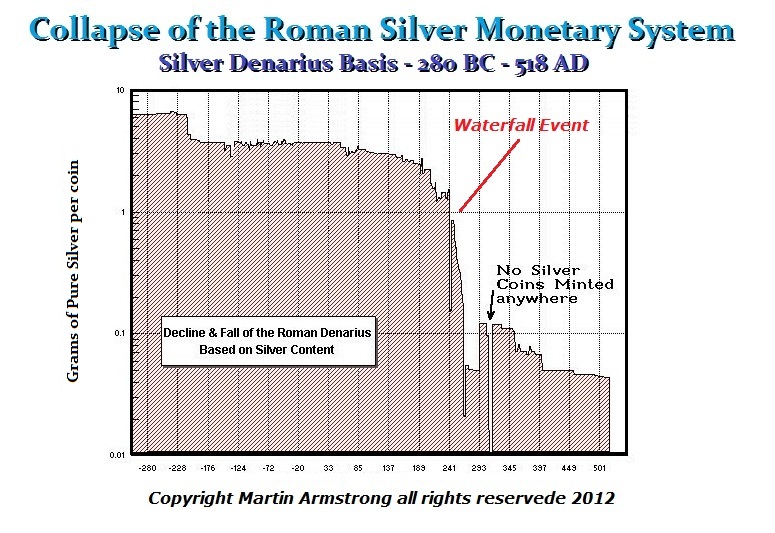
I have purchased an early hoard of Gallic coinage of Postumus which is silver. I also have purchased a hoard of Victorinus which are bronze. This is the period of both the split in the Roman Empire as well as the collapse of the monetary system.
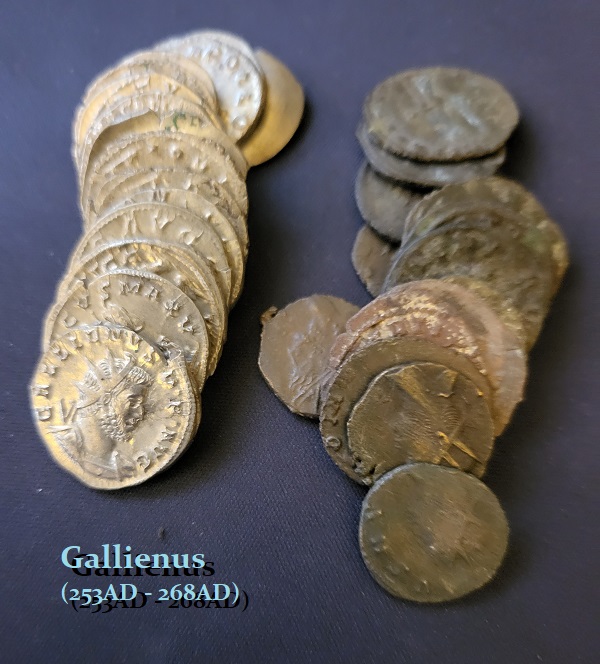
Others have asked if I can put together a progression of the coinage showing the debasement. I will try. Here is a photo showing the stark difference between the beginning of the region of Gallienus (253-268AD) and its end.
A lot of people have been asking if we have any more coins to sell from hoards. Another sent this photo in and asked what would a set of the 12 caesars cost. I personally think that the price of $97,500 is too high. I think a Very Fine set would probably be half that price. The hardest coins to find are Caligula and Otho.
I may be able to put together sets of Gallienus from the various mints after the debasement. Also a set of Constantine the Great, with Constans, Constantine II and Constantius II small bronze AE3s.
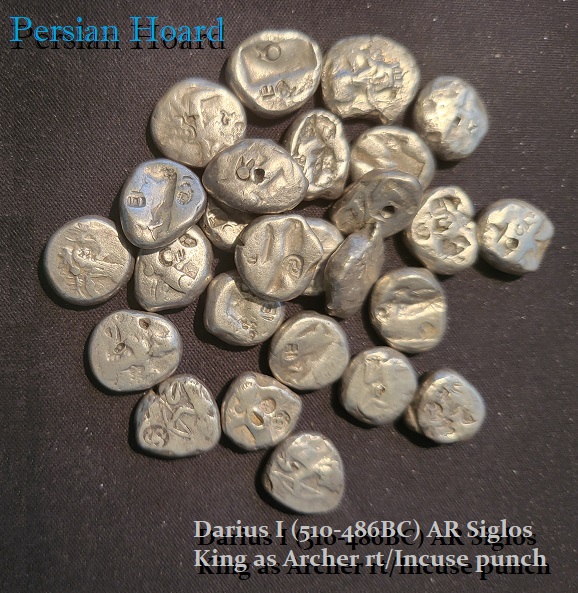
I have only a few of the Persian Darius I (510-386BC), the Persian king who invaded Greece. These are worn siglos all counter-stamped with banker marks. The image is that of the King as an archer with the reverse just a punch mark. I also have some late Constantine family small bronze issues. I will look to see what sets I can make up.
I have been asked if I can still offer some of the later sets once again.
(1) 253AD until the Tetrarchy of Diocletian and Maximinus in 284AD runs about $2500 for 18 coins.
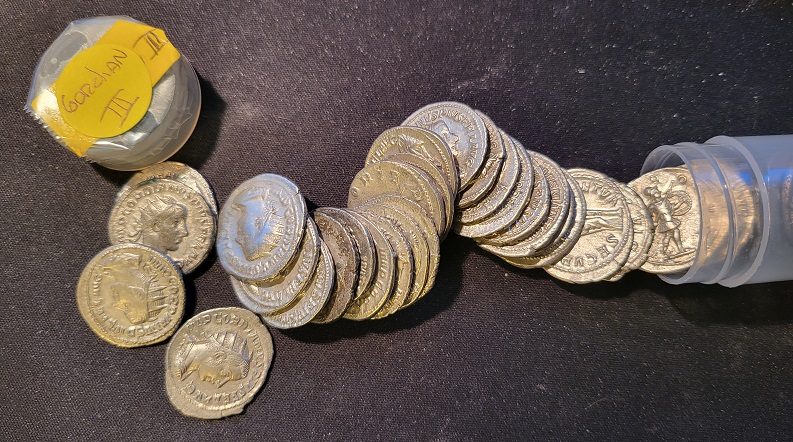
(2) Denarii from Domitian to Gordian III in VF-XF condition (14 coins) runs about $2,000.
(3) Then the silver Antoniniani from Gordian III to Volusion (6 coins) are about $900
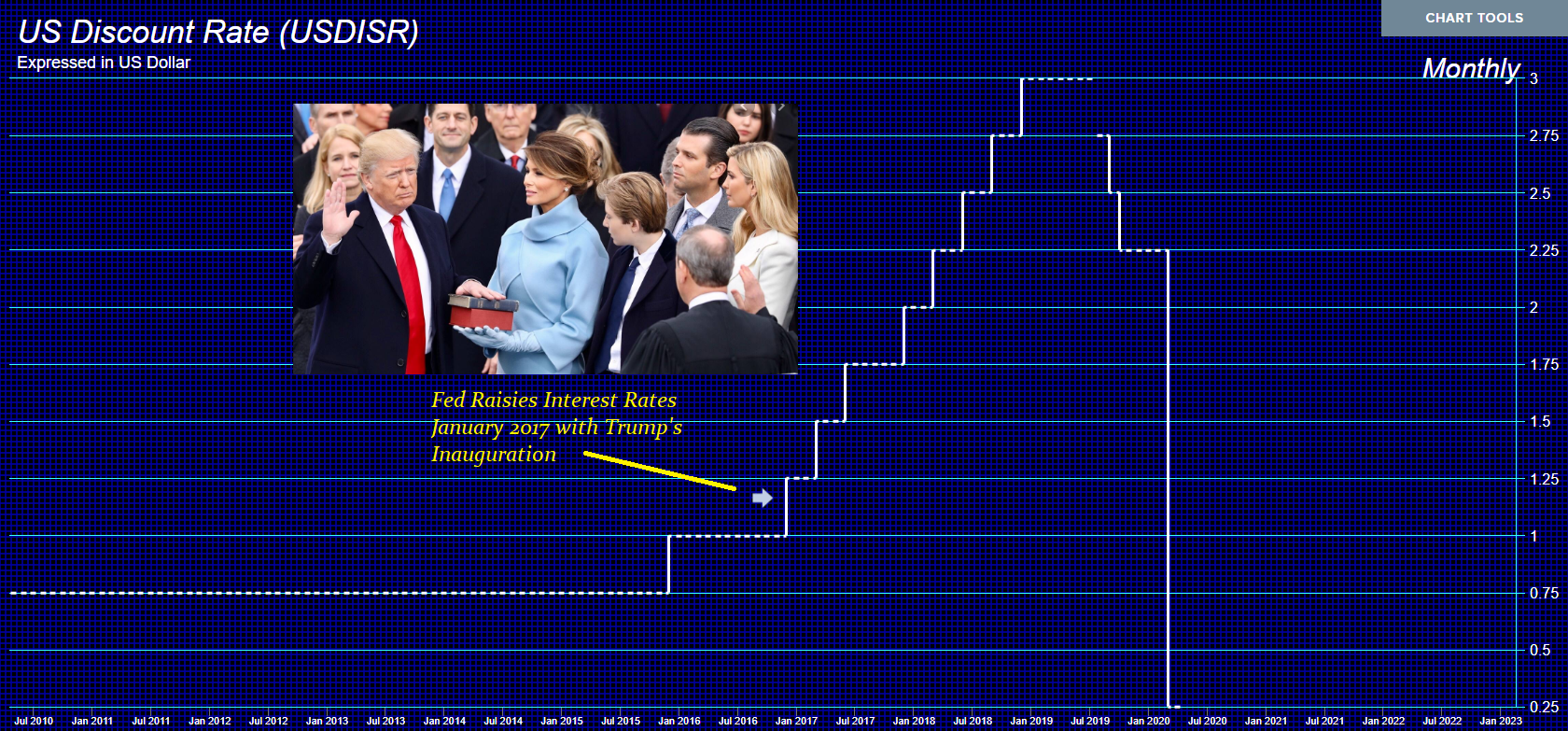
The Federal Reserve raised the benchmark by 25 bps, as expected. The Fed fully understands that the manipulation of the CPI is a necessary aspect both for containing government benefits and understating inflation also results in high tax revenues. The market loves hope, and as a result, they focused on the warning that we’ll be in restrictive territory for just a bit longer. Most still believe that there will be a slowdown in inflation just ahead.
The Fed’s cautionary commentary saying that the “disinflation process” has started triggered shares to jump ending up 1%. This shows how insane the analysis had become that they cheer a recession and think that lower interest rates are bullish for the stock market. Obviously, they just listen to the talking heads on TV and have never bothered to look at reality. When interest rates decline, so has the stock market. Interest rates rose for the entire Trump Rally, and they crashed during the Great Recession of 2007-2009. For the life of me, I just shake my head when the talking heads cheer lower rates and spread doom and gloom with higher rates.
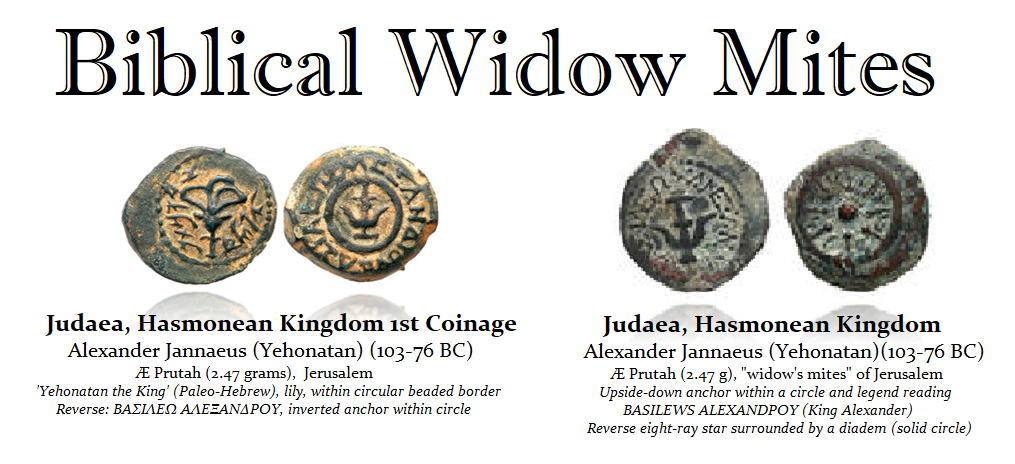
Mark 12:41-44: “And Jesus sat over against the treasury, and be beheld how the people cast money into the treasury:k and many that were rich cast in much. And there came a certain poor widow, and she threw in two mites, which make a farthing. And he called unto him his disciples, and saith unto them, Verily I say unto you, That this poor widow hath cast more in, than all they which have cast into the treasury: For all they did cast in of their abundance; but she of her want did cast in all that she had…”.
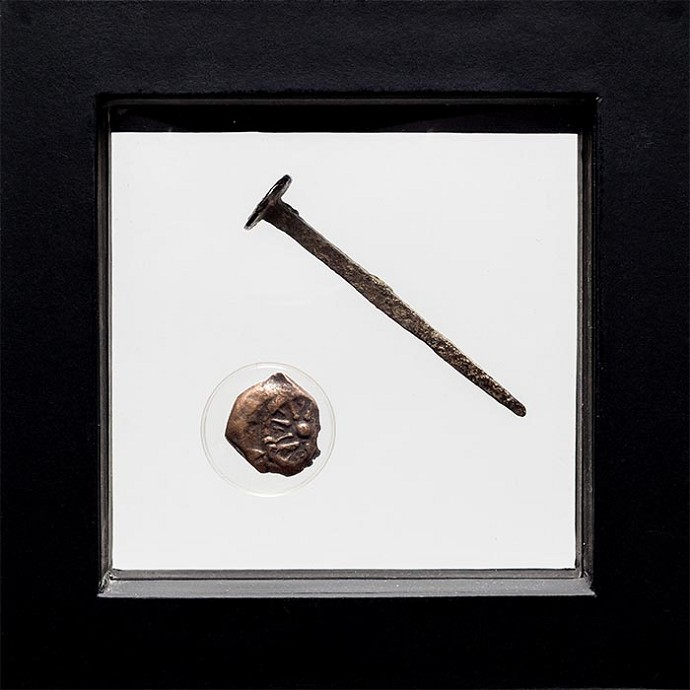
A lot of people are asking if I have any more biblical Widow Mites I could put together. The answer is yes, but I will have to see what I have left. For those who want the unusual showpiece, we can frame a Widow’s Mite with a Roman Nail documented from the 1st century at the time of the Crucifixion. While most of the nails were retained by the museums after the discovery, a small portion was allowed to be sold privately.
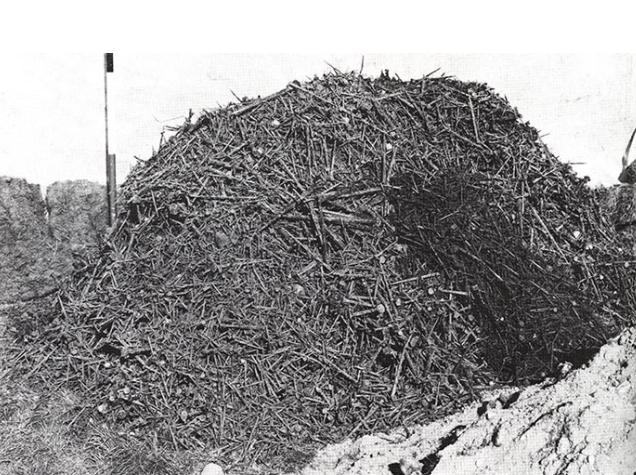
Roman nails were made of iron. This hoard was buried to prevent others from finding them from which they would make weapons and shields. Iron was a valuable metal to many of the barbarian tribes. Hence, this hoard was a remarkable find from the 1960s. They finally allowed some to be sold only in 1999.
Those interested in such a unique gift, send an email. Obviously, we would need to know how many people really want to have them framed up.
The price would be $125 for a Roman nail and a Widow Mite framed
QUESTION: I find it fascinating how you bring much more detail to life in your work. I have read your latest book Plot to Seize Russia. I knew many of those events took place but never the background. What an excellent job. You have to get this out in paperback for the world to see.
My question is about hoards of ancient coins. What was the biggest hoard ever discovered?
PH
REPLY: The First Edition is sold out. We are rushing the Second Edition to our publisher and it will be on a less expensive paper to try to bring down the cost. It will then be available on Amazon and Barnes and Noble, etc. Probably the most famous was the Boscorelli Hoard.
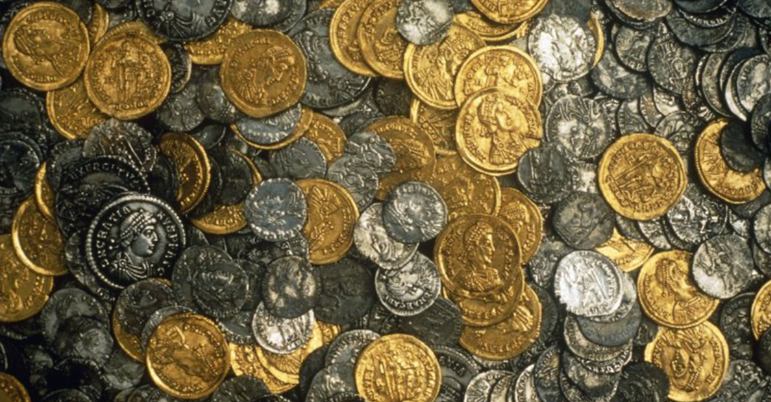
The biggest hoard of Roman gold coins ever discovered was the Hoxne Hoard is the largest cache of late Roman gold found anywhere in the Roman Empire. It was discovered by a metal detectorist in Hoxne in Suffolk, England, in the east of England in 1992 containing 14,865 late-4th and early-5th century AD Roman gold, silver, and bronze coins. There were also 200 items of silver tableware and gold jewelry items. The hoard amounts to a total of 7.7lb of gold and 52.4 lb of silver. He reported his discovery immediately and the cache was professionally excavated by archaeologists and conserved soon afterward so the vital context of the objects and their condition were preserved. The coins were the source to date the hoard to the early 5th century AD in the aftermath of the end of the Roman occupation of Britain. Hence, the political chaos inspired the owner to stash his fortunes. Obviously, he did not survive.
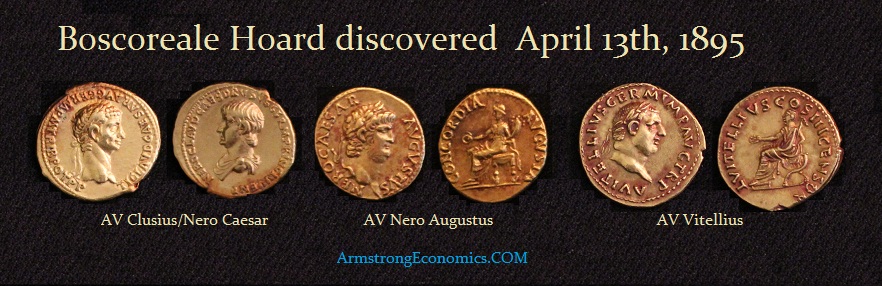
Perhaps one of the most famous discoveries from Pompeii is known as the Boscoreale Treasure. This discovery came to light in 1895, when the treasure was uncovered among volcanic ash from the eruption of Mount Vesuvius on August 24, 79 AD. In 1895, excavations at a Roman villa at Boscoreale on the slopes of Vesuvius unearthed a remarkable hoard of coins, 109 items of silverware, and over 1,000 gold aurei, the latest of which dates to 78 AD with many pieces dating back decades prior, such as the gold aureus of Nero (54-68 AD). The villa that held the coins lay undisturbed until 1876, yet the coin hoard lay undiscovered for almost another 30 years. The original owner hid the treasure in a wine tank prior to the eruption, so it was not immediately discovered.
Unfortunately, there was never a formal study of the Boscoreale coins prior to being dispersed into the market. Consequently, we do not know the full extent of the find. Nevertheless, the coins are easily identifiable for a distinctive feature of this hoard from Boscoreale is their deep red toning, and the term “Boscoreale” is now used in auction catalogs to describe similar discoloration on any Roman gold. The coinage of Boscoreale does tend to be well preserved.
The Boscoreale treasure included a remarkable set of tableware reflecting the quality of Roman silverwork in the 1st century AD. The decoration on these two cups illustrates a most curious theme. There are Epicurean maxims (engraved in dots) and the skeletons of poets and Greek philosophers, representing an invitation to enjoy the present for death comes to us all.
These two silver cups pictured here, are famous for their strange decoration. A Latin inscription on the base of one of the cups gives their weight and the name of their owner, Gavia.
The ring of skeletons depicted on these two cups has similar and complementary decorations depicting tragic and comic poets, as well as famous Greek philosophers, beneath a garland of roses. Greek inscriptions engraved in dots form captions and are accompanied by Epicurean maxims such as, “Enjoy life while you can, for tomorrow is uncertain.” Clotho, one of the Fates, looks on as Menander, Euripides, Archilochus, Monimus the Cynic, Demetrius of Phalera, Sophocles, and Moschion provide a caustic and ironic illustration of the fragility and vanity of the human condition. But the main message of the cups’ decoration is that life should be enjoyed to the fullest. Zeno and Epicurus, the founders of the Stoic and Epicurean philosophies in the 4th century BC, confront each other before two mating dogs — a detail of some significance, as it represents the triumph of Epicureanism.
Silver and gold coins from ancient times have survived, as well as bronze. Silver can be affected by the sea and at times when it is debased. Bronze requires certain conditions to survive in good form. So if you intend to bury your gold and silver in the backyard, keep in mind that humanity has been doing this in times of trouble since before recorded history.
I have created this site to help people have fun in the kitchen. I write about enjoying life both in and out of my kitchen. Life is short! Make the most of it and enjoy!
This is a library of News Events not reported by the Main Stream Media documenting & connecting the dots on How the Obama Marxist Liberal agenda is destroying America




 Centinel2012