Posted originally on the conservative tree house on August 31, 2022 | Sundance
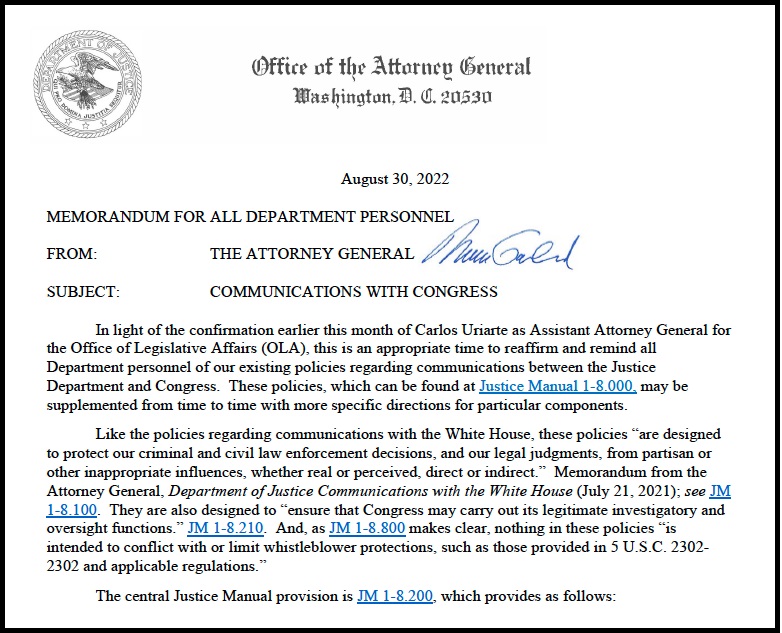
Absent of anything else going on, this memo would seem innocuous. However, when you consider that at least 20 FBI whistleblowers from the FBI have approached both the house and senate in the past several weeks, this memo takes on a new meaning.
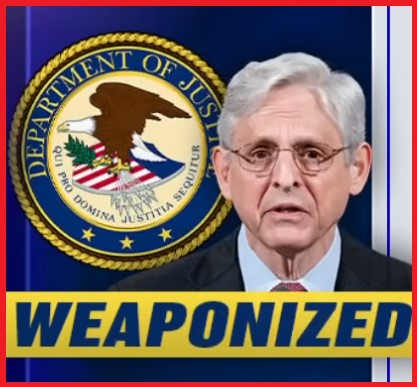
According to the memo sent internally by AG Merrick Garland, he is reminding everyone in the DOJ/FBI about the restrictions against talking to congress. [SOURCE]
The internal citations take you to Justice Manual, Section 1, Title 800: “Congressional and White House Relations” [LINK]
1-8.200 “Except as provided in this chapter, no Department employee may communicate with Senators, Representatives, congressional committees, or congressional staff without advance coordination, consultation, and approval by the Office of Legislative Affairs (OLA). All congressional inquiries and correspondence from Members, committees, and staff should be immediately directed to OLA upon receipt.” [LINK]
Make of the timing what you will; however, if you have followed the political corruption within Main Justice and the FBI, the intent of the memo seems pretty clear. A warning to those who might consider trying to escape the clutches of a comprehensively corrupt institution. Or as Senator Chuck Grassley recently stated:
“If these allegations are true and accurate, the Justice Department and FBI are – and have been – institutionally corrupted to their very core to the point in which the United States Congress and the American people will have no confidence in the equal application of the law. Attorney General Garland and Director Wray, simply put, based on the allegations that I’ve received from numerous whistleblowers, you have systemic and existential problems within your agencies.” (LINK)
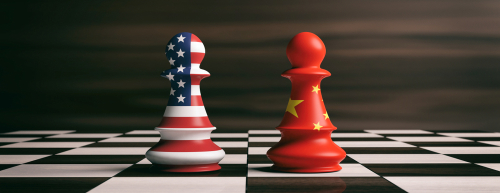
China does not want a war with the US. The US, however, is continually provoking China by using Taiwan as its scapegoat. The US Navy announced that two warships will be traveling through the Taiwan Strait. The reasoning? The military aims to demonstrate freedom of movement through international waters. In other words, they deliberately want to anger China.
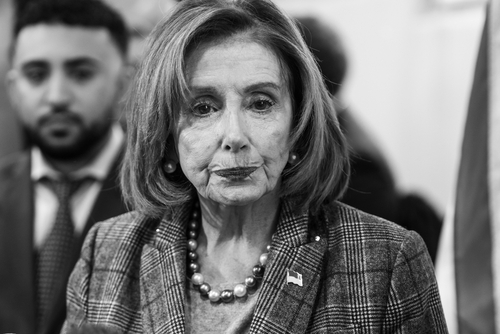
Nancy Pelosi began the subtle attack on China when she visited Taiwan and disregarded warnings from every intelligence agency. China repeatedly warned America not to interfere in its One China policy. Yet, Pelosi said she wants Taiwan to liberate Taiwan.
China flexed its military power as soon as Pelosi left by performing almost a mock invasion through the skies and sea. As of this week, Taiwan reported 23 Chinese aircrafts and eight ships around Taiwan. Russia was provoked by NATO and backed into a corner before invading Ukraine. Beijing is increasingly feeling the pressure as the US is not actively abiding by its One China policy. Between the current recession, proxy war in Ukraine, and surmounting debt, the US is simply stretched too thin to enter a war with China.
Our models warn that geopolitical tensions will rise going into 2023. China is selling off US debt, which is another sign of coming geopolitical problems.
Posted originally on the conservative tree house on August 29, 2022 | Sundance
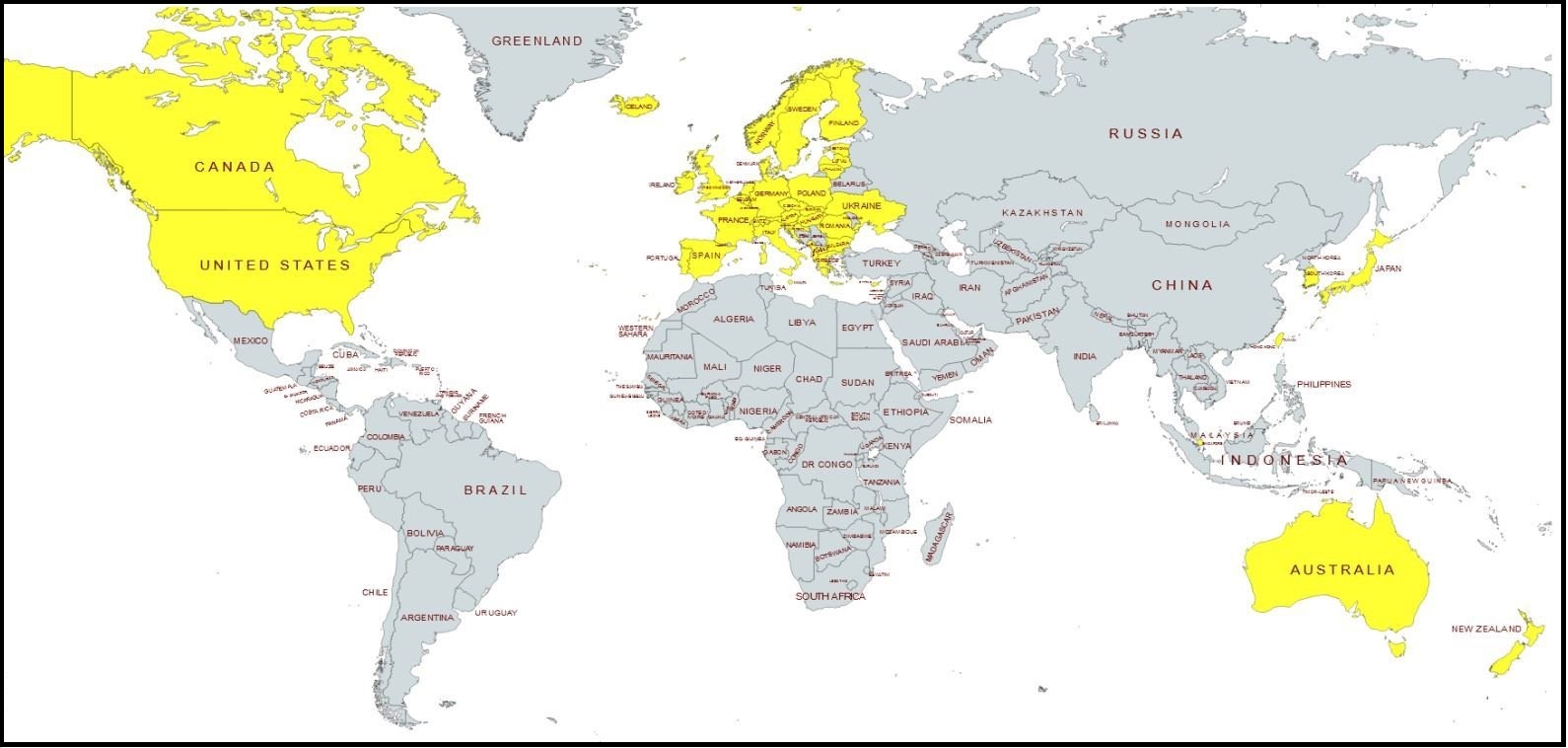
As the global cleaving begins taking shape based on the new western energy system, the Build Back Better agenda, Russian energy exports are worth a lot more money. As a result, the Russian economy has gained more wealth than before the western sanctions regime was triggered. As noted by the Wall Street Journal:
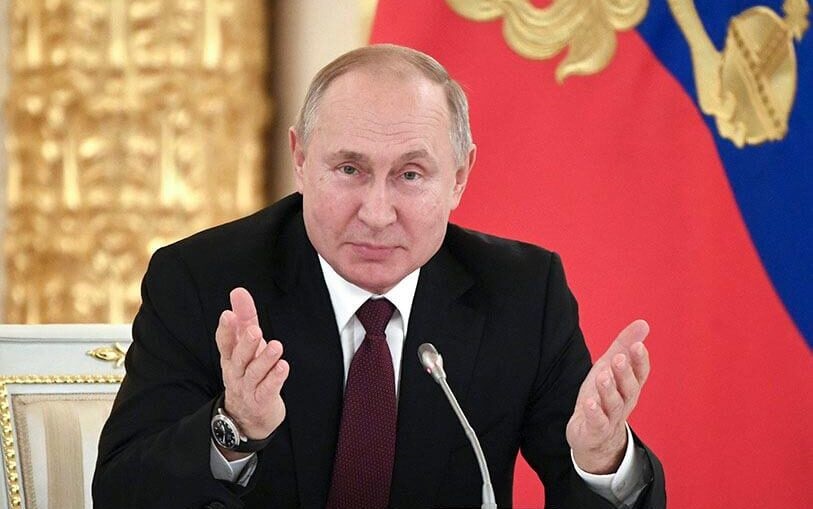
(Via WSJ) – […] Demand from some of the world’s largest economies has given Russian President Vladimir Putin the upper hand in the energy battle that shadows the war in Ukraine, and has confounded the West’s bid to cripple Russia’s economy with sanctions.
Sales are booming in Russia’s export market, the world’s largest in crude and refined fuels. And new trade arrangements have given Mr. Putin cover to use natural gas exports as an economic weapon against Ukraine’s European allies. Before the war, Russia supplied Europe with 40% of its gas. It has since throttled flows through the Nord Stream pipeline to Germany and other conduits, driving prices higher and putting pressure on European households and businesses.
Oil revenue more than makes up the difference. “Russia is swimming in cash,” said Elina Ribakova, deputy chief economist at the Institute of International Finance. Moscow earned $97 billion from oil and gas sales through July this year, about $74 billion of that from oil, she said.
[…] Russian energy sales have flourished by finding new buyers, new means of payment, new traders and new ways of financing exports, according to oil traders, former Russian industry executives and shipping officials.
“There came a realization that the world needs oil, and nobody’s brave enough to embargo 7.5 million barrels a day of Russian oil and oil products,” said Sergey Vakulenko, an analyst and former Russian energy executive.
After buyers in the U.S., the European Union and their Pacific allies cut back their Russian oil imports, much of it went to nations in Asia that have declined to take sides in the conflict.
An unexpected market has been the Middle East. Exports of Russian fuel oil, a lightly refined version of crude, now go to Saudi Arabia and the United Arab Emirates, often stopping in Egypt en route.
The Russian oil is either burned in Saudi power stations or exported from Fujairah, a U.A.E. port and hot spot for blending Russian and Iranian oils to conceal their provenance. This is oil that before the war was shipped to U.S. refiners.
The Russian imports, purchased at a discount, free state giant Saudi Arabian Oil Co. to export its crude at market prices. “The Saudis are happy to take their oil and sell it rather than burning it,” said Carole Nakhle, chief executive at consulting firm Crystol Energy.
The arrangement adds supply to the global oil market, helping put a lid on prices. “This is a win-win situation for the Russians and even, I would say, for the Europeans and the U.S.,” Ms. Nakhle said. (read more)
Posted originally on the conservative tree house on August 28, 2022 | Sundance
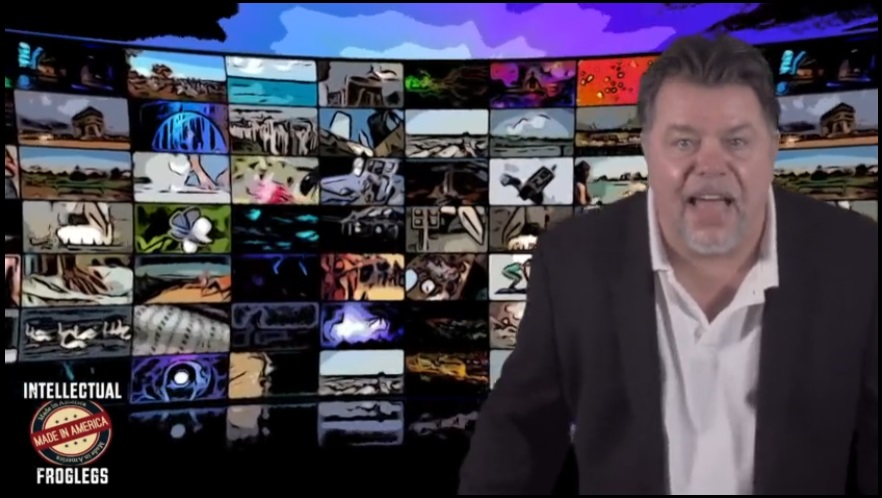
Comrades, the dissident messenger known as Joe Dan Gorman has surfaced again, just long enough to transmit another Tokyo Rose’ broadcast in a coded frequency only receivable by patriots with a funny bone. This natural coded messaging ensures communists and leftists are incapable of receiving it.
The August edition comes from deep in the underground bunker of the Rebel Alliance. Pull out those super-secret decoder rings, and enjoy the transmission before the deep state satellite interception trucks show up on your driveway…
Ukrainians are not permitted to accept any humanitarian relief from Russian agencies. Civilians in a war zone could face life imprisonment for accepting relief, including food. Ministry of Internal Affairs Alyona Matveeva said each case would be analyzed separately.
“For example, if a person called to support the military of the Russian Federation or provided some information, took humanitarian aid (from the Russians – ed.) and distributed it – this is one punishment, if it is about some more serious actions of a person, for example, when a person’s collaborative activity had such an impact that someone died because of it – the term in this case can be more serious, even up to life imprisonment,” the spokeswoman said.
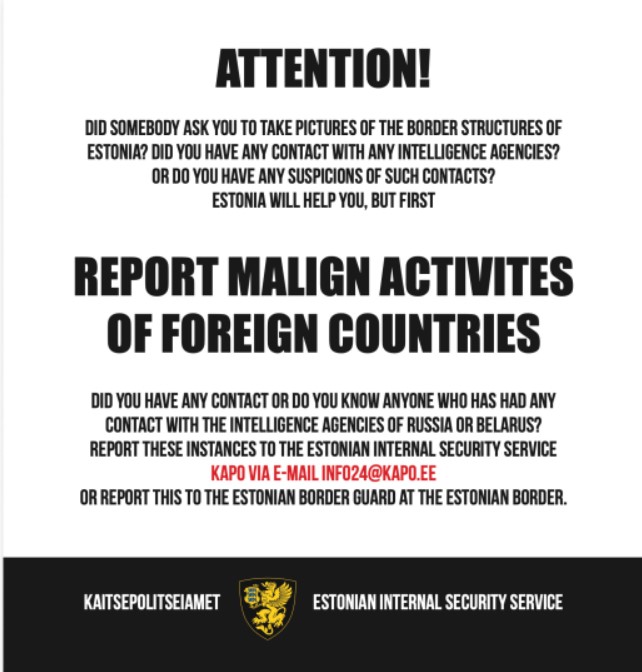
There are currently 815 ongoing criminal investigations for breaching national security, treason, and collaborationism. This is simply what is occurring in Ukraine, but anyone in a country that has joined the proxy war found aiding Russia could come under fire. I reported on the signs around Estonia’s border, asking people to report anyone suspected of collaborating with the enemy. We have not learned from history. This is another example of the government turning neighbors against one another. The Soviet Union once employed the same tactics, as did many other regimes. These measures simply cause distrust and paranoia to spread as the government expects the people to spy on their own family and friends. Your neighbor is now a potential enemy, and your own actions may be considered suspicious.
Posted originally on the conservative tree house on August 28, 2022 | Sundance
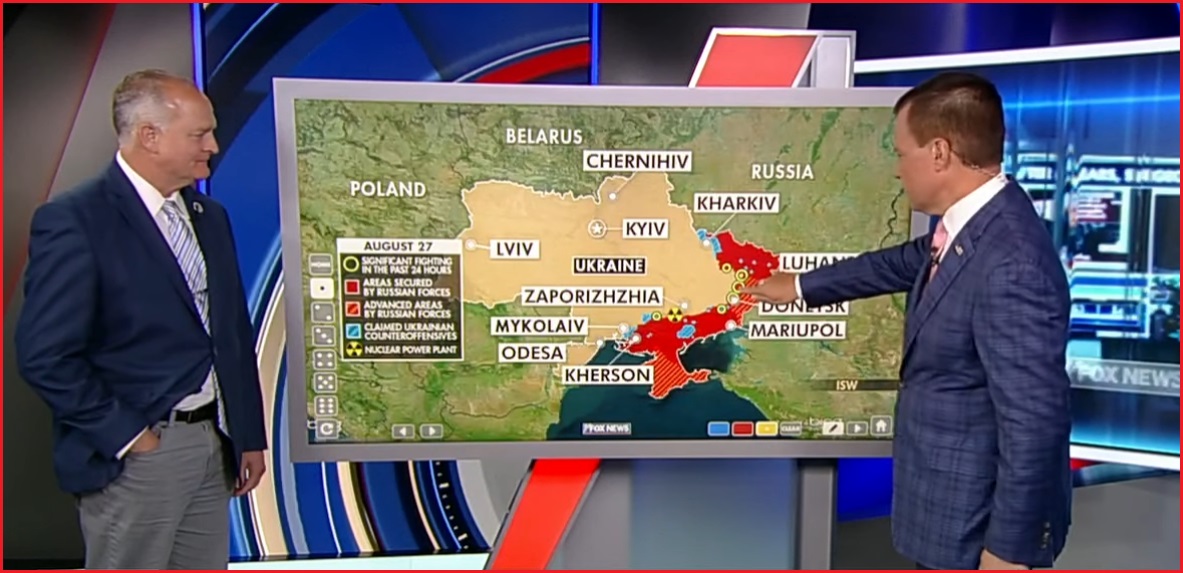
An additional perspective on the current status of the Ukraine-Russia conflict from Retired Lt. Col. Daniel Davis. WATCH:
A strong point made from the mailroom, adds perspective toward why the British are disproportionately taking on the responsibility for the European war machine inside Ukraine. It has been noted the U.K. government is doing much of the training, arming and support for Ukraine from within the EU. The question becomes, why was Boris Johnson and the British government so ‘all-in’ with their full-throated military support?
Perhaps the answer is as simple as the London financial markets. “The UK has nothing left but those sketchy money markets and exchanges. The Russians, joking at the sanctions, pricing resources in rubles, working with BRICS, are an existentialist threat to the UK. It shows that the financial exchanges and trading houses based in the UK are paper tigers because they can be easily bypassed. Russia is indeed an existentialist threat to the UK.”
Posted originally on the conservative tree House on August 28, 2022 | Sundance
Retired Admiral James Stavridis was the former NATO Supreme Allied Commander who conducted Secretary Hillary Clinton’s war in Libya without congressional authorization. Stavridis represents the military side of the State Dept war machine, while Michael McFaul, former U.S. Ambassador to Russia, represents the diplomatic side.
Hopefully, more Americans are awake now to the nature of U.S. foreign policy as it relates to who controls the use of our military. Most modern interventions are conducted from within the U.S. State Dept using joint elements of the CIA that operate within it. The State Dept and CIA now control all pentagon operations and direct U.S. missions.
Once we accept how this modern process of global influence works, then we understand how and why Mike Pompeo moved from CIA to State during the Trump administration. Pompeo was the ‘mitigator,’ the person installed to block President Trump from interfering in this construct. What Bill Barr was to the DOJ, Pompeo was for the State Dept. It’s always uncomfortable to look at the Deep State with clear eyes.
As you review the propaganda; and there is no doubt this is pure propaganda as pushed by NBC today on Meet the Press; keep in mind that U.S. operators are deeply embedded inside Ukraine to facilitate goals of the State Dept proxy war against Russia. New York Times – … [E]ven as the Biden administration has declared it will not deploy American troops to Ukraine, some C.I.A. personnel have continued to operate in the country secretly, mostly in the capital, Kyiv, directing much of the vast amounts of intelligence the United States is sharing with Ukrainian forces, according to current and former officials.
.
As noted in the interview, albeit with parseltonge to obscure the reality of the situation and keep the American public thinking sending more money and weapons into Ukraine will change the outcome – it won’t, Russia has dug in throughout Donbas and now controls eastern Ukraine. Donbas was always the goal of Vladimir Putin as a buffer against Western use of Ukraine.
Ukraine is to the United States what North Korea is to China; both are fully controlled proxy states. Western media keep pretending that Ukraine is not the playground for the U.S. government. However, the larger reality is clear and accepting that reality explains why the U.S. government is funding the Ukraine government. Meanwhile Vladimir Putin is clear-eyed and has no problem watching the U.S. go bankrupt trying to keep Ukraine afloat.
Once you understand the U.S. government strings and puppets, the pantomime is no longer fun to watch.
There is NOTHING that the politicians EVER say that is the truth. Hiring 87,000 new IRS agents is NOT to go after billionaires as they claim. There are ONLY 614 billionaires in the United States. Clearly, you do not need 87,000 new agents to hunt down billionaires – they are coming after you!
There is no loose change in taxes the higher you go up in income. You then need professionals to handle the taxes and they cross every “t” and dot all the “i”s. They are targeting anyone with an LLC and will challenge all expenses. Don’t forget, if you go to dinner with a client, you can only write off 50% of the expense. Of course with COVID, we have a whole new crisis in taxes. The commuting costs evaporated working from home. What about writing off a portion of the home now if you no longer go to the office? Suddenly, COVID really complicated things over the past two years. Even if your house burns down, the IRS denies a tax deduction for the loss. Protesters against the IRS are just coincidently targeted for audits – purely coincidental. Obama used the IRS to target the Tea Party. The DOJ waited two years and then quietly dismissed any criminal charges against IRS agents. This is what we will expect for now they will target also protesters in climate change.
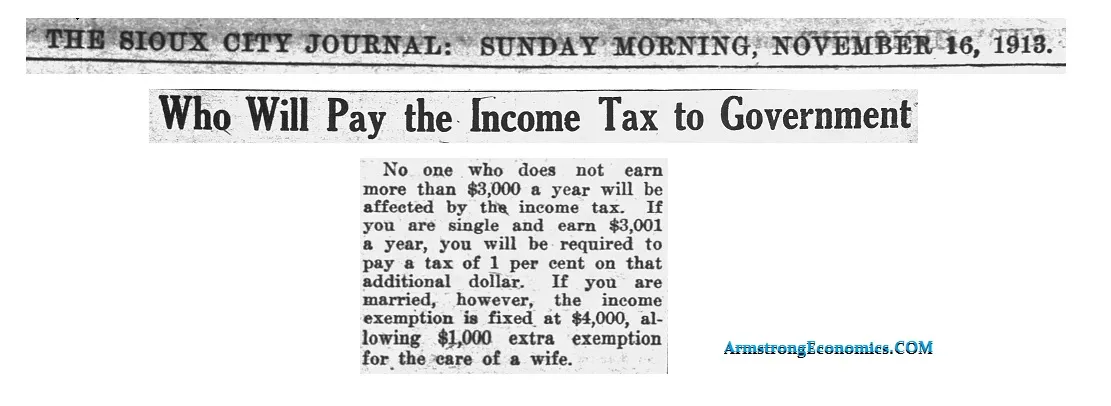
They do not need 87,000 new agents, armed to the teeth, to hunt down just 614 billionaires. It made good press, the same as when they introduced the income tax back in 1913 as SWORE on the soul of the dead mother and all their relatives, it would not apply to the rich. Small business and climate protesters will be the people targeted by the IRS.
Remember the cops raided the wrong house, killed the guy, and then they claimed he was an UNDOCUMENTED alien who had no Constitutional Rights, and thus it was OK to kill him. How about the wrong house raid where they kill the man and his dog but then kill a cop responding to a break-in – remember that one? There are so many where the cops storm the wrong house, the resident this it’s a break-in and defends himself only to be shot dead. I’m sure we will all sleep well knowing 87,000 IRS agents, armed to the teeth, are being trained to storm houses and released on society after 3 months worth of training.
In Canada, Trudeau is arming climate change police to do the same thing. Let’s face the facts. We the people are now the enemy – not Putin! This is the consequence of Marxism. We are nothing more than economic slaves.
Posted originally on the conservative tree house on August 26, 2022 | Sundance
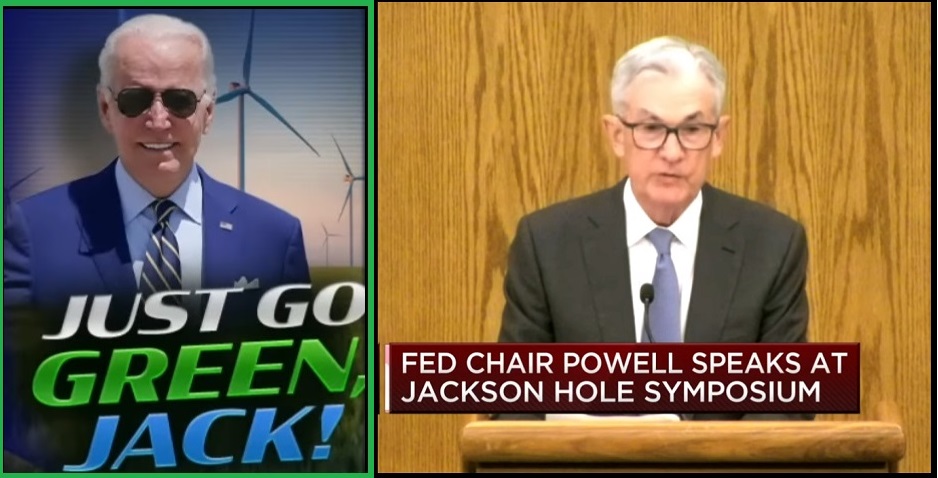
When Chairman Powell says things are really, really going to suck as monetary policy tries to support Biden’s goals to reduce energy supplies, will people believe him?
The agenda of the federal reserve was clearly outlined today in the remarks from Chairman Powell in Jackson Hole, Wyoming. The Fed chair is trying to manage the economic policy transition by reducing economic activity to match intentionally diminished energy supplies. Lowering economic activity drops demand for energy. Unfortunately, as admitted by Powell today, this means a period of “some pain” for Americans as the central banks join together in an effort to lower consumption. WATCH:
What does “some pain” mean? It means lower incomes, higher prices, lowered standards of living and more scarce resources. During this transition to owning nothing and being happy about it, the pain is your wealth being stripped as the economy is intentionally diminished.
We will not be able to afford much; we won’t be able to afford the foods we want; we will not be able to purchase anything except the essentials, and those essentials will cost much more; we won’t be able to vacation, travel, or enjoy recreational activities; we won’t be able to afford any indulgences; but at the end of the process, we will learn to live more meager existences based on lowered expectations needed for sustaining the planet. Pay no attention to the elites who don’t have those concerns, comrade.
[Transcript] – POWELL: “At past Jackson Hole conferences, I have discussed broad topics such as the ever-changing structure of the economy and the challenges of conducting monetary policy under high uncertainty. Today, my remarks will be shorter, my focus narrower, and my message more direct.”
“The Federal Open Market Committee’s (FOMC) overarching focus right now is to bring inflation back down to our 2 percent goal. Price stability is the responsibility of the Federal Reserve and serves as the bedrock of our economy. Without price stability, the economy does not work for anyone. In particular, without price stability, we will not achieve a sustained period of strong labor market conditions that benefit all. The burdens of high inflation fall heaviest on those who are least able to bear them.
Restoring price stability will take some time and requires using our tools forcefully to bring demand and supply into better balance. Reducing inflation is likely to require a sustained period of below-trend growth. Moreover, there will very likely be some softening of labor market conditions. While higher interest rates, slower growth, and softer labor market conditions will bring down inflation, they will also bring some pain to households and businesses. These are the unfortunate costs of reducing inflation. But a failure to restore price stability would mean far greater pain.
The U.S. economy is clearly slowing from the historically high growth rates of 2021, which reflected the reopening of the economy following the pandemic recession. While the latest economic data have been mixed, in my view our economy continues to show strong underlying momentum. The labor market is particularly strong, but it is clearly out of balance, with demand for workers substantially exceeding the supply of available workers. Inflation is running well above 2 percent, and high inflation has continued to spread through the economy. While the lower inflation readings for July are welcome, a single month’s improvement falls far short of what the Committee will need to see before we are confident that inflation is moving down.
We are moving our policy stance purposefully to a level that will be sufficiently restrictive to return inflation to 2 percent. At our most recent meeting in July, the FOMC raised the target range for the federal funds rate to 2.25 to 2.5 percent, which is in the Summary of Economic Projection’s (SEP) range of estimates of where the federal funds rate is projected to settle in the longer run. In current circumstances, with inflation running far above 2 percent and the labor market extremely tight, estimates of longer-run neutral are not a place to stop or pause.
July’s increase in the target range was the second 75 basis point increase in as many meetings, and I said then that another unusually large increase could be appropriate at our next meeting. We are now about halfway through the intermeeting period. Our decision at the September meeting will depend on the totality of the incoming data and the evolving outlook. At some point, as the stance of monetary policy tightens further, it likely will become appropriate to slow the pace of increases.
Restoring price stability will likely require maintaining a restrictive policy stance for some time. The historical record cautions strongly against prematurely loosening policy. Committee participants’ most recent individual projections from the June SEP showed the median federal funds rate running slightly below 4 percent through the end of 2023. Participants will update their projections at the September meeting.
Our monetary policy deliberations and decisions build on what we have learned about inflation dynamics both from the high and volatile inflation of the 1970s and 1980s, and from the low and stable inflation of the past quarter-century. In particular, we are drawing on three important lessons.
The first lesson is that central banks can and should take responsibility for delivering low and stable inflation. It may seem strange now that central bankers and others once needed convincing on these two fronts, but as former Chairman Ben Bernanke has shown, both propositions were widely questioned during the Great Inflation period.1 Today, we regard these questions as settled. Our responsibility to deliver price stability is unconditional. It is true that the current high inflation is a global phenomenon, and that many economies around the world face inflation as high or higher than seen here in the United States.
It is also true, in my view, that the current high inflation in the United States is the product of strong demand and constrained supply, and that the Fed’s tools work principally on aggregate demand. None of this diminishes the Federal Reserve’s responsibility to carry out our assigned task of achieving price stability. There is clearly a job to do in moderating demand to better align with supply. We are committed to doing that job.
The second lesson is that the public’s expectations about future inflation can play an important role in setting the path of inflation over time. Today, by many measures, longer-term inflation expectations appear to remain well anchored. That is broadly true of surveys of households, businesses, and forecasters, and of market-based measures as well. But that is not grounds for complacency, with inflation having run well above our goal for some time.
If the public expects that inflation will remain low and stable over time, then, absent major shocks, it likely will. Unfortunately, the same is true of expectations of high and volatile inflation. During the 1970s, as inflation climbed, the anticipation of high inflation became entrenched in the economic decisionmaking of households and businesses. The more inflation rose, the more people came to expect it to remain high, and they built that belief into wage and pricing decisions. As former Chairman Paul Volcker put it at the height of the Great Inflation in 1979, “Inflation feeds in part on itself, so part of the job of returning to a more stable and more productive economy must be to break the grip of inflationary expectations.”2
One useful insight into how actual inflation may affect expectations about its future path is based in the concept of “rational inattention.”3 When inflation is persistently high, households and businesses must pay close attention and incorporate inflation into their economic decisions. When inflation is low and stable, they are freer to focus their attention elsewhere. Former Chairman Alan Greenspan put it this way: “For all practical purposes, price stability means that expected changes in the average price level are small enough and gradual enough that they do not materially enter business and household financial decisions.”4
Of course, inflation has just about everyone’s attention right now, which highlights a particular risk today: The longer the current bout of high inflation continues, the greater the chance that expectations of higher inflation will become entrenched.
That brings me to the third lesson, which is that we must keep at it until the job is done. History shows that the employment costs of bringing down inflation are likely to increase with delay, as high inflation becomes more entrenched in wage and price setting. The successful Volcker disinflation in the early 1980s followed multiple failed attempts to lower inflation over the previous 15 years. A lengthy period of very restrictive monetary policy was ultimately needed to stem the high inflation and start the process of getting inflation down to the low and stable levels that were the norm until the spring of last year. Our aim is to avoid that outcome by acting with resolve now.
These lessons are guiding us as we use our tools to bring inflation down. We are taking forceful and rapid steps to moderate demand so that it comes into better alignment with supply, and to keep inflation expectations anchored. We will keep at it until we are confident the job is done.” [Transcript End]
I have created this site to help people have fun in the kitchen. I write about enjoying life both in and out of my kitchen. Life is short! Make the most of it and enjoy!
This is a library of News Events not reported by the Main Stream Media documenting & connecting the dots on How the Obama Marxist Liberal agenda is destroying America





 Centinel2012