In this wide-ranging and provocative interview, economist and forecaster Martin Armstrong shares dire warnings about the future of global finance, governance, and geopolitics. Armstrong argues that we are headed for a massive economic and governmental collapse by 2032, driven by unsustainable debt, declining confidence in institutions, and a manufactured climate crisis used to justify authoritarian control.
He warns that elites are using wars, digital currencies, and manipulated narratives to maintain power while suppressing dissenting forecasts. Armstrong also draws parallels between modern political chaos and historical cycles, highlighting how economic breakdown is often the catalyst for societal transformation. The interview touches on volcanic activity, potential population decline, central bank digital currencies, false flag events, and the dangers of Western interventionism—especially in Ukraine and Europe.
Posted originally on May 9, 2025 by Martin Armstrong
Canadian exports to the United States are beginning to decrease in light of the trade war. Statistics Canada announced that exports to the United States, Canada’s largest trading partner, declined 6.6% during the first month of tariffs while imports from the United States fell 2.9%. March 2025 was the second-highest recorded monthly increase in non-US trade for Canada.
Exports to nations outside the US rose 24.8%. Overall exports in March 2025 reached $69.9 billion, a slight decrease from February’s $70.04 billion posting, yet volume rose by 1.8%. The United Kingdom has been purchasing unwrought (crude) gold exports from Canada this year, totaling C$2.01 billion in January, C$1.64 billion in February, and C$1.64 billon this March.
Canada’s crude oil sea exports doubled on an annual basis to 8 million barrels this month. The United Kingdom and the Netherlands imported 69% of all crude oil exports to Europe. Hong Kong also increased its crude imports from Canada in March.
Overall merchandise trade exports declined 0.2% for the month, with imports falling 1.5%. The trade deficit fell to C$506 million, notably less than the prior month’s C$1.4 billion deficit as Canada is seeking buyers.
Canada cannot fully rely on trade outside the US. March saw a 6.6% monthly decline in exports to the US, which is bad news for Canadian businesses. Trade with the US for March was still strong at US$140.5 billion, notably due to an increase in pharmaceuticals and medicines ahead of forthcoming industry-specific tariffs. Autos also saw an uptick ahead of industry-specific tariffs, posting a 7.7% export increase for the month. Iron and steel products, already subject to a 25% tariff, fell 9%, while aluminum alloys and unwrought aluminum rose 4.4%.
The S&P Global Manufacturing PMI for Canada reached 39.1 in April 2025. Canadian manufacturing has not seen such a contraction since early COVID months when the global economy came to a standstill. Imposed and proposed US tariffs are stifling demand as purchasers do not know what to expect.
Those adhering to US boycotts fail to realize that the Canadian economy is structurally tied to the US economy. Infrastructure was designed to support trade through railways, trucking routes, and pipelines. Europe and Asia cannot replace the accessibility or scale of the US market. Additionally, the economy is closely aligned with the USD, and a major pivot would expose Canada to currency volatility. Canada may strengthen ties with other nations to fill margins but it cannot write off its top trade partner.
Posted originally on May 8, 2025 by Martin Armstrong
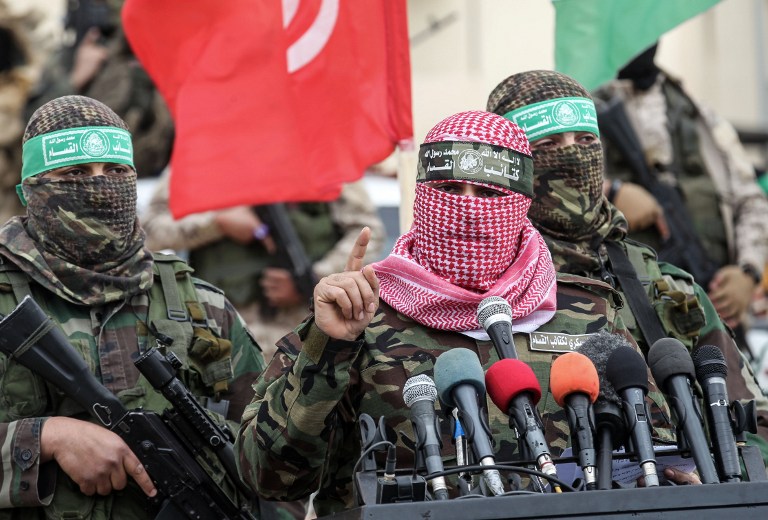
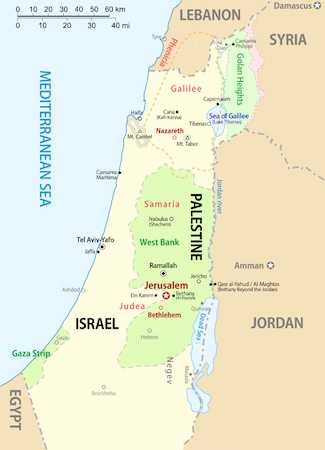
Ukraine, Palestine, Pakistan, Syria, Haiti – war is indeed a contagion. Yet, certain wars are orchestrated years, if not decades, in advance, as those who read “The Plot to Seize Russia” will understand. Few realize that the war on Gaza was also carefully orchestrated years ago.
“Hamas was encouraged and really started by Israel and the United States to counteract Yasser Arafat.” – Ron Paul
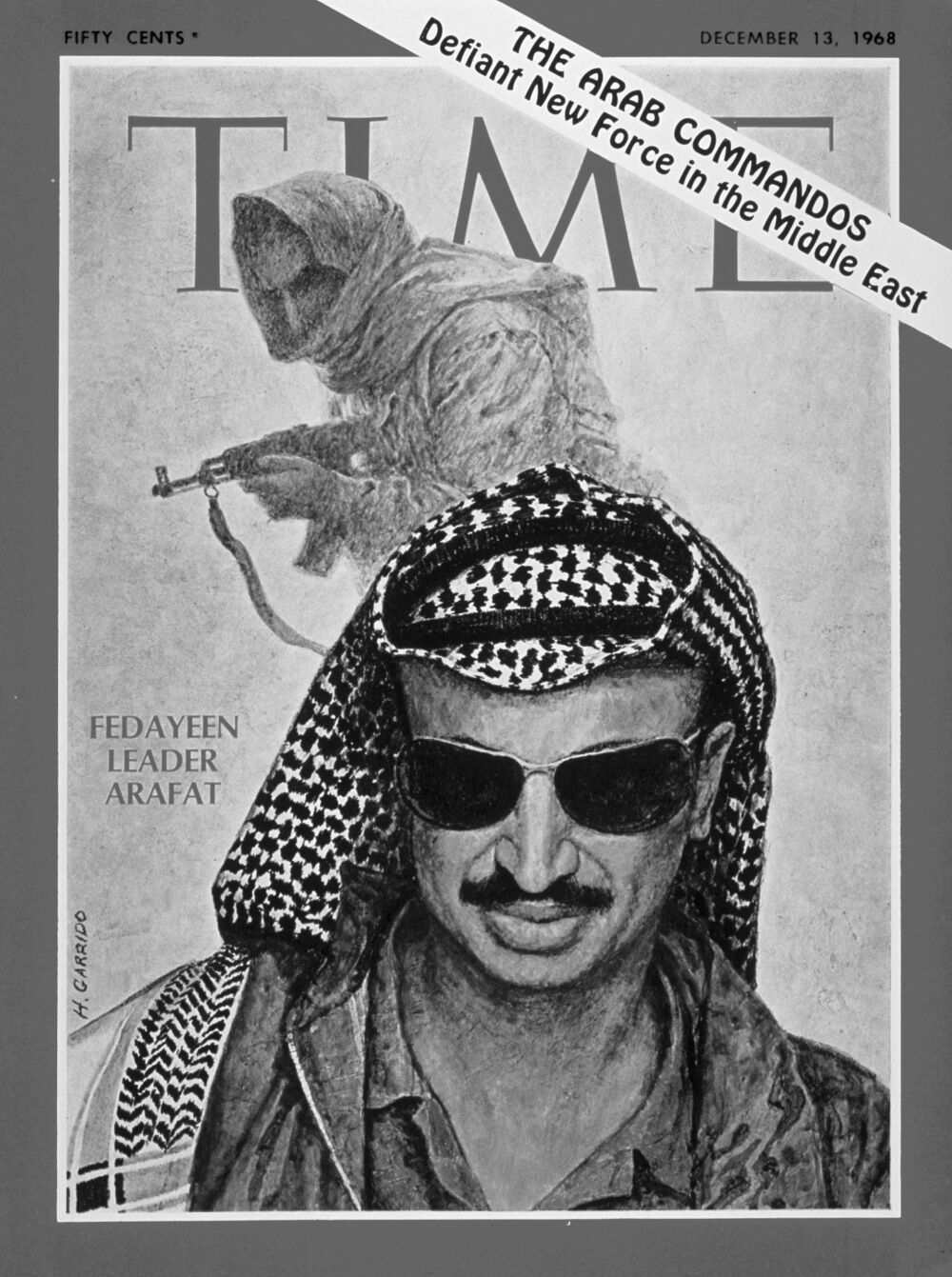
Yasser Arafat was the Chairman of the Palestine Liberation Organization (PLO) from 1969 to 2004, and President of the State of Palestine from 1989 to 2004. Arafat founded the Fatah political movement after the Suez Canal Crisis, which operated as a nationalist group and did not embrace the collaborative ideologies of Arab nations at that time. He rebuked donations from other Arab governments, although he did seek to form alliances.
Hamas originated in December 1987 at the start of the first Palestinian intifada. Unlike the PLO, Hamas was rooted in Sunni religious ideology and viewed the battle against Israel as a religious jihad. The PLO and Arafat recognized Israel’s right to exist in 1988; Hamas did not. Hamas declared Arafat was “a creature of Israel” and vehemently opposed his two-state stance.
When Egypt lost Gaza to Israel after the Arab-Israeli War of 1967, the Muslim Brotherhood moved to Gaza. Sayyid Qutb, a leader of the Brotherhood, was executed, and wheelchair-bound Sheik Ahmed Yassin became one of the top leaders in the organization. The Wall Street Journal interviewed a senior Gaza official in 2009 who explained how Israel saw this as an opportunity:
“Israel’s military-led administration in Gaza looked favorably on the paraplegic cleric, who set up a wide network of schools, clinics, a library and kindergartens. Sheikh Yassin formed the Islamist group Mujama al-Islamiya, which was officially recognized by Israel as a charity and then, in 1979, as an association. Israel also endorsed the establishment of the Islamic University of Gaza, which it now regards as a hotbed of militancy. The university was one of the first targets hit by Israeli warplanes in the [2008-9 Operation Cast Lead].”
Yassin’s coalition eventually became Hamas, which the Washington Post called “Israel’s Taliban: an Islamist group whose antecedents had been laid down by the West in a battle against a leftist enemy.” Israel imprisoned Yassir for 12 years, but the funding to his organization continued.
Israeli authorities, under the guidance of the United States government, supported the origination of the Muslim Brotherhood in the 1970s and 1980s, which later spawned Hamas. The Brotherhood established a large network of NGOs, mosques, charities, and other social organizations to influence Palestine and funnel money into their organization.
Brig. Gen. Yitzhak Segev, who was the Israeli military governor in Gaza in the early 1980s, told the New York Times that he assisted in financing the Palestinian Islamist movement as a “counterweight” against the PLO, which had gained popularity and international recognition. “The Israeli government gave me a budget,” the retired brigadier general confessed, “and the military government gives to the mosques.”
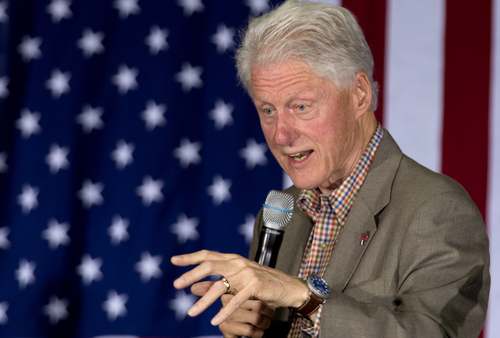
Bill Clinton attempted to facilitate peace through the 1993 Oslo Accords which acknowledged the two-state solution. The PLO was seen as cooperative at this stage and not in defiance of Israel’s right to exist. It is difficult to overtake a nation on a national scale when they are playing by the rules.
We arrive at 2000 when former President Bill Clinton attempted to draw the “Clinton Parameters,” a proposed peace deal that would permit Israel to annex highly populated settlement blocs containing 80% of Palestinian settlers. The Old City and holy sites would become Israeli territory, and the nation would maintain control over the Temple Mount. Palestine, in turn, would be awarded 1% to 3% land swaps with Israel, and a $30 billion international fund would be created to compensate Palestinian refugees.
Both nations initially agreed to the idea, but Clinton insisted that they reach an agreement before he left office. The deal fell through in an embarrassing defeat for the Clinton Administration. George W. Bush was then elected and proposed a road map for peace, entailing a two-state solution. Bush had his sights set on other areas of the Middle East, as we know, and the US encouraged Palestine to hold an election.
The January 25, 2006, election resulted in Hamas securing the majority of votes. The United States and Europe had already deemed Hamas a terrorist organization by this point, and the election marked a significant turning point in relations with Palestine.
“I do not think we should have pushed for an election in the Palestinian territories. I think that was a big mistake. And if we were going to push for an election, then we should have made sure that we did something to determine who was going to win,” Hillary Clinton said in 2006, after the election. Who’s to say that the US and Israel did not interfere? Hillary Clinton said that she would have met with Netanyahu during her first month in office if elected president. Bernie Sanders repeatedly called out Clinton’s desire for war with Palestine during the 2016 U.S. presidential debates. Time Magazine has published Hillary’s speech to AIPAC, which has successfully lobbied 95% of US politicians.
What is clear is that both Israel and the US continued to fund Hamas. The US, Israel, UN, and Qatar agreed after the 2014 Gaza war to send $30 million to the Gaza Strip each month. Around $10 million was intended to purchase oil from Israel, another $10 million to pay government employees, and the remaining $30 million to be distributed in $100 stipends to 100,000 Gazan families in poverty. The belief then, according to the press, was that Hamas was fueled by greed and would back away from warfare if paid off. Yet, Hamas is rooted is jihadist religious ideology—it was never about money.
“The PA [Palestinian Authority] said it would no longer agree to fund Hamas, and rather than let the terror group collapse, Israel decided on an alternative route for its funding,” says Dr. Udi Levi, who was the Mossad official charged with fighting the funding of terror until 2016. “That was part of Israel’s policy to buy quiet. Hamas demanded that the $30 million per month would be delivered directly to the ruling faction. It was naïve to believe Hamas would provide the money to the population in Gaza.”
Prime Minister Benjamin Netanyahu penned a letter to Qatar in 2018 in which he asked the Qatari leadership to continue funding Hamas. Funding to Hamas continued long after the 2006 election by both the United States and Israel.
USAID had a budget that surpassed the budgets of the CIA and State Department, the recent DOGE investigation revealed. USAID spent millions on the Islamic Relief Agency, another NGO affiliated with Gaza whose members include Ghazi Hamad, an outspoken Hamas terrorist who promised to repeat the events of October 7 “time and again until Israel is annihilated.” Islamic Relief, better known at the Muslim Brotherhood, had known ties to Osama Bin Laden who attempted to take responsibility for the worst terrorist attack on US soil. USAID gave the Unlimited Friends Associated an untold sum despite one of their goals being to “cleanse” the land of “impure Jews.” The Qassam Brigades received between $7 and $30 million from USAID through the Mercy-USA NGO.
The American Near East Refugee Agency (ANERA), founded in 1968 after the Six-Day War, was one of USAID’s main recipients. The organization received a $12.5 million grant from USAID in 2024 alone. ANERA has only partnered with the Bayader Association and Hamas. They funded the Islamic University of Gaza (IUG), which was created by Hamas leader Sheikh Yassin.
The US government was well aware of ANERA’s involvement in terrorism. The Israel Law Center published a report in 2017 that found ANERA used USAID funds to support Palestinian Islamic Jihad (PIJ) kindergartens that actively indoctrinate children in hatred and killing of Israeli civilians, as well as other PIJ and Hamas organizations, thus enabling them to finance terrorist activity, which is forbidden by U.S. law.” Ten years earlier, the Washington Times reported that “USAID continues to fund multimillion-dollar programs through American Near East Refugee Aid (ANERA), which is building a high-tech facility” for the IUG.
Western Islamism, a publication of the Middle East Forum (MEF), published a study entitled “Terror Finance at the State Department and USAID.” US taxpayers spent $164 MILLION on grants through USAID to Islamist groups, including $122 million designated to known terrorist organizations. The data in ‘Terror Finance’ paint a clear picture: USAID is complicit in financing jihad,” said Sam Westrop, director of Islamist Watch, who is calling for “a public vetting process of U.S. government grants to exclude any organization with even the most indirect link to an extremist movement.”
It is no secret that US intelligence agencies have funded terrorism to destabilize the Middle East. The Deep State knew 9/11 was going to occur, no different from how they knew Hamas would manage to penetrate the Iron Dome and attack Israel.
Hamas was intended to counteract Yasser Arafat and portray Palestine as a terrorist-led state. There is a reason that billions have been funneled into supporting Hamas. Palestine is fully controlled by a terrorist organization, which gives Israel and the US leverage to invade. The two-state proposal was a temporary solution to grander goals.
Posted originally on May 6, 2025 by Martin Armstrong
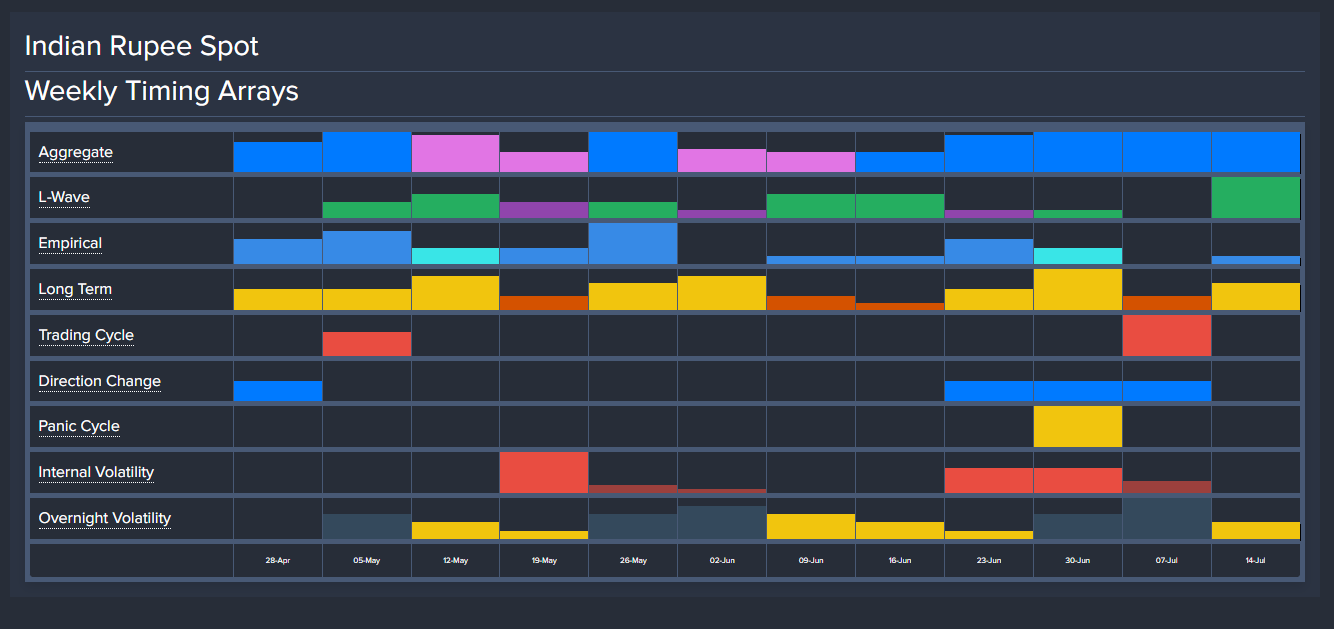
COMMENT: Mr. Armstrong, I fully appreciate that you have no interest in winning a Nobel Prize. However, the computer you have developed is far more accurate than anything regarding markets or geopolitics that has ever been created. This week was the turning point, as is May and then June, with a Panic Cycle. You forecast in 2019 that war would come to India and Pakistan in 2025. Nobody has ever been able to provide such accurate forecasts years in advance. I do not know what to say, but I believe everyone reading this should send a letter to the Nobel Commission to nominate you for this is more important than just you, this is about society making that one step forward for mankind, as Neil Armstrong said.
VS
REPLY: Thank you. Milton Friedman told me that what I was doing was important for society. He came to listen to me at a tech conference in Chicago. I am not sure if it was a Computrac or Market Technicians Conference. Nobody seems to have the records from then. If anyone were there and remembers, I would love to hear from you.
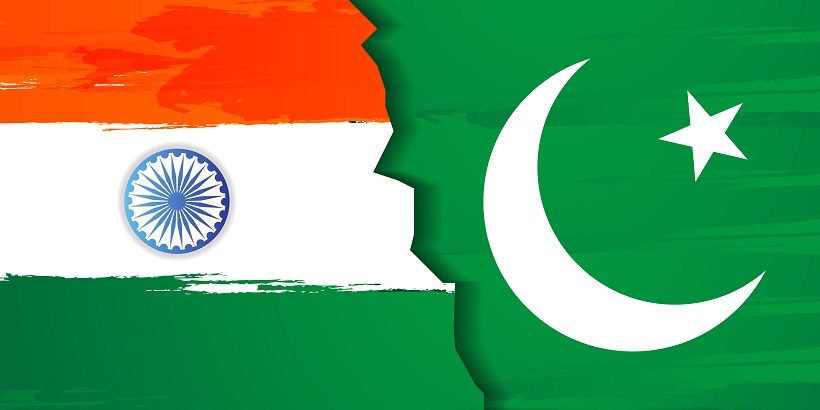
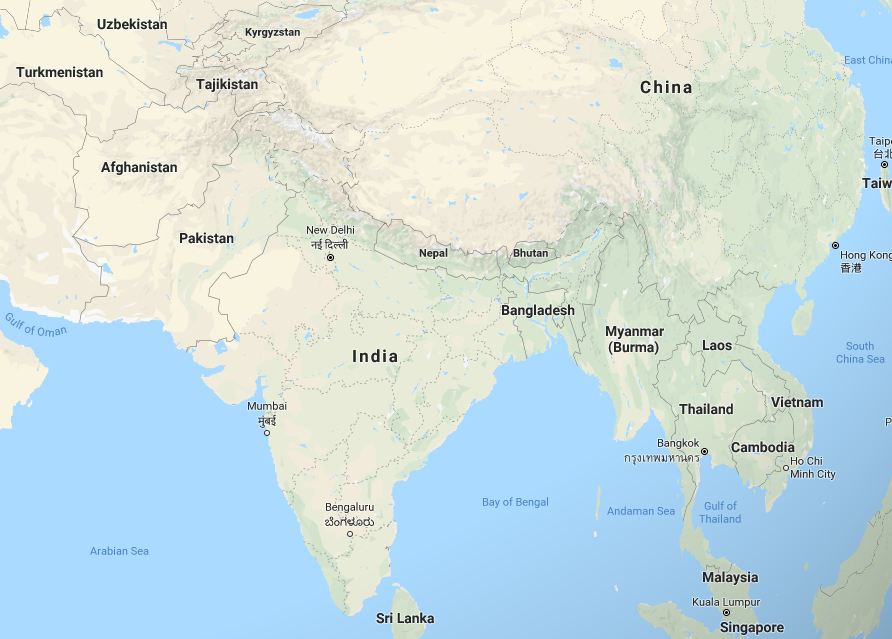
India said it conducted military strikes on nine sites in Pakistan in retaliation for a deadly militant attack on tourists in Kashmir, intensifying a confrontation between the nuclear-armed neighbors. India said its forces carried out strikes on camps that terrorists have used to stage attacks against India, according to a statement released on Wednesday. This was an expected response after it pledged retaliation for an attack last month in Kashmir that killed 26 people. India said it had NOT targeted any Pakistani military facilities. Reports confirm that India fired missiles at multiple targets that, according to Pakistani officials, killed a child and wounded two other people.
The ties between the two have rapidly deteriorated in the wake of the Kashmir attack. Indian Prime Minister Narendra Modi’s government has accused Pakistan of involvement and vowed to punish those responsible. Pakistan has denied any links to the attacks and warned of retaliation if India takes military action. This comes down to whether escalation will unfold from mid-May into June.
Pakistan has closed its airspace to Indian airlines, a move India matched. India has ordered Pakistani nationals in India to leave and reduced the number of staff allowed at Pakistan’s diplomatic mission. India’s military has been guarding the disputed border with China since 2020. China is a close ally of Pakistan and its top weapons provider. A war between India and Pakistan could easily see China on Pakistan’s side.
In a hypothetical scenario where India faces a conflict with Pakistan, with China backing Pakistan, India’s support would likely come from a combination of strategic partners, influenced by geopolitical interests and existing alliances:
United States:
Strategic Partnership: The U.S. has deepened defense ties with India through agreements like LEMOA (Logistics Exchange Memorandum of Agreement) and sees India as a counterbalance to China in the Indo-Pacific. Diplomatic, intelligence, and logistical support (e.g., arms sales, satellite data) would be probable, though direct military intervention is less certain unless U.S. interests are directly threatened.
Quad Alliance: The U.S. might rally Quad partners (Japan, Australia) to exert diplomatic and economic pressure on China, though their military roles would depend on the conflict’s scope.
France and Israel:
France: A major defense supplier (e.g., Rafale jets), France could provide advanced weapons and diplomatic backing, leveraging its UN Security Council position.
Israel: Likely to supply intelligence, precision-guided munitions, and cybersecurity support, given its robust defense ties with India.
Regional Partners:
Japan and Australia: Diplomatic support and sanctions against China/Pakistan, with limited military involvement unless the conflict escalates regionally.
Gulf States (UAE, Saudi Arabia): Might offer economic support or mediation, balancing historical ties to Pakistan with growing Indian partnerships.
Russia:
Balancing Act: Historically, a key arms supplier, Russia’s support would be constrained by its alignment with China post-Ukraine. It might remain neutral or broker negotiations to avoid alienating either side.
Multilateral Organizations:
UN and EU: Likely to push for de-escalation, though Chinese veto power could block anti-Pakistan/China resolutions. The EU might impose sanctions if the conflict threatens global stability.
Domestic and Nuclear Factors:
India’s extensive military and nuclear arsenal would act as a deterrent, reducing reliance on external intervention. However, atomic escalation risks would galvanize global pressure for a ceasefire.
This becomes very complicated. China’s Regional Influence is not to be ignored. The ASEAN nations (e.g., Vietnam, Philippines) might tacitly support India but avoid overt involvement to avoid antagonizing China. Then there is the issue of economic interdependence. For example, countries with significant trade ties to China (e.g., Germany, South Korea) would most likely limit support to India to avoid economic fallout.
India would likely receive diplomatic, economic, and limited military support from the U.S., France, Israel, and Quad partners, while Russia and multilateral bodies might prioritize mediation. Direct military intervention would hinge on the conflict’s scale and perceived threat to global stability. The overarching priority for most nations would be de-escalation to prevent a nuclear or regional crisis.
War is a contagion. It seems to unfold in one area and spread. It started with Ukraine, then Taiwan, and now India. Also, Carney in Canada has not waged military war against the United States, but he has engaged in diplomatic war because he is part of the WEF elite. He told Trump that Canada is not for sale, mainly because he has already sold it to merge with the EU. We are headed into a period of rising tensions globally, and as we will see, especially next year, all the old grudges will resurface around the globe.
Posted originally on May 7, 2025 by Martin Armstrong
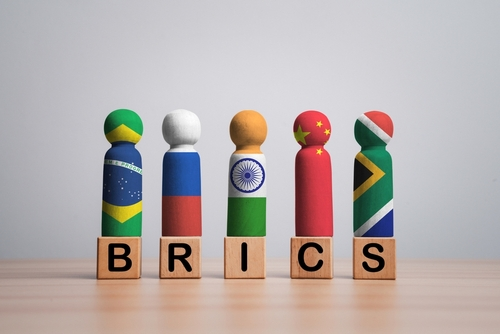
Over 171 million Indians have escaped extreme poverty in the past decade, according to the World Bank’s Poverty & Equity Brief. While the West cannibalizes its future through debt and Marxist policies, India represents a rising pillar of economic power in the post-Western age. India has seen a real uptick in recent years under Modi’s government as he has profited from Western wars and geopolitical conflict. Additionally, the BRICS alliance has aided India in rising through the ranks to become an economic powerhouse.
Extreme poverty fell from 16.2% to 2.3% in the past decade. The standard for “extreme poverty” is living on less than $2.15 daily. Lower-middle-income poverty, those living on $3.65 daily, saw a notable decrease from 61.8% to 28.1%, aiding 378 people in escaping extreme poverty.
Despite the elimination of the cast system in the 1950s, the nation was largely composed of the “haves” and “haves nots.” There is still a drastic difference in wealth across the nation, but conditions are improving overall. Poverty in rural areas fell from 18.4% to 2.8% in the past decade. Poverty in urban areas declined from 10.7% to 1.1%. The multidimensional poverty index (MPI) fell from 53.8% to 16.4% from 2005-06 to 2019-21. Uttar Pradesh, Maharashtra, Bihar, West Bengal, and Madhya Pradesh accounted for two-thirds of reduction in extreme poverty, and yet, these states still host half of those multidimensionally and extremely poor.
Similar to China, India has demographic strength and no issues with declining birth rates. Internal demand is also supporting economic growth. India has benefitted from increased job outsourcing rates. In the geopolitical playing field, India has taken much manufacturing from China and is benefiting from global capital reallocation.
Yet, no nation is immune to cyclical trends, and India will not escape the downturn on the horizon. India’s sovereign debt is expected to reach 80-83% of GDP by March 2026, or roughly $2.14 trillion. India is embarking on a war with Pakistan, which will bring its own troubles. As I have warned, 2026 will be a Panic Cycle year in the region. War will sweep the world as a contagion, and it is not likely to end before 2033.
Posted originally on May 6, 2025 by Martin Armstrong
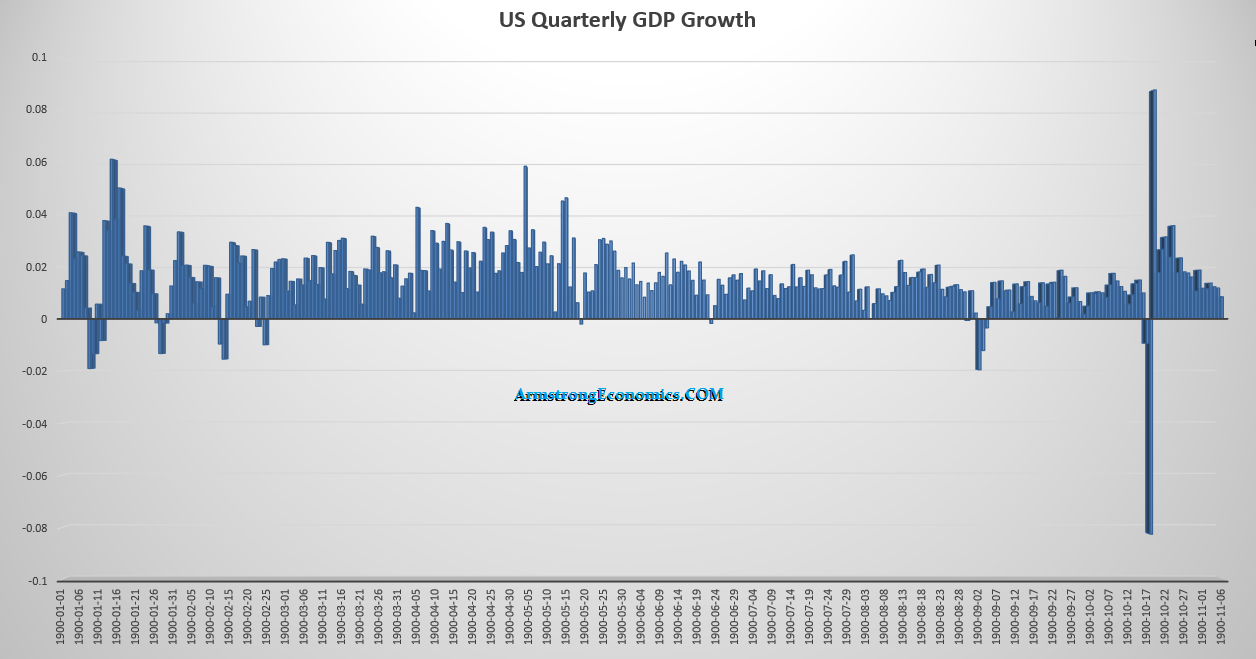
Friedrich Merz was elected as Germany’s chancellor in a second-round parliamentary vote on Tuesday after failing to secure the necessary support earlier in the day. Merz needed at least 316 of the 630 members of parliament to vote in his favor, but he received only 325 votes (51.5%). Like Mark Carney in Canada, Merz will be the final nail in Germany’s coffin. He is pro-World War III. Simply comparing the economic growth of Germany, Europe’s cornerstone of the EU economy, to that of the United States, illustrates that the greater the socialistic policies of controlling everything, even freedom of speech, produce far less economic growth. The German economy has shrunk by 3% or more thanks to COVID lockdowns, Climate Change, and Russian sanctions.
I have created this site to help people have fun in the kitchen. I write about enjoying life both in and out of my kitchen. Life is short! Make the most of it and enjoy!
This is a library of News Events not reported by the Main Stream Media documenting & connecting the dots on How the Obama Marxist Liberal agenda is destroying America






 Centinel2012