Posted originally on the CTH on January 17, 2023 | sundance

Be rebellious and have fun doing it.
Live your best life.
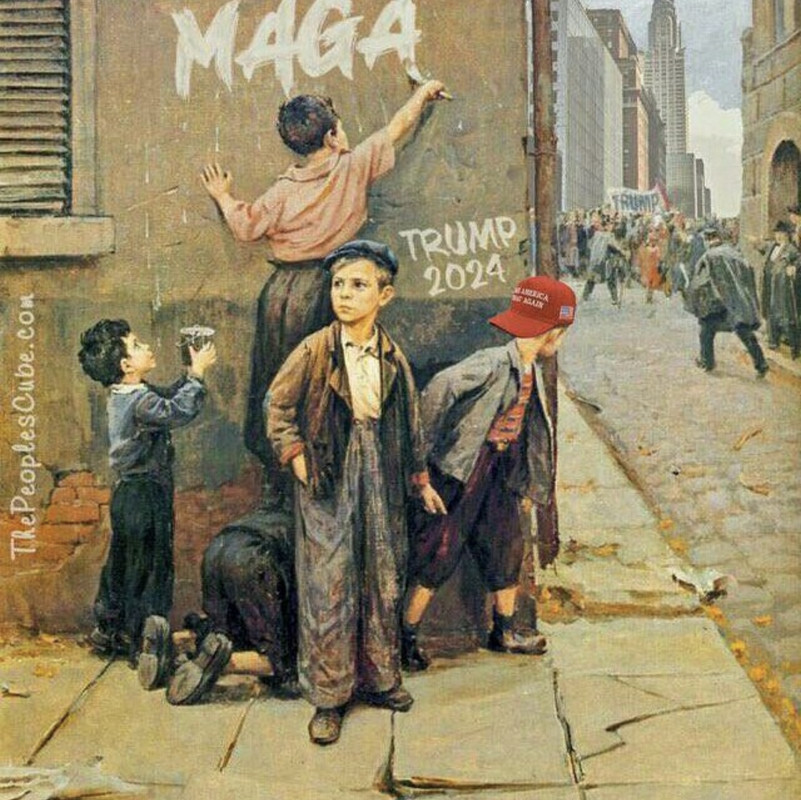

Be rebellious and have fun doing it.
Live your best life.
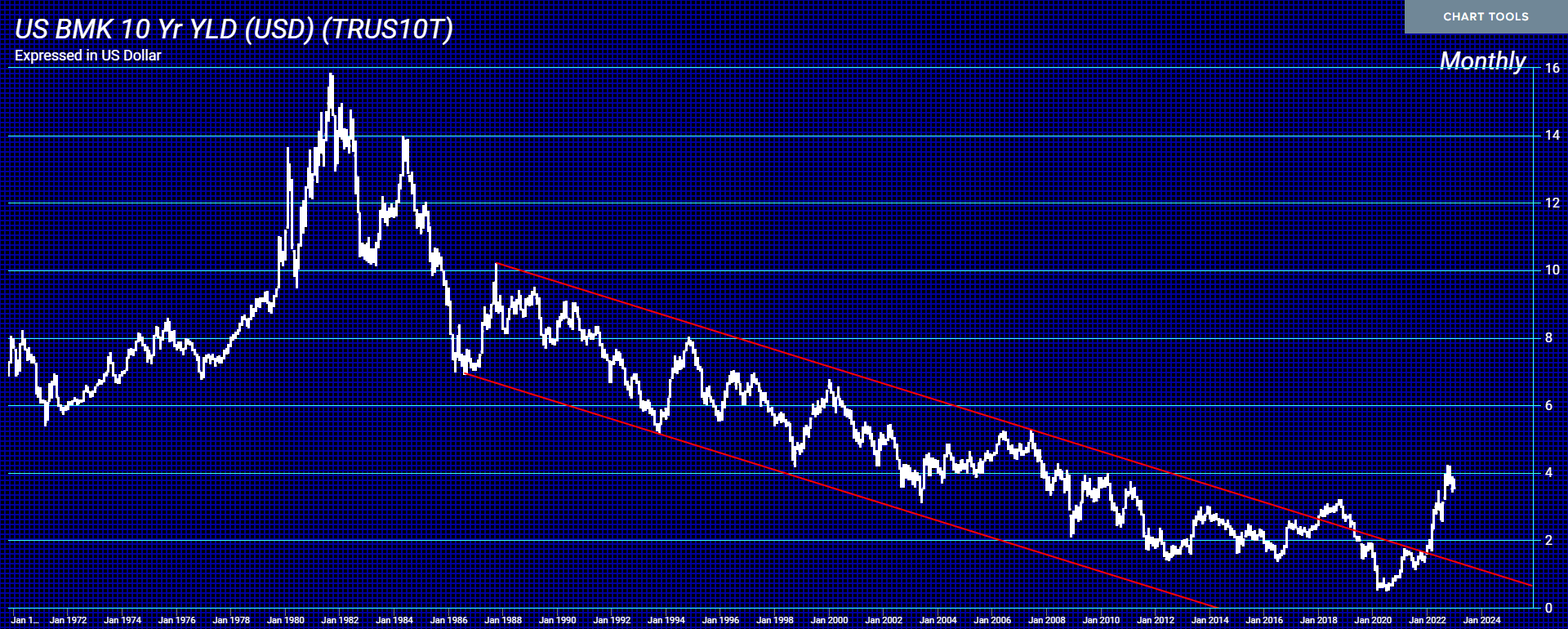
Sometimes you need to look behind the curtain before you understand the real trend. It is true that Federal Reserve officials are committed to fighting inflation and expect higher interest rates to remain in place until more progress is made, according to minutes released from the central bank’s December meeting. Also what has been reported is that at that meeting, policymakers expressed the importance of keeping the restrictive policy in place while inflation holds unacceptably high.
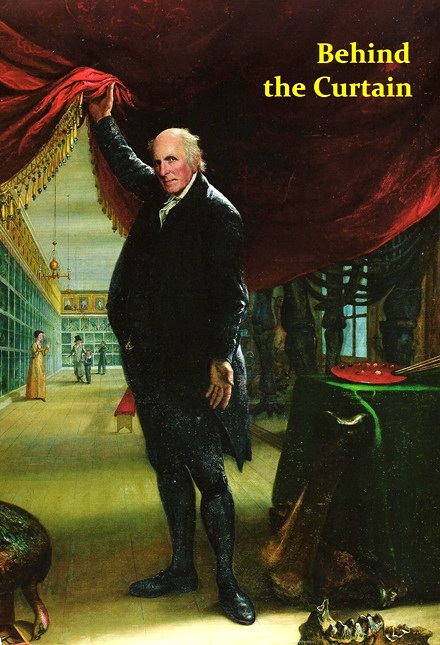
Now let’s look behind the curtail for just a peek. War ALWAYS impacts interest rates and they traditionally rise in periods of such conflict. After Europe kept rates NEGATIVE from 2014, that means every bond they sold for 8 years is now losing money. This was the bond crisis in London and then you had Janet Yellen come out and revealed the real silent worry.
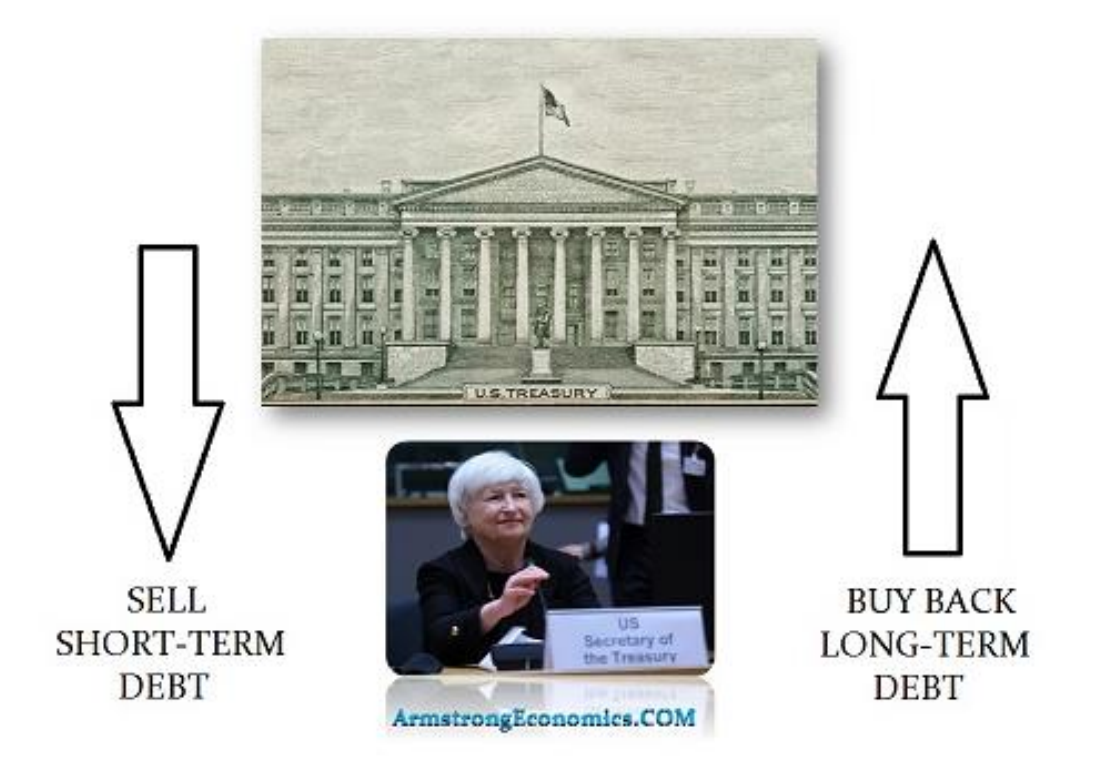
Yellen came out and proposed that the Treasury buy in long-term debt and swap it for short-term. Some were out there claiming the Treasury was competing with the Fed as a second central bank. That just illustrated how much they do not understand what is going on or even how the monetary system works. The proposal was NOT another QE. The Treasury cannot create money as can the Fed. She was talking about a SWAP because the long-term debt is in crisis mode with the coming war. Smart players want to swap long-term for the short-term.
China has been dumping bonds since late 2021 as Biden has been claiming the US will defend Taiwan. I can confirm that under EVERY possible military play, the US will lose. I have reported this before. The US cannot defeat China – PERIOD! With China now selling off US debt and shifting to gold, they are seeking to insulate themselves from any Western currency since Biden violated every international law to impose sanctions on Russia. China elected Xi Jinping because Pelosi when to Taiwan just before the election confirming that we are headed to war.
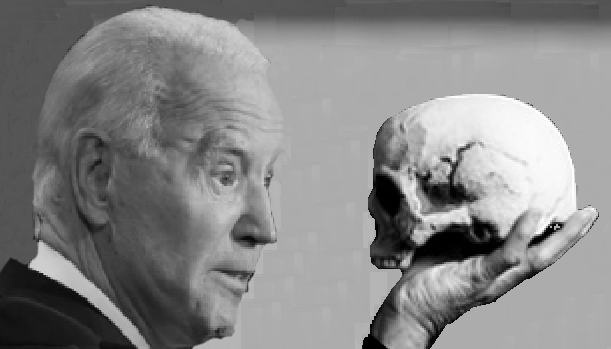
Against this backdrop, the Fed CANNOT lower interest rates. This is NOT 100% about inflation anymore. The Fed realizes that the Biden Administration is determined to create World War III. As we are heading into a war they must adopt a war posture as well. Hence, interest rates will remain firm because not just inflation driven by shortages, but by the fact that the long-term liquidation continues, and lowering interest rates would now cause a capital crisis when staring war in the eyes.
The true enemy of a constitutional republic are the Mitch McConnell’s and Nancy Mace’s of the professional political class who build systems to undermine the will of the people under the pretense of representing them. These are the abusers, the professional abusers, the psychologically Machiavellian and inherently evil people within the system of power who operate on false pretense. They are smiley-faced fascists and liars, period.
“A nation can survive its fools, and even the ambitious. But it cannot survive treason from within. An enemy at the gates is less formidable, for he is known and carries his banner openly. But the traitor moves amongst those within the gate freely, his sly whispers rustling through all the alleys, heard in the very halls of government itself. For the traitor appears not a traitor; he speaks in accents familiar to his victims, and he wears their face and their arguments, he appeals to the baseness that lies deep in the hearts of all men. He rots the soul of a nation, he works secretly and unknown in the night to undermine the pillars of the city, he infects the body politic so that it can no longer resist. A murderer is less to fear.” ~ Taylor Caldwell
[Transcript] – MARGARET BRENNAN: We begin with one of the Republican members of Congress who was with Speaker McCarthy on all votes. That’s Nancy Mace of South Carolina. Good morning to you, Congresswoman. Welcome back.
REP. NANCY MACE: Good morning.
MARGARET BRENNAN: Again and again, 14 times the hard right faction of your party refused to vote for Kevin McCarthy even after he was making repeated concessions to them. How can Republicans possibly govern when your party is so unruly?

REP. MACE: Well, first of all, I want to say number one, Kevin McCarthy, is the only member that- that I know of, that could bring all the different groups together within our own party, because we do have different factions, just like Democrats do. And that’s, that’s the first thing. And then the second thing is that sometimes democracy is messy. It looked kind of like an unnecessary and prolonged food fight last week. And I agreed with many Americans who thought that. I came home this weekend and listened to folks of all sides. I represent a very purple district, I have all sides to serve. And there was a lot of frustration with the prolonged and unnecessary food fight that we had this week. But you saw democracy on full display. And I think that’s healthy to have that kind of debate. I’m glad that it’s over and we can move forward.
MARGARET BRENNAN: Well, I mean, some would say it wasn’t so much democracy as it was dysfunction. The Wall Street Journal Editorial Page was pretty scathing. Said: don’t believe the happy talk this was a healthy display of deliberative democracy. It was a power play. A group of backbenchers saw an opportunity to exploit the narrower GOP margin of five seats to put themselves in positions of power that they hadn’t earned through seniority or influence with colleagues. If this rules package passes, with all the concessions that Speaker McCarthy made, this will leave you beholden, won’t it? To those backbenchers?
REP. MACE: Well, a couple of things I want, I want to say on the rules package, the rules that are governed the way- that will govern the way the House operates. There are some very great good ideas in there like the 72 hour rule, having three days to read a bill before it comes to the floor for a vote, having a path to balance the budget over the next 10 years, ensuring that they’re spending off- offsets, especially with mandatory spending. If you’re gonna increase in one area, then you have to decrease in another. But I will tell you, when I ran for Congress two years ago, I won by one point, and I ran to be a new Nancy in the house. And what I saw last week was a small faction of the 20, who were acting just like the old Nancy, trying to cut back room deals in private, in secret without anyone knowing what else was going on. And when they did the rules package. At the end of the day, there was only one point that was changed. That was on the motion to vacate. That was the only difference in the package that we’re going to be voting on tomorrow that was different from the original package that was proposed. So my question really is today is what back room deals were cut- did they try to cut? And did they get those because we shouldn’t be operating like Nancy Pelosi, this small faction. They’re the ones that are saying they were, quote, fighting the swamp, but then yet went and tried to act like you know, like, they actually are the swamp by trying to do these back room deals. And we don’t know what they got, or didn’t get. We haven’t seen it. We don’t have any idea what promises were made or what gentleman’s handshakes were made. We just, we just have no idea at this point. And it does give me quite a bit of heartburn, because that’s not what we ran on.
(crosstalk)
MARGARET BRENNAN: So Speaker–
REP. MACE: It’s quite ironic.
MARGARET BRENNAN: So you are saying Speaker McCarthy is not being transparent about all the deals that he brokered in order to win this job.
REP. MACE: I’m saying there’s a small handful of individuals in that 20 who were trying to cut deals in secret.
(crosstalk)
MARGARET BRENNAN: Didn’t they succeed in doing that?
REP. MACE: And not let anybody else know about them. We’re not sure, we don’t know at this point. And that does give me pause and gives me significant heartburn on what direction we’re going to take. I represent a purple district, I have to represent Republicans, Democrats and Independents. I want to know that the positions that I have are going to have a voice that it will have weighed in the conference. There are a lot of members like me that- that have issues with some of the policies that we’re going to be working on. Look at what happened after overturning of Roe v. Wade. We didn’t have a plan and I want as a woman and as a victim of rape want to know that we’re going to be serious. That we’re going to be balanced in protecting the rights of women and protecting the rights of the unborn. There’s a way to do it both and not be guided by one extreme or the other.
MARGARET BRENNAN: Well, I just want to clarify there because I had asked you initially about the rules package, which is published and would be voted on tomorrow. Are you saying that you’re going to withhold your vote on those published agreements until you know what these back-room deals were?
REP. MACE: I am considering that as an option right now. I like the rules package. It is the most open, fair, and fiscally conservative package we’ve had in 30 years. I support it, but what I don’t support is a small number of people trying to get a deal done or deals done for themselves in private, in secret to get a vote or vote present. I don’t support that. That is just what Nancy Pelosi does. And that’s not what they should be doing. And so, I am on the fence right now about the rules package vote tomorrow for that reason.
MARGARET BRENNAN: Got it. It reportedly includes a pledge that would likely require a $75 billion cut to national security funding. Do you support that part of it?
REP. MACE: I want to see- I want to see it in writing. I want to see what promises were made. And what we are being told is that- that these handshakes, what’s going on these promises will go through regular order and go through the regular appropriations process. I don’t want to see defense cuts. I- again, we don’t, we don’t know what deals were made. And that’s something that we should be transparent about. Sunshine is the best medicine. That’s what we’ve always said. So what, what are we guaranteeing or what promises were made? We should know.
MARGARET BRENNAN: The speaker has reportedly given the Freedom Caucus, that ultra-conservative faction, a third of the seats on the powerful Rules Committee which controls which bills make it to the floor. You’ve called Matt Gaetz, one of its members, a political D-Lister and a fraud. You’ve sparred with Marjorie Taylor Greene, I’ll show our viewers part of that and let them interpret your meaning. How are you going to work with these folks to get anything done for the American people?
REP. MACE: It’s going to be very difficult. Matt Gaetz is a fraud. Every time he voted against Kevin McCarthy last week he sent out a fundraising email. What you saw last week was a constitutional process diminished by those kinds of political actions. I don’t support that kind of behavior. I am very concerned as someone who represents a lot of centrists, a lot of Independents. I have as many Independents and Democrats as I have Republicans in my district. I have to represent everybody. I am concerned that common sense legislation will not get through to get a vote on the floor. And I, for example, we have 12 bills that we’re supposedly going to be voting on in our first week in office. Three of them are abortion- abortion bills and pro-life bills. I am pro-life. But I have many exceptions. But they are not legislation, pieces of legislation, that can pass the Senate and get onto the desk for the president to sign into law. And so if we’re going to be serious about protecting life, for example, maybe we should look at more centrist views, like ensuring every woman has access to birth control, because if you can reduce pregnancies, you can reduce the need or want for women to have abortions, for example, a very common-sense pragmatic point of view. But that’s not what we’re going to be voting on this week. And I am concerned I want to see pragmatic- pragmatics at work, common sense, fiscal, conservative issues at work that represent all views.
MARGARET BRENNAN: Before I let you go, I have to ask you, you have a new colleague from the state of New York, Representative George Santos. He says he’s embellished his resume. You could say he just flat-out lied about work history, education, family background, how can you work with someone like that? And does he need to be removed from office?
REP. MACE: It’s very difficult to work with anyone who cannot be trusted, and it’s very clear his entire resume in life was- was manufactured until a couple days ago when he finally changed his website. It is a problem. If we say we can’t trust the Left when they are telling the truth, how can we trust our own? Americans want transparency, and the one lesson I’ve learned in DC: if you want a friend you can trust, get a dog.
MARGARET BRENNAN: I understand you are a dog fan. All right, Congresswoman. Thank you.
REP. MACE: I am a huge dog fan. Thank you.
MARGARET BRENNAN: Thank you. Nancy Mace. Thank you for your time this morning. (link)
Given the nature of our current political dynamic, some may find this interesting; I did.
Because it is rather lengthy, I have prompted the video to begin at a certain place pertinent to our current conversation. Just hit play and then exit when you find yourself no longer interested; but try to stick with it at least through to the Senator Mark Warner and Adam Waldman stuff. WATCH:
.
The Bureau of Labor and Statistics (BLS) released the December jobs report today [DATA HERE] showing 223,000 jobs gained in December ’22.
Most of the job growth was in the “leisure and hospitality” sector (+67,000), healthcare (+55,000), construction (+28,000) and social assistance (+20,000). Additionally, average hourly earnings rose by 0.3%, with a year-over-year measure of wage growth at 4.6%.
At this point in the history of our economic pretending game, we are well aware the employment numbers are heavily manipulated in order to support the government policymaking that is destroying the same workforce they claim to represent. It’s all a ruse, just look around your community and you will see what I am talking about.
The financial pundits, Wall Street, government policy makers and various individuals and economic gaslighters are concerned that worker wage growth could drive inflation. This is one of the most aggravating aspects to reviewing the majority of economic punditry. [Example:]
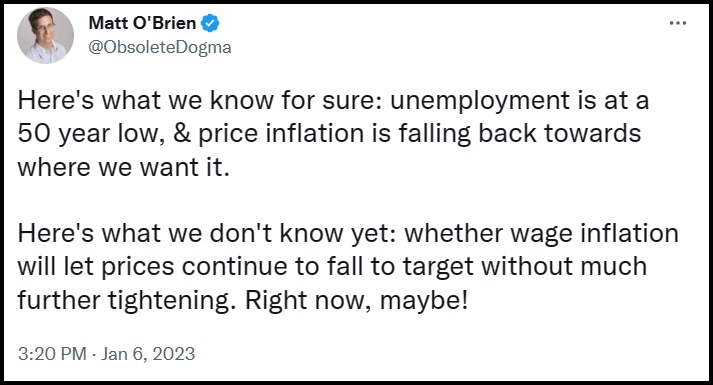
This knuckleheaded narrative engineer from the New York Times/Atlantic even has the audacity to say, “let prices continue to fall to target,” as if there is a single item at any price that is dropping. His spin is a good example of gaslighting just from the use of the statement “price inflation is falling back towards where we want it.”
Price inflation is not price. ‘Price inflation’ is the rate of increase. There’s a BIG DIFFERENCE between “inflation falling back” and prices dropping. Inflation falling back is merely a lessening of the rate of price increase. The price does not drop, and never will.
This reality is why it is infuriating to see government policymakers and pundits decry wage growth as a bad thing that might cause inflation.
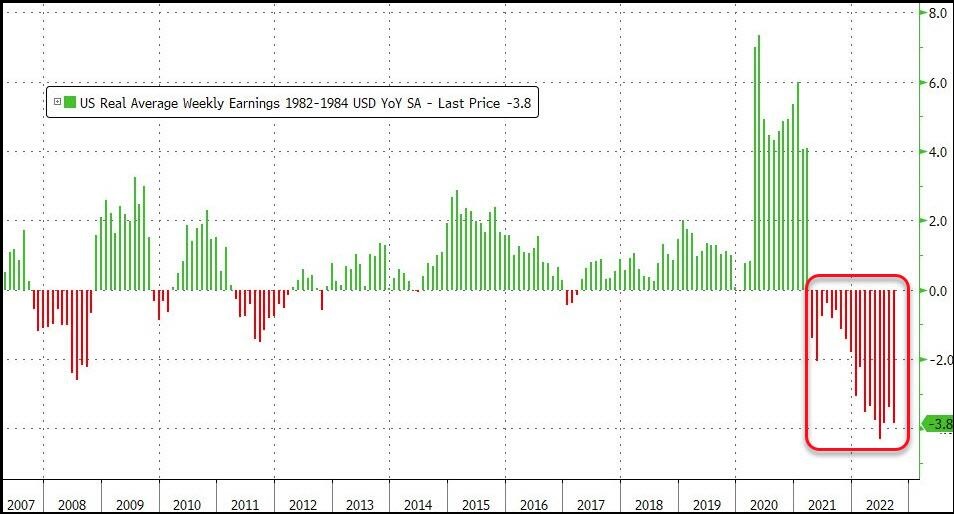
Government monetary, fiscal and energy policy created inflation. Devalued currency from spending, simultaneous to massive government policy changes driving up supply side energy costs, exploded inflation.
Prices for energy, oil, gas, home heating, fuel and food all skyrocketed as a result. Workers need pay raises to afford these essential costs of life. However, the same people who created the inflation are now worried that wage rate increases may drive inflation. The mindset at work here is infuriating.
Consider these empirical data points. In August of 2021 the Biden administration permanently increased food stamp benefits by 25% for everyone who needed the subsidy {LINK}. This permanent benefit increase was delivered at the same time as the administration was claiming “inflation was transitory.” They knew it wasn’t transitory. They were lying.
The Social Security Benefits were also raised in 2022 by 8.7% for the largest ever cost of living adjustment in 2023 {LINK}. Both the 25% food stamp increase and the 8.7% SSI COLA were needed to offset the inflation created by government policy…. However, the same government doesn’t want wages to rise. Can you see the hypocrisy.
Workers are being crushed by the outcomes of policy, and those who created the policy making the outcomes do not want worker wages to offset the policy.
We need to see wage growth in the 20% range just to keep pace with the increased cost of living created by policy. Food costs 40% more, energy 30% more, housing 20% more and the list keeps going.
The prices for many goods have already doubled, worker wages need to compensate for those increases. However, government, Wall Street, corporations and policy makers do not want to see wage growth that will offset the price of goods because they fear those wage gains will drive inflation.
The financial media, Wall Street, govt policy makers (republican & democrats) and corporations are lying to us and simultaneously killing the working-class. We, the workforce, are in an abusive relationship with govt…. and they have the nerve to blame us for inflation.
Our food costs +40%, energy +30%, housing +20%, all of it.. with interest rates now climbing, making it worse. Yet, they now clutch pearls and worry about our need for higher wages to afford these costs (from their policy) driving inflation higher?
Yet we are supposed to be concerned about giving an entitled republican control of the speaker position in congress because.. why?
Probably the same reason they want us looking at Ukraine, or transgender issues, or queer/gay rights, or climate change, or (fill_in_the_blank with something Ron DeSantis is promoting) all to keep us from realizing our economic life is being destroyed all around us while this constant and insufferable game of pretending continues.
I hate them all right now.
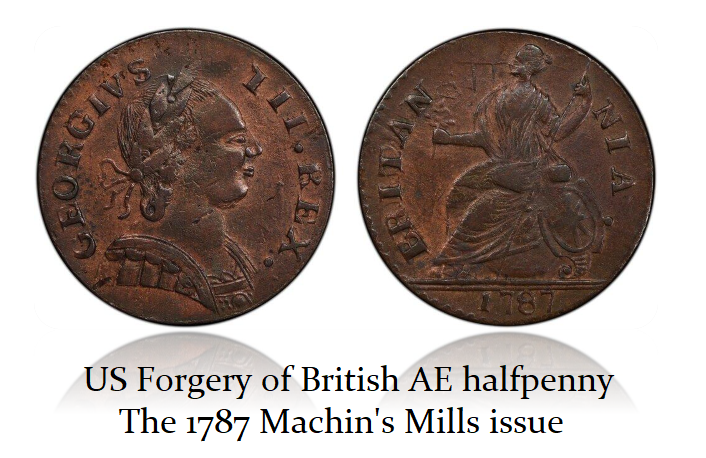
During the reign of King George III (1760–1820) the first issue of halfpennies actually was not issued until 10 years after his accession to the throne in 1770. Consequently, the vast number of halfpennies in circulation were actually all counterfeits. Indeed, counterfeiting became rampant at first because there was a coin shortage. In 1771, it was declared that counterfeiting copper coins were to be a serious crime. Nevertheless, this really made no difference. Over the course of the next twenty years, the majority of copper coins in circulation were forgeries. Even in the American Colonies, a favorite pastime was to counterfeit British halfpennies.
Coppers of this type are thought to have been minted from mid-1787 through 1788 and probably into 1789. Interestingly, it appears Thomas Machin first produced halfpence dated to the contemporary year as well as examples backdated to 1778. As the mints in Connecticut, New Jersey, and Vermont failed, their equipment ended up at Machin’s Mills. Along with imitation British halfpence, Machin’s Mills also produced illegal Connecticut coppers and some legal Vermont Coppers, with most of their Vermont coins being struck over counterfeit Irish halfpence. The illegal coining operation continued at Machin’s Mills until around early 1790, which was longer than any of the legal mints in New England.
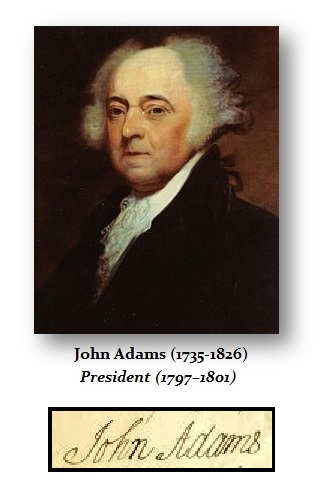
John Adams wrote to John Jay on April 10. 1787
“There is a vast sum in Circulation here of base Copper: to the amount of Several hundreds of thousands of Pounds. very lately these half Pence are refused every where: I suppose in Consequence of some Concerted Scheme. and it is supposed that they will be all purchased for a trifle and Sent to the United States where they will pass for good metal, and consequently our Simple Country men be cheated of an immense sum.2 The Board of Treasury, may be ordered with out the avowed Interposition of Congress, to give the alarm to our Citizens. and the seperate States would do well to prohibit this false Money from being paid or received.3
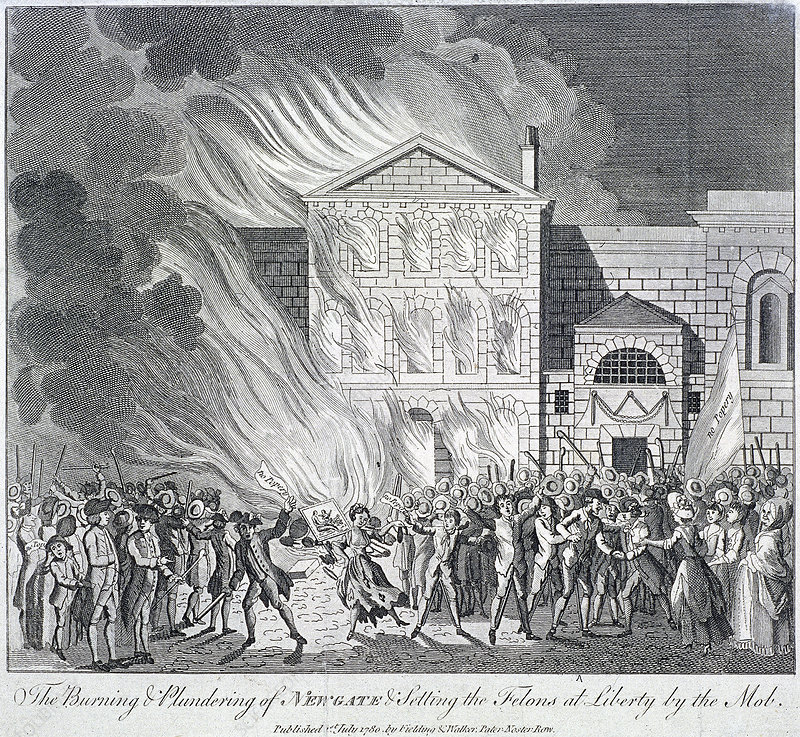
There was religious tension in Britain that still lingers to this day against Catholics. The Gordon Riots of 1780 took place over several days instigated by the anti-Catholic sentiment that again erupted with the passage of the Papists Act of 1778. That was an attempt to reduce official discrimination against British Catholics with the first legislation of the Popery Act of 1698. At the time, Lord George Gordon was the head of the Protestant Association. He argued that the law would enable Catholics to join the British Army and once in they would then use the army to plot treason. The protest became the excuse to burn people’s possessions, engaged in widespread rioting and looting, and they even used the opportunity to attack both Newgate Prison and the Bank of England. This was by far the most destructive riot in the history of London.
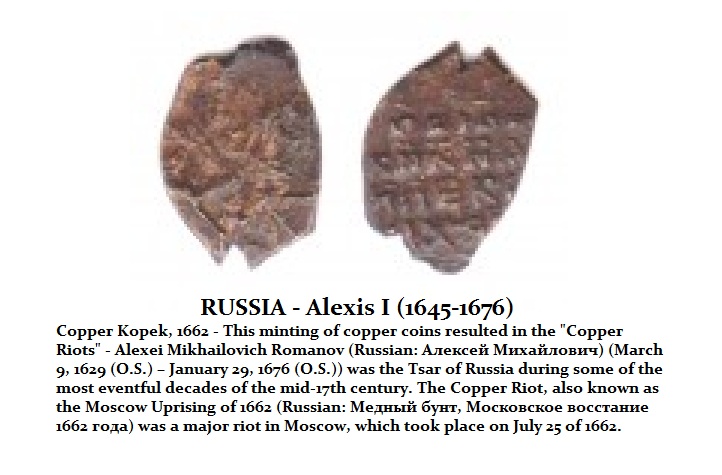
From the mid-1600s, the world money supply was increased largely with copper coins. Russia, in particular, began to overvalue the copper coins. Money is always fiat for its value is typically dictated by the government. Overvaluing copper as in the 17th and 18th centuries, led to the same trend of overvaluing silver during the 19th century. The result of this monetary manipulation by the Russian government led to what became known as the Copper Riots of 1662.
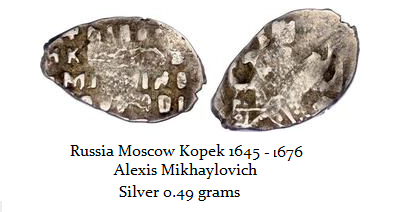
The Russian government began producing copper coins and monetizing them to be of equal value to silver Kopek currency with an average weight of about half of a gram to meet expenses during the mini-Ice Age. The effort failed and silver vanished from circulation as people began hoarding them causing the entire economy to collapse. The copper money was naturally devalued in purchasing power and then there were widespread counterfeiting operations since the official value of the copper coinage became far in excess of the cost of production. The economy collapsed into a deflationary black hole as businesses shut down and unemployment rose dramatically. This erupted into what has become known as the Copper Riots of 1662.
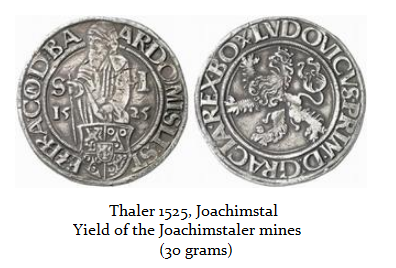
The German bankers, the Fuggers, emerged as the leading Augsburg merchant-banker, who then provided loans to local rulers secured with the silver produce of their mines. The discovery of vast silver mines eventually led to the development in 1525 of the one-ounce silver coin that was the thaler from which we derive the name “dollar” as the alternative to the British pound after the American Revolution. The Joachimsthaler of the Kingdom of Bohemia was therefore the first thaler ideally with a weight of 31 grams or one troy ounce.
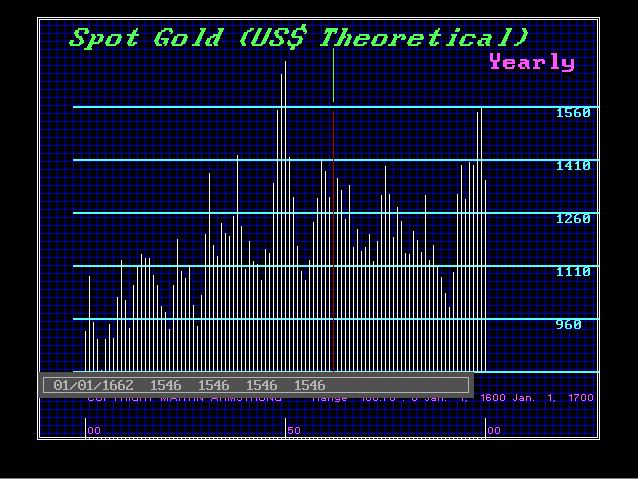
As the silver mines were declining, the decline in the supply of silver led to the rise of copper coinage during the next century. This was not an isolated incident confined to Russia. There was a shortage of precious metals going into 1662. It was most profound in Russia. Nevertheless, the price of gold rose sharply from the low of 1655 in a 7-year bull market. This also reflected the deflationary atmosphere that was emerging thanks also to the mini-Ice Age which was peaking during the 17th century yet would last well into the mid-19th century.
It was Spain’s silver mine known as the great red Cerro Rico or ‘Rich Hill’ that towered over the city of Potosí in Bolivia. It had been mined since 1545 by drafted armies of natives. The great silver boom of c1575-1635 was when Potosí alone produced nearly half the world’s silver. But the mine’s yield was starting to decline. By 1678, native workers became scarce and the output of the mines began to dwindle. This was the royal mint that produced vast amounts of ‘pieces of eight’, which became the precursor of the American dollar. The shortage of labor ended up being augmented by purchasing African slaves from the Dutch who were buying them under the pretense that they were the spoils of war, which had been the justification for slaves from ancient times.
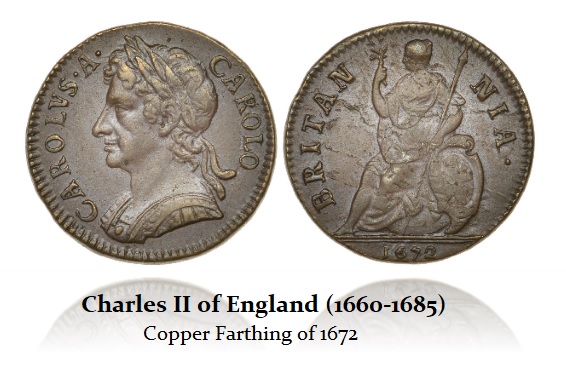
As the quantity of new silver in the world monetary system was declining, we begin to see the rise of copper coinage make its first appearance under James I of England (1603-1625). Due to a shortage of small coins, James I authorized John Harrington to issue tin-coated bronze farthings in 1613, and three main types were minted – the last being a slightly larger copper farthing without the tin coating. The first halfpenny was introduced in 1672 by Charles II (1660-1685). Charles II issued some copper halfpennies and farthings in 1672 for a single year but issued farthings again in 1873. The next issue of a farthing was struck in a tin but during 1684 and 1685.
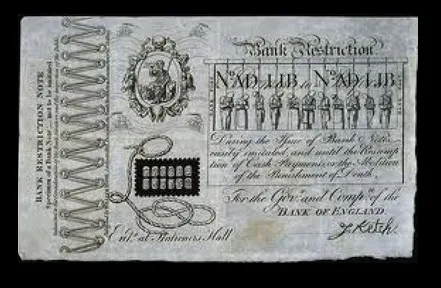
However, in 1694 the Bank of England was established to raise money for King William III’s war against France. The Bank started to issue notes in return for deposits. Therefore, the money supply for the first time began to include paper currency. By 1695 the first fraud took place. The authorities prosecuted Daniel Perrismore for forging sixty £100 notes. This incident caused the Bank of England to introduce a watermark in the paper to prevent such fraud. This was further enhanced by making counterfeiting subjected to the death penalty as a felony resulting in the confiscation of all your wealth and throwing your family out of the street as well. Pictured here, is a protest imitation note. The law was being prosecuted on the mere possession of a forged note. The complaint here was that these one-pound notes were easily forged and innocent people were duped, thereby committing a felony by mere possession. They were being hanged with no proof that they created the forgery – merely that they possessed one. This was creating an incentive not to even accept the notes in transactions.
George I, II, and III all issued copper halfpennies. George III’s halfpennies were dated 1770 to 1772. The economic hard times no doubt contributed to the riots of 1780. After those events, at Newgate Prison in March 1782 a female alleged counterfeiter of halfpennies was hanged. She was then fixed to a stake and burned before the debtor’s door at Newgate prison in London as a further example of not to counterfeit.
In a letter to Lord Hawkesbury on April 14th, 1789, Matthew Boulton, who is considered the Grandfather of modern coinage, commented
“In the course of my journeys, I observe that I receive upon average two-thirds counterfeit halfpence for change at toll-gates, etc., and I believe the evil is daily increasing, as the spurious money is carried into circulation by the lowest class of manufacturers, who pay with it the principal part of the wages of the poor people they employ”.
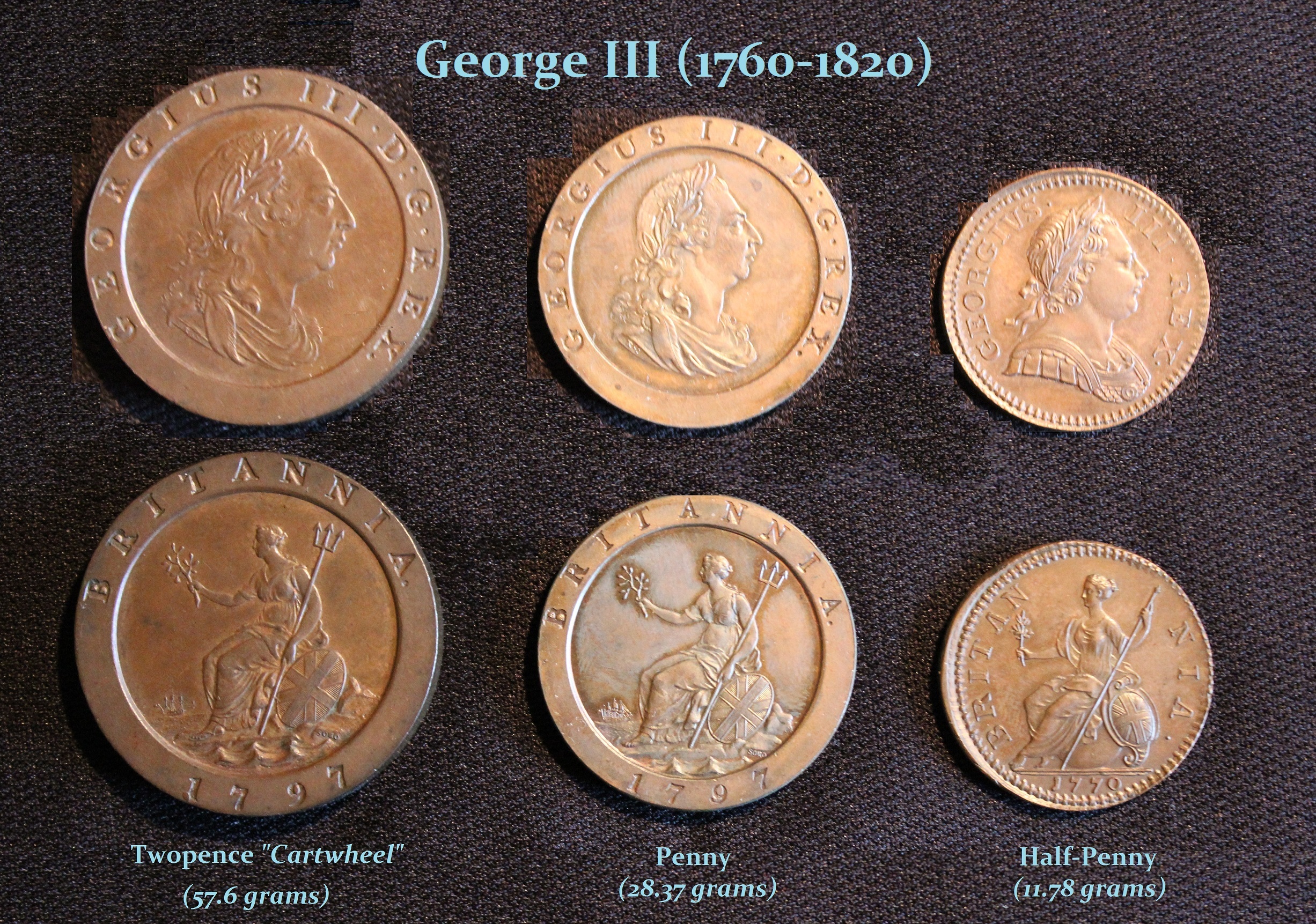
Boulton’s contract in 1797 to produce the Cartwheel pennies and twopences, thwarting the counterfeiters, did not extend to producing the halfpenny, though Boulton had expected that it would, and had prepared patterns of the appropriate size and weight in accordance with his ideas on the intrinsic value of copper coins. The reason the government gave for the omission of the denomination from the contract was that a large number of de facto halfpennies (including tokens and fakes) would be driven out of circulation and Boulton would be unable to produce enough coins to meet the demand that would ensue.
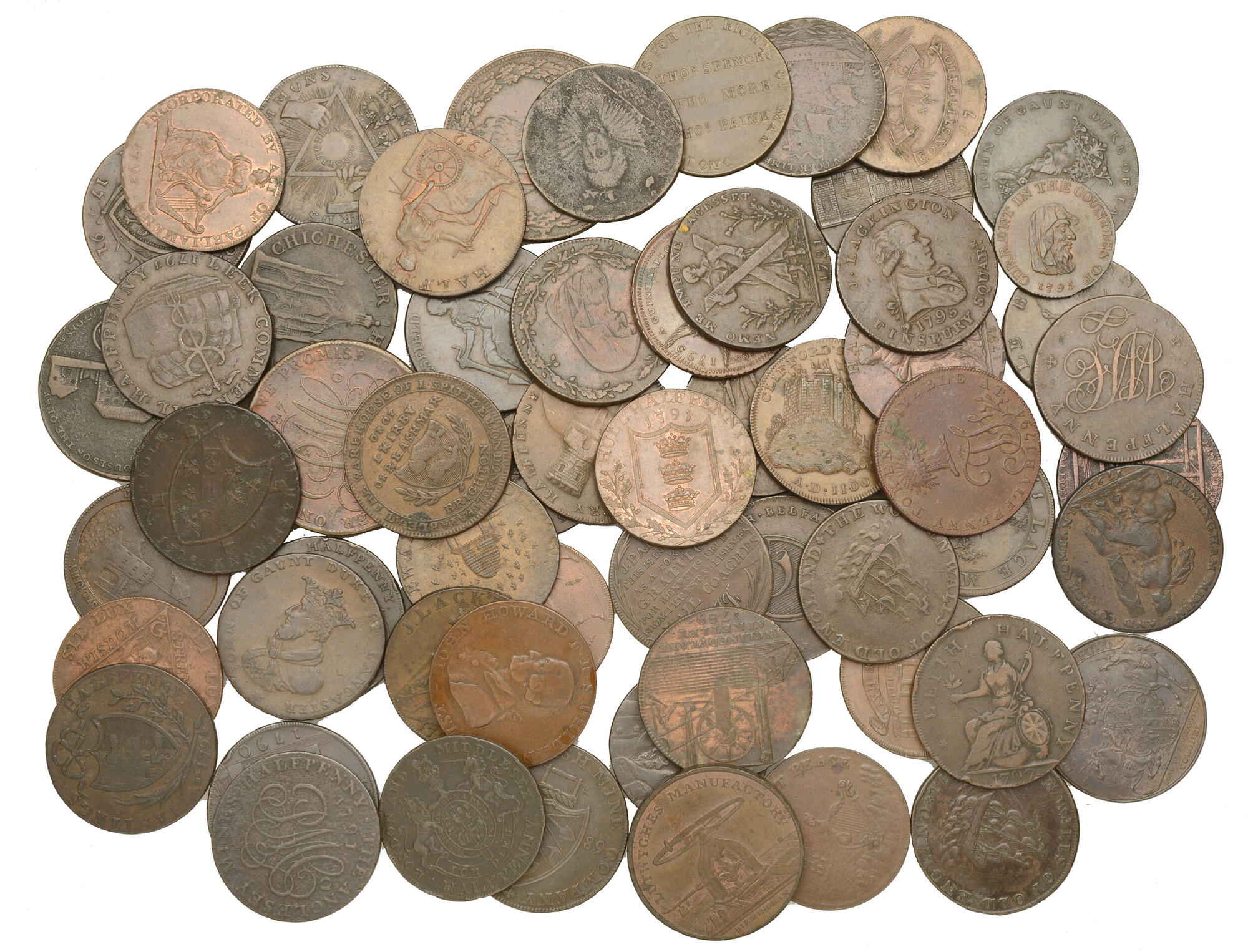
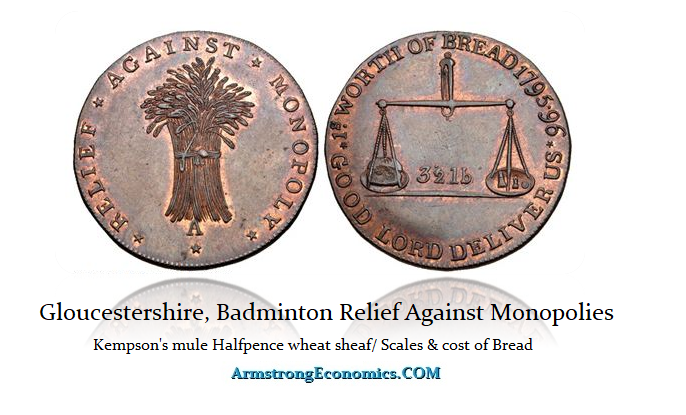
To avoid being hung for counterfeiting and burned at the stake, there was a multitude of halfpenny tokens. Many were of a political nature as this one complaining about the cost of bread. The government yielded to the private halfpenny tokens which became the majority of the small change. The overall public demand for legal halfpennies soon forced the government to change its mind, and in 1798 a contract was issued to Boulton for him to produce halfpennies and farthings dated 1799.
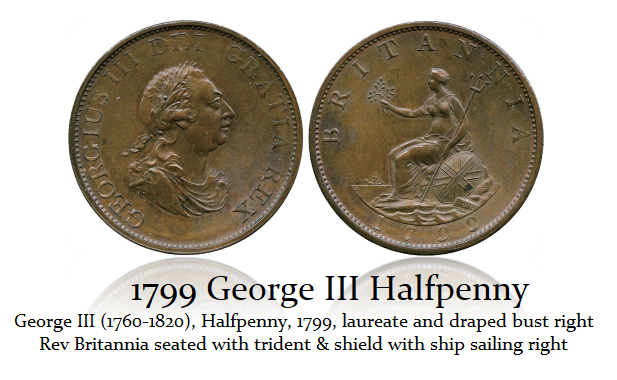
Interestingly, it was also at this time when inflation sent the price of copper rising, and consequently, the weight of the coins was reduced slightly, which resulted in them not being as popular as expected. In 1806 a further 427.5 tons of copper was struck into halfpennies by Boulton, but the price of copper had risen again and the weight was even less than the 1799 issue. This time, however, there was no unfavorable reaction from the public, so perhaps the national obsession with “intrinsic value” had run its course.
This was a very curious period where private money dominated the money supply for halfpennies. There are other periods where this has emerged in history primarily due to the shortage of real official money. One of the earliest such periods was during the reign of the Roman Emperor Tiberius (14-37AD).
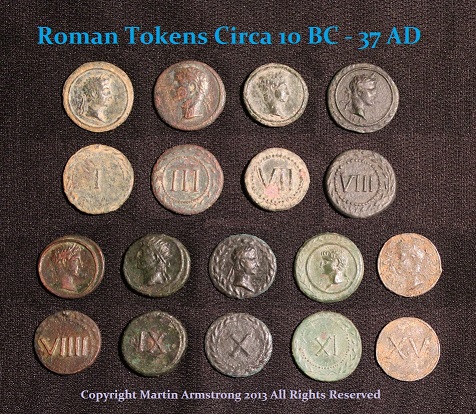
Tiberius was legendary to be a frugal emperor. His deliberate contraction in creating new money led to the Financial Panic of 33AD. As far as Quantitative Easing, that too was nothing new. Tiberius offered loans INTEREST-FREE, but they had a limitation of three years. This was to prevent people from being forced to sell their estates further depressing land values.
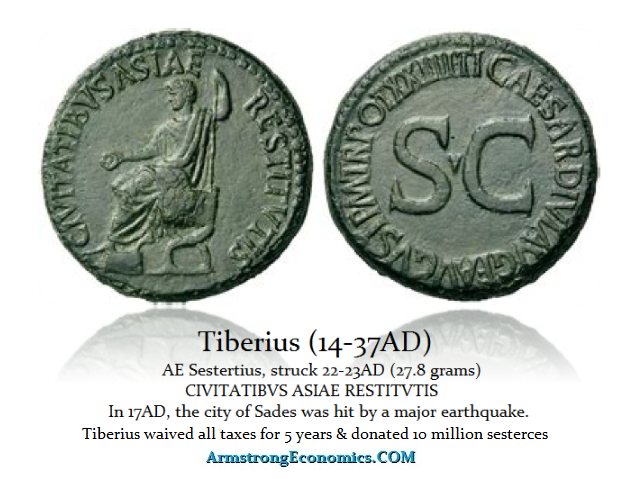
There was a major earthquake in Asia, modern Turkey, and this was so devastating, he issued coins stating they were for the relief of Asia. He also waived all taxes in the region for 5 years – something our modern-day politicians would never dream of.
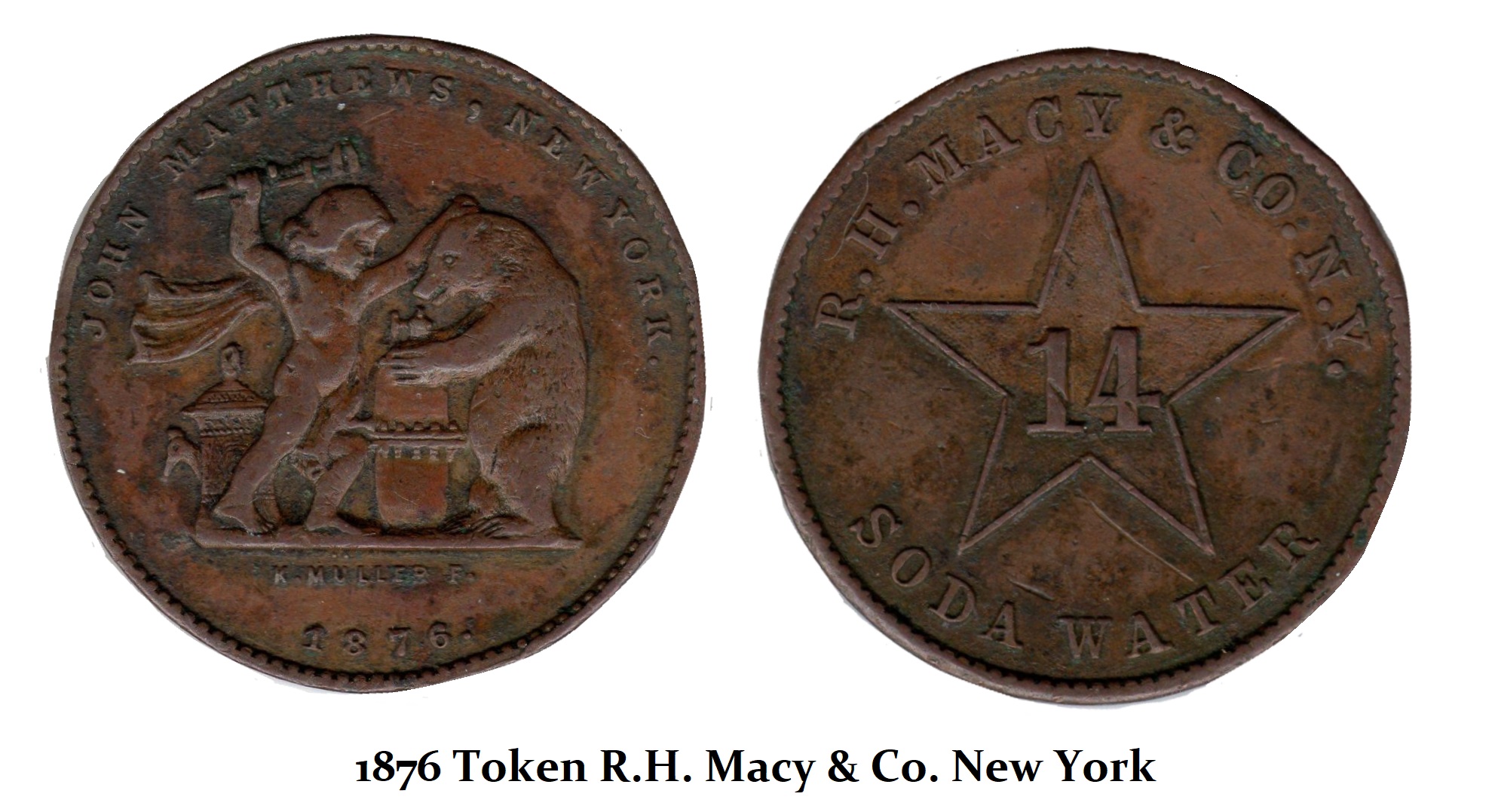
The lesson from history reveals that at times there emerges the acceptance of private money. During the 1870s, we also see private tokens circulating as money in the United States. Collectors call them the Hard Times Tokens. The very same thing took place during the American Civil War.
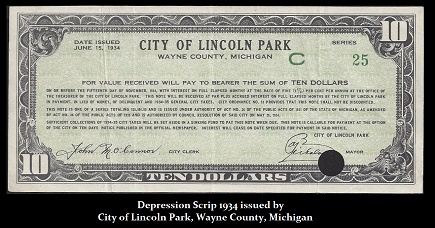
During the Great Depression, the shortage of money led to more than 200 cities issuing their own paper currency. As long as everyone in town accepted it, these Depressions Scrips enable people to work and to be paid locally when there was simply not enough federal money to go around.
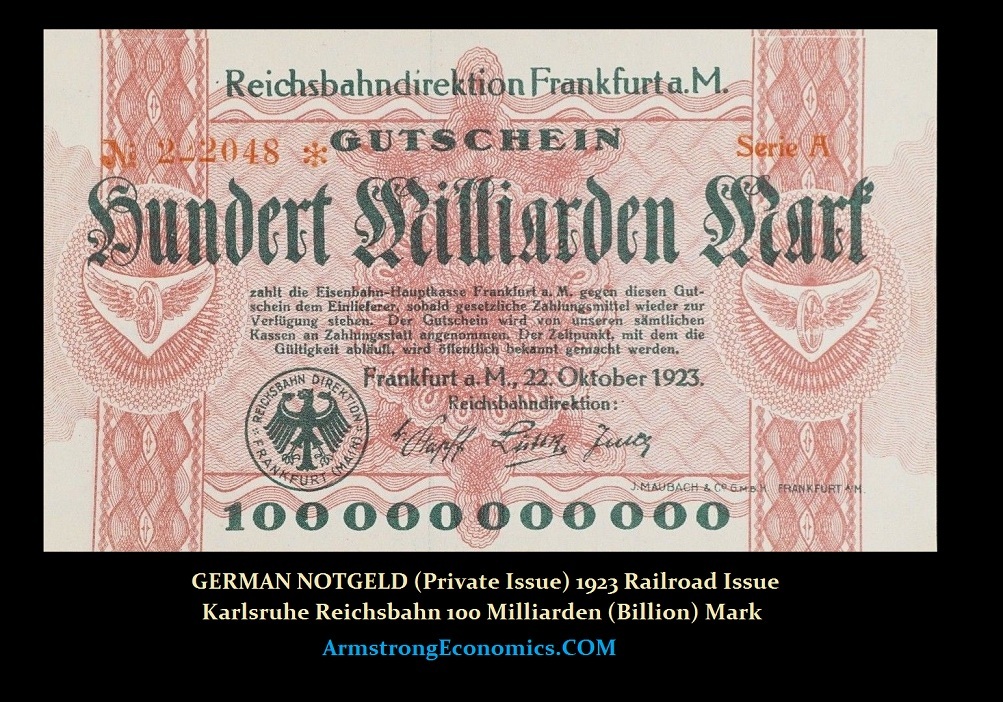
During the Hyperinflation in Germany of the 1920s, there again we see private currency being printed known as NOTGELD. Therefore, in the end, when the confidence in government declines, society is compelled to return to a barter-based society and that is when we begin to see private forms of money take hold.
That slow grinding creak you hear in the background; that’s the U.S. economic engine running without oil and beginning that slowdown phase just before it stutters and stalls completely. Alas, the pretending continues…
As noted by the Wall Street Journal, an economic gaslighting institution with a central mission to maintain pretenses, “business surveys show U.S. factory activity declined in December, the Institute for Supply Management and S&P Global both said this week. Separately, S&P Global said Thursday that U.S. services-sector businesses reported a decline in output for the third month running in December.” This comes as “U.S. imports dropped more, by 6.4% on the month, as Americans cut back on holiday-related purchases, including items from other countries such as computers and autos.”
Keep in mind, November retail sales—which included consumer spending at stores, online and at restaurants—fell 0.6% from the prior month for their biggest decline of 2022, according to the Commerce Department. Manufacturing output declined in November as well, the Fed reported, while U.S. home sales fell for a record 10th straight month.
Into this mix of economic metrics, driven by a collapse in disposable consumer income and high energy prices, now we begin to see the number one business expense being curtailed.
(Market Watch) […] Amazon.com Inc layoffs will affect more than 18,000 employees, the highest reduction tally revealed in the past year at a major technology company as the industry pares back amid economic uncertainty.
The Seattle-based company in November said that it was beginning layoffs among its corporate workforce, with cuts concentrated on its devices business, recruiting and retail operations. At the time, The Wall Street Journal reported the cuts would total about 10,000 people. Thousands of those cuts began last year. (more)
Amazon is not alone, “Vimeo said Wednesday that it will cut its workforce by 11% as part of a broader effort to reduce costs, citing deteriorating economic conditions” (link). Additionally, Salesforce Inc. is laying off 10% of its workforce and reducing its office space in certain markets, extending a brutal period for tech job cuts into the new year.”
We can anticipate more reports like this from Reuters, “Samsung Electronics Co Ltd’s quarterly profit will likely plunge 58% to its lowest in six years as a global economic downturn saps demand for electronic devices and clouds the outlook for the memory chip industry. With consumers and businesses reducing spending and investment in the face of high inflation and climbing interest rates, smartphone makers and other clients held back memory chip orders, while smartphones sold for less as demand suffered, analysts said.”
Electronics, cars, furniture, durable goods of all types and varieties are plummeting in sales. Consumers are being squeezed by inflation, housing, energy and food costs, and spending priorities are being reevaluated yet again. Compare the impact on ‘real wages’ -vs- the 2007/2008 economic crisis.
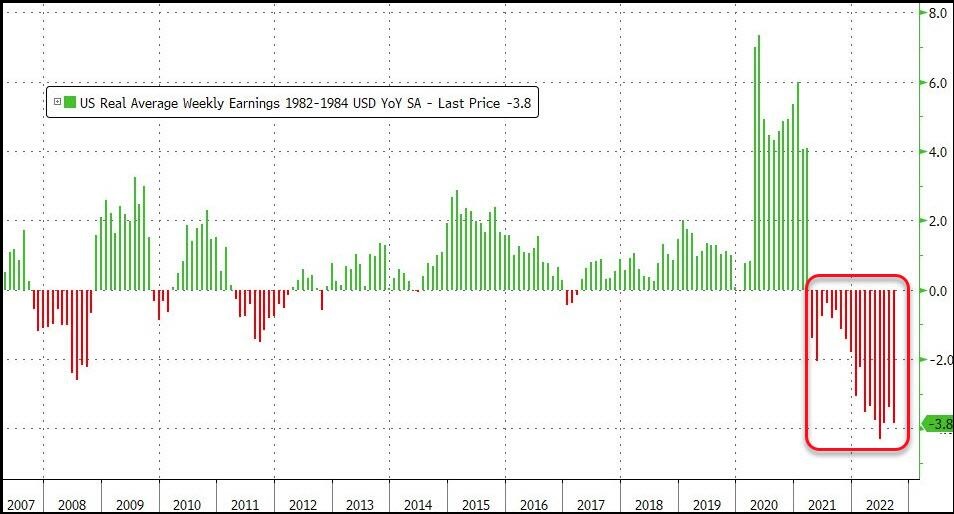
From a purely fraudulent accounting perspective, however, the drop in U.S. imports will help boost calculations of U.S. economic growth in the fourth quarter because trade deficits subtract from overall output, or gross domestic product.
U.S. consumers not purchasing imported goods makes the health of the U.S. economy look less bad; but it’s an illusion akin to smiles in the bread lines.
In other economic news, I did some real estate analysis over the past several days and it’s safe to say there is a steep downward trajectory in the data I use. Again, home values are nuanced on a regional level, but my model is pretty close in averaging.
If buyers do not absorb the seller’s loss in equity (which no one should ever do), in my SWFL area a $450k home listing is going to sell around $380k at the high side (actual value based on economic indicators and buyer ability). That rough estimate, while slightly offset due to general inflation, should trend nationally over the next 12 to 18 months. That means macro home prices dropping around 15 to 20% nationally over the next 12 months.
If you are a home buyer, put your offers around 15 to 20% below current asking price without any emotional attachment to it. Don’t flinch, remain ambivalent and walk away if refused. The recovery to current price will take around a decade. If you are a seller and get an offer within -10% of asking, consider yourself lucky and jump on it.

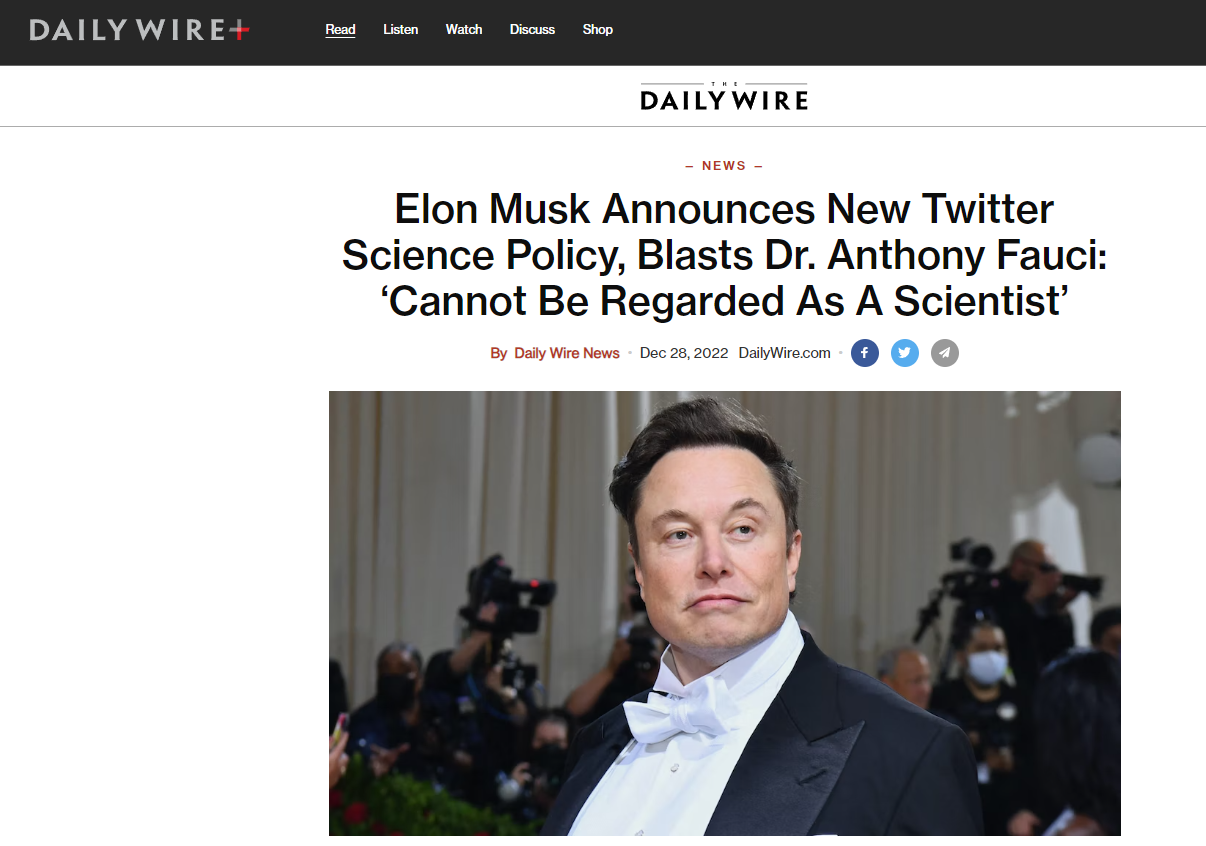
Everybody seems to be up in arms over Musk turning Twitter into a real social media platform. When Klaus Schwab and his World Economic Forum ban Twitter, you know Musk is doing a great job. Bringing an end to all the propaganda from disease to Putin is such a breath of fresh air. Pray for Elon Musk. You can bet they are trying to come up with a disease or a fancy way they can claim he committed suicide.
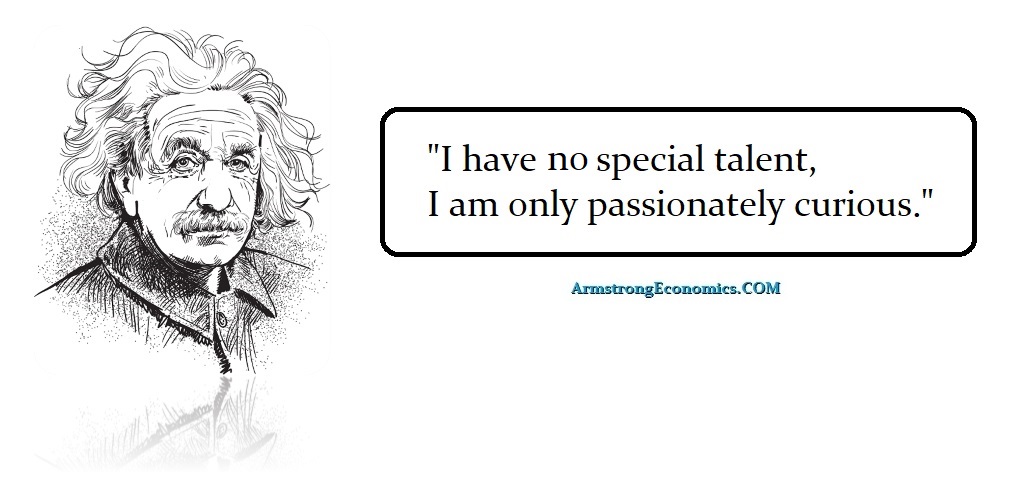
When I was researching at the Firestone Library at Princeton University, I back friends with a professor there. One day he said to me that I reminded him of Einstein. Was shocked. I said that’s not possible. He said to me that Einstein always attributed his achievements to being curious. He said I had that same curiosity but in economics. I began to understand that ALL scientific inquiry DEMAND curiosity. If we are never curious, we will never discover anything no matter what the field.
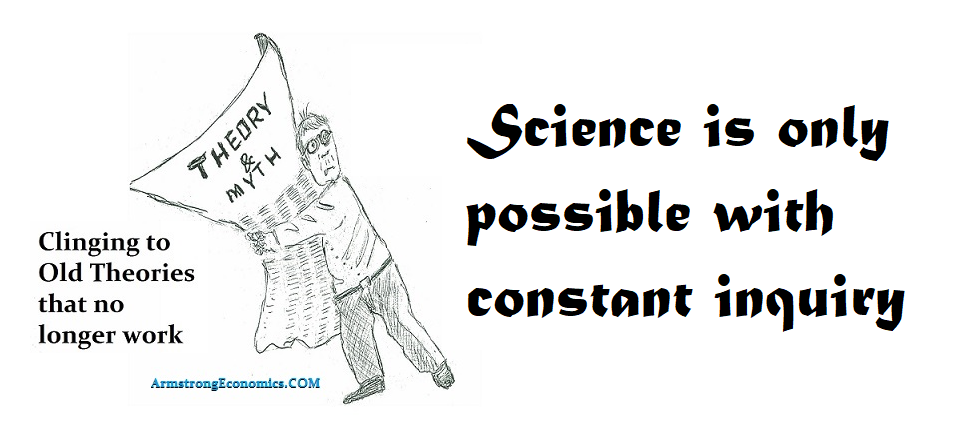
No matter what field, you MUST always challenge the status quo. If we do not do that, besides the fact this becomes belief and not science, we will NEVER advance as a society. No matter what the field, without that freedom to inquire, society will collapse just as Communism did. If people are herded into pens like cattle and told they cannot challenge the accepted norm, they are killing humanity. This is why the government has been behind the curtain instructing social media to censor individuals and ideas all for them to desperately retain control. But they feel the world is slipping away. This is why they are fighting so hard to try to stop this trend for they know in the end – this is the decline and fall of western forms of republican governments.
I have created this site to help people have fun in the kitchen. I write about enjoying life both in and out of my kitchen. Life is short! Make the most of it and enjoy!
De Oppresso Liber
A group of Americans united by our commitment to Freedom, Constitutional Governance, and Civic Duty.
Share the truth at whatever cost.
De Oppresso Liber
Uncensored updates on world events, economics, the environment and medicine
De Oppresso Liber
This is a library of News Events not reported by the Main Stream Media documenting & connecting the dots on How the Obama Marxist Liberal agenda is destroying America
Australia's Front Line | Since 2011
See what War is like and how it affects our Warriors
Nwo News, End Time, Deep State, World News, No Fake News
De Oppresso Liber
Politics | Talk | Opinion - Contact Info: stellasplace@wowway.com
Exposition and Encouragement
The Physician Wellness Movement and Illegitimate Authority: The Need for Revolt and Reconstruction
Real Estate Lending
 Centinel2012