Retailers Preparing for Recessionary Drop in Spending, Many Outlets Will Not Survive…


Posted originally on the conservative tree house on June 25, 2022 | sundance 

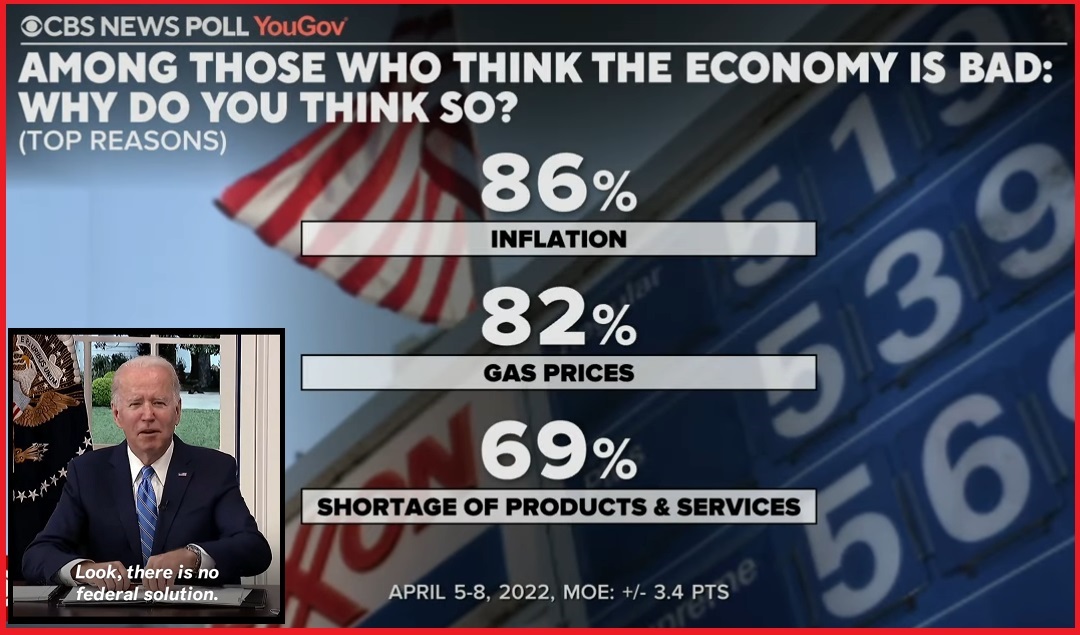
All things considered, a remarkably honest article from CNBC outlines the likelihood for a wave of retail bankruptcies.   In part the issue is driven by COVID bailout and stimulus funds that inflated the balance sheets and hid the natural contraction that was taking place in the last half of 2021 through today.  However, bar far the biggest issue is a contraction in current consumer spending due to severe cost increases in housing, food, fuel and energy.

As we have discussed at length, consumer spending patterns shifted radically in the last year.

Despite the 2021 third and fourth quarter giving the artificial impression of strong demand, inventories were climbing and productivity in the manufacturing and services dropped dramatically.   In combination these two data points both indicated a contraction in demand.

The first quarter of 2022 showed a -1.5% overall GDP.  The second quarter ends next week, and the government data will be released in the last week of July.  I predict that Q2 data will be heavily manipulated in two ways: (1) manipulation of import data via the Ports of Long Beach and Los Angeles; and (2) the intentional use of a lower inflation rate than currently exists in all goods.   My best guess on the fake BEA numbers is a +0.2 to +0.5% positive GDP, thereby barely avoiding the technical definition of a recession.

That said, the CNBC article outlines a very bad scenario for retailers, as the consumer spending contraction hits their profit and loss statements.

(CNBC) – […] There could be an increase in distressed retailers beginning later this year, experts say, as ballooning prices dent demand for certain goods, stores contend with bloated inventory levels and a potential recession looms.

[…]  The latest retail sales data shows where consumers are pulling back the most. Advance retail and food service spending fell 0.3% in May versus the prior month, the Commerce Department reported last week. Furniture and home furnishings retailers, electronics and appliances stores, and health- and personal-care chains all saw month-over-month declines.

“Consumers aren’t just buying less stuff, they are shopping less, which means a loss of the impulse-shopping moments that are critical to retail growth,” said Marshal Cohen, chief retail industry advisor at NPD Group, a market research firm.

In the first three months of 2022, consumers bought 6% fewer items at retail than they did in the first quarter of 2021, NPD Group said in a survey issued in late May. More than 8 in 10 U.S consumers said they planned to make further changes to pull back on their spending in the next three to six months, it said.

[…] Rising inventory levels are also on bankruptcy advisors’ radar because they have the potential to lead to much bigger problems. Retailers from Gap to Abercrombie & Fitch to Kohl’s have said in recent weeks that they have too much stuff after shipments arrived late and consumers abruptly changed what they were shopping for.

Target said earlier this month that it’s planning markdowns and canceling some orders to try to get rid of unwanted merchandise. As other retailers follow suit, profits are going to contract in the near term, said Joseph Malfitano, founder of turnaround and restructuring firm Malfitano Partners.

And when a retailer’s profit margins shrink as its inventories are reappraised — a routine practice in the industry — those inventories won’t be worth as much, Malfitano explained. A company’s borrowing base could fall as a result, he said.

“Some retailers have been able to cancel orders to not create more of a bubble on inventory. But a lot of retailers can’t cancel those orders,” Malfitano said. “So if the retailers that can’t cancel orders don’t knock it out of the park during the holiday season, their margins are going to go way down.”  (read more)

Credit Card Debt on the Rise


Armstrong Economics Blog/USA Current Events Re-Posted Jun 14, 2022 by Martin Armstrong

The various handouts and moratoriums during the pandemic drove the personal savings rate down to World War II levels. Everything was closed – there weren’t many opportunities to spend. US consumers paid off a record $83 billion in credit card debt during the pandemic, but that has all come crashing down.

The Federal Reserve reported that revolving credit card debt in April reached $1.103 trillion, surpassing pre-pandemic levels and spiking 20% from the year prior. Credit card balances reached an alarming $841 billion in the first three months of this year alone, and the Fed expects that figure to continue rising due to the unsustainable price of living. In addition, household debt is now close to $16 trillion after consumer debt spiked 1.7% in Q1.

Unfortunately for those already behind, the rising interest rates will only cause them to carry a higher balance of debt. Once the prime rate rises, credit card companies will follow. The APR on credit cards is already 16.61%, nearing the high of 17.87%, on average, but is expected to rise. Debt can easily become a vicious cycle from which there is little escape for the average person. Those who budgeted in the belief that Biden would actually cancel their student debt were misled if not gullible. As housing, food, gas, and other necessities rise, those who are already void of liquid assets will find themselves in a dire situation.

The Dollar Crisis is Far Greater than Anyone Imagines


Armstrong Economics Blog/USD $ Re-Posted Jun 14, 2022 by Martin Armstrong

QUESTION: Marty, Socrates is worth its weight in something far more valuable than gold. I want to congratulate you for you are the ONLY adviser who nailed not just the cryptocurrency bloodbath, but that the dollar would rise when everyone else kept predicting it would crumble to dust. Then you warned that emerging markets would move into crisis defaulting on their debt. You said even China was in the same crisis because many borrowed in dollars since the interest rates were cheaper.

Is the dollar behind the banking crisis in China and with all the AI systems claiming a new world order, why are they failing when Socrates succeeds?

I am so grateful. I cannot tell you how much.

BME

ANSWER: I will answer the AI issue tomorrow. The dollar crisis is emerging because people do not understand capital flow analysis. They keep harping on the quantity theory of money. They assert that the more money the Fed creates, the more the dollar bust decline, and typically gold must rise. They do not understand that capital flows like water. It will always move to the lowest risk.

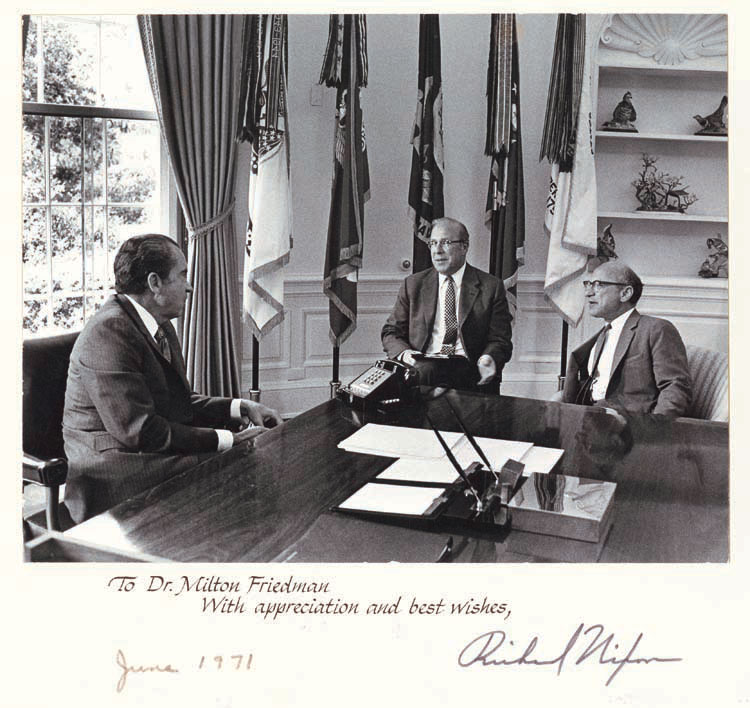
Milton Friedman came to listen to my lecture on foreign exchange in Chicago. We became friends and he explained to me that I was doing what he had only dreamed about. Yes, it was Milton who had advised Nixon on shutting down Bretton Woods and adopting a floating exchange rate system.

While many criticize Milton, they did not really understand what he saw. In 1953, he saw that a floating exchange rates system would provide a natural check and balance against the government policies. That is why he came to listen to me. I had developed capital flow analysis which was what he envisioned would happen under a floating exchange rates system. He theorized that in 1953.

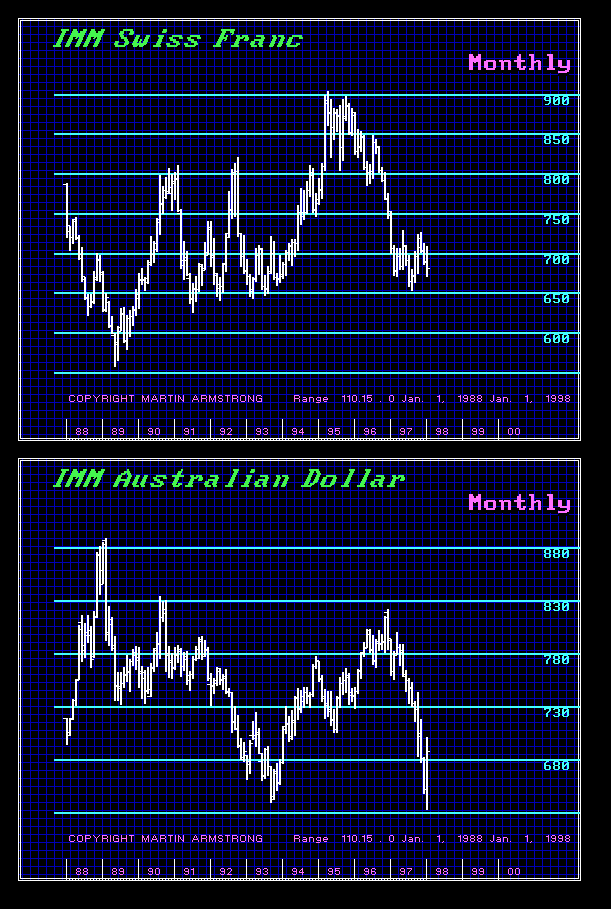
I have been called in on so many FX crises it is amazing. They were selling Swiss loans to Australians in the 1980s to save on interest rates. They never considered what would happen if the exchange rate changed and the Swiss franc rose against the A$.

Just look at these two charts. The A$ was crashing and the Swiss franc rose. The default rate on mortgages exploded and small businesses who listen to bankers pitching Swiss loans to save money lost a fortune. The same crisis took place following the Swiss/Euro Peg when that broke.

Once again, the bankers were selling mortgages in the Swiss franc in Europe to lower interest rates. I cannot tell you how many times were have been called in on major financial crises around the world all for the very same reason. People make a loan in a foreign currency to save money on the interest rate. They have NO CONCEPT that the currency can swing even 40% in a short period of time.

The Chinese Central Bank warned its provinces and corporations NOT to borrow in dollars. They understood our model and understood what happens under such a currency crisis. Nevertheless, provinces and private corporations did not listen. They succumbed to the lure of the cheap interest rate.

I had even spoken with a major company and warned them the dollar would rise and there was a serious risk in emerging markets. They were new and as you say, they listened to the majority of opinions that took the opposite forecast. Now we see bank runs in China and serious problems in emerging markets.

Biden Senior Climate and Energy Policy Advisor Demands Social Media Companies Immediately Block Content Identifying Biden Policy as Source of Energy Inflation


Posted originally on the conservative tree house on June 13, 2022 

There is one big problem for the people inside the Biden administration executing the Green New Deal energy policy, the massive increases in energy cost including gasoline.

You see, everything is an academic estimate until the actual Green New Deal is transferred from theoretical policy into a set of actions that creates a major disruption in the economy.  As things in society start to collapse; and as people begin to really feel the inflationary consequences of the Biden energy policy in action; suddenly all of those ‘talking points’ about shutting down the fossil fuel industry take on a new meaning.   People didn’t realize the Green New Deal was going to mean $10/doz eggs, $15/gal milk, $20 happy meals at McDonalds, or $150/tank of gasoline…. Now they are paying attention.

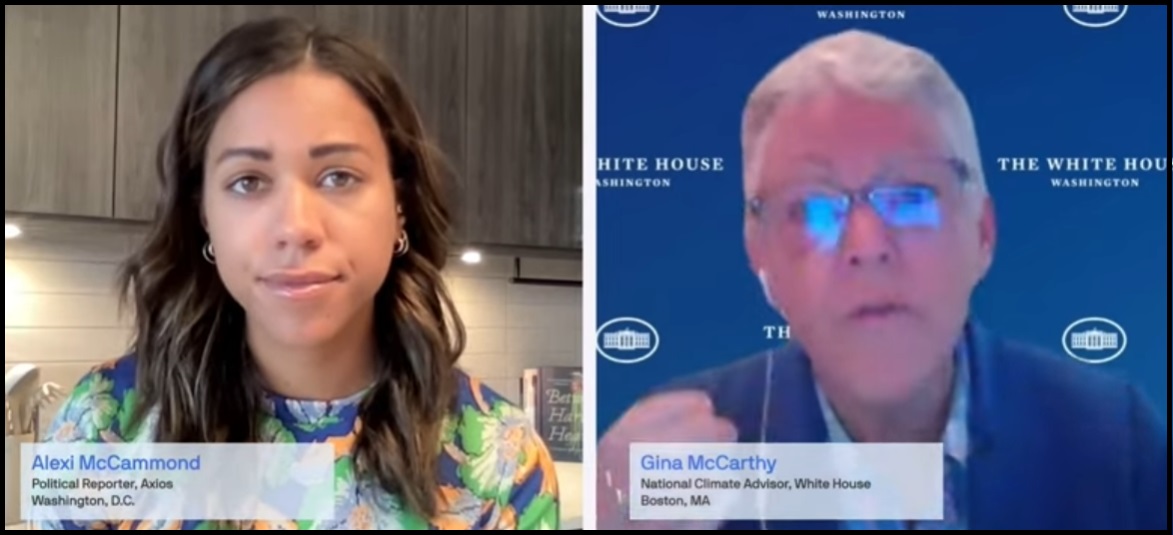
For former EPA Administrator Gina McCarthy, the current senior climate and energy policy advisor within the White House, all of these ‘in your face‘ surfacing Green New Deal consequences have become problematic for the Biden administration.  Her proposed solution, however, is rather remarkable.

In this interview discussing the skyrocketing inflation and consequences created by the Green New Deal policies, Gina McCarthy urgently begs all of the social media companies to start removing the content from American people who are giving real world examples of the pain and economic hardship they are feeling.  McCarthy says that if social media do not start to help Joe Biden hide the pain, the climate change agenda might be at risk.  WATCH [11:00 prompted]:

.

Sebastian Gorka FULL SHOW: J6 Committee: Did Pence usurp President Trump?


AMERICA First with Sebastian Gorka  Published originally on Rumble on June 10, 2022

Sebastian gives his take on the Democrats’ “primetime” January 6th hearing, with special guests Julie Kelly, Boris Epshteyn, Jim Carafano, and Michael Knowles.

Tune in to America First with Sebastian Gorka, Weekdays 3PM-6PM EST.
Subscribe to the America First podcast on iTunes: https://podcasts.apple.com/us/podcast/america-first-with-sebastian-gorka-podcast/id1451874289

The Oldest Congress in US History


Armstrong Economics Blog/Politics Re-Posted Jun 13, 2022 by Martin Armstrong

The 117th Congress is the oldest in American history. Former President Trump attempted to enact term limits. However, he failed to gain the two-thirds majority in either chamber needed to amend the Constitution. Joe Biden is the oldest president in history and will be 82 by the time his first, hopefully only, term ends in 2024. Biden and many other career politicians have spent the majority of their lives in power. Yet, they have made no improvements to our society. There are countless examples showing Biden’s cognitive decline due to age or possible dementia that can no longer be ignored.

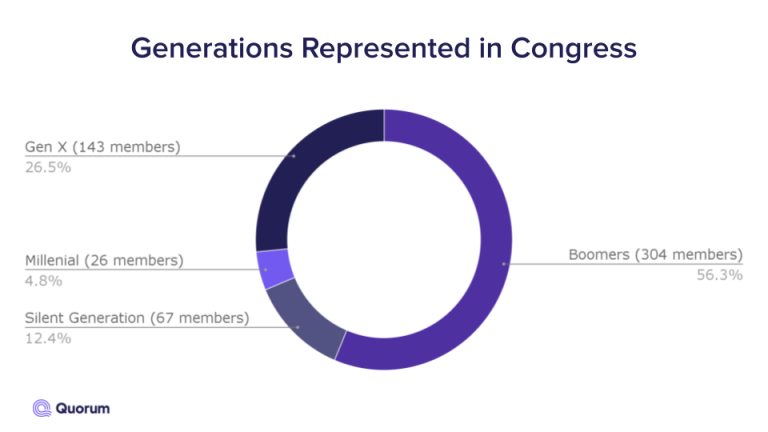
The Silent Generation (1928-1945) represents 12.4% of Congress. The vast majority falls in the Boomer generation (1946-1964), representing 56.3% of Congress. In comparison, the Boomer generation represents only 23.7% of the US population. Nancy Pelosi, third in line for the presidency, is already at the ripe age of 82. She was born during World War II and grew up in a completely different version of America.

As a reminder, the average age of retirement in the US is 62. Once these politicians taste power, they will never relinquish it willingly. There are no checks and balances to ensure that these lawmakers stay up to date with the current trends or concerns of the people. I would not be surprised if numerous members of Congress were unable to use a computer.

These lawmakers do not represent the people. They are of a different generation and world, and their outdated policies reflect this well. They are making decisions for the future of a nation that they will not live to see.

New Interview: War, Gold, Oil, China, Dollar, Biden, and Globalists


Blog/Armstrong in the Media Re-Posted Jun 11, 2022 by Martin Armstrong

Do I Whine?


Armstrong Economics Blog/Economics Re-Posted Jun 11, 2022 by Martin Armstrong

Despite Massive Media Promotion and Every Outlet Pushing, J6 Prime Time Hearings Fall Flat with Less Than Half Regular Audience


Posted originally on the conservative tree house on June 10, 2022 | Sundance

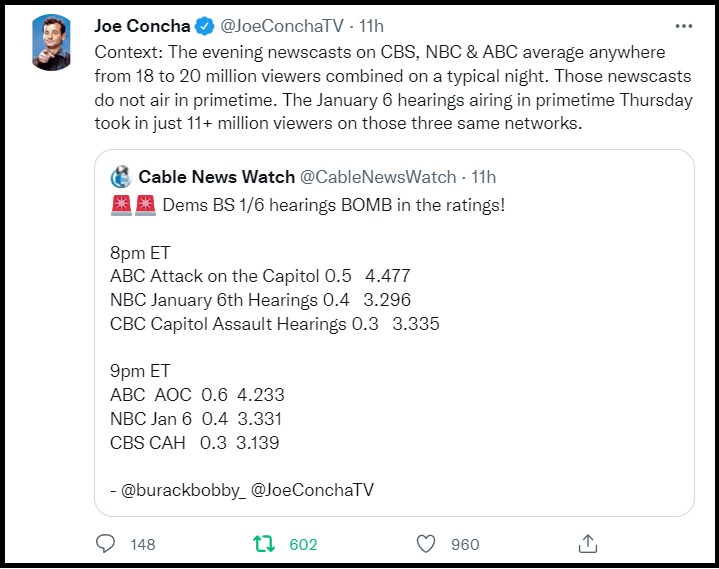
Despite every single media outlet, broadcast and cable, promoting the J6 committee hearings which aired on every channel during prime-time viewership, the total Neilsen audience was around 20 million.  According to media tracker Joe Concha that’s about half an ordinary viewership for the regular broadcast networks.

Given the amount of attention the corporate media pushed in advance, the results are a major failure for the J6 effort.  As noted by Just The News, the ratings were “dismal.”

Tucker Carlson opened his show tonight talking about the media fiasco, and Tucker is also the only broadcast to cover the new Biden ethanol mandate.  WATCH:

May Inflation Higher Than all Expectations at 8.6 Percent, Energy, Gasoline, Food Prices Continue Climbing


Posted originally on the conservative tree house on June 10, 2022 | Sundance

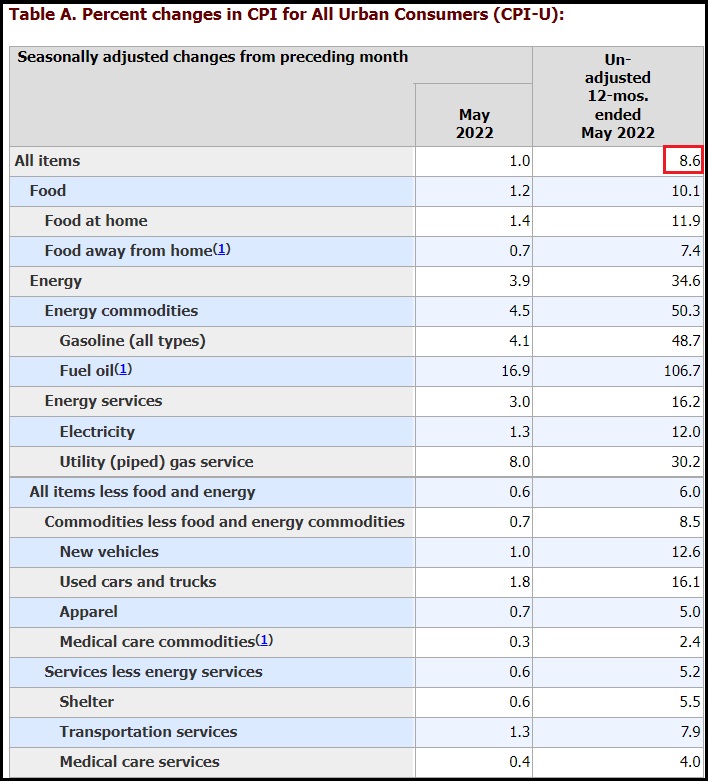
The Bureau of Labor and Statistics has released the May inflation report [DATA HERE] showing a 1.0% increase in the month of May, bringing the rate of inflation to 8.6 percent.  The highest rate of inflation in over 40 years.

This month of inflation data is particularly important because it cycles through the May 2021 calendar comparison from last year when the first wave of massive inflation first triggered.  The current year-over-year 8.6% rate of inflation now lands atop twelve months of massive increases in prices.

The data clearly shows how energy costs are the dominant factor hitting every aspect of consumer purchasing.  Gasoline increased 4.1% for the month, 48.7% year-over-year.  Fuel Oil increased 16.9% in May, 106.7% year over year.

The energy sector is crushing the ability of consumers to spend on anything else.   Real wages declined in May 0.6% as paychecks are being eaten up by massive inflation.  On an annual basis wages have declined by 4% year-over-year [BLS DATA].

Unfortunately, there is no forward optimism for any change in energy policy from the Joe Biden White House, that means energy costs will continue skyrocketing as the ideologues in control of the administration push their climate change Green New Deal policies.

Additionally, we still have the third wave of massive food price increases to look forward to later in the summer as the big increases in field costs start to reach the supermarket.  Those food store increases will average around 20 to 30% more than current.

Table-2 gives you a great breakdown of the price increases in specific sectors within each of the larger categories.  [SEE HERE] Eggs increased 5% in May, that’s a 60% annualized rate of inflation for eggs, which are already 32% more than last year.  Chicken is exceeding 30% inflation and growing.

A CNBC media report is below, as Wall Street laments the Fed response. However, the Fed cannot do anything to stop this inflation because what’s needed is a total reversal of U.S. energy policy.

[CNBC] – ““It’s hard to look at May’s inflation data and not be disappointed,” said Morning Consult’s chief economist, John Leer. “We’re just not yet seeing any signs that we’re in the clear.”

Some of the biggest increases came in airfares (up 12.6% on the month), used cars and trucks (1.8%), and dairy products (2.9%). The vehicle costs had been considered a bellwether of the inflation surge and had been falling for the past three months, so the increase is a potentially ominous sign, as used vehicle prices are now up 16.1% over the past year. New vehicle prices rose 1% in May.

Friday’s numbers dented hopes that inflation may have peaked and adds to fears that the U.S. economy is nearing a recession.

The inflation report comes with the Federal Reserve in the early stages of a rate-hiking campaign to slow growth and bring down prices. May’s report likely solidifies the likelihood of multiple 50 basis point interest rate increases ahead.

“Obviously, nothing is good in this report,” said Julian Brigden, president of MI2 Partners, a global macroeconomic research firm. “There is nothing in there that’s going to give the Fed any cheer. … I struggle to see how the Fed can back off.”

With 75 basis points of interest rate rises already under its belt, markets widely expect the Fed to continue tightening policy through the year and possibly into 2023. The central bank’s benchmark short-term borrowing rate is currently anchored around 0.75% -1% and is expected to rise to 2.75%-3% by the end of the year, according to CME Group estimates. (read more)

We are in an abusive relationship with government…