Posted originally on Jun 23, 2025 by Martin Armstrong
While many are calling this attack on Iran just theater and that Trump had to pretend he bombed Iran since there appears to be no significant damage, regardless of whether it was real or not, the shock in the Arab world is real, and this is still the beginning, not the end. Our computer does NOT show that this war cycle will be subsiding. The reactions from numerous sources are real. The U.S. joined Israel in striking Iran’s nuclear sites on June 21, which was named “Operation Midnight Hammer.” President Donald Trump wrote, “Monumental Damage was done to all Nuclear sites in Iran.” Israel continues to target Iran’s nuclear and military infrastructure.
Despite these claims that the attack was FAKE, reliable sources confirm that Abbas Araghchi, the Iranian foreign minister, has arrived in Moscow this morning, petitioning for direct support from Putin. As I have stated, both Iran and Ukraine are part of the same Neocon plot. Russia’s TASS news agency has reported that Araghchi did make a statement upon his arrival in Moscow before any talks took place.
“We have always had shared concerns, worries, and adversaries with Russia. We have always shared common beliefs and consulted closely with each other to confront shared challenges and threats. This is what will be done on Monday during the meeting with the Russian president.”
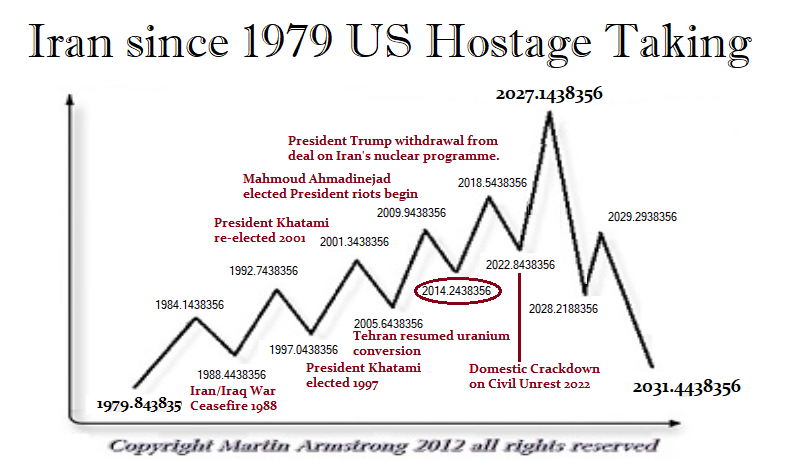
There has been rising opposition within Iran that began in 2018, right on target.
Economic Protests (Continued from Dec 2017 – Jan 2018)
Dervish Protests (February 2018)
Protests over Water Scarcity & Economic Hardship (Summer 2018)
Nationwide Fuel Price Protests (November 2019)
Protests over Downing of Ukraine Flight PS752 (January 2020)
Khuzestan Water Protests (July 2021)
Nationwide Protests over Economic Hardship & Death in Custody (May 2022) (“Death to Khamenei”).
“Woman, Life, Freedom” Uprising (September 2022 – Ongoing Impact). Repression saw extreme brutality that permanently damaged the regime’s legitimacy among the youth.
This list captures major waves, but numerous smaller-scale protests over wages, unpaid salaries, pension cuts, environmental issues, and local grievances occur constantly across Iran. The “Woman, Life, Freedom” movement represents the most profound challenge to the Islamic Republic’s authority in its history. Protests frequently erupt around anniversaries of key events (Amini’s death, executions like Mohsen Shekari and Majidreza Rahnavard), funerals of killed protesters (e.g., Armita Geravand), and new incidents (e.g., poisonings of schoolgirls).
As our model wars, we are in the final up-leg of Iran, where we are likely to see the overthrow of the government in 2027. However, between then and now, the government is fighting for its survival domestically, which implies that it will become more authoritarian, just as we see this same trend in all governments experiencing economic decline by 2028.
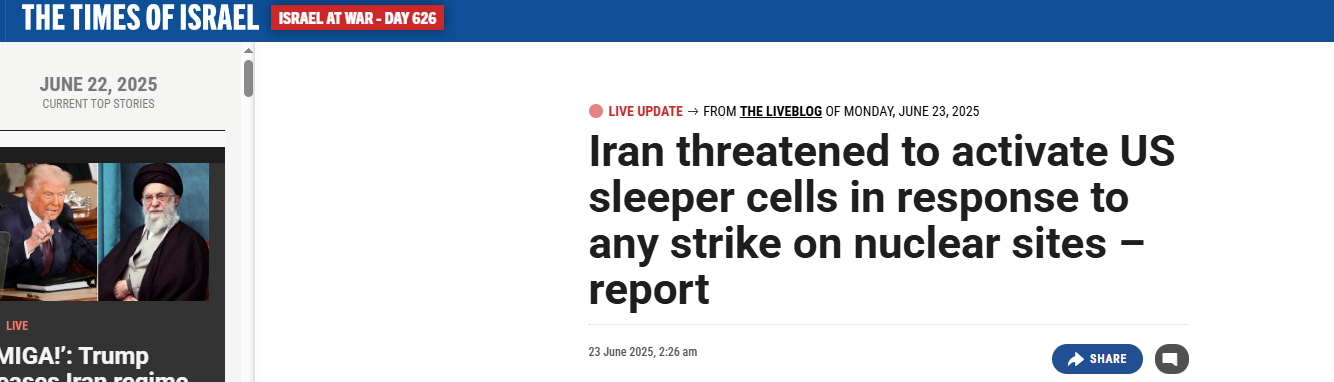
The world is bracing for Iran’s response after the US strikes. The State Department is warning Americans to be cautious, especially those in Europe. The Islamic Republic vowed to retaliate, and Israel showed no sign of letting up. Yet, Iran’s Abbas Araghchi urgently flew to Moscow this morning to seek support. Donald Trump has threatened further military action if Tehran doesn’t make peace with Israel. That is just not going to happen. The Neocons have boxed Trump in brilliantly and are once again major players in American Foreign policy with the US Intelligence Agencies that offer no hope of this being FAKE or just a passing event. Many airlines are canceling flights to the Persian Gulf, and Japan’s biggest banks are considering pulling their staff from the region.
Posted originally on Jun 23, 2025 by Martin Armstrong
Russia’s recent strike on Boeing facilities in Ukraine has been portrayed as an attack on American business. The Dow-listed company has maintained operations in Ukraine despite the ongoing war and partnered with Ukrainian aircraft manufacturer Antonov in 2023 on joint defense projects.
“This is not just an attack against Ukraine, but also an attack where American business is being hit,” Andy Hunder, President of the ACC in Ukraine, which represents nearly 700 U.S. and international investors and corporate members, told the Kyiv Independent. “This is a war against a world where American businesses are making money and thriving,” he added.
The strike took place after Ukraine’s massive attack during Operation Spiderweb that destroyed hundreds of Russian drones and 41 war planes across four Russian airbases.
The media is portraying the strike on Boeing as an attack on American business. Similarly, the media portrayed the attack on German defense company Rheinmetall, which opened a new facility in Ukraine last year to produce military vehicles, as an attack on German business. The fact of the matter is that this is a time of war, and Russia is targeting defense manufacturing facilities.
If nations began opening or expanding defense manufacturing operations, say in Iran, then Israel and the US would take that as a sign of aggression, if not a direct threat to national security. Russia has repeatedly stated Western aggression is escalating tensions and prolonging the war. So not only are the EU, UK, and US sending countless funding and equipment to Ukraine, but private ventures from these nations are developing almost every piece of warfare equipment there.
The target was not America or Germany; rather, the target was defense manufacturing facilities. Several Western arms manufacturing facilities have opened joint ventures in Ukraine. Germany plans to open additional Rheinmetall facilities. Flensburger Fahrzeugbau Gesellschaft is working with a private Ukrainian weapons manufacturer to build a service center in Ukraine. The KDNS is another German-Franco joint venture in Ukraine that is mass producing weapons to kill Russians. Denmark opened MyDefence to produce counter-drone technology. The United Kingdom has joint ventures BAE Systems and Babcock.
The United States remains the top supplier of arms to Ukraine through private arms manufacturers, supplying around 43% of the weapons used in warfare. However, the majority are produced domestically and imported to Ukraine. The Western-backed military-industrial complex has had a stronghold in Ukraine since the war began. These manufacturers were not operating in Ukraine before 2022. Russia naturally has an incentive to destroy these facilities, but that certainly does not indicate Russia is targeting European nations or the US.
Posted originally on Jun 23, 2025 by Martin Armstrong
The FBI under Kash Patel is unlocking secrets from the Biden Administration era every week. Any indication of election interference was met with extreme backlash. Former FBI director Christopher Wray refused to investigate glaring signs of corruption.
Senate Judiciary Chairman Chuck Grassley has insisted that numerous cases of FBI corruption be reopened, such as the FBI’s program to spy on Catholic conservatives under the previous administration. US Customs and Border Protection (CBP) seized nearly 20,000 counterfeit driver’s licenses at Chicago O’Hare International Airport in 2020. All 20,000 came from China and Hong Kong, but Wray refused to investigate.
“In late August 2020, the Chinese government manufactured a large number of counterfeit U.S. driver’s licenses and secretly transported them to the United States,” adding, “Thousands of Chinese students without voting eligibility and immigrants cooperating with the Communist Party were able to vote for candidate Biden at the time using these counterfeit licenses,” the FBI documented noted.
The FBI, under the direction of Wray, withdrew from investigations, and the media stated that the licenses were intended to bypass age restrictions. Would criminals rely on China to create 20,000 fake driver’s licenses for American kids to bypass drinking laws? This is a serious matter of national security that the FBI deliberately hid from the public and failed to investigate.
“China collected personal information from U.S. users, including names, identification numbers, and addresses, from millions of TikTok accounts,” and added, “This enabled the creation of counterfeit licenses using real Americans’ information,” the FBI document states. The debate on whether TikTok should be permitted to operate in the US is back on the table. Trump recently extendedthe latest deadline for parent company ByteDance to decide if they are willing to sign over the rights to a US owner. Attempts to ban the app have been met with extreme backlash, as 170 million Americans currently use the app, with the president himself having more than 5 million followers on TikTok. Beijing has not commented on the potential sale of TikTok. As for claims that the CCP interfered in the election, China insists that it had no involvement.
It was considered a far-right extremist conspiracy theory to question foreign interference in the 2020 US election. Biden simply secured more votes than any other president in national history. Were these 20,000 licenses intended to become 20,000 votes for Joe Biden? “These claims have been proven true, but were suddenly retracted (by the FBI leadership at the time) and buried,” Patel admitted. “The FBI has located documents which detail alarming allegations related to the 2020 U.S. election, including allegations of interference by the CCP. I have immediately declassified the material and turned the documents over to the Chairman Grassley for further review,” Patel also posted on X.
The majority of dangerous misinformation and conspiracy theories have proven to be true with time. How far did the deep state go to weaponize American intelligence agencies under Biden? What incentive did China have for Biden to win the presidency?
Posted originally on Jun 23, 2025 by Martin Armstrong
COMMENT: Marty, it is disgraceful that people take your work and issue books pretending it is their research. Yet it is even more shameful that Donald Trump isn’t calling you for advice instead of these people who couldn’t find the door in a room if the lights went out. You stated clearly that Iran’s nukes were irrelevant, for Russia, China, or North Korea could place them there just as Russia did during the Cuban Missile Crisis. Then what? I can see your concern. This is not a solvable issue, and it was just made worse. Your computer is always correct.
KW
When I was barely a teen, I was climbing a tree and fell. I didn’t get hurt from the fall, but when I fell, I took down a Yellow-Hacket hornet’s nest. Fortunately, I was not too far from home, and I ran like hell with bees attacking me all over. I fear this is what we have just done for the Neocons; they only look at what is immediately in front of their nose, with no thought for what comes next. There are sleeper cells in major cities in Europe and the United States. The Neocons think that they have won, and Iran has no cards. They always assume they are superior, yet they have lost every single war from Korea, Vietnam, to Afghanistan and Iraq, and they said they would win Iraq in 3 weeks or less, and then invade seven countries.
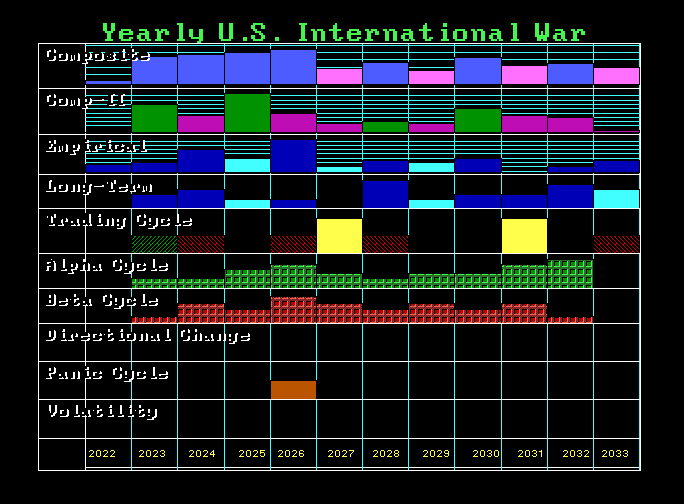
While the Neocons look only at their immediate objective, they are INCAPABLE of ever comprehending the UNINTENDED CONSEQUENCES. This is NOT the end, but the beginning, and that is according to our computer, not my personal opinion. I wish it were my opinion, for then we would have a shot at that statement being wrong. We have a Panic Cycle in 2026 when it comes to international war.
President Donald Trump has just delivered the dream of the Neocons, and he does not even know it. He wrote on Truth Social:
“There is not another military in the World that could have done this. NOW IS THE TIME FOR PEACE! … This is an HISTORIC MOMENT FOR THE UNITED STATES OF AMERICA, ISRAEL, AND THE WORLD. IRAN MUST NOW AGREE TO END THIS WAR.”
By dropping powerful bombs on Iran’s nuclear facilities at Fordow and elsewhere, Trump has acquiesced to the behest of Israel, and that was a fateful choice, for it demonstrated that the United States has chosen sides not simply with Iran. Still, it is reverberating behind the veil of the Middle East as a one-sided gunboat diplomacy. The growing concern is that the USA may no longer be able to deal impartially in the Middle East.
Iran’s Sunni neighbours are just 200 miles away at most. This is well within reach of Iran’s short-range missiles. Since Iran’s neighbors are hosts to key US military bases, there is a rising fear that they can be dragged into the major Middle East conflict. Then some question the loyalty of the United States if the US must choose between Israel and the Arab world.
The last time we saw war in the Middle East, there was also a major shock and fragmentation of the entire region. The 2003 US-led invasion of Iraq resulted in irreparable damage to the region, costing the USA $3 trillion. The UNINTENDED CONSEQUENCE was the ensuing mayhem, which benefited Iran by removing their arch enemy Saddam Huesin. The action by the Neocons inflamed sectarian tensions in the entire region and led to the birth of the Sunni jihadist group ISIS.
Whatever Iran’s response, America’s foreign policy is more closely aligned with Israel’s than it has ever been. As previously noted, Netanyahu seems to be calling the shots with President Trump scrambling to keep pace with his supposedly junior ally, a Neocon through and through. Now, despite years of claiming he would avoid wars and other foreign entanglements, President Trump has just bet his entire presidency on a dramatically aggressive act in Iran that does violate international law, and there was undoubtedly no declaration of war. Trump will now go down in history as the American president to ever strike another country with bombers without a formal war. At least in the Gulf War, the US invoked Article 5 of NATO. President Trump is also the first to have overtly joined Israel in an attack on an adversary. That is a severe issue that history will not forget.
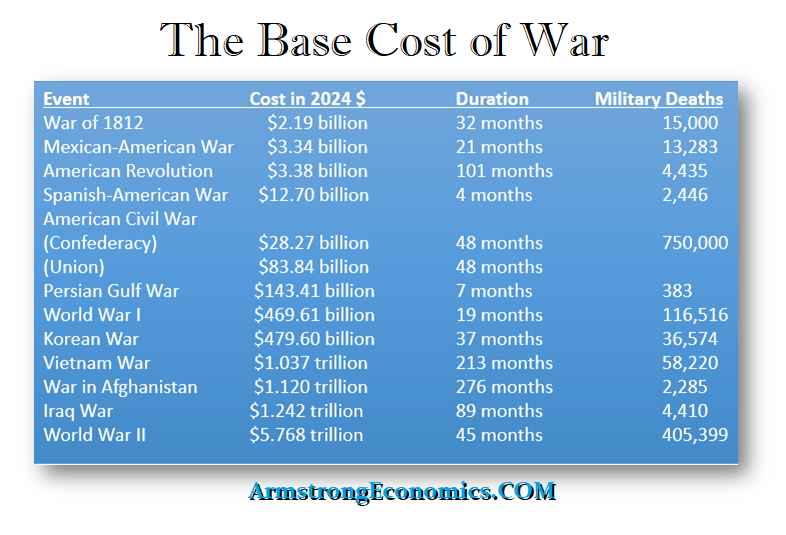
Our National Debt has risen dramatically, all because of the endless wars of the Neocons. They do not care about the people or our country. All they care about is the destruction of their enemies to satisfy their raw hatred. We are facing sovereign defaults around the world, all because of perpetually borrowing with no intention of ever paying back the debt.
We are still paying interest on World War I and II, along with Vietnam, Korea, Afghanistan, and Iraq. This one will be many trillions, and it will contribute to the collapse of the world monetary system post-2030.
We have just entered the Thucydides Trap. This highlights the profound and often perilous instability caused by a major shift in global power, which is what is now unfolding. The hubris of the United States, in believing it is invincible, was promoted by the Neocons, just as it was in ancient Athens. This lesson from history serves as a stark warning that the natural friction between a rising and ruling power is a prime historical catalyst for catastrophic conflict, emphasizing the critical need for skillful statecraft, clear communication, and crisis management mechanisms to navigate this dangerous phase peacefully. This lesson from history highlights a powerful pattern that warrants serious attention, particularly in the context of US-Russia and US-China relations.
Thucydides (c. 460-395 BC) in his seminal work, History of the Peloponnesian War, identified the fundamental cause of the devastating 27-year war between Sparta and Athens. He wrote:
“It was the rise of Athens and the fear that this instilled in Sparta that made war inevitable.”
The Trap refers to the structural stress created by a major shift in the balance of power. The established power (like Sparta) feels threatened by the rising power’s (like Athens’) growing influence, wealth, and military capabilities. Simultaneously, the rising power demands greater recognition, influence, and a role in shaping the system commensurate with its new power. This mutual fear, suspicion, and rivalry often lead to miscalculation, crises, and ultimately, war – even if neither side actively desires it. Hence, the computer projects that WWIII is inevitable.
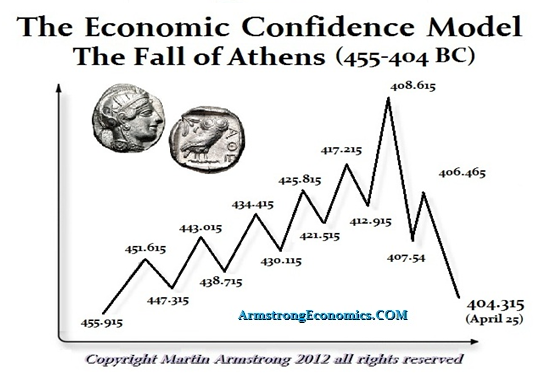
The Peloponnesian War (431-404BC) was fought between Sparta and Athens, the two superpowers of ancient Greece at the time. Each was dominant in its own way, and the war was essentially a clash between these two giants. Athens ended in defeat in 404 BC, precisely on schedule with our ECM model.
Sparta and its allies (specifically Thebes) struck the first blow. However, the war’s origins involve decades of tension and specific provocations not unlike the relationship between the United States, Russia, and China. In early 431 BC, a small force of Thebans (members of the Spartan-led Peloponnesian League) launched a surprise night attack on the city of Plataea, a long-standing ally of Athens within Boeotia (Theban territory). Thebes sought to eliminate Plataean resistance to Theban dominance over Boeotia, much like Israel versus Iran. They sought to bring Plataean firmly into their sphere. They were also encouraged by pro-Theban Plataean citizens who opened the gates, not unlike Israel’s sympathizers inside Iran.
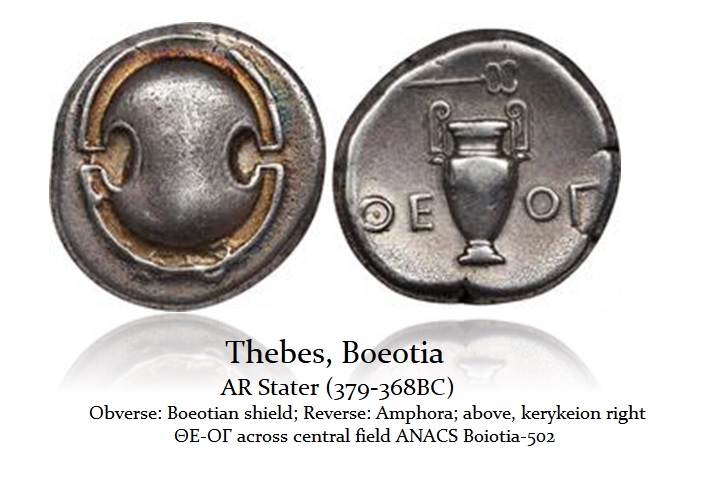
The initial coup attempt failed. Plataean citizens rallied, captured many Thebans, and executed them. This act was a clear violation of the existing Thirty Years’ Peace treaty. This attack by Sparta’s most powerful ally is widely considered the first overt military action of the war. It gave Athens justification to mobilize and support Plataea. The city-state of Plataea was located in Boeotia. The dominant power in Boeotia was Thebes, which did issue prolific coinage (featuring the Boeotian shield) as the leader of the Boeotian League. There are no coins issued by Plataea, for they appear to have used the coinage of Thebes.
After the failed Theban attack on Plataea and the execution of the Theban prisoners, Sparta, as the leader of the Peloponnesian League, formally declared war on Athens. This declaration followed failed negotiations in which Sparta demanded that Athens lift sanctions against Megara (another Spartan ally) and effectively cede its empire. This demand would have led to Athens’ empire being surrendered, which would have been a committed act of geopolitical suicide. Hence, it was resoundingly rejected.
So, while Thebes struck the first physical blow, Sparta, as the leader of the opposing alliance, formally initiated the state of war. I should point out that Sparta was a Communist State and never issued coinage to prevent people from attaining wealth. Everyone was to provide military service.
The historian Thucydides, who lived through the war, argued that the real cause was deeper than any single event. This was rooted in the rivalry between the two superpowers, not unlike today, with the USA and Europe on one side and Russia and China on the other. Thucydides wrote in his History of the Peloponnesian War.
“The growth of the power of Athens, and the alarm which this inspired in Sparta, made war inevitable.”
After the Persian Wars, Athens transformed the Delian League (originally a defensive alliance) into an Athenian Empire, using its powerful navy to dominate other Greek city-states, extract tribute, and interfere in their affairs. It even moved the treasury from Delos to Athens and funded the construction of the Parthenon. Athens was mainly a maritime power.
Sparta, the traditional land power and leader of the more conservative Peloponnesian League, viewed Athens’ growing power, wealth, and democratic influence with deep suspicion and fear. They saw it as a fundamental threat to their own security, way of life, and leadership in Greece.
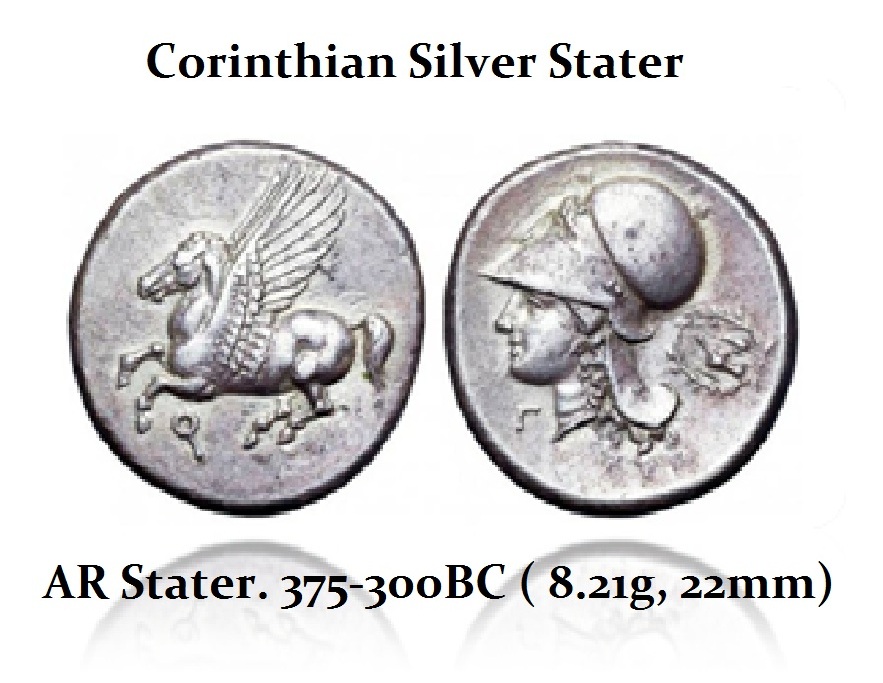
There had been a civil war in Epidamnus, which drew in Corcyra (Corfu) and then Corinth (Sparta’s key ally). Corcyra, not part of either league, appealed to Athens for help against Corinth. Athens made a defensive alliance with Corcyra and sent ships, which fought against Corinthian ships at the Battle of Sybota (433 BC). This directly involved Athens in a conflict against a major Spartan ally, heightening Spartan fears of Athenian expansionism. This is what Trump just did by attacking Iran, an ally of both Russia and China.
The Potidaea Revolt (432-429 BC), which was a Corinthian colony, but also a tribute-paying member of the Athenian Empire, revolted with encouragement from Corinth and Sparta. Athens besieged Potidaea. Corinthian troops fought alongside the Potidaeans against the Athenians. This created another direct military clash between Athens and a key Spartan ally (Corinth), further straining relations and giving Sparta’s allies strong grievances against Athens.
Athens banned Megara in 432BC (a Spartan ally strategically located near Athens) from the ports and markets of the Athenian Empire, crippling its economy. This was not unlike the idea of the Neocons imposing sanctions on Iran. Sparta strongly protested this as a violation of the Thirty Years’ Peace and used it as a key justification for war. This economic sanction was seen as particularly harsh and aggressive, providing Sparta with a specific casus belli and rallying support among its allies who feared similar treatment. This is my concern about the attack on Iran that can be seen as religious.
The fundamental cause, as Thucydides argued, was Sparta’s deep-seated fear of Athens’ growing power and imperial ambitions, which made a major conflict seem inevitable to them. Therefore, while Sparta formally declared war, the aggressive actions of its ally Thebes provided the immediate spark, and decades of Athenian expansion created the tinderbox. The Peloponnesian War began with Sparta and its allies taking the offensive against Athens and its empire. This is very similar to Israel’s attack on Iran, akin to Thebes’ attack on Plataea, which can then draw in the superpowers – USA, Russia, and China.
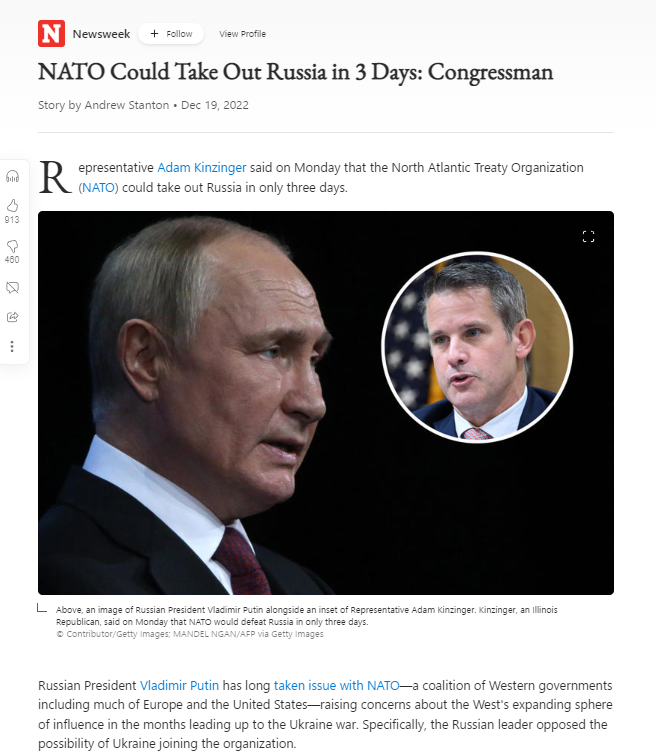
The likelihood of Iran surrendering is ZERO. The Neocons have, as always, judged their target by what they think rather than the thinking process of their target. They have portrayed Trump as a warring president, yet he, too, thought one strike would end the war, listening to the same people who said they could win Vietnam and Iraq would fall in 3 weeks. Like Adam Kinzinger, who boasted that we could defeat Russia in 3 days. They talk to each other and believe their own BS and pat each other on the back for their brilliance.
Even Cicero once said, “Laws are silent in time of war.” Herodotus once said, “For war never ends as expected. Once begun, it takes its own course.” (Herodotus, The Histories, 7.49). And the fake news will keep telling us that Iran is devastated, as is Russia, and we can defeat them in just a few days.
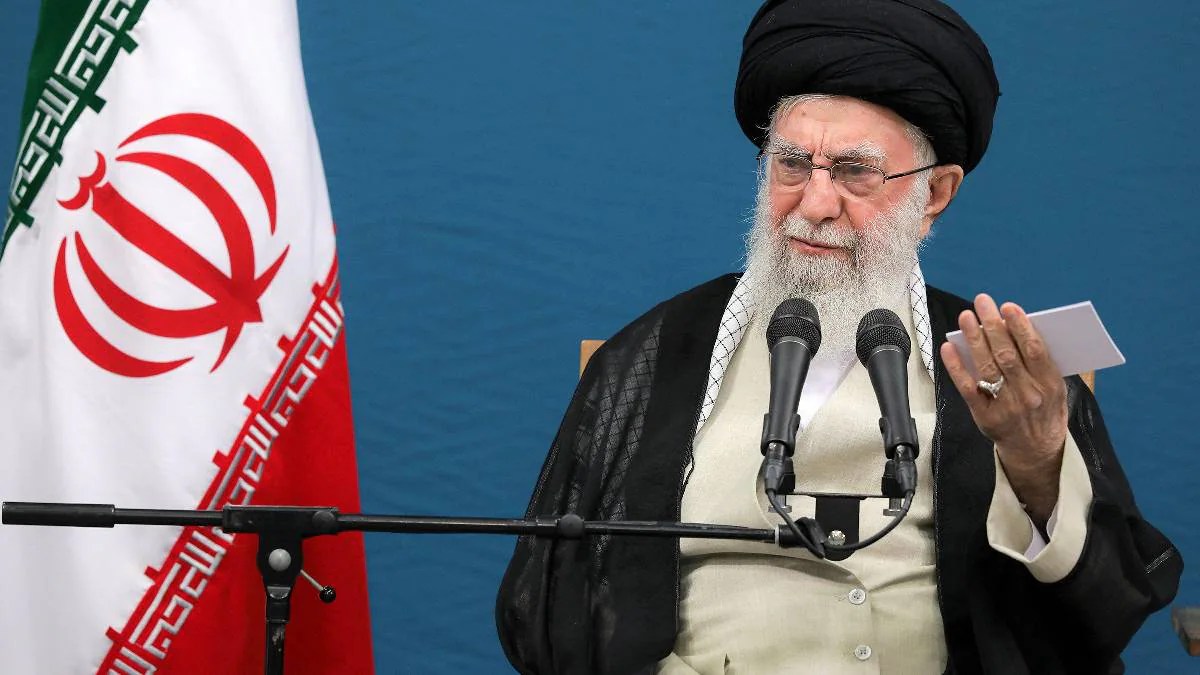
Iran’s defiant leaders fired 40 missiles at Israel on Sunday. As expected, the Neocons never understand their adversary – NEVER! Iran now will feel that almost any action is justified if they are to create weapons to deter future attacks. They would most likely urge their allies to give them nukes. If you understand the background of Ayatollah Ali Khamenei, you would immediately comprehend that he will give very little credence to Mr Trump’s claim this weekend that the bombs have “obliterated” the nuclear programme and that Iran should surrender. Iran’s nuclear project is widely dispersed so that the destruction of one does not end their program. It was designed to expect an attack and to survive.
Ayatollah Khamenei’s background is that of a revolutionary cleric who rose through the ranks of the opposition to the Shah, became a key lieutenant to Khomeini, held high office during the Iran-Iraq War, and was chosen as Supreme Leader primarily for his political loyalty and experience within the system, despite initial questions about his religious credentials. His tenure has been characterized by consolidating theocratic control, resisting Western influence, and upholding the core principles of the Islamic Revolution. He no more cares about Iran as a country than the Neocons care about the United States or Europe. They are all motivated by their resolve, if not hatred, of their opponents.
Khamenei became an active opponent of Mohammad Reza Shah Pahlavi’s regime in the 1960s and 1970s. His activism led to multiple arrests and periods of imprisonment by the Shah’s secret police (SAVAK) throughout the 1960s and 70s. He was also tortured during this time. I explained that when Trump was shot, people were saying he would now reverse his rhetoric. I said no, when you face a near-death attempt on your life, you LOSE all sense of any fear of death. You have more resolve and realize that they tried to kill you because you are right.
During periods of freedom and exile within Iran (including in Mashhad and Kirman), Ayatollah Ali Khamenei continued organizing opposition, translating revolutionary texts (like works by Sayyid Qutb), preaching against the Shah, and building networks crucial to the revolution.
Upon the death of Ayatollah Khomeini in June 1989, the Assembly of Experts faced the critical task of selecting a new Supreme Leader. Ayatollah Ali Khamenei, while a senior figure and President, was not considered a top-ranking religious authority (Marja’) at the time. His theological credentials were lower than those of other potential candidates. However, due to his proven loyalty to Khomeini and the revolution, his political experience, his organizational skills within the clerical establishment, and likely the backing of powerful networks within the IRGC and IRP, he was selected as the new Supreme Leader. To address the issue of his religious rank, he was quickly promoted to the rank of Ayatollah (and later Grand Ayatollah/Marja’), though this remains a point of contention among some traditional Shi’a clergy outside Iran.
As Supreme Leader, Khamenei has systematically consolidated power over the military (especially the IRGC), the judiciary, the media, and key economic sectors. He has ultimate authority over all branches of government and key state institutions. A staunch advocate of Khomeini’s doctrine of Velayat-e Faqih (Guardianship of the Islamic Jurist), his resistance to Western (especially US) influence, Islamic unity, technological advancement, and support for “oppressed” groups, such as the Palestinians, ultimately prevailed. The Neocons clearly fail to understand their target. These Neocons constantly make every single mistake driven by their fanaticism, no different than they talk about the Islamic terrorists. Both believe only in their myopic view of the other.
The UNINTENDED CONSEQUENCES that these Neocons have again overlooked are the reality that this attack will by no means end this war, and Iran will not surrender. This will lead to terrorist attacks and civil unrest in Europe. As always, these Neocons only look at their personal hatred and never care about the people or the country.
Posted Jun originally on 22, 2025 by Martin Armstrong
COMMENT: Well, Iran voted to close the Strait of Hormuz. Thank you for explaining the Iran-China connection. I now understand how this becomes an option.
Sam
QUESTION: The last report you did on the cycle of war with Israel turned up on April 1, 2025. That was the precise day when Jerusalem police detained several dozen protesters and arrested two of Prime Minister Netanyahu’s top aides—Yonatan Urich and Eli Feldstein—on corruption charges linked to alleged bribes from Qatar. The IDF intensified operations in Gaza, especially around Rafah and Khan Younis, and Israeli warplanes bombed southern Beirut. Your model projected from 2025 to 2029. Do you have any plans to update on the Middle East?
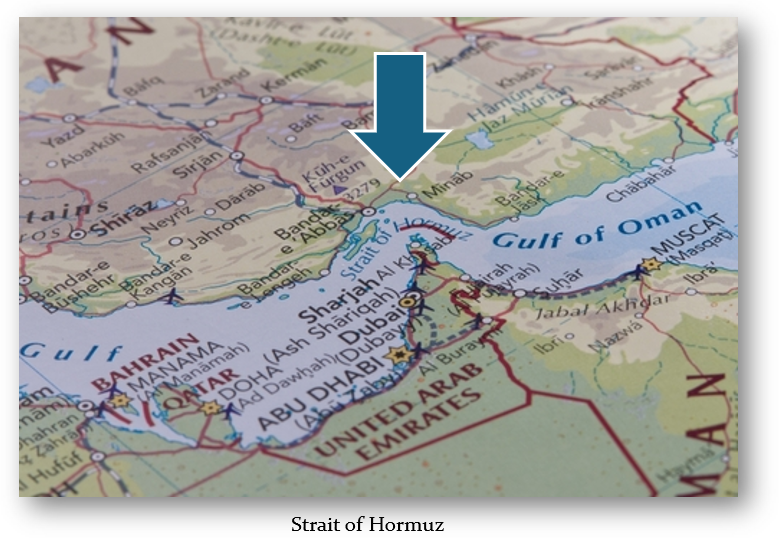
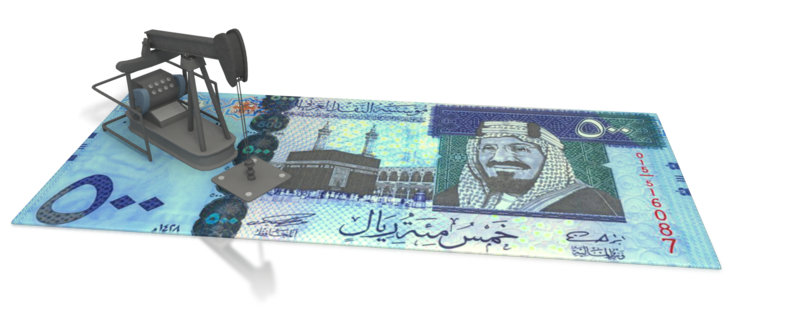
REPLY: The Iranian parliament has indeed approved the closure of the Strait of Hormuz in response to the US strikes against their nuclear facilities. This is the passage through which approximately 20% of the world’s oil and gas flows. The two central oil-producing countries that use this route are Saudi Arabia and the United Arab Emirates (UAE).
Those in the West, like the head of the Institute for the Study of War, General Keane, another hardline Neocon at Victoria Nuland’s sister-in-law’s operation, keep judging others by themselves. They seem to think that they can force political change by armed force, and somehow, the people will rise up against the government to achieve their goal. That’s the same thinking behind sanctions. Punish the Russian people enough, and they will overthrow Putin. I have never witnessed this philosophy ever working, even once.
My concern is that even the moderates in the region have become skeptical of Israel since it started stepping up its assassinations of generals and nuclear scientists. From what I’ve heard, that has changed things for some Iranians who would have been opposed to the Supreme Leader. When I conducted this research report on how governments are overthrown, to my shock, it turns out that on average, it takes less than 15% of real devoted rebels to overthrow a government.
Yes, updating the cycle of war for the Middle East is on the list of priorities. My sources in several Arab countries have all said the same thing: businesses are closed, and they are in shock that Trump acted the way he did. They are uncertain about the future of the Middle East now. So this is a top priority.
QUESTION: Mr. Armstrong, we greatly appreciate your courage, and it’s apparent that you have contacts that nobody else has. You said China takes 80% of Iran’s oil. I assume they get that through the Straits of Hormuz. If Iran were to shut down the Strait of Hormuz, wouldn’t that significantly impact their sales to China? You have explained the Middle East better than anyone I have ever read or watched on TV. Iran warned of “everlasting consequences” after the U.S. bombed three major nuclear sites. I can see what you’re laying out: that this is the beginning rather than the end. Do you think China or Russia will enter this conflict soon?
Bret
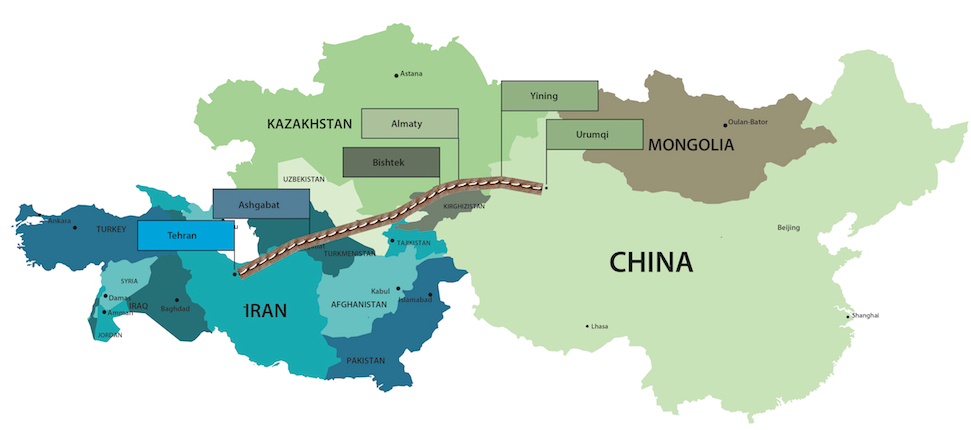
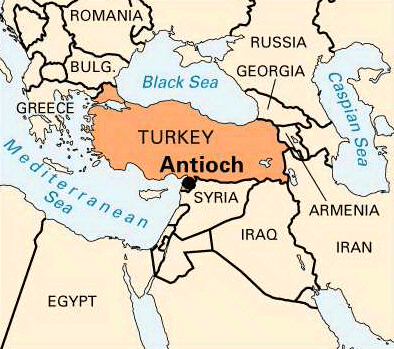
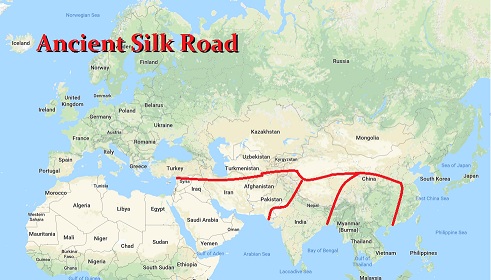
ANSWER: The reason Iran can attack the Straits of Hormuz is that the media has unreported the completion of the China-Iran railway link, which is a significant milestone within China’s Belt and Road Initiative (BRI), specifically reviving the ancient Silk Road through modern infrastructure. By the way, the ancient city of Antioch became so wealthy because it served as a key link to the Silk Road, where all goods entered the Greek and Roman world. The term assumed the “PURPLE” was associated with a Roman emperor because it was a dye from Asia that arrived via Antioch. It was decreed that only the emperor could wear it.
Antioch was the port city in Syria. It was strategic throughout history. I have explained, perhaps not in great detail, but China has been reestablishing the ancient Silk Road. Iran can shut down the Straits of Hormuz, and it will NOT impact the export of oil to China. The China-Iran railway link, part of the broader China-Central Asia-West Asia Economic Corridor, primarily relies on the Kazakhstan-Turkmenistan-Iran (KTI) Railway as its critical connector. The agreement was signed between China, Kazakhstan, Turkmenistan, and Iran, finalizing the KTI Railway agreement in 2013. The construction began in December 2014. The first direct freight train from China to Iran arrived in Tehran on February 15, 2016.
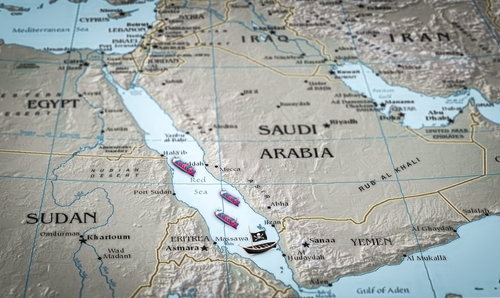
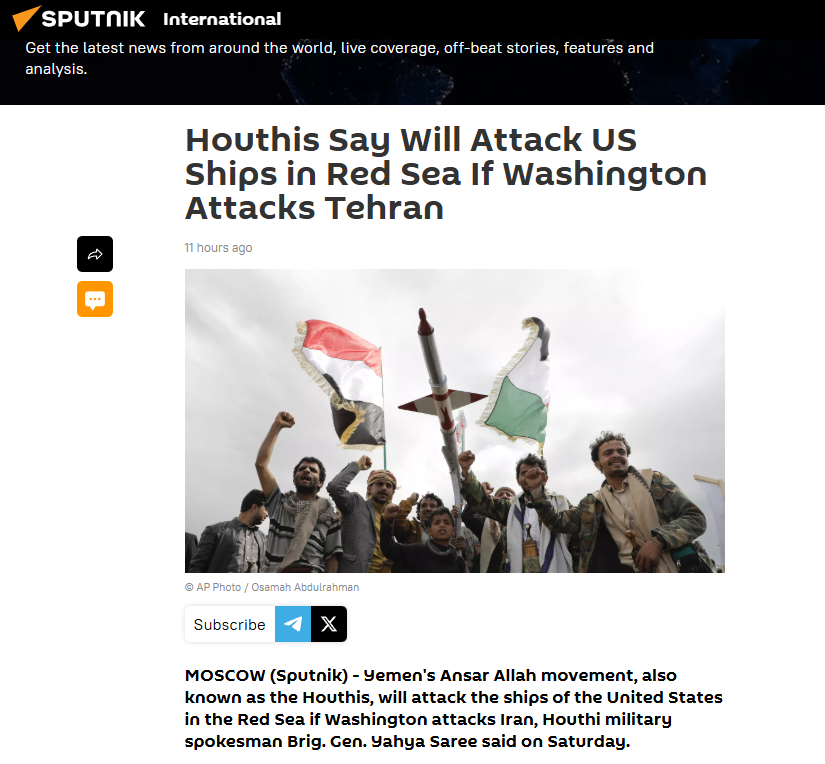
Now, look at this from a geopolitical perspective. You have the Houthis attacking ships in the Red Sea. With this rail line, Iran can shut down the Strait of Hormuz, and the Houthis keep the pressure on, stopping the traffic through the Suez Canal. They have the ability to impact the energy flow out of the Middle East significantly.
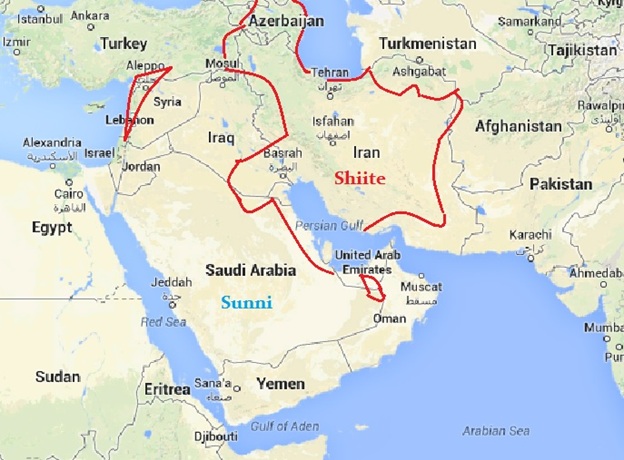
The Shia Muslims do not control “most” of the oil in the Middle East, though they live in regions with significant reserves. Control is primarily held by national governments and state-owned companies, not by sects directly. Nonetheless,
Saudi Arabia 267 billion barrels (17% od global proven reserves) Iran 208 billion barrels (4th largest globally) Iraq 145 billion barrels (5th largest globally) Kuwait 102 billion barrels reserves. Sunni-led monarchy United Arab Emirates (UAE) 98 billion barrels reserves. Sunni-led federation. Qatar Major gas producer, also has oil. Sunni-led monarchy.
Saudi Arabia, Kuwait, UAE, and Qatar (all Sunni-led monarchies) hold a significantly larger portion of the region’s proven oil reserves combined than Iran and Iraq. However, the Shia-Majority Regions are Important. Iran and southern Iraq (Shia heartland) have massive reserves and are crucial producers. Iran is a founding member of OPEC. While control is national, not sectarian, this can be volatile in times of war, as we saw during the 1970s.
What I believe is significant here is the railway between China and Iran. The primary rail corridor connecting China to Iran became fully operational in recent years. Trains now run regularly from various Chinese cities (like Yiwu, Xi’an) through Kazakhstan and Turkmenistan, terminating in Tehran. The final section crossing Turkmenistan into Iran was finalized, making the entire route viable. This now facilitates significantly larger volumes of trade between Iran and China. China exports electronics, machinery, textiles, and industrial goods. Iran exports petrochemicals, minerals, agricultural products (like saffron, pistachios), and potentially more oil/gas in the future (though sanctions complicate this).
This provides China with a crucial overland route to access Middle Eastern markets and resources, reducing dependence on vulnerable sea lanes like the Strait of Malacca. It also offers Iran a vital alternative trade corridor, mitigating the impact of Western sanctions and reducing its isolation. Access to the vast Chinese market and Eurasian rail network is crucial.
Keep in mind that this has now introduced a geopolitical alignment between Iran and China. Both China and Iran are acting as a counterbalance to US influence in the region. It integrates Iran more firmly into China’s Eurasian connectivity vision. This railway is now a critical national security issue for China.
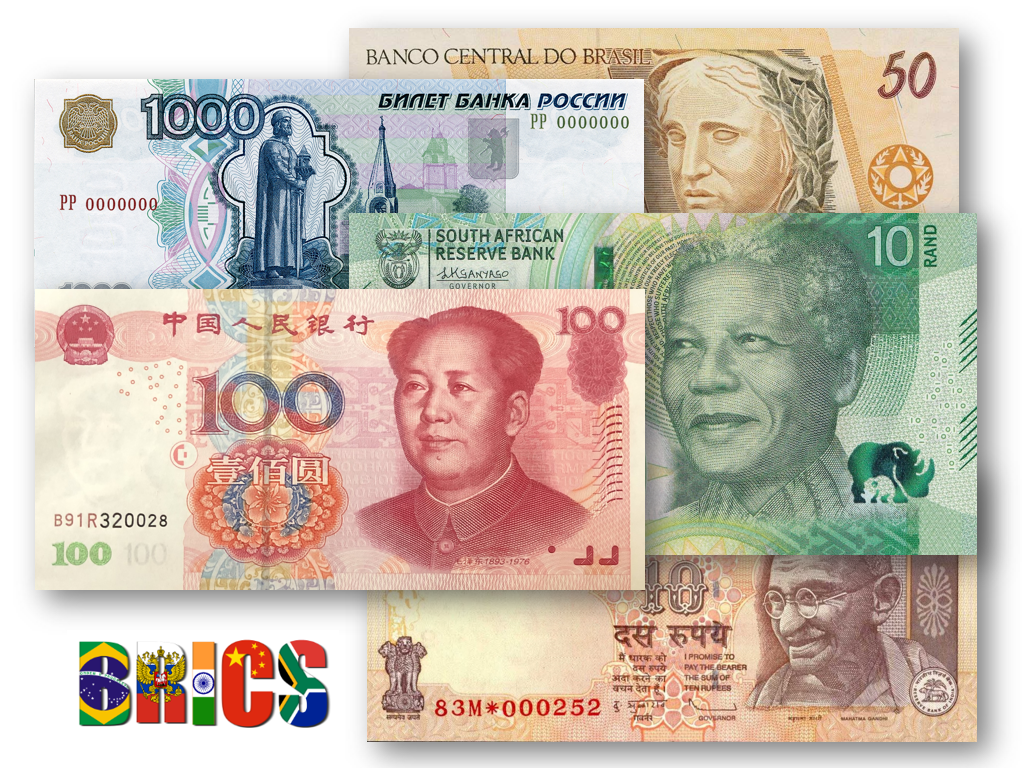
The US sanctions on Iran remain a significant hurdle. International banks and companies are wary of facilitating transactions, limiting the route’s full potential. China uses workarounds, but sanctions create friction and risk. They have only further divided the world economy, giving the incentive for the establishment of BRICS, which has undermined the global economy as a whole, dividing the world in half, all for the geopolitical instigation of the Neocons.
China has indeed completed and operationalized major rail links to Iran via Central Asia. This represents a transformative achievement for the Belt and Road Initiative, offering a faster, land-based trade artery between East Asia and the Middle East. While challenges such as sanctions and logistical hurdles persist, the link significantly boosts trade, provides Iran with an economic lifeline, strengthens Sino-Iranian ties, and enhances Eurasian connectivity. It is a concrete realization of the modern Silk Road vision. The Neocons have dominated American foreign policy, and they have NEVER given economic policy a second thought.
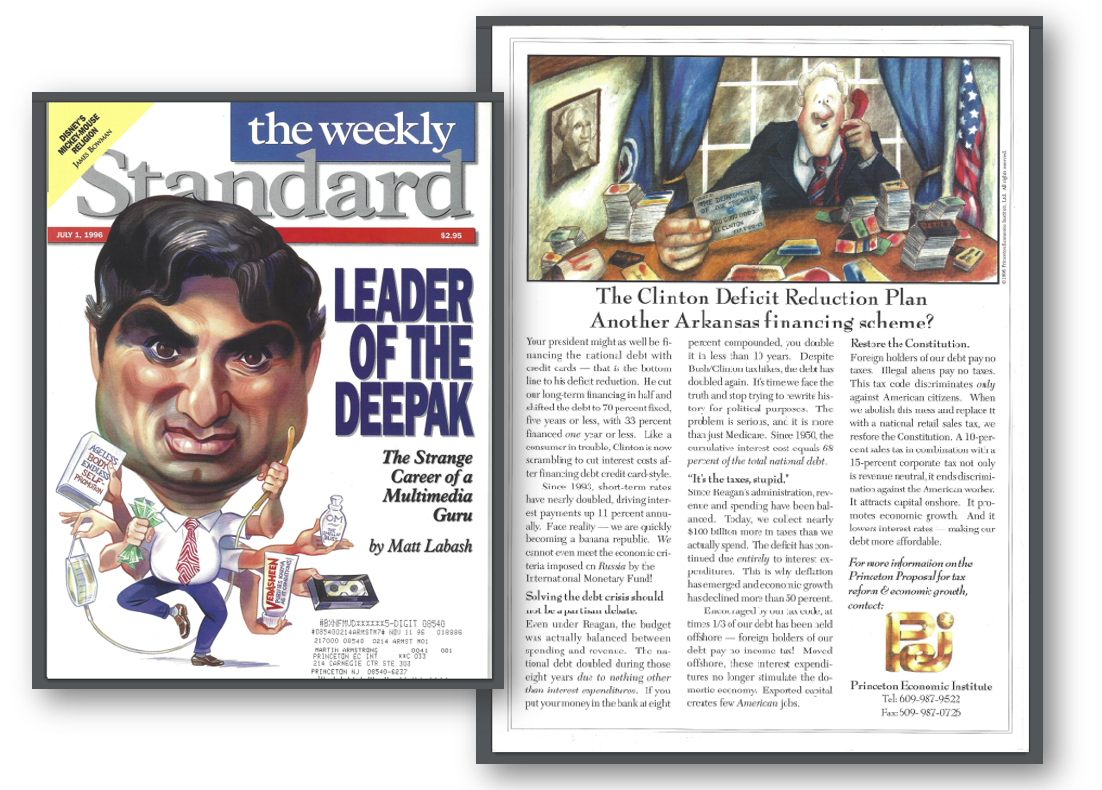
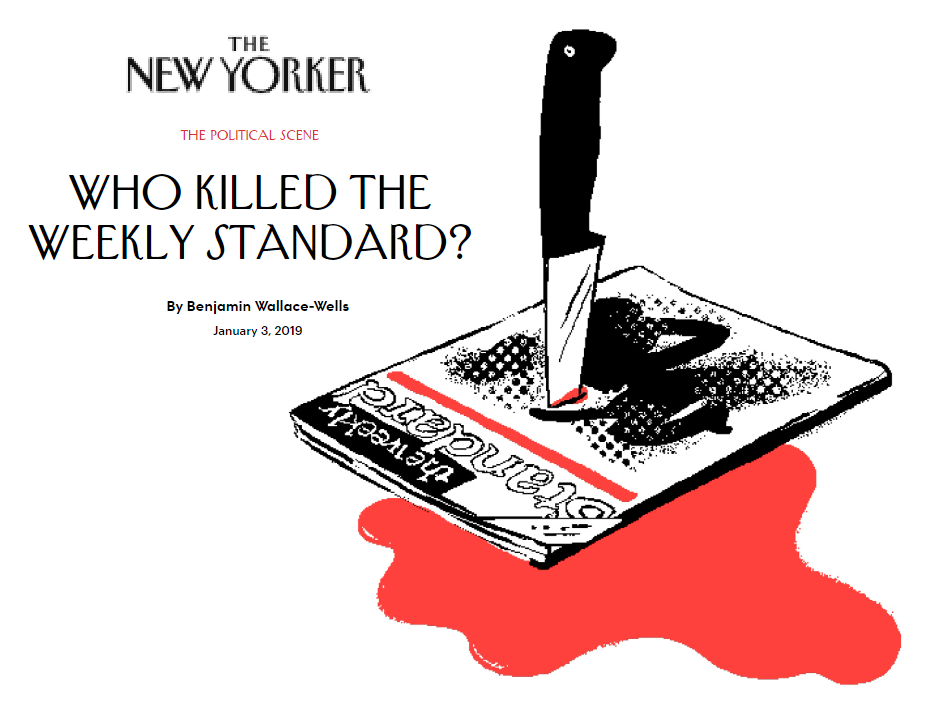
I was the first advertiser to help Bill Kristol launch The Weekly Standard. We took the back cover every week, until I realized he was NOT an economic conservative, he was a Neocon. They were focused purely on the geopolitical aspects of redesigning the Middle East and defeating Russia and China. I do not speak from speculation. I had a front-row seat to the plans and objectives that never took into account the global economy. This is what created BRICS – their arrogance. I have even attended White House dinners.
Posted originally on Jun 22, 2025 by Martin Armstrong
QUESTION: I understand you rely on the computer. The forecasts are not your opinion, and that is what makes you stand out among all the talking heads. What is your personal opinion? Do you think that if Trump had given diplomacy a chance, it would have worked, or was this inevitable?
FS
ANSWER: Looking at the computer, I could not see any other outcome. I do believe that Trump acted thinking that this would end the war and the terrorism of Iran. His mistake is judging Iran by what a rational state would typically do. Iran is a theocracy, and its government is driven by entrenched ideas that I do not see changing.
The differing stances towards Israel between many Shia-majority actors (notably Iran and its allies) and some Sunni-led states stem from a complex mix of religious, geopolitical, strategic, and ideological factors, rather than a fundamental theological difference between Shia and Sunni Islam regarding Palestine itself.
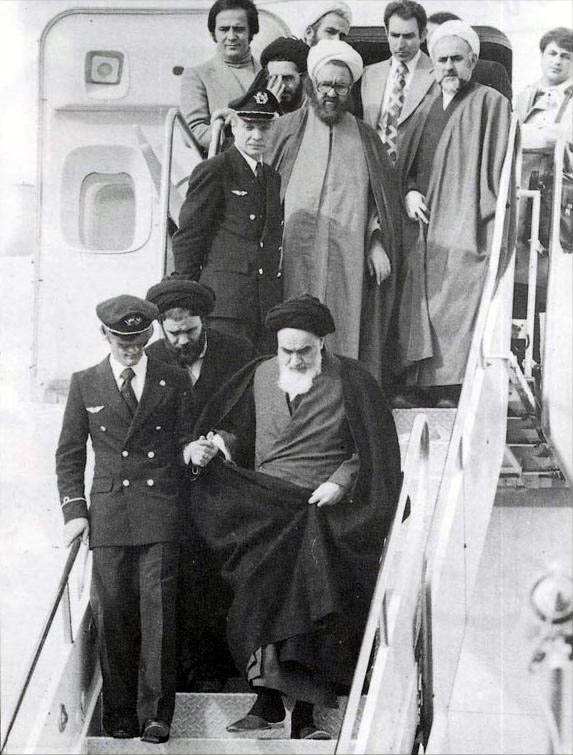
The 1979 Iranian Revolution established an Islamic Republic with a strong anti-Western and anti-imperialist ideology. Opposition to Israel (“The Little Satan”) became a core pillar of its revolutionary identity and foreign policy, framing it as a colonial implant, an extension of Western (particularly US) imperialism in the Middle East, and an oppressor of Palestinians.
The Iranian Revolution exported ideology and identity. Championing the Palestinian cause became central to Iran’s self-proclaimed leadership of the Muslim world (“Resistance Axis“) against Western influence and its regional rivals. Iran sees Israel as its primary regional adversary and a major strategic threat, closely aligned with its arch-rival, the United States, and Sunni powers like Saudi Arabia (historically).
Supporting anti-Israel groups such as Hezbollah in Lebanon, Hamas and Islamic Jihad in Gaza, and various Shia militias in Iraq and Syria became the key geopolitical tool for Iran. It projects power and influence far beyond its borders. This established a network of proxies to deter Israeli or US attacks on Iran. This is what I mean about religious issues, for it challenges the regional order dominated by the US and its Sunni allies. This “Axis of Resistance” is fundamentally built on opposition to Israel and the US.
We must comprehend that for Iran and its Shia allies, unwavering support for the Palestinian struggle against Israel is a source of domestic legitimacy and a way to claim leadership of the broader Muslim world, transcending sectarian divides. Portraying Sunni states that normalize relations as traitors to the cause reinforces this narrative. It remains to be seen if the Shia will instigate civil unrest within the Sunni states like Egypt, Jordan, and Saudi Arabia.
There are significant differences in Sunni approaches (pragmatism and shifting alliances) compared to those of the Shia (confrontation).
Some Sunni-led states (UAE, Bahrain, Morocco, Sudan) normalized relations with Israel based on pragmatic national interests, not theological shifts. They have a shared perception of Iran as the primary threat (especially for Gulf states). They are far more practical in terms of access to technology, trade, investment, and tourism. They also gained US favor, breaking diplomatic isolation. They have believed that engagement might yield better results than a boycott or prioritizing other concerns over it. Israel’s attacks on unarmed Palestinians in Gaza threaten that practical view.
It’s crucial to remember that Sunni Islam and Sunni-majority states are not monolithic. Many Sunni populations remain deeply opposed to normalization. Countries like Qatar maintain relations with Hamas but not Israel. Turkey has diplomatic relations but remains highly critical. Jordan and Egypt have peace treaties, but experience significant public opposition and cold relations.
Then there is the risk of state versus non-state actors. Established Sunni states often prioritize state sovereignty, stability, and economic interests. Non-state Sunni actors like Hamas or the Muslim Brotherhood frequently maintain hardline stances closer to Iran’s position (Hamas is part of the Resistance Axis).
Both Shia and Sunni Muslims revere Jerusalem (Al-Quds) as the third-holiest site in Islam. The Palestinian cause resonates deeply on religious grounds across the Muslim world. The difference lies in strategic emphasis. For Iran and its allies, opposing Israel is the central rallying cry and geopolitical strategy. For some Sunni states, while the religious significance remains, it competes with other pressing security and economic priorities in their foreign policy calculus. Iran weaponizes this perceived prioritization to criticize Sunni leaders.
Consequently, Shia opposition (Iran-led Axis) is primarily driven by revolutionary ideology, geopolitical strategy (countering the US/Israel/Saudi axis), regional ambitions, and the use of the Palestinian cause as a tool for legitimacy and proxy warfare. It’s a core part of their identity and foreign policy. This is why I personally am not optimistic, and I fear that Israel may stupidly think assassinating the Supreme Leader will end Iran, and it will return to the days of the pre-1979 Revolution. They put at risk the entire pragmatic national interests of the Sunni States that can see internal strife in response to such an action on top of the hard treatment of Palestinian civilians in Gaza. This can result in shifting regional dynamics that I am deeply concerned about. There is no religious Sunni theological shift on the importance of Jerusalem or Palestinian rights, and it faces significant public opposition within those countries.
The divergence is less about a fundamental Shia vs. Sunni theological difference on Palestine/Israel, and more about differing geopolitical strategies, national interests, and ideological priorities between the Iranian-led “Resistance Axis” and certain Sunni-led Arab states seeking new alliances and security arrangements in a changing Middle East. Iran uses maximalist opposition to Israel as its defining strategy, while some Sunni states have decided engagement serves their interests better, given the perceived greater threat from Iran.
I am not sure that there are people who understand this in the leadership of Israel or the United States. The huge mistake here is assuming that this strike will cause the Shia to throw down their arms and adopt the Sunni pragmatic position. I do not see that sort of religious upheaval.
Posted originally on Jun 21, 2025 by Martin Armstrong
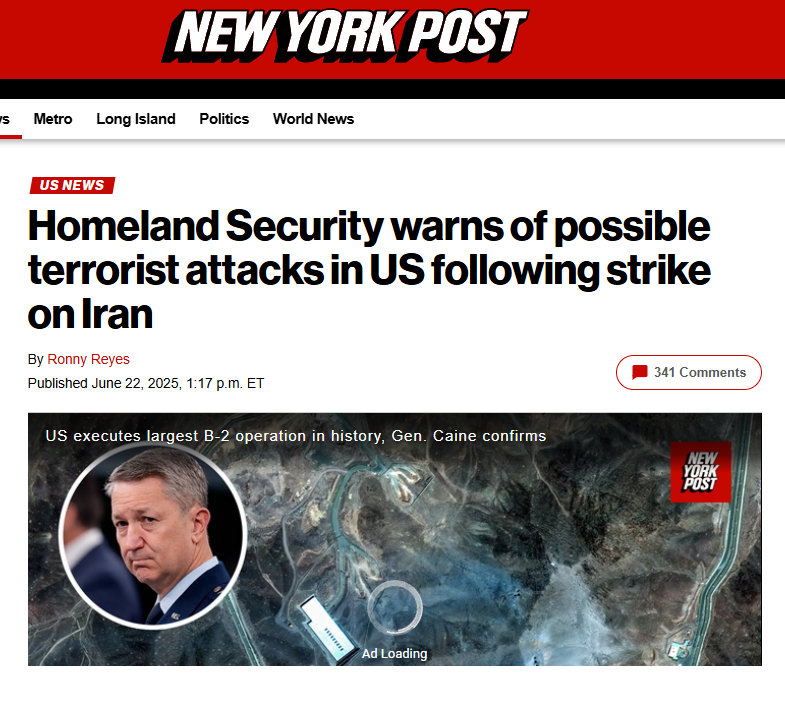
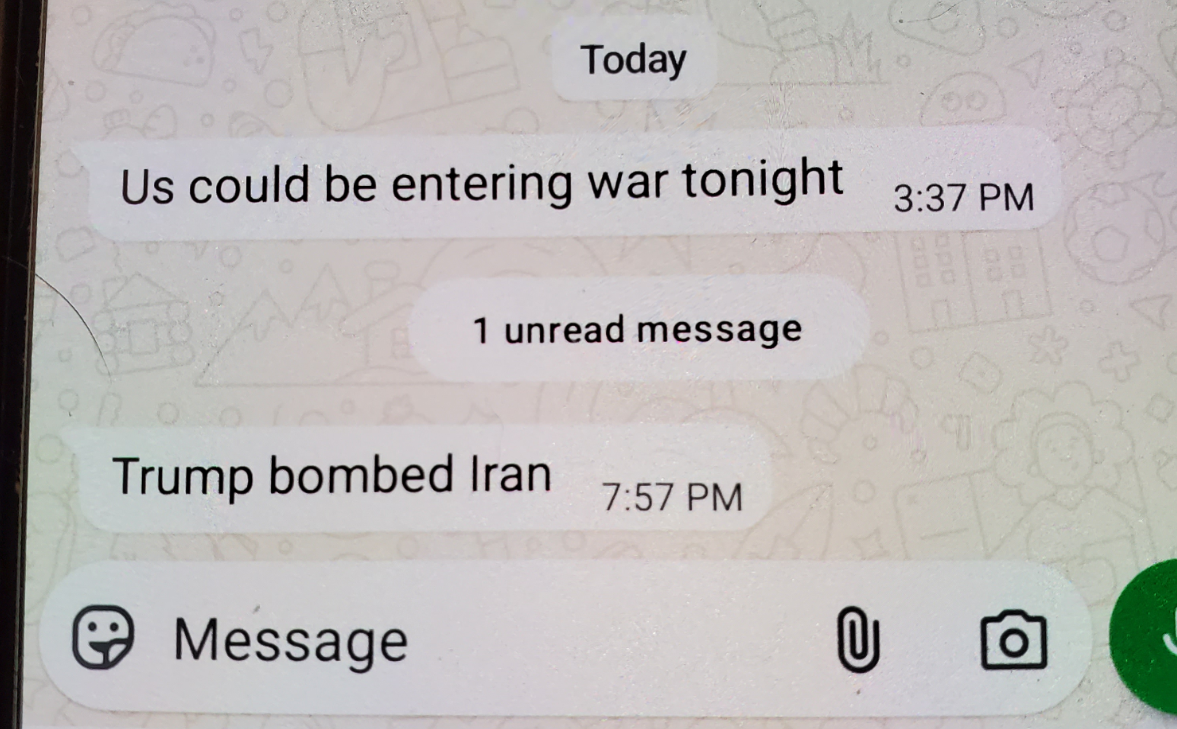
Trump has thrown in with the Neocons, and U.S. warplanes dropped bombs on Iran’s Fordow uranium enrichment facility and two other Iranian nuclear facilities. The president said the U.S. aircraft have already exited Iranian airspace and are now returning home.
“We have completed our very successful attack on the three Nuclear sites in Iran, including Fordow, Natanz, and Esfahan. All planes are now outside of Iran air space. A full payload of BOMBS was dropped on the primary site, Fordow,” Trump’s statement reads.
“Congratulations to our great American Warriors. There is not another military in the World that could have done this. NOW IS THE TIME FOR PEACE! Thank you for your attention to this matter.”
I was getting info that the attack would take place today. For obvious reasons, I am unable to disclose such information in advance. That would come under National Security issues. In a Truth Social message posted just before the 8 p.m. hour on the East Coast, Trump made the public announcement. Trump took the bait. This coming week is a Directional Change, and we have a critical turning point the week of June 30th. The fact that this occurred during the negotiations, which were intended to take place in Oman, was a decoy for the first Israeli attack. Here we have the same tactic again. This was not a wise move, for it calls into question the veracity of any future negotiations with anyone else.
I have created this site to help people have fun in the kitchen. I write about enjoying life both in and out of my kitchen. Life is short! Make the most of it and enjoy!
This is a library of News Events not reported by the Main Stream Media documenting & connecting the dots on How the Obama Marxist Liberal agenda is destroying America





 Centinel2012