Posted originally on the conservative tree house on October 23, 2022 | Sundance
All around this western world of ours we find ourselves surrounded by economic pretenders and financial pundits, perhaps intentionally stuck, using old school economic theory to analyze a new era in government manipulation of the economy. It’s maddening… but at least we do not need to pretend on these pages.
Milton Friedman was not wrong at the time he stated that inflation is driven by monetary policy. Print money and the value of it diminishes; this is true.
However, we are in an era that Friedman never foresaw, nor could he fathom, where the structural policy of government is created to intentionally shrink economic activity.
Purposefully reducing energy resources and then purposefully reducing economic activity to match the diminished level of energy available, is the underlying purpose of what the western globalists call “Building Back Better.” The claim of “climate change” is the justification for their action. Too few people truly understand this, and as a result we see false arguments about the root of inflation being presented.
The ROOT CAUSE of modern western inflation is the intentional shortage of traditional energy resources (coal, oil, gas), which is driving up the price of the everything attached to the use of energy, everything. It is a supply side causation with policymakers trying to forcibly shrink energy demand. Quit making excuses in any other direction.
As energy products skyrocket, everything attached to the energy product rises in price – that is a supply side issue. Yes, if you wish to be obtuse and support the justification from the policymakers, you can -if you chose to join the pretending- argue that demand for energy is the cause. However, demand for energy is far more consistent than the reductions in the supply that have been created.
If it took a bucket of coal to power your house for a month, and I was driving around your neighborhood with a limit of six buckets of coal, each bucket would be worth more than last month because each neighbor would become increasingly desperate for the energy resource.
Neighbors would outbid each other in order to secure their bucket of coal. The price of the bucket increases with fewer and fewer buckets available. This is supply side inflation. No new houses are built, the demand is the same. It is the lesser availability of the coal buckets that is driving the price.
Policymakers want you to lower your energy use, ie lower your standard of living, to match the decreased availability of the energy resource (microeconomics).
In the macro view the monetary policy makers are doing the same thing to the aggregate economy by raising interest rates to shrink it (shrinking demand). This is being done on purpose. This is the agenda of Build Back Better. Quit making excuses for it or buying into their false justifications.
Milton Friedman was correct in his era, about expanded monetary policy making money worth less. However, Friedman never foresaw a time when government policy would be intentionally designed to reduce key supplies.
Government is regulating and restricting energy development, driving the price for each unit of energy developed higher, and as a deliberate outcome inflicting economic pain. Friedman never saw this in his lifetime. Friedman never saw true supply side inflation on this scale.
The private sector (energy providers) is restricted by policy makers. This is purposeful. Remove the regulatory and policy stranglehold restricting supply, and the downstream prices will drop. Unfortunately, and collectively, western leaders do not want prices to drop…. which would increase demand and expand economic activity. So, they continue to intentionally shrink the western economies.
As people are paying more for basic life sustaining energy products, they stop purchasing anything else.
Housing, shelter, energy, food and fuel are the priority. For most wage earners that’s all they can afford. The result is lower western nation economic activity on non-essential goods and services, which is the plan.
Consider this [Import Data]:
September is traditionally the month when all holiday goods arrive. The Port of Los Angeles (POLA) is the largest port in the United States. The slowdown of goods being imported [DATA HERE] is a majority outcome of a drop in demand for those goods. The Port of Long Beach [Data Here] is the same.
And the issue is not just West Coast ports. All ports are seeing a massive drop in imports:
[American Shipper] – […] September’s 313,311-TEU decline versus August was the steepest month-to-month drop recorded by Descartes since the 364,454-TEU plunge in February 2020 versus the month before, back when Chinese authorities first locked down Wuhan.
“We’ve had a pretty significant correction here,” said Chris Jones, executive vice president of industry and services at Descartes Systems Group, in an interview with American Shipper on Monday.
This is normally the time of year when imports seasonally decline — but not by this much. “There was an inflection, and it was a big one,” he said. “In some respects, this is not inconsistent with other years [pre-COVID]. It’s just more severe.” (read more)
With demand for non-essential goods and services collapsing, and with the economy continuing to shrink, why would the central banks keep raising interest rates?
Quit being a codependent enabler. Accept the reality…
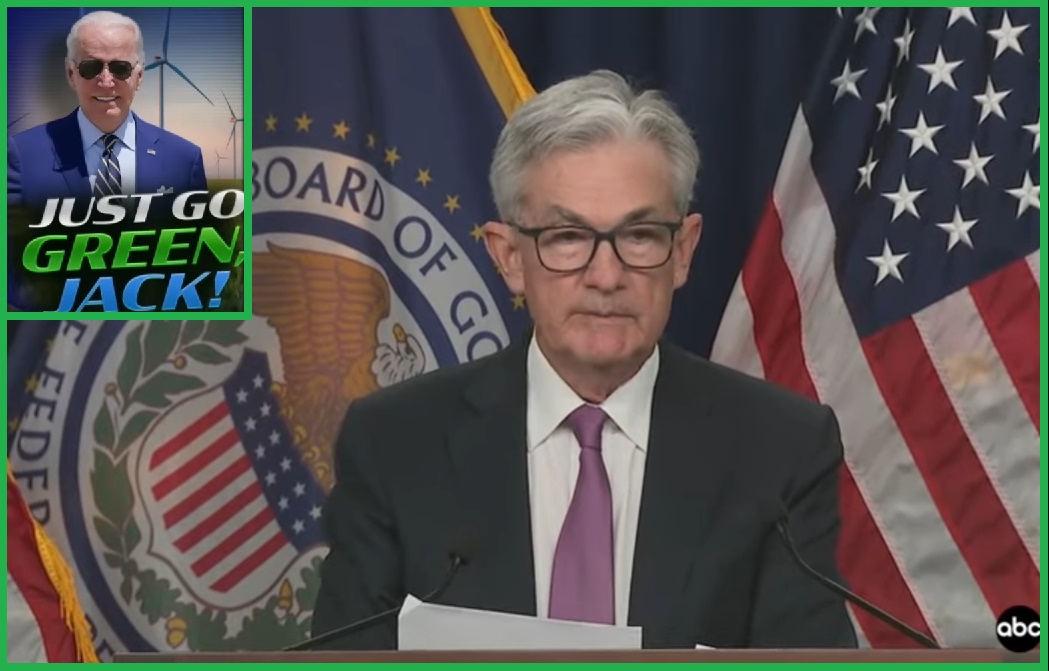
The central banks, including the U.S. federal reserve, are trying to shrink the economy.
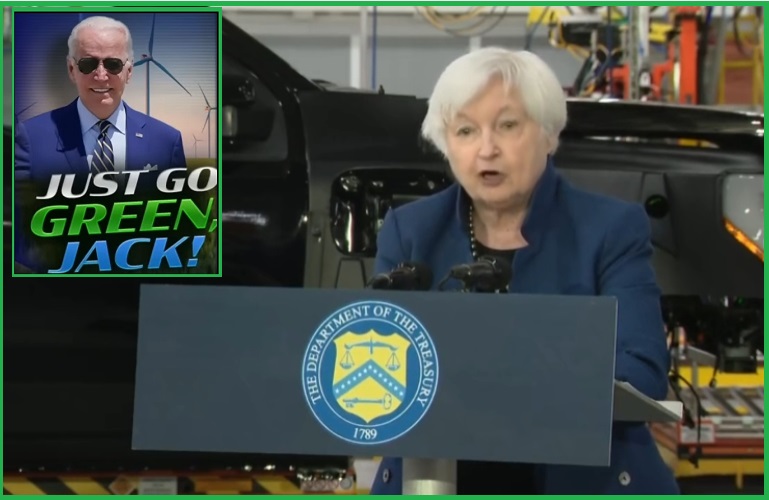
Energy policy is driving supply side inflation. Monetary policymakers are trying to support the energy policy by lowering economic activity to the level of decreased energy development.
The central banks are justifying rate increases saying they are trying to lower inflation by lowering demand. This part is true. However, the demand they are trying to lower, is the demand for energy.
The politicians and banks are trying to make people poorer.
Poor people are easier to manage.
This is ultimately what they mean by “managing the transition.”
You are what is being managed.
Every other claim is bullsh!t.








 Centinel2012