Is Russia Losing?


Armstrong Economics Blog/Russia Re-Posted Sep 10, 2022 by Martin Armstrong
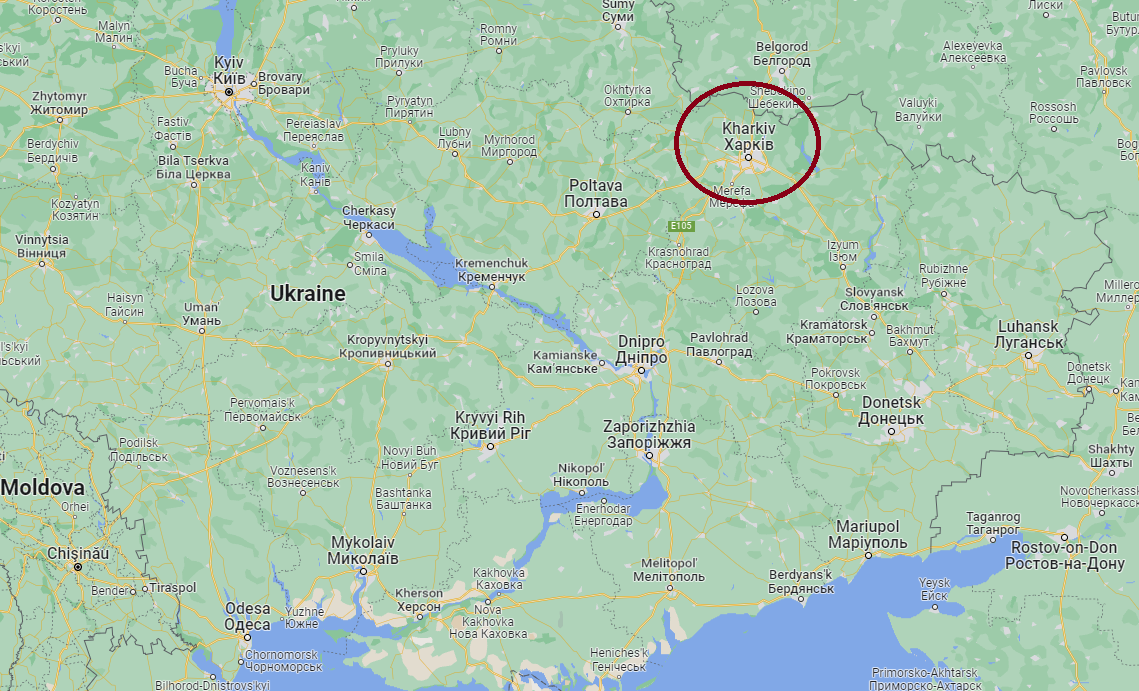
The Ukrainian army is at least one-third larger than it was last year and some claim it has doubled in size. They have been concentrating their effort, not on the Donbas, but on Ukraine’s Kharkov region. The Russian Defense Ministry has confirmed that Russia has withdrawn its troops from multiple locations across Ukraine’s Kharkov region pulling back to the Donbas in the face of a major Ukrainian offensive in the area. The Ministry has actually stated: “In order to achieve the goals of the special military operation, a decision was made to regroup troops in the areas of Balakleya and Izyum in order to build up efforts in the Donetsk direction.”

The troops that were stationed in the Kharkov area have been “re-deployed” over the past three days pulling back to the Donetsk People’s Republic. It also stated that during its withdrawal, the military had performed a “number of distracting and demonstration activities imitating the real action of troops.”  It did not elaborate. It was attacking the Ukrainians to allow the withdrawal with artillery, missile, and aircraft attacks to provide cover. They claimed that they destroyed over 100 armor pieces and artillery and eliminated “more than 2,000 Ukrainian and foreign fighters” in the past three days. The Ukrainian offensive was launched in the Kharkov Region on Thursday, but they were not as successful.

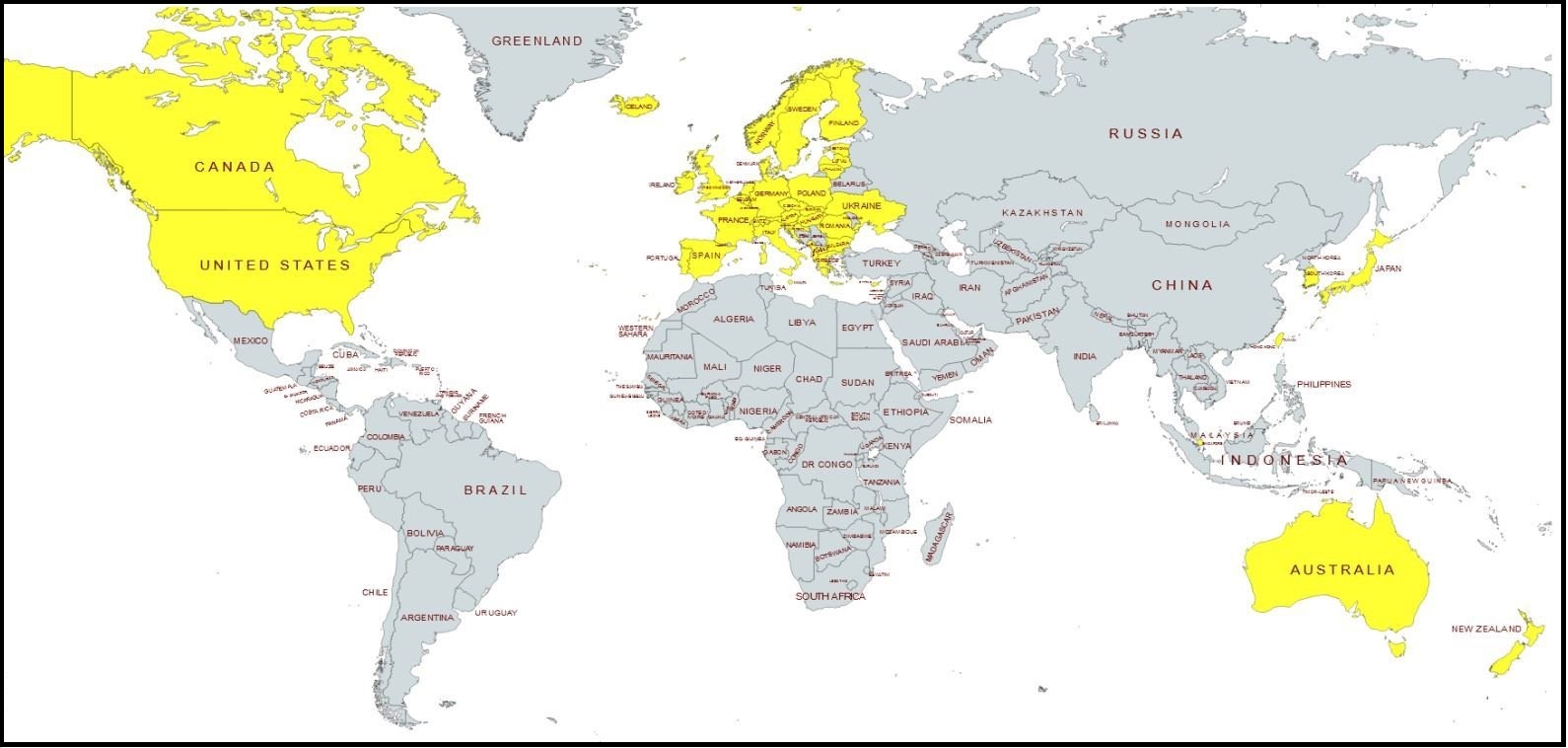
The real problem will emerge with the coming winter and is likely to be a very tough winter. While NATO Secretary General Jens Stoltenberg keeps urging Ukraine to continue fighting against Russia, it puts out this urging saying that otherwise, the country may “cease to exist” as an independent nation. From the outset, Putin did not seek to conquer all of Ukraine. One must wonder if the West is not propagating this war claiming Ukraine will cease to exist unless it fights Russia. That certainly eliminates any settlement or a peace treaty. NATO needs war with Russia and Putin by now has to understand that his real enemy is NATO and the USA. The propaganda fueling this agenda can be seen in the words of Stoltenberg who told the AP:

“If President [Vladimir] Putin and Russia stop fighting, then we will have peace. If Ukraine stops fighting, then Ukraine will cease to exist as an independent nation.” 

Stoltenberg admitted that there has been “no sign” that Putin or Moscow is giving up its objectives in Ukraine. He keeps insisting that Russia’s ultimate goal in the conflict is “taking control of Ukraine.” He knows that is not true and perhaps is begging Putin to adopt that goal. If that were true, Putin should do as the USA did in Iraq – (1) take down the power grid, (2) take down the communications, (3) attack the water supply, and (4) attack the food supply.

“Winter’s coming” as they warned in Game of Thrones. Reuters has reported that the flows of Russian gas to Europe via Ukraine were stable at the start of the week. Nord Stream 1 pipeline from Russia to Germany “remained shut and eastbound gas flows via the Yamal-Europe pipeline to Poland from Germany continued at low levels.”

Beware of the feigned-retreat is a military tactic, whereby a military force pretends to withdraw to lure an enemy into a position of vulnerability. Ukraine is now concentrating its forces in Kharkov region. Putin cannot be stupid and with the approach of winter, he should cut off all the gas through Ukraine to Europe and do as Stoltenberg keeps saying. There are two options. Use Tactical nuclear weapons, also called nonstrategic nuclear weapons, are generally designed for battlefield use and have a shorter range than strategic, or long-range, nuclear weapons, which are designed to directly attack an adversary’s homeland.

Herodotus reported that the Ancient Spartans used the feigned-retreat tactic at the Battle of Thermopylae (480BC) to defeat a force of Persian Immortals. Socrates debated a general who said it was cowardly to retreat. Even during the Battle of Agrigentum, in Sicily (262BC) during the First Punic War. Then the Carthaginian general Hanno, son of Hannibal, sent in his cavalry to attack the Roman cavalry and then pulled a feign-retreat drawing the Romans right into the arms of the main Carthaginian army waiting patiently.

Russia sent troops into Ukraine on February 24, citing Kiev’s failure to implement the Minsk agreements that were to provide the regions of Donetsk and Lugansk special status within the Ukrainian state and to vote on their own separation since they were ethnically Russians. That agreement was brokered by Germany and France and was first signed in 2014. Former Ukrainian President Pyotr Poroshenko then admitted that Kiev’s main goal was to use the ceasefire to buy time and “create powerful armed forces.” That is precisely what was done.

The problem now is that this appears to be an all-out war that the West keeps saying Russia is losing. I fear if that were true, then we will be looking at tactical nuclear weapons being used in Ukraine calling the bluff of Europe- Who will be next? Beware of next April and this coming January does not look very quiet on the Western front. The Pi Target from the fall of the USSR comes on April 6th, 2023. The West keeps telling the Ukrainians that Russia is losing and that the overthrow of Putin will bring peace. I fear this is just total propaganda dor the people behind Putin are far worse and think he has been too soft on Ukraine.
Massive Increases in U.S Natural Gas Exports are Driving Up U.S. Energy Prices


Posted originally on the conservative tree house on September 10, 2022

It is good to see at least one energy finance analyst at the Institute for Energy Economics and Financial Analysis, speaking commonsense.  In an article by Clark Williams-Derry for Barron Magazine [SEE HERE], the author accurately outlines how significant U.S. Liquified Natural Gas (LNG) exports are driving up prices for American consumers.

The author accurately refutes the notion that exports do not drive-up domestic prices, by walking through the example of how natural gas prices dropped for U.S. consumers when the liquefied natural gas plant in Quintana, Texas [Freeport LNG] was temporarily shut down, blocking a portion of the export capacity.  However, that facility is about to come back on-line and with increased exports from other facilities domestic U.S. prices have already doubled.

According to the U.S. Energy Information Association (IEA), U.S. storage of Liquified Natural Gas (LNG) is 12% below the five-year average (LINK).  Additionally, the IEA is expecting the U.S. to export 11.7 billion cubic feet of LNG per day during the fourth quarter of 2022 — up 17% from the third quarter. The destination of that export is Europe.

Consider that 43% of U.S. households use LNG for home heating, and power suppliers use LNG to create electricity.  With the massive 2022 exports of LNG to Europe (+17% in fourth quarter alone), that means lower domestic supplies and increased prices here in the United States for electricity and home heating.  We are seeing and feeling these massive price increases right now.

Barrons – […]  If you need more evidence of the impact of natural gas exports on prices, just compare supply and demand fundamentals for the year leading up to February 2020 (the last pre-pandemic month) versus the year leading up to this May (the most recent month with full federal data). Annualized production rose over the period, while domestic consumption remained roughly flat. Yet LNG exports almost doubled—a surge that tightened U.S. gas markets and doubled the price that U.S. consumers pay for the fuel. 

The growth of global demand for U.S. LNG can be tied to many market forces, including the shortfalls in Europe due to Russia’s manipulation of European Union gas markets. Sustained high demand in wealthy Asian nations has contributed to export growth as well. And so has the U.S. gas industry’s dogged determination to ship its wares to the highest bidder, foreign or domestic. 

Russia’s role has been particularly critical in the rise of global LNG demand. As Russia choked off gas shipments to Europe, EU buyers have turned to global LNG markets to make up the shortfall. Global LNG prices rose in response, and U.S. LNG companies ramped up output, shipping more cargoes to Europe. But Russia responded by further clamping down on gas supplies to the EU—a vicious circle that has hurt Europe’s economy even more severely than it has harmed America’s.

There’s little sign that U.S. gas prices will ease in the coming years. Freeport’s demand will be back online soon enough, and there are three other massive LNG export projects under construction, with more than a dozen of others waiting for financing.

[…] Curiously, federal regulators have consistently found that the gas export projects are in the public interest—meaning they were in the economic interest of LNG companies and gas drillers. But now, exports are creating sky-high costs for U.S. consumers, and drillers are reluctant to boost gas output lest prices fall back to earth. So, it’s high time to consider whether soaring U.S. LNG exports are actually in America’s interest—or if, instead, runaway LNG exports are fueling energy inflation and undermining the nation’s economic competitiveness. (read more)

Not only are U.S. taxpayers directly paying for the majority of costs in Ukraine, but we are also subsidizing the European Union by exporting LNG and driving up the price for energy here at home.

We the taxpayers are directly paying Ukraine, and indirectly paying Europe to maintain gas sanctions against Russia.  As a result, we the taxpayers are also paying higher prices here at home.  This is the reality of the current exfiltration of wealth as created by the Biden administration.

FUBAR

U.K Energy Reaches Crisis Point, Britain Announces New Oil and Gas Leases and Lifts Moratorium on Fracking


Posted originally on the conservative tree house on September 10, 2022 

There is a particular historical irony in the timing.  On the same day King Charles III ascends the throne, previously Europe’s most isolated from consequence – yet loudest voice in chasing the catastrophic climate change energy policies, the British government is forced to reverse course on years of energy regulations and restrictions.

Britain’s new Prime Minister Liz Truss announced, “a new round of oil and gas licensing will come next week with more than 100 licenses issued. A moratorium on fracking will be lifted and planning permission can be sought where there is local support,” in an urgent emergency effort to lower energy costs for British citizens.

The move comes in combination with a government plan to help citizens and businesses cope with skyrocketing prices for electricity and home heating fuel.  The climate change chickens have come home to roost throughout Europe and the British government is urgently trying to head-off the calamitous consequences.

Inside the media announcements of the Truss plan, the biggest concern expressed is how the financial and multinational banking sector (the ESG investment groups) will respond to the government position. After decades of ideological “green” outlooks flowing into the energy industry, the biggest concern expressed in the financial analysis is how a reversal by such a large economic system will reverberate.

The climate change ideology has a stranglehold on the energy sector of the economy, this move by Great Britain would be the most significant push-back in decades.  The minority green activists are apoplectic that they may lose control over the majority of opinion.  The economics of a reversal in energy policy could reverberate throughout the western alliance, particularly in Europe.  It will be interesting to see whether this shift in U.K. policy has ripple effects in the U.S.

LONDON, Sept 8 (Reuters) – Britain’s move to green-light dozens of new oil and gas fields will leave investors and banks with a tough PR job as Britain struggles to shore up its energy security whilst sticking to its climate commitments.

Starting new oil and gas projects runs counter to the world’s shift away from fossil fuels in the fight against global warming and a commitment at last November’s U.N. climate talks to phase down their use.

Yet runaway inflation amid conflict in Ukraine has forced the hand of new British prime minister Liz Truss as Russian President Putin seeks to use energy as a weapon this winter.

Britain will launch a new round of oil and gas licensing next week with more than 100 licenses issued, part of a wider package of measures to tackle the energy crisis announced by Truss on Thursday.

And Britain’s not alone in reassessing its energy strategy. Germany, for example, has been forced to turn back to even dirtier thermal coal to help fuel its power plants and keep the lights on, hampering short-term efforts to rein in climate-damaging carbon emissions.

But for energy companies and the investors, bankers and insurers that finance them, new investment in fossil fuels also presents a challenge given many have made their own pledges to reach net-zero emissions by mid-century.

“This will absolutely hinder companies’ … ability to hit their climate targets,” said Pietro Bertazzi, global director of policy engagement and external affairs at non-profit environmental disclosure platform CDP. (read more)

This is the first crack in the western alliance and the ‘climate change’ agenda of the World Economic Forum as it relates to energy policy and ultimately control over human life within the alliance.

The war in Ukraine was being used as a justification to explain the consequences of European energy policy, particularly rapidly increasing costs for energy and food, but the war in Ukraine was not the cause.  The true root cause of the exploding inflation and economic mess was the Build Back Better agenda, and the series of policies dictated from within it, that each nation willingly accepted.

Fearing a Complete Shutdown from Russia, Europe Scraps Plans to Cap Russian Gas Prices


Posted originally on the conservative tree house on September 10, 2022 | Sundance 

War is an outcome of ideology and economics, and the latter is perhaps the most powerful weapon.  As the harsh reality of Europe’s insufferable decades-long efforts to embrace the virtues of climate change begin to settle in, the reasonable adults in the conversation are able to see how their weakness is being exploited by their adversary.

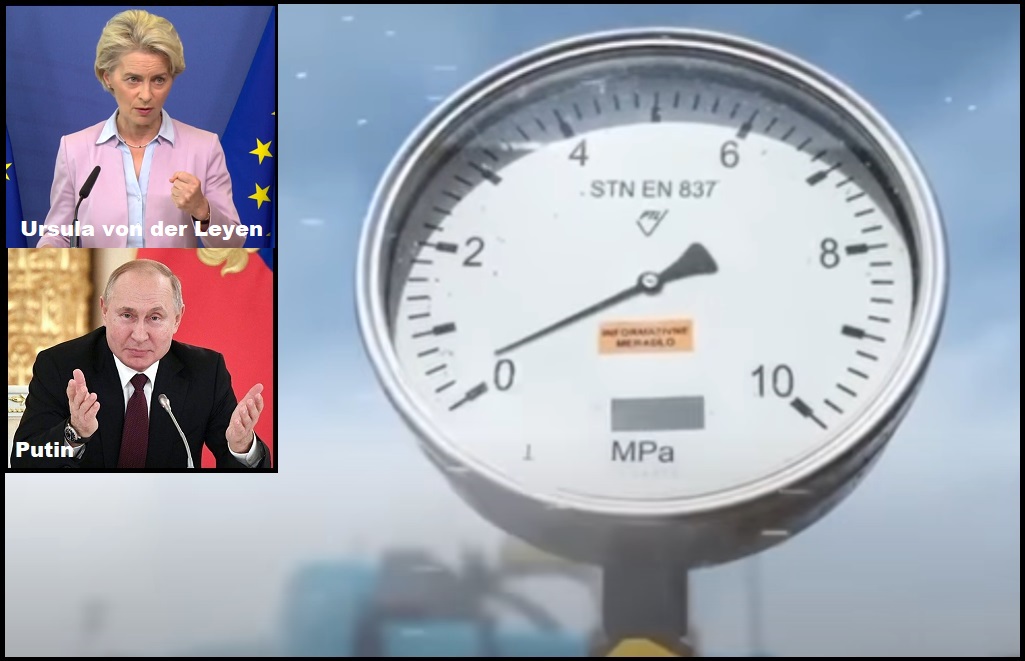
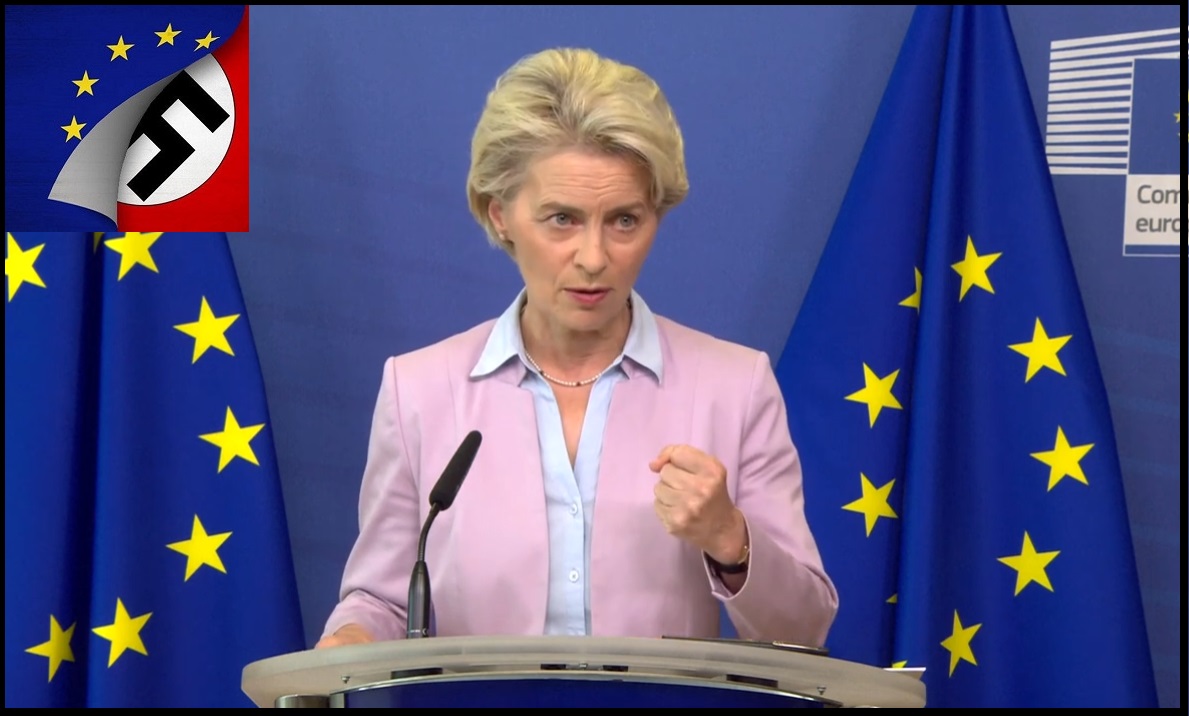
On Sept 7, the President of the European Commission, Ursula von der Leyen held a press conference in Brussels, announcing five initiatives to contain the expensive EU energy crisis: “The goal is clear. We must cut the revenues of Russia that Putin uses to finance this atrocious war against Ukraine.” {Go Deep}

However, Russian President Vladimir Putin made it very clear that any further efforts to weaken his economy, via western sanctions and interventionist efforts against his economy, would be met with retaliation in the form of cutting off all oil and gas supplies to Europe.  It appears the Europeans now understand the nature of their vulnerability.

(Via Reuters) – The EU has dropped plans to cap the price it pays for Russian gas.

Energy ministers from the bloc met Friday (September 9) in Brussels. They scrapped plans for the cap after the idea failed to win broad support.

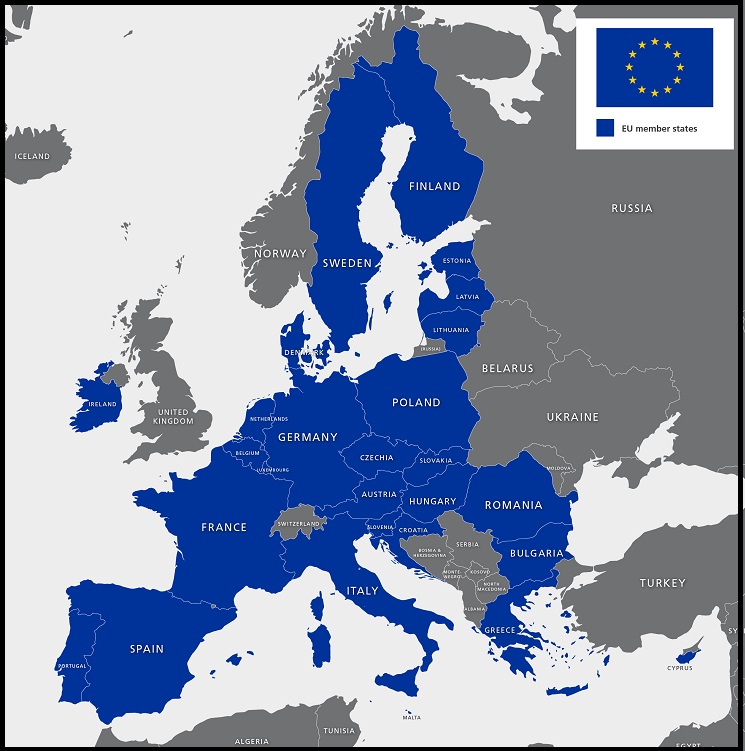
Member states in central and eastern Europe who still get gas from Russia feared retaliation by Moscow. Russian President Vladimir Putin had said he would cut off supplies altogether if a cap was imposed.

However, ministers did agree to claw back revenues from some power producers and will use the money to curb consumer bills. European energy prices are typically set by gas plants. That leaves generators using nuclear, wind or coal raking in revenue, as their running costs haven’t risen as much or at all.

On Friday, some EU nations also argued in favor of a general cap on all gas imports. However, European energy commissioner Kadri Simson said any such move would be risky:

“The general price cap, including LNG imports, could present a security of supply challenge, because the LNG market is a global market. We are not among the three biggest LNG-importing regions or countries, and there is very strong competition in the LNG market and right now it is very important that we can replace the decreasing Russian volumes with alternative suppliers.”

The EU windfall plan will now be fleshed out in the coming days, with another meeting of energy ministers seen possible later in the month. (read more)

President of the European Commission, Ursula von der Leyen previously announced five initiatives to contain the expensive EU energy crisis: “The goal is clear. We must cut the revenues of Russia that Putin uses to finance this atrocious war against Ukraine. And now our work is paying off. At the start of the war, gas from Russian pipelines accounted for 40% of all imported gas. Today it has dropped to only 9% of our gas imports. These are tough times. But I am convinced that Europeans have the economic strength, the political will and the unity to maintain the upper hand,” she said.  The United States and Norway are the primary suppliers of gas to the EU to fill the void.

Commissar von der Leyden’s five initiatives included:

(1) Conservation of electricity through forced and mandated cuts in electricity use.  The amount of the cut has yet to be determined but reducing demand through forced curtailment of electricity use is the first approach.  [Insert California as an example here in the United States.]

(2) A cap on the profit generated by energy suppliers who use renewable energy like wind and solar.  The renewable industry has lower costs, yet they are profiting from the top line increase in delivered electricity.  The EU commissar is proposing to confiscate the profits of Green Energy suppliers, direct the funds to the member states and then use those funds to subsidize the energy costs of poorer EU citizens.

(3) A cap on the profits generated by traditional fossil fuel energy suppliers (oil, coal, nuclear, gas electricity generation), and the diversion of those profits following the same formula as above.

(4) Banking support and financial liquidity for smaller regional energy providers who are having short term financial issues as they must pay massive amounts of money for the raw material needed to generate electricity.  Essentially, the cost of coal, oil and LNG has skyrocketed, and there is a lag between the time they energy company must pay for the fuel source and the time the customer pays the electricity bill.   The inbound fuel costs (new) are so extreme the inbound payments for prior electricity (old) are not covering the cost of the new supplier purchase.

(5) A price cap on Russian natural gas.  To accompany the increased import of Norwegian and U.S. gas.  This sounds like a bizarro effort to manipulate the market which could backfire.  If Russian gas is cheaper than EU market gas, the smart energy providers will purchase the Russian gas.

Number five is now scrapped.

Not a single word about increasing the supply of any traditional energy resource.  These EU ideologues -bureaucrats within a system that is not representative of democracy- are so committed to the cult of climate change and renewable energy, they are willing to destroy the EU economy in order to lower demand to the level of their windmills and solar farms.  However, it looks like alternate, perhaps even sensible people within the EU, are starting to realize the ‘climate change’ ideologues are the real and present danger.

Professor Alan Dershowitz Recommends a Retired Federal Judge Should Hold Special Master Appointment in Mar-a-Lago Raid Document Review


Posted originally on the conservative tree house on September 9, 2022

September 9, 2022 | Sundance | 1 Comment

The deadline for both the Trump Team and DOJ-NSD Team to submit their recommendations for a special master to review the Mar-a-Lago documents is tonight at midnight.

During an interview presented by Newsmax, Harvard Professor Emeritus and legal scholar Alan Dershowitz gives his impression on the appointment itself as well as the background issues surrounding the documents at the heart of the conflict.

Mr. Dershowitz recommends that a former federal judge would be the best candidate for the role of special master and supports the opinion with his viewpoint. WATCH:

.

Deutsche Bank CEO Says a Recession is Inevitable


Armstrong Economics Blog/Germany Re-Posted Sep 9, 2022 by Martin Armstrong

Yet another head of the financial system is coming out and warning that a recession is inevitable. Deutsche Bank CEO Christian Sewing echoed the words of BoE’s Governor Andrew Bailey and blamed the coming recession on the war in Ukraine. “We will no longer be able to avert a recession in Germany. Yet we believe that our economy is resilient enough to cope well with this recession — provided the central banks act quickly and decisively now,” Sewing said.

Going a step further, Sewing blamed China along with Russia. “When it comes to dependencies, we also have to face the awkward question of how to deal with China. Its increasing isolation and growing tensions, especially between China and the United States, pose a considerable risk for Germany,” he warned. Around 12% of German imports and 8% of exports come and go from China. Sewing would like to see a declining dependency on China rather than strengthening their relationship.

Neither China nor Russia are to blame for Germany’s situation. Russia was simply a diversion to draw attention away from the collapse of the European economy. Negative interest rates beginning in 2014 wiped out pension funds and proved that the central bank was not thinking long-term. COVID restrictions killed the supply chain, and Germany’s insistance in backing Ukraine eliminated what could have been a lucrative pipeline. Had the pipeline gone through, Europe would not have an energy crisis! Ever since COVID, we have witnessed a rising trend of civil unrest. Politicians have been working hard to create war with Russia deliberately, all cloaked in their real objective of controlling the planet.

When the energy crisis is unavoidable for the average person and the standard of living declines, the politicians will point to Russia and China. The decline began long before Russia lined the border of Ukraine, and China is demonized for simply existing. They would never blame their fiscal mismanagement or detrimental policies for the undoable damage they have created. If Germany falls, all of Europe will follow.

Electric Air Taxis Coming Soon


Armstrong Economics Blog/Technology Re-Posted Sep 9, 2022 by Martin Armstrong

Technological advancements are quite an amazing achievement. Although I never thought I’d see them in my lifetime, electric air taxis may become commonplace in the not-so-distant future. United Airlines announced that they are investing in air taxis from Eve Air Mobility and have already purchased 200 four-seat electric aircrafts. Eve, which was listed on the NYSE in May, will receive an additional $15 million investment from United. Flying taxis or eVTOLs (electric vertical take-off and landing vehicles) are designed for short commuter trips.

United also purchased 100 electric aircrafts from Archer Aviation. They expect the first shipments to arrive in 2026. Airlines Ventures President Michael Leskinen projects that a one-way trip to the airport would cost between $100 to $150, but these air taxis only have a range of 60 miles. This is a workaround to abide by the coming zero carbon emission laws but certainly will not be a replacement for affordable public transportation that many in the working class rely on.

Much is unknown about this new technology. Eve plans to hold a simulation later in the week in Chicago to study how eVTOLs will function in an urban environment. It is always refreshing to see technological advancement as innovation paves the way for opportunity.

EU Commission Announces 5 Point Plan for Energy Crisis, Including Increased Imports of U.S. Natural Gas Driving Up Prices for U.S. Consumers


Posted originally on the conservative tree house on September 7, 2022 | Sundance 

According to the U.S. Energy Information Association (IEA), U.S. storage of Liquified Natural Gas (LNG) is 12% below the five-year average (LINK).  Additionally, the IEA is expecting the U.S. to export 11.7 billion cubic feet of LNG per day during the fourth quarter of 2022 — up 17% from the third quarter. The destination of that export is Europe.

Consider that 43% of U.S. households use LNG for home heating, and power suppliers use LNG to create electricity.  With the massive 2022 exports of LNG to Europe (+17% in fourth quarter alone), that means lower domestic supplies and increased prices here in the United States for electricity and home heating.  We are seeing and feeling these massive price increases right now. As a result, consider this reality….

Not only are U.S. taxpayers directly paying for the majority of costs in Ukraine, but we are also subsidizing the European Union by exporting LNG and driving up the price here at home.

We are directly paying Ukraine, and indirectly paying Europe to maintain gas sanctions against Russia.  This is the reality of the current situation as created by the Biden administration.

Now, consider this.  The President of the European Commission, Ursula von der Leyen held a press conference in Brussels today, announcing five initiatives to contain the expensive EU energy crisis: “The goal is clear. We must cut the revenues of Russia that Putin uses to finance this atrocious war against Ukraine. And now our work is paying off. At the start of the war, gas from Russian pipelines accounted for 40% of all imported gas. Today it has dropped to only 9% of our gas imports. These are tough times. But I am convinced that Europeans have the economic strength, the political will and the unity to maintain the upper hand,” she said.  The United States and Norway are the primary suppliers of gas to the EU to fill the void.

Commissar von der Leyden’s five initiatives include:

(1) Conservation of electricity through forced and mandated cuts in electricity use.  The amount of the cut has yet to be determined but reducing demand through forced curtailment of electricity use is the first approach.  [Insert California as an example here in the United States.]

(2) A cap on the profit generated by energy suppliers who use renewable energy like wind and solar.  The renewable industry has lower costs, yet they are profiting from the top line increase in delivered electricity.  The EU commissar is proposing to confiscate the profits of Green Energy suppliers, direct the funds to the member states and then use those funds to subsidize the energy costs of poorer EU citizens.

(3) A cap on the profits generated by traditional fossil fuel energy suppliers (oil, coal, nuclear, gas electricity generation), and the diversion of those profits following the same formula as above.

(4) Banking support and financial liquidity for smaller regional energy providers who are having short term financial issues as they must pay massive amounts of money for the raw material needed to generate electricity.  Essentially, the cost of coal, oil and LNG has skyrocketed, and there is a lag between the time they energy company must pay for the fuel source and the time the customer pays the electricity bill.   The inbound fuel costs (new) are so extreme the inbound payments for prior electricity (old) are not covering the cost of the new supplier purchase.

(5) A price cap on Russian natural gas.  To accompany the increased import of Norwegian and U.S. gas.  This sounds like a bizarro effort to manipulate the market which could backfire.  If Russian gas is cheaper than EU market gas, the smart energy providers will purchase the Russian gas.

Not a single word about increasing the supply of any traditional energy resource.  These ideologues are so committed to the cult of climate change and renewable energy, they are intent on destroying the economy in order to lower demand to the level of their windmills and solar farms.  This is madness, absolute madness.

Here’s the presser:

.

German Minister of Economics, Robert Habeck, Under Fire as Energy Driven Reality of Economic Collapse Starts Sinking In


Posted originally on the conservative tree house on September 7, 2022 | Sundance

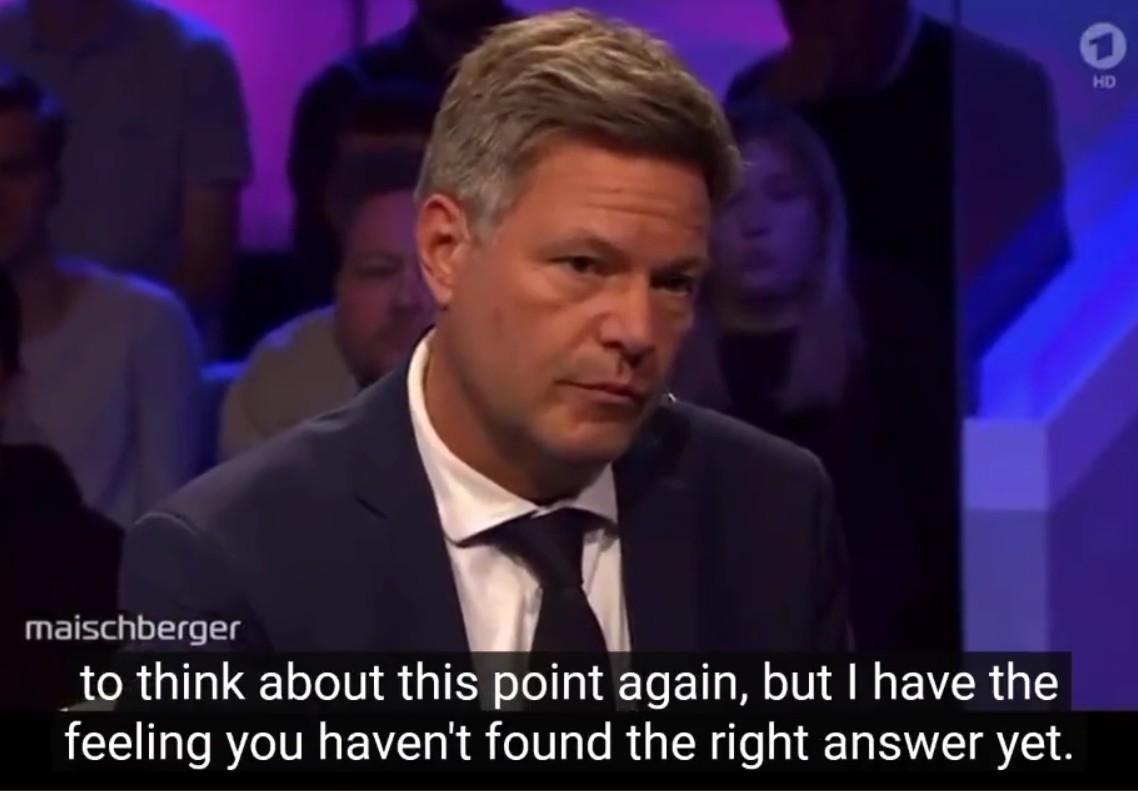
German Minister of Economics Robert Habeck is under fire after his comments during an interview with an ARD broadcaster on Tuesday evening.

The conversation surrounded the astronomical rise in the price of energy taking all the income away from people who would purchase other goods and services. As Germans no longer can afford purchases, the stores and businesses can no longer operate.  Minister Habeck was asked if that means a wave of bankruptcies and business closures are forecast.

Mr. Habeck responded that businesses can stop operating, but that doesn’t mean they will go insolvent.  Just because the business loses most or all of their revenue, doesn’t mean they will go bankrupt.  That doesn’t make sense, Minister Habeck was pressed to apply commonsense. If businesses close to save money, workers are not employed. If workers are not employed people do not earn income.  If people do not earn income, the economy worsens.

Habeck had no response other than an economically detached “Green Party” perspective that businesses will not go bankrupt just because they are not operating. However, his facial expressions reflect that he knows what comes next, total economic collapseWATCH: 

(Reuters) – German Economy Minister Robert Habeck faced a backlash on Wednesday for saying he could imagine parts of the economy stopping production due to rising energy prices that German firms say are threatening their existence.

Asked whether he expected a wave of insolvencies at the end of this winter due to companies’ rising energy bills, Habeck said “No, I don’t. I can imagine that certain industries will simply stop producing for the time being.”

The answer, in an interview with ARD broadcaster on Tuesday evening, sparked criticism of the minister in charge of Europe’s biggest economy, with mass-selling Bild newspaper saying Habeck “has no idea about the economy.”

Friedrich Merz, the conservative opposition leader, also took the opportunity to criticize Habeck, Germany’s second most popular politician, saying he and his ruling coalition were not taking energy and economy questions seriously.

“One could see how helpless Mr. Habeck you are with these questions last night on German television,” Merz told the lower house of parliament.

Habeck’s comments come as economists and industry groups warn that rising energy prices are a growing risk for Germany’s medium and small-sized businesses, which form the backbone of the economy.  (read more)

Things are about to get very spicy in Germany as the reality of the unsustainable Build Back Better agenda starts to sink in.  The intellectual disconnect from an economic minister to the consequences of an energy policy removing trillions of dollars from the economy is stunning.

Ukrainian Parliament Lines Pockets with Western Aid


Armstrong Economics Blog/Corruption Re-Posted Sep 7, 2022 by Martin Armstrong

The pro-war People’s Deputies of Ukraine Party are using Western funding to line their pockets. It has been reported that the average paycheck went from 28,800 to 49,600 hryvnia, and taxpayers in other countries will pay for their raises.

This news came out shortly after CBS attempted to release a documentary that claimed weapon shipments from the US were frequently missing. CBS was forced to redact parts of the documentary, “Arming Ukraine,” after Ukraine’s government threatened them. The first report stated that 70% of the weapon purchases had gone missing, while another piece said only 30% of aid had arrived. “Since that time, Ohman says delivery has improved,” CBS backtracked. “We are updating our documentary to reflect this new information and air at a later date.”

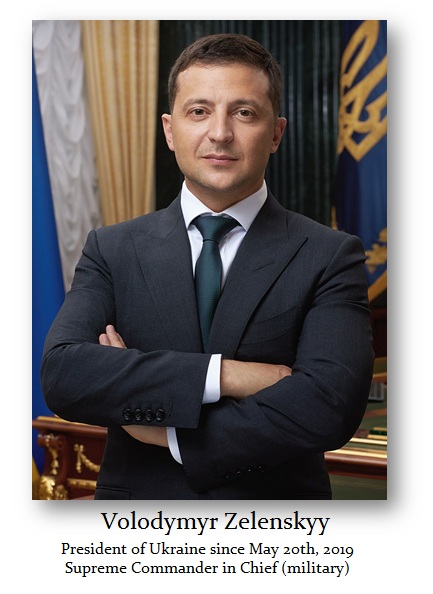
“The weapons are stolen, the humanitarian aid is stolen, and we have no idea where the billions sent to this country have gone,” an anonymous veteran originally told reporters. He went on to claim that soldiers are receiving less pay while those at the top are lining their pockets. Zelensky continually claims that his country needs endless funds for the endless war. Where is this money going? Since WE are paying for the war, we deserve to know the truth.