Posted originally on Sep 29, 2025 by Martin Armstrong |
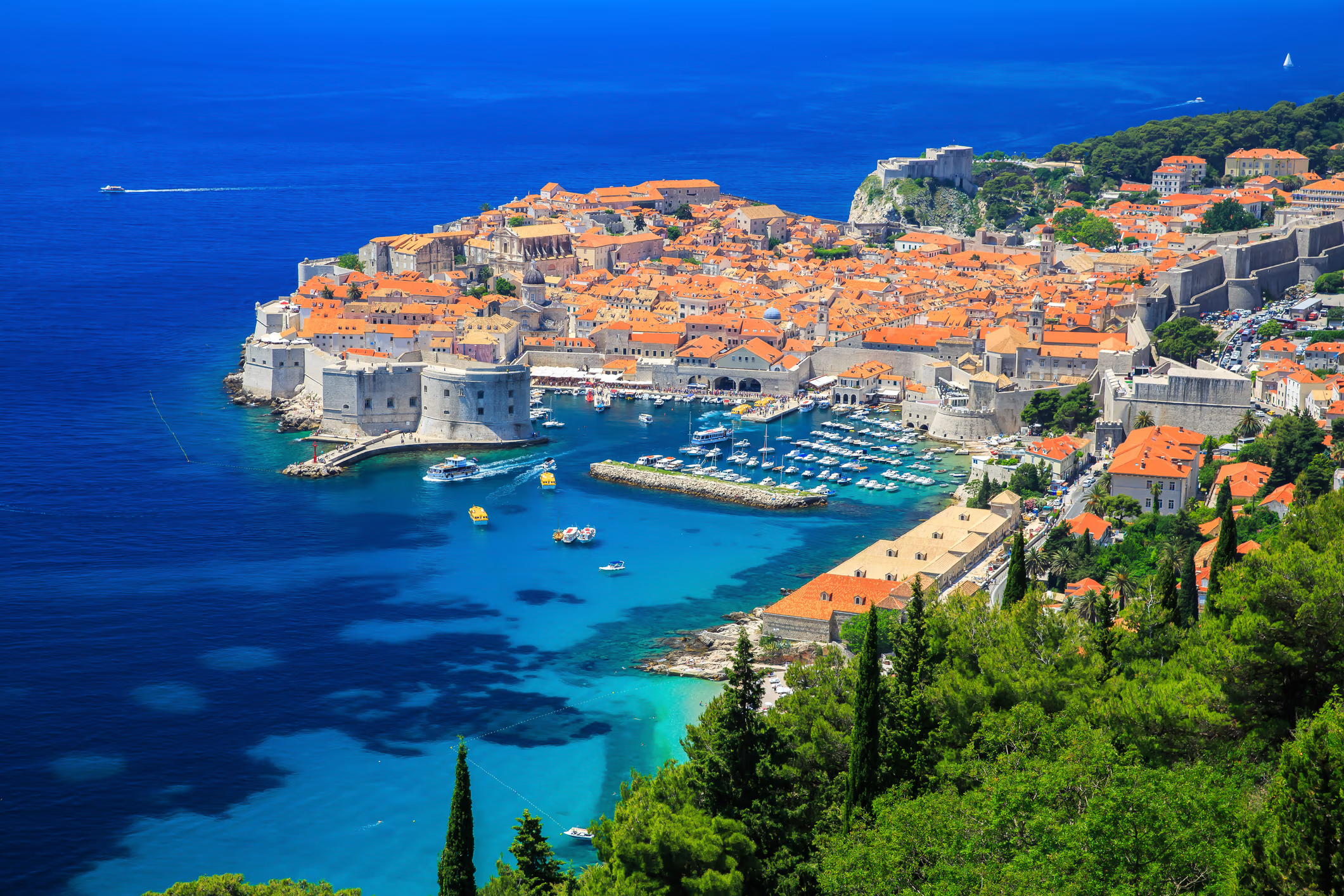
A new report by Eurostat has found that Croatians feel safer than people in any other European Union nation, with only 1.4% of the population reporting anti-social activity. Lithuania and Poland ranked close behind Croatia. In contrast, Greeks feared the most for their safety with over 20% of citizens reporting crime. What is the common denominator?
Citizens in EU nations with stricter immigration policies feel safer than those with open borders or whose nations are situated as a landing point. Croatia cracked down on immigration policies this year, leading to a 70% decline in work permit approvals. Yet, that is not the population in question. Over 26,000 migrants passed through Croatia in 2024, but most continued on to other EU nations. The border with Bosnia is monitored with drones and an active police force. “Only 3.6% of the people who declared their intention to apply for international protection in the Republic of Croatia actually make a formal application,” the Interior Ministry in Zagreb told DW. “We have no information about the countries to which these people went.”
Then you have Greece, unfortunately, a landing spot for migrants arriving by boat. The EU Pact was intended to provide safeguards to migrants to streamline the process. Brussels provided Greece with over 5 billion euros in funding over the past decade to manage migration, but the off is no longer worth the risk. Greece finally took a hardline on migration in 2025 and began implementing harsh penalties including imprisonment and ankle tag monitoring for those awaiting deportation. The EU has accused Greece of violating international law by returning migrants to Turkish waters and operating detention centers. Yet, due to the extreme nature of open border policies, these measures were crucial to regain control over the nation.
The nations who openly welcomed migrants are facing the highest rates of migrant-related crime. Migrants tend to be lone males who do not integrate well into European society. Take Germany, for example, the hub for migrants thanks to Angela Merkel’s policies some ten years ago. Violent crime peaked to a 15-year high in 2023, and migrants were responsible for 40% of all violent crimes. Nationalist sentiments are growing throughout Europe because the people are experiencing the repercussions of open borders.
Posted originally on Sep 28, 2025 by Martin Armstrong |
The entire English Legal System has abandoned everything that once made Britain the beacon of human rights and liberty in the world. There is absolutely nothing left for Britain even to hold its head upright. This man, pretending to be a judge, ASSUMES what he said is racist, without acknowledging that the immigrants are NOT all of a particular race. Then he PRESUMES that those words instigated someone else to violence with ZERO evidence of that being the case at all. This is NOT the rule of law, and when that crumbles, the ONLY solution becomes revolution and violence, for there is no court of law that can ensure that society remains civilized.
Perhaps this “judge” who is obviously violating the English Bill of Rights should turn to Confusus. His legal doctrines are far better than this nonsense. Even Jesus Christ addressed a gathering of Jews and told them: “And you shall know the truth and the truth shall make you free.” Not in Britain. The truth will get you tax-free living in prison for 7 years.
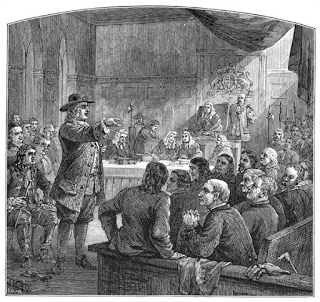
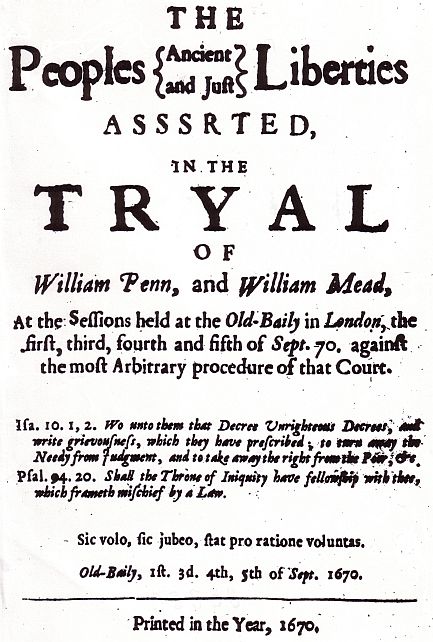
The most famous trial where a jury stood up refusing to find the defendant guilty in the face of a corrupt government was that of William Penn (1644-1718), the founder of Pennsylvania. Penn was the leader of the Quakers in London, and you can see why people fled to America. The sect was not recognized by the government and was forbidden to meet in any building for the purpose of worship. In 1670, William Penn held a worship service on a quiet street, which a peaceful group of fellow Quakers attended. Penn and another Quaker, William Mead, were arrested for disturbing the king’s peace and summoned to stand trial.
As the two men entered the courtroom, a bailiff ordered them to put their hats, which they had removed, back on their heads. When they complied, they were called forward and held in contempt of court for being in the courtroom with their hats on. Penn discovered that contempt of court is a personal prerogative of the judge and an infliction of punishment by a judge who becomes the legislator, jury, and sentencing judge.
Penn demanded to know what crime he was being charged with preaching – the cornerstone of Due Process. The judge refused to supply any information as to his crime and instead referred vaguely to common law. When Penn protested that he was entitled to a specific indictment (NOTICE), he was removed from the presence of the judge and jury and confined in an enclosed corner of the room known as the bale dock.
Penn could neither confront the witnesses who accused him of preaching to the Quakers nor ask them questions about their charges against him. Several witnesses testified that Penn had preached to a gathering, which included Mead, but one showed some hesitancy as to whether Mead had been present. The judge turned to Mead and questioned him directly. In effect, the judge became the prosecutor, as he asked Mead if he was guilty. Mead invoked the common-law privilege against self-incrimination, which provoked hostile comments from the judge. The court then sent Mead to join Penn in the bale dock out of the sight of the jury and witnesses.
Finally, after the testimony, the court concluded that the judge had instructed the jury to find the defendants guilty as charged, dictating what verdict he had expected. Penn tried to protest but was silenced and again sent out of the courtroom. The jury, for its part, proved sympathetic to the two defendants and refused the judge’s command to find the defendants guilty.
At this point, the judge became so enraged, as I would expect from Judge Juan Merchan, and sent the jury back to reconsider their verdict. When they returned with the same verdict, the court criticized the jury’s leader, Bushnell, and demanded “a verdict that the court will accept, and you shall be locked up without meat, drink, fire, and tobacco…We will have a verdict by the help of God or you will starve for it.”
After that, the jury was sent back three more times but returned with the same verdict. Finally, the jury refused to reconsider. The judge then fined each jury member forty marks and ordered them imprisoned until the fine was paid. Penn and Mead went to prison anyway, held in contempt for obeying the bailiff’s order that they put on their hats.
Later, the jury members won a writ of habeas corpus and were released from prison. Penn and Mead left England after their release from prison, having a taste of English justice, and sailed to America. (Earl Warren, “A Republic, If You Can Keep It”, p. 113-115). Thus, Pennsylvania was founded. This was the Bushel’s Case(1670) 124 E.R. 1006, a famous English decision on the role of juries and that they possessed the independence to decide the validity of the law being prosecuted.
Where is the Magna Carta Right to a Trial by Jury of Your Peers?
This guy is forced to plead guilty to a non-crime because if he dares go to trial and the Judge refuses to allow the jury to nullify this insane Starmmer law, then he will be given the maximum time of 7 years+ for demanding a fair trial.
Posted originally on CTH on September 25, 2025 | Sundance
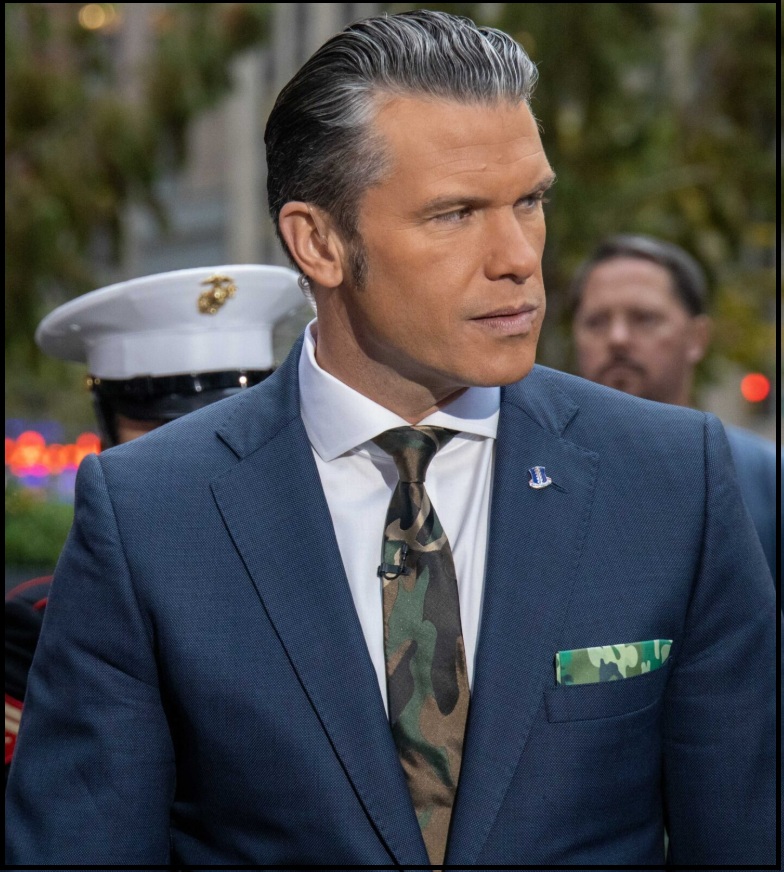
Other than the broad announcement to around 600 to 800 U.S. Generals and flag officers from around the world, no one is exactly sure why Secretary Pete Hegseth has requested they come to the U.S for a meeting.
According to reports from CNN and various news outlets, Secretary of the War Department, Pete Hegseth has sent a notice for all of them to travel back to the U.S. for a meeting in Virginia at the War Department’s Quantico facility.
WASHINGTON – Hundreds of US generals and admirals around the globe have been called to Virginia for a meeting with Defense Secretary Pete Hegseth next Tuesday, several US officials told CNN, though the reason for the meeting is unclear.
The meeting is expected to be held at the military installation in Quantico, Virginia, multiple officials said, adding that no one seems to know what the meeting is about, including the general and flag officers themselves, or why it was suddenly added to the calendar.
One source familiar said they’d heard theories ranging from a group physical fitness test, to receiving a briefing on the state of the Defense Department, to a mass firing of officers, but regardless of the reason the sudden convening of so many senior military officers is highly unusual.
“It’s being referred to as the general squid games,” one official quipped. (read more)
Posted originally on Sep 25, 2025 by Martin Armstrong |
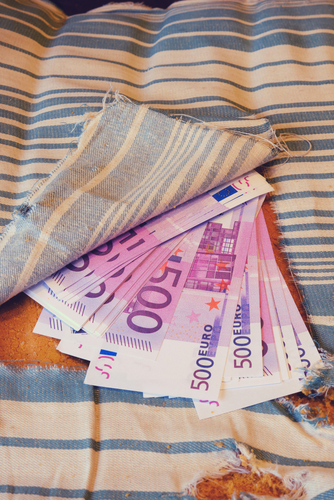
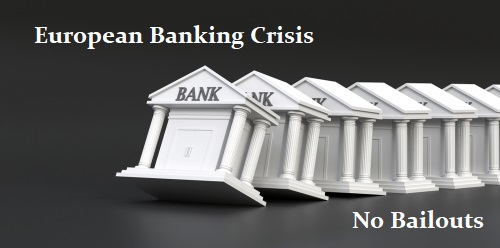
The European Central Bank (ECB) is urging citizens to “keep calm and carry cash.” The ominous message is a warning of trouble ahead. Bank runs, defaults, war, grid failures, pandemics—the current banking system cannot rely on what’s ahead. “Cash provides essential redundancy – a ‘spare tire’ – for the payment system,” the study’s authors write. “This redundancy is vital for any system, as no system is infallible.”
Indeed, no system is infallible. I have been consistently warning for decades that tangible assets are a necessity. Cash is freedom, which is precisely the reason that governments want to transition to digital and CBDC. Cash is anonymous, untraceable, and outside the immediate reach of bureaucrats. The entire fight against “money laundering” and the push to link biometric data to bank accounts is a direct assault on cash. Every penny will be tracked, and if they decide you owe taxes, they can simply deduct it without a trial.
However, you cannot simply flee with cash in a suitcase as the majority of nations consider that a crime and will seize your money. Customs agents do not need evidence of a crime, and even if the courts clear you of wrongdoing, there is no guarantee you will ever receive it back. Money is whatever someone is willing to accept as payment. I have long advocated for silver coinage that is easy to carry and identifiable as one such alternative, especially valuable if the currency fails.
“The sustained demand for banknotes has been amplified by sharp increases in public demand during major crises, which highlights the unique role and attributes of physical currency,” the ECB states. The 2014-15 sovereign debt crisis in Greece led to massive bank runs, and people had no access to their funds. There were surges in withdrawals during COVID and at the start of the Russia-Ukraine wa,r and the ECB knows that banks simply do not have the liquidity to provide customers with cash in the event of a true bank run.
Central banks are issuing specific instructions for civil protection. “For instance, authorities in the Netherlands, Austria and Finland suggest holding amounts ranging from approximately €70 to €100 per household member or enough to cover essential needs for about 72 hours. Some jurisdictions, like Finland, are even exploring “disruption-proof” ATMs to ensure access during digital failures.” The ECB is keenly aware that trouble is around the corner.
The recent power outages in Spain and Portugal led to a significant disruption in the financial system. Grids will be targeted during times of war. Nations bordering Russia have seen a much higher demand for cash withdrawals, “with issuance levels reaching six to ten standard deviations above their respective historical norms.” The ECB reports that this level of deviation is “highly unusual,” but in times of panic, people hoard as a survival tactic. There was a 36% spike in daily net banknote issuance during the first month of the war. Expect this figure to multiply when it becomes obvious that the war is expanding beyond Russia and Ukraine.
Keep cash on hand for day-to-day needs, but remember that its use will be increasingly limited, and its portability across borders almost impossible. The real hedge will remain tangible assets that cannot be canceled by government. Next year will be devastating. If you are in Europe, the best thing you can do is get your affairs in order and leave immediately.
Posted originally on Sep 23, 2025 by Martin Armstrong |
Thailand has become a case study for the use of biometric data in every facet of life. Every banking transaction is monitored and scrutinized. Any perceived discrepancy is flagged as fraud and punished without due process. Regulations have overwhelmed the system, resulting in a full-fledged banking crisis. Over three million Thai bank accounts were frozen instantaneously without warning as a result of government overreach.
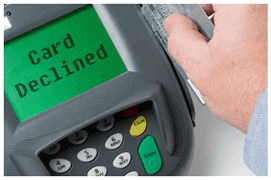
Transaction denied. You contact your bank to see why the payment failed only to learn that your account has been frozen–all of your accounts, for that matter. The bank is investigating you for suspicious activity and potential money laundering or fraud. There was no warning call or letter and there is no clarification as to what transaction was flagged. You’re completely locked out of your accounts and have lost the ability to purchase. You cannot fill your gas tank, you cannot purchase groceries, you’ve been completely removed from the financial system, and do not know when or if you’ll regain access to your funds.
This is the reality for millions of people banking in Thailand. The Bank of Thailand (BoT), with the Cyber Crime Investigation Bureau and the Ministry of Digital Economy and Society, began an excessive crackdown on perceived fraud and streamlined the process under the premise of safeguarding the banking sector. Thousands of accounts are frozen each week. Panic has ensued. Retailers are no longer accepting cards, demanding payment in cash as they, too, are worried that they will be removed from the banking system.
Assistant Governor of the BoT, Darunee Saeju, publicly stated that the central bank is working to “immediately unlock wrongly affected accounts.” Saeju insists that new measures will enable the banks to verify accounts in under 48 hours. Confidence in the government and the entire banking system evaporated. People rationally fear that their account will be targeted next, without warning. Government overreach has backfired, and the people are removing themselves from the banking system entirely.
This phenomenon is not limited to Thailand. Vietnam recently erased 86 million unverified bank accounts. Governments are demanding banks track every transaction, tracing each account back to individual citizens using biometric data. The government believes these provisions will prevent capital from leaving the radar and, therefore, taxation. Instead, governments are propelling the cycle amid this private wave, as the people cannot possibly trust the current financial system.
Posted originally on CTH on September 22, 2025 | Sundance
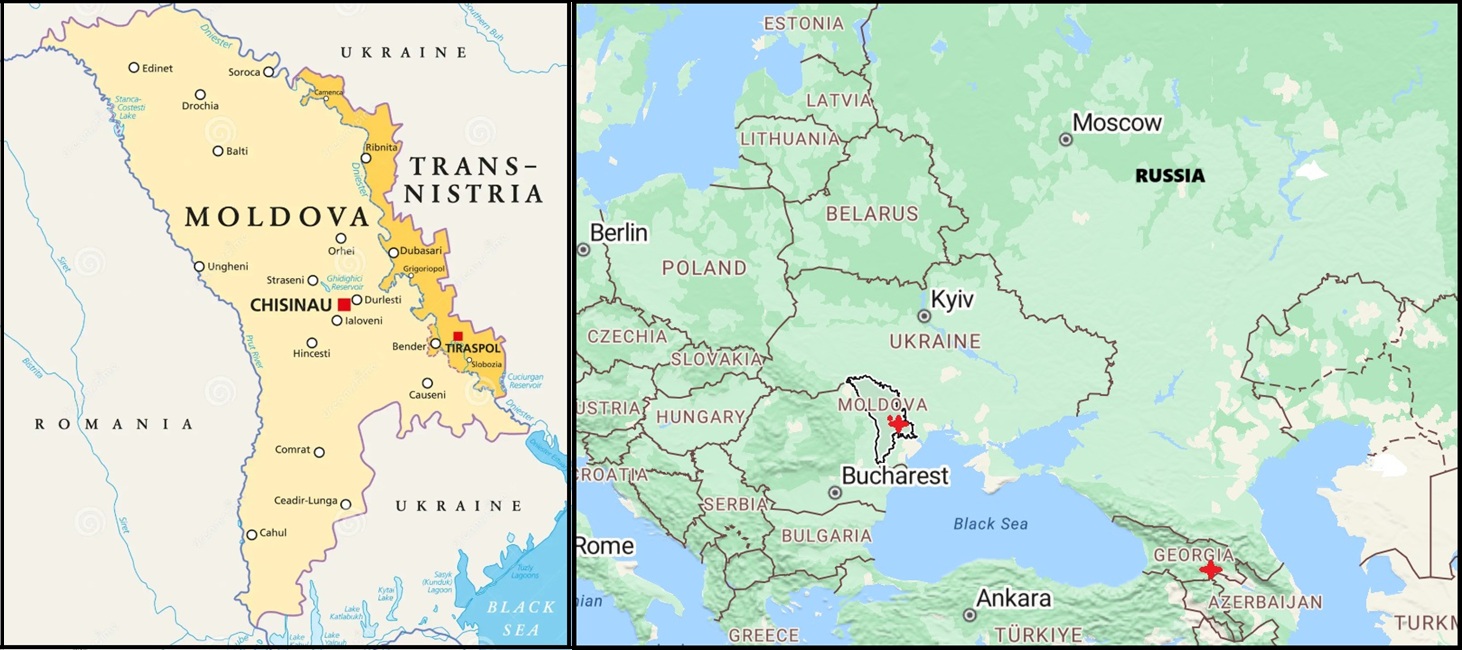
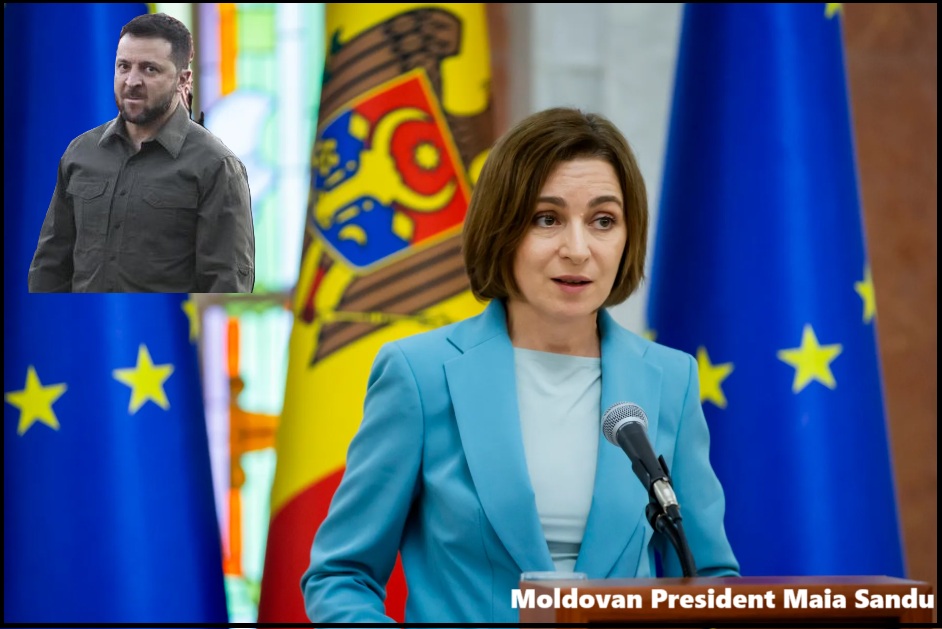
There is considerable anxiety afoot, as EU security elements begin bolstering the internal police force of Moldova. It appears their concern is widespread unrest could follow the election results. Why would the official government of Moldovan President Maia Sandu be concerned about post-election turmoil?
Well, consider that Maia Sandu’s election last year was not won by a vote of the majority of Moldovans who physically reside in Moldova, but by a reported half-million mail-in ballots that tipped the scales in her favor. Those same mail-in ballots also changed the results of the referendum that asked Moldovan citizens if they wanted to join the European Union.
The stakes are very high for the EU and NATO alignment. If the Moldova parliamentary election results in a more pro-Russian governing body, the best designed plans of the U.K/NATO/EU and global intelligence apparatus could be significantly damaged.
Maia Sandu’s Party of Action and Solidarity (PAS) is in a tenuous position. Sandu and PAS are globalists, influenced a great deal by European money and promises of affluence. Their collective opposition within Moldova is an assembly of nationalist voices represented by Patriotic Bloc, a new group of existing pro-Russian opposition parties.
Polls have indicated that Sandu’s PAS is likely to lose the parliamentary election, but the European Union cannot accept this outcome. Thus, the issue of these mysterious mail-in ballots surfaces again, and that explains why the Moldovan police and EU security forces are preparing for civil unrest.
In August, the leaders of France (Macron), Germany (Merz) and Poland (Tusk) visited the capital city of Chisinau to proclaim their support for President Maia Sandu and the pro-EU movement. The trio, also called the ‘coalition of the willing’, represent fierce opposition to Russia’s war in Ukraine.
On the economic front, Moldovan citizens have been coping with high inflation, energy shortages and have seen little progress in the Sandu pledge to clean up internal bribery and govt corruption. Meanwhile, Sandu has been traveling around Europe and Great Britain seeking financial support that can deflect some of the economic issues.
The election next weekend represents a critical inflection point for Europe. If the EU loses the support of the Moldovan parliament, it would be much harder to utilize the Romanian NATO military base for a European war against Russia, a war they have been trying to provoke with increased aggressiveness.
Shortly before King Charles orchestrated the second state visit by President Trump, the U.K monarch met with Sandu to express his strategic support against a common enemy, Vladimir Putin (pictured below). However, it can be reasonably argued the majority of the people who live within Moldova do not hold the same opinion. They do not want war with Russia.
Russian President Vladimir Putin is watching this unfold, while hearing from the pro-Russian elements who live within the Moldavian region known as Transnistria. Indeed, much like the Donbas and eastern Ukraine region, where Western forces within Ukraine attacked the Russian enclaves, there are indications of the same dynamic within eastern Moldova.
If the EU security services think they will lose the election in Moldova, Sandu will cancel it.
Posted originally on Sep 22, 2025 by Martin Armstrong |
Over 100,000 people took to the streets of France to protest government mismanagement. The people are demanding that Prime Minister Sébastien Lecornu reverse former Prime Minister François Bayrou’s decision to cut €44 billion in services. The government cannot maintain steady confidence and therefore leadership; Lecornu is the fifth prime minister in two years under President Emmanuel Macron. The deeper-rooted issue of fiscal irresponsibility has been lost, as the people still believe government spending can be offset through taxation.
Thousands voiced support for the Zucman tax, named after economist Gabriel Zucman, who proposed a 2% rate on assets surpassing €100 million. The proposal was passed by the lower house of Parliament but later blocked by the Senate over the summer. The proposal was estimated to generate 20 billion euros annually and would have impacted 1,800 wealthy households. What if people flee for a nation with lower taxes? The European Union is actually considering a bloc-wide taxation on wealth to compensate for fleeing capital.
As for France, the national debt stands at €3.345 trillion, equivalent to approximately 113.9% of its GDP. France surpassed the 100% debt-to-GDP threshold in 2020 and has been rapidly spiraling further down the hole. Estimates state that debt levels will rise to 121% of GDP by 2027, and yet, the government continues to spend without regard for budgets. Government spending will reach a low estimate of 57.6% of GDP in 2025.
France spends 14% of its GDP on its failing pension system, and retirees now outearn working-aged adults. Social protections at large compose 40% of national spending. Macron raised the defense budget to 64 billion euros or 2.3% of GDP, with plans to increase spending to 3.5%-5% to meet NATO requirements.
Governments raise taxes, cut services, and claim they are “saving.” The people believe that everyone must pay their fair share into the system and are targeting the rich for paying less. The rich could give all their wealth to the French government and it would still remain beneath current spending and debt levels.
Austerity never works because it punishes the people for the errors of politicians. The bureaucrats waste money on ideological projects, endless regulation, and absurd pension promises, and when the bill comes due, they demand ordinary citizens tighten their belts to pay. This is why the French are famous for taking to the streets.
I have created this site to help people have fun in the kitchen. I write about enjoying life both in and out of my kitchen. Life is short! Make the most of it and enjoy!
This is a library of News Events not reported by the Main Stream Media documenting & connecting the dots on How the Obama Marxist Liberal agenda is destroying America






 Centinel2012