Posted originally on Jul 22, 2025 by Martin Armstrong
Investors continue to snap up residential properties, as real estate has evolved into an investment class of its own. New reports show that between 2020 and 2023, investors were responsible for 18.5% of home purchases. In the first three months of 2025, investors composed 27% of all residential properties, marking the highest share in half a decade, according to BatchData.
High mortgage rates, coupled with high property values, have caused many would-be buyers to reconsider their purchases. Investors have fewer constraints, leading to the purchase of 265,000 residential properties during Q1, or a 1.2% YoY rise. However, we are seeing a decrease in institutional investments in real estate. The big money is not looking at real estate in this environment. Although investors accounted for 1.2 million homes in 2024, only 20% of the 86 million single-family homes in America are investor-owned.
Mom-and-pop investors who own between one and five homes purchased 85% of all investor-owned residential properties, with those owning between six and ten properties securing 5% of the market. Institutions owning 1,000 or more properties account for only 2.2% of investor-owned homes.
Purchasing real estate amid record-low rates was a no-brainer for investors, and institutions in particular, who had the liquidity to outbid competitors with cash offers. As interest rates rise, the cost of financing becomes prohibitive even for institutions. Institutions rely on leverage to enhance returns, and when borrowing costs rise, the math simply doesn’t work anymore. Real estate is an illiquid asset. In a world moving toward capital controls and rising geopolitical tensions, institutions are reallocating toward assets with more mobility. Capital is no longer looking at real estate as a long-term store of value. It’s moving into tangible assets that are more liquid—commodities, energy, gold, and equities.
The available real estate inventory is at its highest level since the pandemic, but the sector has become stagnant as homes sit on the market for far longer. So while institutions have the capital, interest rates aside, they are not looking at mere rental or flipping income. People investing in real estate in this environment are seeking a modest additional income.
Institutions are not interested in buying and holding tangible assets in a volatile environment where returns are not guaranteed. Look at New York City, for example—people are fleeing ahead of an incoming socialist local government that has promised to raise taxes on top earners. Real estate is no longer the safe bet it once was due to a lack of confidence in future regulation.
Posted originally on CTH on July 21, 2025 | Sundance
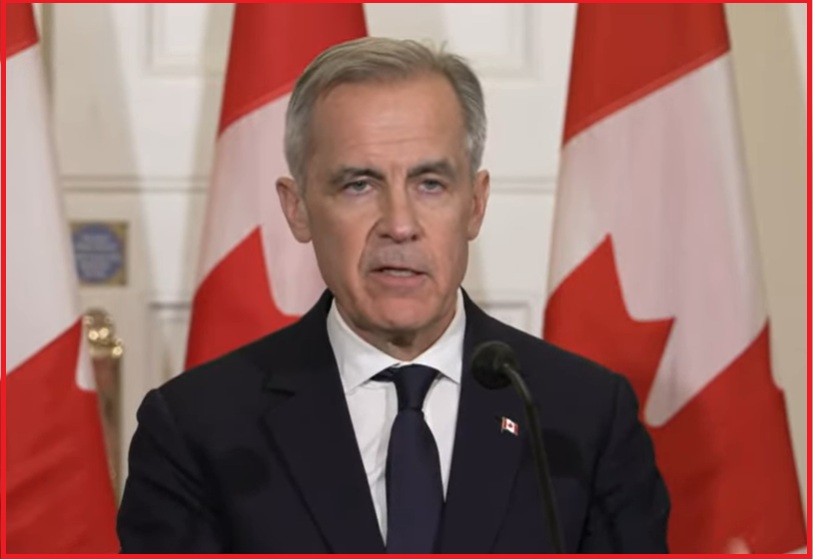
In 2018, Canadian Prime Minister Justin Trudeau relied heavily on House Speaker Nancy Pelosi for assistance when the U.S. and Mexico constructed the majority of the USMCA trade pact. Today, Canadian Prime Minister Mark Carney takes the same approach.
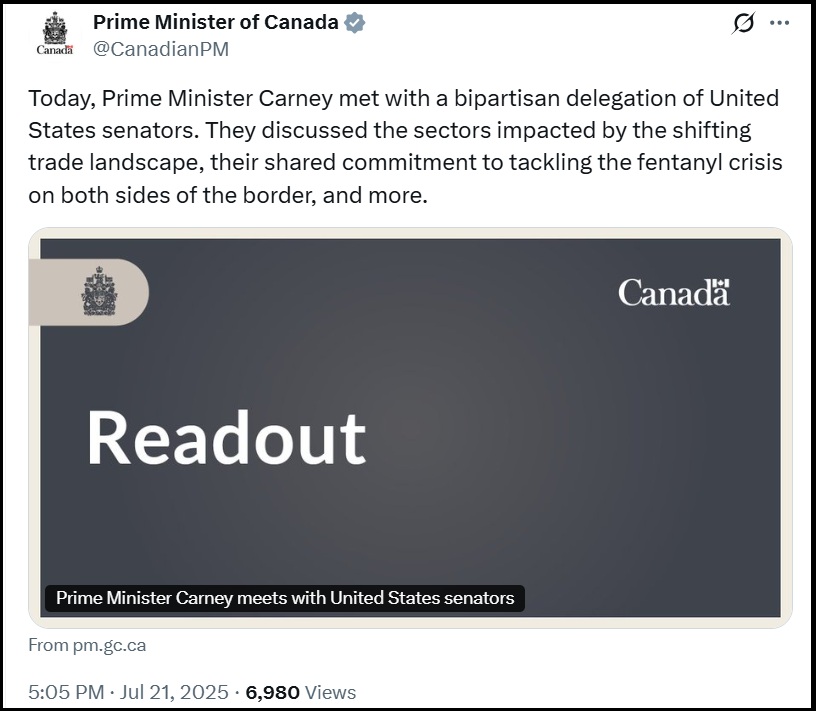
PRESS RELEASE – “Today, the Prime Minister, Mark Carney, met with a bipartisan delegation of United States senators in Ottawa. The Senator for Oregon, Ron Wyden, the Senator for Alaska, Lisa Murkowski, the Senator for New Hampshire, Maggie Hassan, and the Senator for Nevada, Catherine Cortez Masto, were present.” (more)
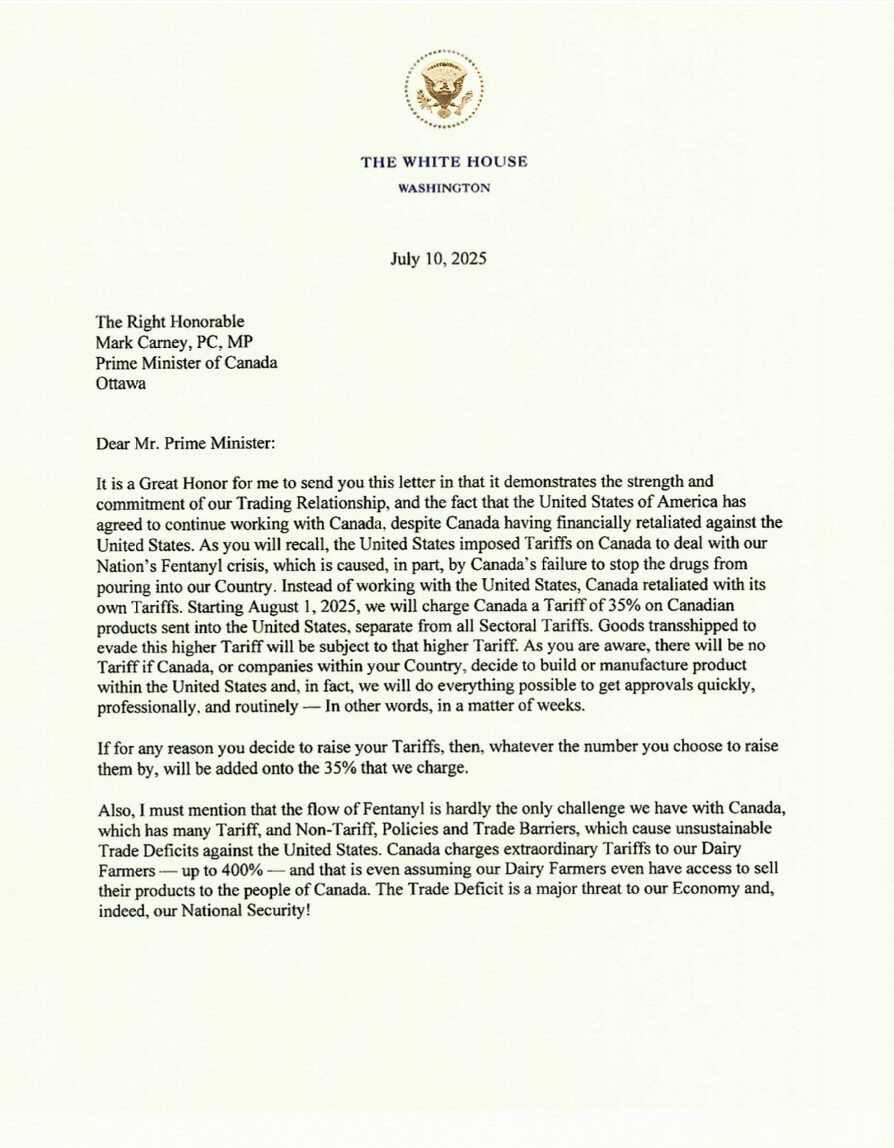
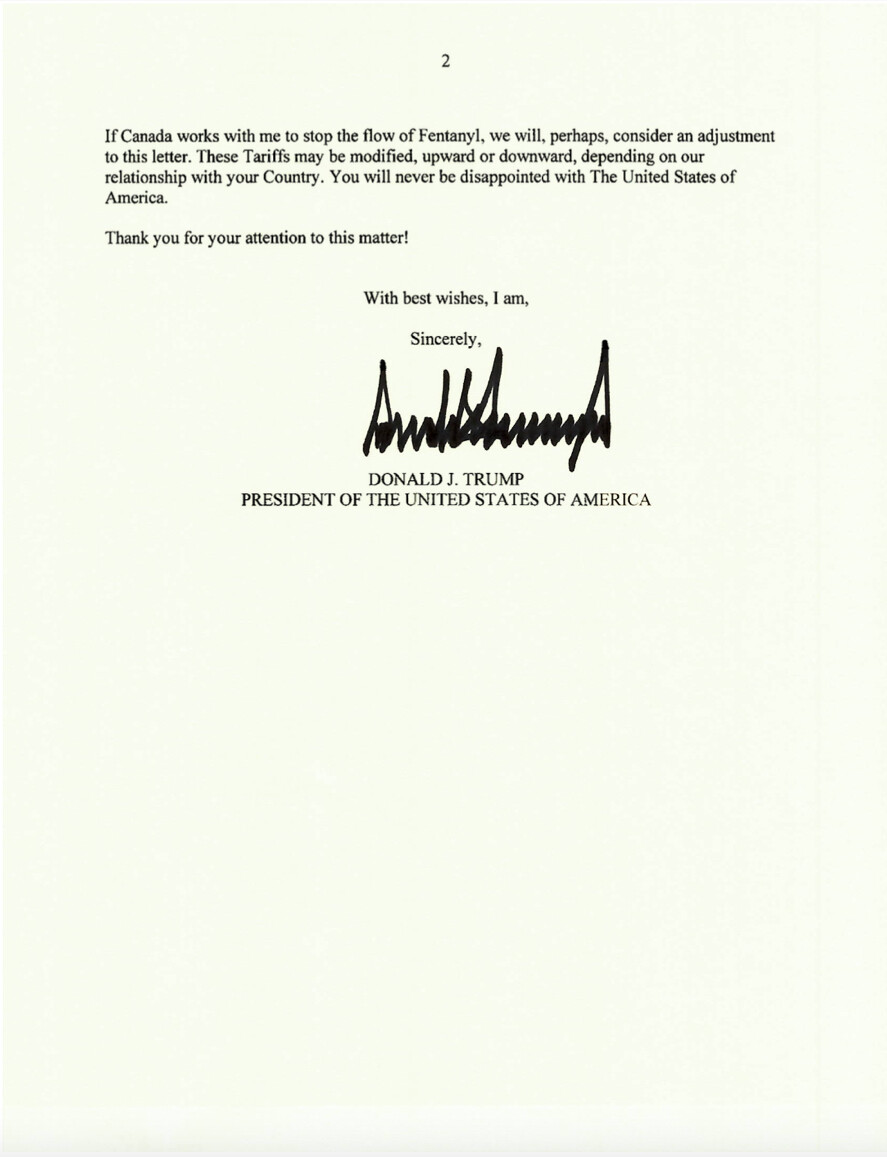
The 35% tariffs against Canada are scheduled to go into effect on August 1st.
As noted by President Trump in his remarks during Prime Minister Mark Carney’s visit to the White House, Trump plans to renegotiate the USMCA and end the trilateral agreement in favor of two bilateral trade deals.
During the Oval Office meeting President Trump said, “As you know [USMCA] terminates fairly shortly. It gets renegotiated fairly shortly.” Then the biggest statement, “This was a transitional deal, and we’ll see what happens, we’re going to start renegotiating that”… “I don’t know if it serves a purpose anymore.” …. “And the biggest purpose it served was, we got rid of NAFTA.”
President Trump is going to exit the trilateral USMCA in favor of two distinctly different bilateral trade agreements between the U.S and Mexico, and the U.S and Canada. The only consideration now is the timing. President Trump is 100% focused on the BIG ECONOMIC PICTURE; it’s not about the politics, it’s all about the economics.
Posted originally on Jul 21, 2025 by Martin Armstrong
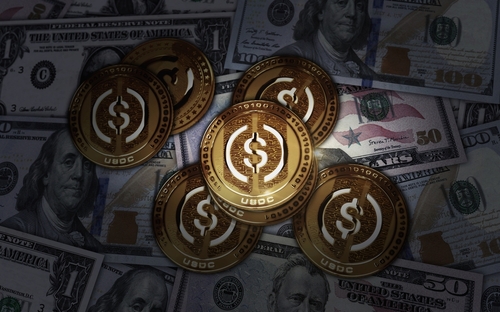
The era of stablecoin issuance in the United States and U.S. Senator Bill Hagerty’s GENIUS Act (Guiding and Establishing National Innovation for U.S. Stablecoins) may have the BITCOIN world cheering that this is somehow a validation of Cryptocurrency. The GENIUS Act has been passing with bipartisan support, and people should ask WHY? It is a serious, detailed, and targeted law that understands what stablecoins are and what they offer to the perpetual debt machine, enabling the debt to continue rolling forward in this modern debt-based economy. Many see this as a backdoor for the creation of central bank digital currency and the elimination of paper money, which will enable the government to surveil every transaction for the sake of taxation.\
At its very heart, the GENIUS Act establishes that only licensed and supervised entities can issue payment stablecoins in the United States. These are digital assets redeemable for U.S. dollars at par value, intended for payments and settlements. Therein lies the motive. Under this law, only three types of issuers are permitted:
(1) subsidiaries of insured banks and credit unions,
(2) specially chartered nonbank firms approved at the federal level, and
(3) entities regulated by states whose regimes are certified by the U.S. Treasury as substantially similar to federal standards.
On one level, this is the same scheme as COVID. The First Amendment prohibits the government from interfering in free speech – not YouTube, Facebook, or anyone else the government can call to tell them to restrict your speech. Here, the Fed is not issuing the stablecoins; instead, they are issued privately, but backed by US Treasury securities.
Thanks to the Biden Administration that the Neocons ran, they destroyed the world economy by imposing sanctions on Russia for defending Russians in the Donbas that were supposed to have a right to vote on separation under the Minish Agreement that former Chancellor Merkel of Germany later admitted they were buying time for Ukraine to build a NATO trained army to start World War III with Russia.
The Neocons removed Russia from Swift, coming to the aid of the Donbas, after Victoria Nuland installed an unelected government in Ukraine and instructed them to start the civil war and kill all the Russians in the Donbas.
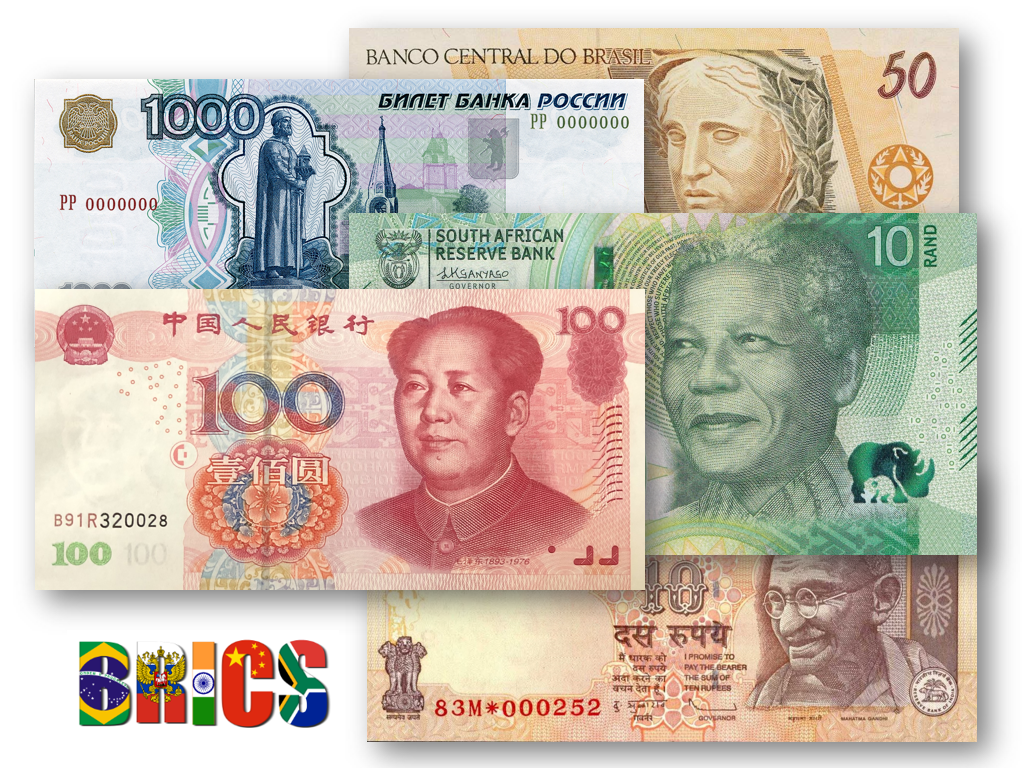
So what does this have to do with the GENIUS ACT? Imposing the sanction on Russia created BRICS, which then threatened to do the same to China if they helped defend Russia. More and more countries realized that they were being dictated to by the Neocons running the Biden Administration. China had held 10% of US debt and began dumping. They would have to be really stupid to hold any US debt when the Neocons only want war and do not consider what they are doing to the world economy.
The GENIUS ACT = Stablecoins and private organizations will issue them and must back them with US Treasuries, as the Neocons, in their quest for World War III, are destroying the global debt markets. The GENIUS ACT aims to replace China et al., who used to buy US debt, all because these Neocons want World War III.
Funny How History Repeats!
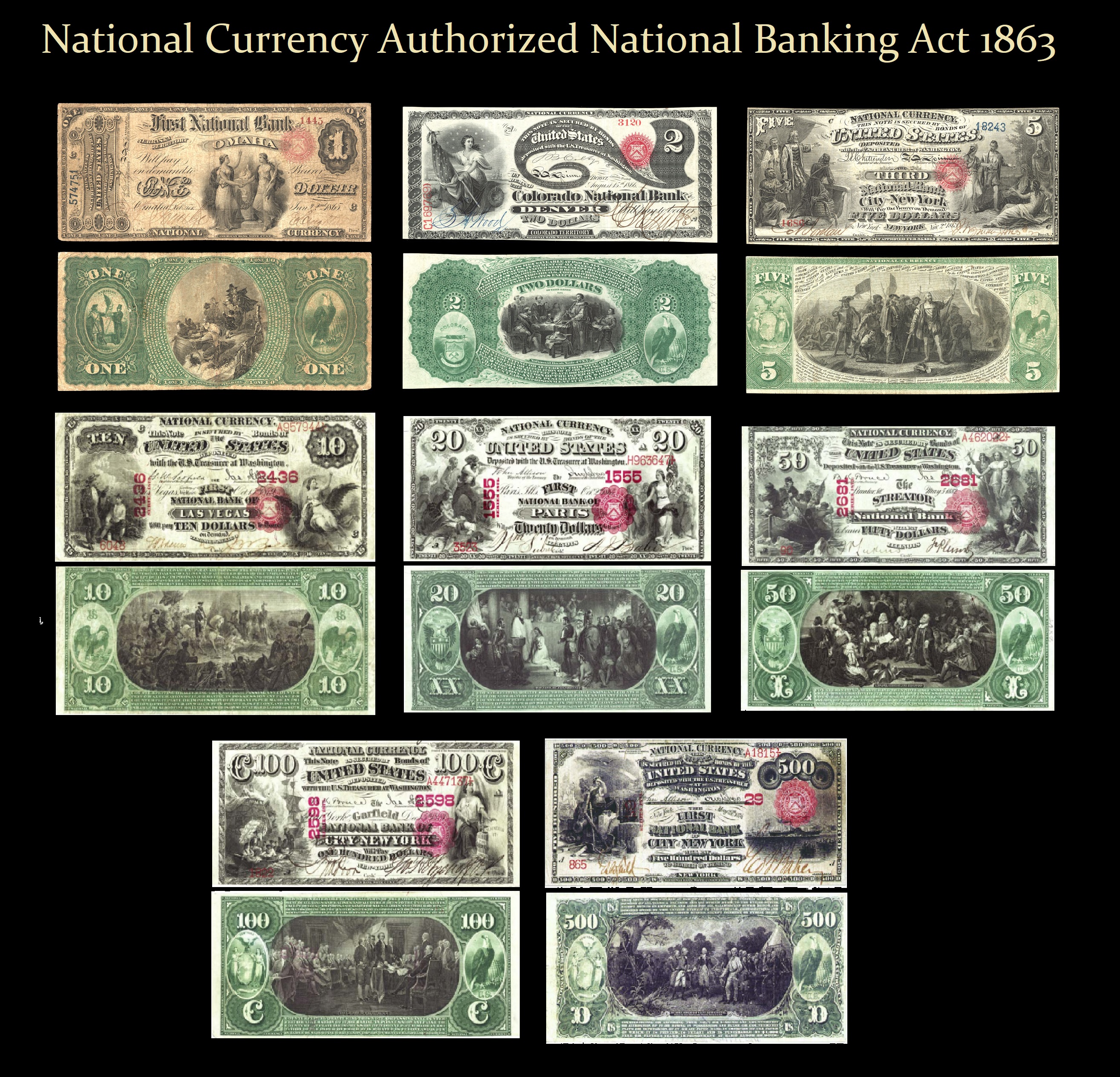
The very same concept of how to sell US debt was the solution in 1863. U.S.-issued National Bank Notes began issuing in 1863 as part of the National Banking Act. Banks could issue currency against their purchases of US debt to fund the Civil War. These National Bank Notes were backed by government bonds. Here’s why and how it worked:
To Finance the Civil War
The U.S. government needed a stable way to fund the Union’s war efforts. By requiring banks to purchase government bonds to back their currency, the Treasury raised money for the war.
To Create a Uniform National Currency
Before 1863, banks issued their own notes (state banknotes), leading to widespread counterfeiting and instability.
The National Banking Acts (1863 & 1864) aimed to replace these with standardized National Bank Notes issued by federally chartered banks.
To Strengthen Government Credit
By tying banknote issuance to U.S. bonds, the government ensured demand for its debt, stabilizing its finances.
Rob Nelson, co-founder of the Bitcoin Policy Institute, argued that Bitcoin’s distinct position was as a valuable store and, increasingly, a functional currency for several countries. He raised a compelling argument that sucked in a lot of people:
“We have a true store of value and for many countries, it’s becoming a currency, a usable currency. We have something different, we have something special.”
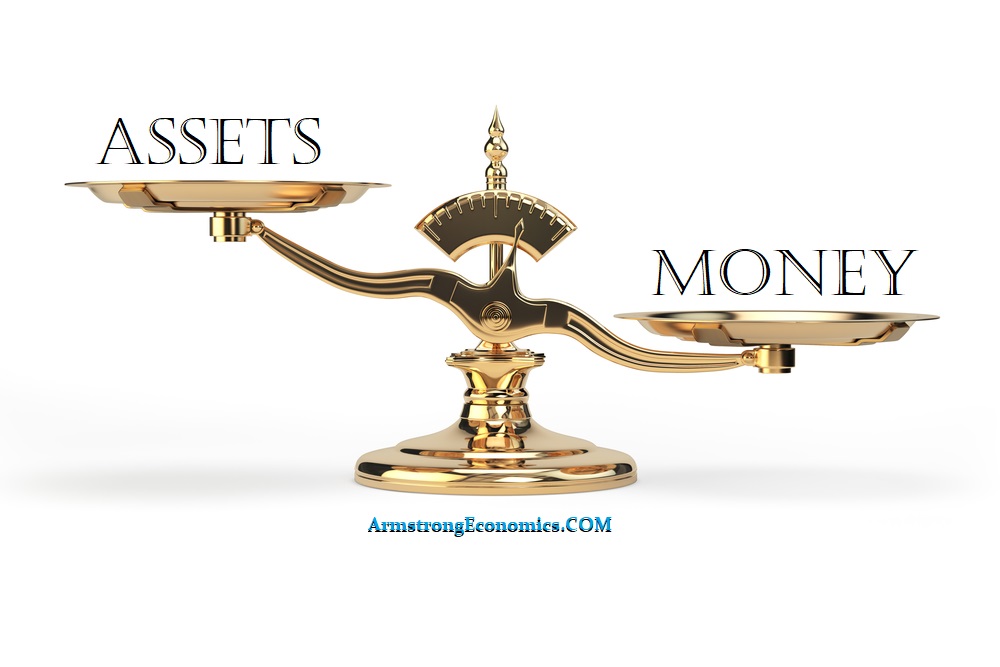
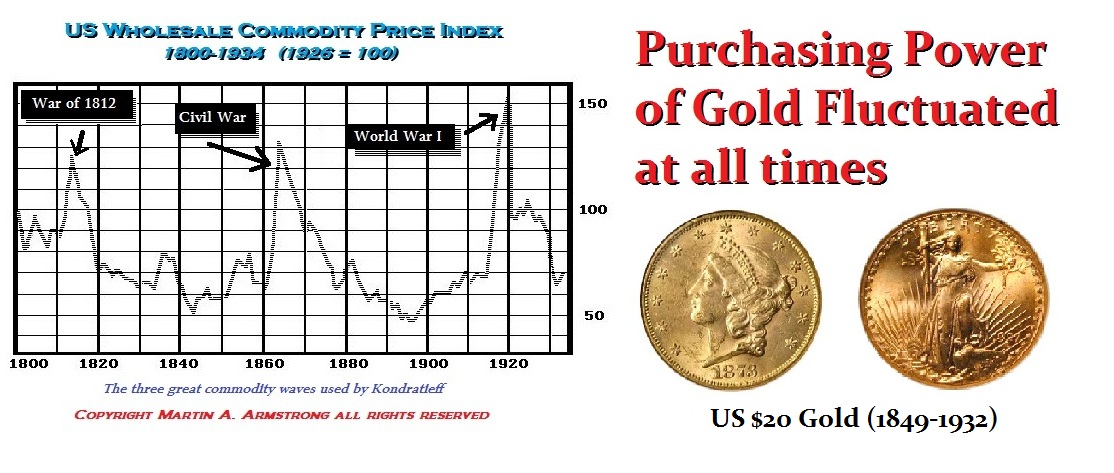
As I have said, BITCOIN is no more a store of wealth than the dollar, euro, gold, or silver. Everything has a cycle, and everything rises in price and then falls. It does not matter what century we look at, if you do not understand that all tangible assets are on one side of the scale and whatever money is has always been on the opposite side.
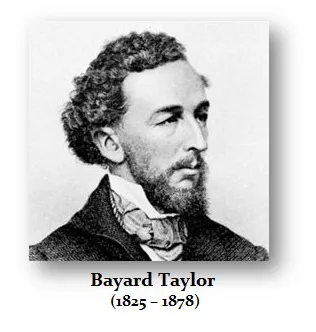
When gold is money, it falls in purchasing power just like paper dollars during waves of inflation. Even under a gold standard, there were periods of inflation and deflation. Read the history of the California Gold Rush. During the 1849 Gold Rush in California, the journalist for the New York Tribune, Bayard Taylor (1825-1878), arrived in San Francisco by ship during the summer of 1849. He was shocked at what he encountered and did not think that anyone would even believe what he was going to write. His dispatches about the gold rush economy in California stunned many and helped to create the 1849 Gold Rush.
The average wage for a laborer in New York was about one or two dollars a day. In California, individual hotel rooms were rented to professional gamblers for upwards of $10,000 a month, which is the equivalent of about $300,000 today. The degree of inflation in terms of gold was astounding and lacks comparison in modern times. There was so much gold that the value of goods rose even though they did not in New York. The inflation phenomenon was local – akin to the Tulip Bubble.
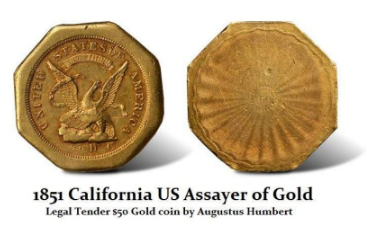
Gold became so common; they were even striking $50 gold coins in California when $20 was the highest denomination elsewhere and $1-dollar coins down to 25 cents all in gold. Eventually, there were $1 gold coins minted in the United States for general circulation throughout the USA. Indeed, Taylor wrote:
“[One] citizen of San Francisco died insolvent to the amount of forty-one thousand dollars the previous autumn. His administrators were delayed in settling his affairs and his real estate advanced so rapidly in value meantime that after his debts were paid, his heirs had a yearly income of $40,000 [$1.2 million today].
“These facts were indubitably attested; everyone believed them, yet hearing them talked of daily, as matters of course, one at first could not help feeling as if he had been eating ‘of the insane root.’”
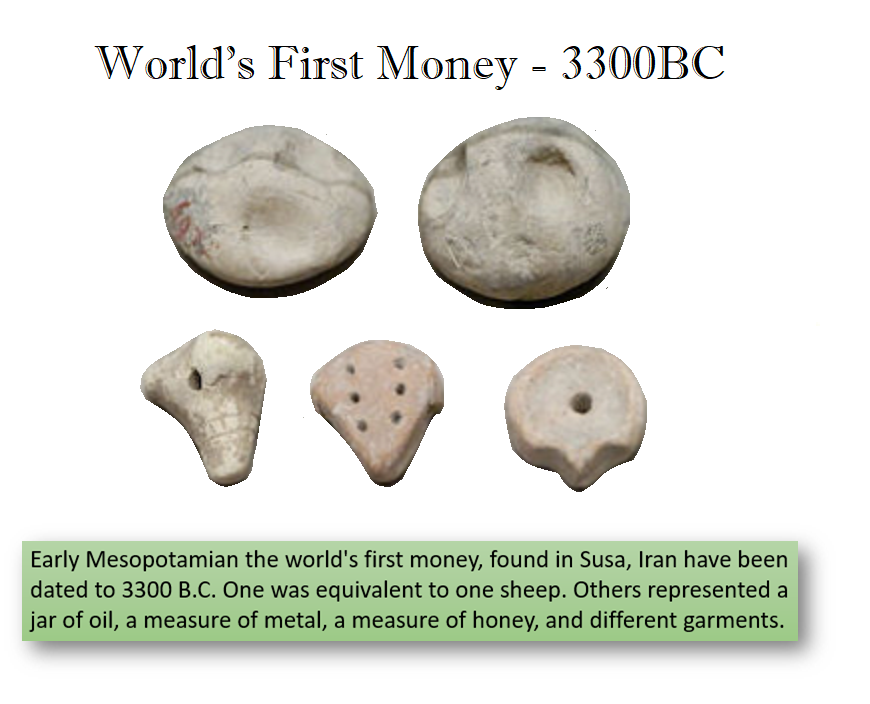
It does NOT matter what is money. It will always rise and fall as measured against tangible assets as it has done since Babylonian times. In fact, the very first attempt to control inflation, as the central banks are doing right now, was the wage and price controls put in place by the legal codes of the Assyrians and Babylonians. The first money was no different than paper dollars – it was representative.
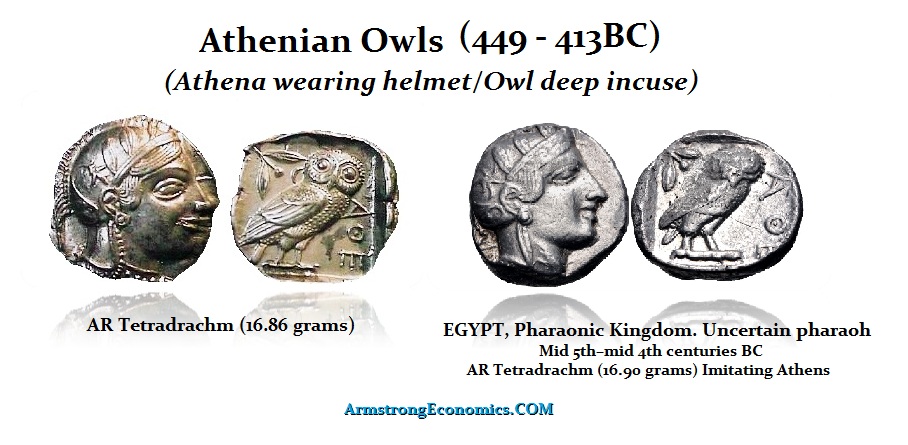
The coinage of the dominant economy was always the international medium of exchange. Ancient Egypt never issued coins. They imitated Athenian Owls in order to participate in international trade. The Athenian Owls were like the dollar today – the effective reserve currency.
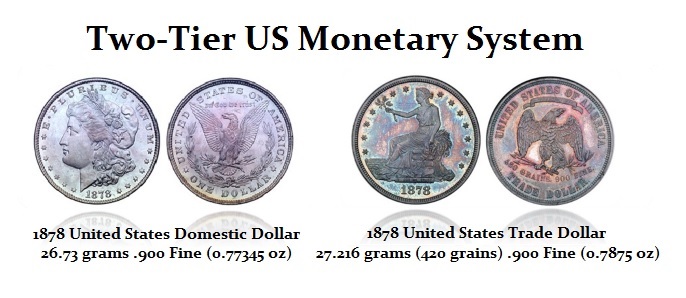
The US had two silver dollars of different weights, which facilitated trade with China, as China had a different silver standard than the West.
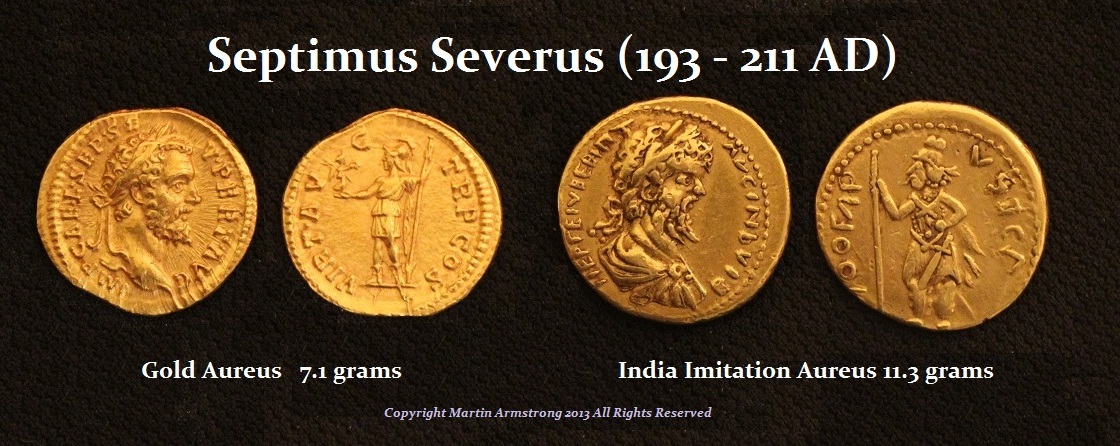
Roman coins have been discovered even in Japan. Trade with India for spices was extensive in the ancient world. Here is an imitation of a Roman gold aureus issued in India, and note that the weight was even heavier than the official Roman standard.
The notion that simply because coins were made of gold or silver meant they were a store of wealth is laughable when you understand monetary history. The Bronze Age was based on the intrinsic value of bronze for its utility value, where it could be fashioned into a sword or a plow. The first ingots of the Minoans were shaped as sheppskil, for they were relaying that they too were at first representative of the previous medium of exchange. When precious metal became a medium of exchange, silver was more valuable than gold (I will do a report on that).
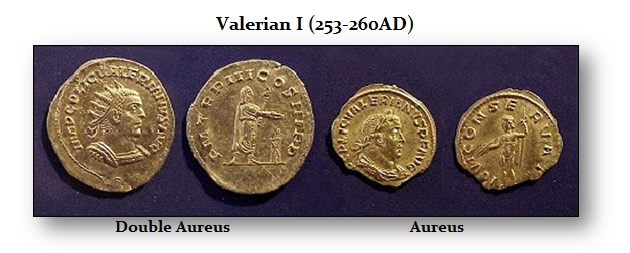
When the Persians captured Valerian I (253-260AD) and Rome could not rescue him, the confidence in the Empire began to collapse. Banks were even suddenly skeptical about accepting Roman coins. Would they still be worth anything, considering they were valued above their actual metal content?
A document from Egypt has survived illustrating the financial crisis that was unleashed. It is from Aurelius Ptolemaeus who is the strategus of the Oxyrhynchitenome. The public officials gathered and accused the bankers of closing their doors on account of their unwillingness to accept the divine coins of the Emperors. It became necessary that an order had to be issued to all the owners of the banks directing them to open and accept and exchange all coins except the absolutely spurious and counterfeit. It was also directed that all who engaged in business transactions who refused to comply would be penalized. (POxy 1411 260AD, cited by Burnett 1987: p104)
In China, money was cowrie shells. In Africa, money was cattle, which was even the case at first in other parts of the West. The first emergence of silver was typically in the form of wire, and even the Bible discusses weighing silver to pay for a transaction.
MONEY Has always been Representative
It Has Never Been a Store of Wealth, for it has fluctuated
With the Business Cycle.
GENIUS Stablecoins will be representative of US Debt
A New Market thanks to the Neocons Destroying the Global Economy
Posted originally on Jul 18, 2025 by Martin Armstrong
Merz is putting all of Germany in the crosshairs. His thirst for war with Russia makes him unfit to be in charge of parking meters for the government. Ask yourself if Germany were at war with Ukraine and Putin said Here are long-range missiles so that you can attack Berlin and Frankfurt, would Germany look to just Ukraine or to Russia orchestrating the whole war?
The tension will escalate starting next week. They will become more open by the week of 08/04, and then the week of 08/18.
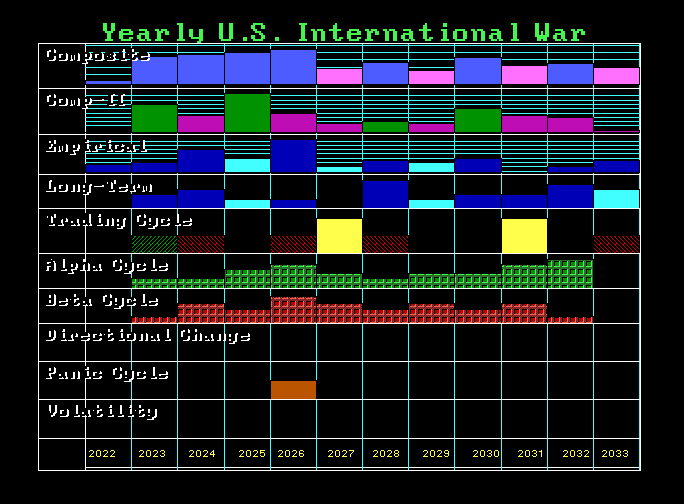
To put this mildly, the Euro also has a Panic Cycle in 2026, as does our Cycle of War. Model. Merz is a traitor to the German people. The FIRST DUTY of any head of state is to protect his own people, not throw them into war on the directions of NATO and other warmongers. He should be dragged out of his office in chains. People often wondered if they could have stopped World War II if someone had assassinated Hitler. I fear they will one day hypothetically wonder the same about Merz.
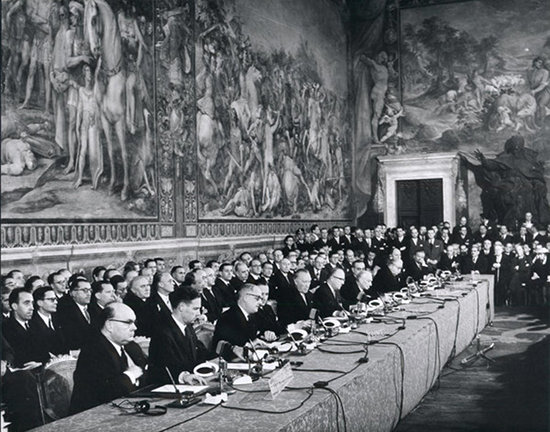
Europe is pushing DESPERATELY for war. This is not going to end well. The third time will NOT be the charm for an attempted conquest of Russia. The EU will lose, and it will no longer exist. The target of 2026.03 will be the culmination of the 8th 8.6-year wave from the Treaty of Rome, signed in 1957.23. The final capitulation of the EU is expected by 2030.
Posted originally on CTH on July 18, 2025 | Sundance
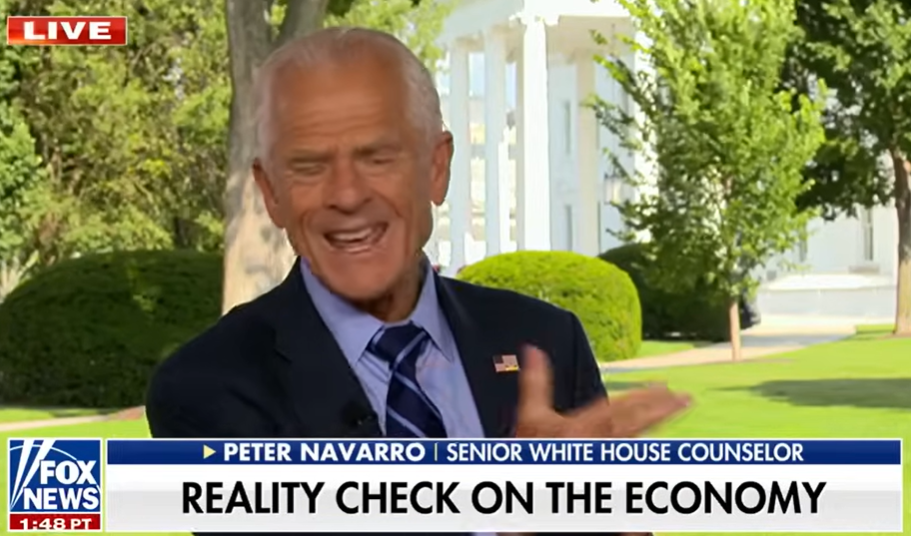
White House Trade and Economic Advisor Peter Navarro takes a well deserved victory lap on the latest U.S. consumer sales news. The Census Bureau report, yesterday, highlighted that consumer sales remain strong at +0.6% – significantly higher than all economists forecast [DATA HERE].
Retail sales growth is important, because approximately two-thirds of the U.S. GDP growth is driven by consumer sales. With inflation low, retail sales high, and with a previously reported drop in U.S. imports, the ¹second quarter GDP is likely to be much stronger than anyone previously predicted. Thus, Peter Navarro is leaning forward against the naysayers.
This is essentially a repeat of the 2017/2018 economic outcome from President Trump’s first term in office. The tariffs, which are applied to the ‘cost’ side of the dynamic, are mostly being absorbed by major producing nations who are reliant upon export to the U.S. market. Simultaneously, the tariffs are generating income – essentially exfiltrating foreign wealth and returning those funds to the USA; a complete reversal of the rust-belt dynamic. WATCH:
What Peter Navarro outlines is the core of MAGAnomics. This is also the baseline for our CTH assembly in support of economic nationalism, which is why we ended up in conflict with the Chamber of Commerce Republicans.
Tariffs are a tool to leverage reciprocal trade, and as long as nations like China continue taking measures to subsidize their exports, the tariffs simultaneously take wealth (those subsidies) from Beijing and return it to the USA.
This reality has always been the model we predicted would be successful for Americans, and I will remind everyone that ONLY DONALD TRUMP could deliver this MAGAnomic program. Everything else, Epstein, Musk, etc. is chaff and countermeasures deployed by both Democrats and Republicans in an effort to take back control of the money flow.
Remember, Democrats want power – Republicans want money. Democrats use money to get power, while Republicans use power to get money. This is how the two wings of the DC UniParty vulture maintain status.
You can see that if you take away the money, Democrats lose power. Simultaneously if you take away control of the money, the Republicans go bananas. This dual reality forms the baseline of the elite club opposition against President Trump.
At the core of the opposition you find money, control of the USA treasury as a weapon. When you understand that aspect, you understand the motives of Federal Reserve Chairman Jerome Powell.
FED Chair Powell’s refusal to lower interest rates is an attempt to assist both wings of DC by trying -and failing- to influence the money flows. Democrats support Powell’s approach because they want power. Republicans are willfully blind to Powell’s approach because they want to get back in control of the money.
Pro-America economic policy, MAGAnomics, is like kryptonite to Washington DC.
¹The second quarter GDP (April, May, June) will be reported on the last Friday in July.
Posted originally on CTH on July 16, 2025 | Sundance
Well, what do you know? An interesting article about Canada suddenly proposing to put limits on the amount of Chinese steel and aluminum they import. Although missing in the article is a reference to what this means about the prior process that did not have such limits.
Essentially, if you drop the pretending within the Wall Street Journal/MSM narrative, the decision by Mark Carney to limit Chinese Steel is a direct admission of their knowledge to a preexisting level of imports that violated the USMCA and all previous demands to block imports of Chinese steel.
Trump always said Canada was a transnational shipper and entry into the USA. Trudeau and Carney previously denied this was the reality. Well, if that wasn’t the reality, then why the need to change? I digress.
OTTAWA—Canada introduced limits on how much foreign steel produced in countries other than the U.S. and Mexico can be imported, as the Liberal government tries to help a domestic sector reeling from President Trump’s 50% tariffs on Canadian steel.
Prime Minister Mark Carney said Wednesday that the series of import limits and the tariffs targeting steel products with Chinese links are required because the Canadian economy has been too reliant on foreign steel to meet the needs of the construction and manufacturing sectors. He cited data indicating that two-thirds of total steel consumption in Canada comes from abroad, compared with one-third for the U.S. and one-sixth in Europe.
Carney added that the changes would also guard against foreign steel entering Canada to bypass Trump’s tariffs. Canada has had a “disproportionately open import market” when it comes to steel, Carney said at a steel factory in Hamilton, Ontario.
He added that he wouldn’t allow the current trade conflict with the U.S.—combined with unfair trade practices elsewhere—to gut the nation’s steel industry at a time when Ottawa will require the metal to embark on trade-infrastructure projects such as ports, energy corridors and pipelines.
“We must diversify our trade relationships, and above all we must rely more on Canadian steel for Canadian projects. Those shifts start today,” he said. (read more)
We have awesome Canadian Treepers; however, I would like to ask the Canadians who are stuck in denial of the steel transnational shipping issue, why Canada needed to change?
I have created this site to help people have fun in the kitchen. I write about enjoying life both in and out of my kitchen. Life is short! Make the most of it and enjoy!
This is a library of News Events not reported by the Main Stream Media documenting & connecting the dots on How the Obama Marxist Liberal agenda is destroying America












 Centinel2012