Posted originally on the CTH on January 31, 2023 | Sundance
In his own words, Mark Houck appears with Steve Bannon to describe the events that led to him being arrested by the FBI and fighting a legal battle with the DOJ. An incredible story of valiance against evil enterprise. {Direct Rumble Link} WATCH:
Posted originally on the CTH on January 30, 2023 | Sundance
Early in the morning of September 23, 2022, pro-life activist Mark Houck was awakened by the nightmare of 25 armed FBI agents banging on his door. They gained entry, held his family at gunpoint and took him into federal custody on charges he violated the “Freedom of Access to Clinic Entrances (FACE) Act.
The issue stemmed from an incident in October of the prior year (2021) when an abortion activist confronted Mr. Houck and his son while peacefully protesting.
Bruce Love, a 72-year-old volunteer at a Philadelphia Planned Parenthood began shouting at Houck and his son, aggressively in his face.
Mr. Houck shoved Mr. Love out of the way, and the abortion industry used the shove to claim Houck committed violence and federal law enforcement got involved.
Today, Mark Houck was found not guilty of the federal charges, by a jury in Pennsylvania.
(Fox News) – […] Houck was arrested in his home by multiple FBI agents in September 2022. U.S. Rep. Chip Roy, R-Texas, celebrated the news of Houck’s acquittal with a tweet. “Good. Begs question of the $48 billion we give to DOJ…,” he wrote.
Shortly after Houck’s arrest last fall, his attorney Peter Breen told Fox News Digital that his client’s arrest was an “outrageous abuse of power” from the Department of Justice that was intended to intimidate pro-life Americans.
“The message from the Biden Department of Justice is pure intimidation against pro-life people and people of faith,” said Breen, senior counsel of the Thomas More Society. “Why in the world would you send this phalanx of officers heavily armed to this family’s home, violate the sanctity of their home, frighten their children? Why would you do that, other than just to send a message?
Bill Devlin, a pastor who has ministered with Houck for more than 20 years, told The Christian Post last year that appeared federal prosecutors were “stretching the statute of the FACE Act.” (more)
Mr. Houck attorney’s response: “We are, of course, thrilled with the outcome,” stated Peter Breen, Thomas More Society Executive Vice President & Head of Litigation. “Mark and his family are now free of the cloud that the Biden administration threw upon them. We took on Goliath – the full might of the United States government – and won. The jury saw through and rejected the prosecution’s discriminatory case, which was harassment from day one. This is a win for Mark and the entire pro-life movement. The Biden Department of Justice’s intimidation against pro-life people and people of faith has been put in its place.”
Posted originally on the CTH on January 29, 2023 | Sundance
With talking points in hand CBS’s Margaret Brennan drops all pretenses and goes straight into her role as defender of the Biden regime in the White House.
House Speaker Kevin McCarthy appears on Face the Nation for a dueling narrative contest with Ms. Brennan. WATCH (transcript below):
REPRESENTATIVE KEVIN MCCARTHY (R-California): Good morning. Thanks for having me back in studio.
MARGARET BRENNAN: It must be sobering to hear that reminder.
REPRESENTATIVE KEVIN MCCARTHY: Well, it took me a little while to get there, but it feels good.
(LAUGHTER)
MARGARET BRENNAN: Well, you are here now at this key moment in time. And I want to get to some of the top agenda items.
You have accepted an invitation to meet with President Biden. When will that happen, and what offer will you put on the table?
REPRESENTATIVE KEVIN MCCARTHY: Well, we’re going to meet this Wednesday.
I know the president said he didn’t want to have any discussions, but I think it’s very important that our whole government is designed to find compromise. I want to find a reasonable and a responsible way that we can lift the debt ceiling, but take control of this runaway spending.
I mean, if you look at the last four years, the Democrats have increased spending by 30 percent, $400 billion. We’re at a 120 percent of GDP. We haven’t been in this place to debt since World War 2. So we can’t continue down this path.
And I don’t think there’s anyone in America who doesn’t agree that there’s some wasteful Washington spending that we can eliminate.
MARGARET BRENNAN: Mm-hmm.
REPRESENTATIVE KEVIN MCCARTHY: So, I want to sit down together, work out an agreement that we can move forward to put us on a path to balance, at the same time, not put any — any of our debt in jeopardy at the same time.
MARGARET BRENNAN: But avoid a default, in other words?
REPRESENTATIVE KEVIN MCCARTHY: Yes.
MARGARET BRENNAN: But do you have any indication that the president is willing to discuss both lifting the debt ceiling and the issue of future spending?
REPRESENTATIVE KEVIN MCCARTHY: Well, if he’s changed his mind from his whole time in the Senate and vice president before — I mean, he literally led the talks in 2011 and he praised having those talks. This is what he’s always done in the past.
And if he listens to the American public, more than 74 percent believe we need to sit down and find ways to eliminate this wasteful spending in Washington. So, I don’t believe he would change his behavior from before, and I know there’s a willingness on our side to find a way that we can find a reasonable and responsible way to get this done.
MARGARET BRENNAN: But, right, I mean, you know why I’m asking that…
REPRESENTATIVE KEVIN MCCARTHY: Yes.
MARGARET BRENNAN: … in terms of not linking one as leverage for the other.
REPRESENTATIVE KEVIN MCCARTHY: Yes.
Well, in my first conversation — and, to be fair, the president, when he called me to congratulate winning speaker, this is one of the first things I brought up to him. And he said we’d sit down together.
Now, I know his staff tries to say something different, but I think the president is going to be willing to make an agreement together.
MARGARET BRENNAN: Well, we’ll watch for that on Wednesday.
REPRESENTATIVE KEVIN MCCARTHY: I’m hopeful, yes.
MARGARET BRENNAN: I want to dig into what you are willing to put on the table because Republicans campaigned on fiscal responsibility.
You promised you won’t spend more next year than you did last year. Are you willing to consider any reductions to Social Security and Medicare?
REPRESENTATIVE KEVIN MCCARTHY: No. Let’s take those off the table. We want to…
MARGARET BRENNAN: Completely?
REPRESENTATIVE KEVIN MCCARTHY: Yes.
I mean, if you read our commitment to America, all we talk about is strengthening Medicare and Social Security. So — and I know the president says he doesn’t want to look at it, but we’ve got to make sure we strengthen those. I think…
MARGARET BRENNAN: What do you mean by strengthen them? You mean lift the retirement age, for example?
REPRESENTATIVE KEVIN MCCARTHY: No, no, no.
What I’m talking about, Social Security and Medicare, you keep that to the side. What I want to look at is, they’ve increased spending by 30 percent, $400 billion, in four years. When you look at what they have done, adding $10 trillion of debt for the next 10 years in the short time period, if you just look a month ago, they went through and they never even passed a bill through appropriations in the Senate.
While Mr. Schumer has been leader, he’s never passed a budget. He’s never passed the appropriation bill. He simply waits to the — to the end of the year and allowed two senators who are no longer here to write a $1.7 trillion omnibus bill. I think we…
MARGARET BRENNAN: You want to work with Democrats to come to agreement on a budget?
REPRESENTATIVE KEVIN MCCARTHY: Yes.
MARGARET BRENNAN: Is that what you’re saying?
REPRESENTATIVE KEVIN MCCARTHY: Yes, I — I first think our very first responsibility, we both should have to pass a budget. We both should have to pass the appropriations bill, so the country can see the direction we’re going.
But you cannot continue the spending that has brought this inflation, that has brought our economic problems. We’ve got to get our spending under control.
MARGARET BRENNAN: OK, just fact-check, though, 25 percent of the debt was incurred during the last four years of the Trump presidency. I mean, this is cumulative debt over many, many years.
REPRESENTATIVE KEVIN MCCARTHY: Yes, well, over the short — this time period.
MARGARET BRENNAN: Yes.
REPRESENTATIVE KEVIN MCCARTHY: But you’ve also found that you had a pandemic.
MARGARET BRENNAN: Right.
REPRESENTATIVE KEVIN MCCARTHY: And, as that pandemic comes down, those programs leave. I have watched the president say he cut it.
No, it is spending $500 billion more than what was projected. They have spent more. And we’ve got to stop the waste.
MARGARET BRENNAN: Is defense spending on the table?
REPRESENTATIVE KEVIN MCCARTHY: Well, look, I — I want to make sure we’re protected in our defense spending, but I want to make sure it’s effective and efficient.
I want to look at every single dollar we’re spending, no matter where it’s being spent. I want to eliminate waste wherever it is.
MARGARET BRENNAN: But when you became speaker, you did come to that agreement I have referenced of capping ’24 spending at ’22 levels.
REPRESENTATIVE KEVIN MCCARTHY: Well, look, listen…
MARGARET BRENNAN: So that would call for reductions.
REPRESENTATIVE KEVIN MCCARTHY: Well, I mean, look, you’re going to tell me, inside defense, there’s no waste? Others? I mean…
(CROSSTALK)
MARGARET BRENNAN: So defense spending is up for negotiation?
REPRESENTATIVE KEVIN MCCARTHY: They spend a lot of — I think everything, when you look at discretionary, is sitting there.
It’s like every single household. It’s like every single state. We shouldn’t just print more money. We should balance our budget. So I want to look at every single department. Where can we become more efficient, more effective, and more accountable? That should be…
MARGARET BRENNAN: So, more efficiencies in Social Security and Medicare as well?
REPRESENTATIVE KEVIN MCCARTHY: The one thing I want to say, we take Social Security…
MARGARET BRENNAN: Completely?
REPRESENTATIVE KEVIN MCCARTHY: … and Medicare off the table.
MARGARET BRENNAN: Would you support a short-term debt limit extension until September, buy more time for talks?
REPRESENTATIVE KEVIN MCCARTHY: Look, I don’t want to sit and negotiate here.
I would rather sit down with the president, and let’s have those discussions. The one thing I do know is, we cannot continue the waste that is happening. We cannot continue just to spend more money and leverage the debt of the future of America.
MARGARET BRENNAN: Right.
REPRESENTATIVE KEVIN MCCARTHY: We’ve got to get to a balanced budget.
MARGARET BRENNAN: Well, and I think many people would agree with you on the issue of fiscal responsibility, but there’s that deadline on the calendar in terms of facing potential default.
Are you saying…
REPRESENTATIVE KEVIN MCCARTHY: Well, wait. Wait a minute…
MARGARET BRENNAN: … you will guarantee the United States will not do that?
REPRESENTATIVE KEVIN MCCARTHY: Listen, we’re not going to default.
But let me be very honest with you right now. So we hit the statutory date. But let’s take a pause. We have hundreds of billions of dollars. This won’t come to fruition until sometime in June. So the responsible thing to do is sit down like two adults and start having that discussion.
MARGARET BRENNAN: Mm-hmm.
REPRESENTATIVE KEVIN MCCARTHY: Unfortunately, the White House was saying before, like, they wouldn’t even talk.
MARGARET BRENNAN: Right.
REPRESENTATIVE KEVIN MCCARTHY: I’m — I’m thankful that we’re meeting on Wednesday, but that’s exactly what we should be doing.
And we should be coming to a responsible solution. Every family does this. What is — what has happened with the debt limit is, you reached your credit card limit. Should we just continue to raise the limit? Or should we look at what we’re spending?
MARGARET BRENNAN: Well, it’s paying past commitments.
REPRESENTATIVE KEVIN MCCARTHY: If Chuck Schumer — yes, but if — no, no.
Chuck Schumer never passed a budget since he’s been leading. He’s never passed an appropriation bill. Those are the most basic things that Congress should do. And what — if you’re going to show to the American public where you want to spend your money, and if you’re going to ask the hardworking taxpayer for more of their money, you first should lay out how you’re going to spend it, and you should eliminate any waste, so you don’t have to raise more taxes.
MARGARET BRENNAN: But just to put a fine point on it, because it matters a lot to the markets in particular, you will avoid a default? You will not let that happen on your watch?
REPRESENTATIVE KEVIN MCCARTHY: Look, there will not be a default.
But what is really irresponsible is what the Democrats are doing right now, saying you should just raise the limit.
MARGARET BRENNAN: But would you…
REPRESENTATIVE KEVIN MCCARTHY: I think…
MARGARET BRENNAN: Would you get in the way — if 15 Republicans came to you and said they would be willing to raise the debt limit…
REPRESENTATIVE KEVIN MCCARTHY: The only person — but let me be very clear.
MARGARET BRENNAN: … would you allow them to do so with Democrats?
REPRESENTATIVE KEVIN MCCARTHY: The person — the only person who is getting in the way right now is the president and Schumer. They won’t even pass a budget. They won’t even negotiate. We have now until June.
I want to make sure we have something responsible, something that we can move forward on and something that we can balance our debt with. So I’m looking for sitting down. That’s exactly what I have been asking for. The only one who’s playing with the markets right now is the president to have the idea that he wouldn’t talk.
Does the president really believe and, really, all your viewers, do you believe there’s no waste in government? Do you believe there was no waste in that $1.7 trillion? That’s what we were spending just four weeks ago. So, I think the rational position here is, sit down, eliminate the waste and put us on a path to balance.
MARGARET BRENNAN: We’ll watch for that meeting on Wednesday.
I want to ask you about your vision of leadership. You made a number of deals within your party to win the speakership. Senator Mitch McConnell, your Republican colleague, said: “Hopefully McCarthy was not so weakened by all this that he can’t be an effective speaker.”
How can you effectively govern with a very narrow majority and when your conference is so divided?
REPRESENTATIVE KEVIN MCCARTHY: Well, that may be somebody else’s opinion. So let’s just see what my father always said. It’s not how you start. It’s how you finish.
So, let’s — you see what happened in the first week. So, in the very first week, we have passed what? We repealed the 87,000 IRS agents. We bipartisanly created a new Select Committee on China, where 146 Democrats joined with us.
We bipartisanly passed to stop the Strategic Petroleum Reserve being sold to China, where 113 Democrats joined with us. We have just now, for the first time on the House — it hasn’t happened in seven years, the entire time the Democrats were in the majority, where you had an open rule.
And let me explain what that is. An open rule allows every single member of the House to offer an amendment on a bill. So what I’m trying to do here is let every voice in America have their ability inside the House. We opened the House back up so the public could actually join.
MARGARET BRENNAN: So you’re arguing you haven’t been weakened? But…
REPRESENTATIVE KEVIN MCCARTHY: I — no, it’s only been strengthened.
Maybe people didn’t like what they saw that we didn’t win on the very first vote, but that was democracy. And what you found at the end of the day, we’re actually stronger.
MARGARET BRENNAN: Well, I would…
REPRESENTATIVE KEVIN MCCARTHY: You know what else?
MARGARET BRENNAN: Yes.
REPRESENTATIVE KEVIN MCCARTHY: We changed it where members of Congress now have to show up for work. I know, in the Senate, they don’t come very often.
But if you look what we’ve been able to do, we’re transforming Congress. We’re looking for solutions.
MARGARET BRENNAN: But you also allowed one — just one member now can force a vote to oust you as speaker.
REPRESENTATIVE KEVIN MCCARTHY: OK.
MARGARET BRENNAN: How can you expect to serve in the next two years in this role?
REPRESENTATIVE KEVIN MCCARTHY: Exactly how every other speaker has served with that.
MARGARET BRENNAN: Without those rules like that right now.
REPRESENTATIVE KEVIN MCCARTHY: No.
MARGARET BRENNAN: That’s a risk.
REPRESENTATIVE KEVIN MCCARTHY: OK.
MARGARET BRENNAN: I mean, do you really think you can control the Freedom Caucus and some of those more conservative members who gave you such a hard time?
REPRESENTATIVE KEVIN MCCARTHY: Everybody has a voice.
But let me — let me explain that. That one vote to vacate, that’s not new. That’s been around for 100 years. The only person who took it away when they got a small majority was Nancy Pelosi. So, Nancy felt she did not have the power to stay in office if that was there. I’m very comfortable in where we are.
MARGARET BRENNAN: OK.
REPRESENTATIVE KEVIN MCCARTHY: So I don’t have any fear in that.
MARGARET BRENNAN: You don’t regret any of the concessions you made?
REPRESENTATIVE KEVIN MCCARTHY: The only concession I made was taking it from five to one, where it’s been around for 100 years.
MARGARET BRENNAN: I want to ask you about some of the makeup of your caucus.
REPRESENTATIVE KEVIN MCCARTHY: Yes.
MARGARET BRENNAN: According to CBS records, 70 percent of the House GOP members denied the results of the 2020 election.
You’ve put many of them on very key committees, Intelligence, Homeland Security, Oversight. Why are you elevating people who are denying reality like that?
REPRESENTATIVE KEVIN MCCARTHY: Well, if you look to the Democrats, their ranking member, Raskin, had the same thing, denied Trump when Bush was in there. Bennie Thompson, who was the…
(CROSSTALK)
MARGARET BRENNAN: Did you see those numbers we just put up there?
REPRESENTATIVE KEVIN MCCARTHY: Did you see the — yes.
MARGARET BRENNAN: Seventy percent.
REPRESENTATIVE KEVIN MCCARTHY: Did you also be fair and equal and where you looked at Raskin did the same thing. Bennie Thompson, who’s a ranking member and was the chair?
These individuals were chair in the Democratic Party.
MARGARET BRENNAN: I’m asking you, as leader of Kevin McCarthy’s House…
REPRESENTATIVE KEVIN MCCARTHY: But I’m also — I’m also…
MARGARET BRENNAN: … why you made these choices. These were your choices.
REPRESENTATIVE KEVIN MCCARTHY: Yes, They’re my choices, but they’re the conference choices.
But I’m also asking you, when you look to see just Republicans, Democrats have done the same thing. So maybe it’s not denying. Maybe it’s the only opportunity they have to have a question about what went on during the election.
So, if you want to hold Republicans to that equation, why don’t you also hold Democrats? Why don’t you hold Jamie Raskin? Why don’t you hold Bennie Thompson, when Democrats had appointed them to be chair? I never once heard you ask Nancy Pelosi or any Democrat that question when they were in power in the majority, when they questioned…
MARGARET BRENNAN: You’re talking about things going back to 2000, which was a time…
REPRESENTATIVE KEVIN MCCARTHY: Well, you’re talking about…
MARGARET BRENNAN: … when I didn’t have this show back then…
REPRESENTATIVE KEVIN MCCARTHY: Yes.
MARGARET BRENNAN: … which is why I’m asking you now about your leadership.
REPRESENTATIVE KEVIN MCCARTHY: No, on, but they were — they were in power last Congress. So, why — why…
MARGARET BRENNAN: But you’re talking about questions from 2000 election.
REPRESENTATIVE KEVIN MCCARTHY: But you’re asking me about that happened to another Congress.
MARGARET BRENNAN: About these choices you just made, you just made.
REPRESENTATIVE KEVIN MCCARTHY: You’re asking about questions for another Congress.
So, the only thing I’m simply…
MARGARET BRENNAN: This is your Congress.
REPRESENTATIVE KEVIN MCCARTHY: These — these are members who just got elected by their constituents, and we put them into committees, and I’m proud to do it.
MARGARET BRENNAN: Let me ask you about some specifics then. Marjorie Taylor Greene, you put her on a new subcommittee to investigate the origins of COVID.
REPRESENTATIVE KEVIN MCCARTHY: Yes.
MARGARET BRENNAN: She compared mask requirements to the type of abuse Jews were subjected to during the Holocaust. She called for Fauci to be arrested and imprisoned, and she spread conspiracy theories.
How is anyone supposed to take that work seriously and find that work credible?
REPRESENTATIVE KEVIN MCCARTHY: Very well. You look at all of it, so you have all the questions out there. I think what the American public…
MARGARET BRENNAN: You think these are legitimate questions?
REPRESENTATIVE KEVIN MCCARTHY: I think what the American public wants to see is an open dialogue in the process. This is a select committee where people can have all the questions they want, and you’ll see the outcome.
MARGARET BRENNAN: You know that there is a lot of doubt about institutions and faith in institutions in this country.
REPRESENTATIVE KEVIN MCCARTHY: Oh, yes, when you saw what happened in Congress where they had proxy voting, where bills didn’t go through committees, and you…
(CROSSTALK)
MARGARET BRENNAN: I don’t think most people know what proxy voting is.
REPRESENTATIVE KEVIN MCCARTHY: Well, let — well let — Well, let’s explain what proxy…
MARGARET BRENNAN: But — but approval…
(CROSSTALK)
REPRESENTATIVE KEVIN MCCARTHY: But I think it would be fair to your viewers…
MARGARET BRENNAN: Approval level, according to Gallup, of Congress is at 22 percent. Approval level of journalists is also not very high, I will give you that.
But doesn’t it further wear down credibility when you put someone who is under state, local, federal, and international investigation as a representative of your party on committees?
REPRESENTATIVE KEVIN MCCARTHY: Are you talking about Swalwell?
MARGARET BRENNAN: I’m talking about George Santos…
REPRESENTATIVE KEVIN MCCARTHY: No, I…
MARGARET BRENNAN: … representative from New York.
REPRESENTATIVE KEVIN MCCARTHY: Well, we should have that discussion. So let’s have that discussion.
You want to bring up Santos, and let’s talk about the institution itself, because I agree wholeheartedly that Congress is broken. And I think your — I think your listeners or viewers should understand what proxy voting was, because it never took place in Congress before.
MARGARET BRENNAN: But I’m asking you about George Santos.
REPRESENTATIVE KEVIN MCCARTHY: I know you asked me a question. Let me ask you.
MARGARET BRENNAN: Because you could put it to a vote to try to oust him.
REPRESENTATIVE KEVIN MCCARTHY: You asked me a question. I would appreciate if you let me answer.
So let’s go through this, because it’s not one simple answer. Congress is broken, based upon what has transpired in the last Congress. The American public wasn’t able to come in to see us. People voted by proxy, meaning you didn’t have to show up for work, Bills didn’t go — have to go through committee.
So what I’m trying to do is open the people’s house back for the people so their voice is there, so people are held accountable.
So, now, as I just had in the last week, for the first time in seven years…
MARGARET BRENNAN: Yes.
REPRESENTATIVE KEVIN MCCARTHY: … every member got to vote.
MARGARET BRENNAN: If you got a third of your caucus to vote to oust him, you could do so.
(CROSSTALK)
MARGARET BRENNAN: Do you — you don’t think you could get your Republicans to do that?
REPRESENTATIVE KEVIN MCCARTHY: I wasn’t finished answering the question.
So, if every single new person brought into Congress was elected by their constituents, what their constituents have done is lend their voice to the American public. So those members can all serve on committee.
Now, what I’m trying to do is change some of these committees as well, like the Intel Committee is different than any other committee.
MARGARET BRENNAN: So, you’re just not going to answer the question I asked?
REPRESENTATIVE KEVIN MCCARTHY: Well, no, I — no, you don’t get a question whether I answer it. You asked a question. I’m trying to get you through that.
MARGARET BRENNAN: I don’t think you’ve said the name George Santos, like, once.
(LAUGHTER)
MARGARET BRENNAN: I have asked you a few times.
REPRESENTATIVE KEVIN MCCARTHY: But you know what? I just — but — but…
MARGARET BRENNAN: You’re talking about proxy voting and other things.
REPRESENTATIVE KEVIN MCCARTHY: No, no, no, but — no, you started the question with Congress was broken, and I agreed with you.
MARGARET BRENNAN: No. Congress…
REPRESENTATIVE KEVIN MCCARTHY: But I was answering the question of how Congress is broken and how we’re changing it.
So, if I can finish the question that you asked me, how Congress is broken, I equated every single member…
MARGARET BRENNAN: Yes.
REPRESENTATIVE KEVIN MCCARTHY: … that just got elected by their — by their constituents. They have a right to serve.
MARGARET BRENNAN: OK.
REPRESENTATIVE KEVIN MCCARTHY: So that means that Santos can serve on a committee…
MARGARET BRENNAN: OK.
REPRESENTATIVE KEVIN MCCARTHY: … the same way Swalwell, who had a relationship with a Chinese spy.
MARGARET BRENNAN: Speaker…
REPRESENTATIVE KEVIN MCCARTHY: But they will not serve on Intel, because I think…
(CROSSTALK)
MARGARET BRENNAN: They’re wrapping me in the control room, because we have a break.
REPRESENTATIVE KEVIN MCCARTHY: Well that’s unfortunate. I wish I could answer the question.
MARGARET BRENNAN: I have to leave it there. I would love to have you back.
REPRESENTATIVE KEVIN MCCARTHY: I would love to be able to come back and have time to answer the questions.
MARGARET BRENNAN: OK. We’ve spent a lot of time here, and I have more questions for you.
Posted originally on the CTH on January 29, 2023 | Sundance
The Senate Select Committee on Intelligence, SSCI, is the epicenter of the larger intelligence apparatus that controls government. It was/is the SSCI who helped to create the weaponized system we call the Fourth Branch of Government. The SSCI is the institutional origin where the outcomes of the FISA courts, domestic surveillance, and downstream consequences of the Patriot Act are supported and facilitated.
Because of their unique role in creating our national security state, where U.S. citizens are regarded as the potential threat to the interests of that state, the SSCI is a unique stakeholder in retaining the corrupt systems of domestic surveillance power. No institution within the elected legislative branch of government has done more to destroy the freedom and constitutional protections within the U.S. than the Senate Select Committee on Intelligence.
The intelligence community interacts with the SSCI with that benefactor/beneficiary alignment in mind. This is why the SSCI claims such bipartisanship, and why the corporate media herald the SSCI as an important functional tool. Without the assistance of the SSCI, the U.S. domestic surveillance state could not exist. When the IC feels threatened, they run to the SSCI for protection.
The chair (Warner) and vice-chair (Rubio) of the committee are also members of the Gang of Eight, intelligence oversight group. It is laughable to see Senator Mark Warner decry the possibility of national security leaks and compromises within the classified document issue. Warner himself was the most consequential leaker during the Trump-Russia investigation (Wolfe leak of FISA application), and the SSCI facilitated everything that happened in the Mueller investigation. [WATCH, Transcript Below]
[Transcript] – MARGARET BRENNAN: Let’s start on the news of the moment. I know the two of you were briefed by the Director of National Intelligence Avril Haines. Do you have any timeline in terms of when you will get visibility into the documents of classified material that both President Biden and President Trump had in their residences?
SEN. MARK WARNER: Margaret, unfortunately, no. And this committee has had a long bipartisan history of doing its job. And our job here is intelligence oversight. The Justice Department has had the Trump documents about six months, the Biden documents about three months, our job is not to figure out if somebody mishandled those, our job is to make sure there’s not an intelligence compromise.
And while the Director of National Intelligence had been willing to brief us earlier, now that you’ve got the special counsel, the notion that we’re going to be left in limbo, and we can’t do our job, that just cannot stand. And every member of the committee who spoke yesterday and I wanted the director to hear this, regardless of party said, we are united in we have to find a way to do our job. That means we need these documents, we need that assessment.
MARGARET BRENNAN: But the intelligence community would say their hands are tied, because this is an ongoing active Justice Department investigation. So what would meet the level of- of addressing your concerns without compromising that?
SEN. MARCO RUBIO: Well, I don’t know how congressional oversight on the documents, actually knowing what they are, in any way impedes an investigation. These are probably materials we already have access to. We just don’t know which ones they are. And it’s not about being nosy.
You know, here’s the bottom line: if in fact, those documents were very sensitive, materials were sensitive, and they pose a counterintelligence or national security threat to the United States, then the intelligence agencies are tasked with the job of coming up with ways to mitigate that. How can we judge whether their mitigation standards are appropriate, if we don’t have material to compare it against, and we can’t even make an assessment on whether they’ve properly risk assessed it?
So we’re not interested in the timeline, the tick-tock, the who got what, who did that? Those are criminal justice matters, to the extent that that’s what it is. That’s not what we’re interested in. We deserve and have a right and a duty to review what the materials were so we can have a better understanding of not just, you know, what the agency is doing about it, but whether it’s sufficient.
MARGARET BRENNAN: Does the director even know what the materials were?
SEN. WARNER: Well, we got a bit of vagueness on that because again, I believe you want to make sure the intelligence professionals and not political appointees were making some of that, that makes sense to me. But I would even think that if the- President Trump and President Biden would probably want to have this known if they say there’s no there there. Well, you know, there may still be violations on handling.
But we got to tell the American people and our colleagues, because we’re the only ones who have access to this information, that there’s not been an intelligence compromise. And again, this notion that when there was a special prosecutor appointed, they’re not exactly the same circumstances. But remember, this committee spent years doing the investigation into Russian meddling during the 2016 election, and there was a special prosecutor and Bob Mueller’s investigation going on simultaneously.
SEN. RUBIO: Let me tell you how absurd this is, there isn’t a day that goes by that there isn’t some media report about what was found where, what some sort of characterization of the material in the press. I just saw one this morning again. So somehow, the only people who are not allowed to know what was in there are congressional oversight committees.
But apparently, the media leaks out of the DOJ are unimpeded in terms of characterizing the nature of some of the materials that were found, plus whatever the individuals involved are telling the media. So it’s an untenable situation that I think has to be resolved.
MARGARET BRENNAN: But, you know, there’s an argument that there’s a diminishing value to intelligence over time, some of it’s time sensitive. The idea that some of these documents go all the way back to when President Biden was a senator, does that suggest that there’s something more than a problem in the executive branch?
SEN. WARNER: Agreed. That’s why the notion of ‘We’re not going to give the Oversight Committee the ability to do its job until the special prosecutor somehow says it’s OK,’ doesn’t- doesn’t hold water. That’s not going to stand with all the members of Congress–
MARGARET BRENNAN: So do you want to see these 300 documents from Trump?
SEN. WARNER: I think we need to see- chances are, we have a right as not only members of the Intelligence Committee, but as part of the leadership to read virtually every classified document. We’re part of the so-called Gang of Eight. We may have seen these documents, we just need to know, are these the ones that were potentially mishandled, and that mishandling is not our responsibility, our responsibility is to make sure the intelligence and the security of the United States have been compromised. And you’re absolutely right that some of these may have been years old.
So this idea that we’re not going to get that access just, again, we all agreed, and I think the director heard lot- loud and clear from all of us. It’s just not tenable. And it begs the bigger question and again, which Marco and I have agreed to jointly work on, that we got- we got a problem in terms of both classification levels, how senior elected officials, when they leave government how they handle documents. We’ve had too many examples of this. And again, I think we’ve got the bipartisan bona fides, to say, let’s put them in place on a going forward basis, a better process.
SEN. RUBIO: And let me just add on the age of the documents, it’s true, the information in and of itself may be dated and irrelevant at this point. But the- but having access to that information reveals how you gathered, whether it was a human source or–
SEN. WARNER: Sources and methods.
SEN. RUBIO: And so the- the- even though the information itself might no longer be very relevant, it does reveal how we collect information and thereby cost us those accesses and potentially cost someone you know, again, we don’t know what’s in the material, potentially put someone in harm’s way.
MARGARET BRENNAN: So you- you threatened to withhold some funding to some of the agencies yesterday.
SEN. RUBIO: Well, what I said is that, you know, I’m not in the threat business right now. But we certainly are- there are things we need to do as a committee every year to authorize the moving around of funds. I think the Director of National Intelligence and other heads of intelligence agencies are aware of that.
You know, at some point, I’d prefer for them just to call us this morning or tomorrow or whenever and say, ‘Look, this is the arrangement that we think we can reach so that the overseers can get access to this.’ I’d prefer not to go down that road. But it’s one of the pieces of leverage we have as Congress. I’m not, we’re not going to sit here and just issue press releases all day.
SEN. WARNER: And one of the things that I wanted Director Haines to hear and I think she was in a bit of an untenable position yesterday, she had been willing to brief earlier before the special prosecutor. I wanted her to hear that this was not just Senator Rubio and I, this was all of the members of the committee, on both ends of the political spectrum, saying, we’ve got a job to do, we’re going to do it, we’re going to figure out- we’re not in the threat business. But we’re going to figure out a way to make sure that we get that access so that we can not only tell the American people, but we’ve got another 85 U.S. senators who are not on the Intelligence Committee, who look to us to get those assurances.
MARGARET BRENNAN: How much are your hands tied, though, in terms of this part of government and classified- classification really being over in the executive to a large extent? Like, what is it that you as lawmakers can do? Is it new regulation when it comes to transitions–
SEN. WARNER: The Director of National Intelligence is the individual that’s the chief officer for intelligence classification. I think, and there’s been a number of other members of the Senate, both parties have been working for years, on the notion that we over classify the number of things that we read in a SCIF that somehow then appear in the newspaper begs the question, it’s kind of been an issue that’s been bubbling for a long time–
MARGARET BRENNAN: Over classification.
SEN. WARNER: –I think this, I think this series of events, pushes it to the forefront. And again, we have the power to write legislation, which then executive agencies have to follow–
MARGARET BRENNAN: In terms of record keeping.
SEN. WARNER: In terms of record keeping. In terms, literally, at least guidance on classification issues. I mean, there has been, and again, this Director of National Intelligence, I’m going to give her credit, she has been at least acknowledging and long before this issue came up, said we need to work on this issue of declassification, over classification. Every director says it, and then it kind of gets pushed- pushed back, I think. One good thing that may come out of this is that we’re going to find a way to resolve this issue on a going forward basis.
MARGARET BRENNAN: So it sounds like we found one area of bipartisan agreement already here that there needs to be some kind of legislation around classified materials–
(CROSSTALK)
SEN. WARNER: I actually think you’re gonna find a lot- on our committee –
SEN. RUBIO: On our committee–
SEN. WARNER: –you’re gonna find an awful lot more than one.
MARGARET BRENNAN: Where does this rank in terms of priority? Dealing with the classified crisis?
SEN. WARNER: Well the immediacy of it right now, and the notion and again, I would- I don’t know what President Trump and President Biden are thinking about this. But I would think they would like some recognition that these documents, hopefully and as Marco said, are not disclosing sources and methods, are not so current that there may be a- a violation of American national security. We just don’t know.
So I think we need to get this resolved sooner than later. In terms of the specific case, the Trump and Biden documents, we’ve not really focused as much on the Pence documents. But who knows what additional shoes may fall.
SEN. RUBIO: Yeah, and I don’t want to speak for Mark. Obviously, the immediacy of this moment is big. But I think we- the- on the broader set of issues, we still have this reauthorization of [Section] 702, an important authority for our government.
And then more broadly, I just think the world looks so different than it did when I started out in this committee. When I first got to the Senate, the principal focus of foreign policy and national security issues were counterterrorism. And those are still very important, but we’re now in a world increasingly revolves around great power competition: China, the Russian invasion of Ukraine, and then some of the threats posed by Iran, North Korea and other rogue states.
So whether our intelligence agencies have adjusted quickly enough to that new reality, and- and the- and the- obligations that poses I think, is from a big picture perspective, in my mind, one of the things we really have to spend time on.
SEN. WARNER: And the thing that I think we’re getting- our committee has got some- some record on. I mean, I personally believe the competition, technology competition, in particular, with China is the issue of our time. And remember, it was this committee that first spotted, pointed out, the problems with the Chinese telecommunications provider, Huawei, as a national security threat.
And we built, frankly, even under President Trump, an approach to say we need to make sure that we get it out of our networks, and then convince our allies to do that. It was our committee, again, who first pointed out the challenges that, in the semiconductor industry, which we had dominated in this country–
MARGARET BRENNAN: Computer chips–
SEN. WARNER: In the- computer chips- in the 80s, and 90s, that we were falling behind, literally to the point that no cutting edge semiconductor chip was even being made in America. And we built them, the legislation around the so-called CHIPS bill.
I think there are other technology domains: artificial intelligence, quantum computing, advanced energy, synthetic biology, where we need to do the similar kind of bipartisan deep dives, to say, how do we make sure America and our friends stay competitive with a China that is extraordinarily aggressive in these fields and making the kind of investments, frankly, that we used to make post-Sputnik?
MARGARET BRENNAN: Right, and I want to ask you about that, because President Biden is reportedly close to issuing an executive order when it comes to restrictions on U.S. investments in- in China. But there’s concern about risking further escalation. What’s your view on how far that action should go? And where do you all pick up in terms of lawmakers?
SEN. RUBIO: Well, I think there’s two things. The first is the Chinese have found a way to use capitalism against us. As- as- and what I mean by that is the ability to attract investment into entities that are deeply linked to the state. That military commercial fusion that exists in China is a concept that we don’t have in this country. We have contractors that do defense work, but there is no distinction in China between advancements in technology, biomedicine, whatever it might be, and the interest of the state.
And then the second is obviously the access to our capital markets. And the third is the risk posed, we don’t up to this point, have not had levels of transparency in terms of auditing and the like, on these investments of- the- into these companies. What- when you invest in these companies in U.S. exchanges, you don’t have nearly as much information about the- the bookkeeping of those companies as you would an American company or European company, because they’ve refused to comply with those restrictions.
So there’s systemic risk to our investments, and then there’s also the geopolitical reality that American capital flows are helping to fund activities that are ultimately designed to undermine our national security. So it’s a 21st century challenge that we really have to put our arms around.
SEN. WARNER: And again, this is something- I think and I fall under this category, beginning of the 20th century, I was a big believer that the more you bring China into the world order, the more things will all be copacetic. We were just wrong on that.
The Communist Party, under President Xi’s leadership, and my beef is, to be clear, with the Communist Party, it’s not with the Chinese people or the Chinese diaspora wherever it is in the world, but they basically changed the rules of the road. They made clear in Chinese law that every company in China’s ultimate responsibility is to the Communist Party, not to their customers, not to their shareholders. We’ve seen at- at the level of 500 billion dollars a year of intellectual property theft. We have actually in a bipartisan way- over the- didn’t get a lot of attention- over the last seven years, have been out and we’ve done 20 classified briefings for industry sector, after industry sector, about these risks. Frankly, pre-COVID, we kind of got nods, but you know, some pushback because a lot of companies are making–
MARGARET BRENNAN: Because companies just wanted access to the market regardless of the risk–
SEN. WARNER: Were making a lot of- were making a lot of money off Chinese tech companies.
MARGARET BRENNAN: Exactly. Exactly.
SEN. WARNER: Now, post-COVID, I think there is an awakening that this is a real challenge and I think the good news is that not only is there awakening, you know, in America, but a lot of our allies around the world are seeing this threat as well. So I think, you know, we need to build this kind of international coalition, because the technology- who wins these technology domains, I think will win the race in the 21st century.
SEN. RUBIO: I- I think those–
MARGARET BRENNAN: So you want restrictions on biotech, battery technology, semiconductors, artificial intelligence?
SEN. WARNER: I want to have an approach that says we need to look at foreign technology investments, foreign technology development, regardless of the country, if it poses a national security threat, and have some place that can evaluate this. We kind of do this ad hoc at this point. You know, we- we- years back, there was a Russian software company, Kaspersky. Again, Marco was one of the first ones who said, ‘My gosh, we got to get this off the GSA acquisition list.’ We worked together on Huawei, I’m sure we’re going to talk about TikTok. We need a frame to systemically look at this. And frankly, if it goes just beyond the so-called CFIUS legislation about inbound or outbound investment.
MARGARET BRENNAN: That’s a committee that looks at national security risks.
SEN. RUBIO: But understanding that for- you know, 20 years ago, everybody thought capitalism was going to change China. And we woke up to realization that capitalism didn’t change China, China changed capitalism. And they’ve used it to their advantage and to our disadvantage. And not simply from an old Soviet perspective to take us on from a geopolitical or military perspective, they’ve done so from a technological and industrial perspective. And so you have seen the largest theft and transfer of intellectual property in the history of humanity occur over the last 15 years, some of it funded by American taxpayers. That has to stop. It’s undermining our national security, and giving them an unfair advantage and these gains that they’re making.
SEN. WARNER: And let me just echo- you know- I’m old enough to remember- you know, the challenges with the Soviet Union. The Soviet Union was an ideological threat, and a military threat. It really was never a first class, economic threat. China, we have ideological differences. They have a growing military, but domain after domain, they are a- right with us in certain areas, even ahead of us, in this kind of technology, on much. And I agree with Marco again, the ability to kind of manipulate our system, the kind of combination of command and control with certain tenets of capitalism. They have an authoritarian capitalism that for awhile worked pretty well. I don’t think it works as well as our long-term system. But we have to inform all of our industry and frankly, all our allies about this challenge.
MARGARET BRENNAN: They have the biggest hacking ability program than any other nation. Intelligence community says they’re the world leader in surveillance, in censorship. How restricted should their ability to access this market be?
SEN. RUBIO: Let me put it to you this way, I think it is nearly impossible for any Chinese company to comply with both Chinese law and our expectations in this country. Chinese law is very clear. If you’re a Chinese company, and we ask you for your data, we ask you for your information, we ask you for what you have, or we ask you to do something, you either do it, or you won’t be around. (continue reading)
For the life of me, there is absolutely no logic to any of this attack on Russia except the desire to conquer and destroy it as any sort of a superpower or independent nation-state. Every President always sought peace until Biden who seems to be reading the cur cards for Armageddon. Even Henry Kissinger said every president has invited him to the White House EXCEPT Biden.
Even if we assume that the sanctions worked and forced Putin to withdraw from protecting the Russians in the Donbas whom the West had all agreed were entitled to their human rights and self-determination with the fake Minsk Agreement, what would happen in the political crisis in Russia? We confiscated all Japanese assets, put energy embargoes on them, and threaten to prevent them from dealing with any other country for energy. Roosevelt did everything he could to get Japan to attack Pearl Harbor. Biden has done the same to Russia.
The risk of overthrowing Putin would lead to a potential civil war and the further breakup of Russia with more nukes than the West. Of the 14,500 nuclear weapons on the planet, Russia and the United States own the lion’s share, with a combined total of approximately 13,350 nukes. The remaining 1,150 weapons are held by seven countries. The USA has 6,500 nukes and Russia has 6,800. Destabilizing Russia is just insane. Russia will wipe out Europe in the blink of an eye if pushed and they now know that this Ukraine bullshit is really a war of the USA and NATO against Russia and we are the aggressors.
I can say that US troops have been told that we will be at war with China by next year.
All my sources are saying that the Biden Administration is DOMINATED by inexperienced climate zealots who are demanding we have no time to wait and we MUST end fossil fuels NOW before there are any alternatives in place. They are the ones pushing to destroy Russia which is embraced by the Neocons, all because the majority of their GDP is all fossil fuels.
The sanctions now are imposed by the European Union and will ban imports of refined Russian fuels on February 5th, 2023, adding to its embargo on seaborne Russian crude oil that began in December. The EU is putting its entire future and the lives of ALL its population at risk for the Donbas which has been occupied by Russians for centuries and two former Russian leaders came from that region. It was Khrushchev who drew the border within the USSR purely for administrative purposes. That region was never occupied by Ukrainians.
There is no difference if Mexico had demanded Texas and everyone who lives there must surrender their language and their religion to fit the norm of being Mexican. Then Texans have no right to vote on their future. The entire Minsk Agreement has been a joke. It was a deliberate ploy to buy time for war. This has now confirmed to both China and Russia that the United States and Europe cannot be trusted. Treaties mean absolutely nothing! this stupid ploy has opened the door for World War III because there is no point negotiating with the EU, Germany, France, or the United States when they will not HONOR their agreements. That means there can be no resolution!
That leaves only All Out War to the Death
But hey! There will be new business opportunities as well. Just think of the guided tours to show how foolish these mortals have been. There will be plenty of nuked cities to explore. The good news, we will exterminate all the climate change zealots who insisted on destroying Russia. Yet it may be up to us to prevent the politicians from crawling out of their safe underground bunkers to the new light of CO2 free world after they killed off all those nasty trees and plants that need CO2 to survive. They say the one bug that will survive a nuclear attack is cockroaches. I guess that’s why we are supposed to eat bugs now.
Posted originally on the conservative tree house on January 25, 2023 | Sundance
Project Veritas goes undercover and finds another top-level Pfizer Research and Development executive admitting the company is mutating COVID viruses to create vaccines. Instead of calling it “gain of function” research, which is illegal, they are calling it “directed evolution.” This is very disturbing.
[NEW YORK – Jan. 25, 2023] Project Veritas released a new video today exposing a Pfizer executive, Jordon Trishton Walker, who claims that his company is exploring a way to “mutate” COVID via “Directed Evolution” to preempt the development of future vaccines.
Walker says that Directed Evolution is different than Gain-of-Function, which is defined as “a mutation that confers new or enhanced activity on a protein.” In other words, it means that a virus such as COVID can become more potent depending on the mutation / scientific experiment performed on it. (read more)
Posted originally on the conservative tree house on January 25, 2023
Senator John Kennedy (R-LA) questioned a series of Joe Biden Federal District Court nominees today including: (1) Judge Charnelle Bjelkengren who is nominated to be United States District Judge for The Eastern District of Washington; (2) Matthew P. Brookman, to be United States District Judge for The Southern District of Indiana; (3) Michael Farbiarz, to be U.S. District Judge for the District Of New Jersey; (4) Robert Kirsch to be U.S. District Judge for The District of New Jersey, and (5) Eleta Merchant to be U.S. District Judge for The Eastern District Of New York.
Judge Bjelkengren couldn’t even explain what Article II or Article IV of the U.S. Constitution are about. It gets worse from there.
Perhaps Senator John Kennedy did not mean to expose the outcome of affirmative action, diversity and social equity as a qualification for a federal court judge, but it happened anyway. This is beyond cringeworthy, and, well, just wow. WATCH:
.
“President Biden and Senate Democrats have made it a priority to elevate judicial nominees from demographically and professionally diverse backgrounds, and during the 117th Congress, we have shattered records when it comes to diversity on the federal bench… [including] a record number of nominees with experience serving not only as prosecutors, but also as public defenders, voting rights experts, and civil rights attorneys… Every one of these jurists is highly qualified and ready to serve our nation and the American people.” ~ Senator Dick Durbin, Chairman of Senate Judiciary Committee
Posted originally on the conservative tree house on January 25, 2023 | Sundance
While these remarks are cast against the backdrop of House Speaker Kevin McCarthy refusing to seat Adam Schiff (D-CA) and Eric Swalwell (D-CA) on the House Permanent Select Committee on Intelligence (HPSCI), the larger point within his remarks about the intelligence community need to be emphasized. {Direct Rumble Link}
While claiming McCarthy has no right to stop himself or Swalwell from participating in the 118th Congress HPSCI, Schiff claims the larger intelligence community will no longer share information about national security matters with the committee if he is not present. Essentially, without Schiff in attendance to politicize the intelligence information, the larger intelligence community will not cooperate.
Additionally, and somewhat in direct alignment with CTH predictions about the House Subcommittee on the Weaponization of Government, Schiff declares the intelligence agencies of the United States government will not cooperate with the subcommittee. Again, as the argument is made, if democrats are not positioned to defend the Deep State, the Deep State will not cooperate. WATCH:
Nothing within these remarks should come as a surprise to CTH readers; however, the open hostility within the prediction by Adam Schiff should serve as a stark underline for the challenge the House subcommittee will face.
Let’s get real. Washington DC was built on hypocrisy. No matter what decade you look at we find that perhaps more than any other setting, the political environment has always been characterized by organized hypocrisy. Now with the blow-up of Biden having classified materials, Hillary’s private server had classified documents. Now you have people trying to twist things around and claim that the classified documents that Trump had were somehow more related to national security than Biden’s. The spin doctors are working overtime.
When Biden was a senator, he helped kill President Jimmy Carter’s CIA director nominee all because he allegedly mishandled classified materials. The hypocrisy in Washington knows absolutely no limitation.
Even the interpretation of the Constitution by the courts, the press, and politicians leave a lot to be desired. When Jefferson wrote “all men are created equal” in the preamble to the Declaration, people argue about what he meant. Was that individual liberty, or was he speaking collectively to diminish personal liberty? Some argue that Jefferson was not talking about individual equality. He was really talking about how the American colonists, as a people, had the same rights of self-government as other peoples. Therefore, they had a right to declare independence, create new governments and assume their “separate and equal station” among other nations.
Today, if a state wishes to separate, the courts claim they have no such right just as England did during the 18th century. Suddenly, the “all men are created equal” was individual liberty including slaves, and not collectively as a body of people. As you can see, even writing down words that may sound magnanimous, can be flipped around depending on the desired outcome. For example, if you want to outlaw carrots, it becomes simple. Do a study that establishes every person who has EVER eaten a carrot had eventually died! OMG – outlaw carrots! They will kill you! I grew up with a gas stove and gas heating. All of sudden, out comes a study to justify new regulations to outlaw gas stoves. Why? Because the bug we are supposed to be eating in the future will taste better if microwaved.
If you cannot twist your words where they can have two meanings depending upon your end goal, then you have no qualification to be a politician.
Posted originally on the CTH on January 24, 2023 | Sundance
This is not yet in the House Judiciary Committee website [SEE HERE]; however, according to a press release [SEE HERE], House Speaker Kevin McCarthy has made appointments to the House Select Subcommittee on the Weaponization of the Federal Government [pdf here].
Including the subcommittee Chairman, Jim Jordan (which is a surprise), it looks like the committee will contain a total of 12 republican representatives.
Darrell ISSA (CA), Thomas Massie (KY), Chris Stewart (UT), Elise Stefanik (NY), Mike Johnson (LA), Chip Roy (TX), Kelly Armstrong (ND), Greg Steube (FL), Dan Bishop (NC), Kat Cammack (FL) and Harriet Hageman (WY). Overall, a pretty solid group with good legal outlooks.
I am surprised that McCarthy is making Judiciary Chairman, Jim Jordan, also the subcommittee chairman. However, against the backdrop of McCarthy worrying the subcommittee is going to face massive scrutiny, having Jordan at the helm of it does make sense. Also, with the Chair of the Judiciary able to trigger subpoenas, having Jordan as Chair of the subcommittee makes the subpoena aspect more expeditious. Oh, and hi guys.
Dan Bishop and Mike Johnson are both strong judicial and courtroom litigators. Chris Stewart a little less so, more formal, but on contracts etc, still good. Darryl Issa knows the narrow curves of the swamp from his former role as House Oversight Committee Chair, so that could be helpful. Thomas Massie, a contrarian constitutionalist, and Elise Stefanik a solid strategist. Chip Roy, Kelly Armstrong and Greg Steube are good street fighters. Harriet Hageman and Kat Cammack, newer but strong in their own right. This is a pretty solid team.
There is also going to be a Select Subcommittee on the Coronavirus Pandemic response.
Washington, D.C. – Today, Speaker McCarthy announced the members who will serve on the Select Subcommittees on the Weaponization of the Federal Government and the Coronavirus Pandemic.
“The government has a responsibility to serve the American people, not go after them. Unfortunately, throughout Democrats’ one-party rule in Washington we saw a dangerous pattern of the government being used to target political opponents while they neglected their most basic responsibilities. The 118th Congress marks a new beginning for this institution. Republicans’ governing agenda will be based on transparency, accountability, and solutions. The Members selected to serve on these subcommittees will work to stop the weaponization of the federal government and will also finally get answers to the Covid origins and the federal government’s gain of function research that contributed to the pandemic,” said Speaker McCarthy. (Link)
I think we have outlined the challenges and best hopes we have for the assembly on federal weaponization.
It’s good to see the principals have made the decisions on seat organization, now they need to prepare to fight like hell.
The defensive apparatus of the DC political system will likely do everything in their power, individually and with collective assistance, to ensure this committee fails. The stakes are quite high. As readers here can well attest, DC politics is an institutional system of purposefully created compartmentalized silos.
The compartmented information silos permit plausible deniability, and this collection of weaponized institutions contains career bureaucrats who view their opposition as the American people.
Example – The Senate Select Committee on Intelligence (SSCI), and every Republican member therein, including SSCI Vice-Chairman Marco Rubio, will make it their willfully blind priority to obstruct any investigation that touches on how the intelligence apparatus of the United States Government is weaponized against the people.
The SSCI is the institution that facilitated the creation of the National Security State. Any effort to investigate the outcome of that system will make the House investigators adversarial to their colleagues in the Senate.
Additionally, every executive branch intelligence institution, including the DOJ-NSD, FBI, DHS, ODNI, CIA, DoD, DIA, NSC and every sub-agency within their authorities, will do anything and everything to block a subcommittee looking into their domestic activity.
A lot of bad decisions have led to really bad things. DC does not want those bad things discussed.
Every national security justification that exists, and some that have yet to be created by the DOJ National Security Division solely for the expressed interest of blocking this subcommittee, will be deployed.
Every member of the subcommittee and their staff will be under constant surveillance. Phones will be tapped and tracked, electronic devices monitored, cars and offices bugged, physical surveillance deployed, and top tier officials at every subsidiary agency of the U.S. government will assign investigative groups and contract agents to monitor the activity of the subcommittee and provide weekly updates on their findings.
The White House, together with the National Security Council, will also backchannel to and from these agencies doing the surveillance.
The intelligence apparatus media will be deployed, and daily leaks from the various agencies to their contact lists in the New York Times, Politico, Wall Street Journal, Washington Post, ABC, CBS, NBC, CNN and MSNBC will be in constant two-way communication for narrative assembly and counterpropaganda efforts.
This is the context of opposition to begin thinking about before anything moves forward.
Additionally, the national security state will demand the House investigation take place on their terms. They will demand secrecy, national security classification and require House Subcommittee members to adhere to the Intelligence Community terms for review and discussion of anything.
Each agency will not voluntarily assist or participate in the investigation of any of their conduct. Every official within every agency will do the same; and they will require legal representation that will be provided to them by Lawfare, political operatives skilled in the use of “National Security” and “classified information”, as a justification for non-compliance and non-assistance. A protracted legal battle should be predicted.
Lastly, anticipate Special Counsel Jack Smith using his position to block the House Subcommittee from receiving evidence. The House should anticipate that congressional representatives are already under investigation as a result of the authorities granted to Jack Smith by Deputy Attorney General Lisa Monaco {Go Deep}. The White House and all of the executive branch agencies will use the existing Special Counsel to block House investigation. Heck, that looks to be the primary purpose of the appointment.
As a result, expect the House Subcommittee members to be under constant threat from the DOJ, via the Special Counsel, specifically from DAG Lisa Monaco, with statements that House Subcommittee investigative efforts are “obstructing” a special counsel investigation. The aforementioned agencies and the Senate Intel Committee will work with the DOJ to use the Jack Smith special counsel as a shield to block participation with the House Subcommittee.
With all of that in mind, what is the successful path forward?
♦ First, everything has to be done in sunlight and maximum transparency, even the planning and organization of the committee construct, purpose and goals.
The committee can have no shadow operations, unknown guiding hands or secrets that can be discovered and then weaponized against the intent. Sunlight is the best disinfectant.
I know DC has little concept of working like this, but you can train yourself to do it. You have nothing to hide; however, those who are being investigated have everything to hide. Do not provide them ammunition by retaining secrets that can be weaponized against you.
As Andrew Breitbart said, be open with your secrets.
Your second cousin Alice will be a source for the New York Times to write about the Thanksgiving dinner three years ago when she heard the “N” word or a tasteless joke about something outrageous. Every member of the committee and staff need to prepare for a dossier completed by the FBI about them and distributed to the government allies in mainstream media.
Security clearances will be leveraged and threatened as a tool of the national security state to stop the secrecy envelope from being opened publicly. This will happen; so just anticipate it. When the security clearance of [insert_name_here] is threatened, go to the microphones and tell the public who is doing the threatening, and why.
♦GOALS – The goal needs to be crystal clear to anyone and everyone who would contemplate assisting. Yes, there needs to be a legislative intent in order to legally formulate the committee; that’s a no-brainer. However, the ultimate goal should NOT BE accountability on those who may have perpetrated or supported weaponized activity against American Citizens. The ultimate goal SHOULD BE for maximum public information, transparency and sunlight about the weaponization as it is discovered.
Let us assume the goal is accepted. Before moving forward, the subcommittee needs a professional communication strategy in place before the rules, terms and member outlines are structured or made public.
A thoughtful communication strategy so that information can come from the committee to the public without the filtration of a corrupt system that will bend and skew the findings as a weapon against the committee itself.
♦COMMUNICATION PORTAL – Hire a communication staff, and set up a website for the sharing of information directly from the committee to the public. The daily activity of the committee should be shared publicly in granular detail. The witness names as scheduled, documents requested, everything that involves the committee activity should be known to the general public. This system should be updated at least DAILY, or as information is compiled.
This communication network should also contain a separate staff assigned to solicit, accept and distribute information provided by the public to the subcommittee. Yes, you read that correctly, the subcommittee website should be able to accept information provided by the public as it relates to the ongoing committee work.
Crowdsource We The People as research leverage against the much more effective Lawfare operations you will face in opposition. This means a portal where the ‘open source’ information can be delivered by researchers, many of those on the spectrum, who hold deep knowledge of the information and system processes in the silos.
In the past several years, thousands of documents have been retrieved by FOIA and public records investigations. Hundreds of experts in the granular details of the DHS, FBI, DoD and DOJ-NSD systems have knowledge that can benefit the committee; you just need a way for them to transmit the evidence/information to you.
That ‘open source’ evidence should flow into the committee portal with address sourcing that allows the committee staff to review and locate it independently. This avoids the predictable counterargument, from the national security state, that Russia (or foreign actors) is feeding disinformation into the committee.
The documentary evidence will mostly be “open source,” extracted and then cross-referenced from within the multiple silo system the national security state uses as a shield. And the origination of the documents will be traceable and easy to duplicate, thereby providing secure provenance. The internal staff manager for this inbound portal is critical (think former HPSCI Nunes staff).
Documents found by the committee should then be uploaded to the same communication system (website), permitting the public -especially the autists- to review and then cross reference the committee material; ultimately channeling information back into the committee if important dots connect or puzzle pieces clarify. Think of this as a massive counter Lawfare operation with hundreds of Deep State subject matter experts assisting the committee.
Witness transcripts should be uploaded within 36 hours of testimony. Then let the public do the research, background review and dot connecting from the testimony. If you build it, they will come.
♦ Next, GO PUBLIC with everything. Do not use the terms and conditions of the secretive administrative state. Tell the public what you are finding as you are finding it. You can share information without violating “sources and methods.” Schedule a media appearance at the 8pm hour twice weekly with a high visibility broadcast media network to provide updates and answer questions.
These scheduled appearances should be in addition to random media press releases and press comments as pertinent information to the subcommittee arrives. What this means is that you do not wait to produce a 2,000-page final report before releasing the information. The final report should be an update and summary of all previous findings that have been released to the public along the way.
♦ At the outset, put no rules on media contacts with any subcommittee staff or member. Counter the darkness that fuels the intelligence community agenda with maximum sunlight and transparency. Use truth as a weapon against disinformation. That means no nondisclosure agreements at any part of the process.
Yes, this is radical change in approach, but this is also a radical enemy you are facing. Playing the secrecy game works in their favor, not yours. Transparency is your tool, not theirs – use it.
Use truth as a weapon.
Every member of the committee can say anything they want about any of the material or witness testimony they hear during the course of the investigation. Public hearing or closed-door sessions, it matters not. The same rule applies. Committee members are completely free to discuss any findings as the information is reviewed.
The goal should NOT BE accountability on those who may have perpetrated or supported weaponized activity against American Citizens. The goal SHOULD BE for maximum public information, transparency and sunlight about the weaponization as it is discovered. This approach makes We The People the accountability portion of the process. As a result, the next section is again rather groundbreaking….
♦ Every witness to the committee should be granted full legal immunity provided by the House and House Speaker for anything said during the testimony or admitted as being done as part of the evidence fact-finding. Again, the goal is transparency and openness, not prosecution and accountability. Use sunlight as a weapon to draw out the truth, then let the American people be the judges of what that truth means when contrasted against the constitution of our nation.
Let me repeat this… There should be ZERO legal liability for any conduct that happened as a part of any witness effort to weaponize the United States government against the American people. The immunity should cover everything *except* perjury from the witness to the committee itself (ex. Oliver North). If the witness lies, the immunity evaporates.
Why this approach? Because (a) it circumvents any issues that might impede testimony, removes hurdles; (b) immunity compels confession, honest sunlight and the urgency of the situation; (c) immunity makes the truth more likely; and finally, (d) you are not going to get legal convictions anyway. The truth has no agenda.
Another reason for the immunity is because the operation of the subcommittee should be heavily focused on witness testimony, not documents. The documents can come as part of the follow-up to the witness testimony, but it is the witness testimony needed; the publication of the transcripts then provides the public sunlight. This is key.
90% of the committee work should be focused on witnesses and questions therein. Only 10% of the committee work should be seeking documents. Avoiding the documents shortens the time needed for investigative disclosures and avoids protracted legal battles therein. If the people on the committee, those who are asking the questions, do not already know the details behind the questions and the locations of the supportive documents, then you have the wrong people on the committee.
Every response to a questioned witness should come with the following question: “How do you know this?” That is how you will discover the nature of the documents, communications, emails etc that support the fact-finding mission. “How do you know this” also leads to more witnesses. Work the issue from the bottom up. How do you know this; who told you this; why did you do this; what authority guided you; who authorized this approach? etc. etc. etc.
Use fully immunized witnesses to tell the story, then go look for the documents to corroborate the witness statements using the ‘under oath’ transcript as part of the impenetrable subpoena itself; but don’t wait, keep questioning witnesses.
♦DOCUMENTS – Once you identify the location of documents that would assist the sunlight objective, don’t only rely on the government side of the conversation as the targeted source for retrieval. If the document contains communication to external parties, ie public-private partnership, then move to gain the documents from the private side, thereby avoiding the roadblocks inside government.
Regardless of the status of the document search, and regardless of whether legal battles will be needed to retrieve those documents, keep moving forward with the witness testimony. Do not stop committee work just because internal silo opposition is being fought. Keep working the plan and bringing immunized witnesses, both inside government and outside government, forward for questioning. Leaders within organizations and agencies are important, but clerks, staff, and administrative aides in/around those same leaders could also provide important information.
This subcommittee approach, along with the people needed, will obviously take more time to assemble. However, once put together everything thereafter moves at a very rapid pace, which is also part of the strategy. Flood the information zone with maximum sunlight and keep the opposition off balance.
The goal is sunlight. Rip the Band-Aid off, call the baby ugly and start the process to fix this crap by exposing it. Restore the First and Fourth Amendments, and heal the injury.
From the Church Commission we got the secret FISA court and more tools for violations of our Fourth Amendment rights. From the 911 Commission we got The Patriot Act, DHS, TSA, DNI and many more violations of our rights and Fourth Amendment protections. We do not need any legislation as an outcome of the House “Select Subcommittee on the Weaponization of the Federal Government.”
We do not need your legislative help. All prior legislative help only ended up making things worse.
What we need is a full, uncensored, brutally honest expose’ of how bad things have become and how that system can be dismantled. The existing constitution is the protection, just remove the stuff that is violating it.
I know this approach is rather different from the norm. However, if this roadmap seems reasonable, I am certain you will find support from within the silo system that is currently operating, and from people outside the government who will volunteer time and effort to assist.
Summarized: (1) Know the scale of opposition. (2) Formulate a communication strategy around it and build a website. (3) Communicate findings by telling the story to the American people as it is discovered. (4) Grant immunity to all witnesses. (5) Don’t wait until the end to generate another useless report that few will read. (6) Make sunlight the motive of the committee. (7) Consider success when the American people can see the problem. (8) Dissolve any weaponized systems. (9) Don’t create new ones.
If you tell us the truth, We The People will fix it ourselves.
I have created this site to help people have fun in the kitchen. I write about enjoying life both in and out of my kitchen. Life is short! Make the most of it and enjoy!
This is a library of News Events not reported by the Main Stream Media documenting & connecting the dots on How the Obama Marxist Liberal agenda is destroying America

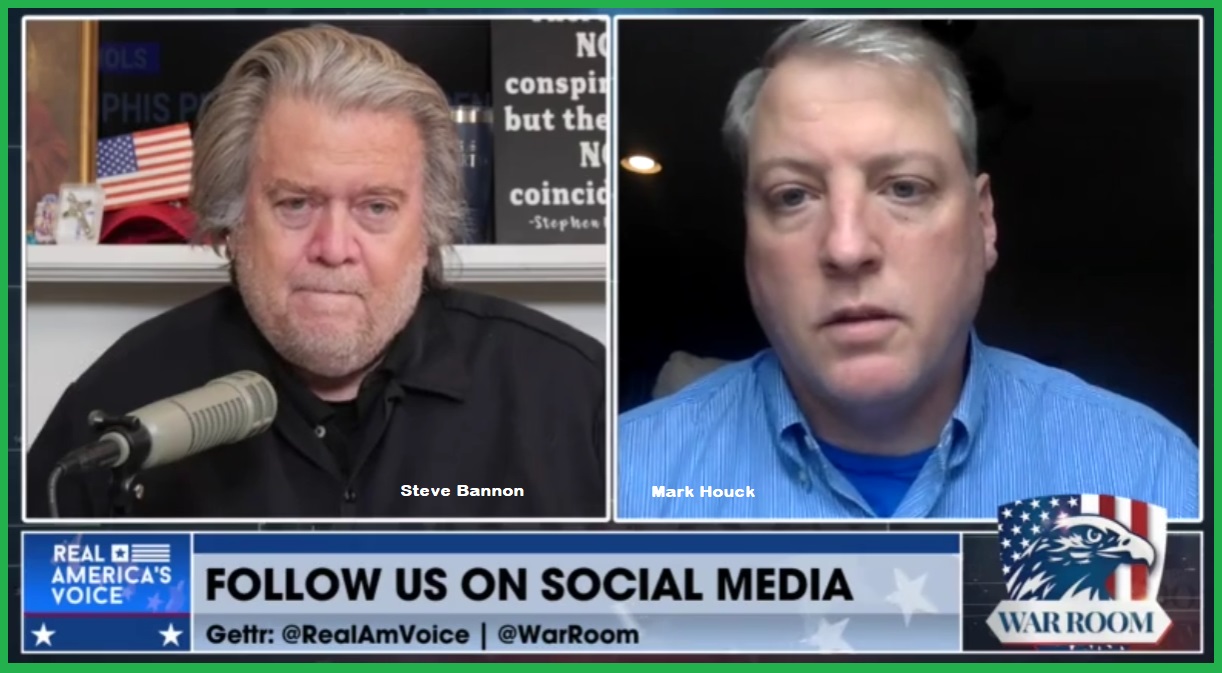



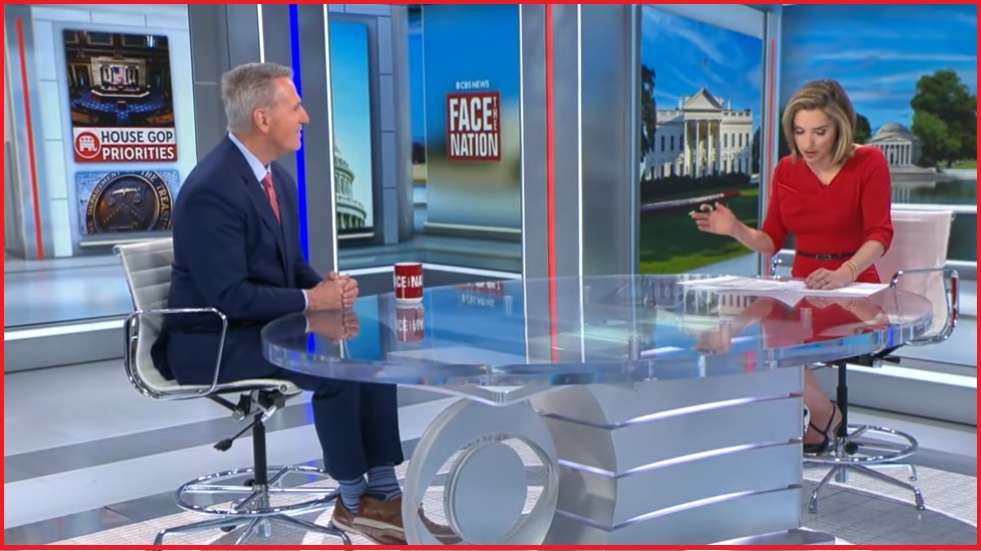
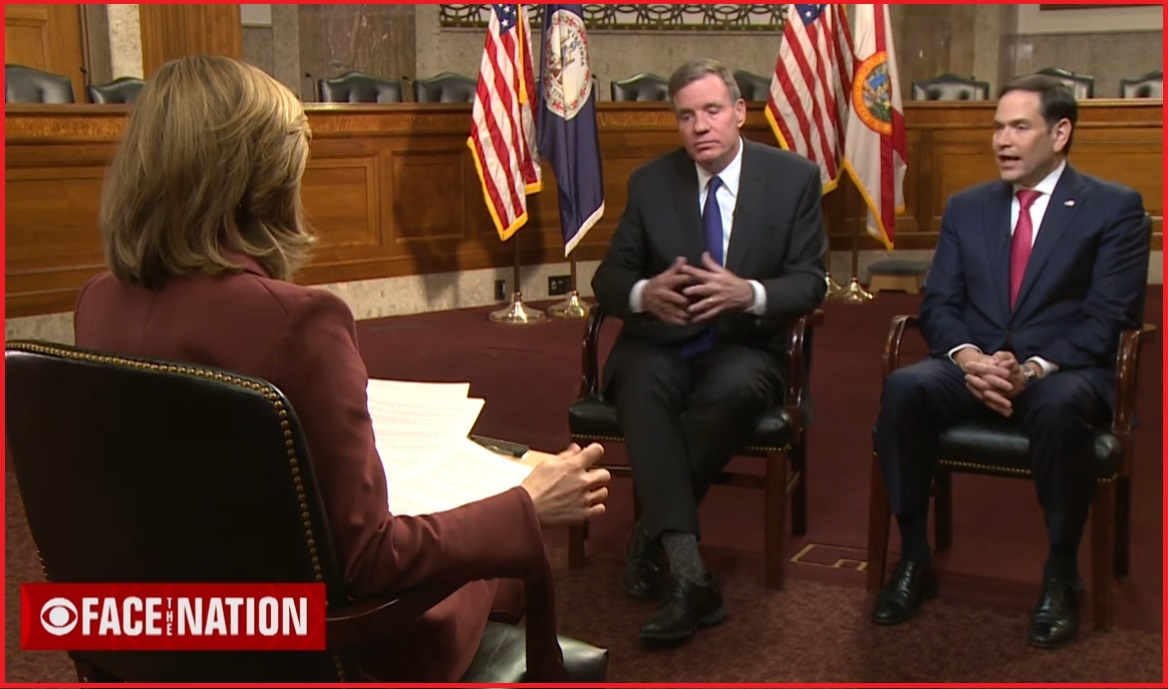




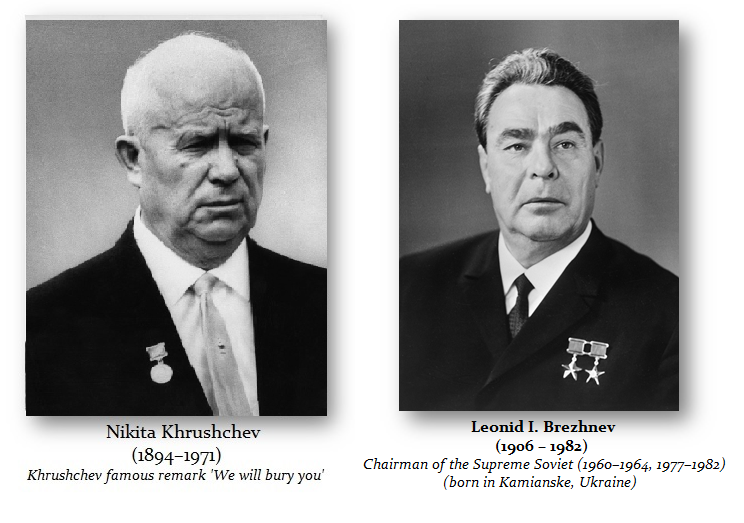


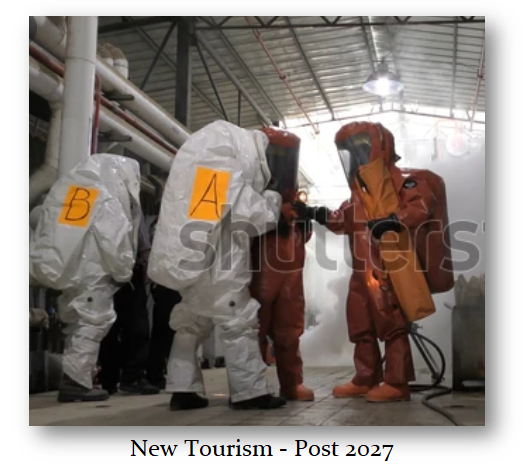

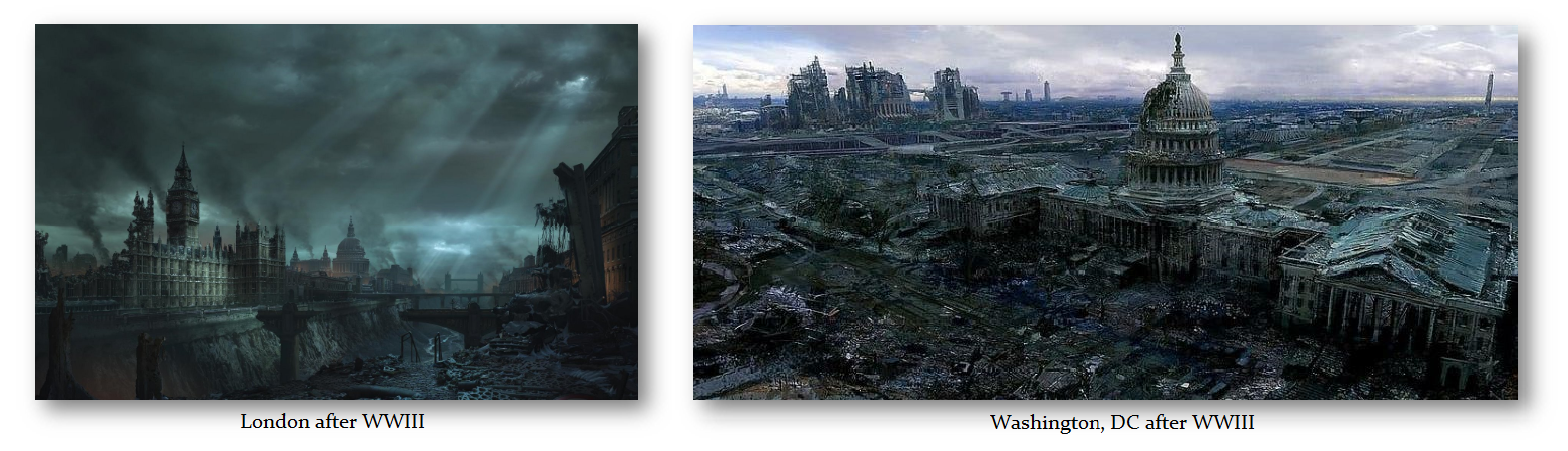
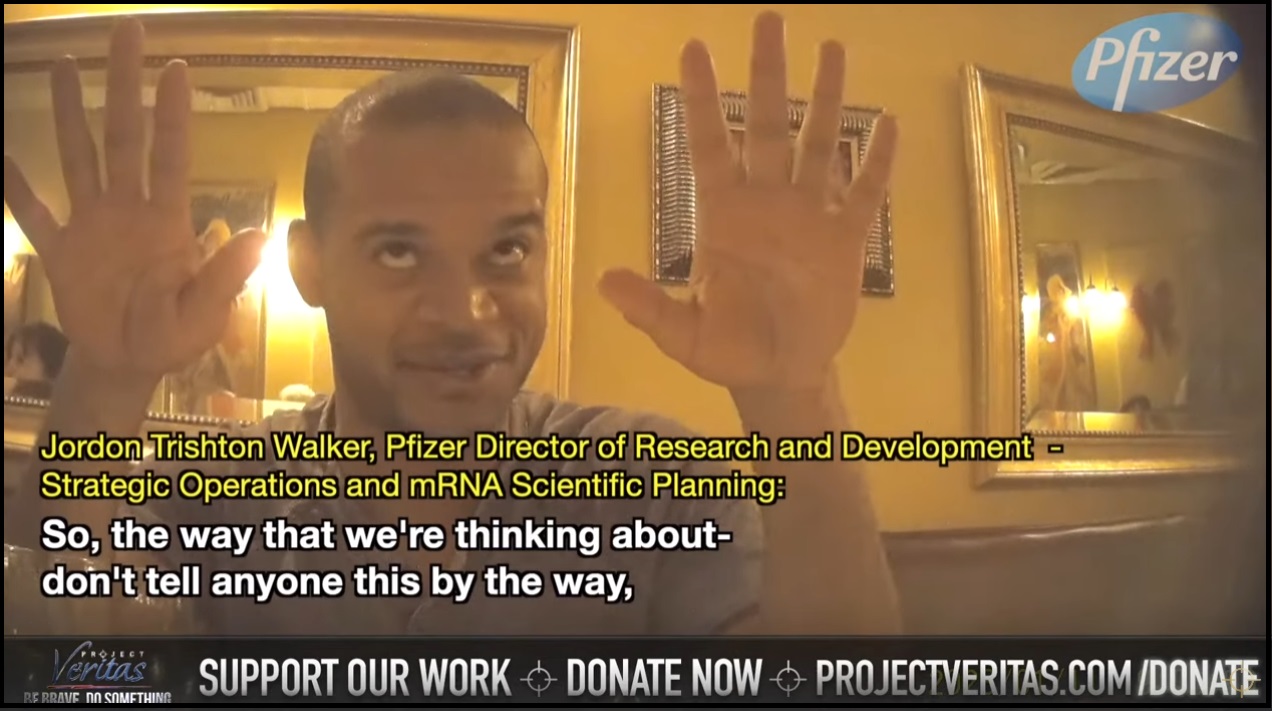
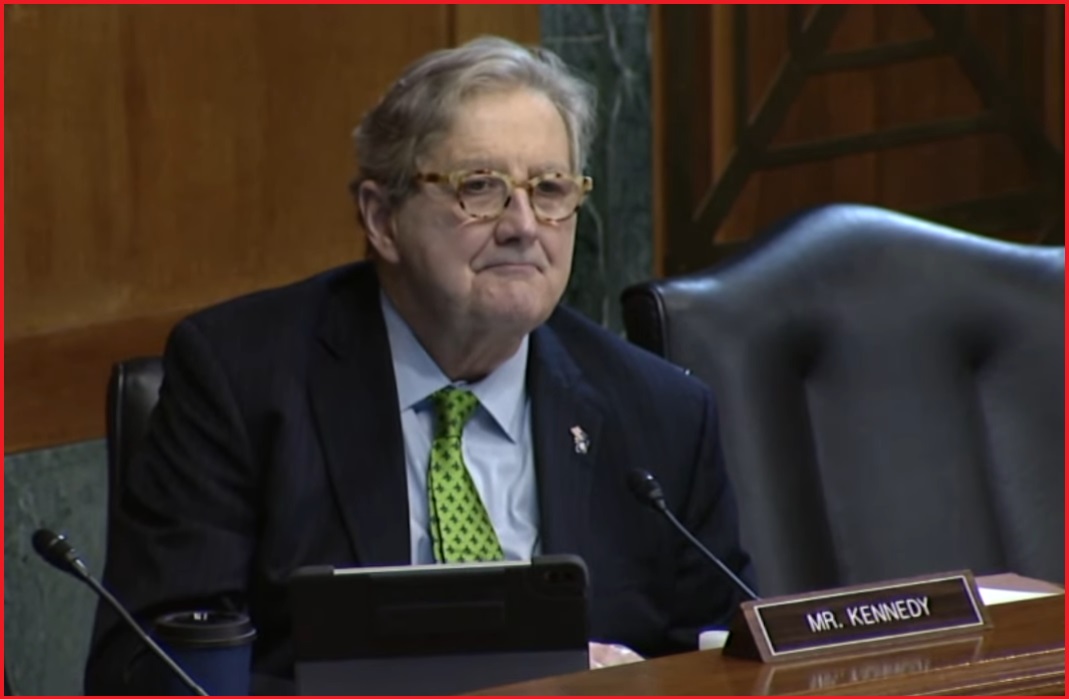
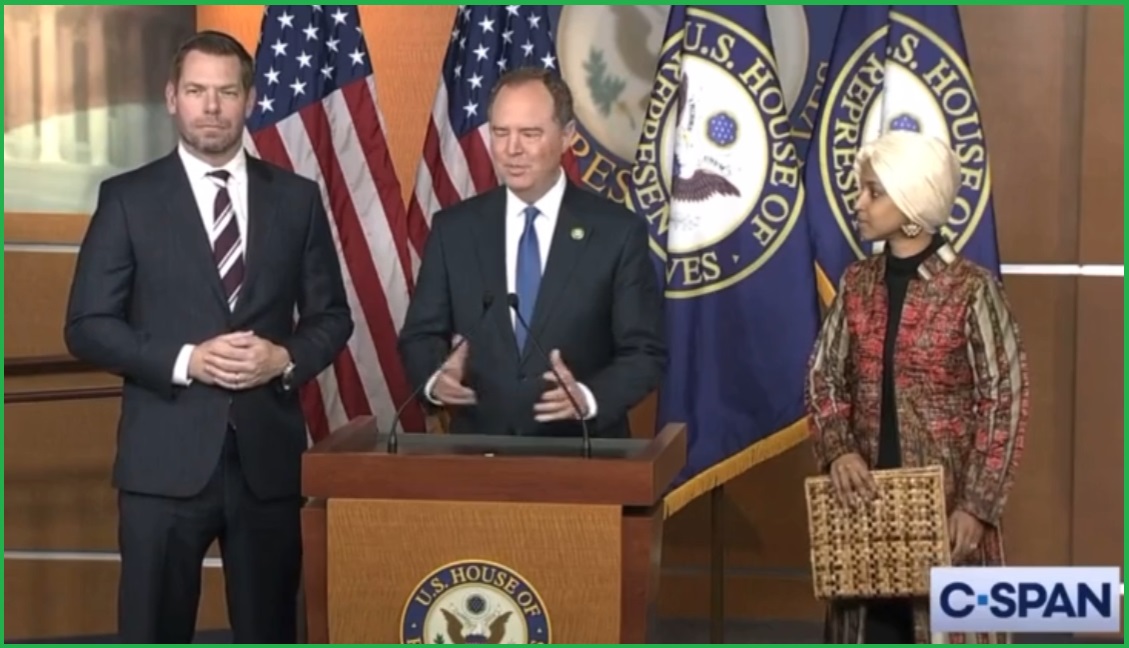
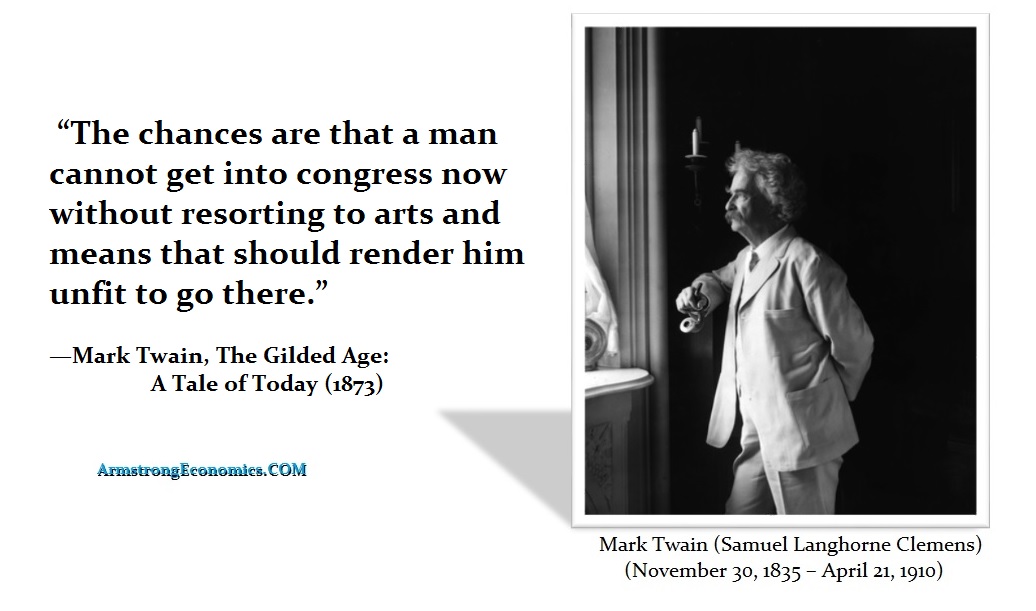
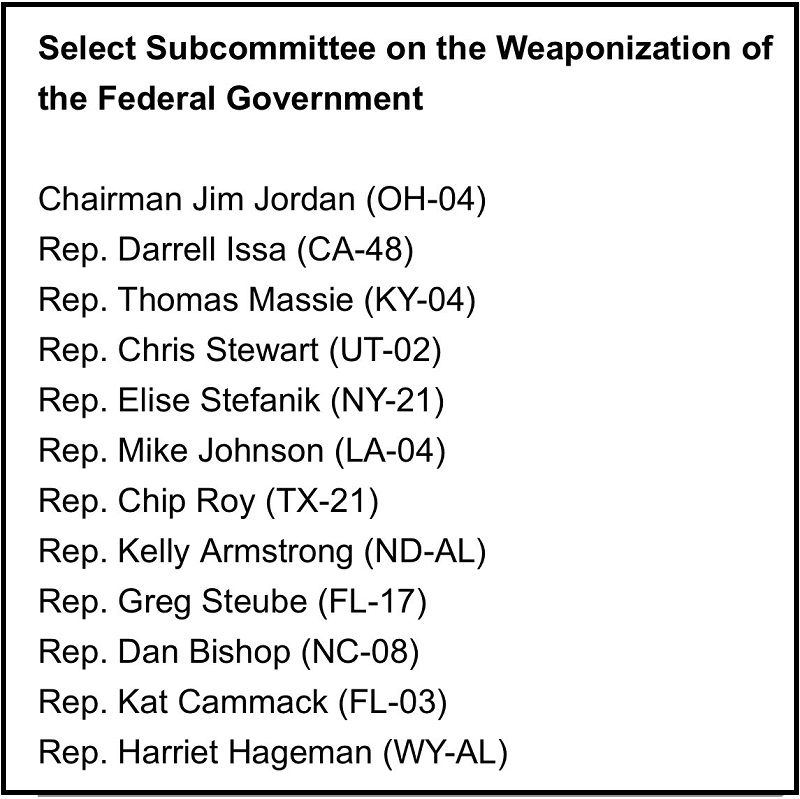
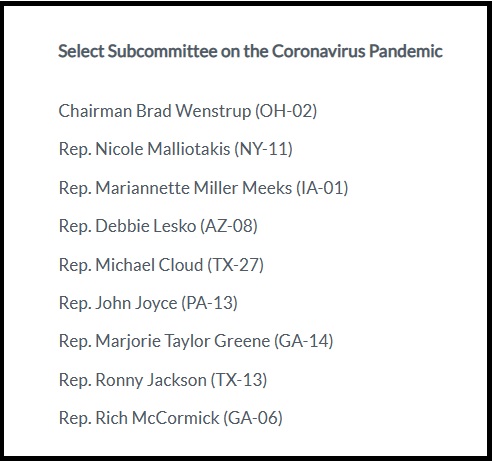




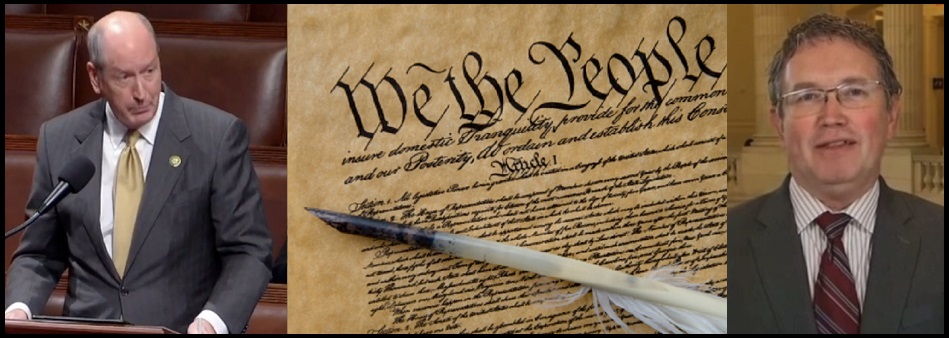

 Centinel2012