Posted originally on May 16, 2025 by Martin Armstrong
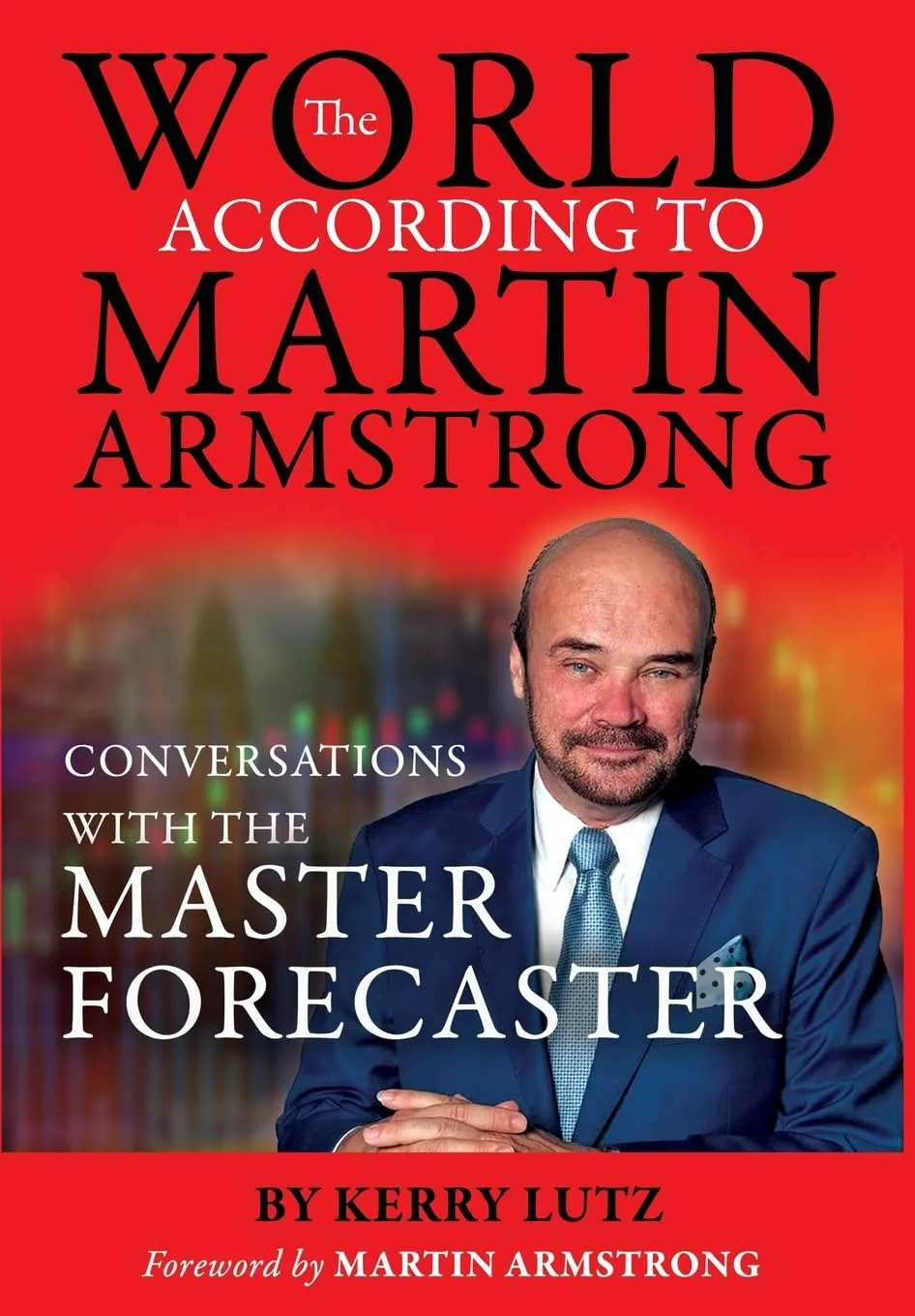
Conversations with the Master Forecaster
This book is unlike anything you’ve read before. It’s not another theory — it’s a documented track record of how Martin saw what no one else did:
✅ Sovereign debt implosions ✅ War cycles and geopolitical shifts ✅ The coming collapse of trust in governments ✅ The timeline to 2032 — and what it means for you
Written by longtime interviewer Kerry Lutz, this book is based on over a decade of never-before-published insights, straight from Martin’s most powerful moments on air.
Whether you’re an investor, thinker, or someone simply seeking truth in an age of lies, this is your handbook for what’s next.
? Now available on Amazon: ? Click here to get the book (Paperback, Hardcover, Kindle & Audiobook editions available)
Thank you for supporting the real truth in a world of curated nonsense.
More information:
A visionary economist. A controversial thinker. A man whose ideas challenge the status quo.
In The World According to Martin Armstrong, discover the extraordinary insights of a financial forecaster who predicted some of the most significant economic events of our time. Armstrong’s unique understanding of historical cycles, global finance, and political power offers a fresh perspective on the forces shaping our world.
From the intricate dance of sovereign debt to the rise and fall of empires, this book explores Armstrong’s groundbreaking Economic Confidence Model and its implications for the past, present, and future. Whether you’re a seasoned investor, a history buff, or someone seeking to make sense of today’s complex world, this book will challenge and inspire you.
Prepare to see the world through a new lens that connects the dots between history, economics, and human behavior in ways you’ve never imagined.
Posted originally on May 15, 2025 by Martin Armstrong
The European Union recently implemented its 17th round of sanctions against Russia, in case the first 16 were insufficient. Jean-Noël Barrot, France’s Minister for Europe and Foreign Affairs, would like to take a harsher approach by placing a 500% tariff on anyone purchasing Russian oil.
Bureaucrats consistently press for the same solutions that never address the problem. This plan would disproportionately hurt Baltic EU member nations who have repeatedly explained that they have absolutely no other alternative than to continue purchasing oil from Russia. The EU’s reliance on oil imports from Russia fell form 27% to 3% since the beginning of the war, but this does not account for individual nations who face individual challenges.
As of early 2025, around 60% of all oil imports to Hungary come from Russia. The nation is reliant on the Druzhba pipeline Slovakia still depends on Russia for up to 80% of its oil supply. Slovak Prime Minister Robert Fico has accused the EU of attempting to create a “new Iron Curtain” between Russia and the West, and called abandoning Russian oil“economic suicide.”
“On the contrary, by insisting on stopping energy supplies from the east, the EU authorities, guided solely by political considerations, create conditions for further gas price increases, which also has consequences for rising electricity prices,” Fico said in a speech broadcast on SMER’s YouTube channel. Slovakia’s petrochemical plants and refineries are preconfigured for Russia oil. The nation would need to update infrastructure, pay higher transit fees, and pay more overall for the necessity of energy.
Fico visited the Kremlin last week and expressed an interest in maintaining relations with Russia. As noted in a prepared speech:
“There are also sanctions, which do not work and cause damage to the European Union itself. Now the EU has come up with a proposal called Repowering. This is a halt to the supply of all kinds of energy resources. But let us talk constructively. You will understand very well what I am going to tell you now. If someone thinks that it is possible to buy fuel from Westinghouse and use it at our nuclear power plants, it is impossible.

A halt of gas supplies will cause instability. Our petrochemical plants were set up to use Russian oil for oil refining, and the shutdown may cause technological problems. I hope that our EU partners will learn about this when legal acts are adopted in connection with Repowering. If it is necessary for all 27 countries to agree, we will use our veto power to ban imports of all types of energy resources. If it is decided not to vote unanimously, but by majority, then major countries will take their decision.”
This is why the European Union has moved forward with decisions without unanimous votes. Brussels eliminated any remaining hint of democracy and are forcing all EU nations to abide by its commands. Votes will no longer matter as Brussels has full authority.
“EU sanctions on Russia have cost Budapest €19 billion ($19.9 billion) in the last three years, more than the country’s annual tax revenues,” Hungary’s Orban stated back in January when he begged the bloc to force Ukraine to permit Russian gas transit. Orban has repeatedly explained that the EU is damaging its own energy sector by sanctioning a nation it is not officially at war with, but every headline reads that he is a Putin puppet.
Placing 500% sanctions on nations importing Russian oil would harm EU trade overall. China is the top buyer of Russian crude, holding 47% of overall exports, followed by India at 38%.
“Russia has found ways to circumvent restrictions imposed by Europe and the US, so turning off the tap could take Russia by the throat,” French Foreign Minister Jean-Noel Barrot added.
The European Commission is still phasing out Russian oil for the bloc by 2027. Hungary and Slovakia have an upcoming deadline to present the commission with plans for how they plan to phase out Russian imports. Both nations have said they plan to fight Brussels but those at the top simply do not care about individual member states. This is one of the many reasons why the EU simply will not and cannot survive.
Posted originally on May 13, 2025 by Martin Armstrong
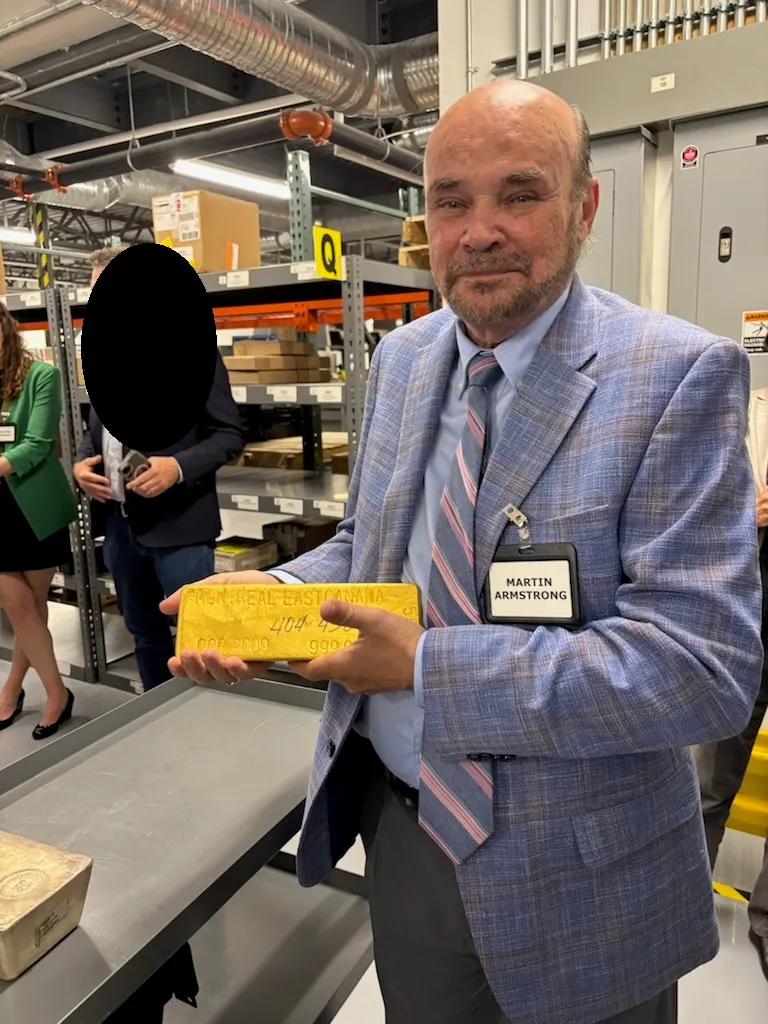
I am back from my trip to Alberta, Canada. They will separate, and currently the polls show 40% want to leave. I also stopped by to visit the facility of SilverGoldBull operation in Calgary. This is me holding a 400-ounce bar of gold – central bank standard. I was very impressed with their operation. I was given a tour of the vaults. I do not get any commission, nor did they pay me to mention them. It was a very impressive operation, plain and simple. Not a one-man band.
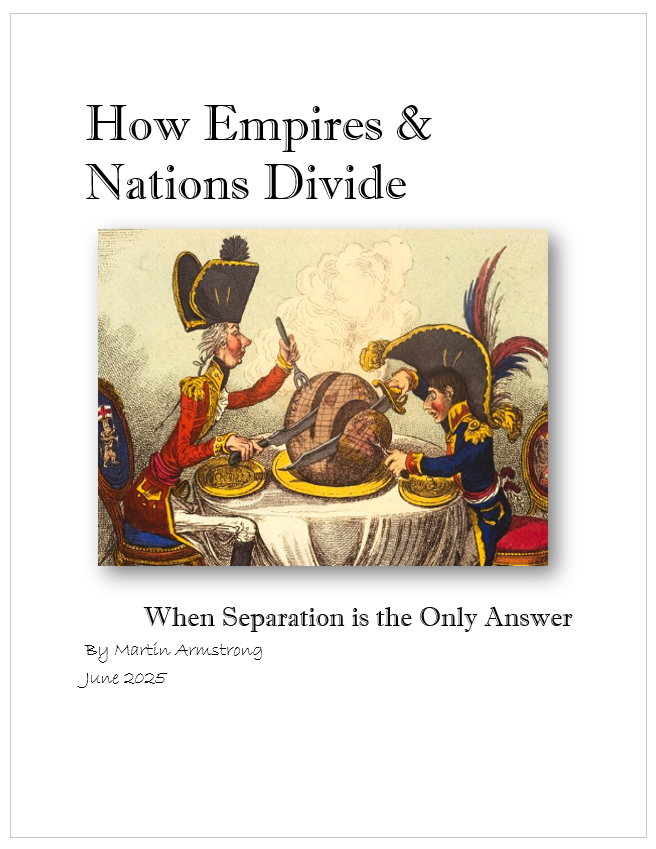
We are providing a manual on how to separate and the key issues that must be addressed. Many areas worldwide are seeking independence, and numerous requests have been made to address the economic side of separation. This is not advocating any particular government. This provides a historical review of separations, attempted separations, and revolutions. The shocking thing is that such events are achieved with LESS THAN a 50% majority.
Posted originally on May 12, 2025 by Martin Armstrong
Starmer may be preparing his nation for battle, but he does not have the support of his nation. An Ipsos poll found that over half of Britons “would not fight for their country under any circumstances.”
The Victory in Europe Day celebrations coincided with the poll, causing no increase in patriotism. Only 35% of adults overall said that they would be willing to fight for their nation, with 17% undecided. Only 21% of women said they would take to battle, and 49% of men said they would like go to war.
Britan has already been invaded. The people did not fight when millions of foreigners invaded their country and permanently altered British society. England is no longer a Christian nation. They have abandoned their core traditions and beliefs for outsiders who vote for liberal policies. Taxes on citizens continue to rise as the government forces the people to pay for migrant social programs. Spending on the migrant crisis is expected to rise 30% in 2025 alone to an astounding £61 million.
Former Army officer Richard Gill, who served in Iraq and Afghanistan during a 15-year career, said, “The fact that so many would refuse to fight for Britain is a symptom of a deeper national malaise. We’ve stopped teaching pride in our country, its history, and its values… A nation unsure of itself cannot expect its people to defend it. That must change.”
Prime Minister Keir Starmer implemented the largest rise in defense spending since the Cold War, with government spending on defense to rise to 2.5% of GDP from April 2027. He would like to raise that amount to 3% in the next parliament, marking a £13.4 billion increase per year.
Britain voted to leave the European Union, and now its politicians are requesting the people to defend a nation that was never even permitted in the bloc due to corruption. Support for the war in Ukraine has significantly declined since 2022. A separate Ipsos poll found that only 53% of Brits supported the government sending weapons to Ukraine, which is a stark contrast to the 63% who were in favor when the war began. Two in five said they support sending peacekeeping troops to Ukraine, or 40%, and Russia has made it clear that any troops on the ground in Ukraine will be considered targets.
Starmer is no Churchill—the people will not blindly follow his regime into a senseless war.
Posted originally on May 9, 2025 by Martin Armstrong
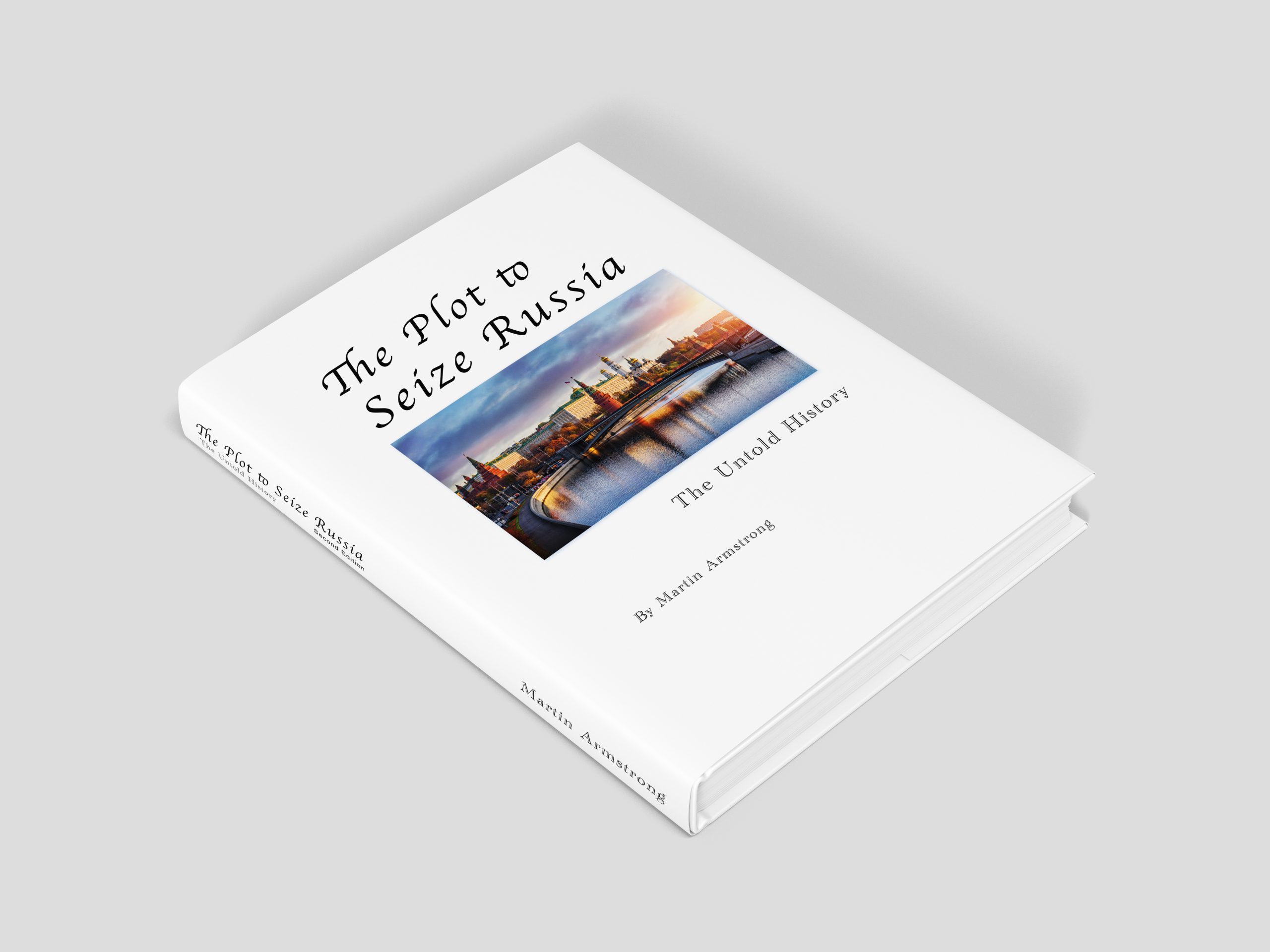
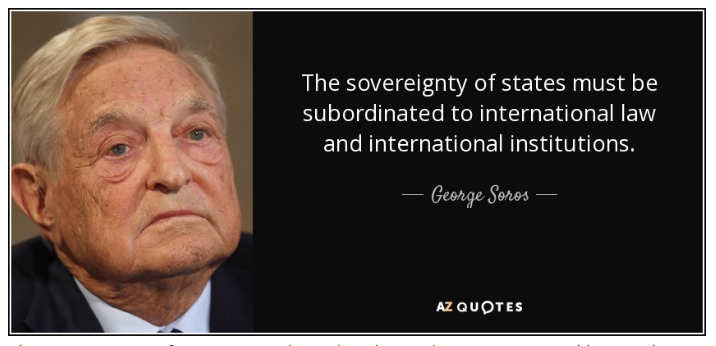
The West’s obsession with regime change has never been about democracy–it’s about control. In “The Plot to Seize Russia,” I lay out how the Club — a loosely aligned network of intelligence operatives, NGOs, and financial elites — orchestrated a coup in Russia following the collapse of the Soviet Union. Soros was not just an ideologist; he was a tool used by Western intelligence to push so-called “open society” policies, which conveniently destabilized post-Soviet states and made them ripe for exploitation.
Soros’ Open Society Foundations funneled money into Eastern Europe under the pretense of democracy-building, but the real goal was to suppress Russian nationalism, install Western-friendly oligarchs, and open up markets for Western looting — a financial shock therapy. These efforts led directly to the 1998 Russian default, which was engineered by the Club’s manipulation of IMF policies and corrupt privatizations.
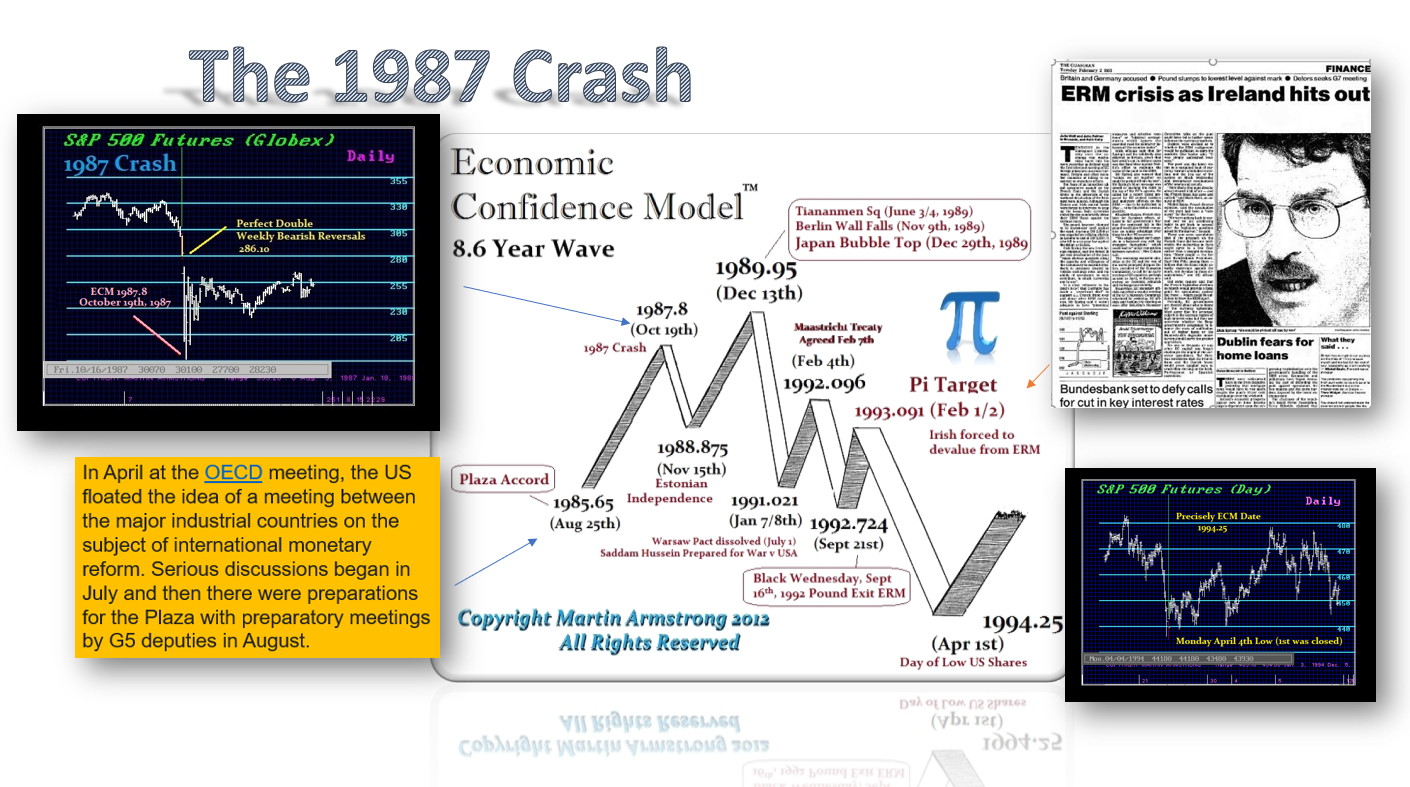
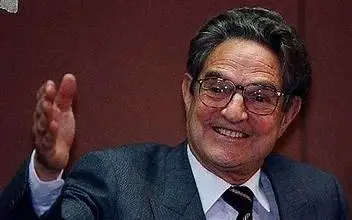
The Club has sought my advice as they have traded against me with great losses. The Quantum Group of Funds that George Soros advises through Soros Fund Management lost over $800 million in Japanese stocks before the October 19, 1987, crash that my computer model accurately predicted. Soros attempted to short Japanese equities but was long in US indexes. Soros saw his fund decline by 30% from that miscalculation.
Socrates projected a major turning point in Japan for the 4th quarter of 1987, specifically October. It identified weekly and monthly turning points on the Nikkei 225 aligned with a high-volatility event. The computer pinpointed October 19, 1987, as a panic cycle — the same day the Dow Jones crashed 22.6%, while the Nikkei also turned down sharply.
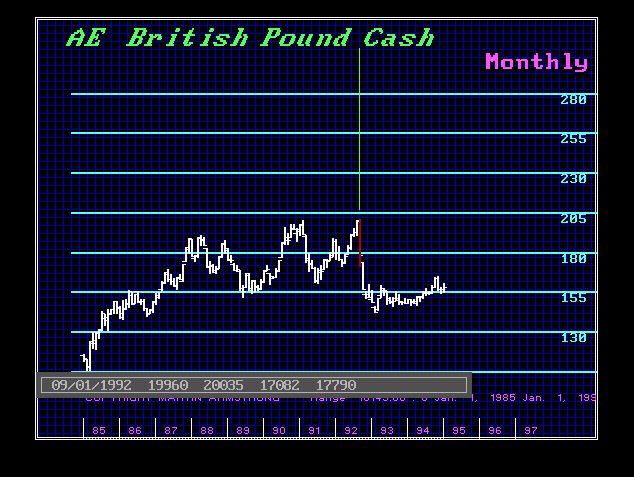
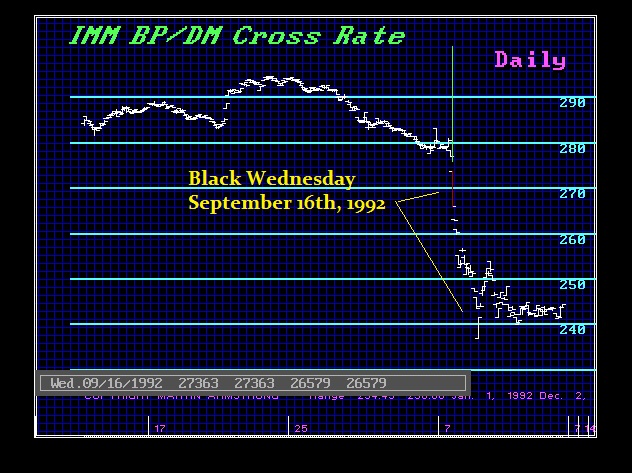
By early 1992, Socrates was generating bearish reversals on the pound and upward turning points in volatility models. Socrates also forecasted a panic cycle in September 1992, aligning perfectly with Black Wednesday (September 16).
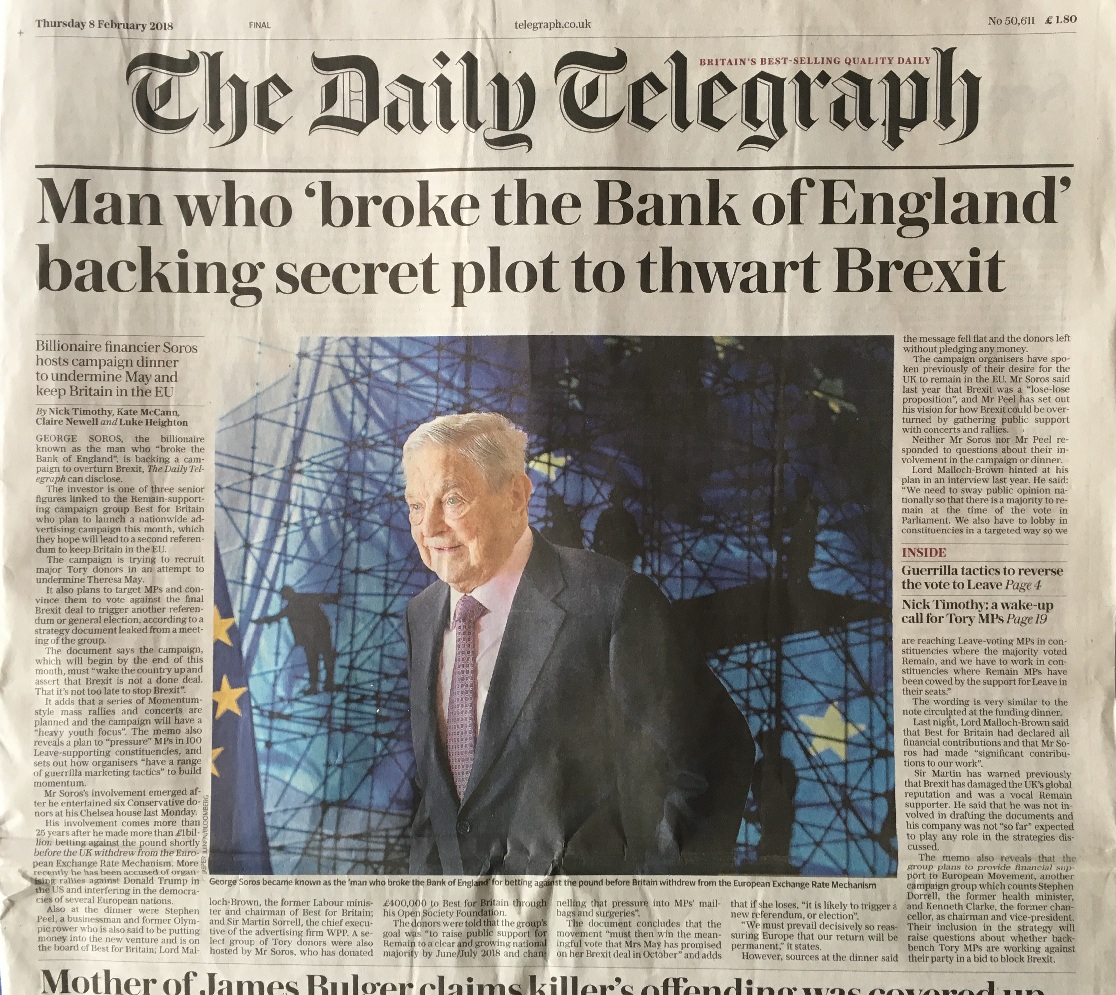
Soros redeemed himself in 1992 after shorting the pound, but anyone knowledgeable could have made that prediction. In the early 1990s, the UK tried to peg the pound to the Deutsche Mark under the Exchange Rate Mechanism (ERM). Capital was leaving Britain, and the pound was massively overvalued. George Soros didn’t “break the Bank of England” as the headline suggests, rather the British government broke itself with arrogant policies, and Soros simply took advantage of the stupidity. Soros, through the Quantum Fund, shorted more than $10 billion worth of pounds. Why? Because he knew the Bank of England couldn’t defend the peg forever. The BoE tried to raise interest rates from 10% to 12%, then to 15% in one day to support the pound. But capital markets simply laughed. Traders were selling faster than the central bank could intervene.
Britain had to keep the pound within a fixed band against the Deutsche Mark, but the fundamentals didn’t support that rate. Inflation was too high, interest rates were artificially manipulated, and capital was already preparing to bolt. Germany had just reunified and needed tight monetary policy to contain inflation. Britain, meanwhile, was in recession and needed lower interest rates. The policy was doomed from the start.
Everyone in the Club was in on shorting the pound, but Soros was the one who captured headlines.
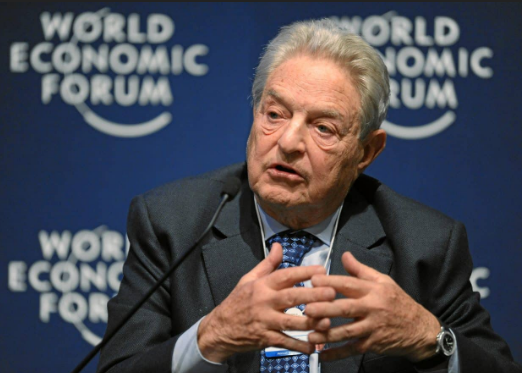
Soros’ Quantum Fund experienced its worst loss after shedding $2 billion when Russia’s financial system “reached the terminal phase,” as Soros noted in his infamous August 1998 article entitled “The Only Way for Russia to End Its Crisis.” Soros noted that Russia feared bank runs, and temporarily closing the stock market was necessary as trades could not be settled. “The trouble is that the action that is necessary to deal with a banking crisis is diametrically opposed to the action that has been agreed with the International Monetary Fund to deal with the budget crisis. The IMF program imposes tight monetary and fiscal policy; the banking crisis requires the injection of liquidity. The two requirements cannot be reconciled without further international assistance,” Soros wrote.
Crises always occur as contagions, and we saw the 1997 Asian financial crisis a year ahead of Russia’s collapse. Investors were weary of emerging markets after the Asian crisis and confidence in Russian investments and currency was already beginning to decline. Oil prices fell by around 30%, striking a blow to Russia’s exports as oil accounted for 75% of foreign currency earnings.
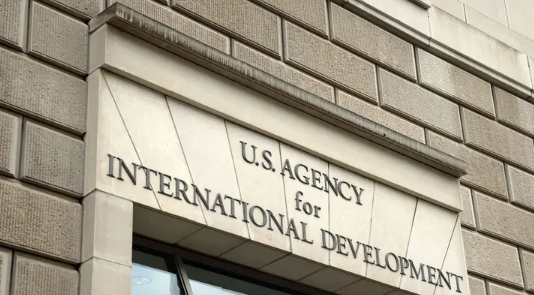
The vultures from the West swooped in to claim their loot. The Harvard Institute for International Development (HIID), supported by USAID, provided Russia with $300 million and became ingrained in privatization programs, legal reform, and capital markets. HIID went so far as to launch voucher privatization and loan-for-share schemes with Russian official Anatoly Chubais, eventually establishing the Russian Stock Exchange. A year before the collapse, USAID suspended $14 million in grants to HIID as a result of an ongoing investigation into economist Andrei Shleifer and lawyer Jonathan Hay, who were found guilty of exploiting their positions for personal gain.
Russia pegged the ruble to the US dollar in the years leading up to the crisis. The sharp decline in oil prices and fleeing capital caused the peg to become unsustainable. The central bank began draining its reserves in an attempt to maintain the ruble but there was no way to stabilize the exchange rate. I consistently warn that pegs never work.
Many assumed that pegged exchange rates were just the same as fixed exchange rates. A pegged exchange rate system involves the central bank aiming for money supply and the exchange rate that would lead to exchange controls and was an anti-free-market mechanism focusing on international balance-of-payments adjustments. Therefore, pegged exchange rates lacked any free-market automatic response mechanism that would produce natural balance-of-payments adjustments. Consequently, pegged rates would require a central bank to manage both the exchange rate and monetary policy.
Additionally, Russia was spending heavily on its war in Chechnya at a time when its revenue was decreasing significantly. The government began to rely on short-term government debt (GKOs) to finance its growing deficit, and Western investors primarily held that debt in the US and Europe. In fact, one-third of the debt was held by Western hedge funds, banks, and institutions, while the rest was primarily held by Russian banks, which were extremely vulnerable to shifts in capital.
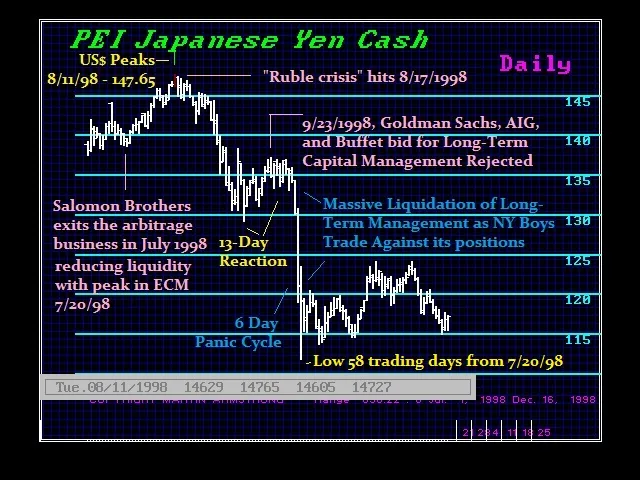
Socrates marked August 1998 as a panic cycle not just for Russia but across emerging markets.
The Russian government asked me for advice during the mid-1990s on economic reform. I warned Russia that the IMF-backed financial shock therapy would lead to capital fleeing, economic collapse, and sovereign default. I argued against privatization schemes pushed by Soros, the Harvard boys, and others in “the Club” who were working to weaken Russia. Russia declined by advice and took on massive debt, pegged the ruble to the USD, and became fully dependent on foreign capital.
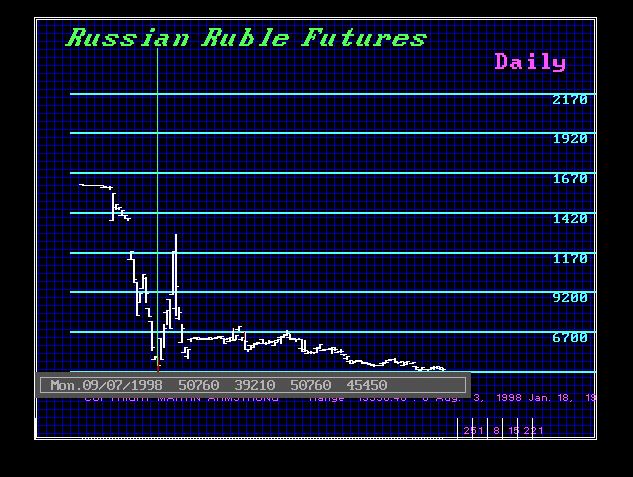
May 27, 1998, marked the onset of a major panic that led to a sell-off of Russian debt by foreign and domestic investors. All investments sharply plummeted. The Russian Central Bank hiked rates on government bonds to 200% to discourage capital from fleeing, but it was not enough. The ruble lost two-thirds of its value in a matter of weeks. The central bank sold off $1 billion in a single day, leaving only $14 billion in reserves. All confidence in Russia’s economy vanished.
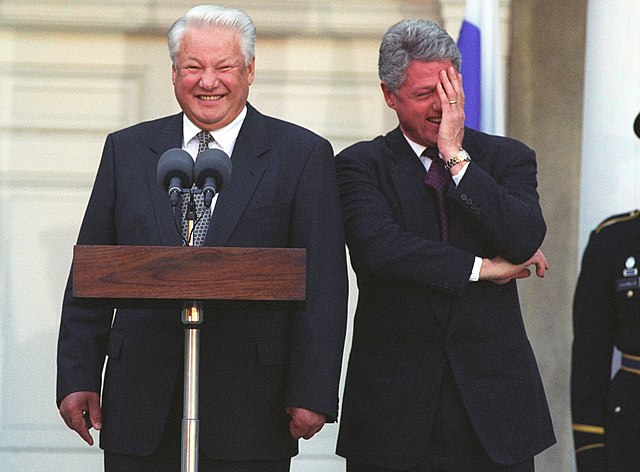
Former US President Bill Clinton and the Russian government lobbied the IMF for assistance. On July 13, 1998, the IMF sent Russia a $22.5 billion bailout package in the form of a loan to stabilize the ruble with foreign currency reserves. Millions of workers and pensioners had gone months without receiving payment at this time. The currency collapsed wiped out savings and caused inflation to soar. Clinton and Yeltsin had an interesting tie. The US directly interfered in the 1996 Russian Presidential Election to reinstall Yeltsin at the helm. Yeltsin sold out Russia for personal power, Western praise, and protection. This set the stage for a collapse in public confidence. In turn, Western financiers were provided a grand opportunity to plunder Russia during the collapse, buying Russian assets for pennies on the dollar.
A month after the IMF loan, Prime Minister Kirienko declared that the Russian government would devalue the ruble by 34% by the end of the year. Yet, President Yeltsin said mere days beforehand that this would not happen. Kirienko placed a 90-day moratorium on foreign debt and announced that the government was defaulting on domestic bond obligations. The Russian Central Bank announced on August 26 that it could no longer support the failing ruble, and as a result, it fell 300% from 6.2 rubles to the dollar to over 20.
Now, when the Financial Times published Soros’ August 1998 article encouraging IMF and G7 aid to Russia, the ruble fell by 15% to 20% and trading was halted for 35 minutes. The article stated that the IMF’s solution was faulty and encouraged Russia to devalue its currency by up to 25% and install a currency advisory board. Investors began to fear that devaluation was inevitable ahead of the policy announcement and in contrast to Yeltsin’s insistence that the ruble would not be devalued.
”He wanted the letter to serve as a wake-up call” to the leading industrial nations, said Mr. Pattison, the Soros Fund Management spokesman. ”The Russian media looked at it in terms of him calling for a devaluation. He didn’t advocate the devaluation unless it was carried out along with the currency board.”
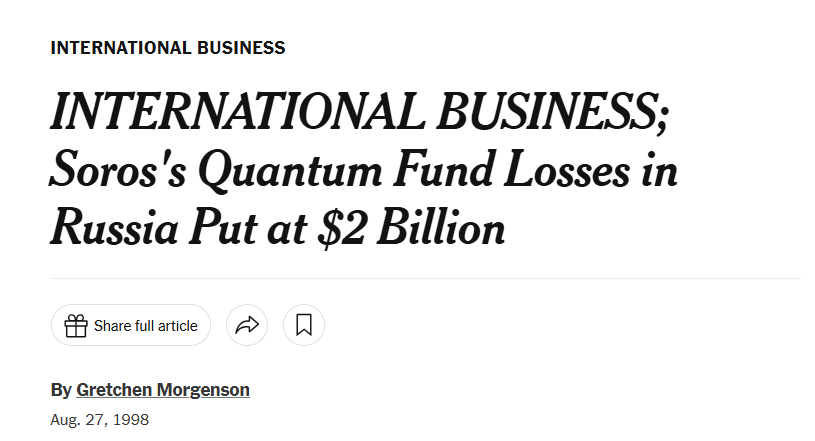
Two weeks later, it was announced that Soros’ Quantum Fund suffered $2 billion in Russia put losses. As published in the New York Times:
“Stanley Druckenmiller, the manager of George Soros’s Quantum Fund, said that Mr. Soros’s $21.5 billion group of funds — operated by Soros Fund Management — had lost $2 billion in Russian markets during the last year. Shawn Pattison, a spokesman for Soros Fund Management, said that even with the losses the Quantum Fund’s $10.6 billion in assets were up 19.13 percent for the year.”
Soros cloaked himself in philanthropy, but behind the scenes, he was a key instrument in the economic conquest of Russia. Russia rejected his meddling, and Soros himself claimed the collapsed caused one of the worst losses in his career. He began urging for a “global open society” and believed the West could help develop former communist countries. His goal has shifted to influencing governments globally to reshape the world as he sees fit, and he seems to be quite better suited in that role than in money management.
I tried to help Russia maintain its sovereignty and avoid becoming a pawn in the West’s financial empire. For that, I was punished. The 1998 collapse wasn’t a miscalculation — it was a takedown.
Long-Term Capital Management (LTCM) lost $1.85 billion in August 1998 due to its highly leveraged bets and widened spreads and collapsed in September. LTCM attempted to hedge Russian debt exposure by selling rubles, but then the ruble collapsed and the Russian government blocked trading. LTCM was the greatest fraud of modern finance—an academic fantasy with no understanding of market cycles or global capital flows. It had over $100 billion in positions with a base of $4 billion in capital.
As one of the largest money managers at the time, in the spring on 1998, I was urged to inject $10 billion of overseas client money into Hermitage Capital Management which was aligned with LTCM. I refused. It was my duty to protect my clients and I knew that it would be a poor investment and my models indicated Russia would collapse. I was NEVER in the business for personal profit and had no interest in joining the Club.
Between LTCM and Quantum Fund, 1998 was quite an embarrassment for the Club. Up until this point, Soros was seen as the world’s most highly regarded hedge fund manager. I suppose I took on that title, unknowingly drawing unwanted attention. Notice how Soros is now known as a philanthropist rather than a skilled money manager.
Republic National Bank—specifically Republic New York, owned by billionaire Edmond Safra, played a central role in the events that led to my unjust prosecution and imprisonment. They were illegally trading with my clients’ money behind my back as it was held within Republic. I later discovered that Republic New York Securities was co-mingling and trading client funds from my accounts without authorization. They created duplicate accounts and traded them for personal gain. Republic’s role was never investigated as the trial was orchestrated with appointed lawyers and judges who would rule in favor of the banks before the trial ever began.
I never joined the bankers and they were behind instructing the CFTC to shut down Princeton Economics. I also was not trading against the bankers but merely trading based on my computer model, a model so invaluable that the government was willing to kill me in an attempt to seize it. The bankers know if they spin news that is bullish, they get the gold bugs to buy, and they inevitably sell to them to exist their trade. They manipulate the investors the same way the Fed tries to do with interest rates. I had more clients than anyone else. This is why the bankers always tried to get me to join them and the Club.
They thought I could say “Buy!” and they could exit their trades or sell. Likewise, if I said “Sell!” then they could buy. How many times would that work before people figured out such a scam? Soloman Brothers was notorious for that back in the 1980s. Their analysts would say buy, and on the floor, it was Solomon Brothers selling. That was the perception regarding Henry Kaufman’s forecasts back then.
Goldman Sachs was criticized for creating products to sell to clients and then trading against them. The bankers have never looked at their clients as “clients” but as adversaries against whom they make money. My business was always the exact opposite. The bankers didn’t like that very much. I advised my clients against the bankers – that is why they did whatever they could to stop me. They used Republic Bank to rob my clients. When I refused to take the fall for LTCM or play their game in Russia, they came after me.
Now Bill Browder and Edmond Safra founded Moscow-based Hermitage Capital back in 1996 and it became the largest foreign investment fund in Russia. Browder was deeply involved in Russian markets during the chaotic privatization period, accumulating massive stakes in undervalued companies.
Hermitage declined over a 10-month span beginning in 1998 and went from having $1.38 billion in assets to only $165 million. Yet, Hermitage mostly owned oil exporters and were paid in USD, while most of their expenditures and employees were paid in devalued rubles. “I knew my investments were fundamentally sound, but I had to make sure they were not about to be stolen from me,” Browder said. His fund rose 196% the following year with holdings in companies like Yukos and Lukoil.
George Soros and Edmond Safra were friends. The two businessmen, along with Robert Maxwell, father of Jeffrey Epstein’s top associate Ghislaine Maxwell, were accused and found guilty ofinsider trading by a Parisian court. The three men were believed to profit from a takeover bid in 1988 of a French bank, Societe Generale. Two of the three men were dead by the time the case was reopened in 2002, and Soros was fined €2.2 million for his role but denied any wrongdoing.
I must add the background of geopolitical events at this time. The American neocons/bankers were blackmailing Yeltsin to appoint Berezovsky as president of Russia and call off the elections. The communists had filed an impeachment motion to overthrow Yeltsin, and this is how Putin came to power because he was not a politician, not an oligarch, and was NOT a communist. Yeltsin’s last words to Putin—“Protect Russia!”
Browder made crucial connections with Western elites, US intelligence agencies, and neocon think tanks. The Magnitsky Actopened the door for unilateral sanctions under the guise of morality. All of these financiers found their way into government and continue to play extremely influential roles in shaping societies to their own benefit.
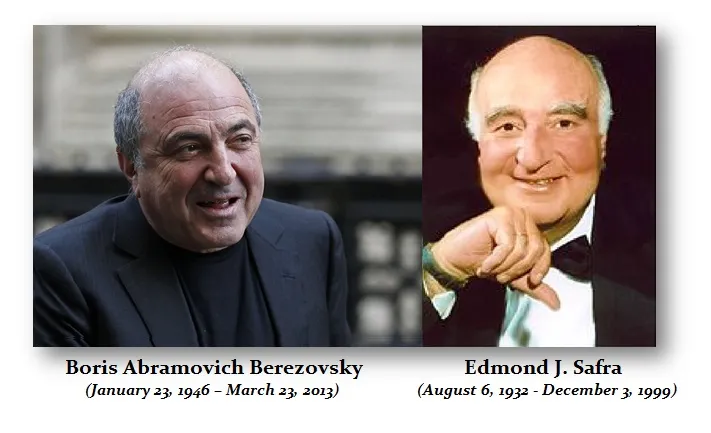
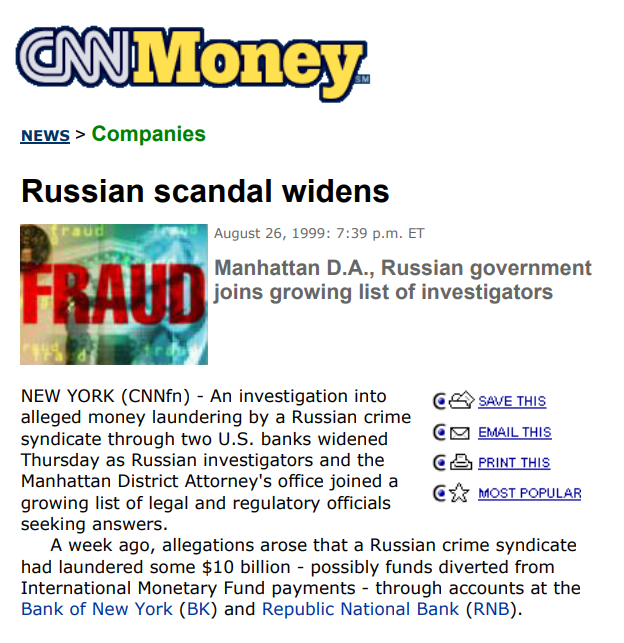
Safra was linked with Boris Abramovich Berezovskyand allegedly Vladimir Aleksandrovich Gusinsky, the media tycoon. As the plot was laid out by Russian sources, Yeltsin was convinced to take $7 billion from the IMF funds to refurbish the Kremlin. The funds were wired to a largely unknown company in Switzerland. The wire was steered through Bank of New York and as soon as it was made, Safra had his bank run to the Feds and report that Bank of New York had just conducted a money laundering event.
Bereszovsky, who fled to Britain and obtained political asylum, suddenly hanged himself. Then lawyer/accountant Sergei Magnitsky, who represented Safra’s Hermitage Capital Management, mysteriously died in prison awaiting trial and received a posthumous trial and was found guilty. While he was portrayed in the West as a whistleblower, don’t forget that Safra was also against the Bank of New York. This then led Congress to strangely pass the Magnitsky Act, a bill to impose sanctions on persons responsible for the detention, abuse, or death of Sergei Magnitsky, for the conspiracy to defraud the Russian Federation of taxes on corporate profits through fraudulent transactions and lawsuits against Hermitage.
Conspirators threatened Yeltsin with exposure of his theft of $7 billion on the world stage. The demand was to appoint Berezovsky as the new President of Russia and for Yeltsin to step down and not run in 2000. Yeltsin, realizing he was set up, turned to Putin who was largely an unknown. As the story goes, Putin promised to take care of everything if Yeltsin appointed him.
My case began September 13, 1999, almost exactly a year after LTCM failed. Within a week the government moved to put me in contempt and stop my request for a quick trial. It came out in court that bullets were left in my mailbox as a threat to silence me, but I was in the public spotlight so they created a contempt and through me in to suspend everything.
“Friends” inside Republic were very pissed off at what they had done to Princeton Economics. When I asked George Wendler about the money, he said he was “just the messenger,” meaning there was only Safra on top of him. My “friends” informed me that Safra called the bank each morning into the Metals Desk to ask about gold. He then had them transfer the call to whomever. Because it went through the Metals Desk, the calls were all recorded. They gave me the phone numbers, and I turned them over to my lawyer, and we issued a subpoena for just those lines. This was just days before Safra’s murder. After that event, the US Attorney’s office under Mary Jo White came storming in and blocked the discovery of those phone lines that would have no doubt exposed the source of many events.
Safra sold Republic to HSBC shortly before his death. Edmond Safra was strangely murdered by what appeared to be a Russian hit squad on December 3, 1999, which was interestingly exposed by Dominick Dunne of Vanity Fair, with whom I spoke regularly about his investigation, Death in Monaco. Yeltsin resigned on December 31, 1999. The Presidential elections were held in Russia on the 26th of March 2000, formally electing Putin.
Within days of this event, the government decided to stop my trial. They moved to hold me in contempt, conducted a secret, closed court session, throwing the press out, which is illegal, and altered transcripts of court proceedings. They asked for a meeting in April 2000. How does a billion vanish? They admitted I could not have taken the money. Do you show up with a brown paper bag for what amounts to a 747 full of cash? That is 10 million $100 bills. That kind of money could only be wired, which can be traced. They admitted to my face that they did not want to go to a public trial. They realized I bought portfolios and was NOT managing money. Yet the United States government, as a matter of policy, will NEVER admit it is ever wrong publicly. So, how can we ever believe them when they say they are always right?
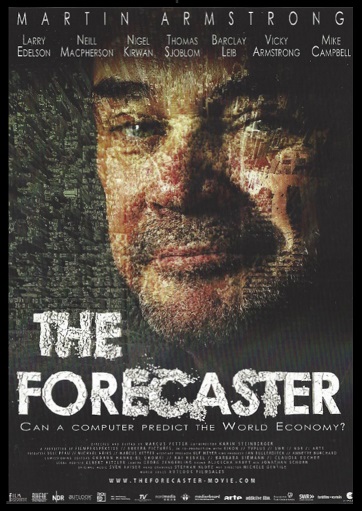
I urge anyone interested in the details of my trial to watch the film, “The Forecaster.” For those interested in learning the detailed information regarding the Club and their insistence on trading against me, my book, “The Plot to Seize Russia,” is available on Amazon.
Those in the Club did not believe in my model. They always judged me by themselves, assuming I simply had more influence than they did since I predated them. The Club would pay bribes in search of the guaranteed trade. They would always attribute their losses to me, complaining that I was the largest international institutional advisor. They even had the CFTC issue a subpoena to me to turn over a list of all my clients worldwide so they could prove I was manipulating the world economy.
The ”Club” believed that Russia would be that guaranteed trade in 1998 because they wrongly believed the IMF would not allow the ruble to collapse. Everyone was in on the same trade. The truth of the matter is that there is no guaranteed trade and you cannot time the markets. Socrates is not about guarantees. It maps out the paths of probability and lets you see the most likely turning points in global markets through reversals, timing arrays, and capital flows. Researching history to see how it will shape the world is my passion. I was never in it for the money or fame. This is not just about trading. It’s about understanding how the world functions. Socrates is my life’s work—decades of historical research, market data, and economic models distilled into one system that thinks without bias.
Posted originally on May 9, 2025 by Martin Armstrong
Canadian exports to the United States are beginning to decrease in light of the trade war. Statistics Canada announced that exports to the United States, Canada’s largest trading partner, declined 6.6% during the first month of tariffs while imports from the United States fell 2.9%. March 2025 was the second-highest recorded monthly increase in non-US trade for Canada.
Exports to nations outside the US rose 24.8%. Overall exports in March 2025 reached $69.9 billion, a slight decrease from February’s $70.04 billion posting, yet volume rose by 1.8%. The United Kingdom has been purchasing unwrought (crude) gold exports from Canada this year, totaling C$2.01 billion in January, C$1.64 billion in February, and C$1.64 billon this March.
Canada’s crude oil sea exports doubled on an annual basis to 8 million barrels this month. The United Kingdom and the Netherlands imported 69% of all crude oil exports to Europe. Hong Kong also increased its crude imports from Canada in March.
Overall merchandise trade exports declined 0.2% for the month, with imports falling 1.5%. The trade deficit fell to C$506 million, notably less than the prior month’s C$1.4 billion deficit as Canada is seeking buyers.
Canada cannot fully rely on trade outside the US. March saw a 6.6% monthly decline in exports to the US, which is bad news for Canadian businesses. Trade with the US for March was still strong at US$140.5 billion, notably due to an increase in pharmaceuticals and medicines ahead of forthcoming industry-specific tariffs. Autos also saw an uptick ahead of industry-specific tariffs, posting a 7.7% export increase for the month. Iron and steel products, already subject to a 25% tariff, fell 9%, while aluminum alloys and unwrought aluminum rose 4.4%.
The S&P Global Manufacturing PMI for Canada reached 39.1 in April 2025. Canadian manufacturing has not seen such a contraction since early COVID months when the global economy came to a standstill. Imposed and proposed US tariffs are stifling demand as purchasers do not know what to expect.
Those adhering to US boycotts fail to realize that the Canadian economy is structurally tied to the US economy. Infrastructure was designed to support trade through railways, trucking routes, and pipelines. Europe and Asia cannot replace the accessibility or scale of the US market. Additionally, the economy is closely aligned with the USD, and a major pivot would expose Canada to currency volatility. Canada may strengthen ties with other nations to fill margins but it cannot write off its top trade partner.
I have created this site to help people have fun in the kitchen. I write about enjoying life both in and out of my kitchen. Life is short! Make the most of it and enjoy!
This is a library of News Events not reported by the Main Stream Media documenting & connecting the dots on How the Obama Marxist Liberal agenda is destroying America



 Centinel2012