COMMENT: Well, the goldbugs are wrong again. This claim that the stock market must crash and only gold will rise is as you say sophistry. It looks like gold and the Dow are rallying together. I can see how they are just promoting a cult-like agenda.
Thanks for being objective
MH
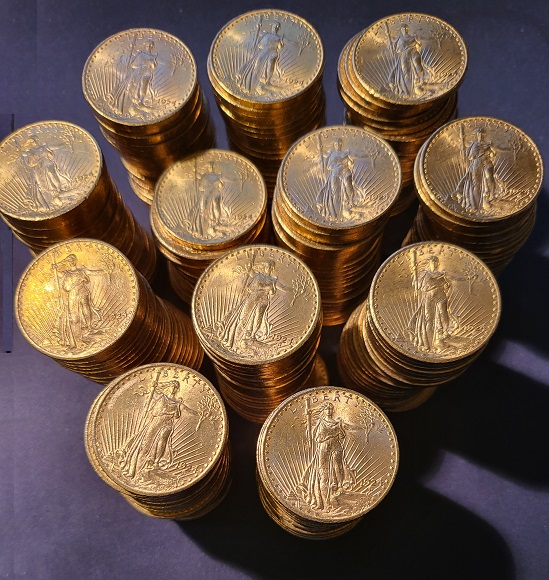
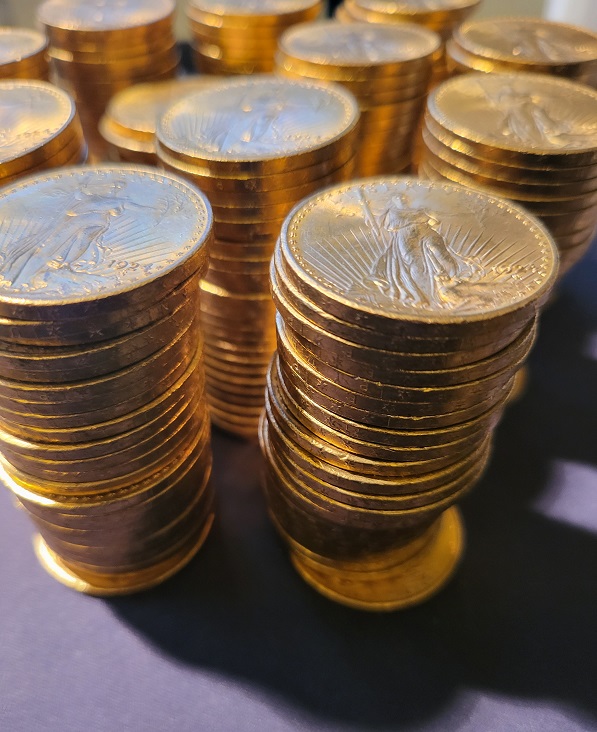
REPLY: We became the biggest institutional adviser because there was never an agenda. Everything goes up, and everything comes down. There is an old saying among actual traders – NEVER marry the trade. I buy gold personally. I just bought a hoard of $20 gold pieces all uncirculated and all dated 1924. I do not regard it as a trade, just a stash for the long-term. It will go up and go down. Do not pretend that something only goes in one direction.
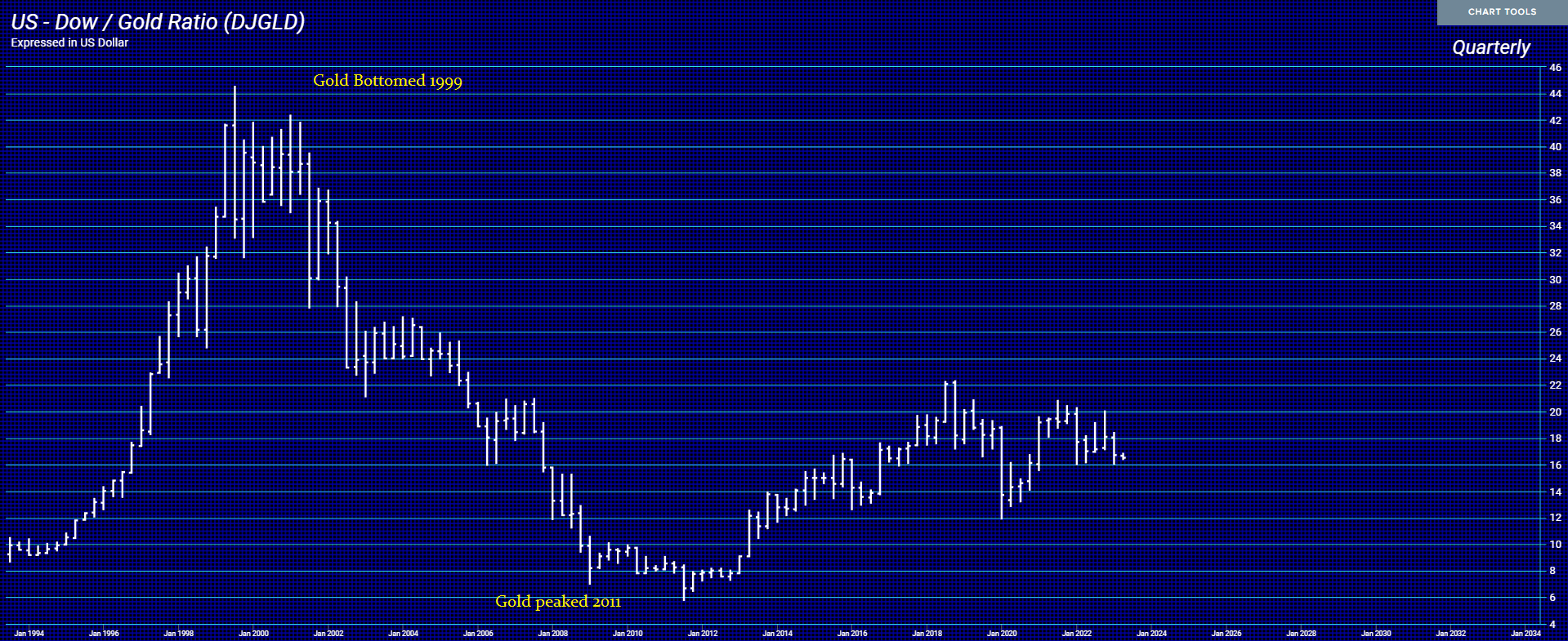
Here is a chart from Socrates on the Quarterly Level of the Dow/Gold Ratio. Anyone who only forecasts a single direction is NOT an analyst – they are a promoter like a used car salesman. No matter what we look at, there is a time to buy and a time to sell. EVERY market functions that was.
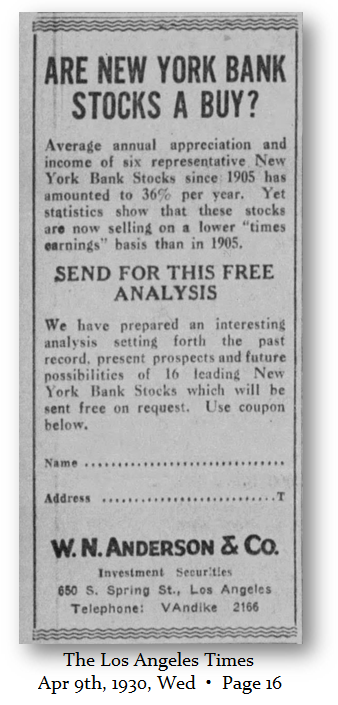
Here is an advertisement from April 9th, 1930 pitching Bank Stocks. Brokers were telling people to buy all the way down, average in, but it took 26 years for the Dow to reach the 1929 high again. Anyone selling any product will ALWAYS tell you to BUY. That is their business. It is up to you to come to terms with how ALL markets really move. Hence, there is always a TIME TO BUY just as there is a TIME TO SELL.
QUESTION: Mr. Armstrong; Who is being irrational? The markets or the analysts?
KE
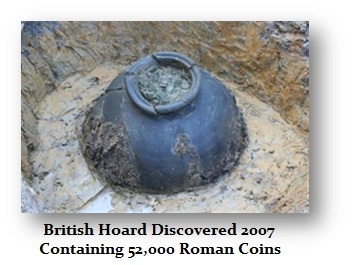
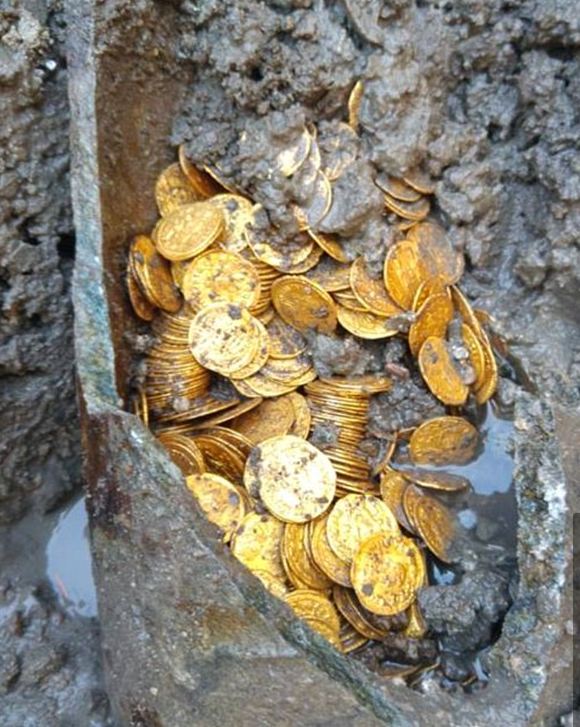
ANSWER: That’s simple. It is the analysts. The markets are ALWAYS correct. When you have bank failures unfolding, people will withdraw money out of caution. It is the very same reason there are ancient hoards of coins. You find coins in times of economic stress and uncertainty. This is a purely RATIONAL human response to uncertainty. It consistent for thousands of years. For any analyst to claim the markets are acting “irrationally” only proves they should look for another profession.
Sir Thomas Gresham began his career in 1543 working at Mercers’ Company at the age of 24 years old. He left England for Antwerp/Amsterdam which was the financial center of the day much like Wall Street. That was where he became a merchant businessman which was where banking existed in those days. He became an agent for King Henry VIII in the Antwerp/Amsterdam market. He became a trader and in so doing, he began to observe how capital moved.
The interesting aspect was that he was called in as a sort of crisis manager as I have been during financial upheavals. In 1551, Sir William Dansell, who was King’s Merchant there in the markets, ended up putting the English Government into a financial crisis thanks to his mismanagement. The English turned to Gresham for advice since he became quite astute at trading. They adopted his proposals. It was then that Gresham proposed a very ingenious tact. He advocated a FOREX intervention to push the pound higher on the Antwerp change. His intervention proved so successful that in just a few years King Edward VI had discharged almost all of his debts. By pushing the pound higher, he was able to repay the previous debts by devaluing them.
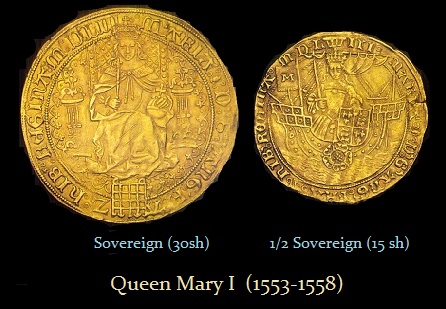
Therefore, the English Crown sought Gresham’s advice in all their finances until Mary came to the throne in 1553. Gresham was instantly pushed aside for Alderman William Dauntsey, who lacked trading experience and quickly sent the Crown into financial stress. Gresham was called back to deal with the mess once again.
Under Queen Elizabeth’s reign (1558–1603), he continued as a financial agent of the Crown and also became the Ambassador Plenipotentiary to the Governor of the Netherlands. This was the period of civil unrest in Antwerp which compelled him to return to England in 1567. This is also when the English had the founding of the Royal Exchange to compete with the Netherlands. It was Gresham who made the proposal to build, at his own expense, a bourse or exchange. This demonstrated that Gresham was a trader and understood how capital flowed. Apart from some small sums to various charities, Gresham bequeathed the bulk of his property (consisting of estates in London and around England giving an income of more than 2,300 pounds a year) to his widow and her heirs, with the stipulation that after her death his own house in Bishopsgate Street and the rents from the Royal Exchange should be vested in the Corporation of London and the Mercers Company, for the purpose of instituting a college in which seven professors should read lectures, one each day of the week, in astronomy, geometry, physic, law, divinity, rhetoric and music.[1] Thus, Gresham College, the first institution of higher learning in London, came to be established in 1597.
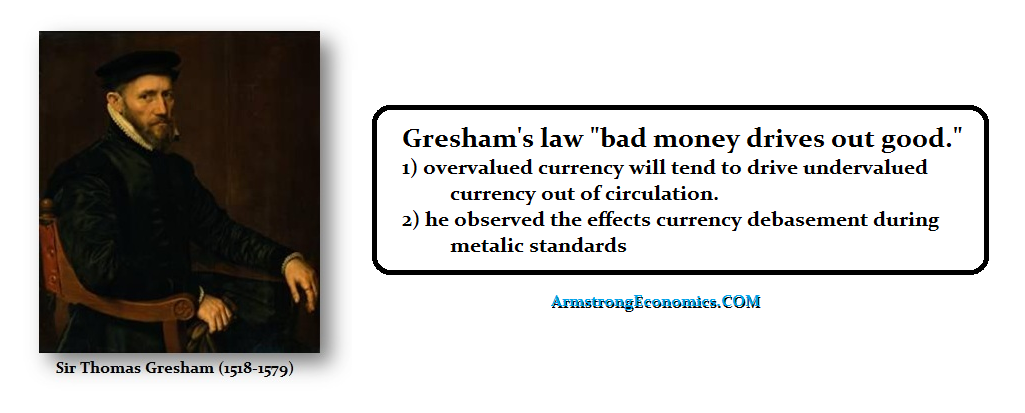
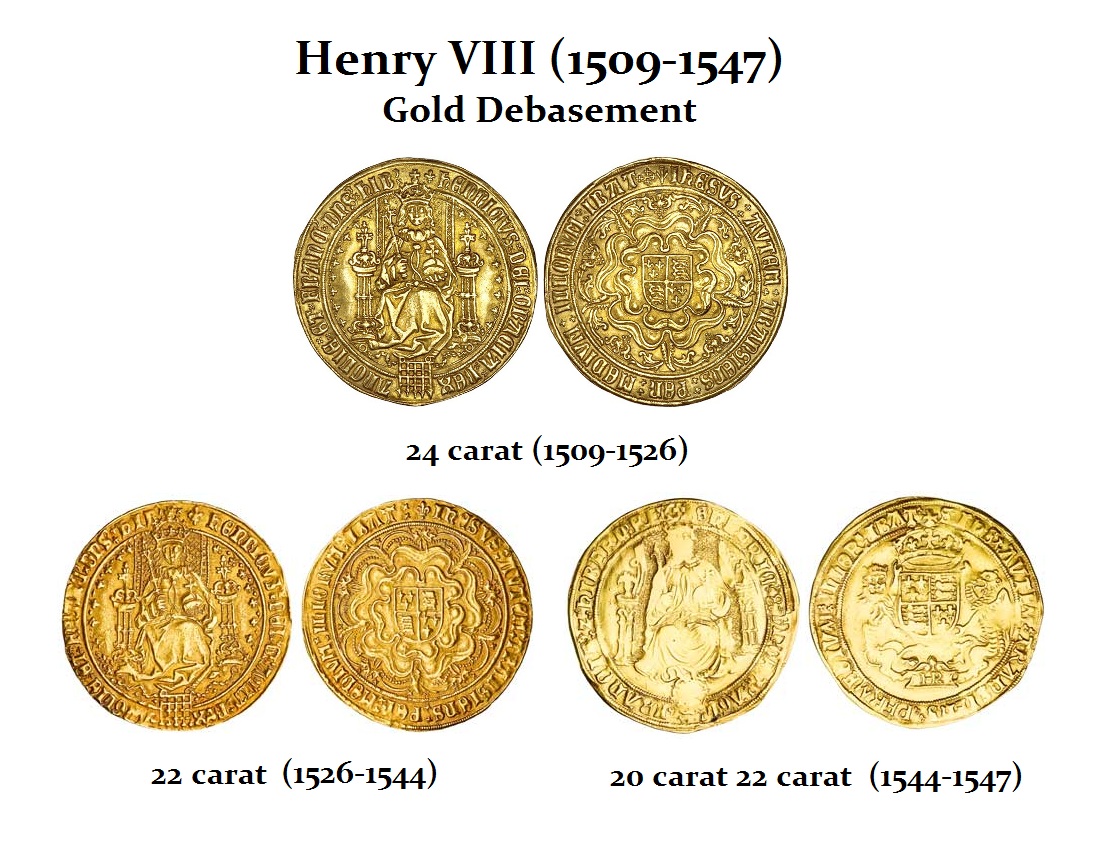
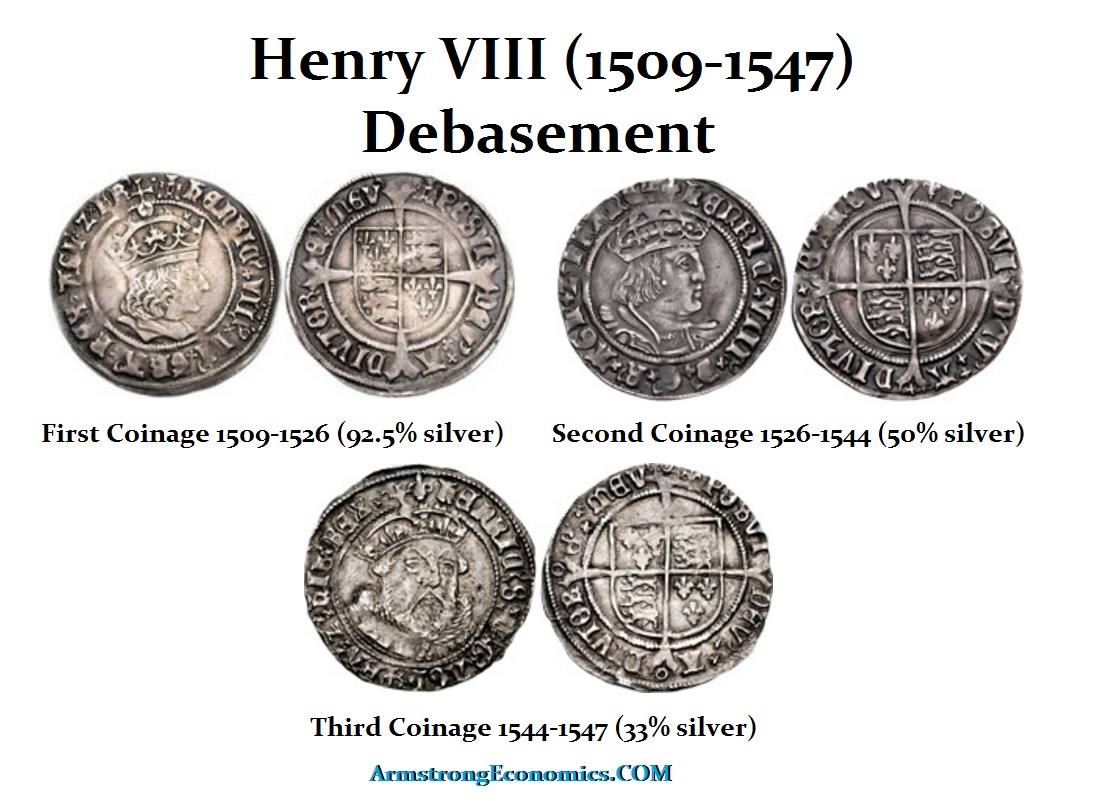
Gresham’s Law (stated simply as: “Bad money drives out good“). He concluded this from his observations that foreign exchange back then was based on the metal content and weight of the coinage. Therefore, as debasement took place, people would hoard the old coinage of higher quality and spend the debased. Thus, the bad money drove out the good and actually shrunk the money supply in circulation.
He urged Queen Elizabeth to restore the debased currency of England. In so doing, you got to repay old debts with debased currency. Governments to this day practice that same trick. Repaying a 30-year bond today the bondholder cannot buy what the money was once worth 30 years ago. The interest does not really compensate for the loss of purchasing power over long periods of time.
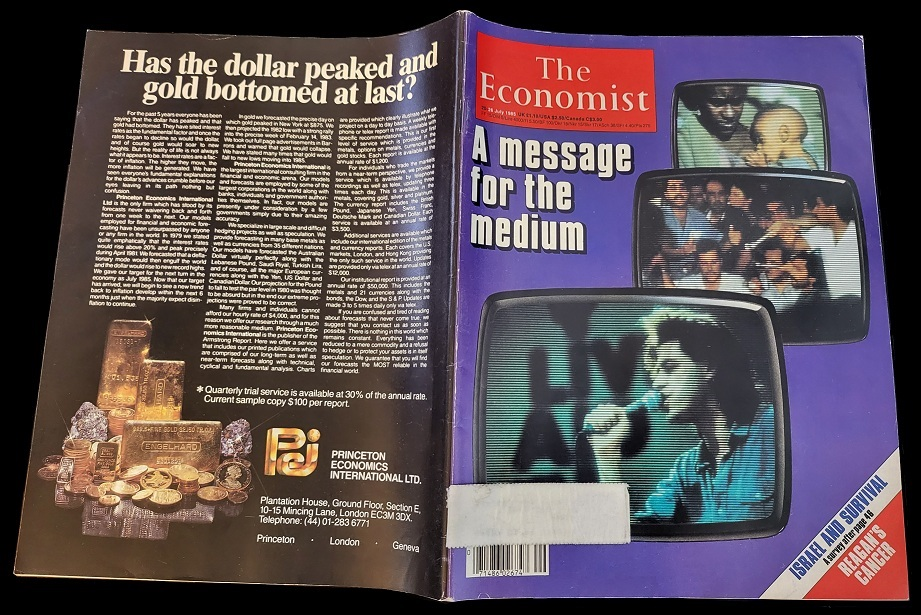
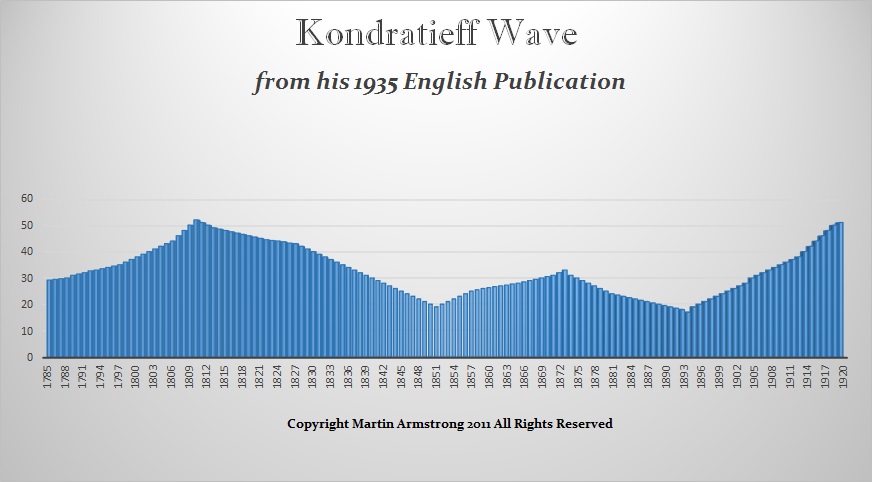
COMMENT: Marty, I began following you in 1985. That is when everyone was using the Kondratieff Wave and admitted it averaged 45 to 60 years. They were all predicting another Great Depression. You were the only one right back then as well. I remember your advertisement in the Economist saying a new Private Wave was beginning. The ECM has called every turn ever since and even to the very day.
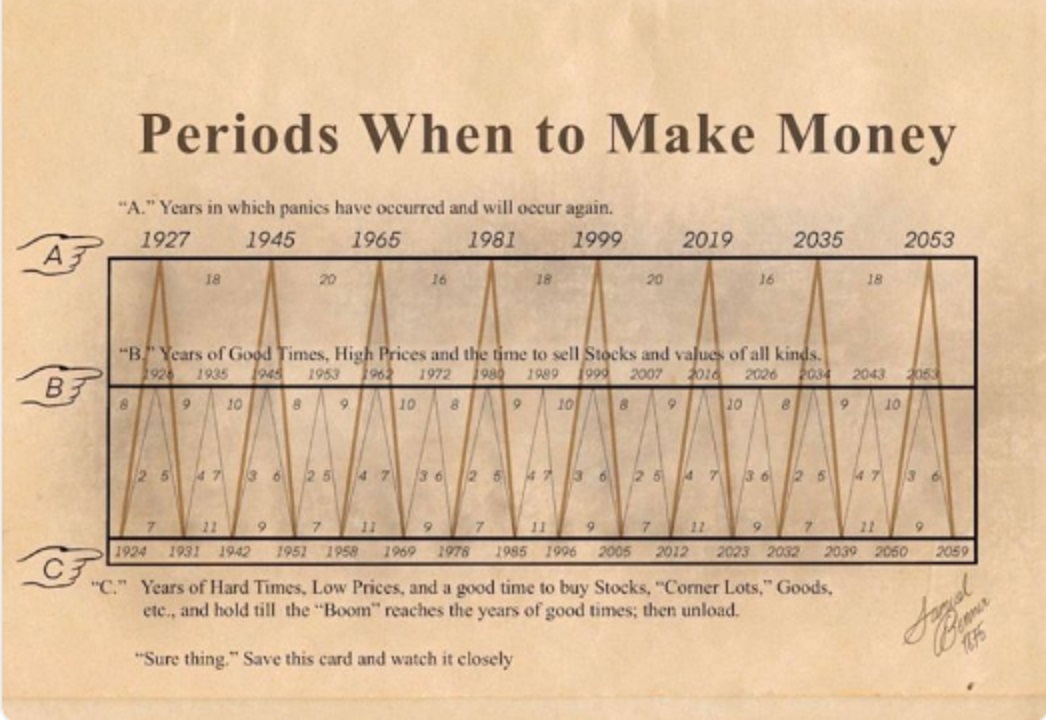
Now the Brenner Chart is floating around all because it points to 2023. The 1999 turning point which was supposed to be the high, was not just off from the stock market and the 2000 Dot-Com Bubble, but 1999 was low in gold. The 2019 target was also off for it was 2020 which was a low.
I think both the Kondratieff and the Brenner cycles have caused more harm than good in furthering cyclical analysis. You are right. They were commodity based not economic-based.
I just wanted to share my observations because people need to understand the difference.
Jeff
REPLY: Oh yes. I remember 1985. It was high in the dollar and the British pound hit nearly par dropping from $240. Yes, we took the back cover of the Economist for 3 weeks during July 1985 to announce the start of inflation and the Private Wave. I was shocked that people held on to those advertisements and we would get letters even 2 years later.
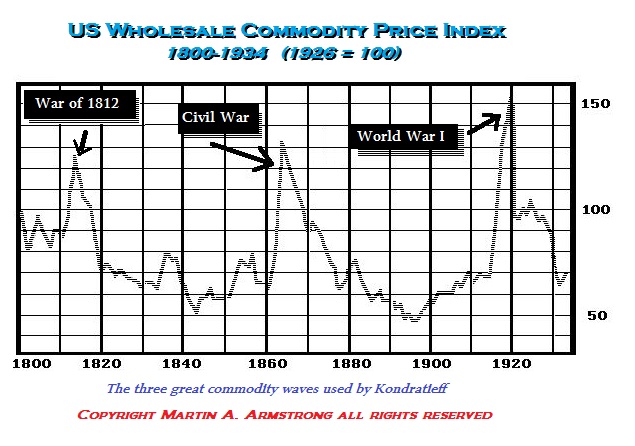
The Kondratieff and Benner cycles were constructed during the 19th century. You cannot create a model on Wheat and then try to use it to trade Copper. Sometimes it will line up, and other times it will not.
Both Kondratieff and Brenner waves were not just based on commodities/sunspots, but they were in turn influenced by war and climate, unbeknownst to either. Kondratieff and Brenner followed agriculture/commodity prices when agriculture accounted for 70% of the GDP pre-20th century. That only began to decline from 1850 forward, dropping to 40% by 1900 as the Industrial Revolution emerged with the invention of the steam engine. Then there was climate change. The Little Ice Age bottomed in the 1600s.
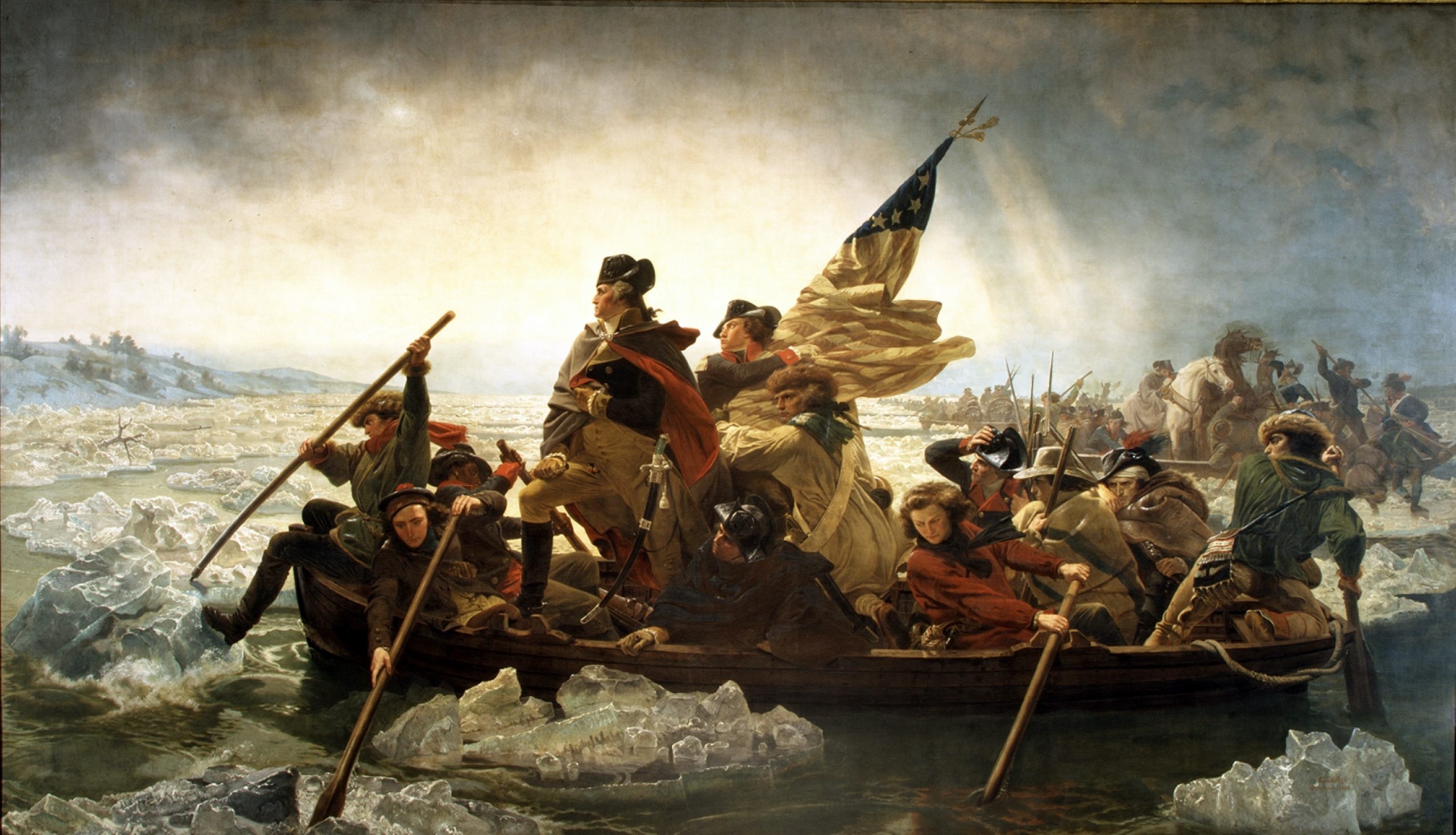
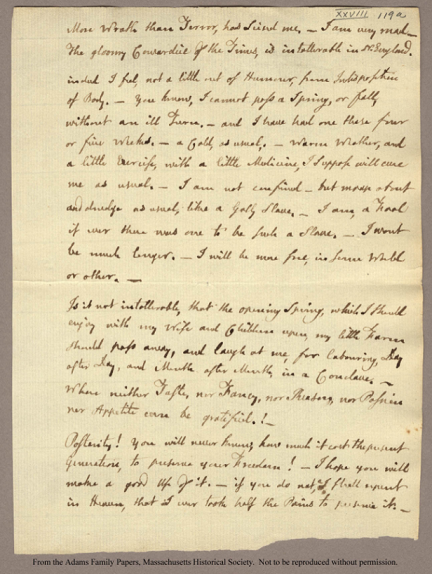
Then there was the volatility in weather that also impacted the commodity prices. This too has contributed to the inaccuracy of both waves. During the late 18th to early 19th century, it was still very cold and the ground would freeze down a couple of feet preventing winter crops. The ground froze to a depth of 2 feet according to John Adams. When John Adams set out to travel to Philadelphia, it was bitterly cold and there was a foot or more of snow that covered the landscape that had blanketed Massachusetts from one end of the province to the other. Beneath the snow, after weeks of severe cold, the ground was frozen solid to a depth of two feet. I grew up near the Delaware River. NEVER in my lifetime did I ever see the river frozen as you see in paintings of Washington crossing the Delaware River. In a letter to his wife, John Adams wrote:
“Indeed I feel not a little out of Humour, from Indisposition of Body. You know, I cannot pass a Spring, or fall, without an ill Turn — and I have had one these four or five Weeks — a Cold, as usual. Warm Weather, and a little Exercise, with a little Medicine, I suppose will cure me as usual. … Posterity! You will never know, how much it cost the present Generation, to preserve your Freedom! I hope you will make a good Use of it. If you do not, I shall repent in Heaven, that I ever took half the Pains to preserve it.”
On September 8, 1816, Jefferson described the weather in a letter to Albert Gallatin:
“We have had the most extraordinary year of drought and cold ever known in the history of America. In June, instead of 3¾ inches, our average of rain for that month, we had only 1/3 of an inch; in August, instead of 9 1/6 inches our average, we had only 8/10 of an inch; and it still continues. The summer too has been as cold as a moderate winter. In every state North of this there has been frost in every month of the year; in thisstate we had none in June and July but those of August killed much corn over the mountains. The crop of corn through the Atlantic states will probably be less than 1/3 of an ordinary one, that of tobacco still less, and of mean quality.”
Obviously, the Kondratieff and Brenner Waves did not understand the external forces. The climate was impacting the food supply, there were also wars. This is why their waves have not been consistent. If we extend the K-Wave 54 years from the commodity high in 1919, that brings us to 1973 which missed the end of Bretton Woods in 1971 by 2 years, but it was near the OPEC Oil crisis, which was imposed in retaliation for helping Israel in war. The Dow Jones Industrials peaked in January 1973 and crashed into December 1974. The Brenner wave did not bottom until 1978.
Another 54 years from there will bring us to 2027 while the Brenner Wave targeted 2019 and projects the low in 2023. Wheat peaked in March 0f 2022. So you can see if any of these targets were to actually work on time, it tends to be more of a coincidence rather than an accurate forecast. So I can see what you say that they have perhaps led some to think cyclical research is snake oil. It is so important to understand that you cannot create a model on potatoes and then use it to trade the Dow. We must understand the nature of markets to comprehend what we are really looking at in the first place.
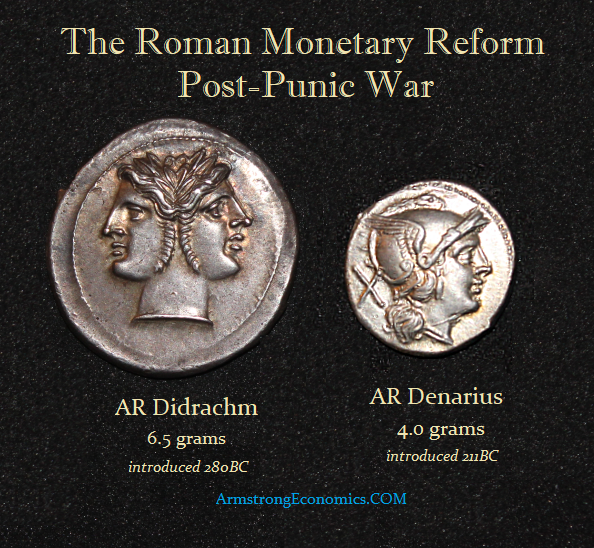
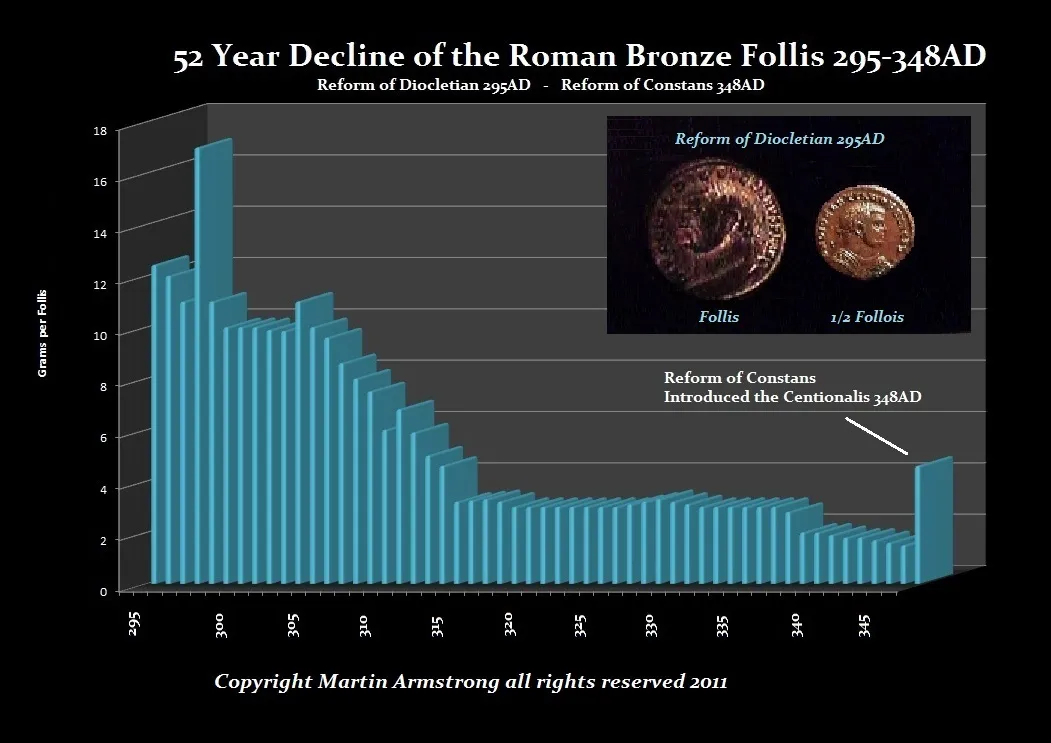
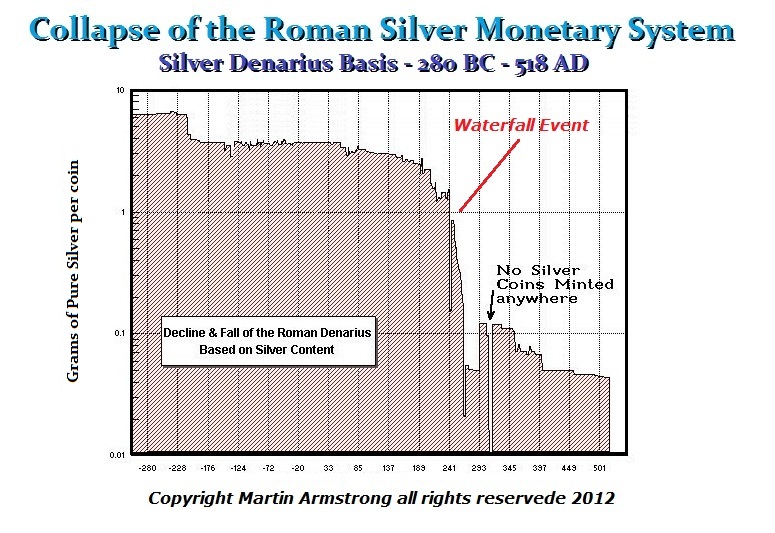
There is a cycle of industrialization as well. Rome began as an agrarian society and moved toward trade, which brought them into conflict with Carthage. We see this cycle even in their coinage. The first silver coins of Rome were struck using the monetary system that was Greek in origin from the days of Athens and Alexander the Great. Only after the Second Punic War did Rome create its own monetary unit which was a debasement (reduction in weight) from 6.5 grams to 4 grams. That reflected both the inflation due to war, but also the rise of Rome whereby they no longer cared about complying with the Greek standard but set out to establish the Roman standard. To this day, many denominations still retain derivatives of the word “denarius” such as in the Iraqi Dinar or the French denier. The Germans called it the pfennig and the English adopted that as the penny.
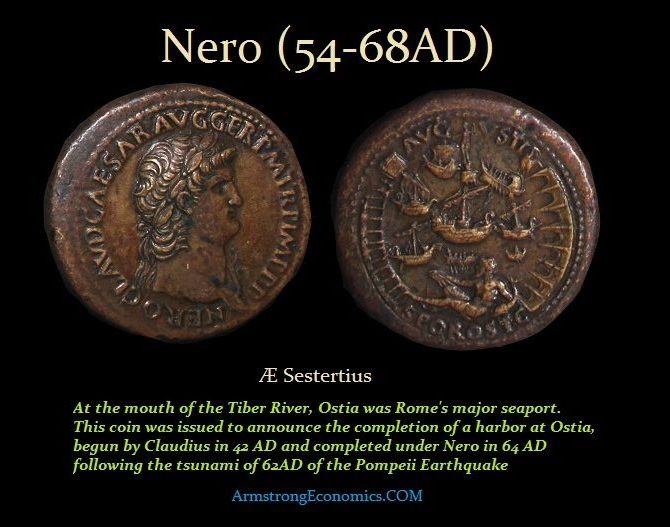
Rome itself became more like New York and grain was imported from Egypt. As agriculture became more of an import, Rome blossomed like New York in the arts and culture. It built the massive port of Ostia which was celebrated on the coinage of Nero (54-68AD) securing the food supply.
The shift toward industrialization in the Roman Empire also resulted in a decline in birth rates for children as we see in modern times. Large families were needed in an agrarian society, but not so much in a developed society – hence the family laws of Augustus. We see the same patterns repeat throughout history.
The first known Clean Air Act occurred in 535 AD by Emperor Justinian in Constantinople. He proclaimed the importance of clean air as a birthright. “By the law of nature these things are common to mankind—the air, running water, the sea.” Even Cicero wrote about pollution in the ancient city of Rome. This went hand and hand with developed societies and urbanization.
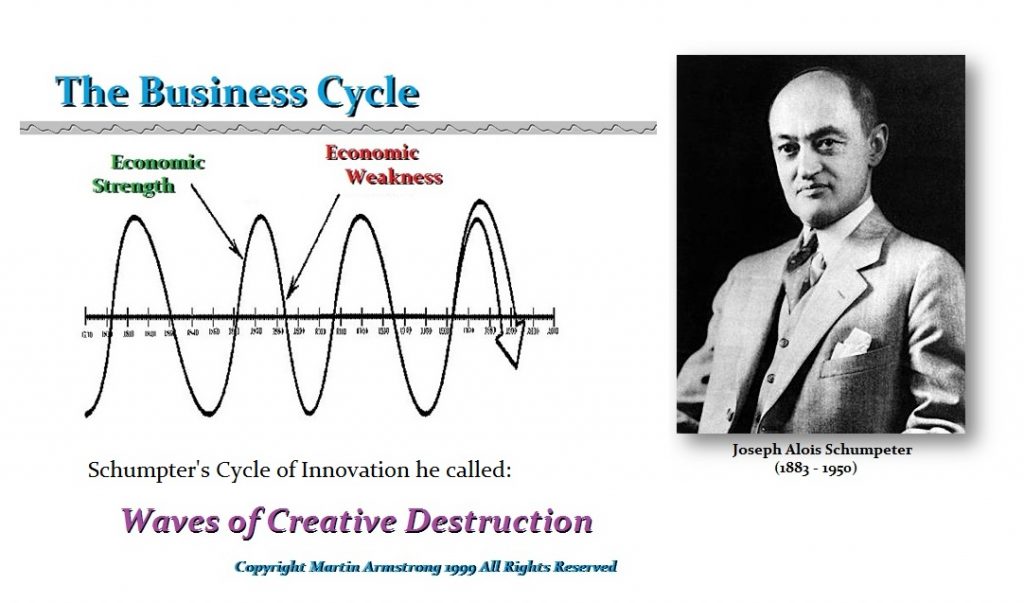
Joseph Mois Schumpeter (1883-1950) was an Austrian economist, educated in Vienna. He taught at Czernowitz, Graz and Bonn. In 1932, he moved to Harvard where he taught until his death. Among Schumpeter’s writings is Theory of Economic Development (1912), Business Cycles (1939), Capitalism, Socialism and Democracy (1942), and History of Economic Analysis (1954).
Schumpeter developed a theory of trade cycles and growth; he argued that abnormal profit was the entrepreneur’s reward for innovation. He predicted, however, that the scope for innovation would be declining in the course of capitalist development as competitive market structures were replaced by monopolies. He believed that capitalism would gradually evolve into socialism. Like Malthus, he could not look into the future and see all the technological advancements that would constantly create waves of new innovation.
In 1939, it was actually Schumpeter who suggested naming the cycles “Kondratieff waves” in his honor. To explain the Kondratieff Wave, Schumpeter called them waves of innovation that result in waves of creative destruction. Each wave of some new innovation destroys the last. Cars wiped out horses & buggies. The internet is wiping out local stores, and the post office, as technology has introduced streaming that has wiped out VCRs and DVDs, and even movie theaters. The cryptocurrency advocates promote the end of central banks and paper currency.
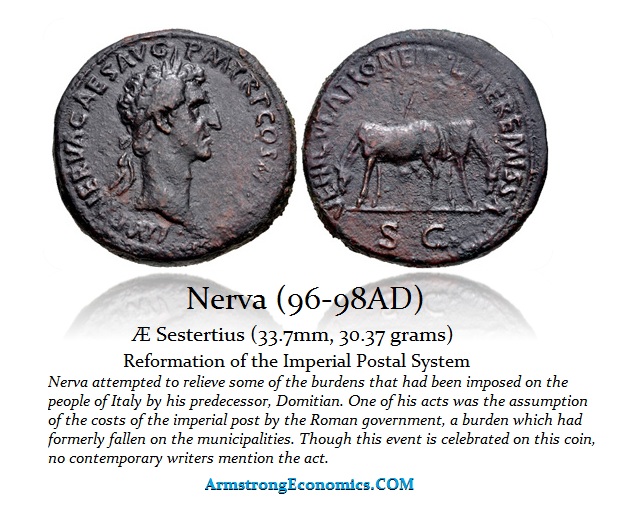
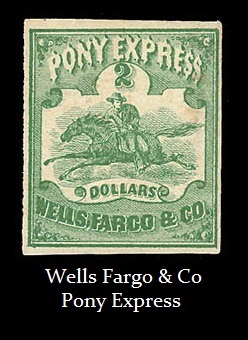
There has always been a cycle of innovation. That was one of Joseph Schumpeter’s main theories to explain the business cycle. For example, first, there was the Canal Bubble that peaked during the Panic of 1825. There was the invention of the telegraph followed by the telephone. The ancient Romans had invented the first version of the Pony Express and could get a letter from Britain to Rome in about 7 days. That too was celebrated on the coinage of Emperor Nerva(96-98AD).
This age of communication with the Pony Express and stagecoach travel was followed by the invention of the steam engine. That gave birth to the railroad boom which lasted from the 1860s and peaked in 1907. It was on May 10th, 1869, when the Union Pacific and Central Pacific railroad lines joined 1776 miles of rail at Promontory Summit, Utah Territory connecting the East and West by rail. The Railroad Barrons became famous millionaires and that innovation boom peaked initially with the Panic of 1893, but the final rally in the railroads peaked in 1907. Thereafter, the combustion engine took over for the next wave of innovation giving birth to the automobile took over and peaked in 1929, tractors, and air travel.
On January 1, 1914, the world’s inaugural scheduled flight with a paying passenger hopped across the bay separating Tampa and St. Petersburg, Florida. Planes were used during World War I, but after the war, there were thousands of unemployed pilots and a surplus of aircraft along with an appreciation for the future significance of this new technology.
It was after World War I that civilian airliners began to emerge. The Fokker Trimotor built in Europe by the Dutch with an 8-12 passenger capacity was the most popular airliner in the 1920s. It had a range of about 600 miles. World War II was coming into play when the USA built Douglas DC-3 with a capacity of 28 passengers. It had a range of nearly 1500 miles. The DC-3 made its maiden commercial flight in 1936 between New York and Chicago and thus the airline stocks were the big innovation for the rally into 1937.
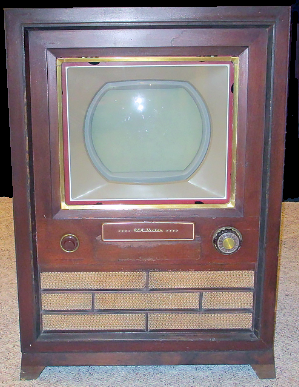
It was 1938 when televisions first began to be commercially available. It would be after World War II when this became the next real innovation boom. It was 1954 when color RCA TV C-100 systems were sold across America. By 1960, there were four debates between John F. Kennedy and Richard Nixon that were broadcast and changed the manner in which presidents would campaign. By 1969, Neil Armstrong walked on the moon for the first time as millions of American viewers watched live on network TV.
Of course, we have the internet boom in 2000, etc., and there is a clear cycle of innovation that Kondratieff and Brenner could not see before even the invention of the combustion engine that led to tractors changing agriculture forever. There is a difference between when something is invented and when it becomes commercially viable.
For example, the FAX machine was actually invented by the Scottish inventor Alexander Bain (1811–1877) who was famous for being the first to patent the electric clock and was also involved in installing the telegraph lines between Edinburgh and Glasgow in Scotland. He could see in his mind’s eye that the Morse Code of dots and dashes invented several years earlier by Samuel Morse, could take an image and transmit it by reducing it to a binary image. He envisioned the first fax machine. In 1846, he was able to reproduce graphic signs in laboratory experiments. He applied and received a British patent #9745 on May 27, 1843, for his “Electric Printing Telegraph”, but it took more than 100 years to actually become usable. We have embarked on the next wave of innovation that includes quantum computers and Artificial Intelligence.
Consequently, when you are looking at long-term cycles, a few hundred years is not enough data. If Kondratieff were alive today and based his study on just the current system, he would be focusing on services rather than commodity-based economies. Agriculture has fallen to just 1.41% of the civil workforce.
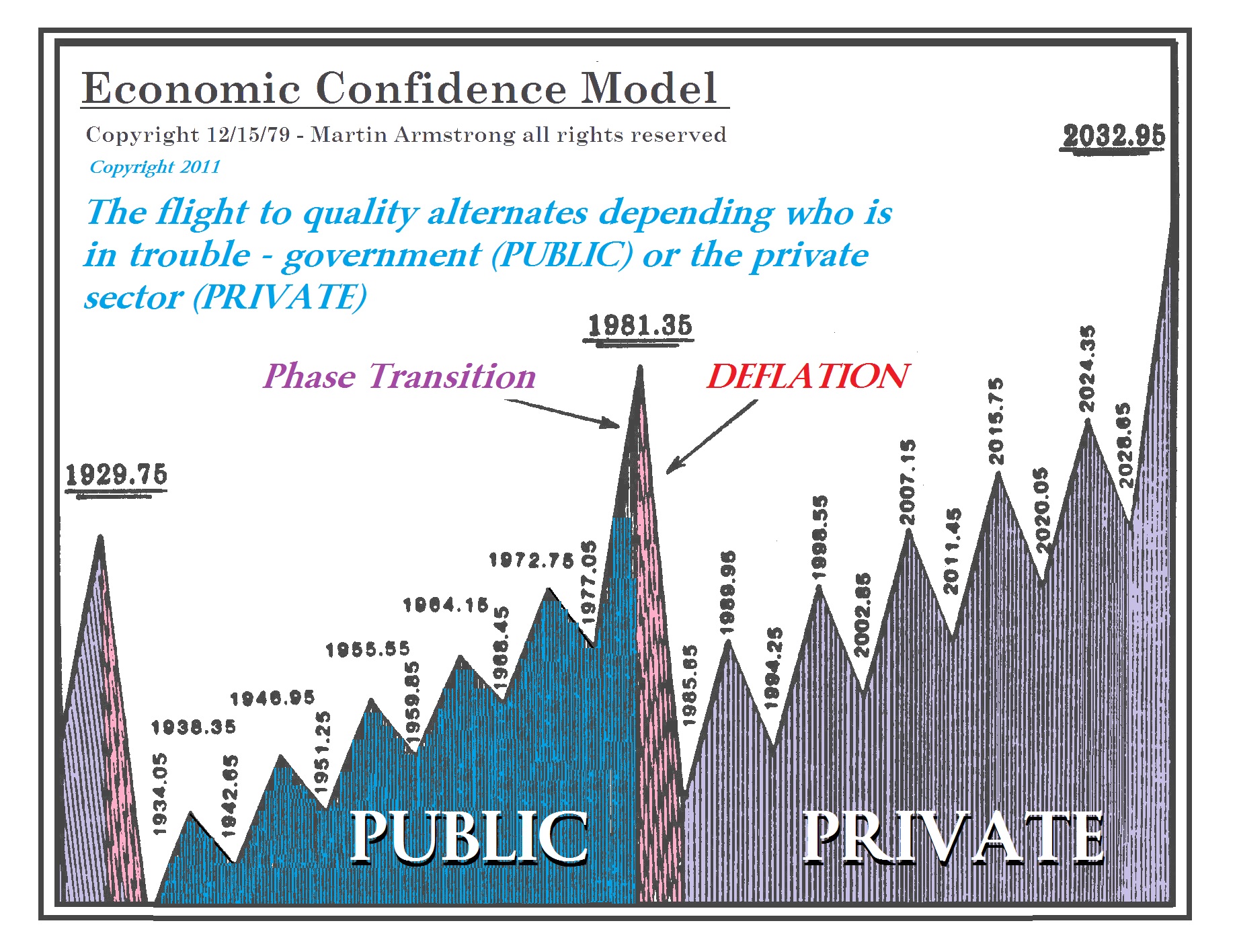
It is simply vital to grasp the very nature of the data that you are intending to use to create models, which is itself in its own cycle of innovation. This is why the Economic Confidence Model is totally different. It is NOT panic on any single sector. It is based on the boom and bust movement irrespective of the sector and it embraces the entire world, not a single economy. Back-testing revealed that not only did the Roman Monetary System collapse in just 8.6 years, but this cyclical frequency appears throughout the ancient monetary systems globally.
There is a lot more hidden behind the cloak of what people think is just chaos.
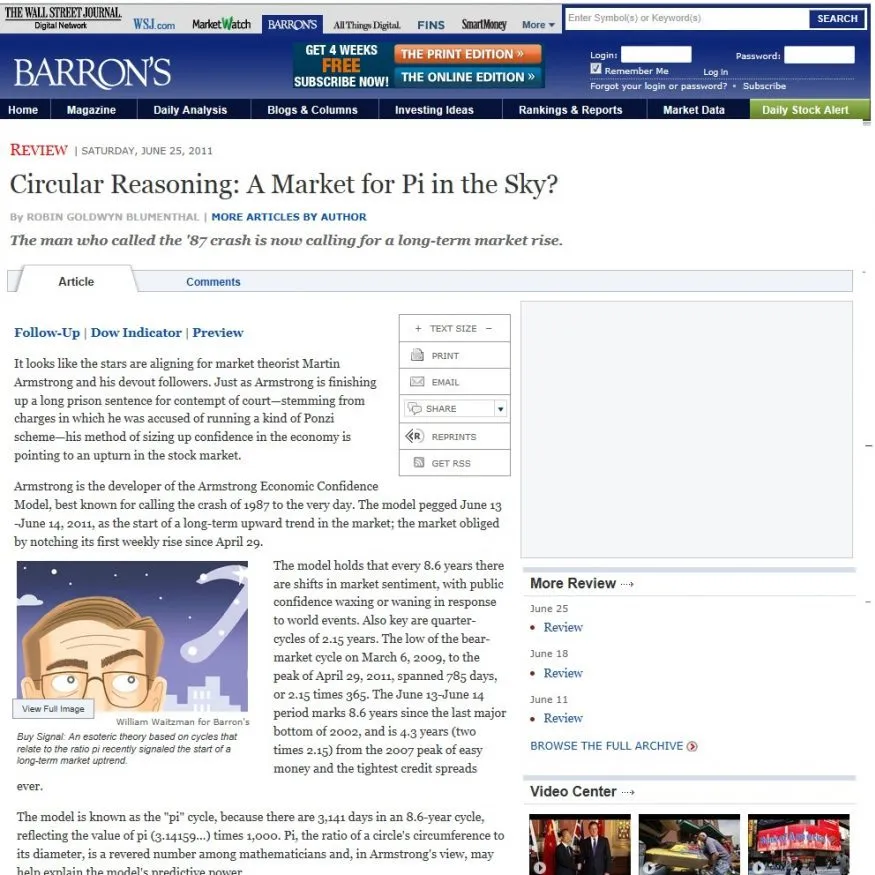
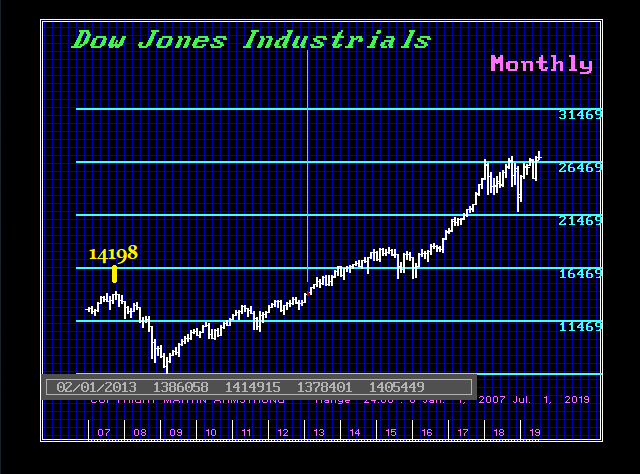
In 2010, Barron’s wrote a piece on me effectively laughing at my forecast that the share market would rally to new highs. What seems to inevitably unfold is this notion that whatever the event might be in motion, the mere thought of a reversal in trend appears impossible. When the press disagrees with Socrates, I know it will be the press who is wrong. And because they end up being wrong, of course, they cannot print a retraction so they will just pretend you do not exist rather than admit – Sorry, we were wrong. The Dow made that new high above 2007 by February 2013. That was 64 months from the October 2007 high.
I have been in the game for many years. With each event, it appears to be like Groundhog Day. They pop their heads out and declare they do not see their shadow, so the entire world will disintegrate and that is always based upon opinion. It is never backed by real analysis. Just the standard human trait of assuming whatever trend is in motion, will remain in motion.
Being an institutional adviser, I have never had that luxury. We have had to deal with some of the biggest portfolios in the world. They want accurate forecasting, and it has to be long-term – not day trading. They are not interested in the typical headlines of doom and gloom that the press love to print with every financial event simply to get readership. That is all they care about. It has been the financial version of the fake news.
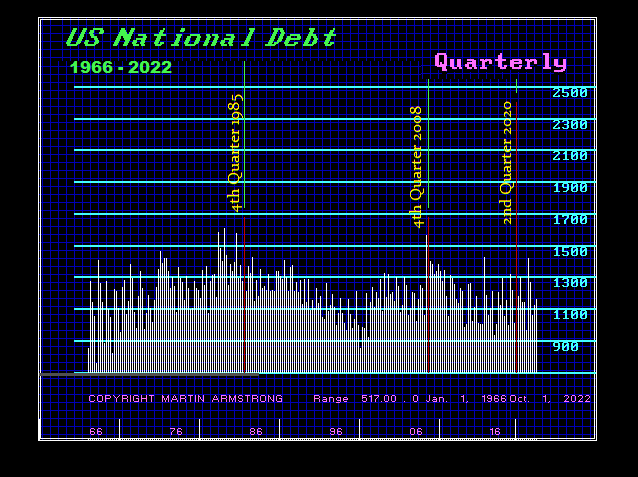
When we step back and look at this favorite fundamental that people beat to death to predict the end of the world, the national debt, and the collapse of the dollar. Little did they know that the increase in National Debt during the 2007-2009 Financial Crisis was supposed to bring down the sky and end the existence of the dollar. We can see the sharp rise in debt simply made a double top with the Financial Crisis of 1985.
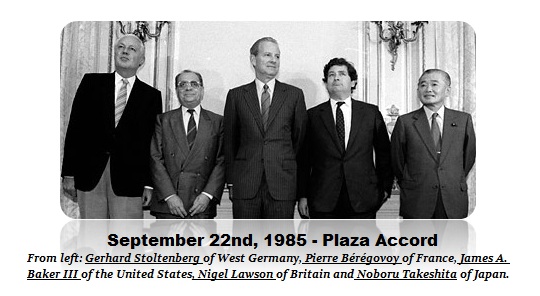
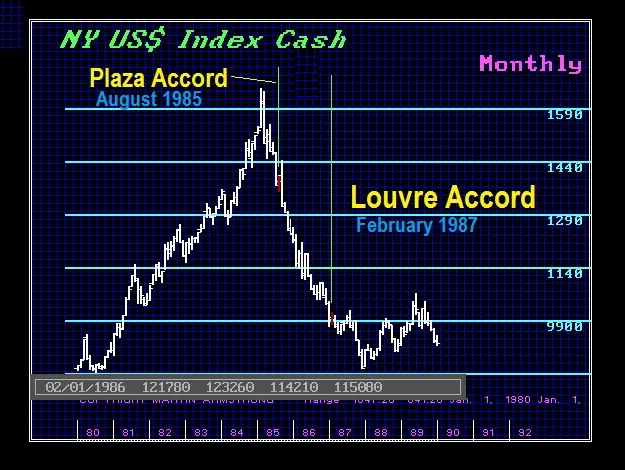
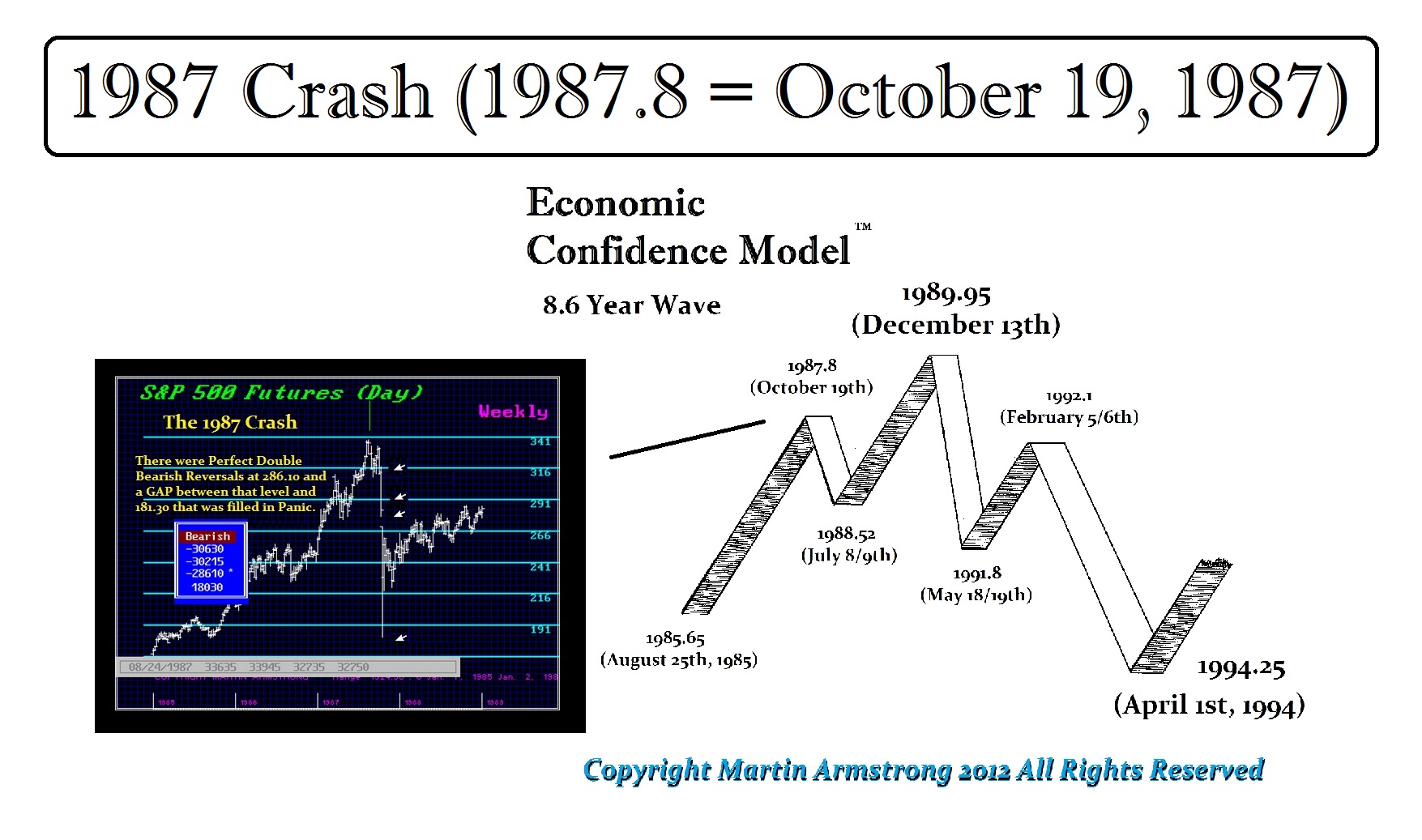
It was that previous 1985 Financial Crisis that set in motion the Plaza Accord which brought together the central banks creating what was then the G5 – now G20. Of course, like every government intervention, the side effect was the 1987 Crash and their attempt to reverse their directive at the Plaza Accord became the Louve Accord. When the traders saw that failed, the collapse in confidence led to the 1987 Crash.
It has always been a CONFIDENCE game as I pointed out with the 1933 Banking Holiday previously. In this case, the failure of the Louvre Accord which came out and said the dollar had fallen enough, once new lows in the dollar unfolded and the central banks could not stop the decline, led to financial panic by 1987 which manifested in the 1987 Crash.
This chart shows the quarterly change in the National Debt since 1966, Here you can see the 1985 and 2008 Financial Crises were on par. Neither one ended the dollar no less the world economy. So when I warned the share market would rally and make new highs and Barron’s laughed in 2010, I said the same thing after the 1987 Crash and people laughed.
In fact, on the very day of the low, I said this was it and that we would rally back to new highs by 1989. That was perfect and the market responded to the Economic Confidence Model (ECM) which has been published back in 1979. This was more than simply forecasting the 1987 Crash and the very day of the low. It clearly established that the ECM had revealed that there was a secret cycle behind the appearance of chaos even in economics.
Larry Edelson was actually a competitor at the time. But Larry respected that the forecast from the model was far beyond what people would ever expect. If we are ever going to advance as a society, we have to stop the bullshit and understand HOW markets trade and WHY. Larry did that. He understood that the model was something larger than just personal opinion.
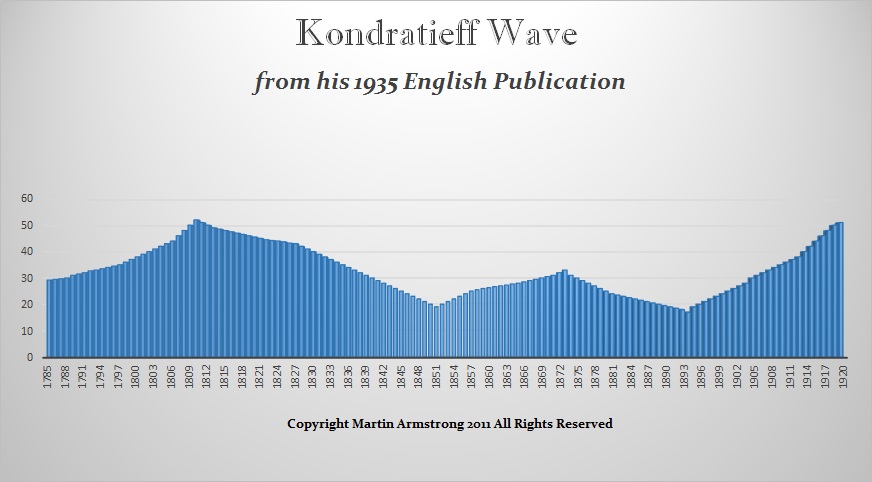
Even those claiming to be using the K-Wave cannot make real forecasts. The basis of Kondratieff’s argument came from his empirical study of the economic performance of the USA, England, France, and Germany between 1790 and 1920. Kondratieff took the wholesale price levels, interest rates, and production and consumption of coal, pig iron, and lead for each economy. He then sought to smooth the data using an averaging mathematical approach of nine years to eliminate the trend as well as shorter waves. Kondratieff thus arrived at his long-wave theory suggesting that the economic process was a process of continuous waves of boom and bust.
Kondratieff’s work was compelling and contributed greatly to the Austrian School of Economics that first began to develop the concept of a Business Cycle. The general central principle of the Austrian Business Cycle Theory is concerned with a period of sustained low-interest rates and excessive credit creation resulting in a volatile and unstable imbalance between saving and investment. Within this context, the theory supposes that the Business Cycle unfolds whereby low rates of interest tend to stimulate borrowing from the banking sector and thus then result in the expansion of the money supply that causes an unsustainable credit source boom which leads to a diminished opportunity for investment by competition.
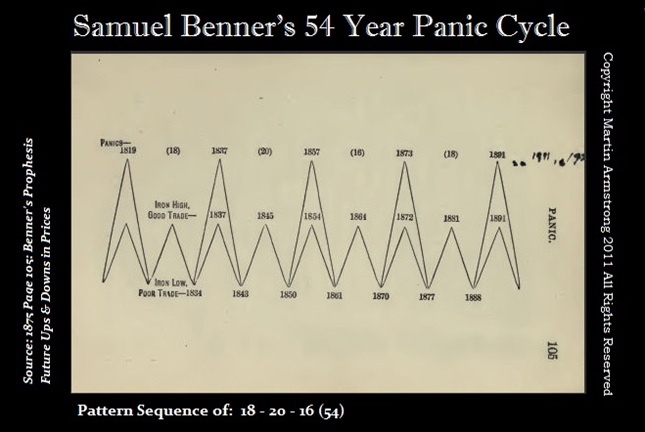
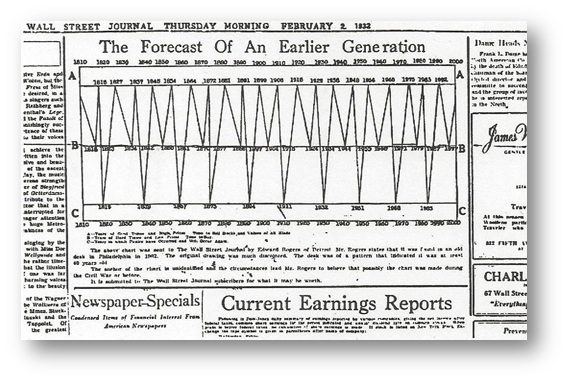
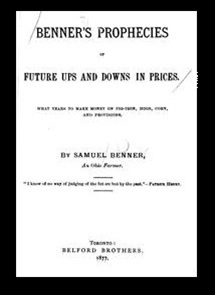
Here is a chart of the business cycle that was created by a farmer named Samuel Benner. Benner based his work on Sunspots, which actually incorporated solar maximum and minimum that today’s Climate Change zealots refuse to consider. Nevertheless, someone manipulated Brenner’s work and created a chart to try to influence society handing it in with a wild story to the Wall Street Journal published this cycle on February 2nd, 1932, when the market bottomed in July 1932. Still, nobody knew who had investigated this phenomenon in 1932.
When I was doing my own research reading all the newspapers to understand how events unfolded, I came across this chart. I found it interesting that during the Great Depression people were reaching out and some began to embrace cyclical ideas. The problem with both Kondratiff and Brenner was that the period they used to develop their cycles was the 19th century because the real Industrial Revolution was unfolding and in the 1850s, 70% of the civil workforce were all in agriculture. Consequently, if you constructed a model based entirely upon one sector, it would work only as long as that sector was the top dog.
Being a historian buff, it quickly hit me that NOTHING remains constant and that the economy will ALWAYS evolve, mature, and then crash and burn. Where agriculture was 70% of the workforce in 18590, it fell to 40% by 1900, and then down to 3% by 1980.
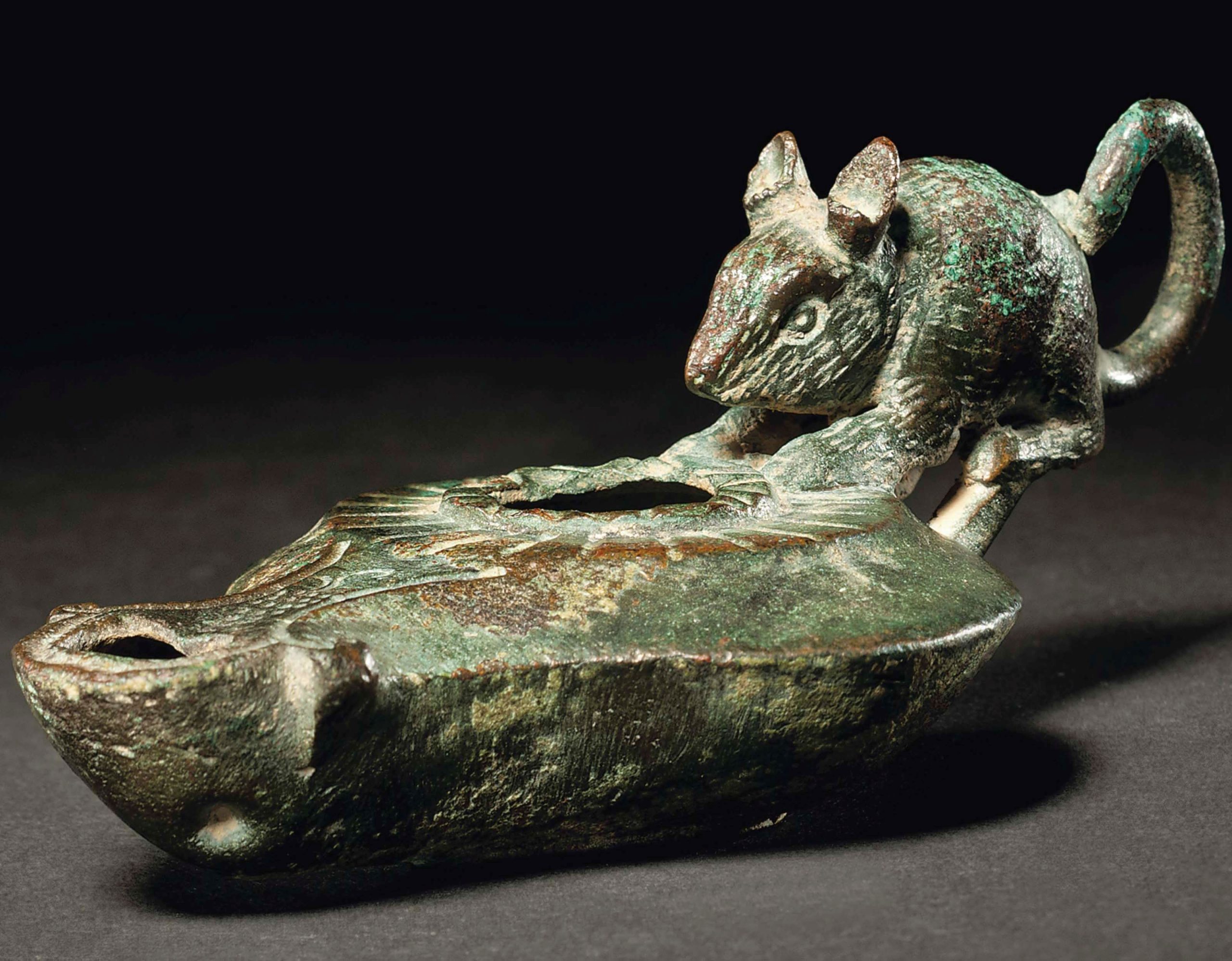
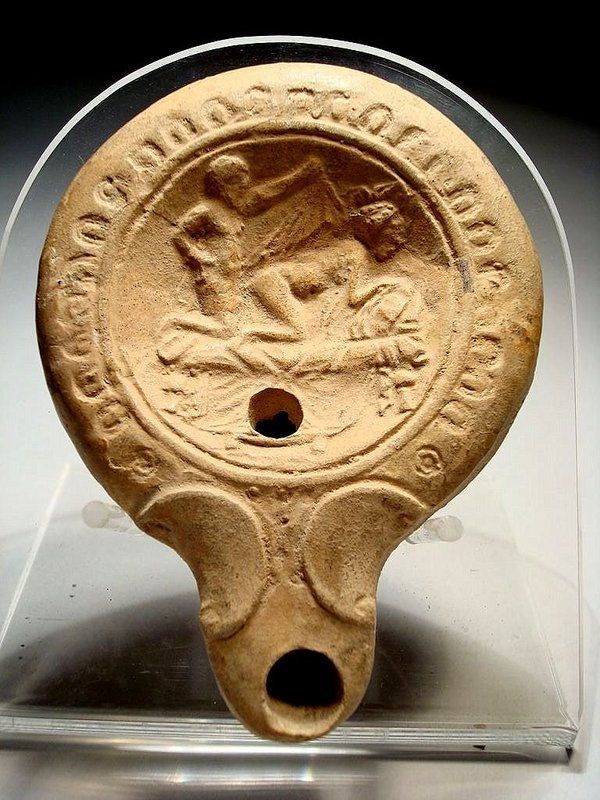
Just look at energy. The earliest lamps, dating to the Upper Paleolithic, were stones with depressions in which animal fats were burned as a source of light. In cultures closer to the sea, they began to use shells as lamps which they would burn at first animal fat. Clay lamps began to appear during the Bronze Age around the 16th century BC and the invention quickly spread throughout the Roman Empire. Initially, they took the form of a saucer with a floating wick.
We even find Roman oil lamps as luxury items crafted out of bronze. There are collectors of terracotta oil lamps for there is a vast variety of motifs. There is everything from dolphins, and various entities, to erotic oil lamps, which may have been used in brothels. The point is, if you constructed a model on oil, you would have surely accomplished similar results to Kondratief and Brenner.
Then of course, just as the energy moved from animal fats to vegetable oils, by the 19th century it returned to whale oil which was extracted from the blubber. Emerging industrial societies used whale oil in oil lamps and to make soap. However, during the 20th century, whale oil was even made into margarine.
Then the discovery of petroleum and the use of whale oils declined considerably from their peak in the 19th century into the 20th century. Ironically, it was fossil fuels that probably saved whales from extinction. Hence, now we are entering a period where they deliberately want to end fossil fuels and move to solar and wind power. Obviously, just a cursory review of energy reveals the problem of basing a model on the current energy source or major economic industry. Things change with time.
Honest journalism has become a crime. I have appeared numerous times on Maria Zaric’s program, Zeee Media. Maria is a professional journalist who asks thought-provoking questions to the experts that appear on her show. Her content goes against the grain and traditional narrative. The Australian-based journalist has been questioning COVID, the Great Reset, governments, globalists, the war in Ukraine, and many other topics that are completely taboo in the mainstream media. They attempted to shut down her channel in the past. Now, she has been de-banked with no explanation.
“Do you shut down peoples accounts due to their political views by any chance?” Maria asked the bank representative, only to be met with silence. Maria had been banking with ING Bank for numerous years without issues. Her account was suddenly shut down shortly after releasing a story on domestic terrorism in Australia. ING Bank has been unable to explain why her account was canceled.
Interestingly, ING is a partner of the World Economic Forum. Maria has extensively covered the WEF’s agenda to “enslave humanity.” Is Australia secretly keeping track of journalists’ “social credit scores” to silence skepticism?
The idea of eliminating someone’s ability to bank is essentially eliminating them from society. We saw Canadado the same thing to those protesting the Trucker Convoy. Trudeau took things a step further by also de-banking people who simply donated to the cause. The Canadian government used the premise of money laundering as a way to coerce the banks into reporting any activity that could have been intended to help the protestors. I know of numerous people who were frantically attempting to remove their funds from the bank during this time.
As if the public needed more reasons to lose trust in the banking system. This is not limited to one bank or country. I discussed how banks have the ability to “cancel” someone after JPMorgan Chase de-banked the rapper Kanye West for antisemitic remarks. The bank acts as the jury and judge. Epstein was permitted to hold funds at JPMorgan Chase despite an ongoing pedophile ring trial. Bernie Madoff banked with JPMorgan Chase. The bank has secret ties to the Third Reich and helped the group funnel money through South America during World War II. Again, the bank acts as the jury and judge; anyone can be de-banked anytime for any reason.
Most countries may not openly have social credit scores, but they’re keeping tabs on us. They are keenly aware that resistance to this New World Order is building. So they are now using professional journalists as examples hoping that people will stop asking questions to learn the truth. That is one of the reasons why this blog is free of charge – you deserve to know the truth.
QUESTION: Marty there are a lot of people who seem to be trying to create a panic. Some are claiming the stock market will plunge by 50%. Others are saying nothing will survive other than gold. It seems like none of these people have any sense of what is really unfolding. They were saying the same thing for different reasons before the banking crisis. Can you offer any historical perspective?
Thank you. You seem to be the only real source these days.
Pete
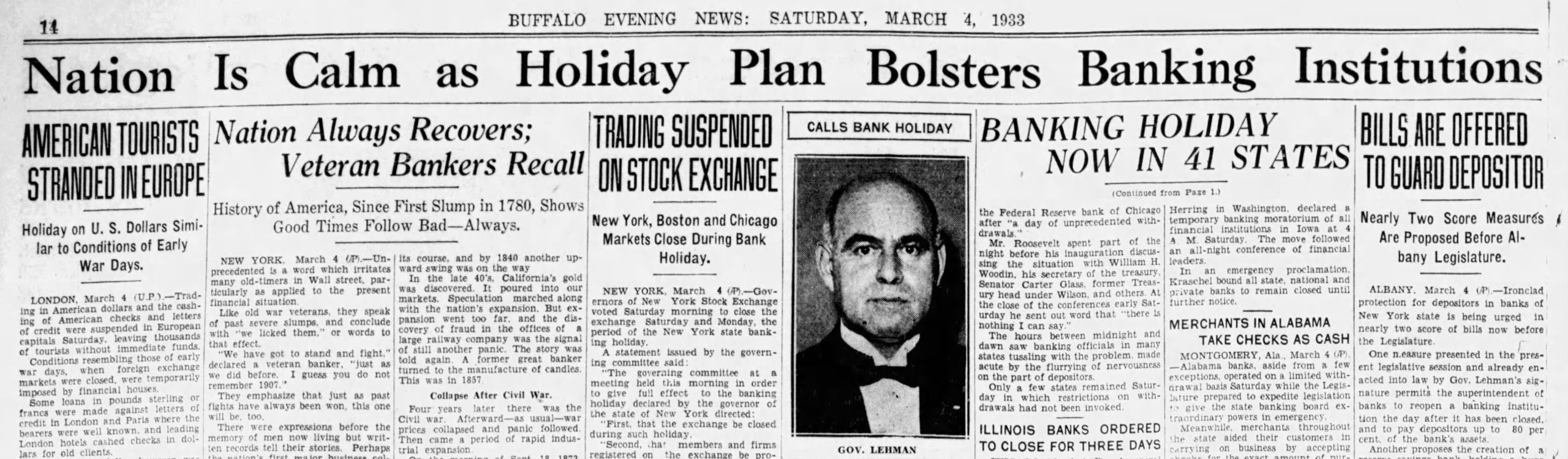
ANSWER: The Bank Holiday took place the first week of March 1933. It began with governors closing down the banks in their states. Once one began, like COVID rules, they quickly jumped on the bandwagon. As reported by March 4th, 1933, some 41 states had already declared a banking holiday. Back then, the president took office in March – not January. Thus, Roosevelt was sworn in on March 4th, 1933. As the new president, FDR delivered what is arguably his best-known speech.
“So, first of all, let me assert my firm belief that the only thing we have to fear is…fear itself — nameless, unreasoning, unjustified terror which paralyzes needed efforts to convert retreat into advance. In every dark hour of our national life a leadership of frankness and of vigor has met with that understanding and support of the people themselves which is essential to victory. And I am convinced that you will again give that support to leadership in these critical days.”
The following day, Roosevelt declared a national banking holiday on March 5th, 1933. Then Congress responded by passing the Emergency Banking Actof 1933 on March 9th, 1933. This action was combined with the Federal Reserve’s commitment to supply unlimited amounts of currency to reopened banks. Back then, they effectively created a de facto 100% deposit insurance and this was before the FDIC was created.
However, what the history books have omitted because it revealed the real reason for the major banking crisis, was the confiscation of gold precisely as Germany did in December 1922 seizing 10% of all assets which unleashed hyperinflation in 1923.
In Herbert Hoover’s memoirs (1951), he documents the fact that Franklin D. Roosevelt (FDR) played a very dirty game of politics. There were rumors that FDR would confiscate gold in 1932 BEFORE the election. These rumors spread and people ran to banks to withdraw their funds. The night before the election in 1932, FDR denied that he would do such a thing. After FDR won the election, the real bank panic began. FDR would not take office until March 1933.
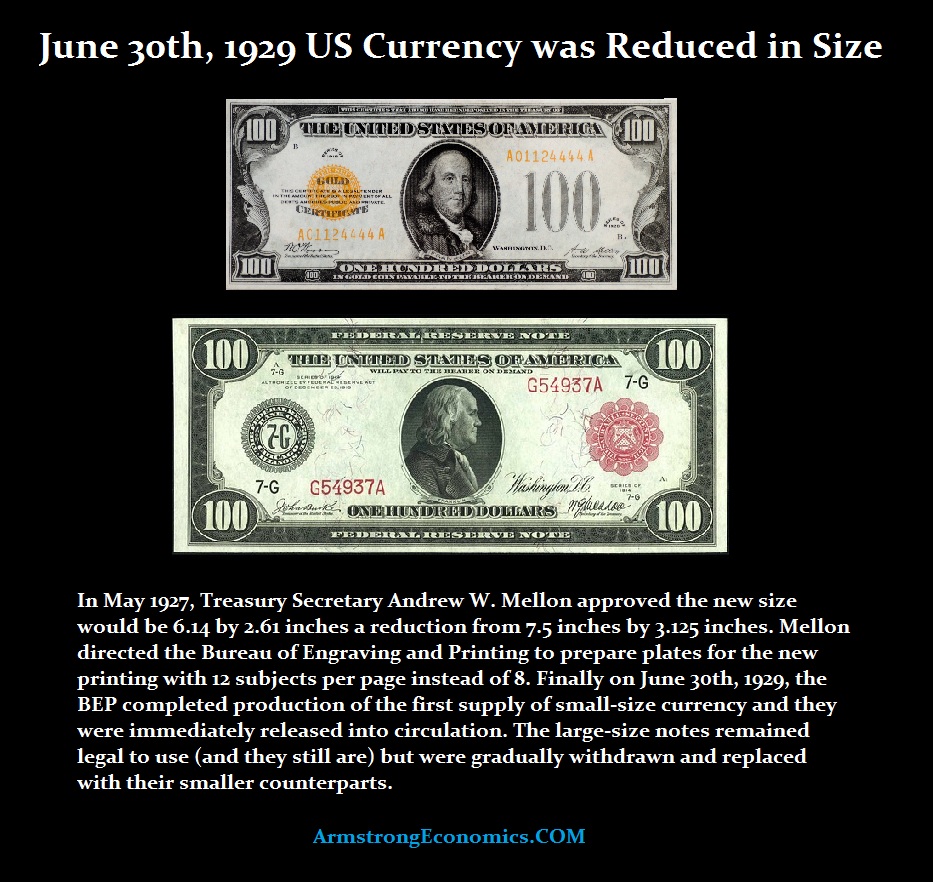
The run on banks began as the Great Depression started. In 1929 alone, 659 banks closed their doors due to mismanagement and speculation. Ironically, to save money on paper, it was also in 1929 when the currency was reduced in size to save money. This time, they want to move to digital and save 100% on printing money. Here in 2023, the failures are due to the WOKE agenda which has deprived the banks of risk management rather than speculation.
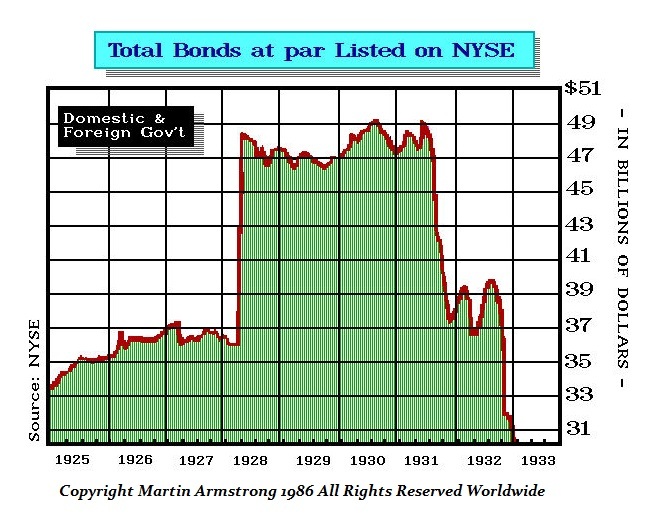
However, as the 1931 Sovereign Debt Crisis hit, the number of bank failures skyrocketed. Goldman Sacks and others were selling foreign bonds to Americans in small denominations., As Europe began to default, US banks holding foreign debt and individuals in need of cash led to a banking panic for external reasons. Here is a chart showing the listing of bonds on the NYSE. We can easily see the collapse in the bond market thanks to the 1931 Sovereign Debt Crisis.
By 1932, an additional 5,102 banks went out of business. Families lost their life savings overnight. Thirty-eight states had adopted restrictions on withdrawals in an effort to forestall the panic. By March 4th, 41 states had declared a bank holiday shutting down banks. Bank failures increased in 1933, and Franklin Roosevelt deemed remedying these failing financial institutions his first priority after being inaugurated.
However, it was actually the election of FDR that started the banking crisis post-1931. Hoover pleaded with FDR to please come out and address the gold confiscation rumors. People had been hoarding their gold coins fearing the rumored confiscation. Despite Hoover’s plea for FDR to come out and deny the rumors after the election, he remained silent. Given FDR’s manipulation of Japan and the attack on Pearl Harbor which he appeared to instigate with sanctions confiscating Japanese assets in the USA, denying the sale of any energy to Japan, and then threatening to use the fleet to block them from buying fuel from anywhere else, They Japanese attacked Pearl Harbor. There were Senate investigations afterward about FDR’s role because the US had already broken the Japanese code and knew in advance about the attack on Pearl Harbor. He did that to force the US into World War II.
It was in his character to remain silent and create the worst banking crisis in history before he was sworn in as president. FDR was a radical socialist and many viewed that he admired Lenin. If it were not for Mr. Jones exposing the truth behind Stalin, even the corrupt New York Times journalist promoting Stalinism was meeting with FDR. The run on the banks became massive when FDR won the election on November 8th, 1932. FDR allowed the banking system to implode with people rushing to withdraw the money in gold coins.
At 1:00 a.m. on Monday, March 6th, 1933, President Roosevelt issued Proclamation 2039 ordering the suspension of all banking transactions, effective immediately. Roosevelt had taken the oath of office only thirty-six hours earlier.
The terms of the presidential proclamation specified:
[N]o such banking institution or branch shall pay out, export, earmark, or permit the withdrawal or transfer in any manner or by any device whatsoever, of any gold or silver coin or bullion or currency or take any other action which might facilitate the hoarding thereof; nor shall any such banking institution or branch pay out deposits, make loans or discounts, deal in foreign exchange, transfer credits from the United States to any place abroad, or transact any other banking business whatsoever.
For an entire week, Americans would not have access to banks or banking services. They could not withdraw or transfer their money, nor could they make deposits. The entire economy ran simply on cash in your pocket.
While the first phase of the banking crisis unfolded after 1929 due to speculation losses (hence Glass–Steagall Act), then the second phase was the 1931 Sovereign Debt Crisis, it was the third phase with the election of FDR that led to thousands of banks failing as there was a mad rush to withdraw your gold coin. But a new round of problems that began in early 1933 placed a severe strain on New York banks, many of which held balances for banks in other parts of the country. About 4,000 banks failed during this period alone bringing the total to over 9,000.
Much to everyone’s relief, when the institutions that could reopen for business on March 13th, 1933 saw depositors standing in line to return their stashed cash to neighborhood banks. Within two weeks, Americans had redeposited more than half of the currency that they had withdrawn post-FDR’s election on November 8th, 1932. This would prove to be a sneaky trick of FDR to get people to redeposit all the gold coins they had withdrawn – as we are about to explore.
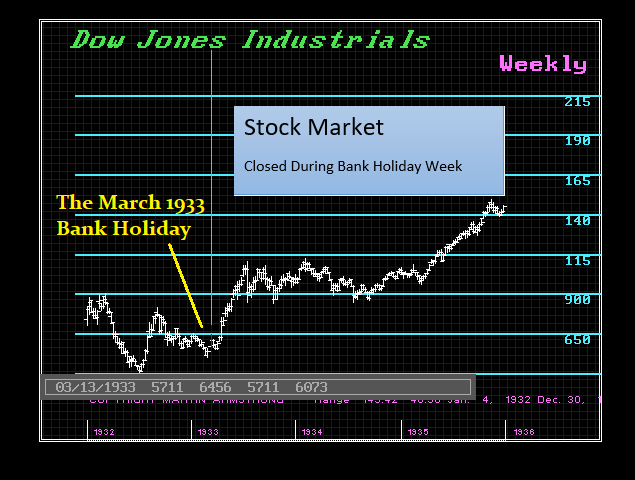
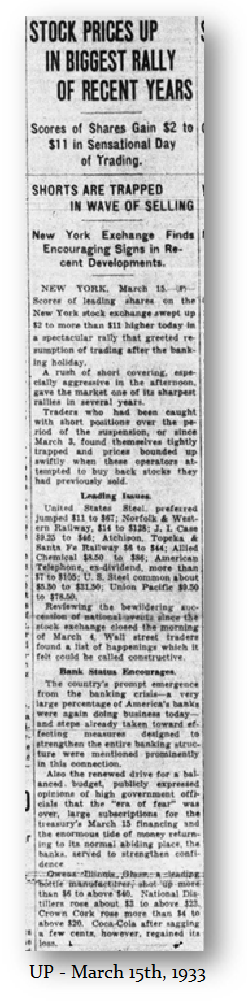
The stock market was also ordered closed when FDR came to power. With the cleverness of a real con artist operating a Ponzi Scheme to gain the confidence of the people, FDR needed the gold coin to be deposited for Phase 4 of the banking crisis. On March 15th, 1933, (The Ides of March), the stock market was allowed to reopen. On the first day of trading, the New York Stock Exchange recorded the largest one-day percentage price increase ever.
The week before the closure, the Dow Jones Industrials fell to 49.68. The week following the closure, the Dow rallied to 64.56 – a percentage gain of virtually 30% over the banking holiday. The shorts who were better on the collapse of the market once it reopened were devastated. It was a major short-covering rally.
With the benefit of hindsight, the nationwide Bank Holiday and the Emergency Banking Act of March 1933, ended the bank runs that had plagued the Great Depression, but it also set the stage for the confiscation of gold. What you have to understand is that Franklin Delano Roosevelt’s (FDR) actions in 1933 were not directed simply at gold. He was embarking on what he called the New Deal, which was a Marxist Agenda that was very popular at the time. His New Deal would end austerity, whereby they were maintaining a balanced budget in the belief that they needed to inspire confidence in the currency.
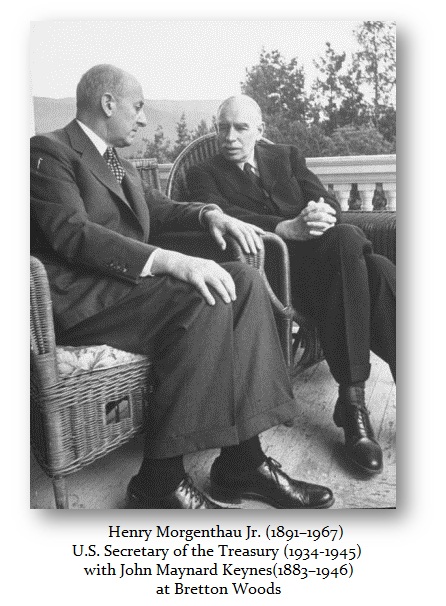
It was this balanced budget philosophy that also inspired John Maynard Keynes who argued that in times of economic distress when the demand has collapsed, that is when the state needs to run a deficit and increase the money supply. There was a simultaneous international flight of capital from Europe to the United States in the face of European sovereign debt defaults. That capital flight lasted for nearly two years until FDR won the election in 1932. There was much concern that Roosevelt would do what Germany did in 1922 in confiscating assets. That was the rumor about the possible confiscation of gold.
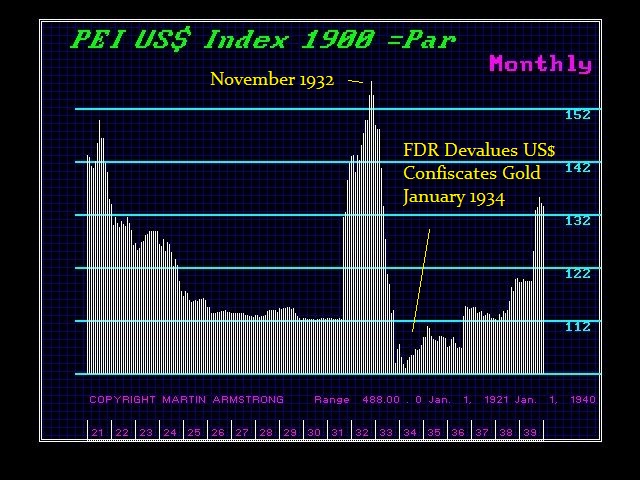
Milton Friedman criticized the Fed because the capital flows poured into the US but they refused to monetize it. We can see that as Europe defaulted on its debts in 1931, the capital rushed head-first into the dollar. Then we see that the dollar peaked in November 1932 with the election of FDR fearing that would weaken the dollar and exploit the economy. All this gold came to the USA pushing the dollar higher, but the Fed refused to monetize it, was Milton’s criticism. The backing of gold behind the dollar doubled in supply between 1929 and 1931.
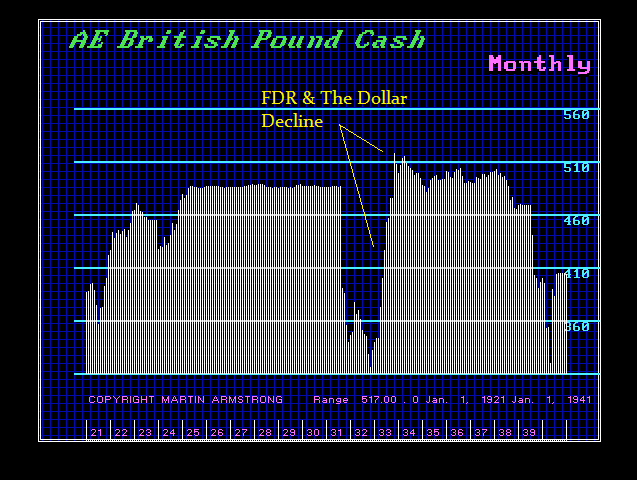
So, you must separate gold and the devaluation of the dollar to comprehend what the issue was all about. FDR could have simply abandoned the gold standard, as did Britain, and not confiscated gold. However, that would have also been sufficient to end austerity. But the bankers would have profited and sold the gold overseas at higher prices. Roosevelt in his confiscation of gold was intended to deprive the private sector of profiting from his devaluation of the dollar which was rising the price of gold from $20 to $35. You must keep in mind that he even degraded Pierre du Pont (1870-1954) and called him the “Merchant of Death” because he produced arms for World War I and made a profit off of that war demand. Many saw Roosevelt as a traitor to his own class.
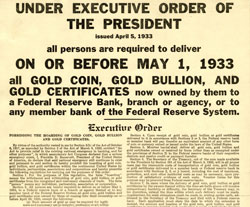
The confiscation of the gold was for two reasons. First, FDR was changing the monetary system from one where there was no distinction domestically from internationally to a two-tier system. Gold would freely circulate without restriction only internationally. Therefore, the confiscation of gold was altering the monetary system moving to a two-tier monetary system with gold only used in international transactions.
Consequently, FDR confiscated gold to move to a two-tier system and to deprive Americans of any profit from his devaluation. What FDR then did was confiscate gold from all institutions ordering them to turn over whatever they had. Ironically, this move was intended to target bankers rather than the public. FDR did not have people knocking on every door demanding all their gold. That is why there are plenty of US gold coins that have survived. If individuals possessed them rather than an institution, then they kept what they owned
Therefore, Roosevelt was able to seize whatever gold existed in banks. He declared all contracts void that had gold provisions for payment. It was in Perry v. United States – 294 U.S. 330 (1935) that the US Supreme Court ruled that Congress, by virtue of its power to deal with gold coin as a medium of exchange, was authorized to prohibit its export and limit its use in foreign exchange. Hence, the restraint thus imposed upon holders of gold coins was incidental to their ownership of it, and gave them no cause of action. id/P. 294 U. S. 356.
The Supreme Court held that it could not say that the exercise of this power by Congress was arbitrary or capricious. id/P. 294 U. S. 356. They held that even if the Government’s repudiation of the gold clause in the government bonds was unconstitutional, it did not entitle the plaintiff to recover more than the loss he has actually suffered, and of which he may rightfully complain. id/P. 294 U. S. 354. Therefore, the Joint Resolution of June 5, 1933, held:
“insofar as it undertakes to nullify such gold clauses in obligations of the United States and provides that such obligations shall be discharged by payment, dollar for dollar, in any coin or currency which at the time of payment is legal tender for public and private debts, is unconstitutional.” id/P. 294 U. S. 349.
Yet, swapping gold for dollars created no loss that was cognizable even though the taking of gold was unconstitutional. Clearly, the Supreme Court did not consider the loss in terms of foreign exchange. The Court reasoned:
“Plaintiff has not attempted to show that, in relation to buying power, he has sustained any loss; on the contrary, in view of the adjustment of the internal economy to the single measure of value as established by the legislation of the Congress, and the universal availability and use throughout the country of the legal tender currency in meeting all engagements, the payment to the plaintiff of the amount which he demands would appear to constitute not a recoupment of loss in any proper sense, but an unjustified enrichment.”
In my understanding of the law, those who argued before the Court made purely a domestic argument. A dollar was still a dollar in domestic terms so there was no cognizable loss and the Court did not reach the constitutional question. Had they argued that their loss was with respect to some debt owed in British pounds, they there was a loss. Purely domestically, the only loss would have been to inflation and the Court would never rule against the government on such an issue.
All of that said, there does not appear to be any historical precedent for the stock market to collapse by 50%, all tangible assets to turn to dust, and only gold will survive given a banking crisis where Biden and Yellen sit on each other’s hands and do nothing. Trust me. Every major Democratic donor will be screaming. And as for those claiming the Fed will reverse its position, say inflation is suddenly no longer a problem, and monetize everything in sight, this is even too big for the Fed. have to create QE and absorb all the debt, there to things have changed. If the Fed does that, it will also lose all credibility. It squarely understands that inflation comes from handing Ukraine a black check to the most corrupt government in the world. The Fed raised rates yesterday for it cannot back down. It is choreographing the best it can but the bankers do not listen.
If they simply stand behind all the deposits, then there will be no panic. That is what they did in 1933 and the market rallied in confidence thereafter.
COMMENT: Marty, it’s refreshing to have Socrates that is totally unbiased. It projected continued rising rates into next year and the Fed just proved its point. It is not backing down.
Thank you. Socrates is very enlightening.
GS
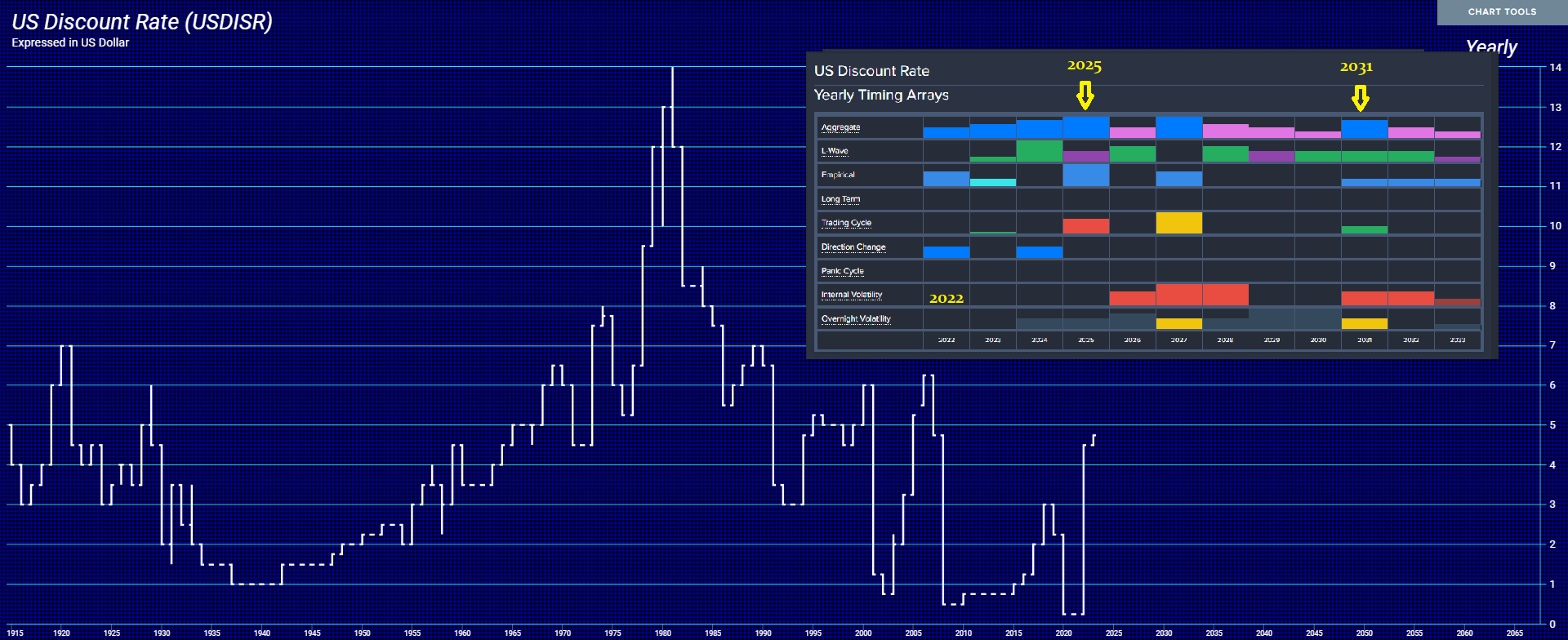
ANSWER: I know there were a lot of talks that surely the Fed had to lower rates and start QE all over again. Most of those sorts of comments have no real experience in markets. They just mouth a lot of hot air. Perhaps instead of putting masks on cows, we should do that on the shills. The Federal Reserve had no choice but to raise interest rates although it was just by a quarter point. Not to do so and the Fed would lose all credibility and the market would then not take them seriously.
You MUST understand that this crisis has unfolded because too many banks were wrapped up in WOKE culture and hired people who were UNQUALIFIED to run risk management. Some were more excited about cross-dressing as a woman and winning the Rainbow award in banking than actually protecting the bank from the risk of rising interest rates.
In a statement released at the conclusion of the meeting, Fed officials acknowledged that recent financial market turmoil is weighing on inflation and the economy, though they expressed confidence in the overall system. “The US banking system is sound and resilient.” They had no choice but to make this statement.
“Recent developments are likely to result in tighter credit conditions for households and businesses and to weigh on economic activity, hiring and inflation. The extent of these effects is uncertain.”
The Fed is saying that their rise in rates will in fact reduce inflation and economic activity. The banks have this yield curve risk and that is different from the 2007-2009 crisis where the debt was based on fraud. Here, the debt is US Treasuries so they are not going bankrupt from that aspect, but it is a liquidity crisis.
If these people who scream loudly but know nothing really about finance keep up the nonsense, they will only add to the uncertainly. This inflation is accelerating thanks to the war.
In an interview on May 11, 2014, I explained on USAWatchdog that confidence always outweighs reality. “It’s basically what you believe. There have been all sorts of studies on fundamentals that say if interest rates go up, stocks go down. It is simply not true. The stock market has never peaked with interest rates twice in history. If you think you are going to make 25% in the market, you’ll pay 10% interest; but if you really think the market is only going to go up 10%, you won’t pay 10%. So, it’s always the difference between what you believe and reality.”
The people have lost all confidence in government. We have heard rumors of a “soft landing” from the Fed for the past year, but the situation continues to worsen. Washington maintains that everything is stable as banks continue to fail and inflation rages on. There can be no price stability when war is at play. Biden just released his latest budget plan that no reasonable person would condone. I explained in 2014 that great empires all come crashing down after piling on massive debt. People believe hyperinflation would cause such a scenario, but debt is the major player. Once the government accumulates enormous debt, it targets its citizens aggressively. That is what we are seeing today.
So where should you put your money? I said in 2014: “One of the number one questions I get all the time is where do I put my money? If the banks can just take whatever they want now, there will be bail-ins rather than bail-outs. People are afraid. What do you do with the cash? So, people are buying things like real estate and stocks, just trying to get money out of the banking system.” That sentiment is continuing and the latest CPI report even showed that shelter costs are rising at the highest rate since June 1982. Smart money has been trying to escape the banks for years. There was no incentive until very recently to park money in the banks due to artificially low rates.
I also explained that the Fed would only bail out deposits and had been asking institutions to change their models. “Everybody knows I advise some of the big institutions around, and I can tell you that they have told me directly that the Fed went to them and told them they will not be bailed out for proprietary trading. It will be only on deposits. That’s it,” I stated. “The Fed has been going around telling them, ‘hey, you better change your models.’ They don’t think it will be a flight to quality as it was before. You buy the long term (Treasuries) and that saves you. They don’t think that’s going to happen. It’s quite interesting. . . . It looks like the long term (Treasury bonds) is going to end up starting to rise.”
Sound familiar to the current situation? People have moved from the public sector into the private sector. We are well into a private wave, and the public will not go back to the public sector for many years to come.
QUESTION: If the metals are not trading at a fair value relative to everything else, then does that not prove they are manipulated?
SN
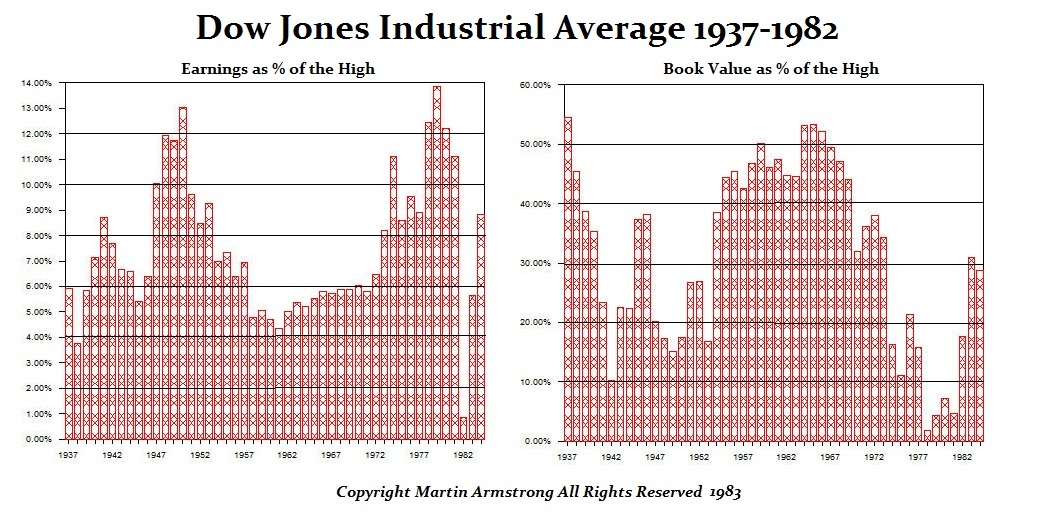
ANSWER: Your problem is the assumption that everything must be trading at some fair value. That is up there with the theory of random walks. ALL markets trade for periods where they remain well below fair value. That was the entire takeover boom of the 1980s which they also blamed on me because I was advising many of the takeover players. I simply showed these charts back then which show in terms of book value, the Dow Jones bottomed in 1977. The market was grossly undervalued because you could buy a company, sell all its tangible assets, and double or triple your money. Michael Douglas’ famous speech in that movie about “greed” would not even be possible if everything always trade like some mythical robot at fair value. Everything overshoots and undershoots.
The metals are NO DIFFERENT. Every market swings between grossly UNDERVALUED and then grossly OVERVALUED. This is part of the business cycle. If there were no periods of gross undervaluations, there would not be a sudden boom either.
This is what you have to come to grips with. There is such a thing and the business cycle. Our cyclical analysis would not be possible if everything was trading at a flat line of fair value. This nonsense in metals is made up of people who have been wrong, and need to blame someone else. It is like blaming climate cycles on CO2. This notion of fair value is rooted, I hate to tell you, in Marxism, because he too did not understand the business cycle.
I have created this site to help people have fun in the kitchen. I write about enjoying life both in and out of my kitchen. Life is short! Make the most of it and enjoy!
This is a library of News Events not reported by the Main Stream Media documenting & connecting the dots on How the Obama Marxist Liberal agenda is destroying America










 Centinel2012