EU Commission Asks all Member Nations to Reduce Natural Gas Use by 15 Percent to Help Germany and Energy Dependent States


Posted originally on the conservative tree house on July 21, 2022 | Sundance

EU Commission President Ursula von der Leyen, a woman of notoriously bureaucratic disposition, has proposed that all member nations to reduce their use of natural gas by 15% in order to subsidize and protect the larger member nations -specifically Germany- who are more dependent on Russian energy.

Spain, Portugal and Greece are balking at the idea of voluntary cuts in order to spread the energy resources to the larger economies.

Things amid the EU could get spicy again, with the league of nations in Brussels taking control of economic wealth distribution.

BRUSSELS, July 20 (Reuters) – The European Union set out emergency plans on Wednesday for countries to cut their gas use by 15% until March, warning them that without deep cuts now they could struggle for fuel during winter if Russia cuts off supply.

Europe is racing to fill its gas storage ahead of winter and build a buffer in case Moscow further restricts supplies in retaliation for European support for Ukraine following Russia’s invasion.

[…] The regulation needs approval from a reinforced majority of EU countries. Country diplomats are set to discuss it on Friday, with the aim of approving it at an emergency meeting of their energy ministers on July 26.

“Russia is blackmailing us. Russia is using energy as a weapon. And therefore, in any event, whether it’s a partial, major cut-off of Russian gas or a total cut-off of Russian gas, Europe needs to be ready,” EU Commission President Ursula von der Leyen said. (read more)

Obviously not everyone is happy….

BARCELONA, Spain — The European Union’s plan to reduce the bloc’s natural gas use by 15% to prepare for a potential cutoff by Russia this winter received sharp skepticism Thursday from the governments of Spain and Portugal, which are usually big supporters of the bloc.

The governments in Madrid and Lisbon said they would not support the initiative announced by European Commission President Ursula von der Leyen on Wednesday. The proposal would start with voluntary reductions, but the EU’s head office also wants the power to make 15% savings mandatory in the event of an EU-wide energy emergency.

Spain and Portugal said making reductions obligatory was a non-starter. They noted that there are scant energy connections linking them to the rest of Europe and that they use very little Russian gas compared to fellow EU members such as Germany and Italy.

“We will defend European values, but we won’t accept a sacrifice regarding an issue that we have not even been allowed to give our opinion on,” Spanish Ecological Transition Minister Teresa Ribera said. (read more)

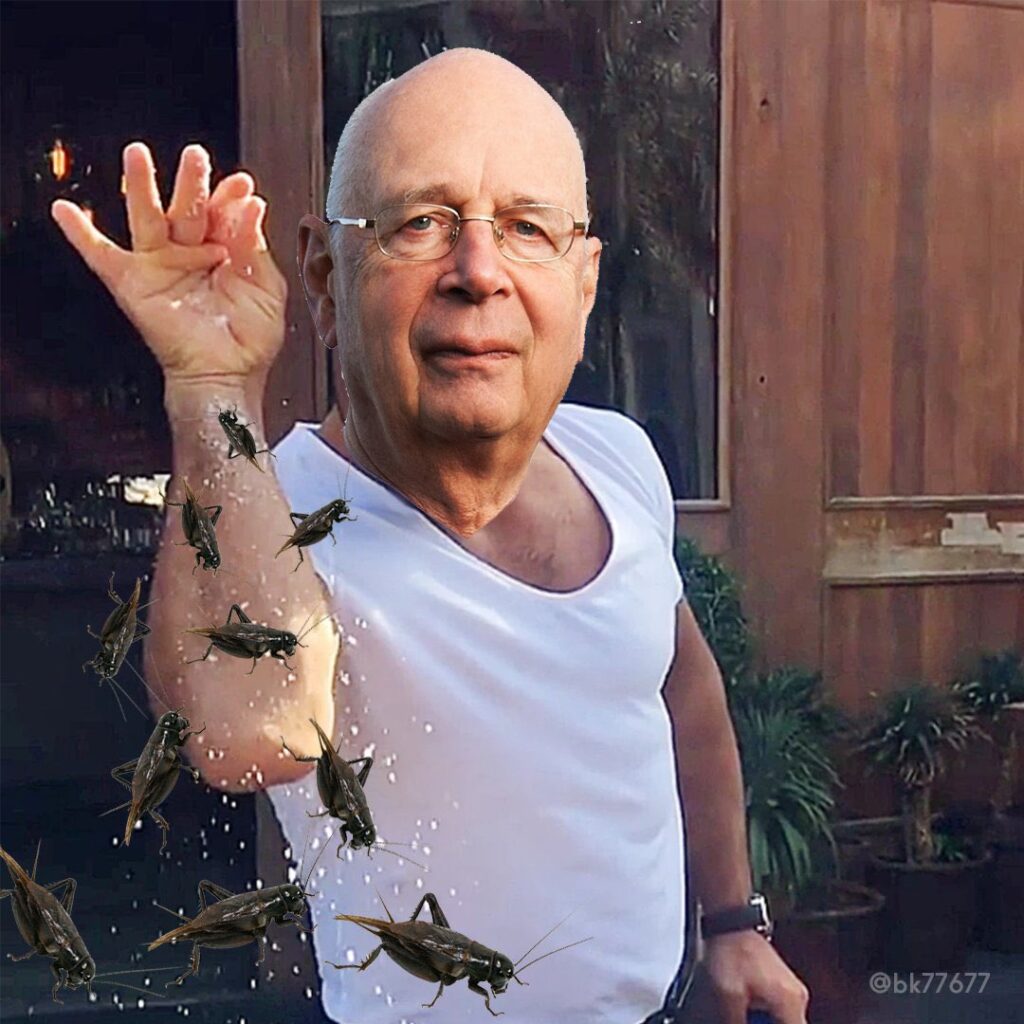
You will reduce energy use, or you will eat the bugs…. 

What Exactly Do the Officials Mean by “Managing the Transition”, Here is What They Will Not Say Openly


Posted originally in the conservative tree house on July 21, 2022 | Sundance 

The goal of this outline is to answer a frequent question about what the alignment of government and private sector officials mean when they say, “managing the transition.”  Some of this is self-explanatory, some of this has been astutely explained by others (with specific reference points), yet much of this is what they cannot say publicly.  So here we go.

As you are well aware the various western nation central banks including the U.S. Federal Reserve, are raising interest rates into a global economic contraction, a drop in demand.  Raising interest rates into a contracting economy is counterintuitive, it runs against the expressed interest of government to grow economic conditions.  However, there is a purposeful design to the contradiction.  [A TLDR Version Here]

I will further expand, and hopefully this will provide information so that you can make decisions on how to protect your interests.

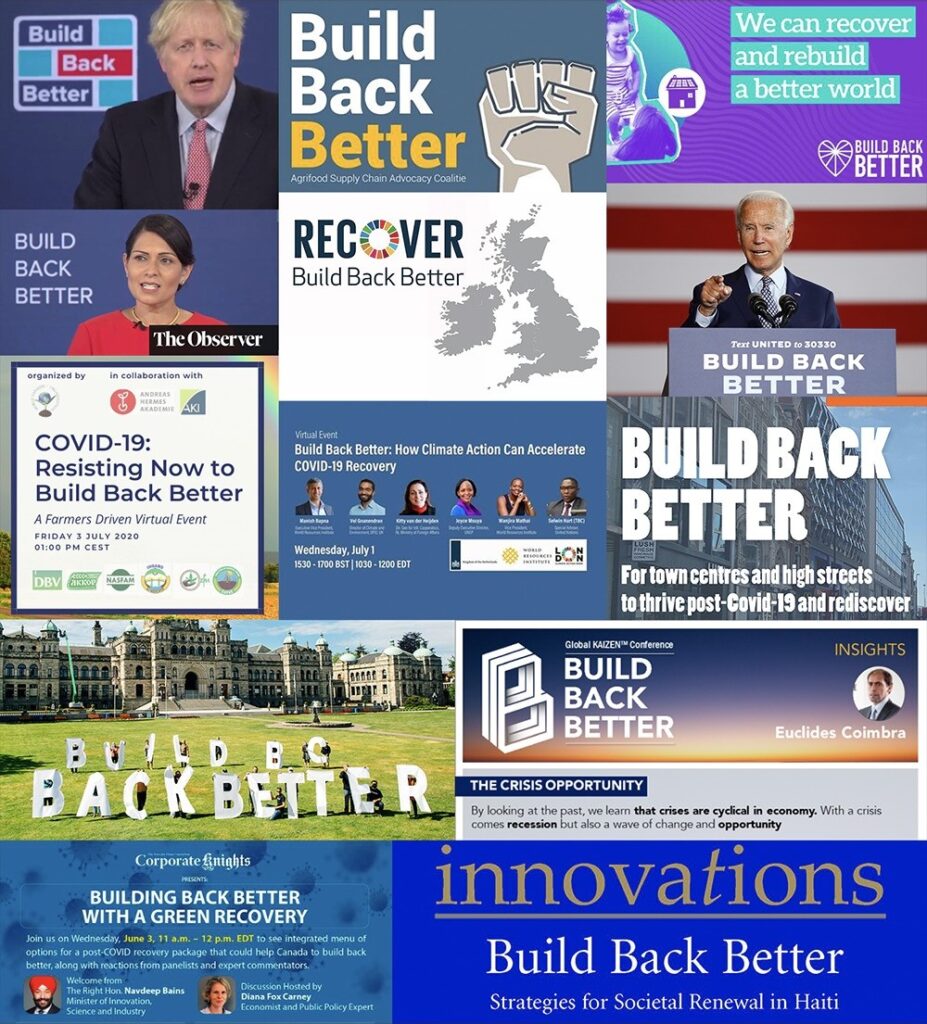
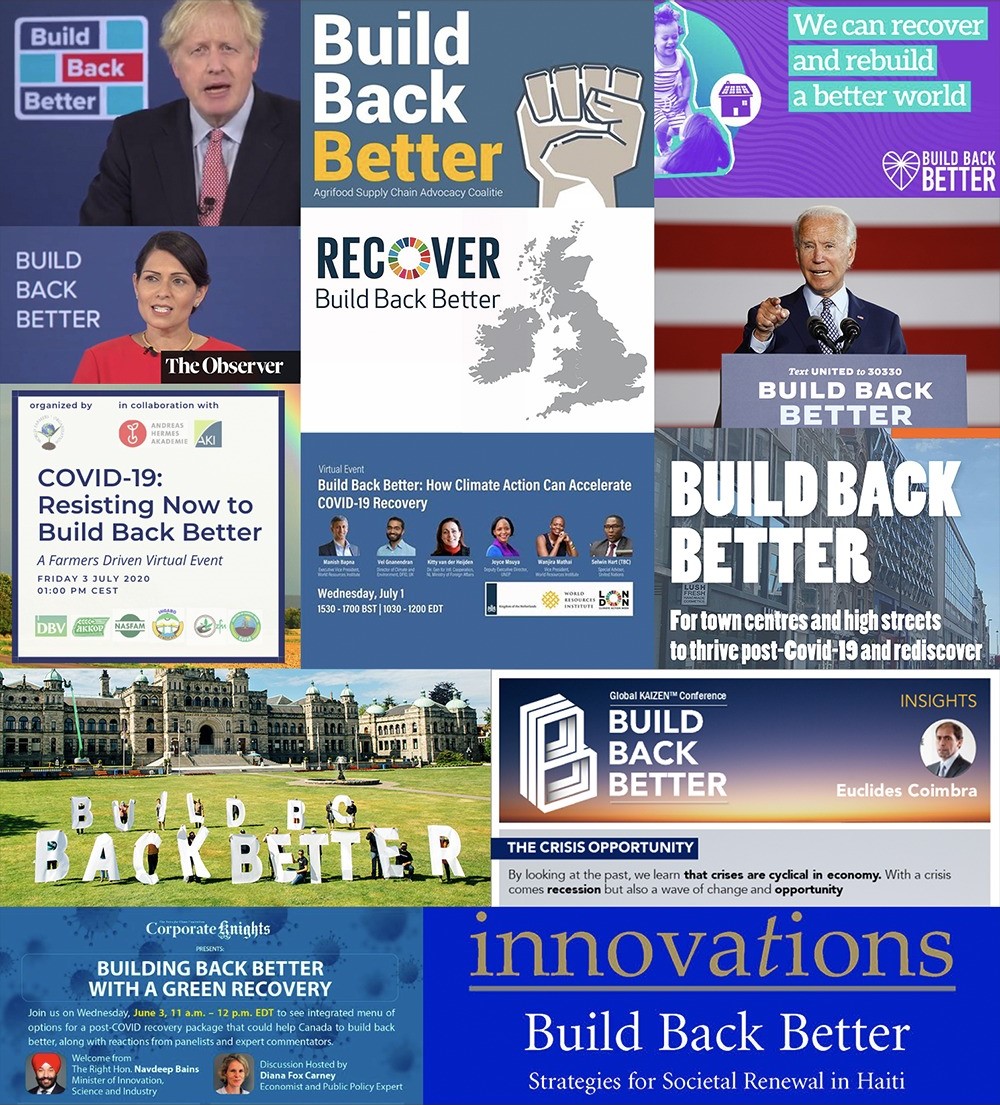
The central bankers are trying to support western government policy.  Unfortunately, the government policy they are under obligation to support is the fundamental energy shift, or what the World Economic Forum (Davos Group) has called the “Build Back Better” climate change agenda.

Monetary policy can only impact one side of the inflation challenge.  The western bankers (EU central bank, U.S. federal reserve bank, and various banking groups) are raising interest rates in order to “tame inflation” by “taming demand.”  However, as you know the global economic demand has been declining for several quarters.  Raising interest rates into an already contracting economy only does one thing, it speeds up the rate of economic contraction.

Economic contraction is the lowering of economic activity.  Raise interest rates -in a general sense- and businesses invest less, borrowers borrow less, consumers purchase less, employers expand less, and the economy overall slows down. When the economy turns negative, meaning less products and services are produced, we enter a recession. Some businesses and employers do not survive a recession and subsequently unemployment rises.

During recessionary periods people buy less stuff, people have less income stability, and economic activity drops.  When the banks raise interest rates into an economy that is already stalled or contracting, unemployment and general pain on Main Street increases.  Workers are laid-off, incomes shrink, consumer spending drops and that leads to less employment.  Recessions are bad for middle-class and working-class people.

However, that said, there is one benefit from a recession…. Energy use drops.

People travel less; businesses operate shorter work schedules; manufacturing stops; overall fewer goods are produced because less consumer spending is taking place.  From the perspective of the groups who want to see overall energy consumption drop, a recession is a good thing.

A recession also brings along a natural drop in energy prices as less overall energy is used inside an economy that is slowing, stalled or contracting.

Oil prices drop as less oil is needed for the manufacturing of goods.  Energy use in transportation also drops and generally gasoline prices drop because less transportation fuel is needed, because fewer goods are being transported.  When the economy goes into a recession, energy use and prices always drop.

Put these factors together and you start to see how the transition to a new western energy policy, the Build Back Better agenda, benefits from a recession.

This is the essential understanding needed to reconcile why central banks would intentionally create an economic contraction.  The bankers are supporting the governmental objective of transitioning the western economy into a new energy system away from oil, coal and natural gas.  The banks are supporting the policy makers.

The central banks cannot openly admit what they are doing to support the politicians and policy makers.  In this weird new era, the banks are being instructed to support the policy makers without actually admitting they have changed their monetary mission.  The central bankers will continue to say their job is to manage and/or balance employment and inflation.  However, what they will not admit is their unspoken agenda to support the political decisions.

Instead, almost all the central banks are saying their interest rate hikes are intended to cool inflation by lowering demand.  However, it is not demand that is driving inflation; it is the policy making behind the energy transition that is driving higher costs on everything.

The supply-side of the inflation dynamic is being overwhelmed by massive increases in energy costs which are the results of intentional western policy.  Extreme increases in consumer prices are the outcome of these energy price increases.  The overwhelming majority of consumer price inflation is being caused by energy policy, not demand.

The various central banks and monetary policymakers know this.  In fact, they are lying about their motives.  They have to lie, because if they were to tell the truth there would be an uprising, and the sucess of the energy agenda would be put at risk.

In order to support the energy objectives of the various governments’, the central banks are trying -and succeeding- to lower economic activity.

Less economic activity means lower energy needs.  This is what they call “managing the transition” to the new economy based on “sustainable energy.”

The banks and policy makers are ultimately managing the economic decline in order to Build Back Better in the future.  This is why the originating charter of the central banks is being ignored, and the banks are raising interest rates into an already contracting economy.

None of this is being done accidentally.  All of this is being done with forethought and implicit intention.

Unfortunately, for the average person this means the banks and policy makers have entered a phase where it is in their interests to shrink the global economy.  They are trying to control the collapse of the various economies by working together.  This means less jobs, less work, a lower standard of living, and a period of extreme financial pressure for the average person.

Eventually, we will reach a point where the government(s) will need to step in and fill the gap from the declined economic activity.  Bailouts and subsidies will be needed as they were in the COVID lockdown test run.  Unemployed workers and the people being impacted by a prolonged economic recession will need subsidies in order to survive.

The government policy makers are planning to do just that, spend more.  They practiced during the COVID economic lockdowns, now they will execute a similar policy path as they manage the energy transition.

We have only just entered the beginning phase of this Build Back Better agenda.  No one, including the banks and policy makers, have any idea how long this is going to take. We could be in this period of severe economic contraction for several years, perhaps decades, until their grand design of a new energy future is complete.  This has been the discussion at the World Economic Forum (WEF), as the instructions were passed out.

The entire time the western government architects are doing this, they must keep the demand for traditional energy products like coal, oil and gas at the lowest demand possible.  That is why the central banks and politicians must keep economic activity at the lowest -yet survivable- rate possible.

Prepare your informed long-term affairs accordingly.

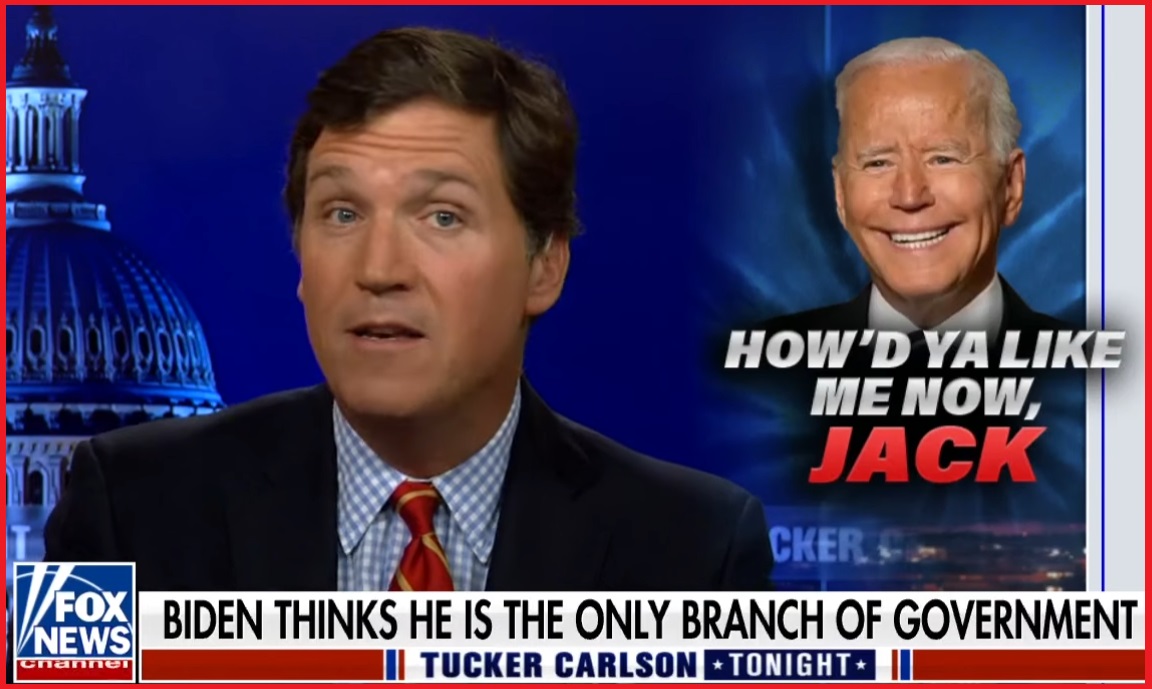
Tucker Carlson Outlines the Current Background of Joe Biden’s Climate Emergency


Posted originally on the conservative tree house on July 21, 2022 | sundance

During his opening monologue tonight, Fox News host Tucker Carlson outlined the background of Joe Biden’s “climate emergency”, and the hypocrisies of their theories as compared to their behavior. WATCH:

U.K. June Inflation Rate Once Again Tracks with U.S. Inflation Rate – All Western Nations Following World Economic Forum Build Back Better Climate Agenda Have Identical Trends


Posted originally on the conservative tree house on July 20, 2022 | sundance 

In May the inflation rate in the U.S. increased to 8.6%, a few weeks later the European Union measured their May inflation rate to match at an exact 8.6% {link}.  In June the U.S. inflation rate increased again to 9.1%, and now we see the U.K. reporting their June inflation rate today at 9.4%.

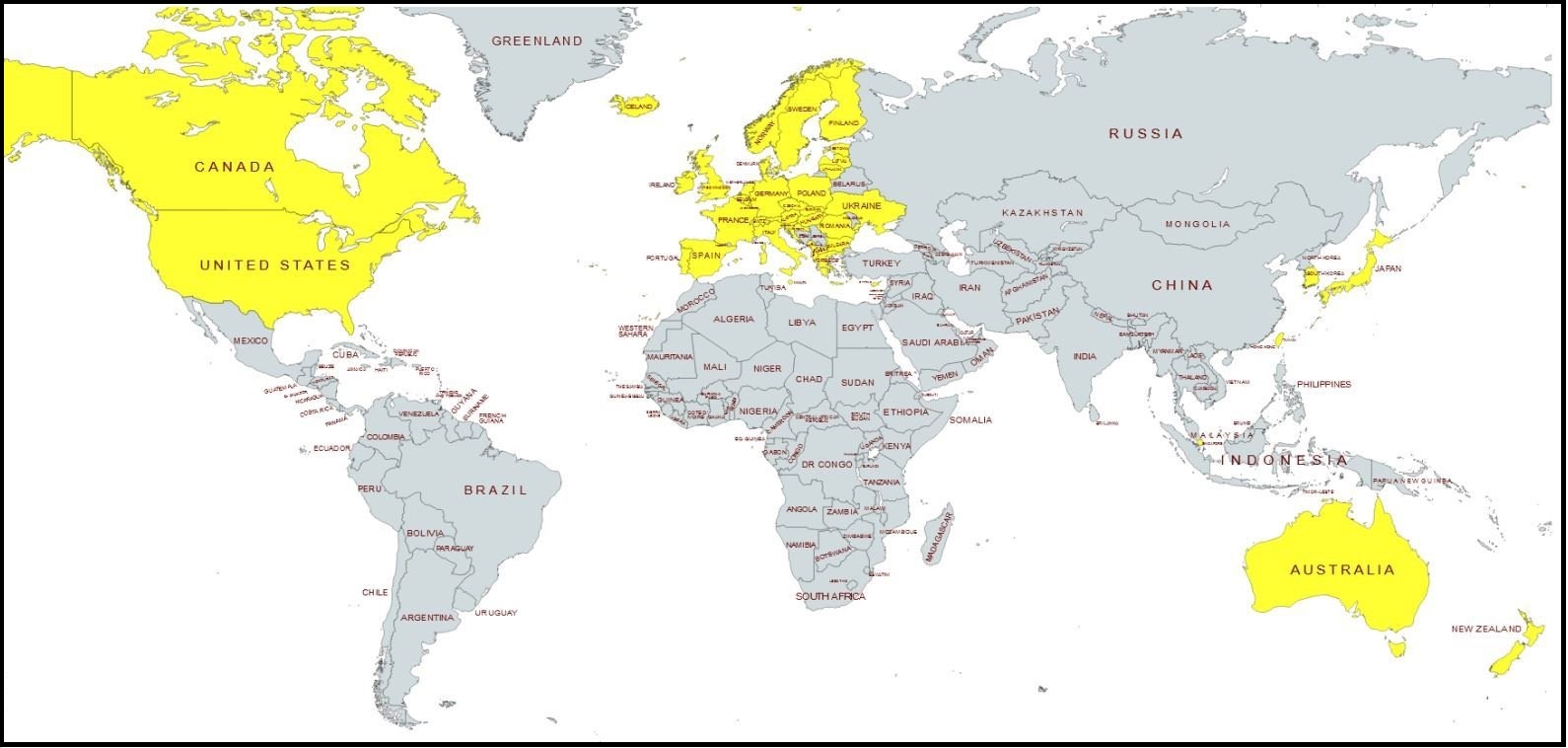
While the individual amounts of government COVID-19 spending amid the U.S, U.K. and Europe were different, the percentage of that spending in relationship to the size of their economy was very similar.  As a result, the global inflation rates contain strong parallels.

None of these parallels are accidental.  All of this economic turmoil is running on an identical track -on a global basis- because the entire western plan was coordinated and followed.  What we are seeing right now is the outcome of the “Build Back Better” roadmap.  The “global inflation” is the outcome.

Joe Biden is blocking domestic energy production as he follows through with the agenda of the Green New Deal.  In Europe, not coincidentally demanded by Biden, a similar outcome comes from the sanctions and blocking of Russian energy resources.

One could make a reasonable argument that the team behind Joe Biden specifically wanted the EU sanctions against Russia, because the U.S. crew wanted to keep both industrial economies mirroring each other as the U.S. energy system was dismantled.  It would make sense to avoid a spotlight on the U.S. economic collapse, by forcibly pushing the EU economy into the same situation.

Taking that line of geopolitical and economic consequence one step further, and that would be part of the strategy -albeit undiscussed- behind having a consistent global cap on the price that any nation could pay for Russian oil.  That approach is not about punishing Russia, it is to make all of the economic pain and problems equal amid all western nations.  Globalists, and the central bankers, are good at creating economic systems to deliver equitable misery.

LONDON — U.K. inflation hit yet another new 40-year high in June as food and energy prices continued to soar, escalating the country’s historic cost-of-living crisis.

The consumer price index rose 9.4% annually, according to estimates out Wednesday, slightly above a consensus forecast among economists polled by Reuters and up from 9.1% in May.

This represented a 0.8% monthly incline in consumer prices, exceeding the the previous month’s 0.7% rise but remaining short of the 2.5% monthly increase in April.

The U.K.’s Office for National Statistics said in Wednesday’s report that its indicative modelled consumer price inflation estimates “suggest that the CPI rate would last have been higher around 1982, where estimates range from nearly 11% in January down to approximately 6.5% in December.”

The most significant contributors to the rising inflation rate came from motor fuels and food, the ONS said, with the former soaring 42.3% on the year, the highest rate since before the start of the constructed historical series in 1989. (read more)

The key point is to see how this is all being done in synergy. These geopolitical and economic outcomes may, at least initially, seem like disconnected patterns. However, when you stand back away from each assembly of pixels it is possible to see a much larger picture in focus.

Joe Biden Appears to Say He Has Cancer During Speech in Sommerset, Massachusetts, (Video and Transcript)


Posted originally on the conservative tree house on July 20, 2022 | sundance 

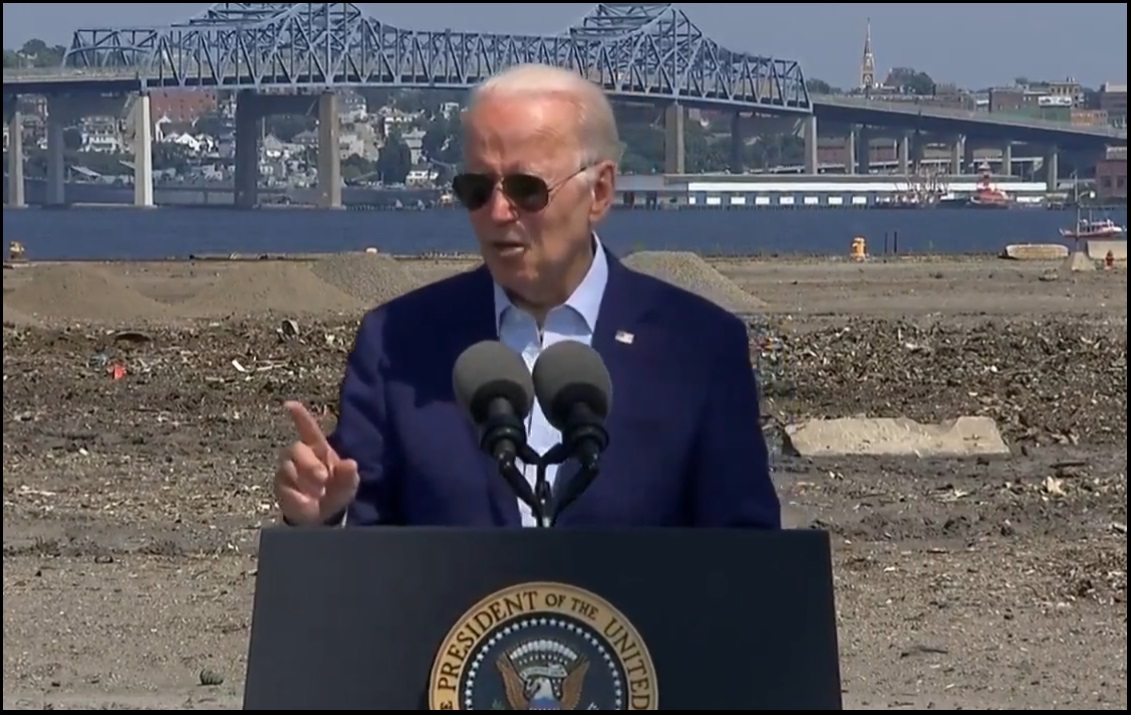
Moments ago, while delivering a speech at a former coal-fired power plant in Somerset, Massachusetts, Joe Biden stated he has cancer.  I’m not sure if that is what he meant to say, but here is the video and transcript:

…”My mother drove us, and rather than us be able to walk, and guess what? The first frost, you know what was happening, you had to put on your windshield wipers to get literally the oil slick off the window. That’s why I, and so damned many other people I grew up with, have cancer; and why can’t for the longest time, Delaware had the highest cancer rate in the nation.”…

WATCH:

Friend-Shoring: How to Lose Trading Partners and Isolate Nations


Armstrong Economics Blog/World Trade Re-Posted Jul 20, 2022 by Martin Armstrong

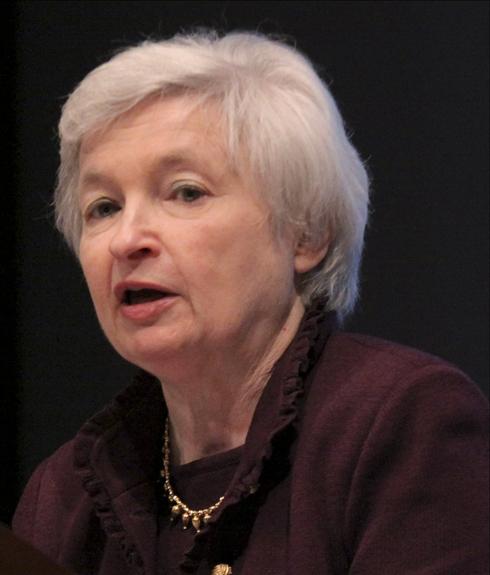
The supply chain crisis is an ongoing disaster that has greatly contributed to inflation. Treasury Secretary Janet Yellen has been touting the idea of “friend-shoring” for over a year. Not to be confused with onshoring or nearshoring, friend-shoring will somewhat limit the supply chain to allied nations. Why on Earth would we want to limit the supply chain to any extent at this time?

Yellen stated that Russia and COVID, the main political scapegoats for anything that goes wrong, are to blame for redrawing “the contours of global supply chains and trade.” Let us be reminded that China is America’s top trading partner, albeit deemed “unfriendly.” Russia, the motherland of energy, also falls on this unfriendly list that is likely to align with what will later become the modern-day axis powers.

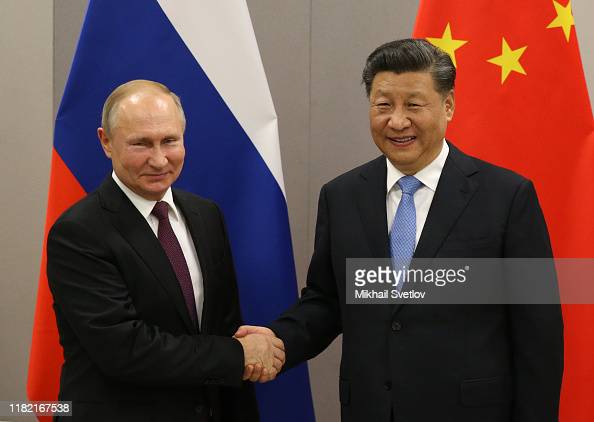
BRASILIA, BRAZIL – NOVEMBER 13: (RUSSIA OUT) Russian President Vladimir Putin (L) greets Chinese President Xi Jinping (R) during their bilateral meeting on November 13, 2019 in Brasilia, Brazil. The leaders of Russia, China, Brazil, India and South Africa have gathered in Brasilia for the BRICS leaders summit. (Photo by Mikhail Svetlov/Getty Images)

“We do not want a retreat from the world, causing us to forgo the benefits it brings to the American people and the markets for businesses and exports,” Yellen said while speaking in South Korea. “In doing so we can help to insulate both American and Korean households from the price increases and disruptions caused by geopolitical and economic risks … in that sense, we can continue to strengthen the international system we’ve all benefited from, while also protecting ourselves from the fragilities in global trade networks.”

Her comments come within the same week that President Biden appealed to Saudi Arabia for help — a country that obviously aligns with US morals. In April, Yellen stated that friend-shoring could strengthen sanctions as the “friendly nations” would act as a united front in ostracizing one economy. Her comments about Russia quickly turned to anti-China sentiments. Yellen stated:

“China has recently affirmed a special relationship with Russia. I fervently hope that China will make something positive of this relationship and help to end this war. Going forward, it will be increasingly difficult to separate economic issues from broader considerations of national interest, including national security. The world’s attitude towards China and its willingness to embrace further economic integration may well be affected by China’s reaction to our call for resolute action on Russia.”

Similar to how those responsible for the failed euro believed it would prevent all European wars, the idea of friend-shoring relies on the belief that trade will become seamless among aligned nations. “Favoring the friend-shoring of supply chains to a large number of trusted countries, so we can continue to securely extend market access, will lower the risks to our economy as well as to our trusted trade partners,” Yellen stated in April before calling on those same nations to implement a global tax.

Yes, this will cause foreign investment to look outside of the US and this Western bloc of trade. What happens when the crucial supplies needed are outside of these territories? Everyone is currently begging “unfriendly nations” for oil and buying it at a premium from neutral nations who sell it to the West at a higher price. Bad business all around. The West is basically telling Russia and China that they are being cast aside from trade with the misconception of having the upper hand.

Global Water Scarcity on Schedule


Armstrong economics Blog/Agriculture Re-Posted Jul 20, 2022 by Martin Armstrong

A new study by the University of Colorado Boulder published on “One Earth” cites water scarcity as the top threat to food security in the next 20 years. “Multiple events occurring at the same time compound the problem,” the study noted, citing droughts, floods, heat waves, pest outbreaks, diseases, and financial and political conflicts. Over 50% of those experiencing food insecurity live in conflict regions, and increasing political instability and civil unrest will cause this figure to rise. Various agencies such as the World Bank and United Nations have cited that food insecurity reached record levels in 2021 and has increased in 2022. However, one aspect that is not often discussed is water.

Humans can survive longer without food than water. Without water, there are no crops or cattle. Other studies point to increasing global demand for water as well. A 2019 study, “Reassessing the projections of the World Water Development Report,” found that water demand increased 600% over the past century.

“Global water demand for all uses, presently about 4,600 km3 per year, will increase by 20% to 30% by 2050, up to 5,500 to 6,000 km3 per year. Global water demand for agriculture will increase by 60% by 2025. By 2050 the global population will increase to between 9.4 to 10.2 billion people, an increment of 22% to 32%.”

Agricultural needs represent 70% of water demand. The poorest nations often have less access to clean water, and these are the same areas where the population is expected to rise. The aforementioned study also states that food demand will increase by 60% by 2050.

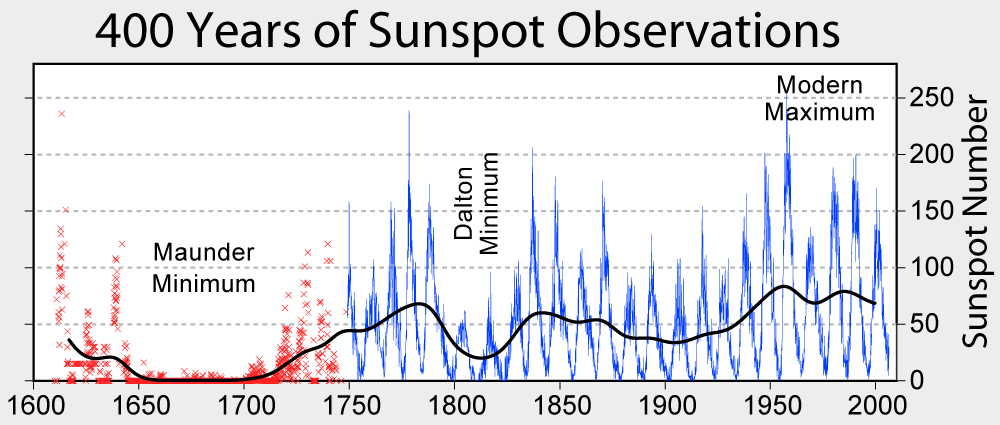
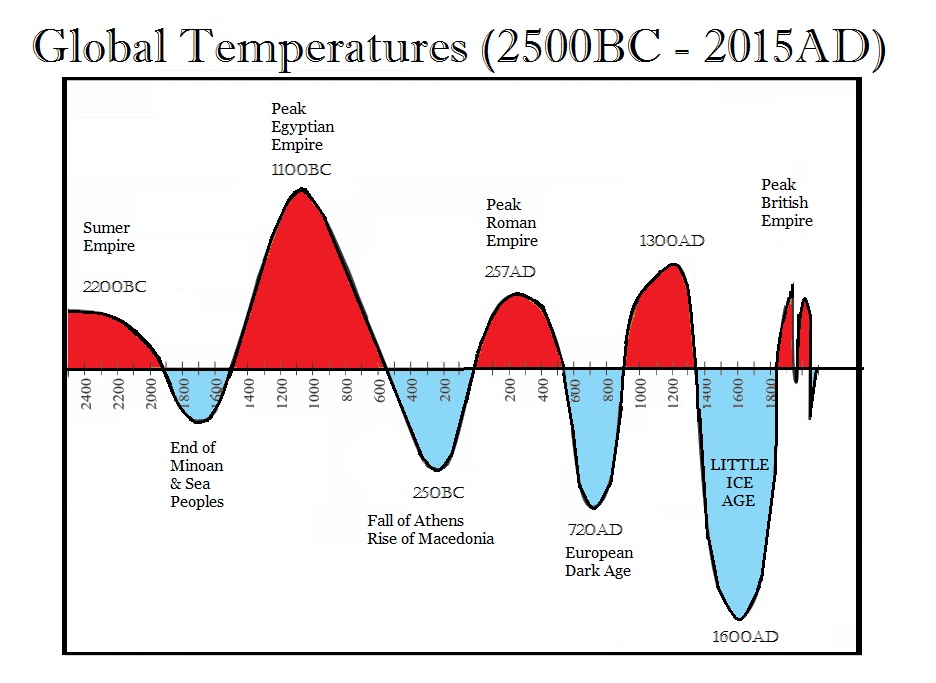
Our model projected entering another “grand minimum,” which overtook the sun beginning in 2020 and will last through the 2050s. This will result in diminished magnetism, infrequent sunspot production, and less ultraviolet (UV) radiation reaching Earth. We are facing a global cooling period on the planet that may span 31 to 43 years. It is interesting that these studies are pointing to 2050 as the point where water will become extremely scarce as it aligns with our models’ projection for the weather as we will then enter a new sunspot cycle.

The Government is Tracking You


Armstrong Economics Blog/Corruption Re-Posted Jul 20, 2022 by Martin Armstrong

Yes, the government is tracking your movements. You do not need to have a COVID pass installed on your phone nor do you need to be a criminal. The location data industry has become a $12 billion market that is actively growing.

It recently came to light that the Trump Administration began tracking mobile data on a grand scale. The Department of Homeland Security targeted information on at least 336,000 data points across the country. Biden continued tracking American’s locations and provided the Customs and Border Protection with a $20,000 contract last September.

One company, Venntel, said that it has access to 250 million phones and devices. There are currently no restrictions on this invasion of privacy, and the government may legally track you and your family. This information has been abused by various agencies, such as one that tracked the location of people who visited abortion clinics.  The US military even used the technology to identify Muslim populations.

“There are over 350 million mobile devices in the United States in use today, and that number is growing exponentially as more people purchase mobile devices every day. Therefore it is not uncommon to encounter individuals involved with illicit activity taking advantage of mobile technology to further their criminal goals,” a contract between CBP and Venntel said.

You can attempt to turn off your device’s location, but that is extremely difficult considering the number of apps we use on a daily basis. GPS? Tracked! Social media? Tracked! Various search engines? You bet!

I believe this violates the Fourth Amendment, which is intended to protect citizens from unreasonable searches and seizures by the government.

U.S. Public Broadcasting Promotes American Diet of Insects to Support Biden Administration Climate Change Initiatives


Posted originally on the conservative tree house on July 19, 2022 | sundance 

The goal of gaining public acceptance for eating insects instead of meat is now part of the Public Broadcasting Service (PBS) effort.  The larger climate change objective is to “transition” the global food supply away from cows, pigs and chickens, and toward a more sustainable lifestyle of eating insects and bugs.   Farmers in North American and Europe are facing massive regulatory changes as part of the Build Back Better or Green New Deal initiatives.

In the U.S. Joe Biden has pledged his entire administration effort toward the goal of reducing U.S. carbon emissions and protecting the planet.  Part of that initiative includes the need to change the diet of Americans away from traditional farm proteins, and toward sustainable alternatives via bugs and/or insects like cockroaches, crickets and grasshoppers.

A comprehensive marketing, branding and image campaign is underway to change the public perception toward an acceptance of sustainable algae and bugs as food sources.  Public Broadcasting (PBS) is part of that imitative:

(SOURCE)

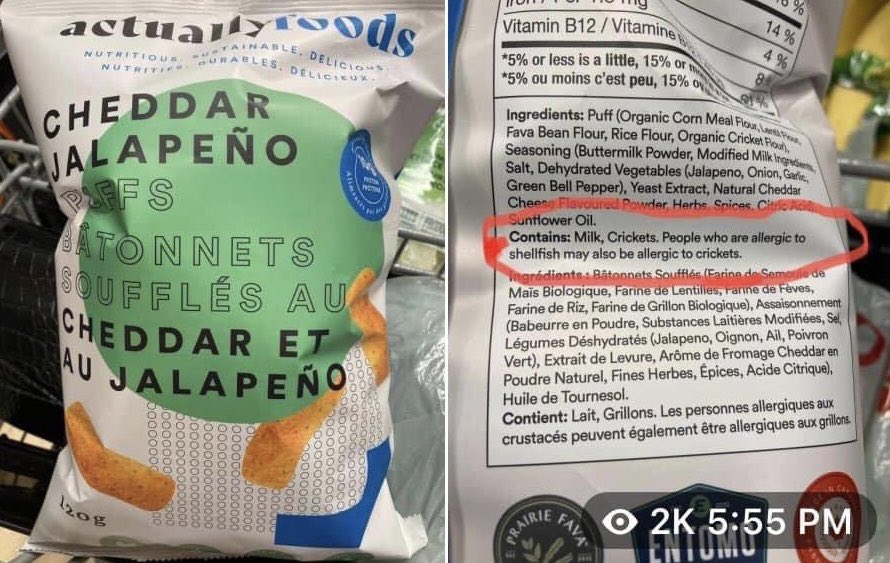
Several U.S. food manufacturers now include insects and bugs as part of their ingredient list.  It would be worthwhile checking the labels on the latest snack foods to identify the percentages of worms and bugs that may be included in your favorite salted snack.

Additionally, a significant investment has taken place in Canada where they are now generating 9,000 metric tons of crickets to replace traditional protein sources (link).  The public/private partnership in London, Ontario, is now shipping crickets for use by North American food manufacturers.  There has been minimal public pushback against the effort and the government appears to be fast-tracking insects as food alternatives for global shortages of grain and meats.

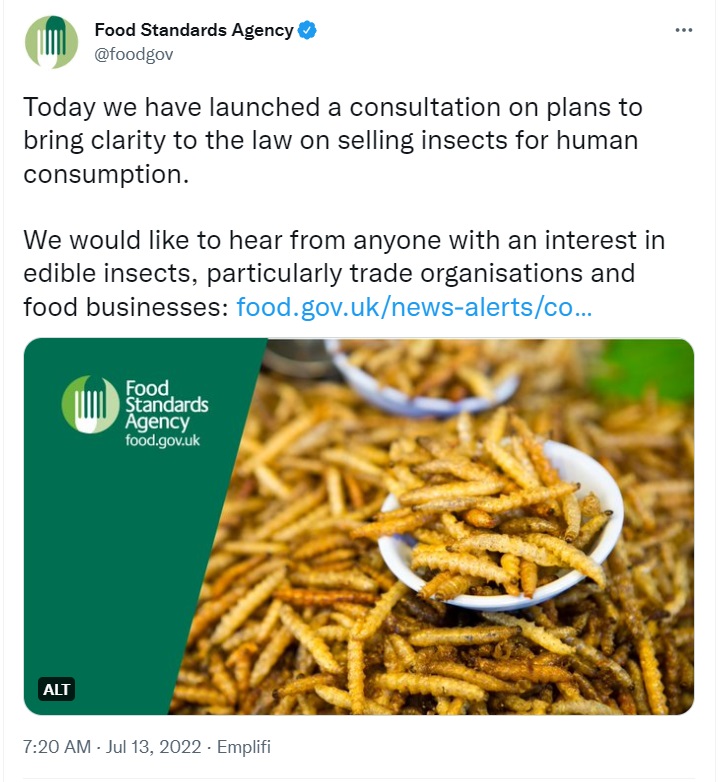
In the United Kingdom, the government is now taking public feedback on the use of insects in the food supply.  According to a recent public notification from the U.K. Food Standards Agency, they are working toward an acceptable standard across the industry for insects and worms in the food supply.

From the notification: “A consultation on a proposed legislated transitional period under the novel food regulations for edible insects in England, Scotland and Wales. The proposal has been developed with input from Food Standards Scotland (FSS).” (more)

(Source)

As farmland across Europe and North America increasingly comes under enhanced “climate change” regulation from government, we can expect the speed of food supply transitioning to insects to increase exponentially.

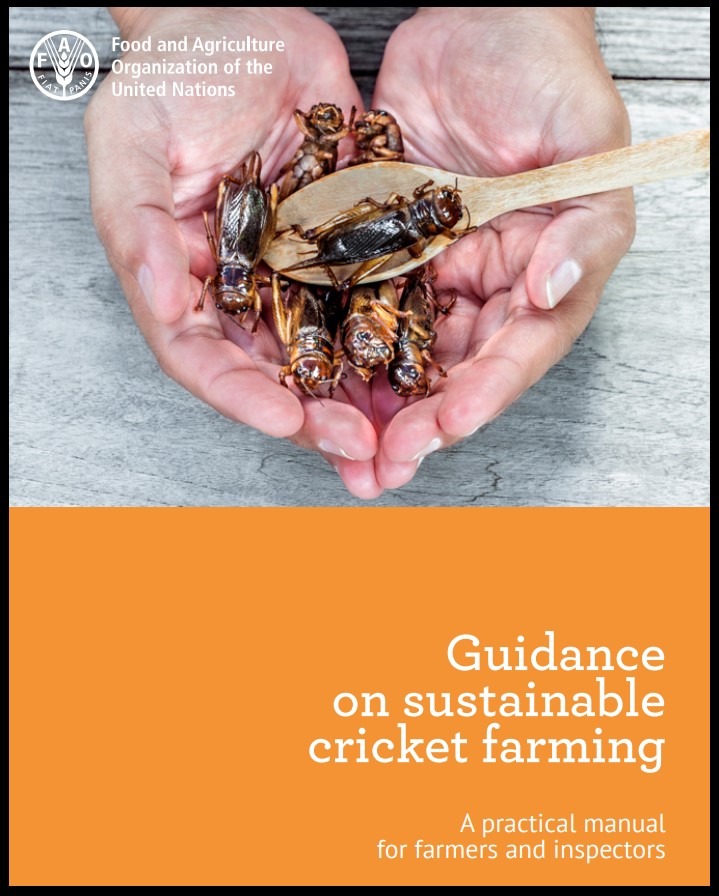
There are a lot of government resources [EXAMPLE HERE] now dedicated to changing public perception.  The western government alliance wants people to start eating bugs, and, more importantly, want people comfortable doing so as the energy and climate regulations increasingly limit food options.

(Source Pdf)

With PBS now joining the chorus of insect food promotion; and with the increasingly discussed pending global food shortage now looming; it would appear that western leaders are following the advice from the World Economic Forum and preparing their citizens in Europe and North America to accept insects as food.

As noted earlier, you may already be eating the insects and just not be aware of it.  Apparently, people who are allergic to shellfish should be more concerned and diligent about the ingredients of the food they consume, as insects may generate the same allergic reaction.

.

Coming Soon: Climate Change v Animal Activists


Armstrong Economics Blog/Agriculture Re-Posted Jul 19, 2022 by Martin Armstrong

Two groups that usually overlap are about to come into direct confrontation due to the net-zero carbon culture. Both climate and animal rights activists have been known to make their voices heard through protests that are not always peaceful. Farmers are being unfairly targeted by climate change activists for having cattle that produce emissions, and governments are ramping up legislation to limit farming.

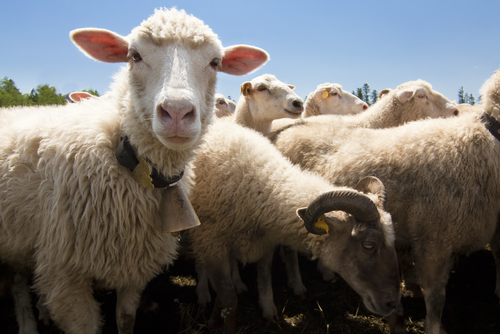
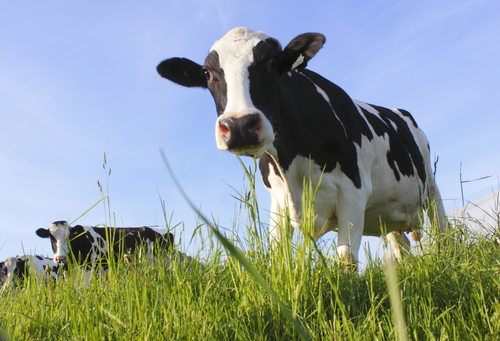
Farmers in Norway have been protesting for months as the government plans to eliminate around 30% of agriculture to reduce carbon emissions. Now, Northern Ireland is considering eliminating over one million cattle and sheep to meet emission targets by 2050. The Ulster Farmers’ Union (UFU) estimates that 500,000 cattle and 700,000 sheep will need to die. In a separate analysis, five million chickens will need to be slaughtered before 2035.

While animal activists to the extreme would like to end farming and create a meatless world, they are not going to be happy when they realize those piloting the climate change agenda plan to kill these animals rather than allowing them to live out their days on taxpayer-funded farms.

Activism aside, we are in the midst of a food crisis. Those in first-world nations have seen the cost of food rise drastically throughout the past year. Perhaps some of your groceries of choice are no longer available or are often out of stock. However, people are starving to death in less developed parts of the world at a rapid rate and there is not enough food or funding to save everyone. In fact, the World Bank estimated that world hunger reached a high in 2021 when 193 million became food insecure, a number that rose by 40 million from 2020. Our model indicates that this cycle will continue to grow.

In the meantime, those championing saving the world with various causes will come into direct confrontation with one another. The left will increasingly divide into left v Socialists and dampen plans for the Fourth Industrial Revolution.