Posted originally on Feb 6, 2026 by Martin Armstrong
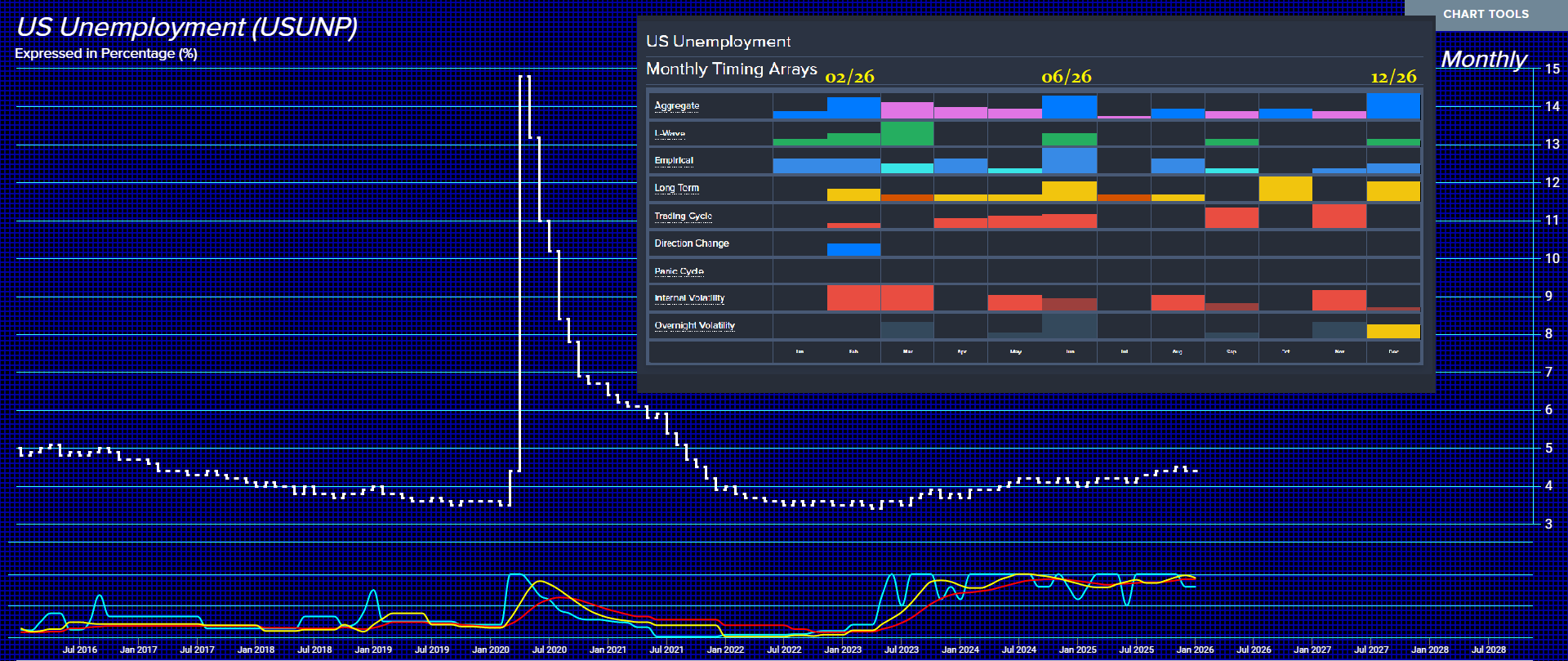
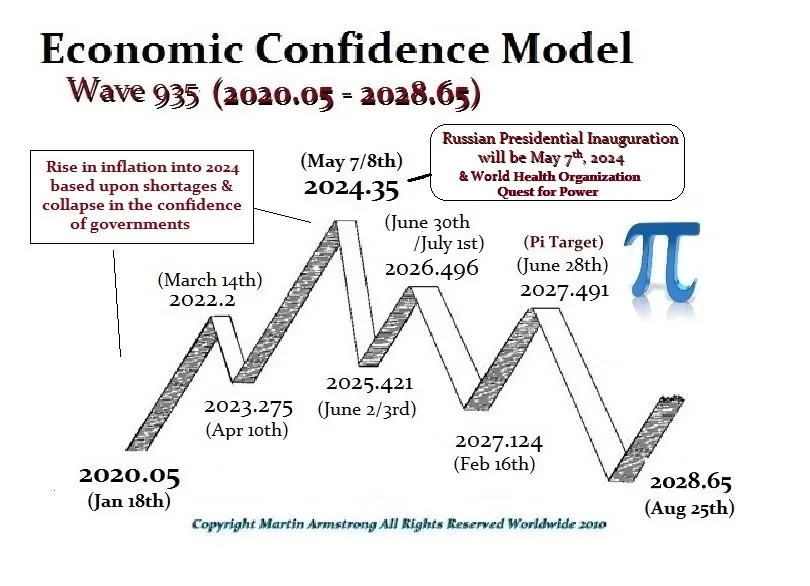
QUESTION: Marty, January posted the largest January job loss numbers since the Great Recession of 108,435, which was a 118% increase from a year earlier. This seems to be in line with Socrates’ going into February where it projected a rise in volatility there as well and a Directional Change. Plus, consumer confidence started declining during 2025. The decline has been ongoing for most of 2025, with January 2026 representing a particularly sharp drop that continued an existing downward trend. Your model forecast a recessionary trend into 2028 years in advance. Will society every look are your work and cycles?
GD
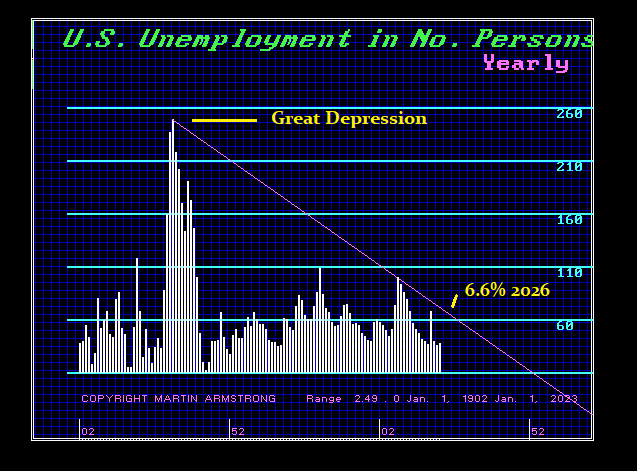
ANSWER: I don’t think the West will wake up until after 2032. Then, hopefully, they will review all the forecasts for there are so many and see that there is something to this. The critical resistance remains at 6.6% Exceed that on an annual closing, and you will see a very serious rise.
Amazon is showing weakness on both on the macro and business-cycle perspectives. The combination of weakening consumer demand, mainly in the lower- to mid-income tiers, and pricing pressures from shortages and to some extent from tariffs, are key factors to keep in mind. We are also in the middle of a Schumpeter Wave of Creative-Destruction into August 2028. This is confusing and will have impacts on the market to create false moves with high validity.
Posted originally on Jan 27, 2026 by Martin Armstrong |
COMMENT: Well, these economists and market soothsayers will never match Socrates or your Economic Confidence Model. Consumer Confidence just collapsed to a 12-year low. Amazing how you can forecast recessions years in advance.
LK
ANSWER: These people reject even the idea of a regular cycle, for that means that they cannot manipulate society. If they cannot manipulate the economy to retain power, OMG, then the future requires fiscal management, not mismanagement.
US consumer confidence has plummeted in January to the lowest level in 12 years on more pessimistic views of the future. The press will tout that Americans are worried about the nation’s economy, inflation, and a weakening labor market. But they are also concerned that we have NOT freed ourselves from these Neocon Endless Wars. The figure was the lowest since May 2014 and fell short of all economists’ estimates.
The capture of Valerian I (253-260AD) was the first time a Roman Emperor had ever been captured in battle. Bankers were not sure if they should even accept Roman coinage. That set in motion the Crisis of the 3rd Century AD. Can you image if Trump was captured by China or Russia and the uncertainty that would set off globally?
I have researched the centuries and the common denominator is CONFIDENCE. Once a government loses the confidence of the people, it can no longer survive.
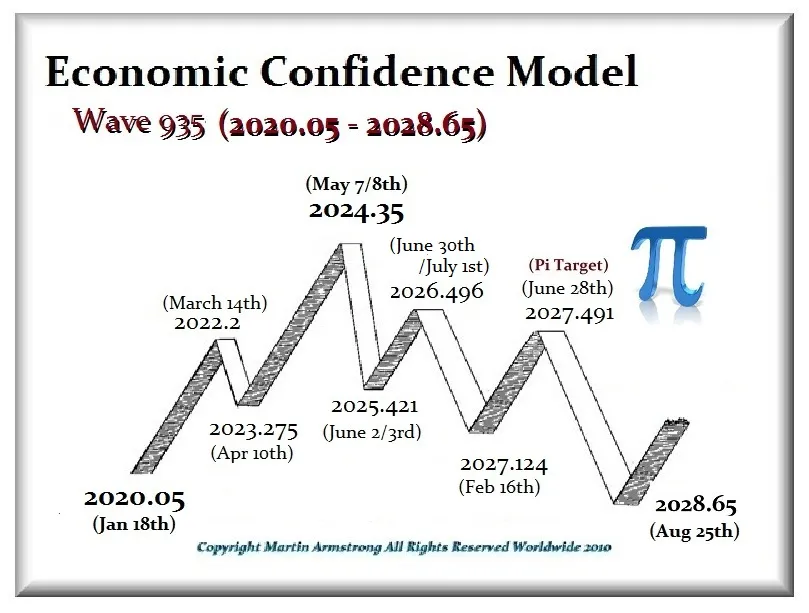
We are in a recessionary trend GLOBALLY into 2028. Europe is now insisting that they no longer need the United States. They can conquer Russia all by themselves for the 6th time. The next ECM turning point will be July 2026. Just review how many markets are all showing high volatility or Panic Cycles in July. TIMING is everything.
Posted originally on Jan 5, 2026 by Martin Armstrong |
QUESTION: Marty, you have been silent on the rumors that the Fed is bailing out JP Morgan who they claim was short silver. If there is anyone who has been behind the curtain and confronted the banks, that is you. Would you please comment on this topic.
EL
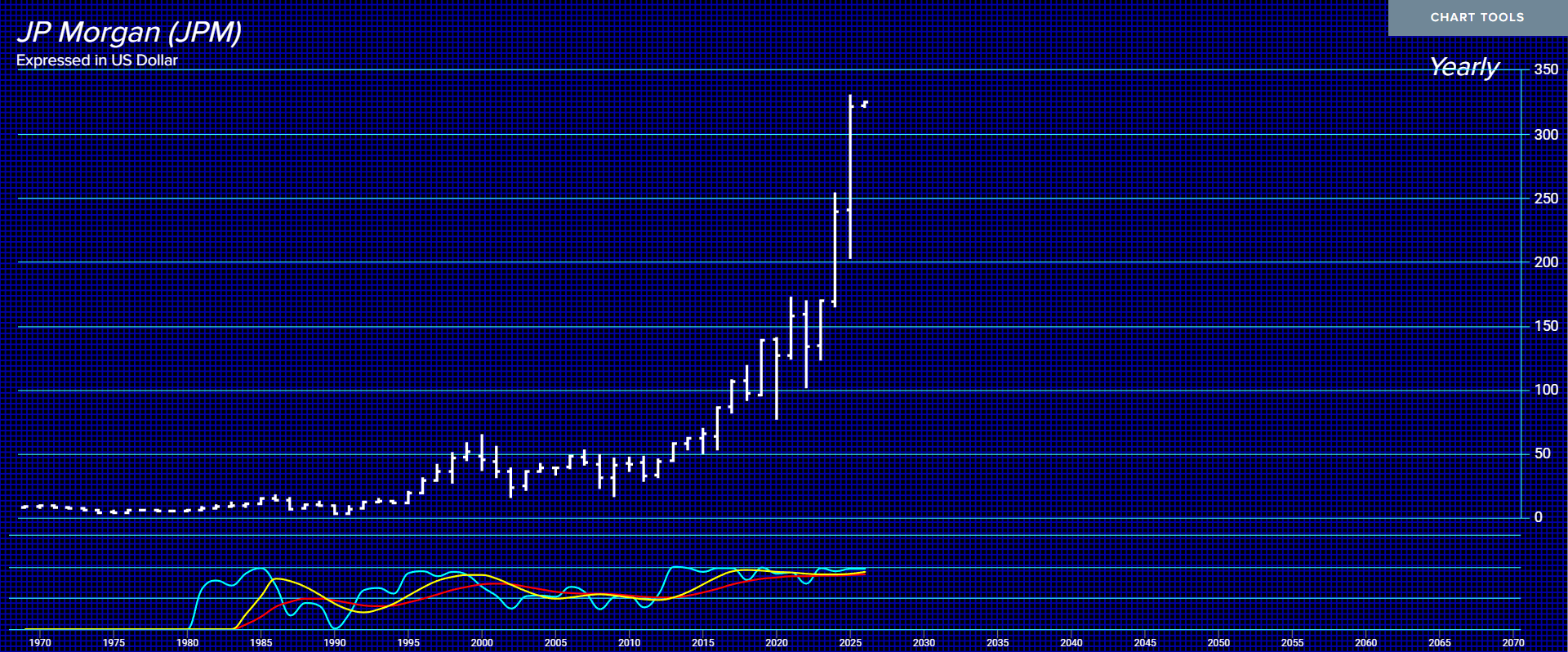
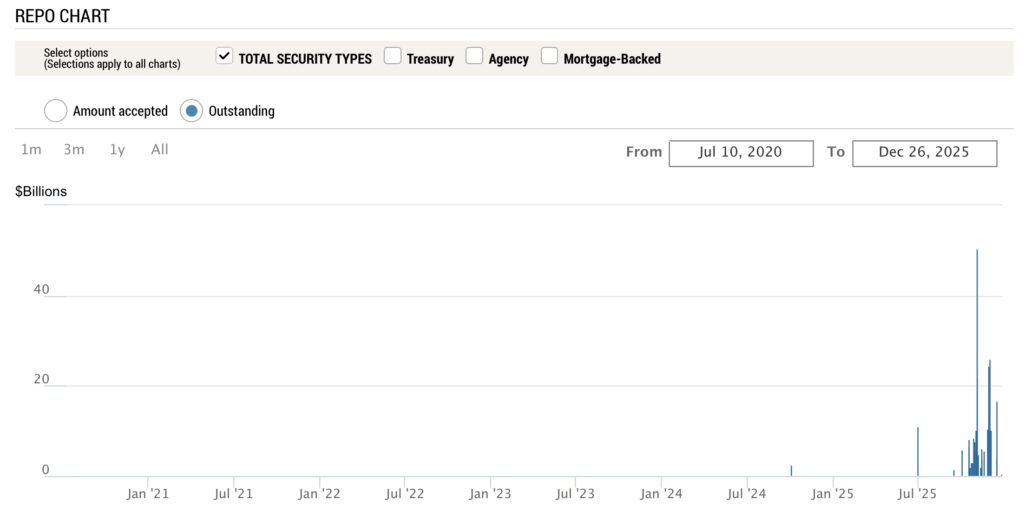
ANSWER: JP Morgan is on our site. It is due for new highs in 2026. We do have a Panic Cycle in 2027. The real crisis appears to be 2027 into 2028. I am aware that everyone seems to be freaking out about the injections into the REPO market. The global recession will spread starting here in 2026 but accelerate in 2027 int0 2028.
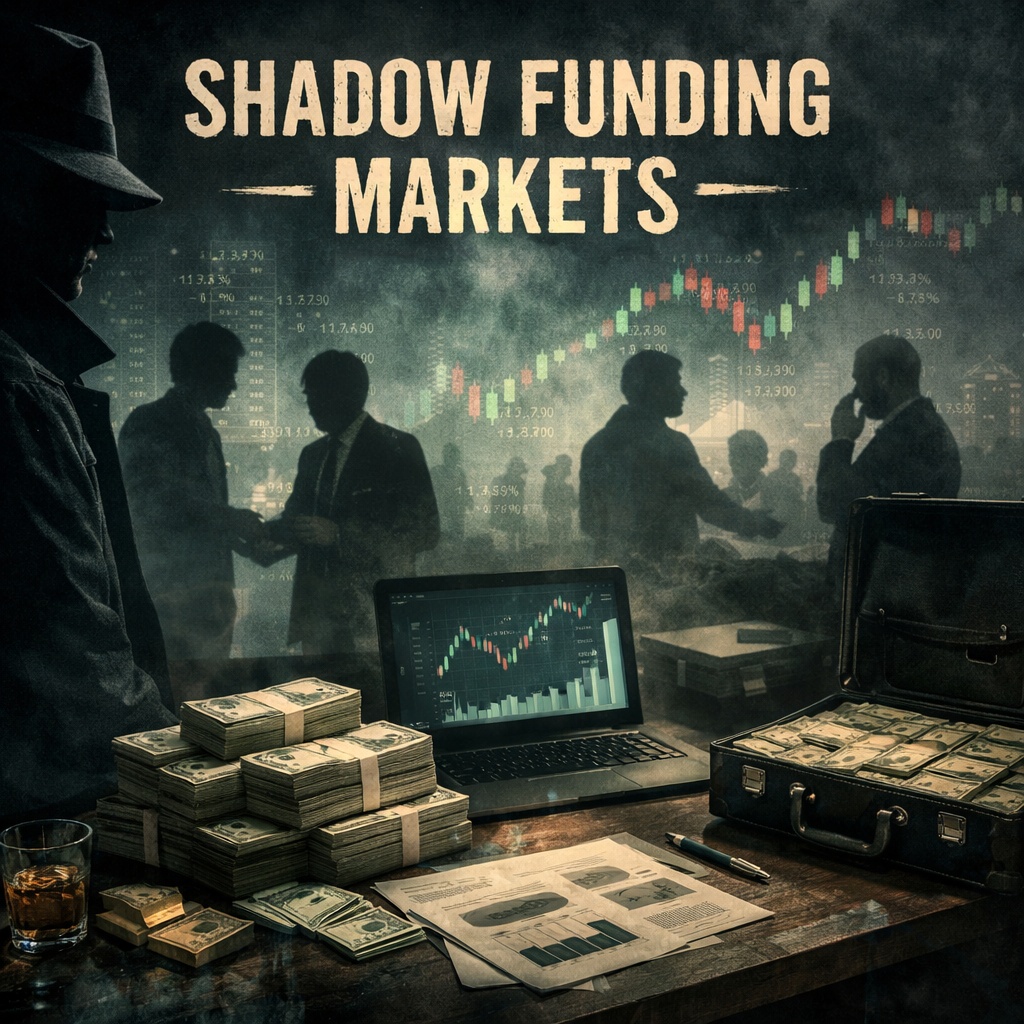
The implication is that something is wrong. However, this is a complex issue and as always the linear analysis always seeks to reduce this to a single cause and effect – i.e. silver short. However, what I rarely ever hear anyone mention is the real Shadow Dollar System: Repo and FX Swaps, both form the True Pillars of Global Liquidity. The global financial system operates on two largely invisible markets that dwarf traditional banking in scale and systemic importance: the repurchase agreement (repo) market and the foreign exchange swap market. Together, these markets circulate tens of trillions of dollars daily, providing the essential liquidity that keeps the modern financial system functioning.
Yet they remain poorly understood by the public as well as pretend analysts who focus on just one, and these are inadequately regulated by authorities who also fail to grasp their significance until crisis conditions revealed their centrality. The distinction between these markets matters profoundly because each serves different functions, involves different counterparties, and poses distinct systemic risks.
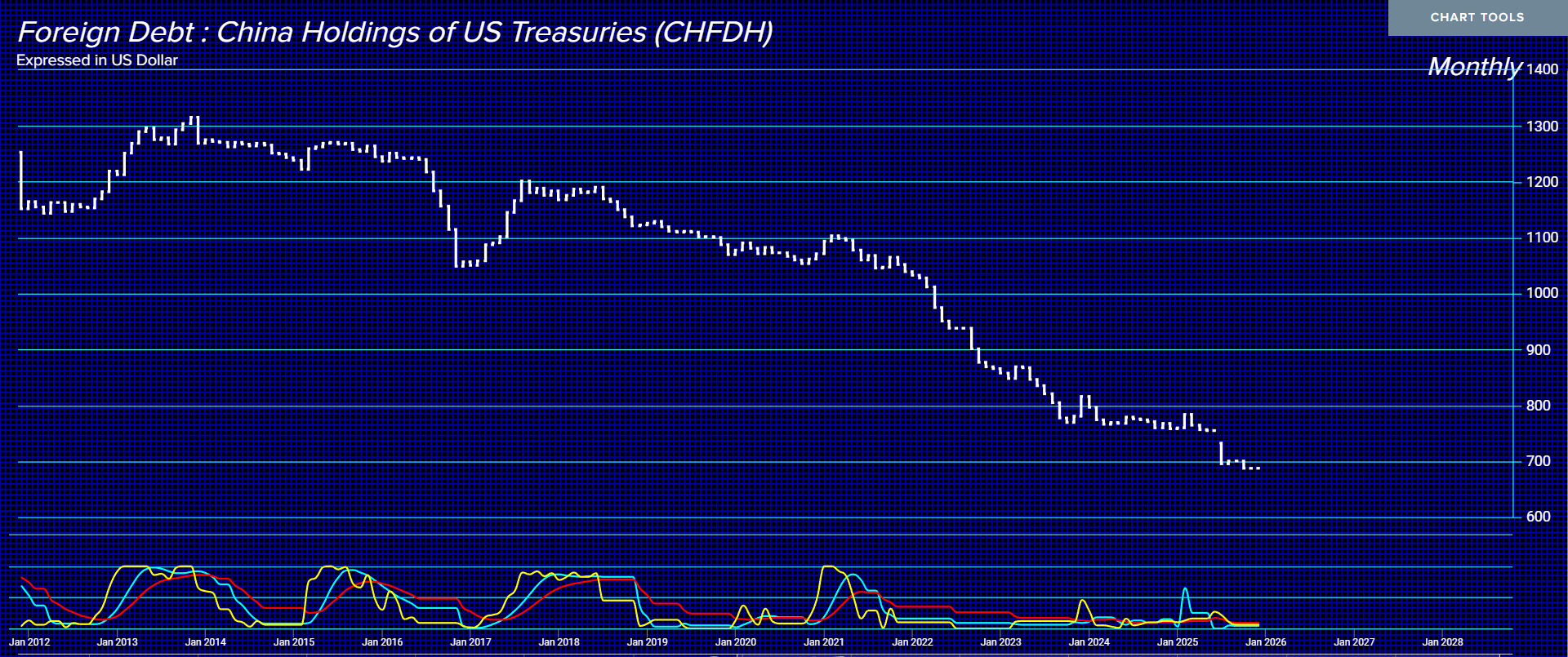
We carry the foreign holding of US Treasuries by various countries. I have written about how Antony Blinken transformed the dollar into a weapon by removing Russia from the SWIFT System and even threatened China. The led to the formation of BRICS, which most also seem to think this has something to do with the dollar being fiat as if it is the only such currency. China would be brain debt to back its currency with gold for that will create DEFALTION and ultimately collapse like Bretton Woods. You cannot fix a currency to anything because you have a business cycle that is also influenced by nature in addition to everything else including war.
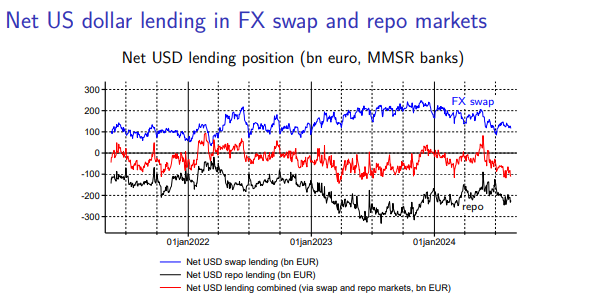
Just look at this chart and perhaps you might connect the dots that there is a second market of tremendous importance in the world economy – the FX Swap Market. I have been warning that Blinken has no idea what he was doing. He was only interested in hurting Russia. What he did is profoundly destroyed the world economy. Look at the steady decline of China’s holding of US debt. They are not trying to crash the market deliberately, but they have been dumping US Treasuries because you DO NOT OWN the debt of an adversary.
The Repo Market: Collateralized Short-Term Funding
The repurchase agreement market represents the primary funding mechanism for financial institutions requiring overnight or short-term cash. In a repo transaction, one party sells securities to another with an agreement to repurchase them at a specified price on a future date, typically the next day. The difference between the sale and repurchase price represents the interest rate, known as the repo rate.
This mechanism serves multiple functions simultaneously. Banks and broker-dealers use repos to finance their securities inventories without selling assets outright. Money market funds and other cash-rich entities deploy excess funds overnight, earning returns slightly above zero while maintaining liquidity. The structure provides secured lending, with the securities serving as collateral, theoretically reducing credit risk compared to unsecured interbank lending.
The repo market’s scale exceeds $4 trillion daily in the United States alone. Treasury securities dominate as collateral, though mortgage-backed securities and corporate bonds also circulate through these channels. The Federal Reserve itself conducts repo operations to implement monetary policy, adding or draining reserves from the banking system through these temporary transactions.
The critical feature distinguishing repos from traditional loans is the collateral mechanism and overnight tenor. Repos represent secured financing with minimal counterparty risk, at least in theory. The short duration means positions must be continuously rolled over, creating refinancing risk if market conditions deteriorate. This vulnerability manifested dramatically during the 2008 financial crisis when repo markets froze, leaving institutions unable to fund their positions despite holding securities as collateral.
The FX Swap Market: Currency Management Without Spot Exposure
Foreign exchange swaps operate on different principles serving distinct purposes. In an FX swap, two parties exchange currencies at the spot rate and simultaneously agree to reverse the transaction at a future date using a predetermined forward rate. This mechanism allows entities to obtain foreign currency for specific periods without incurring spot exchange rate risk on the principal amounts.
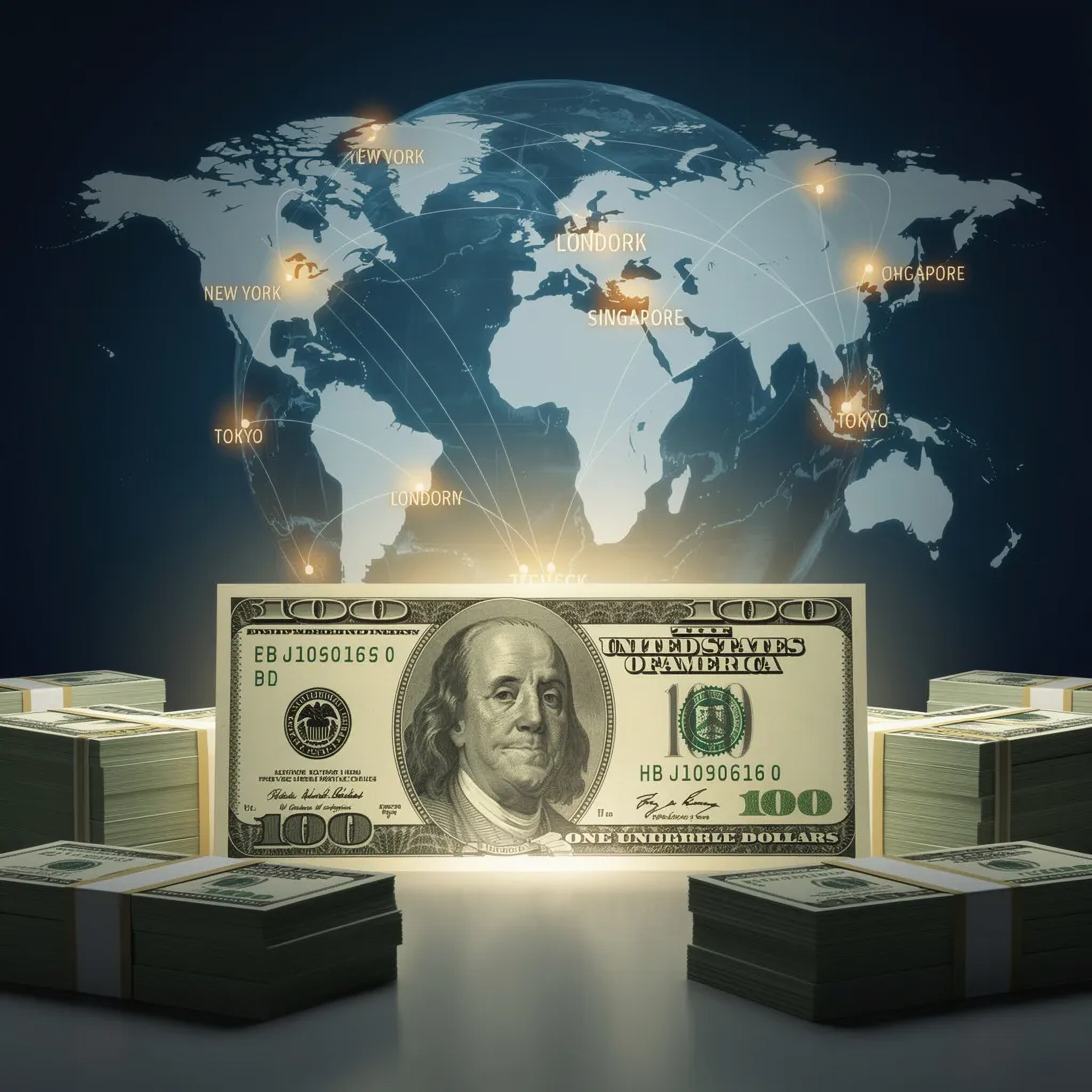
The scale dwarfs even the repo market. The Bank for International Settlements estimates daily FX swap turnover exceeds $5 trillion globally, making it the largest financial market by transaction volume. This market operates continuously across time zones, with London, New York, Tokyo, and Singapore serving as primary centers.
Corporations use FX swaps to hedge currency risk on foreign operations or transactions. A U.S. company expecting euro-denominated revenue in three months can swap dollars for euros today and reverse the transaction when the revenue arrives, locking in the exchange rate. Banks use FX swaps to manage their currency positions and provide dollar funding to foreign operations without maintaining massive dollar deposits.
The crucial distinction from repos lies in the currency dimension. FX swaps solve timing mismatches in currency flows rather than funding needs for securities positions. A Japanese bank holding dollar-denominated assets but with yen liabilities uses FX swaps to obtain dollars temporarily without selling the underlying assets. The forward leg of the transaction eliminates exchange rate uncertainty, making this a liquidity management tool rather than a speculative position.
The Hidden Dollar Shortage
The FX swap market reveals a profound structural reality: chronic dollar shortage among non-U.S. financial institutions. Foreign banks hold substantial dollar-denominated assets, from U.S. Treasury securities to corporate loans, but lack natural dollar deposit bases. They cannot simply create dollars the way they create their domestic currencies. When a domestic bank market a loan, they are actually creating dollar outside the FED that all the ranting and finger pointing seem to never understand. A Bank lends you $100 and even assuming that was back by a $100 deposite from someone else, the money supply is doubled without the Federal Reserve. What the dollar haters never understand is that foreign banks lack the dollar deposits to lend out. This creates constant demand for dollar funding through FX swaps.
European and Asian banks extensively use FX swaps to finance their dollar asset holdings. They swap euros or yen for dollars short-term, invest those dollars in longer-term assets, and continuously roll over the swaps. This maturity transformation generates profit but creates refinancing risk if swap markets become stressed. The arrangement also makes non-U.S. banks dependent on dollar liquidity conditions they cannot directly control.
This hidden dollar demand helps explain why the Federal Reserve’s monetary policy reverberates globally with amplified effect. When the Fed tightens policy and dollar liquidity contracts, the FX swap market transmits stress worldwide as foreign banks struggle to roll over dollar funding. The swap spreads, the difference between the implied interest rate in FX swaps and actual dollar interest rates, widen dramatically during stress periods, revealing the premium paid for dollar access.
A shortage of bank reserves in the US financial system caused the secured overnight funding rate (SOFR) to spike in September 2019. It was fixed by the Fed restarting repo operations and expanding its balance sheet. During the European Debt Crisis after Greece got into trouble needing an IMF bailout in 2010, Chancellor Merkel had implied that Deutsche Bank would not receive state aid if it got into trouble. The narrative was that Germany, having criticized other countries for bank bailouts, wanted to appear tough and avoid the political fallout of bailing out its largest bank. This sent a red flare warning to US banks. The year 2019 did not see a full-blown, acute systemic crisis on the scale of 2010-2012 or March 2020, but it was a period of significant and worrying stress, often described as a “simmering” or “slow-burning” crisis that raised serious concerns about a potential resurgence. US banks were reluctant to accept European counter-party risk unleashing a REPO CRISIS that compelled the Fed to step in.
Then came the March 2020 “Dash for Cash.” This was a global problem. A worldwide shortage of dollar funding that manifested in unsecured funding markets (libor-OIS spread) and the secured FX swap market (cross-currency basis). It was fixed by the Fed acting as a global lender of last resort via international swap lines. Hence, the 2020 crisis did not just “involve” a dollar shortage in the FX swap market; the dysfunction and extreme stress in that specific market were a primary symptom and transmission channel of the global US dollar funding shortage. The Fed’s response through swap lines was directly targeted at relieving that precise pressure point.
The Federal Reserve’s Implicit Global Role
This is what all of these pundits seem to ignore probably out of their DOMESTIC focus. The Fed’s currency swap lines with foreign central banks represent acknowledgment of its unavoidable role as global dollar lender of last resort – NOT simply the domestic central bank. These facilities, expanded dramatically during the 2008 crisis and reactivated during the 2020 COVID disruption, allow foreign central banks to obtain dollars from the Fed and provide them to domestic banks facing dollar funding crises.
This arrangement reveals uncomfortable truths about dollar hegemony. The global financial system operates on dollar foundations regardless of American preferences. Foreign banks and corporations hold dollar assets and liabilities because international trade and finance predominantly use dollars. This creates structural dollar funding needs that private markets cannot reliably satisfy during stress periods. This is why I say it is laughable about all of these claims that the dollar is collapsing. To accomplished that, the crisis MUST being externally FIST and then spread as a CONTAGION to the center. It does not begin in the reserve currency. That is where it ends.
The FED – Central Bank of the World
The Fed on technically serves American interests in theory and operates under Congressional mandate, yet it cannot avoid global responsibilities inherent in dollar dominance. Failing to provide dollar liquidity during crises would trigger global financial collapse with severe domestic consequences. The central bank of one nation has become, by necessity and circumstance, the central bank for the global economy.
The Unsustainable Trajectory
Both markets have grown exponentially while regulation has lagged and public understanding appears to be non-existent. The repo market’s dependence on continuous rollover creates inherent fragility – but globally. A funding disruption lasting mere days could trigger widespread failures as institutions cannot finance securities positions. The concentration of repo activity among major dealer banks creates single points of failure.
The FX swap market’s hidden dollar obligations represent claims on dollars that may not exist during crisis conditions. The Fed’s swap lines provide backstop liquidity, but political pressures could limit their use during future crises. The arrangement also embeds moral hazard, encouraging foreign banks to maintain dollar positions reliant on emergency Fed support.
The ultimate irony is that these shadow funding markets, each exceeding traditional banking in scale, developed precisely because regulations and capital requirements made conventional banking increasingly constrained. Repos allow balance sheet expansion without corresponding capital. FX swaps create dollar funding without dollar deposits. The regulations drove activity into less visible channels while authorities congratulated themselves on banking system safety.
The next crisis will likely reveal new vulnerabilities in these markets that regulators currently fail to appreciate. The mathematical certainty is that systems dependent on continuous short-term funding rollover eventually face conditions where that funding disappears during geopolitical crises. The question is not whether but when, and whether authorities respond with adequate speed and scale when private markets seize. That appears to be 2027 and beyond.
These are not peripheral financial markets but the central nervous system of global finance. Their continued growth and systemic importance guarantee that future crises will involve repo and FX swap market disruptions. Understanding the distinction between these markets and their respective fragilities matters enormously for anyone hoping to anticipate where the next financial earthquake originates. History suggests that understanding will come too late, after crisis reveals what calm periods obscured.
So is this all about silver? Come on. There is more to this complexity than a single cause and effect.
Posted originally on Dec 29, 2025 by Martin Armstrong |
The year 2025 was not defined by a single shock, but by a decisive break in confidence. Governments repositioned, as did central banks, but both have realized they are unable to stop the cycle in motion. The public no longer trusts those in charge of monetary or fiscal policy and confidence was the dominant theme of the year.
The drums of war loudly rang throughout the world. The Middle East saw intense conflict between Israel and Palestine. The West gained strategic partnerships with formerly ousted partners and created new enemies. Europe continued to build its defenses as it braces for World War III, promoted by its own neocons who have refused to accept peace. Nations drifted deeper into debt as they prepared for the inevitable, propelling the sovereign debt crisis. Russia acknowledged that it is at war with NATO and has increased its nuclear power. There were over 110 ongoing wars across the globe in 2025, and tensions are intensifying.
Economic warfare persisted. April’s tariffs and market correction sent shockwaves through the economy. Nations were forced to rethink trade and restrategize all imports/exports. War tensions rose in the East as all eyes are on Taiwan. China and the US remain at odds and are fighting for the title of “financial capital of the world.” China’s growing middle class and technological advancements rapidly accelerated.
Donald Trump taking office marked a global shift away from the globalist agenda–for now. Trump steered the US in a 180-degree direction from Joe Biden’s policies on energy, immigration, trade, and most importantly, war. I warned that Donald Trump’s election could delay the inevitable but not prevent it. As expected, the opposition has opposed the president every step of the way, which led to the longest government shutdown in US history. Confidence cracked once more when it was revealed that Joe Biden did not assume authorshipof his presidency, leaving the public to wonder who was in charge of leading the world’s top economy for the past four years.
The push toward the Build Back Better agenda collapsed after Trump, and we witnessed countless nations vote for candidates with nationalistideologies. Klaus Schwab’s exit from the World Economic Forum was unexpected and marked a change in vision from the bureaucratic elites who can no longer rely on the lies of climate change to control the masses. The new leadership of the WEF signaled a new direction for the globalists. They have not relented on their mission but altered it to adjust to the changing tides.
The dawn of the AIage has led to a new rise of institutions and reframed the future. Semiconductor chips are of utmost priority, as well as rare earth minerals, both of which are in tight supply. Automationhas begun to replace workers. Jobsare in tight supply as businesses no longer trust in tomorrow and will not expand even if there is an opportunity to borrow at lower rates.
The most widely read content reflected that reality. When Vietnam erased and froze 86 million bank accounts tied to digital ID compliance, the response was immediate and global. Readers understood this was not about Vietnam, but about the future of money itself. That concern deepened as similar systems expanded elsewhere. Thailand’s biometric control model illustrated how surveillance, banking, and identity are converging into a single permission-based framework. Digital IDs and CBDC are not only valid concerns but concrete plans. Governmentsare increasing surveillance, tightening their grip on the masses who no longer trust them. Capital has poured into equities and tangibles as a hedge against governments.
The most engaged blog posts of 2025 shared a common thread: capital controls, digital identity, surveillance, war risk, sovereign debt, and the loss of credibility in government data. It is clear that the public has lost all hope in a reliable government. Trust has been lost, and people are seeking ways to protect themselves from increasingly authoritarian regimes.
2025 was the confirmation year. As we move into 2026, volatility will not come as a surprise. The Economic Confidence Model points to a heightened risk of financial stress, political instability, and sudden shifts in capital flows as confidence in institutions continues to erode. This is the phase in the cycle when governments are forced to react, often resorting to control measures as volatility rises. Although 2026 will be far from a calm year, the computer will continue to guide the way and provide a bit of predictability amid an unstable world.
Posted originally on Oct 9, 2025 by Martin Armstrong |
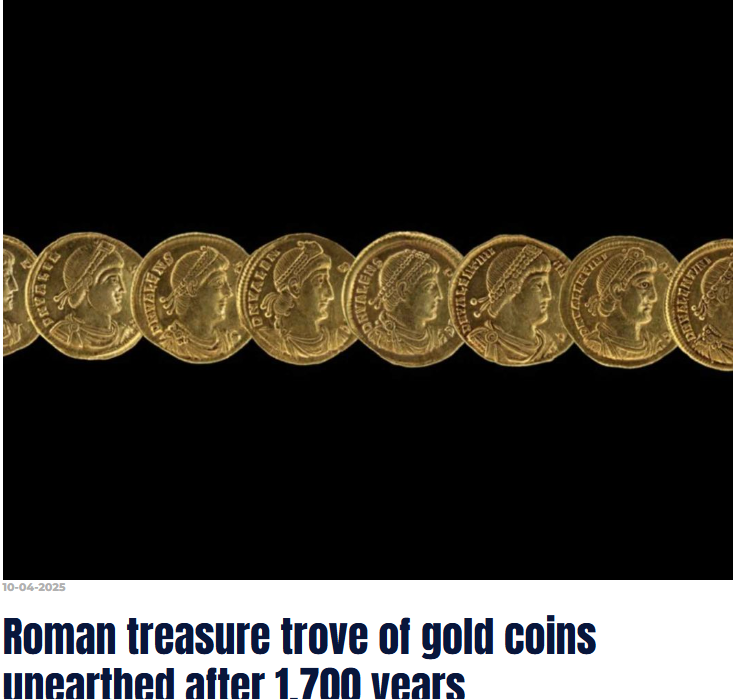
QUESTION: Marty, is there any chance you can buy this hoard to sell for Christmas?
P
ANSWER: I will have some coins for Christmas, but it is unlikely that this gold hoard of 141 coins will ever reach the market. These were found in Luxembourg. They have very draconian laws. All archaeological discoveries, including Roman coins, are considered part of Luxembourg’s national cultural heritage and are the property of the state. You are legally obligated to report the find to the authorities. It does not matter if they have one coin and you have 1,000 more of the same coin. They keep them all and put them in a box, just like in the movie Raiders of the Lost Ark.. Because of the arrogance of academics who insist that everything belongs to them, I would never donate 10 cents to them. I have one friend who said he would leave his ex-wife to them.
In Britain, if you find a hoard of Roman coins, you must first report them. The Coroner will hold an inquest to determine if the find legally qualifies as Treasure. If it is declared Treasure, the Treasure Valuation Committee (a panel of independent experts) will determine its full market value.
Local and national museums are given the opportunity to acquire the Treasure by paying the valuation sum. The reward is split equally between the finder and the landowner, unless a prior agreement states otherwise (e.g., a 50/50 split is standard). You must have permission to be on the land to be eligible for a reward.
In the United States, the government is always greedy. If you find a shipwreck, the government instantly claims the title of these wrecks to the state in whose waters the wreck is located. You cannot claim “finders keepers.”
It all depends on where coins have been discovered. Britain is the best of all. What these governments do not understand is that they are so damn greedy that, since you get nothing and they DO NOT cover your expenses, there is no point in searching for anything.
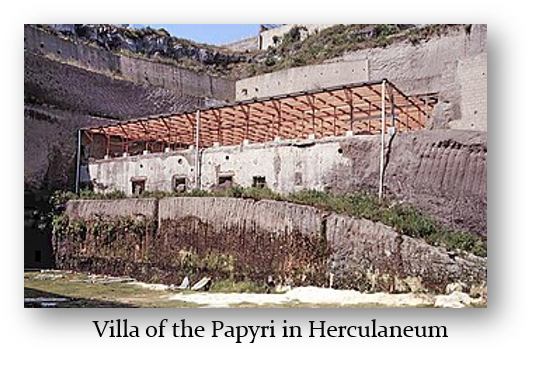
I was asked back in the 1990s if I would fund the excavation of the library in the Villa of the Papyri of Herculaneum, the most luxurious Roman villa, filled with art and a library beyond compare, containing all the lost works yet to be excavated. So far, more than 1,800 papyrus scrolls have been discovered in the 18th century. They had been carbonized when the villa was engulfed by the eruption of Mount Vesuvius in 79 AD.
Obviously, you cannot retain anything. The primary issue is that it is located 100 feet underground, and a town has been built on most of the Villa. That is easy to see with this picture I took. The government lacks the necessary funds to complete the job, which is part of the problem. They claim ownership and block anyone from recovering anything. So much of the Villa remains untouched. The original 18th-century excavation, which employed tunnel mining techniques, uncovered a vast portion of the villa, including part of the renowned library that housed the papyrus scrolls. However, this early excavation was haphazard and incomplete. Thus, state funds are directed at politicians to retain power.
You can see the depth of Herculaneum and the problem that there is a town over the site itself. The owner of the Villa of the Papyri was a relative of Julius Caesar. The leading candidate for the owner of the villa is Lucius Calpurnius Piso Caesoninus (c. 100– 43BC). He was a powerful Roman senator and consul. Piso’s daughter, Calpurnia, was married in 59BC to Julius Caesar. She was his last wife and famously tried to warn him not to go to the Senate on the Ides of March.
Piso was a respected and influential senator from a noble plebeian family. By marrying his daughter Calpurnia, Caesar gained a crucial ally within the conservative senatorial establishment (the optimates) who could help smooth the passage of his legislation and defend his interests while he was away on his campaigns in Gaul. As a direct result of this alliance, Piso was elected Consul for the year 58 BC, the year after Caesar’s consulship. He used his position to protect Caesar’s political arrangements from his enemies in the Senate. Piso prevented his daughter from being forced to marry Mark Antony. Piso, as the father-in-law, played the most direct and important role in Julius Caesar’s political career.
The Getty Museum in California is a copy of the architectural plans of the Villa that were discovered.
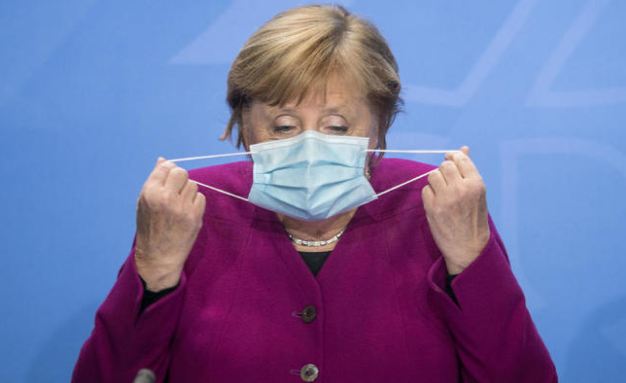
Former German Chancellor Angela Merkel was the first person to admit that the Minsk Agreement was a ploy to buy time to help Ukraine build its military. The Western powers never intended to honor the Minsk Agreement or any of their peace deals with Russia. Yet, Angela Merkel believes there is a bigger culprit behind Russian aggression—COVID-19.
“We couldn’t meet anymore” because Putin was “afraid of the coronavirus pandemic.” Merkel’s theory: “If you can’t meet, if you can’t discuss your differences face to face, you won’t find new compromises.” In a recent interview, Merkel plainly states, “Corona is the main reason” why Russia attacked Ukraine.
Merkel also stated in a separate interview that she has been a political “scapegoat” for escalating Russian aggression. People blame Merkel, unfairly, I will add, for continuing to purchase Russian oil at that time. She has been attacked for failing to boost Germany’s defense during her tenure. The public believes that Germany used the Minsk Agreement to appease Putin, but Merkel herself admitted the deal was to boost Ukraine.
Not only is she blaming COVID, but Merkel is blaming Poland and the Baltic States for preventing the European Union from establishing direct contact with Russia. She mentions that these EU nations were also keen on importing Russian energy, because politicians were unwilling to sabotage the energy sector before Brussels had complete control over the EU bloc.
“In my opinion, it was necessary to try to resolve conflicts with Russia peacefully. At the same time, we also strengthened the principle of deterrence… At the 2014 NATO summit in Wales, a goal was set for all countries to spend two percent of their gross domestic product on defense. I recognize that the energy with which this was advanced was limited,” the former chancellor said.
This war began in 2014, long before the pandemic. Putin invaded as a direct response to the Minsk Agreement hoax, and in reality, Merkel knows the truth. “But I don’t believe that when he came to power in 2000, he was already planning to attack Ukraine one day. Rather, it is a development in which we in the West must also ask ourselves whether we have always done everything right,” the former chancellor noted in a separate interview. True. Putin did not enter politics with the intent of restoring the Soviet Union. The entire reason Yeltsin handed Putin the reins of power was to prevent Russia from being overtaken by the hardliner oligarchs who DO want to see a USSR revival.
Merkel has gone off the rails in her interviews since leaving office. Her frankness is refreshing for those of us who understand the long con game these neocons have been playing–Merkel cannot bite her tongue to conceal the Plot to Seize Russia.
Posted originally on CTH on October 7, 2025 | Sundance
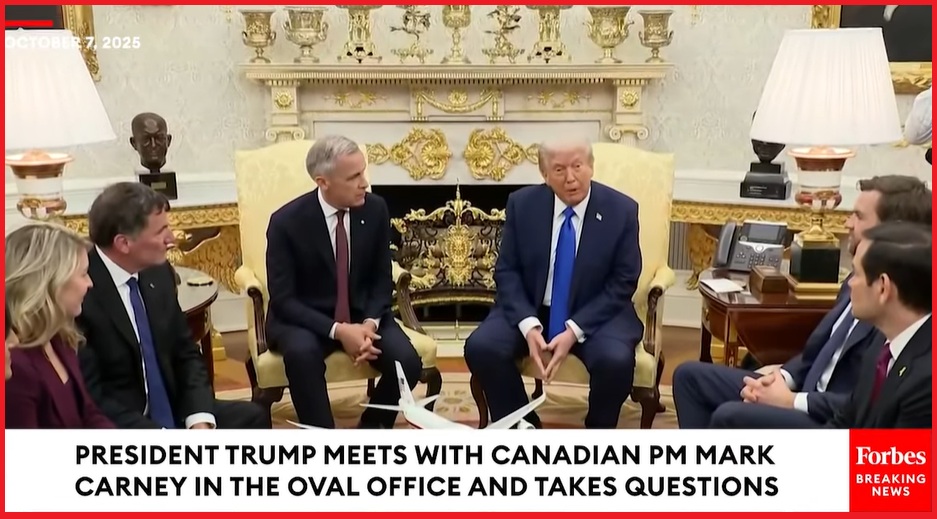
Canadian Prime Minister Mark Carney travels to the U.S. for a White House meeting with President Trump. The two leaders hold a press availability prior to entering negotiations. WATCH:
Posted originally on Oct 7, 2025 by Martin Armstrong |
COMMENT #1: Hi Martin,
Macron is totally cornered tonight, and 62% of the French people are now demanding his resignation. With all the panic cycles showing up in multiple markets in 3 weeks only, may God help us if the petit Napoleon doesn’t take us into war with his other European parasite friends to avoid losing power after their failed policies, and humiliation as the most hated president in history. Unbearable for such a narcissistic character.
Best wishes from France.
PH
COMMENT#2: Mr. Armstrong,
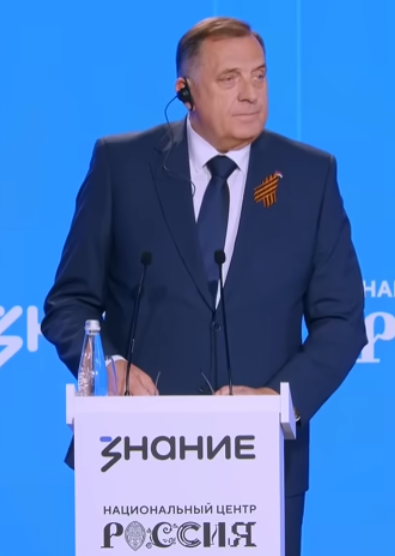
Thank you for doing podcasts in Croatia and Serbia. You are being heard. The president, Milorad Dodik, a Bosnian Serb, who is the 8th President of the Republika Srpska, is now publicly saying what you have been warning about: that this war with Russia is because the EU is in trouble. I know if I ask, you cannot confirm or deny. But it appears that you may be advising countries in the Balkans. I certainly hope so. Dodik has publicly stated that the political situation in European countries is deteriorating, and their economies are in recession. Dodik warned that the EU is a trap. “The Balkan countries should not join the EU. It’s a trap. By the time we join the European Union, it will disappear, and it is already disappearing.”
Thank you so much for your efforts. You are the only person who truly deserves a Peace Prize.
VR
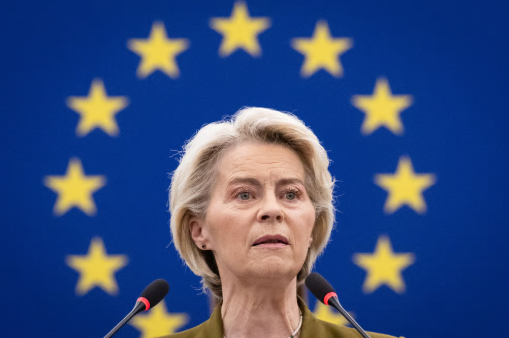
REPLY: If you are blind, you can still see that once the EU was created, like a small businessman seeks to expand his business, that same human instinct takes place among politicians, but the difference is they constantly seek more and more power directed against the people. Even German Chancellor Friedrich Merz called for “putting sticks in the wheels of Brussels” in order to regain Berlin’s influence. Merz wants to give part of the EU’s powers to national governments. He has stressed that it is necessary to stop Brussels’ interference “in people’s daily lives” in the person of European Commission President Ursula von der Leyen.
“Now we have to put a stick in the wheels of this machine in Brussels,” the German chancellor said, addressing business leaders.
Merz also criticizes von der Leyen for proposals to expand the EU budget, introduce new taxes, and for the protracted negotiations on trade agreements. He has insisted on reviewing the role of Brussels in defense planning. Merz has actually said that the EU has “gone too far” and that this situation “can no longer continue.”
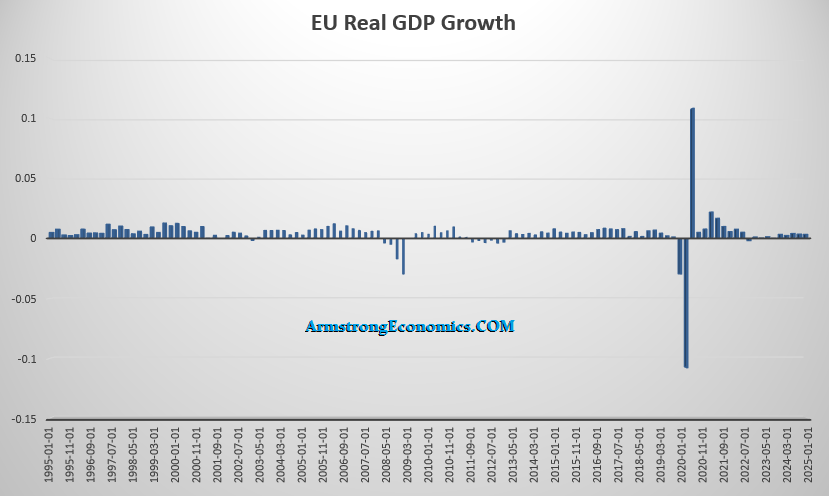
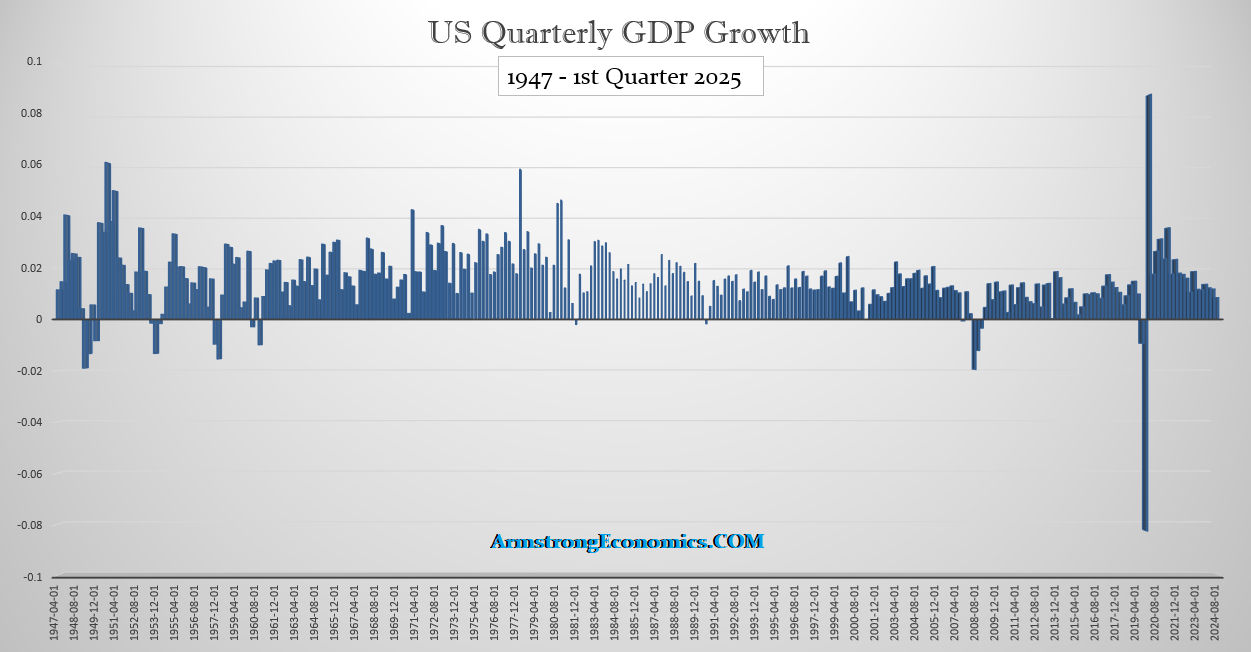
Poland has also expressed similar problems with Ursula’s administration of the EU. She has really wiped out the European economy by using insane climate control to the migrant crisis. A mere glance at the GDP of Europe in comparison to that of the United States reveals how it has significantly suppressed economic growth, pushing the EU to the brink of collapse.
This is the official data taken from the Federal Reserve. This is why we even have a NO-CONFIDENCE VOTE on Ursula this week. I was in a meeting in Berlin and had to run to the next meeting in Rome. These climate change policies have led to the cancellation of short-term flights. There was only one direct flight in the morning. I had to rent a private jet to make the next meeting. I have NEVER in over 40 years been compelled to do that.
Since the 1995 Dayton Peace Agreement, Bosnia and Herzegovina has functioned as a decentralized, multiethnic state divided into two entities: the Federation of Bosnia and Herzegovina and Republika Srpska. Ukraine should have been divided along ethnic lines. But NATO and the NEOCONS have been using Ukraine as their sacrifice on their Neocon altar to bring down Russia.
The Balkans can’t look to the future because they are forever hostages to the past. Even the Baltic states face the same issue with Kallas of Estonia, who insists that Russia is too large and must be broken up. The EU hates Dodik because he is pro-Russia.
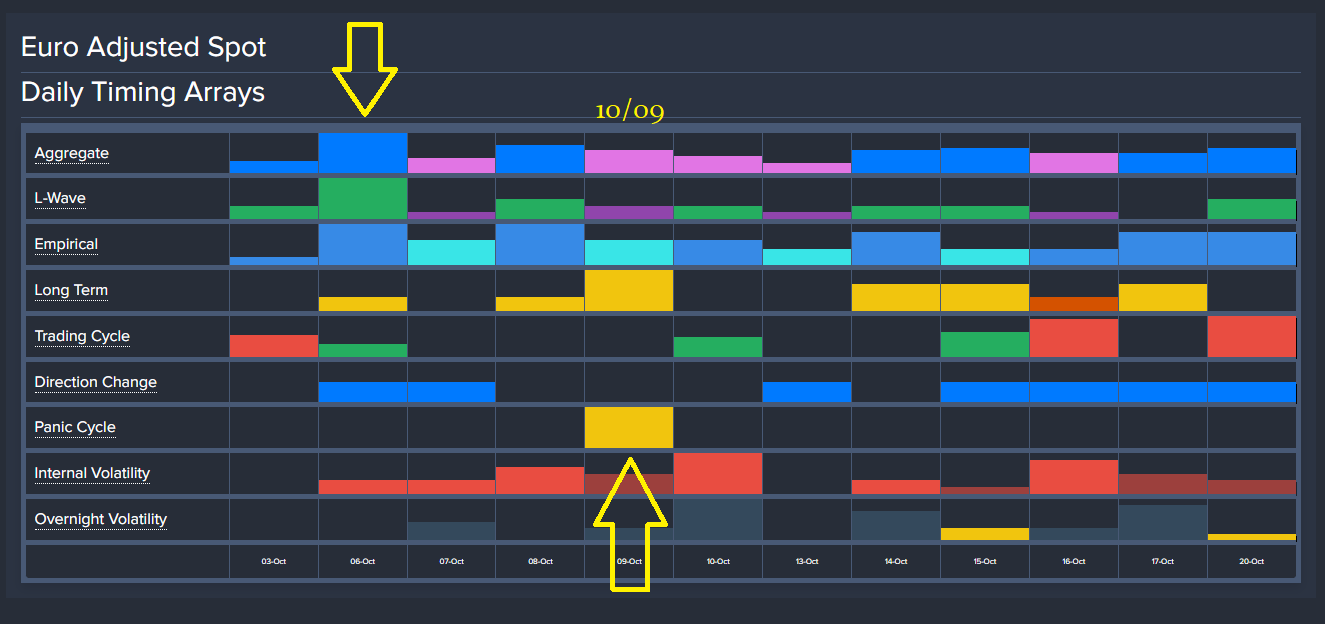
This week, the European Parliament is scheduled to hold two no-confidence votes against European Commission President Ursula von der Leyen on Thursday, October 9, 2025, at 12:00 PM CEST. These votes follow a joint debate held on Monday, October 6, 2025, at 5:00 PM CEST. What is fascinating is how the computer picks up these events from the economic patterns. He had a Panic Cycle for the 9th – the day of the vote.
The motions have been introduced by two political groups: the anti-leftist “Patriots for Europe” and the left-wing group “The Left.” The Patriots for Europe criticize Ursula von der Leyen’s green policies and response to illegal migration, while The Left condemns the EU’s inaction on Gaza. Both groups also oppose Ursula’s trade policies, particularly a tariff deal with the U.S. and a proposed EU-Mercosur agreement, which they argue harms farmers and the environment.
Most expect the motions will fail and Ursula will maintain the European tyranny. A two-thirds majority is required to pass a no-confidence motion in the European Parliament, and such a majority is not anticipated. Centrist parties, including the European People’s Party (EPP), Socialists and Democrats (S&D), and Renew Europe, are expected to support Ursula to the detriment of Europe. They will ensure that Ursula von der Leyen will retain her position and allow Europe to fulill is destiny.
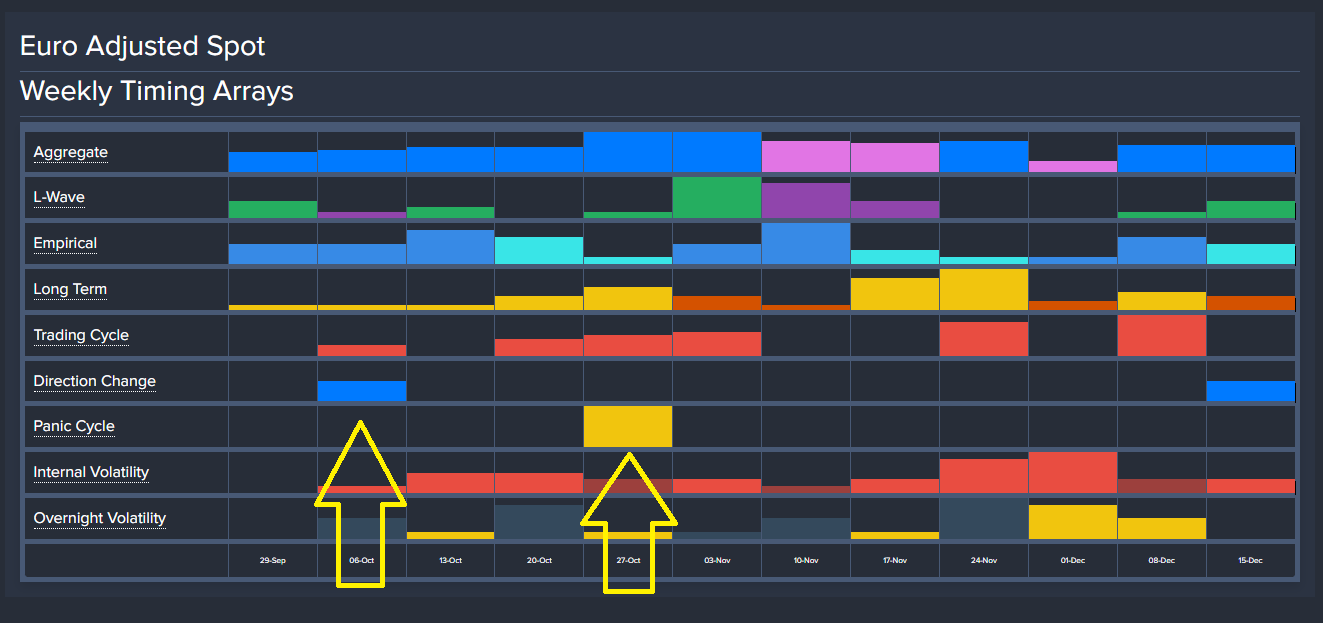
Despite the expected outcome, these motions highlight growing political polarization within the European Parliament and reflect broader dissatisfaction with von der Leyen’s leadership. However, the computer does NOT show such clear sailing. This week was to be a Directional Change, and we have a Panic Cycle that is showing up around the world in various markets, especially during the Week of October 27th.
Posted originally on CTH on October 6, 2025 | Sundance
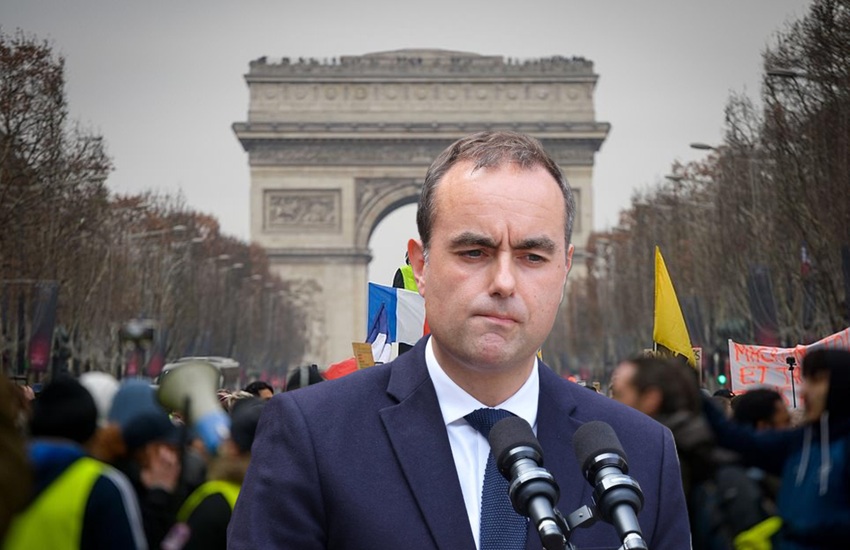
Well, number five didn’t last long. Now French President Emmanuel Macron will be looking for Prime Minister #6.
France’s new Prime Minister Sebastien Lecornu has resigned only a few weeks after his installation. Just yesterday he appointed the cabinet, and today he quits. With the parliamentary government collapsing repeatedly, and with serious economic and financial issues around the French government, things are increasingly spiraling.
FRANCE – […] Lecornu, France’s fifth PM in less than two years, had his work cut out to convince the country — and investors — that he can unite a fractious and divided parliament enough to get a 2026 budget over the line.
He was installed in early September against a backdrop of public unrest and dissatisfaction over the messy state of French affairs, after several successive governments failed to pass budgets detailing spending cuts and tax rises.
A former defense minister and longtime ally of French President Emmanuel Macron, Lecornu resigned just hours after naming a new cabinet on Sunday. The new cabinet, which saw most high-profile figures remain in their posts, was due to hold its first meeting on Monday.
Now, France has been plunged into a new political crisis which will put massive pressure on Macron, who has now installed three failed minority governments.
Lecornu was due to make a speech in front of parliament, the National Assembly, on Tuesday laying out his government’s roadmap.
Parties on both the left and right of the political spectrum in France were watching closely, as were investors and the European Commission in Brussels, to see how Lecornu planned to close a budget deficit of 5.8% in 2024. France’s debt pile amounted to 113% of GDP in 2024.
Both levels are far above EU rules demanding that individual members’ deficits should not exceed 3% of GDP, while their public debt should not surpass 60% of economic output. (read more)
I have created this site to help people have fun in the kitchen. I write about enjoying life both in and out of my kitchen. Life is short! Make the most of it and enjoy!
This is a library of News Events not reported by the Main Stream Media documenting & connecting the dots on How the Obama Marxist Liberal agenda is destroying America











 Centinel2012