The 6th Wave – Do We Ever Learn?


Armstrong Economics Blog/ECM Re-Posted Apr 4, 2023 by Martin Armstrong

QUESTION:
Hi,
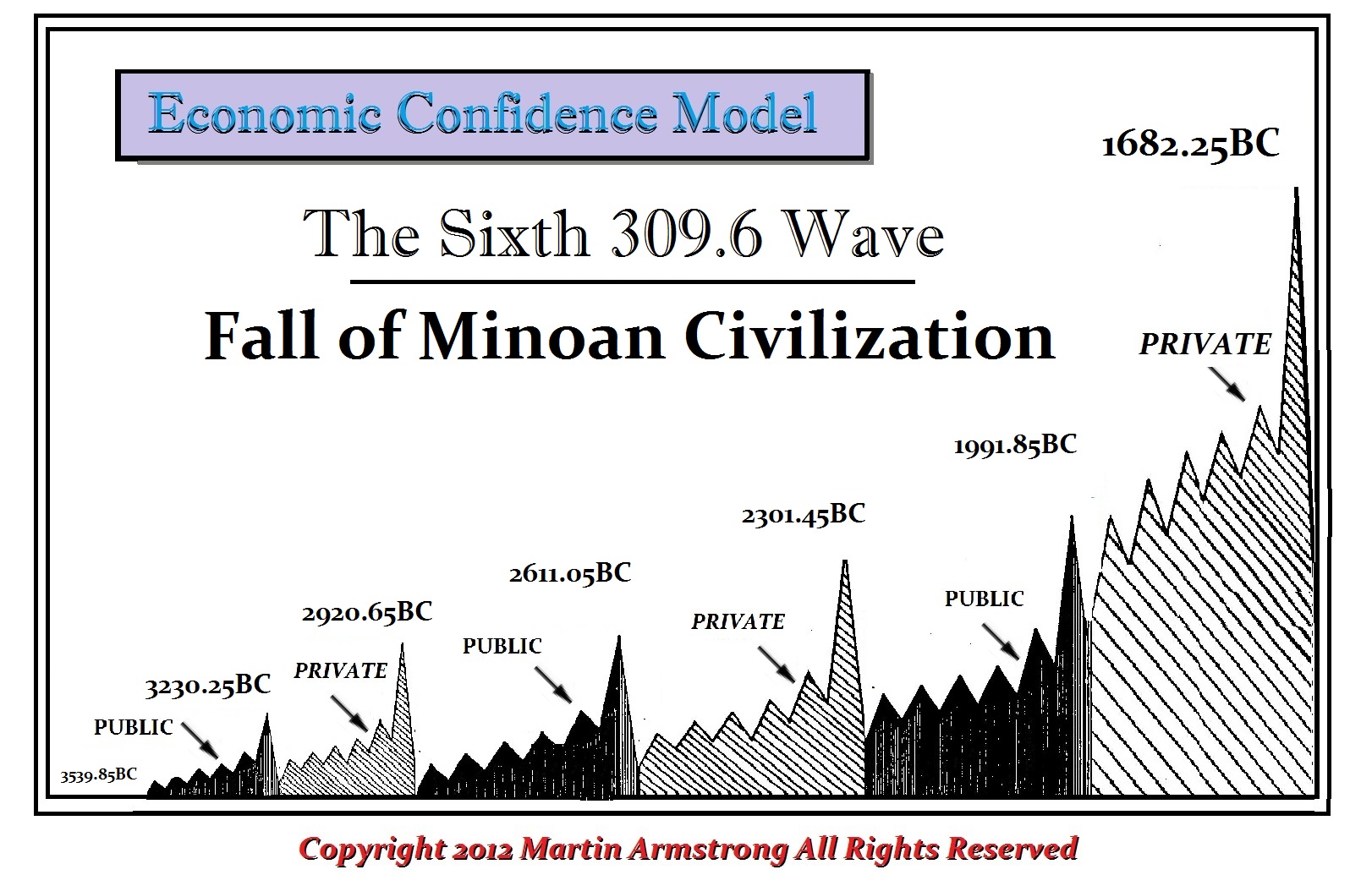
Have you come across a period in history that at the end of the sixth wave, after the political system dies, during the next six waves, human mankind learned from its past errors and corrected it?

ANSWER: Actually, the answer is NO. The fall of the Minoan Civilization brought in a dark age with the invasion of the Sea Peoples from the North who were driven south by climate and conquered all the civilizations during the Bronze Age except for Egypt. Reliefs show the Egyptians in heated battles against the Sea Peoples.
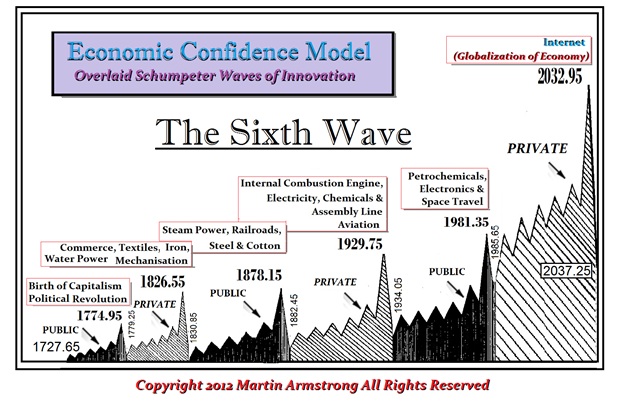
Everything in this universe is fractal. It is a repetitive pattern of self-referral. You have children and they are a blend of both parents’ DNA – self-referral. Thus, what makes 2032 extremely important, is that it is the Sixth Wave since the last upheaval of the overthrow of the Monarchy.
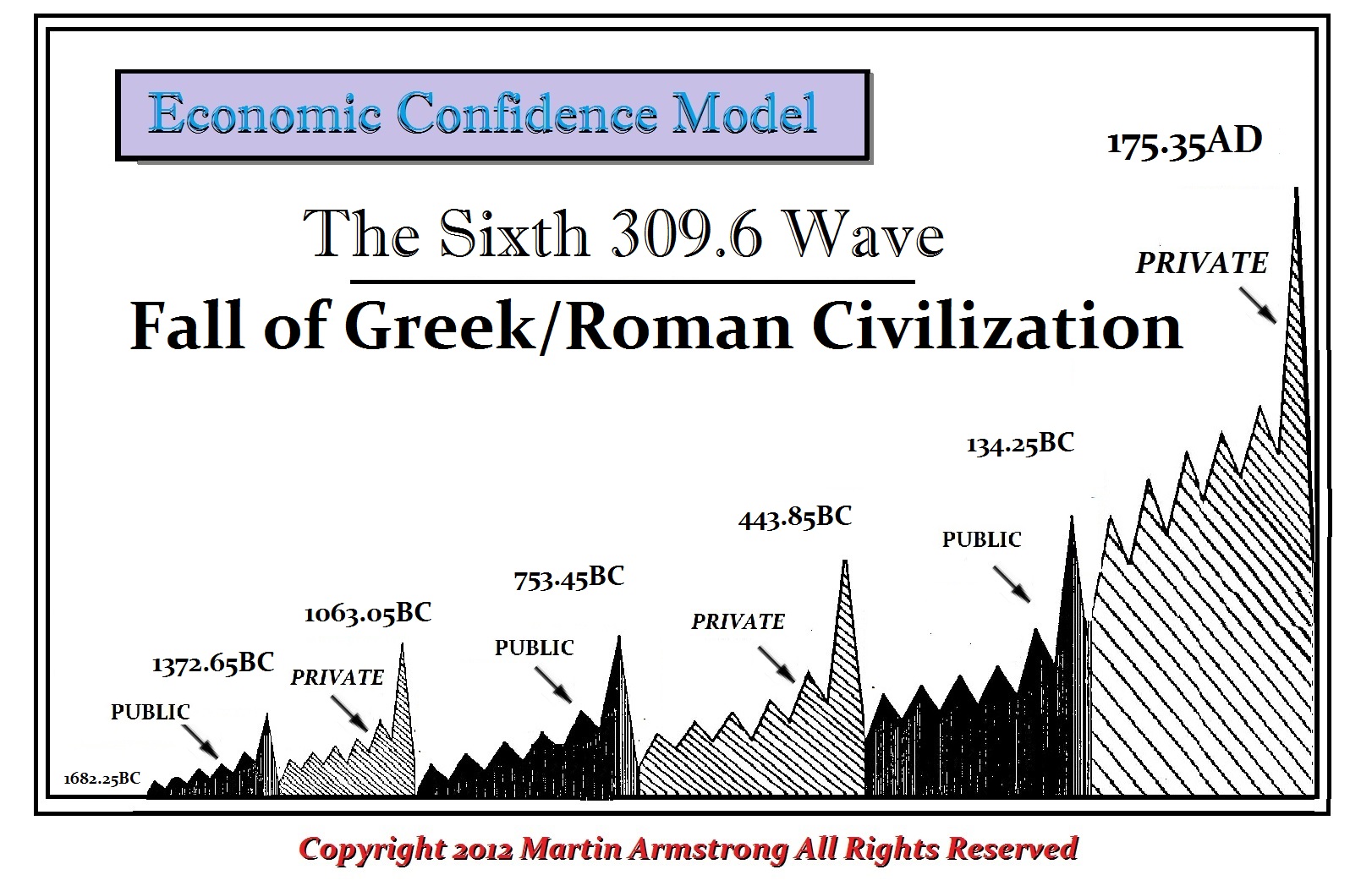
The Roman Empire peaked with the reign of Marcus Aurelius (161-180AD). We know from Chinese documents that he had even sent an ambassador to China which was the first contact.
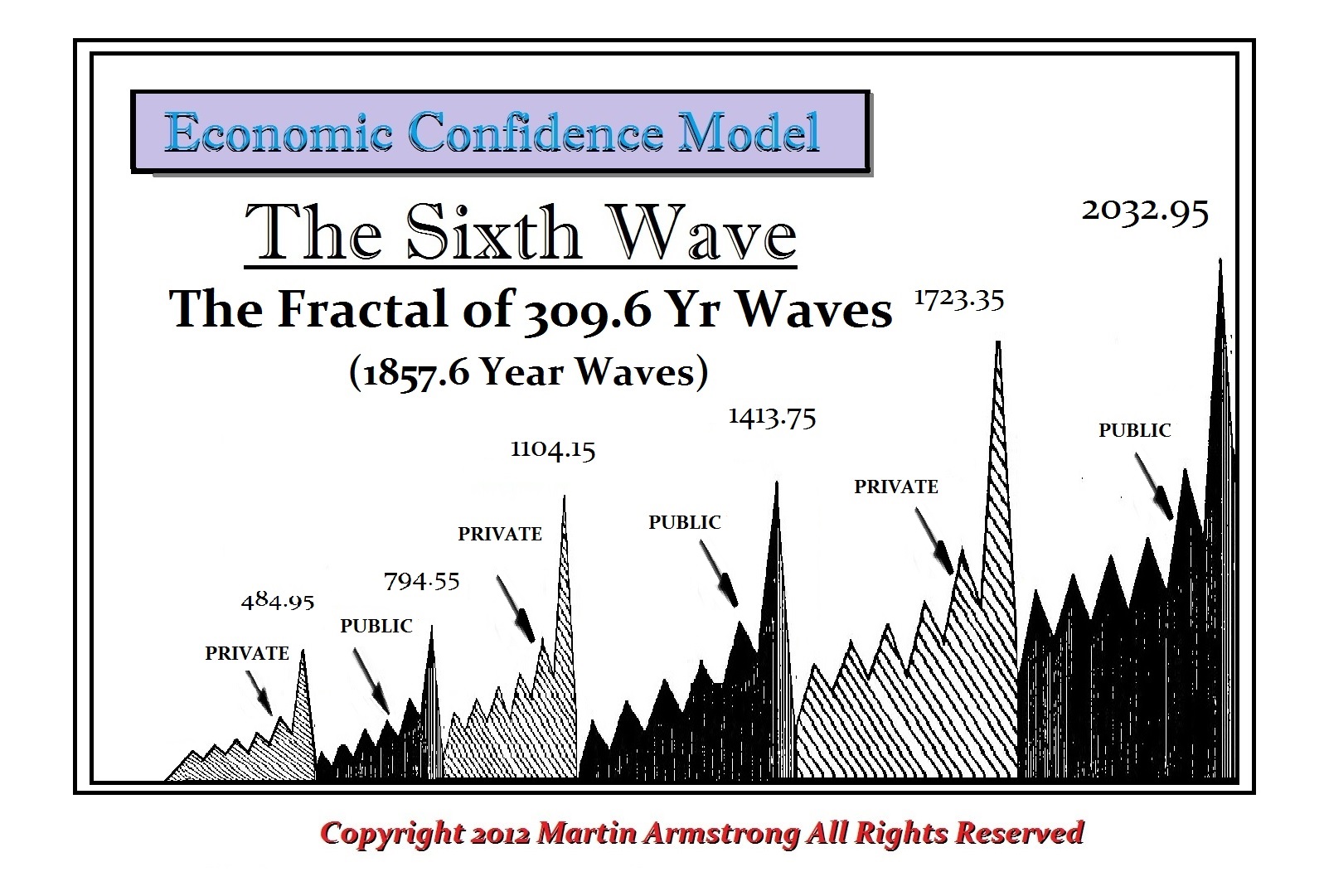
However, 6 of the 51.6 waves (which are 6 of the 8.6-year) in turn build in a fractal manner into a 309.6-year wave and then we have 6 waves of that which form 1857.6.  There are then 6 waves of that building into 11,145.6-year waves. About 11,600 years ago (9,600 BC)  was an abrupt period of global warming which accelerated the glacial retreat that was the beginning of the Holocene geological epoch. That is when we begin to find the domestication of sheep and evidence of settlements such as Jericho dating back to 9,600 BC.  That wave was the Mesolithic era which refers to the final period of hunter-gatherer cultures in Europe and Western Asia. This was between the end of the Last Glacial Maximum and the Neolithic Revolution. This is also why in back-testing the ECM, it became very clear that it incorporates nature and the swings back and forth on climate change.
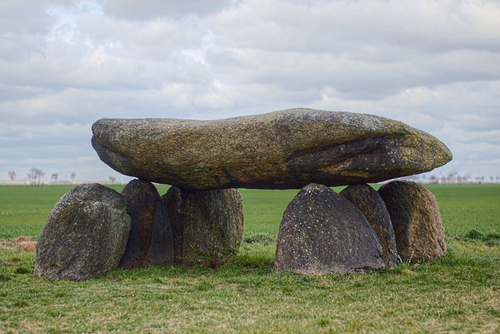
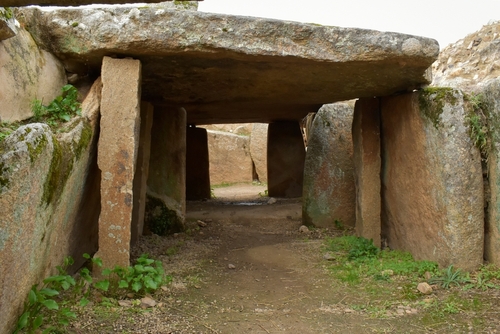
There is the period of the Megalithic Monuments in Europe. We do not know why these Neolithic and Copper Age creators were motivated to expend such energy in their creation. Some of these structures appear to have been graves. The sheer weight of the stones shows a very determined culture whose motives are lost to the haze of the period we refer to as prehistory.
Recent studies have implied that these megalithic monuments across Europe originated in northwest France, and the practice of building them spread along the continent’s coastlines in several migratory waves. They first appeared during the second half of the fifth millennium BC. That was about 4300 years before the invention of coinage.

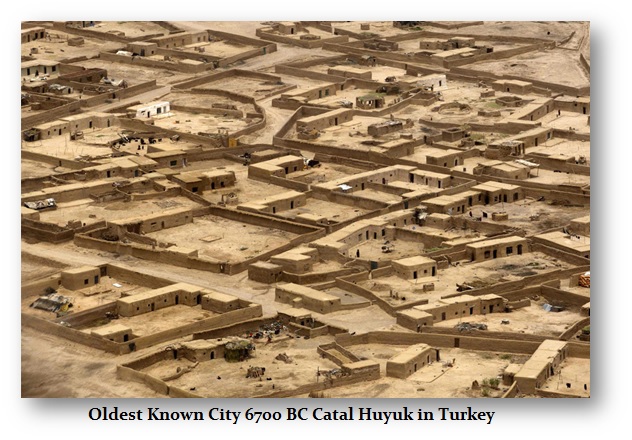
The oldest known city dates back to 6700BC, Catal Huyuk, located in modern Turkey. I have studied the economy of this period. It has all the trappings of modern-day civilization. There are houses with murals on the walls. This confirmed that there was an artist trade. There were a lot of female deities found so there was some artistic trade that carved these out of marble as well as clay. There was no indication of money being used so it was most likely a barter-based society with some people making tools and others growing crops.

Food was money in the shape of olives, dates, seeds, or animals and we also know that financing, lending for interest, dates back to c. 5000 BC, if not even earlier. The fall of Rome prompted the return of the Sin of Usury – denial of interest. Much of the blame for the fall of Rome was attributed to corruption of that sort. Capitalism is born with the Protestant Reformation which allowed Christians to earn money from interest. Martin Luther was funded by Christians who wanted to get into the banking field which had been restricted to the Jews.
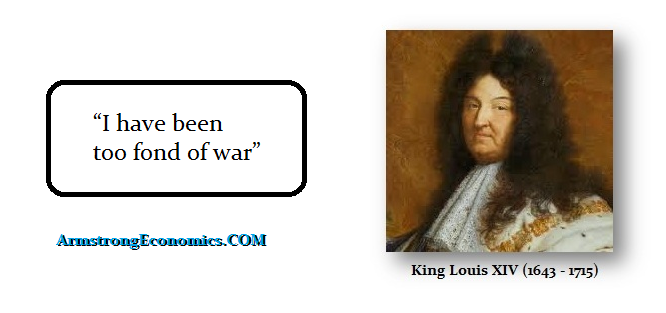
What we do see at these events is typically it is a knee-jerk reaction to whatever was in place, the reaction is in the opposite direction. We have gone through a revolution against Monarchy. That led to Republicanism. This time perhaps we move toward Democracy. We should have the right to vote  – do we go to war – Yes or No! Some Neocons should not make that decision and then we are imprisoned and called a traitor if you do not die on some battlefield that they decide should take place. This is not any different than Monarchy where King Louis XIV (1643-1715) lamented on his deathbed – “I have been too fond of war.” These people play a sport with the common people as the pawns on the chessboard.


What Survives the Collapse of a Government’s Currency?


Armstrong Economics Blog/Gold Re-Posted Apr 2, 2023 by Martin Armstrong

I know a lot of goldbugs hate my guts because I do not constantly only say BUY and I point out that NOT only gold and silver survive the collapse of a currency.

I once had a German client who was a multimillionaire back in the 1970s. When the German government collapsed, he was buying all the old coins that were base metals for scrap. They were nickel and copper and some aluminum.  It was presumed that they were all then worthless.

The new government could issue the paper money, but they lacked the metal to strike a whole new coinage. They then announced that the old coinage would retain a value as fractions of the new currency. He became a multimillionaire overnight. I use to enjoy his stories of the transition since he lived through it there in Germany.

His stories of living through such monetary reforms helped me understand the mechanism behind such events. As I have explained, even in times of geopolitical stress, that is the period when we find the greatest number of hoards of even ancient coins.

Just like the stock market, gold has risen and fallen in value. The propaganda about Bitcoin was the same nonsense – the hedge against central banks and a “store of value” when it is simply no different from anything else that trades – it moves up and down. There is NO STORE OF VALUE in human history. Everything rises and falls. That was what Karl Marx was trying to stop – the Business Cycle of booms and busts.

Sorry, I am not a Marxist. There is a cycle to everything and that means that there is a TIME to BUY and a TIME to SELL. The stock brokers in the Great Depression told people to hold. The market always comes back. Others told them to average in. It took 25 years for the stock market to reach the old 1929 high (it exceed the 1929 high in 1954 on the Dow).

I buy gold but in coin form. The one consistent form of value historically has is generally been food if you go that far down the rabbit hole. However, a loaf of bread from 1930 will not do you much good today despite the fact it was just 12 cents back then. Now that was an investment if it would survive 100 years.

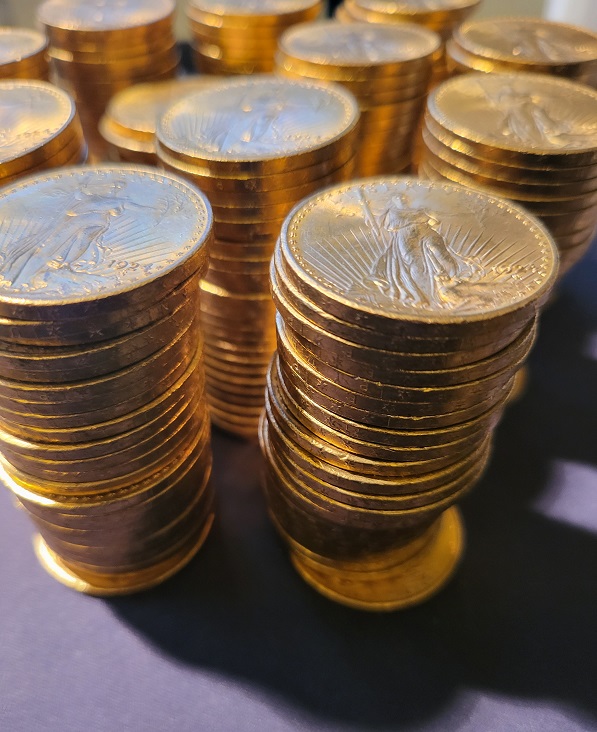
Precious Metals will do well, but I would prefer them in coin form. You may know what they are, but it is the other person who has to know before it has any value. That average person must be able to identify that it is real. That will be your problem. You won’t get change for a cup of coffee with a kilo bar of gold.

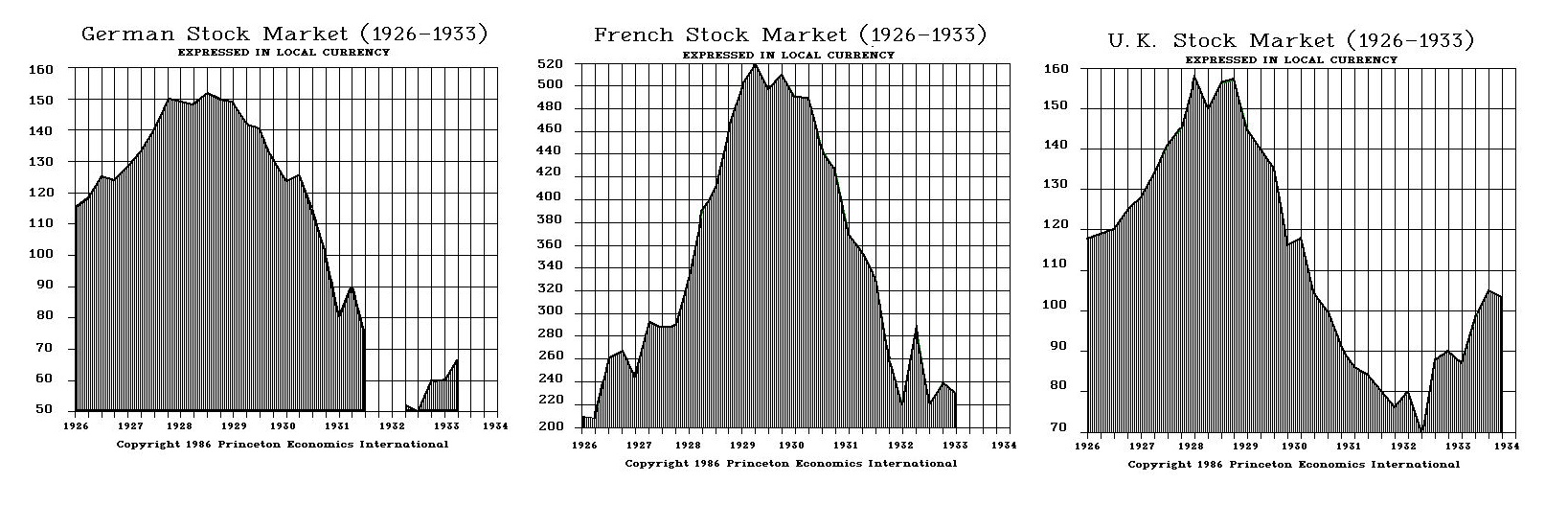
I have suggested the pre-1965 silver coins for small transactions. But real estate, art, ancient coins, antique cars, rare coins, and the stock market will all have some value being redenominated into whatever new currency emerges and that will depend on the government. The German stock market rose with hyperinflation and was re-denominated in the new currency in 1925. Like most other markets, it rallied and peaked going into 1929. So I’m sorry if the truth hurts. But the stock market will NOT go to ZERO and only gold will rise if the dollar crashes. There is no such period in history that hints at such nonsense. This is propaganda made up by those trying to sell gold and will say anything just like a used car salesman.

No matter what the tangible object might be,

it will rise and fall with the business cycle. It always has, and it always will.

Interview: The Perfect Storm


Armstrong Economic Blog/Armstrong in the Media Re-Posted Mar 26, 2023 by Martin Armstrong

To Check out the video click here to view my most recent interview with Outer Limits: “The Perfect Storm.”

Commentary from Ryan McCormick:

Legendary economic forecaster and pro-freedom advocate Martin Armstrong once again appears on the Outer Limits of Inner Truth Podcast to discuss: The neoconservative agenda and the likelihood for war with Russia, Political corruption in Ukraine and the impact on global perception of the United States, And why the 2023 Financial Crisis is colliding with important cyclical targets regarding war, which may result in a two-prong panic of unprecedented significance. Marin also shares his perspective on Alan Turing's groundbreaking work on the mathematical order behind Morphogenesis and offers an updated outlook on how the US will breakup.

Are Brenner & Kondratieff Waves Valid in Commodities?


Armstrong Economics Blog/Understanding Cycles Re-Posted Mar 25, 2023 by Martin Armstrong

QUESTION: Hello Martin,
I have been reading you since your handwritten and from memory letters were getting out from your incarceration. You are truly an amazing man sir.
I realize that both the Kondratieff and the Brenner cycles are mostly just coincidental to market cycles today but my question is are both the Kondratieff and the Brenner cycles still accurate for agriculture goods and the farm economy to this day?
Thank you for your consideration of this question as well as for all the good you have done for mankind.
Thank you.
Respectfully,
Mark

Heisenberg

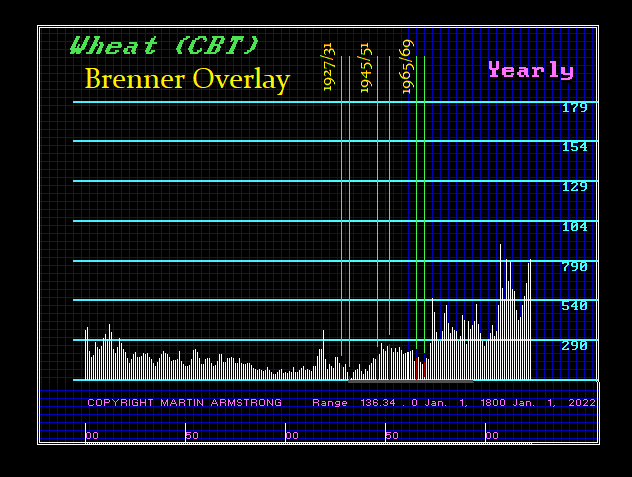
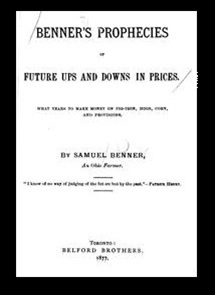
ANSWER: I think your question is very important. I have in my library Brenner’s actual publication. They are very rare, to say the least. Overlaying Brenner onto Wheat, we can see that during the 20th century, they did not work. The question then became why?

People are far too often confused when observing a market. They think that that instrument itself possesses some inherent trading character all by itself. I have often said that when I went to Economics class, the professor said there is no definable business cycle because everything is random. Then I went to Physics class and was told that nothing is random. I came to the conclusion that it was the economics professor who was wrong.

In Physics, we have two separate principles that are far too often confused as the same. The Uncertainty Principle was articulated by the German physicist Werner Heisenberg (1901-1976). It states that the position and the velocity of an object cannot both be measured exactly at the same time, even in theory. The very concepts of exact position and exact velocity together, in fact, have no meaning in nature. Effectively, if we increase the precision in measuring one quantity, we are forced to lose precision in measuring the other.

The Uncertainty Principle has been frequently confused with the Observer Effect whereby the disturbance of an observed system by the act of observation takes place as the result of utilizing instruments that alter the state of what is being measured. To put this in common terms, let’s say you take a gauge to test the tire pressure on your car. The very act of measuring the air pressure results in some air escaping. Hence, the act of observing changes the actual pressure in the tire even minutely.

This is one of the most fascinating aspects of Physics. Here is my favorite cartoon explaining an important aspect of cyclical analysis as well.

So what does this have to do with analysis in markets? What are we actually observing? The innate object be it gold, wheat, or the stock market. If a tree falls in a forest and nobody is around, does it make a sound? That all depends on your definition of a sound. If you define “sound” as requiring it to be heard by a person or animal, the answer is no. Yet is that the proper definition?

This brings us to Kondratieff and Benner waves. Were they actually measuring commodities, or were they measuring the cyclical interference of climate, war, and 70% of the GDP being confined to agriculture? We clearly have a problem with the human interpretation of an observation. We are then confined by our own prejudices formed in life. If we have NEVER read about war or experienced war, then is it possible to look at the 19th century and realize that there was an interference in the market behavior by war?

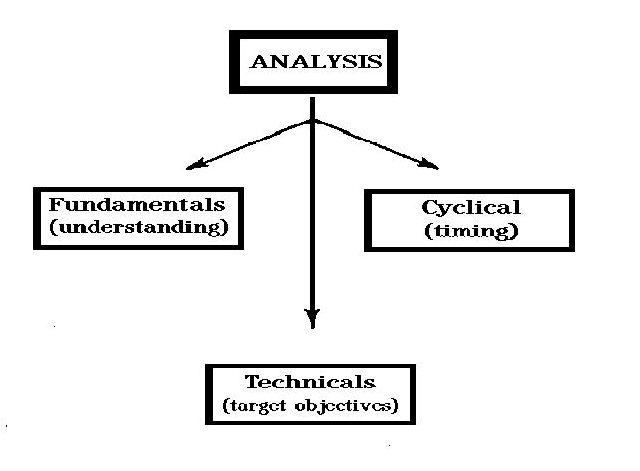
This is why fundamental analysis always fails. Claims that this is the guy who forecasts whatever based upon his opinion or fundamental analysis is simply nothing more than a broken clock is also correct twice a day. The vast array of fundamentals that are taking place simultaneously can never be sorted out by any human being. It depends upon the experience of the observer. I have often explained that people focus only domestically and often on whatever the Federal Reserve wants us to do. They do not see that in turn the Federal Reserve is influenced by international events. Thus, those who focus domestically, are blind to global trends. This is primarily why I developed Socrates for it is humanly impossible to monitor absolutely everything. No human being can do this and then it is impossible to sort out the fundamentals in advance – only hindsight. Many have ignored the fundamental approach and turned to Technical Analysis. Then the third branch is cyclical analysis focused on TIME.

CombiningCycles

Cyclical Analysis must also incorporate physics to achieve accuracy. Otherwise, someone who then identifies some cycle of 25 units and says see, it worked 5 times in a row, will lose the house for that relationship will change. This is the question of the Kondratieff and Brenner cycles. Kondratief saw broad cyclical trends throughout history. But they were averages and he did not seek a definitive time frequency. Brenner focused on sunspots and agriculture for he was a farmer and saw the cyclical patterns unfolding before him.

However, the complexity of the market and economic behavior is much like the double-slit realization. A single particle moving through a single slit produces a linear output. But when a second slit is introduced, then cyclical waves emerge. This illustrates the complexity. Each market is like a separate particle in that cartoon. By itself with a single slit, the outcome tends to be linear as expected. But adding that second slit produces complexity and cyclical wave interference. Thus, in analysis, we must consider the entire global basket of particles to approach the cyclical waves and interference.

There are so many layers to price activity each displaying a unique frequency. This once again comes down to human interpretation and can the analyst even see the complexity. Our arrays are the best shot at accurate cyclical forecasting and there are 72 models inside that – not a simple one-time frequency of a linear cycle. It is the computer that projects the outcome, not any human interpretation. Then you have to have a database that is unprecedented to back-test the entire analysis. Without recreating the monetary system of the world, it would be impossible for the computer to forecast war, the collapse of communism, or the 1929-style even in Tokyo in 1989.

Fundamental analysis can ONLY be used to explain AFTER the fact – not to forecast the future. Consequently, the Kondratieff and Brenner cyclical waves are not accurate in trying to predict the economy or the next great crash in markets. We must respect that they observed the top layer of cyclical activity, but behind that mask was climate change coming out of the last ice age, the wave of innovation that brought the Industrial Revolution which diminished the commodity influence, and war.

It is not that their work was wrong. They were the leaders in cyclical analysis and pointed the way. It simply required more exploration to understand the complexity and wave interference from the impact of everything, everywhere. The analysis of Benner failed during the 20th century because what he was observing was the complexity of the times and one really needed to sort out each and every component that produced the wave structure during the 19th century to be able to accurately forecast the 20th century.

US National Debt – A Different Perspective


Armstrong Economics Blog/Uncategorized Re-Posted Mar 24, 2023 by Martin Armstrong

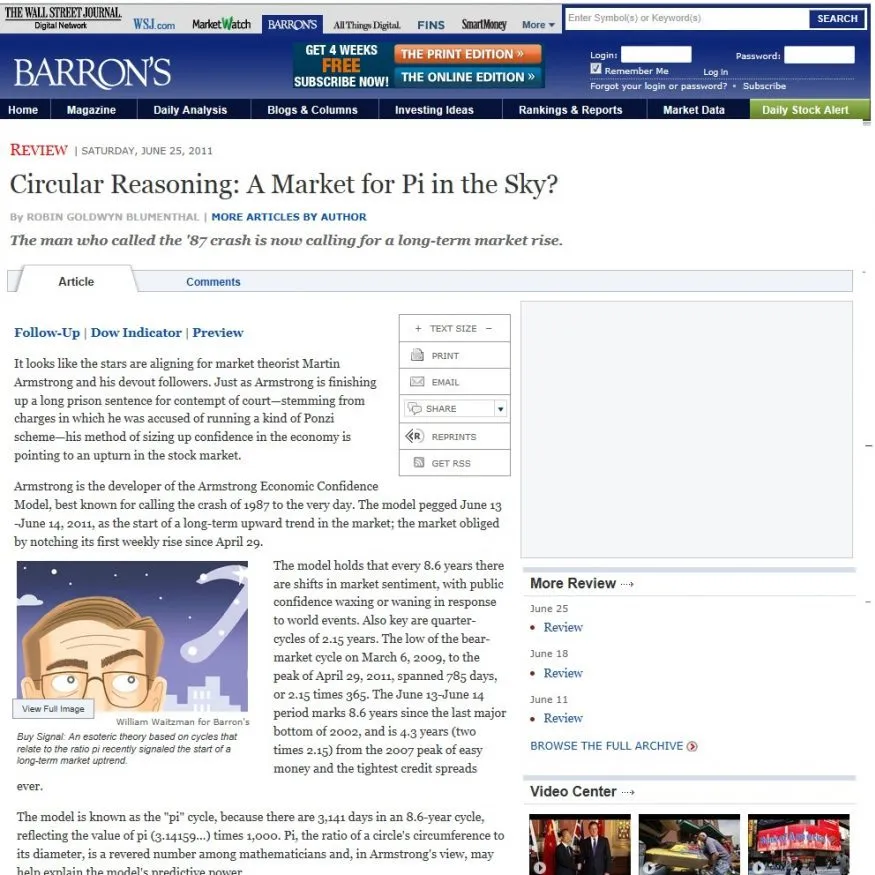
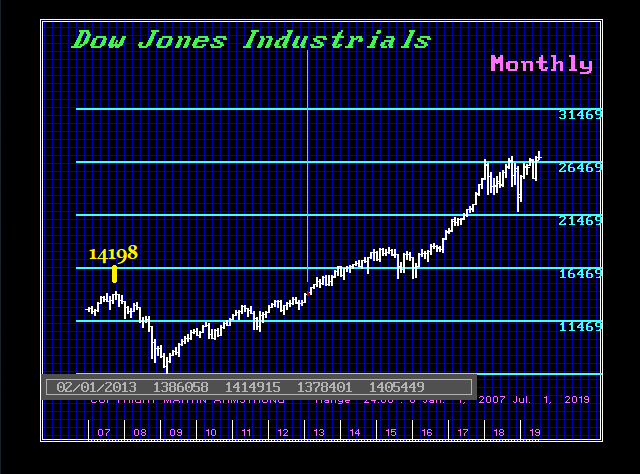
In 2010, Barron’s wrote a piece on me effectively laughing at my forecast that the share market would rally to new highs. What seems to inevitably unfold is this notion that whatever the event might be in motion, the mere thought of a reversal in trend appears impossible. When the press disagrees with Socrates, I know it will be the press who is wrong. And because they end up being wrong, of course, they cannot print a retraction so they will just pretend you do not exist rather than admit – Sorry, we were wrong. The Dow made that new high above 2007 by February 2013. That was 64 months from the October 2007 high.

I have been in the game for many years. With each event, it appears to be like Groundhog Day. They pop their heads out and declare they do not see their shadow, so the entire world will disintegrate and that is always based upon opinion. It is never backed by real analysis. Just the standard human trait of assuming whatever trend is in motion, will remain in motion.

Being an institutional adviser, I have never had that luxury. We have had to deal with some of the biggest portfolios in the world. They want accurate forecasting, and it has to be long-term – not day trading. They are not interested in the typical headlines of doom and gloom that the press love to print with every financial event simply to get readership. That is all they care about. It has been the financial version of the fake news.

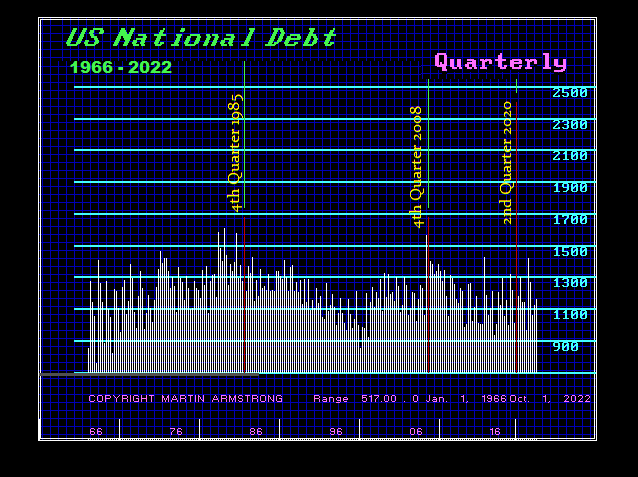
When we step back and look at this favorite fundamental that people beat to death to predict the end of the world, the national debt, and the collapse of the dollar. Little did they know that the increase in National Debt during the 2007-2009 Financial Crisis was supposed to bring down the sky and end the existence of the dollar. We can see the sharp rise in debt simply made a double top with the Financial Crisis of 1985.

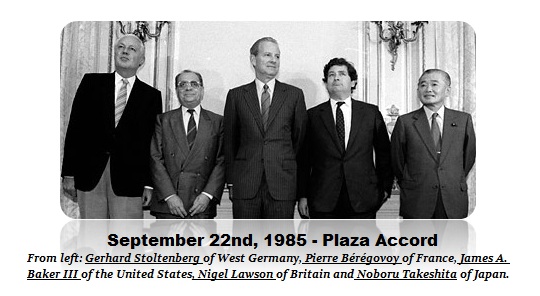
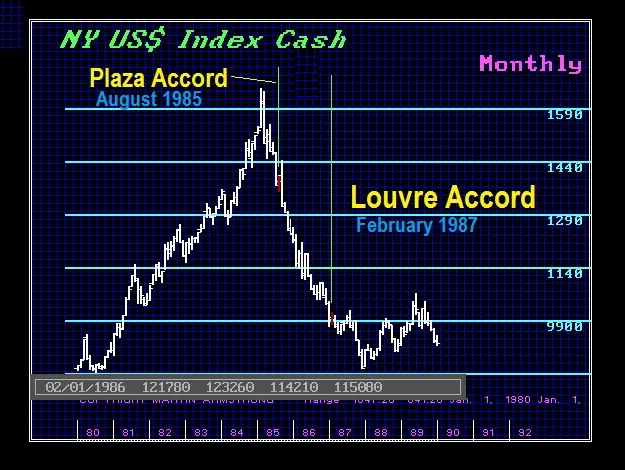
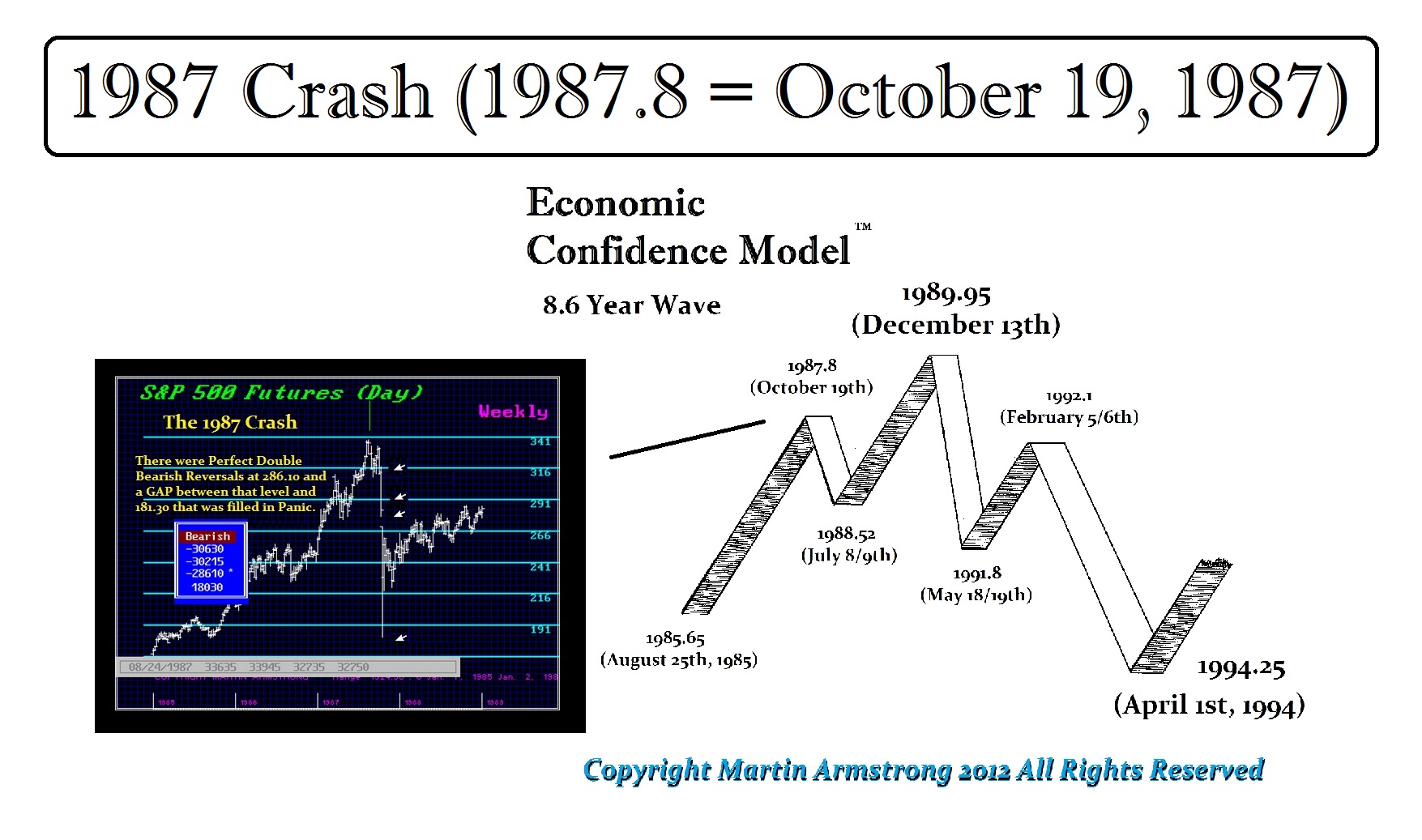
It was that previous 1985 Financial Crisis that set in motion the Plaza Accord which brought together the central banks creating what was then the G5 – now G20. Of course, like every government intervention, the side effect was the 1987 Crash and their attempt to reverse their directive at the Plaza Accord became the Louve Accord. When the traders saw that failed, the collapse in confidence led to the 1987 Crash.
It has always been a CONFIDENCE game as I pointed out with the 1933 Banking Holiday previously. In this case, the failure of the Louvre Accord which came out and said the dollar had fallen enough, once new lows in the dollar unfolded and the central banks could not stop the decline, led to financial panic by 1987 which manifested in the 1987 Crash.

This chart shows the quarterly change in the National Debt since 1966, Here you can see the 1985 and 2008 Financial Crises were on par. Neither one ended the dollar no less the world economy. So when I warned the share market would rally and make new highs and Barron’s laughed in 2010, I said the same thing after the 1987 Crash and people laughed.

In fact, on the very day of the low, I said this was it and that we would rally back to new highs by 1989. That was perfect and the market responded to the Economic Confidence Model (ECM) which has been published back in 1979. This was more than simply forecasting the 1987 Crash and the very day of the low. It clearly established that the ECM had revealed that there was a secret cycle behind the appearance of chaos even in economics.

Larry Edelson was actually a competitor at the time. But Larry respected that the forecast from the model was far beyond what people would ever expect. If we are ever going to advance as a society, we have to stop the bullshit and understand HOW markets trade and WHY. Larry did that. He understood that the model was something larger than just personal opinion.

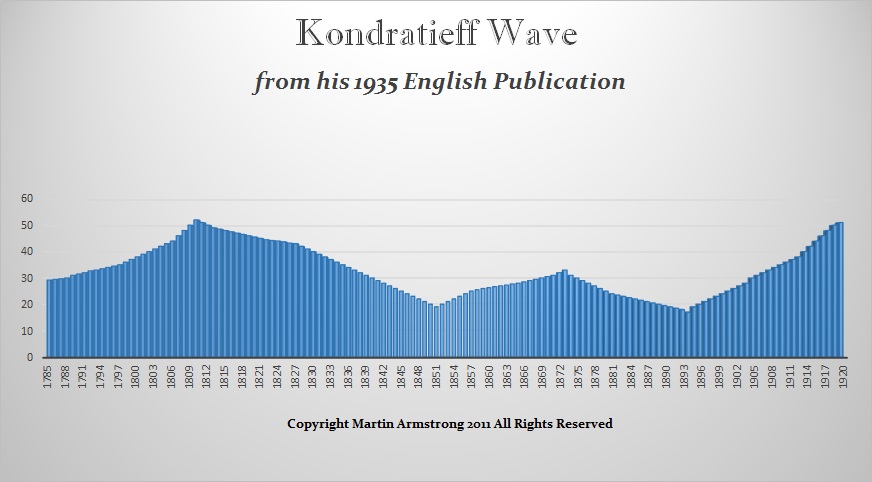
Even those claiming to be using the K-Wave cannot make real forecasts. The basis of Kondratieff’s argument came from his empirical study of the economic performance of the USA, England, France, and Germany between 1790 and 1920. Kondratieff took the wholesale price levels, interest rates, and production and consumption of coal, pig iron, and lead for each economy. He then sought to smooth the data using an averaging mathematical approach of nine years to eliminate the trend as well as shorter waves. Kondratieff thus arrived at his long-wave theory suggesting that the economic process was a process of continuous waves of boom and bust.

Kondratieff’s work was compelling and contributed greatly to the Austrian School of Economics that first began to develop the concept of a Business Cycle. The general central principle of the Austrian Business Cycle Theory is concerned with a period of sustained low-interest rates and excessive credit creation resulting in a volatile and unstable imbalance between saving and investment. Within this context, the theory supposes that the Business Cycle unfolds whereby low rates of interest tend to stimulate borrowing from the banking sector and thus then result in the expansion of the money supply that causes an unsustainable credit ­source boom which leads to a diminished opportunity for investment by competition.

Benner

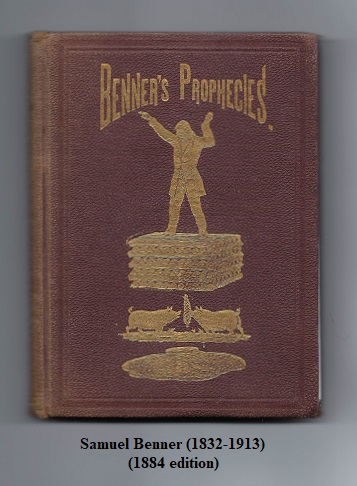
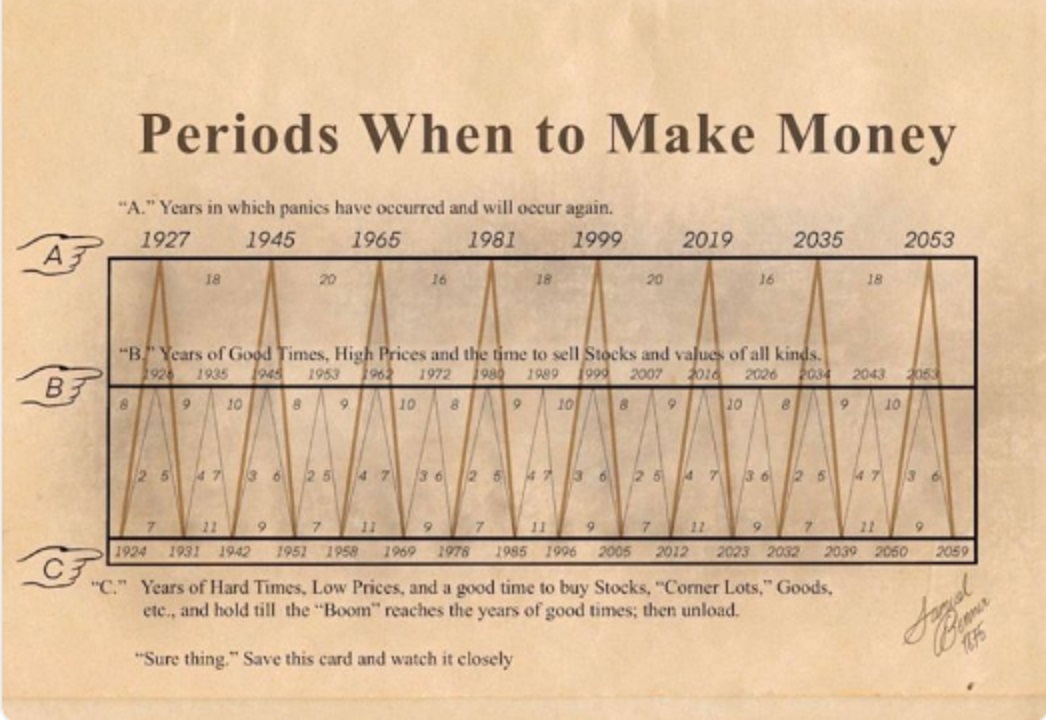
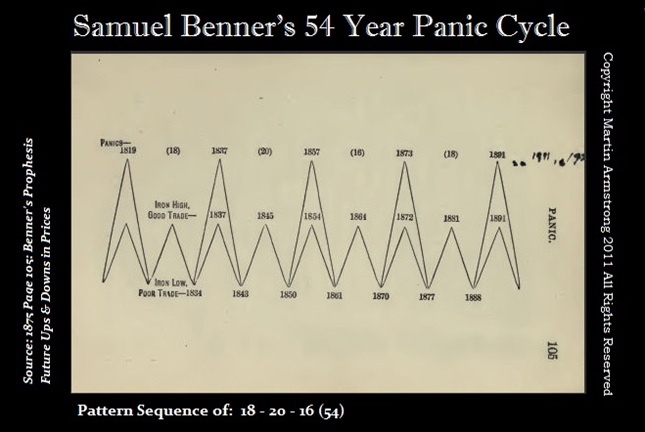
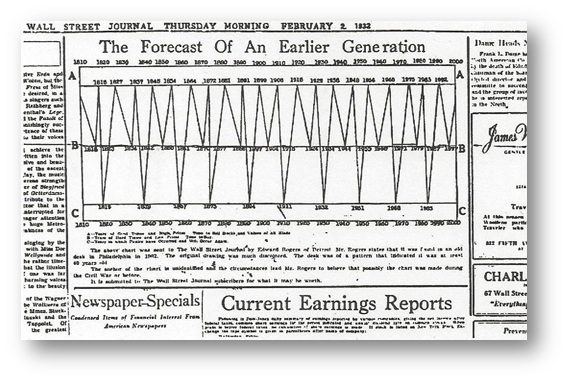
Here is a chart of the business cycle that was created by a farmer named Samuel Benner. Benner based his work on Sunspots, which actually incorporated solar maximum and minimum that today’s Climate Change zealots refuse to consider. Nevertheless, someone manipulated Brenner’s work and created a chart to try to influence society handing it in with a wild story to the Wall Street Journal published this cycle on February 2nd, 1932, when the market bottomed in July 1932. Still, nobody knew who had investigated this phenomenon in 1932.

WSJ1933

When I was doing my own research reading all the newspapers to understand how events unfolded, I came across this chart. I found it interesting that during the Great Depression people were reaching out and some began to embrace cyclical ideas. The problem with both Kondratiff and Brenner was that the period they used to develop their cycles was the 19th century because the real Industrial Revolution was unfolding and in the 1850s, 70% of the civil workforce were all in agriculture. Consequently, if you constructed a model based entirely upon one sector, it would work only as long as that sector was the top dog.

Being a historian buff, it quickly hit me that NOTHING remains constant and that the economy will ALWAYS evolve, mature, and then crash and burn. Where agriculture was 70% of the workforce in 18590, it fell to 40% by 1900, and then down to 3% by 1980.

Just look at energy. The earliest lamps, dating to the Upper Paleolithic, were stones with depressions in which animal fats were burned as a source of light. In cultures closer to the sea, they began to use shells as lamps which they would burn at first animal fat. Clay lamps began to appear during the Bronze Age around the 16th century BC and the invention quickly spread throughout the Roman Empire. Initially, they took the form of a saucer with a floating wick.

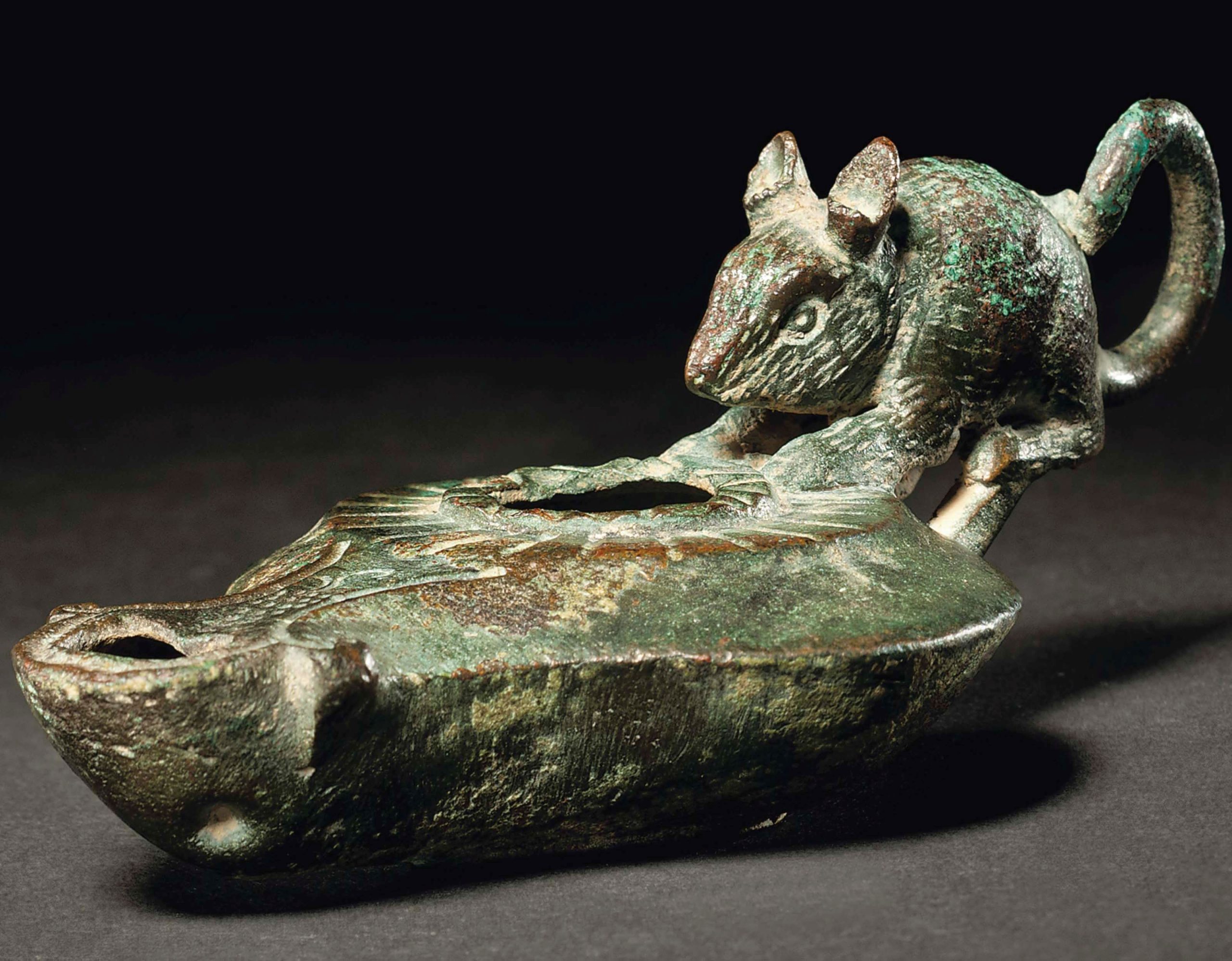
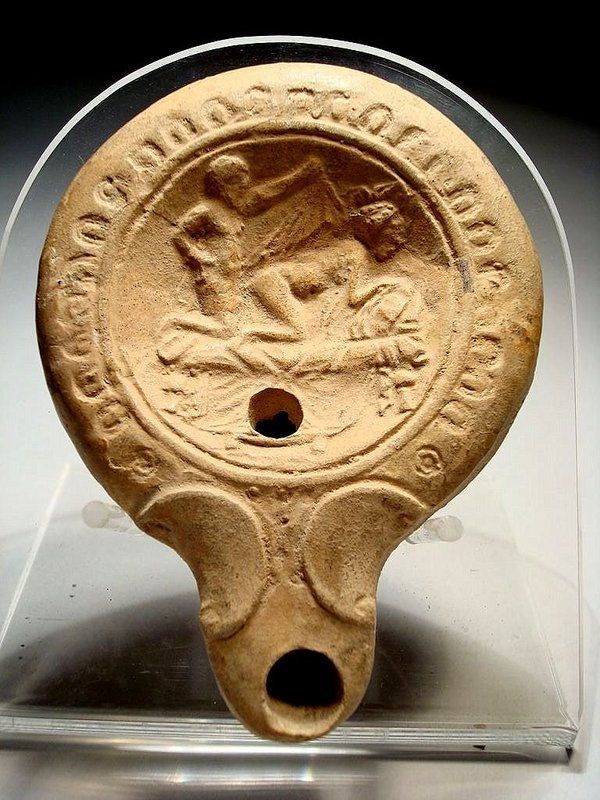
We even find Roman oil lamps as luxury items crafted out of bronze. There are collectors of terracotta oil lamps for there is a vast variety of motifs. There is everything from dolphins, and various entities, to erotic oil lamps, which may have been used in brothels. The point is, if you constructed a model on oil, you would have surely accomplished similar results to Kondratief and Brenner.

Then of course, just as the energy moved from animal fats to vegetable oils, by the 19th century it returned to whale oil which was extracted from the blubber. Emerging industrial societies used whale oil in oil lamps and to make soap. However, during the 20th century, whale oil was even made into margarine.

Then the discovery of petroleum and the use of whale oils declined considerably from their peak in the 19th century into the 20th century. Ironically, it was fossil fuels that probably saved whales from extinction. Hence, now we are entering a period where they deliberately want to end fossil fuels and move to solar and wind power. Obviously, just a cursory review of energy reveals the problem of basing a model on the current energy source or major economic industry. Things change with time.

Interview with World Affairs Monthly


Armstrong Economics Blog/Armstrong in the Media Re-Posted Mar 19, 2023 by Martin Armstrong

Click here to listen to my interview on 3/16/23 with World Affairs Monthly (also published on Monitoring Risk).

Interview with World Affairs Monthly


Armstrong Economics Blog/Armstrong in the Media Re-Posted Mar 19, 2023 by Martin Armstrong

Click here to listen to my interview on 3/16/23 with World Affairs Monthly (also published on Monitoring Risk).

Interview: Neocons, Global Warfare, Digital Currencies, Bitcoin


Armstrong Economics Blog/Armstrong in the Media Re-Posted Mar 18, 2023 by Martin Armstrong

Watch the video above or click here to listen to my latest interview: “Neocons, Global Warfare, Digital Currencies, Bitcoin.”

Interview: The World According to Martin Armstrong Part 3, The Rise of the Neocons


Armstrong Economics Blog/Armstrong in the Media Re-Posted Mar 18, 2023 by Martin Armstrong

Summary:
Martin Armstrong joins us in this episode to give his perspective on what’s happening in the world—addressing topics like the war in Ukraine, gold, central bank currencies, cryptocurrency, and more. We discuss what’s in store for the war and whether there is an end in sight, noting the US’ tendency to get involved in endless wars with no strategic defense. Furthermore, Russell emphasizes that the market will eventually break to the upside, and that capital will move from the bond markets and into the private sector. Tune in to this episode for more expert insight. 

Press play on the audio player above or click here for my latest interview with Kerry Lutz: “The World According to Martin Armstrong Part 3, The Rise of the Neocons.”

The Old Guy in the Corner of the Room


Armstrong Economics Blog/Interest Rates Re-Posted Mar 17, 2023 by Martin Armstrong

COMMENT: Marty, I hate to tell you but the reason you saw this coming was that you are old – like me. LOL. Do you realize that the 2007-2008 crisis was 16 years ago! Time flies, my friend. Most traders at these banks are under 35. That means that they have never seen anything like this and could not smell, taste, or see it coming. When we were youngsters, the old guy in the corner of the room would always say this is like 1929. Remember him? We are that guy today. I will buy you a Dewars when I get to Florida. The good news is we won’t have to endure this insanity much longer.

Cheers

ND

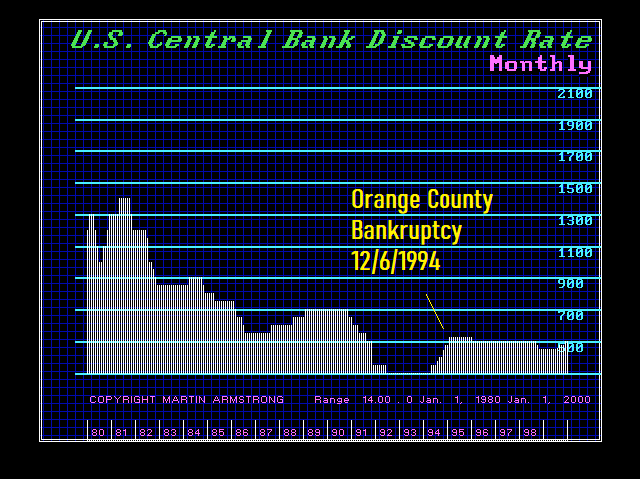
REPLY: I guess you are right. There has been a  cycle of events like this for centuries. Perhaps it requires a new generation of traders every 16 years or so who think they know everything. When I was advising Temple University’s portfolio and Merrill was trying to sell them the “new way” to make money by buying the long-term, selling the short-term, leveraging that to the moon and the spread would enhance your yield, the way to increase the yield on your portfolio. The chairman of Temple told them if I approved it the University would consider the proposal. I told them interest rates would rise and they would blow up. These two young kids selling this leverage deal told the University I was “too old” back in the 90s because I did not know the “new way” to make money. The chairman was older than me. The University told them to take a hike. On December 6th, 1994, Orange County California became the largest municipality in U.S. history ever to file for bankruptcy for they tried the “new way” to make money and blew up. That was in the courts for some time.

These people NEVER seem to ever understand when the trend will change especially in interest rates. They also position themselves based upon opinion and consensus but the consensus MUST be wrong for that is what flips the trend back and forth. Only fools invest money based on opinion and the consensus view and are quickly separated from their money. Without that loss, they never learn how how markets work and those that blame others are hopeless perpetual losers for they never learn anything.

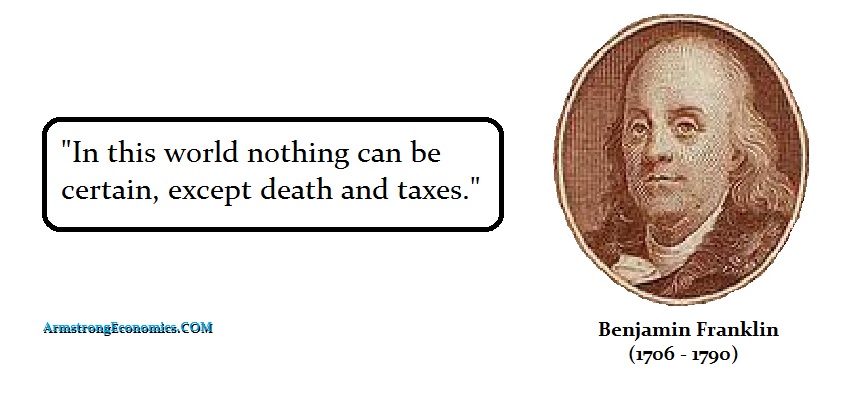
Even Ben Franklin said during the Financial Crisis: “In this world nothing can be certain, except death and taxes.” He uttered those words because of the financial panics. in his day. There was the Panic of 1791 which was followed by a massive real estate bubble that then burst during the next Panic of 1792.

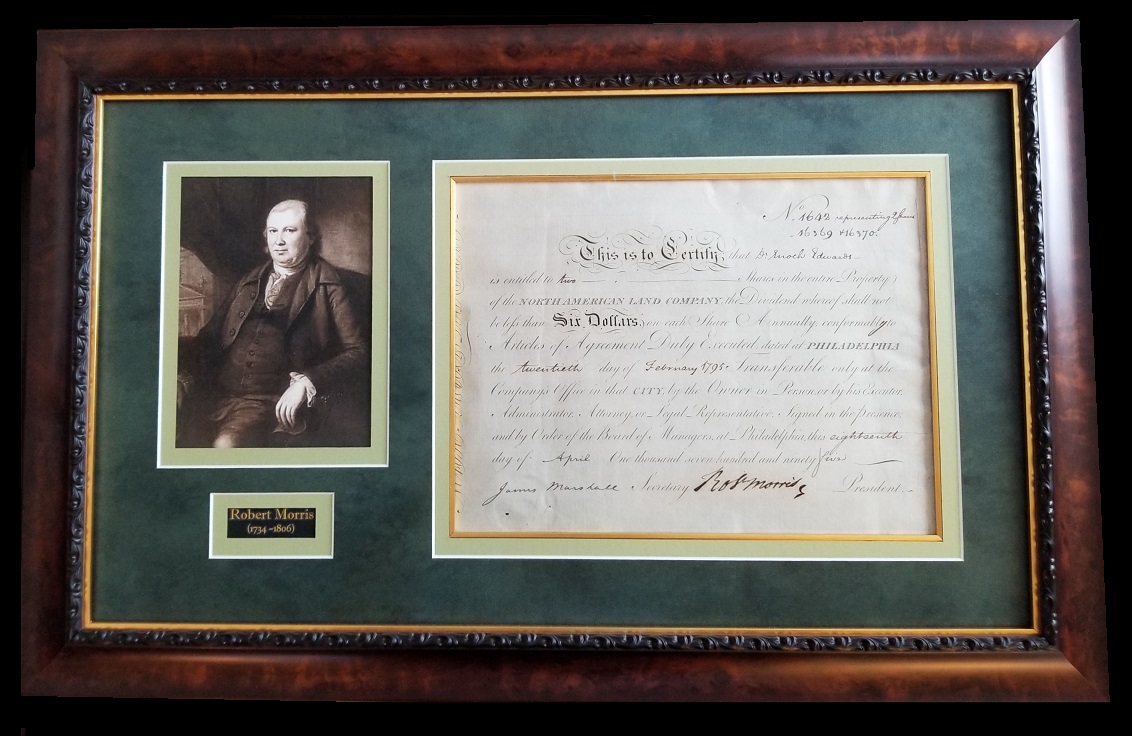
The Bank of North America had been the creation of Robert Morris (1734-1806) who got caught up in the whole real estate bubble. Morris had financed the American Revolution. He was a major patriot. Nevertheless, his bank went bust in the first Financial Panic over interest rates back then and he ended up in debtor’s prison thanks to the Panic of 1792. This is one of my favorite relics of the era.

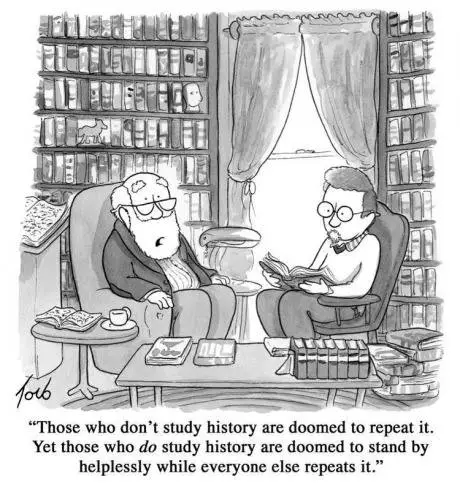
So banks have been failing over interest rate swings for hundreds of years. They don’t teach this risk management in university and the current risk models do little but snooze over the real risks for they ignore cycles. We NEVER learn from the past because people find history irrelevant or boring. You are right, we are the old guys in the corner of the room compelled to watch others repeat history over and over again.