COMMENT: Good Morning Mr. Armstrong, a long-time reader and client of Socrates and your conferences. I just read your entry for Belarus drafting 18 to 60-year-olds. I had a feeling that eventually, that would take place here in the states. I can tell you without a doubt, I will never comply. My family has served in WWII and Vietnam. We have given enough. I absolutely despise our government. I am wondering if this is part of the continued collapse of the government. With such low recruitment levels and the political fallout from the past few years, they must realize people will not be forced to serve. Especially those with the means to defend themselves. Is this a main component of civil unrest here with separatist movements? Just curious if you can elaborate on what you think will happen when they institute a draft here. All the Best.
J
REPLY: My family has fought in every war since the American Revolution. My cousin still has the musket on his wall from the American Revolution. I lost half of my high school friends to Vietnam and my father and his three brothers were all in World War II and my grandfathers on both sides of the family were in World War I. There is no question that in a time of war, the first shot fired is both silent and never against an enemy. It is always against any truthful reporting of events.
The Defense Casualty Analysis System (DCAS) Extract Files contain records of 58,220 U.S. military fatal casualties of the Vietnam War. The government propaganda site, Wikipedia also directed by the Deep State, has low-balled the casualties claiming in total, all US and allied military deaths reached 282,000. We claim that is a victory for the VC lost 444,000 to possibly 666,000. The civilians who died have been low-balled with estimates of 405,000 up to 627,000. Just turn to Britannica and you get:
“In 1995 Vietnam released its official estimate of the number of people killed during the Vietnam War: as many as 2,000,000 civilians on both sides and some 1,100,000 North Vietnamese and Viet Cong fighters.”
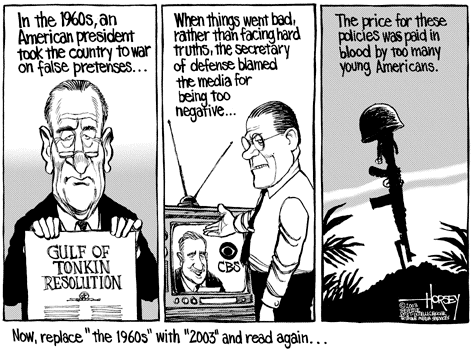
President Lydon Johnson knew there was no reason to enter Vietnam. He knew we could not get out easily. Still, he committed the country to war because the Neocons wanted it.
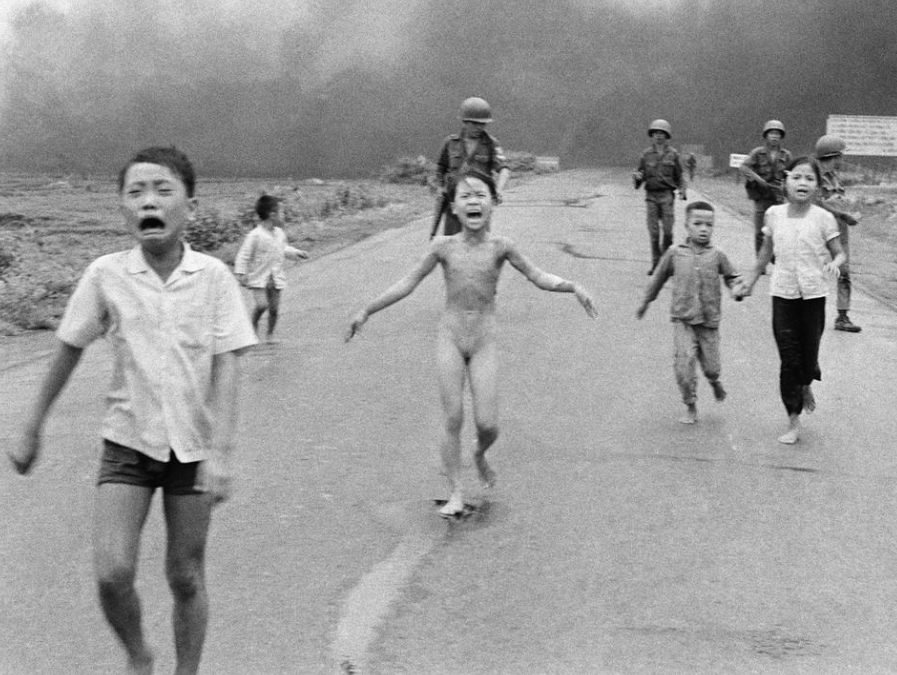
This is a famous photograph from Vietnam that is probably the most memorable of all time. You see South Vietnamese forces following terrified children. At the center is 9-year-old Phan Thi Kim Phùc, as she and other children are running from an aerial napalm attack on suspected Viet Cong hiding places on June 8, 1972. The plane accidentally dropped napalm on South Vietnamese troops and civilians. As always, just the collateral damage of war. The terrified girl had ripped off her burning clothes while fleeing. This photo was taken by Nick Ut of The Associated Press that captured the horror of Vietnam worldwide. It was 1972 when President Nixon said enough and promised to bring the troops home.
This 9-year-old make girl running from napalm, Phan Thi Kim Phúc, had profoundly changed her forever. Such people are tormented for a lifetime. They wake up at night dreaming over and over about the horror of those events for the rest of their lives. Kim Phúc was bitter and full of hatred she said. Later, she picked up the Bible and converted to Christianity. Today, she lives in Toronto with her family and helps other children victims of war around the world. It is those who survive who are profoundly tortured for the remainder of their lives. That is the real cost of war that nobody cares about.
The official estimate of civilian deaths in World War II stands at a total of 70–85 million. The actual military deaths were 21,000,000 to 25,500,000. There is ALWAYS an equal amount of civilian deaths in times of war. Those in power never want to talk about that.
Zelensky is just an actor and he has been playing the entire world into handing him money without any accountability. He claims he is fighting for freedom and democracy when he refuses to comply with the Minsk Agreement which falsely was to allow those in the Donbas to vote on their own future. Now he has empowered his government to shut down all dissent. Upon his return from meeting the Biden Administration, he took back some needed advice – restrict ALL media, block ALL websites that expose the truth, and order Big Tech to censor all negative comments about him or Ukraine. This site is not blocked even in China – it will be in Ukraine. So much for freedom, democracy, and free speech.
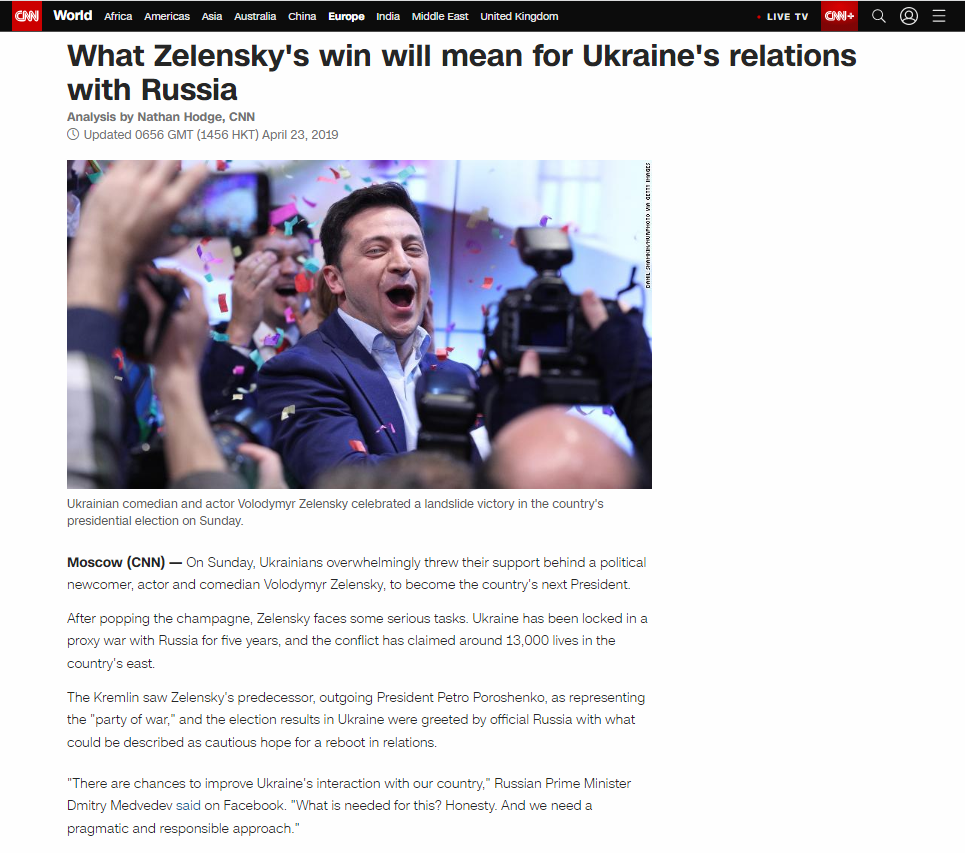
It was Kyiv that started the war by sending troops to attack the Donbas in 2014 and that was the West’s installed “temporary” government that started the war – not any elected Ukrainian government. Zelensky was elected promising to pursue peace and end corruption. He has done exactly the opposite. So much for campaign promises. They always say whatever they need to win, and then do the exact opposite. When Zelensky was elected, the Russian press cheered. They thought this actor would actually seek peace.
Zelensky Realized it Was His Opportunity To Become a Billionaire
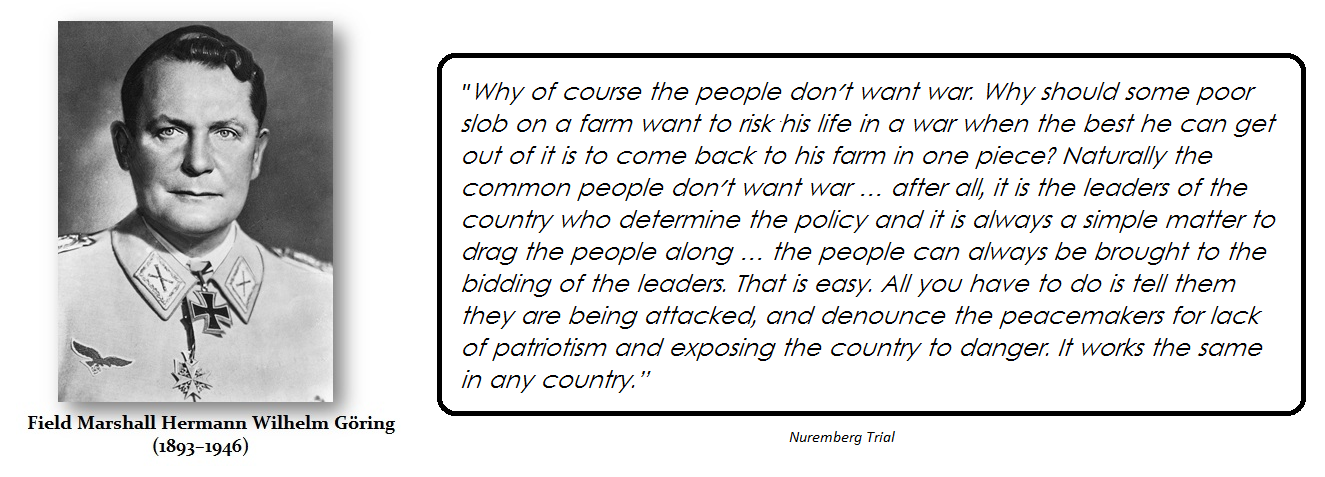
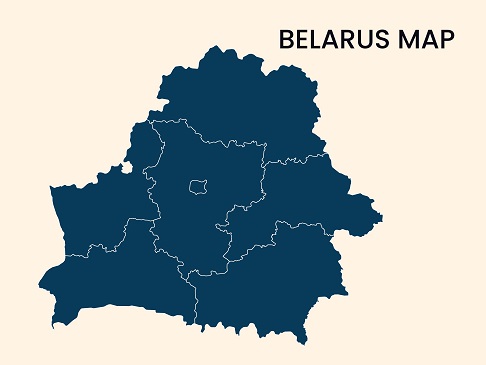
Belarus has issued a Draft for all men 18 to 60 years old. This war that our leaders are determined to create is going to be beyond anything previously contemplated. Even the US will most likely adopt a draft and it will be highly probable that it will be to at least to age 45 but perhaps even higher.
The Ukrainian people are FOOLS! Zelensky has been paid off to sacrifice his entire country. He is the modern-day Judas betraying his own people for a handful of silver. The West wants this war and they are using the Ukrainian people as cannon fodder to weaken Russia before they make their invasion to seek justice and retribution for Ukraine. There was a Donbas Referendum of 1994, in which the whole world turned a blind eye to those people who have been denied basic human rights because they are ethnically Russian. This is a premeditated war that they need to collapse the monetary system and get to create Bretton Woods II with digital currencies and sovereign debt will all simply evaporate.
Welcome to the real world that these people are openly trying to create where they solidify their authoritarian control and the end of any right to vote.
COMMENT: Marty, I am impressed. Your contacts are unsurpassable. You put out two months ago that Ukraine lost 100,000 soldiers. Some did not believe you. It turns out that was classified information. Ursula von der Leyen, the head of the EU, had released a video and then edited it deleting that very information at the request of Zelensky. All this is to hide the fact that Ukraine has been losing the war as you said. With its armed forces down at least one-third.
Here is the video that is now going around. You also said that Bucha was another false flag where Ukraine killed Russian Ukrainians and left their bodies on the streets to blame Russia. You said there were videos that NATO had and was hiding. My hat is off to you. You really do have reliable sources.
Pete
REPLY: You have to understand that creating false flags is the #1 occupation of Ukraine. They shot down the Malaysia fight and tried to blame the Russians. They shot a missile into Poland and claimed it was a Russian attack on NATO.
On March 31, 2022, the mayor of Bucha was joyful in announcing that the settlement had been liberated. He does not talk about any corpses on the roads and the terrible destruction of mass graves. It was two days later when suddenly photos and videos of people lying along the road appear and horrendous stories about hundreds of dead being thrown in mass graves. These reports did not surface until two days after the Russians left. The Ukrainians were staging another false flag. Why did the mayor appear joyous and made no mention at first of these atrocities?
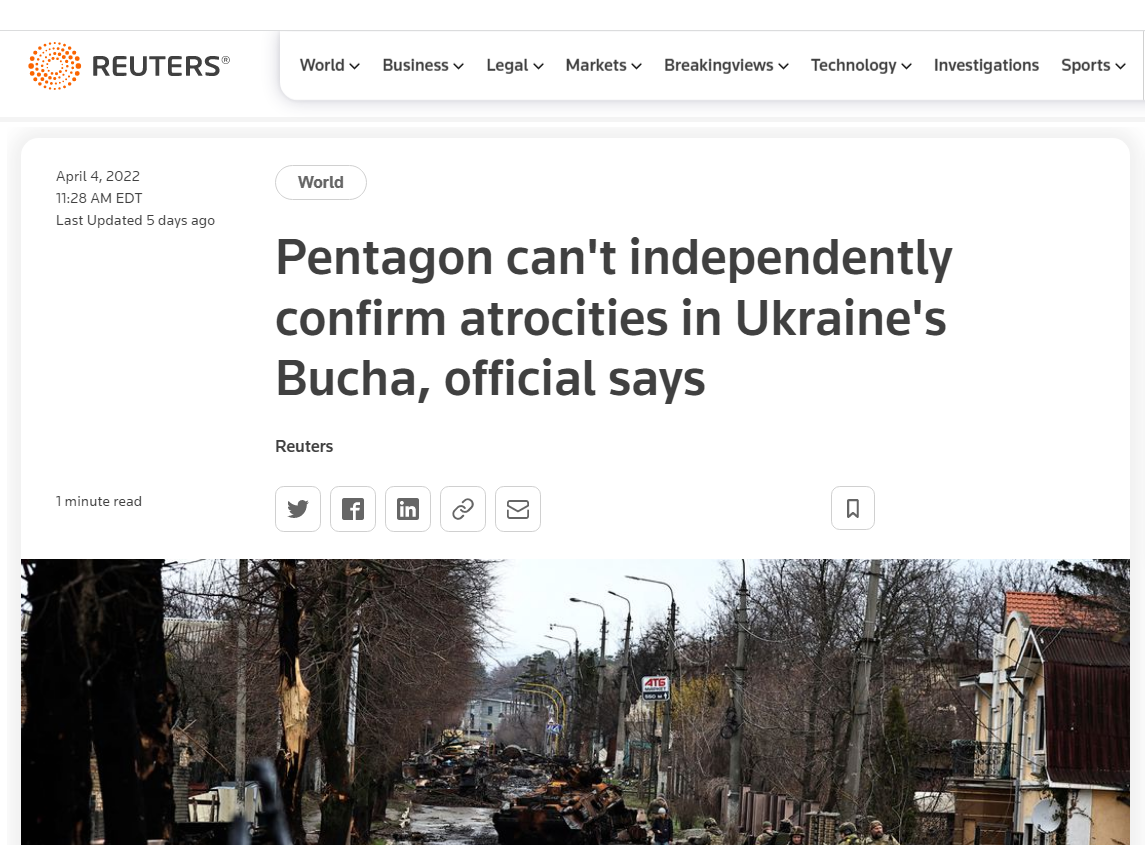
It is to the advantage of Zelensky who appears before every parliament he can ask for money. In Italy, he claimed Russians were capturing children and torturing them. That allegation vanished. He says whatever he can to get money. He could have just complied with the Belgrad and Minsk Agreements but he is determined to lead the world into war. The US Pentagon has come out and even said that they CAN NOT independently verify what took place in Bucha. There is no way to verify anything in Bucha and there are videos that show people laying in the street pretending to be dead with no blood and then there are videos showing they get up when the camera passes.
The Ukrainians are out to create World War III. They are desperately trying to get the West to invade Russia and their goal is to utterly destroy Russia and the Russian people who they hate passionately. Look at this propaganda video they used to tell the world Russians killed Ukrainian civilians. In this video, the bodies are people just laying down. You see no blood. , the “corpse” on the right is moving his arm At the 30th second, look in the rearview mirror. The “corpse” sits up! This is why the Pentagon remains silent. NATO has videos also confirming Bucha was a Ukrainian false flag. The rumor is that when the Ukrainians did enter Bucha, they themselves killed any ethnic Russian Ukrainians there.
All of this propaganda is to enrage the people to call for World War III. Zelensky has even called on NATO to launch nuclear weapons and wipe out Russia . Zelensky will destroy the Ukrainian people with this insanity. He is lying to the world about the devastation of the losses and is searching for a way to get NATO to invade Russia. He uses this propaganda to gain support worldwide. The US has handed him $113 billion when Russia’s annual military budget is at best $65 billion and Germany’s is $56 billion. The US is spending untold amounts of money for the total destruction of Russia.
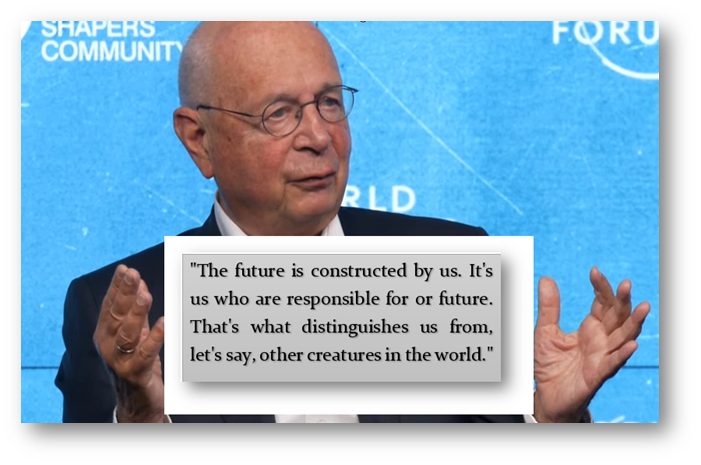
Dave Rubin of “The Rubin Report” talks about Klaus Schwab’s World Economic Forum sending a creepy warning to Elon Musk about his running of Twitter; the arrest of Andrew Tate for human trafficking in Romania and his Twitter war with Greta Thunberg; and Bill Gates revealing his plan for how ESG scores will be used to control corporations all over the world in the name of fighting climate change and ending the use of fossil fuels. Dave also does a special “ask me anything” question-and-answer session on a wide-ranging host of topics, answering questions from the Rubin Report Locals community.
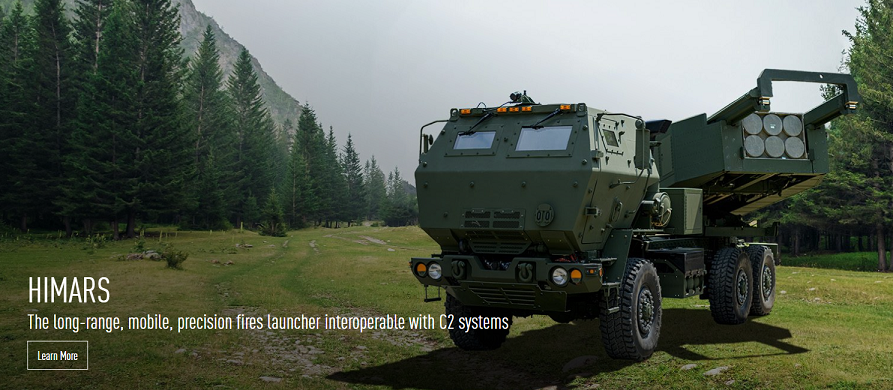
Zelensky’s forces of the Ukrainian military had fired four long-range missiles that had been provided by the US (HIMARS) with US training to kill Russian soldiers in the barracks on New Year’s Eve. Russia says that they shot down two of the four. Just after midnight on New Year’s Day, Ukrainian missiles were fired and struck a vocational school in Makiivka that housed soldiers. Some 300 are injured and 63 are dead. While that is not supposed to be fair in war just killing soldiers in the barracks rather than on a battlefield, this war is anything but normal.
The Ukrainians used New Year’s Eve. We should be on guard now for attacks over Orthodox Christmas. Both sides will most likely attack fiercely.
Posted originally on the CTH on January 2, 2023 | Sundance
It’s almost painful to go to the grocery store today, not just because the prices for everything are so high, but also because seeing the stress amid the working-class shopping is palpable. Unfortunately, while we may have a momentary plateau on current pricing, there’s a strong possibility another wave of higher prices is yet to come.
At the core of the issue are energy prices which continue to rise. The immediate cycle of energy price hikes, a direct consequence of political policy, has lessened somewhat and we are now in that slow tick upward as the pressure on oil, gas, heating and electricity prices continues.
Michael Burry, famous for his predictions in/around the U.S. housing market, is noticing the same thing as CTH. “Inflation peaked. But it is not the last peak of this cycle,”he said. “We are likely to see CPI lower, possibly negative in 2H 2023, and the US in recession by any definition. Fed will cut and government will stimulate. And we will have another inflation spike. It’s not hard.”
Peak demand side inflation is long in the rearview mirror, but the peak of supply side inflation is questionable at best – I would say it’s a plateau, not a peak.
The price of goods, including industrialized and processed raw materials from China are going to increase again – and simultaneously become less consistent in availability. This is going to make prices extremely volatile in 2023.
Essentially, everything around price is tenuous as the western economies absorb the full impact of this Build Back Better energy policy, and into this foray comes China with production and processing challenges as a result of COVID bubbles being removed. We are seeing this problem right now in the pharmaceutical industry and with ordinary medicines becoming scarcer on store shelves.
With the macro economy showing a consumer collapse in spending on goods, the economy will contract again. However, the prices of essential products continue to sustain upward pressure. What does this look like in real terms? Less income amid the workforce and consistently higher prices. We need to be as prepared for this scenario as humanly possible.
Many people have written with sincere appreciation for the CTH forecasts delivered in the fall of 2021. I am thankful to have been of benefit to those who could take proactive measures to avoid the economic issues we faced in 2022. However, I am worried now.
I am worried because the downside to this economic contraction is going to hit the already tenuous and barely surviving middle class the worst. There’s only so much a person/family can do to offset rising energy costs. I listen to this woman’s voice, and it crushes me because I know and feel that pain (Twitter video):
I know just about every reader on these pages can relate to how financial fear can eat you from the inside. The life game of trying to figure out how to get from one week to the next, keep a roof over your head and keep the kids/grandkids safe and fed is fraught with trepidation. I get it. Believe me, I get it…. But you just gotta keep going; whatever it takes.
2023 is going to be rough for many working families and people on fixed incomes.
Then look to help/assist the neighbors, then the community, etc. But start by being proactive at home and do not isolate. Fear, worry, trepidation, foreboding etc, is worse when internalized. Do not swallow it – reach out to a loving God, pray, release it, and then embrace the central purpose in life, fellowship.
Many emails have come in asking if the January target is going to be geopolitical. Holidays are a favorite time to launch attacks. Remember the Yom KippurWar, also known as the Ramadan War? Of course, during Vietnam, President Richard Nixon ordered major bombings to begin on Dec. 18 when North Vietnamese walked out on peace talks. The bombings did not use Christmas as a tactic, but the Troops called it the “11 Days of Christmas.”
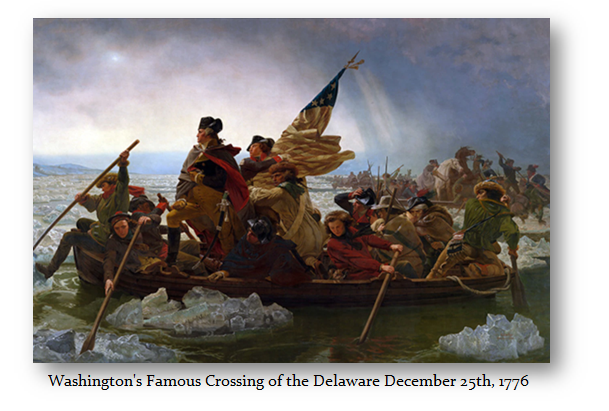
Bet you did not know that in the Famous Battle of Trenton, New Jersey, and Washington’s Crossing the Delaware he used Christmas day to take the British off guard. He crossed the Delaware Christmas night and at dawn on December 26th, 1776, about 2,400 Continental troops pushed into Trenton, and they did indeed surprise the enemy, who surrendered within an hour and a half.
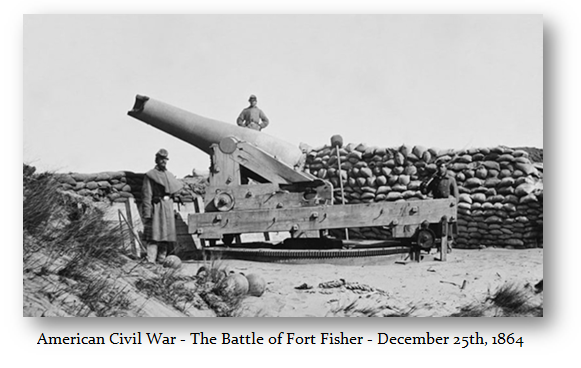
During the American Civil War, the Union tried to use Christmas to attack Fort Fisher but failed. They packed a warship with explosives and blow up the fort’s walls. The ship blew up and only warned the Confederates of the holiday attack. Then on Christmas Eve, the Union started bombarding the fort with heavy cannon fire. That fell short and missed its target. Then on Christmas morning, they shelled the fort and sent in the troops. But the heavy artillery was completely untouched and they had to retreat.
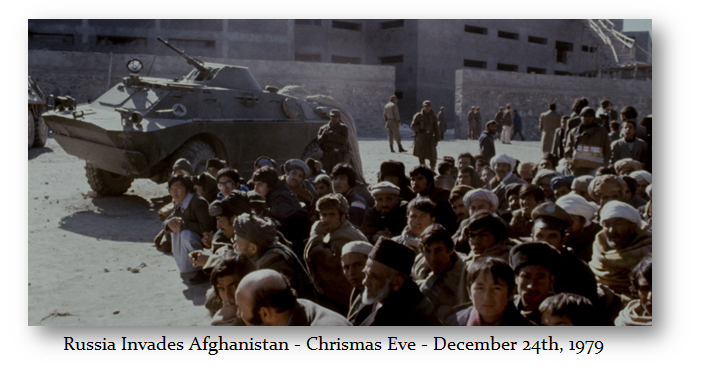
Russia invaded Afghanistan on Christmas Eve 1979, not because the Afghans were celebrating, but because the entire West was taken by surprise.
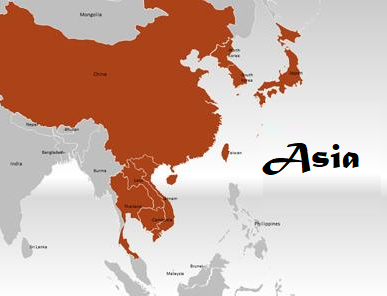
This Christmas has been another opportunity to catch the West off-guard. Absolutely the entire East Asian region has exploded with geopolitical tension. China, Taiwan, Japan, North, and South Korea have all raised their military readiness to their MAX. China strategically sent 7 ships and 71 aircraft of which the majority, at least 43, had entered Taiwan’s air defense zone. This is a NEW RECORD. What I have been warning about is that China, North Korea, Iran, and Russia will all join together because of this insanity coming from the Biden Administration.
North Korea simultaneously entered the Airspace of South Korea which, up to now, was unprecedented! The military leadership of South Korea was forced to come out and publicly apologized to the people for this violation of their Airspace by the North Korean drones. Reports are surfacing claiming that they remained there for at least 3 hours and perhaps some up to 7 hours.
Iran’s staged a major military exercise on Friday ahead of New Year in the coastal area of the Gulf of Oman and near the strategic Strait of Hormuz. This was reported by state TV in Dubai. ABC News reported that they were testing their attack drones. Russia launched a major attack on New Year’s Eve and Zelensky still refuses to accept peace and let the Donbas go which is occupied by Russians. All Zelenskydoes is plead for endless money and Patriot missiles to attack Russia directly and engulf the entire world in this chaos. Zelensky is willing to sacrifice his entire country for this hatred of Russians. He said:
“For me, as the president, ‘just peace’ is no compromises as to the sovereignty, freedom, and territorial integrity of my country, the payback for all the damages inflicted by Russian aggression,”
It was Kyiv that started the war by sending troops to attack the Donbas in 2014 and that was the West’s installed “temporary” government that started the war – not any elected Ukrainian government. He was elected promising to pursue peace and end corruption. So much for campaign promises, They always say whatever they need to win, and then do the exact opposite.
OrthodoxChristmasDay for the year 2023 will be observed on Saturday, January 7th, 2023. Strangely, most of the markets are showing turning points the week of January 2nd and/or 9th even with some markets showing Panic Cycles the week of the 9th following Orthodox Christmas.
Posted originally on the CTH on January 1, 2023 | Sundance
This is an interesting interview in that International Monetary Fund Globalist Director Kristalina Georgieva seems to be laying the landscape for some truthful economic news to surface on the geopolitical level; albeit keeping up the globalist pretenses around western collective energy policy.
One of the more important points Mrs. Georgieva hits on is the reopening of China, from district level COVID bubbles as a containment feature, and the likely impact it will have on global supply chains. Mrs. Georgieva is correct on this issue.
China continued operating their industrial manufacturing base (despite COVID) because they built strict covid isolation bubbles around their industrial sectors geographically. However, with China lifting those isolation bubbles, there is a great potential for the manufacturing sectors to be hit hard by short to medium term virus outbreaks. This could/will have the potential ripple effect of global supply disruptions.
In an ironic twist, ‘deglobalization’ is now a 2023 catchphrase as various nations realize having their supply chains both dependent and interconnected is not good when there are interruptions. A new discussion centering around being dependent on China is the specific issue now being raised. However, the globalists are isolating their viewpoints only to raw material resourcing and development. WATCH:
[Transcript] -MARGARET BRENNAN: I want you to take us around the world and kind of us give us that global view. Let’s start in China. China has been this hub of cheap manufacturing for the world, we are all so dependent on it but right now it looks like COVID cases are exploding as they start pulling back those zero COVID restrictions. What will that mean for the global economy Longterm and short-term?
GEORGIEVA: In the short term, bad news. China has slowed down dramatically in 2022 because of this tight zero COVID policy. For the first time in 40 years China’s growth in 2022 is likely to be at or below global growth. That has never happened before. And looking into next year for three, four, five, six months the relaxation of COVID restrictions will mean bush fire COVID cases throughout China. I was in China last week, in a bubble in the city where there is zero COVID. But that is not going to last once the Chinese people start traveling.
MARGARET BRENNAN: Because they also- they don’t have an effective vaccine right now.
GEORGIEVA: The- the vaccinations fall behind. They have not worked on anti-viral treatments and how that can be offered to people, and so they will go through this tough time. If they stay the course, and this is our advice, stay the course, over time they would be able to catch up with the rest of the world, both in terms of focusing their vaccinations, bringing mRNA vaccines into China, expanding antiviral treatment, and the economy would function. But for the next couple of months, it would be tough for China, and the impact on Chinese growth would be negative. The impact on the region would- would be negative. The impact on global growth would be negative.
MARGARET BRENNAN: Because this is the second-largest economy in the world, and we’ve learned how dependent the world is on the Chinese supply chain. So do you expect then, a domino effect? Will inflation get worse, because all of a sudden there aren’t workers healthy enough to go to factories in China?
GEORGIEVA: We expect that there would be counterweight from the sheer opening of the economy, because up to now, the biggest impact on global value chains came from restrictions due to COVID. When you close down a big city or a big port, the repercussions for the economy is- are significant. Now, we would have the impact of people getting sick, not going to work, but the economy would be open. So the expectations we have for China is to gradually move to a higher level of economic performance, and finish the year better off than it is going to start the year. But you’re absolutely right, the world has relied on China’s growth for a long, long, long time. Before COVID, China would deliver 34, 35, 40% of global growth. It is not doing it anymore. It is actually quite a stressful for the- for the Asian economies. When I talk to Asian leaders, all of them start with this question, what is going to happen with China? Is China going to return to a higher level of growth?
MARGARET BRENNAN: You’ve said that you fear that we are sleepwalking into a world that is poorer and less secure because of a split in the global economy between the US and China. What do you mean by that? Do you see efforts here in Washington to stop it?
GEORGIEVA: It is very easy to reflect on the benefits of the world being more integrated. When we look back over the last three decades, the world economy tripled because of this reliance on an integrated world economy. Who benefited the most? Emerging markets and developing economies, they quadrupled. But rich countries also benefited, they doubled in size of the economy. So we have to be careful not to throw the baby out with the bath water. Yes, the way we have operated created excessive dependency in global chains. We were too focused on costs, how can we make products cheaper. And COVID and then the senseless war Russia started against Ukraine has shown that this is not enough. We cannot just concentrate on what is cheaper. We have to think of the security of supplies and that means diversify the sources of products that make the economy function well, lifting up the level of cost. That economic logic is not only appropriate, it is a must to follow. But we shouldn’t go beyond. We shouldn’t say, okay, we break the world into blocks, one works here, the other one works there because the costs are very, very high. We calculated that just trade, limiting trade into two blocks, would chop $1.5 trillion from the global GDP year after year after year.
MARGARET BRENNAN: If you tried to separate the US and China?
GEORGIEVA: You separate- you separate them, there is an excessive cost. So the logic should be where for security reasons there has to be careful recalibration of supply chains, do it, but don’t go beyond- don’t go into benign areas of products that have no strategic significance but they benefit the US consumer, they benefit the world economy. And this is what we are arguing for, don’t go in a direction in which this separation would make everybody poorer and the world less secure.
MARGARET BRENNAN: So you’re telling Beijing and Washington, figure it out. You can’t be in conflict.
GEORGIEVA: What we have seen in Bali is an indication that this rationale–
MARGARET BRENNAN: You’re talking about the G20 meeting–
GEORGIEVA: The G20 meeting in Bali, when the two presidents, President Biden and President Xi Jinping, met, they spent three and a half hours discussing exactly that. Where is the point of contact that makes both countries better off? And where is that- that there are differences that cannot be bridged and therefore we have to keep them–
MARGARET BRENNAN: The US is trying to block some Chinese technology companies from doing business here. They’re taking measures that are drawing some pretty bright lines between the US and China. Is that tolerable?
GEORGIEVA: We always prefer countries to seek their common interest in economic integration. And when you start breaking the interactions that are based on fair trade, you harm your own people, you not only harm the- the Chinese and therefore it has to be thought through very carefully. Again, I want to be very clear, some diversification of supplies for the security of supply chains is necessary. COVID taught us this lesson, the war taught us this lesson. So the U.S. is right to look into some areas where strategically they need to guarantee the functioning of the U.S. economy without interruptions. But do that keeping in mind the interests of the American people that would like to still have prices moderating, and actually, when we think about prices, one good news we have for 2023 is that towards the end of the year, we do expect inflation to trim down. So don’t take actions that may be contrary to that trend.
MARGARET BRENNAN: But you are predicting inflation to slow to six and a half percent from about 7%. Is that right?
GEORGIEVA: Well, towards the end of the year, we- we project it would go even further down towards the end of 2023, provided central banks stayed the course. Our big worry is that with the economy slowing down globally, we are projecting global growth to go down to 2.7%, maybe even lower next year. Remember, 2021, it was 6%. It dropped to 3.2 this year, 2022. And it will continue to drop down if central banks get the cold foot and say, ‘oh, my god, growth is slowing down, let’s slow down the fight against inflation.’ We risk then inflation to be more persistent. So our message is to central banks, you have to see credible decline in inflation and only then you can think about re-calibrating rate policy.
MARGARET BRENNAN: One of your IMF researchers gave a pretty dire prediction. Overall this year, shocks will reopen economic wounds that were only partially healed post-pandemic. In short, the worst is yet to come and for many people, 2023 will feel like a recession. What do you need to brace for?
GEORGIEVA: The- this is- this is what we see in 2023. For most of the world economy, this is going to be a tough year, tougher than the year we leave behind. Why? Because the three big economies, U.S., E.U., China, are all slowing down simultaneously. The US is most resilient. The U.S. may avoid recession. We see the labor market remaining quite strong. This is, however, mixed blessing because if the labor market is very strong, the Fed may have to keep interest rates tighter for- for longer to bring inflation down. The E.U. very severely hit by the war in Ukraine. Half of the European Union will be in recession next year. China is going to slow down this year further. Next year will be a tough year for China. And that translates into negative trends globally. When we look at the emerging markets in developing economies, there, the picture is even direr. Why? Because on top of everything else, they get hit by high interest rates and by the appreciation of the dollar. For those economies that have high level of that, this is a devastation.
MARGARET BRENNAN: And I want to- I want to come back to you on that. And just to explain that for some of our listeners, a stronger dollar, it’s good for Americans when they go shopping abroad. It’s not good for poor countries who have taken out loans, for example, and borrowed money in dollars. And according to the IMF, 60% of low income countries are in distress because of this- this debt. So what does that look like? Do you- do you see governments collapsing with defaults? Does that bleed into the global financial system? I mean, how much of a contagion does this become?
GEORGIEVA: So far the countries that are in that distress are not systemically significant to trigger a debt crisis. Let’s just look at the map, which are these countries? Chad, Ethiopia, Zambia, Ghana, Lebanon, Surinam, Sri Lanka, very important for their people that we find the resolution to the debt problem, but the risk of contagion is not as high. However, if that list continues to grow, and let’s remember, 25% of emerging markets are trading in distressed territory, then the world economy may be for a bad surprise. And this is why at the IMF, we are working very hard to press for debt resolution for these countries and we have engaged the traditional creditors, the Paris Club, the non-traditional creditors, China, India, Saudi Arabia. I would call this very simple: urgency, we have to act. When I look at the- the debt of the world. Yes, we have to be concerned. During COVID, what did we do? Everywhere governments borrowed, rightly so, to help their people.
MARGARET BRENNAN: Money was cheap.
GEORGIEVA: Money was cheap, and we prevented a collapse of the world economy. That was the right thing to do. But once Russia invaded Ukraine and that added impetus to inflation, money is not- not cheap anymore. So what is the advice we give to governments? Focus on your budgets, make sure that you have sufficient revenues to collect and that you spend very wisely.
MARGARET BRENNAN: That’s good advice, but it’s not always easy politics to follow that advice, as you know–
GEORGIEVA: Of course it is not.
MARGARET BRENNAN: And so that’s why I want to- if- if you can explain for our viewers. You know, we spoke to the CEO of JPMorgan Chase, Jamie Dimon, recently, and he said he sees the global risk as explosive right now. He was saying things like migration, energy, national security, liquidity in the banking system, war, these are all the knock on effects of a government not being able to pay its bills and not being able to deliver for its people. Is that what you are seeing too?
GEORGIEVA: Well, what we’re seeing is the world has changed dramatically. It is a more shock prone world. The lessons we learned from the last couple of years are that no more we operate with relative predictability of what the future would bring. And these shocks COVID, the war, costs of living crisis, they compound their impact. What does that mean for governments? First and foremost, it means that we need to change our mindset towards more resilience, more precautionary actions. And at the IMF, this is what we tell our members. Act early, don’t wait until the problems deepen. And for those who need help, this is why we exist for the developing countries. The fund is a source of resilience and I am- I am very pleased that many of our members are coming to us. Just since the war started we got 16 countries coming for programs to the IMF, $90 billion in support for these countries. And right now we have 36 requests. So that acting early, when you see trouble, look for ways to strengthen your fundamentals, to have buffers to protect you and your people. This is the advice we give to governments. For those who don’t know the IMF, we were created from the ashes of the Second World War to stabilize the world economy. And at a moment like this, we come strong to help our members. My message, don’t think that we are going to go back to pre-COVID predictability. More uncertainty, more overlap of crises wait for us. Rather than crying for the time we had, we have to buckle up and act in that more agile, precautionary manner I described.
MARGARET BRENNAN: I want to make sure I get to Ukraine because I know we’re running out of time. You’ve said- excuse me- you’ve said the single most negative factor in the global economy is the war in Ukraine. And Vladimir Putin says this is going to go on for some time. President Zelensky said they need $55 billion in foreign support next year. He expects $20 billion from the IMF, is he going to get it?
GEORGIEVA: We are working on providing support for Ukraine. So far, out to the international financial institutions, we have provided the largest amount of financing for Ukraine, $2.7 billion in emergency financing, and we are working for 2023 to be a significant part of the support for Ukraine. I expect that sometime early in the year we will go to our board with the request. We have assessed the needs of Ukraine to range somewhere between three and five billion dollars a month. What Putin did with destroying critical infrastructure in Ukraine, this is horrific, and it means that in the next months the country would be more on the high end of this range because it is put in an awful position to have to restore access to electricity, to heat, to water. I have relatives in Ukraine. What I- what I know from them is it is cold, it is dark, and it is scary. Bombardments of civilian areas continue. What I also want to say is that Ukraine has proven to be remarkably resilient. Ukrainian economy is functioning. Pensions are being paid. When there is bombardment, restoration of energy, water, heat is done very quickly and we see revenues collected in Ukraine in a very disciplined manner to support the functioning of the country.
MARGARET BRENNAN: So the government’s not going to collapse?
GEORGIEVA: The government is very well functioning under incredibly difficult circumstances. No, they’re not going to collapse. And then the other thing that is so remarkable is actually the world has proven to be more resilient than we feared, a year in the beginning of the year. We look at the response to the energy shock in Europe, and Europe is moving towards independence from Russia decisively. Yes, there will be a tough winter, maybe the next one would be even tougher, but freedom from dependence on Russia is coming. It is going to be there.
MARGARET BRENNAN: I want to ask you two questions before we go. How do you describe the state of U.S. economics and politics?
GEORGIEVA: The US economy is remarkably resilient. Decision making in the US because of the way the political set is at the moment, it is more difficult. But nonetheless the US has taken some very important steps that are helping to the US economy. Like the child tax-
MARGARET BRENNAN: The tax credit. It expired.
GEORGIEVA: The credit that is it. It is contributing so significantly to reducing poverty in the US, like the infrastructure bill, like the Inflation Reduction Act. These are things that are bringing more dynamism in the US. Good for the US, good for the world. And of course staying on that course is going to be more challenging. But I do hope that the US is not going to slip into recession despite all these risks. We expect one third of the world economy to be in recession. And yes, as you said, even countries that are not in recession, it would feel like recession for hundreds of millions of people. But if that resilience of the labor market in the US holds, the US would help the world to get through a very difficult year.
MARGARET BRENNAN: And as I let you go, my final question is what leaves you hopeful in 2023?
GEORGIEVA: What leaves me hopeful is that I know when we work together, we can overcome the most dramatic challenges. In 2020, the world came together in the face of tremendous threat and was able to overcome this threat. In 2023 we have to do the same. And in this world of ours, of more frequent and devastating shocks, we have to hold hands, we have to work together. And my institution is there to bring together economic policymakers so we can be wise and persistent in the face of truly dramatic challenges we face.
MARGARET BRENNAN: Madam managing Director, thank you for your time this morning.
I have created this site to help people have fun in the kitchen. I write about enjoying life both in and out of my kitchen. Life is short! Make the most of it and enjoy!
This is a library of News Events not reported by the Main Stream Media documenting & connecting the dots on How the Obama Marxist Liberal agenda is destroying America











 Centinel2012