Posted originally on Sep 16, 2025 by Martin Armstrong |
President Donald Trump believes that companies should cease reporting on a quarterly basis and switch to semiannual reports instead. Trump said that the concept is “subject to SEC approval” and would “save money, and allow managers to focus on properly running their companies.”
JPMorgan Chase CEO Jamie Dimon and Warren Buffett also once voiced support for semiannual reporting. “In our experience, quarterly earnings guidance often leads to an unhealthy focus on short-term profits at the expense of long-term strategy, growth and sustainability,” the pair wrote in an op-ed piece for the Wall Street Journal in 2018.
The SEC currently has a 3-1 Republican voting majority, but why does this seem to be a bipartisan issue? The issue is global, in fact, as Norway’s sovereign wealth fund recently proposed switching to semiannual reporting, and the UK and Europe do not currently require quarterly reports. Providing the consumer and investor with less, infrequent information alludes to bad news. Companies would willingly share praise of quarterly earnings with the public if they were bullish on their future, but in the current stagflationary trend, companies are cautious. Those at the top are losing confidence in their company’s ability to meet or exceed expectations.
Dimon and Buffett argued that the public’s attention should be on the long-term results. That aligns with Buffett’s buy and hold strategy but does not work for most portfolios that require investment strategy changes based on incoming data. In Trump’s personal predicament, the price adjustments due to tariffs are a reason to halt quarterly reporting.
Still, lowering transparency raises market risk, and the markets do not respond well to volatility. Columbia Law Schoolpublished an article that looked at the 2017 regulatory adjustment on the Tel-Aviv Exchange (TASE) when small-cap firms switched from mandatory quarterly reports to semi-annual updates. “The stocks of firms that chose that option dropped an average of 2 percent in price in a window of (-5,+5) days,” the analysis found. “Conversely, the stock of firms that chose to continue quarterly reporting rose an average of 2.5 percent over an immediate window of (-5,+5) days.”
The study also noted that while compliance costs dropped by 19.8% by eliminating two annual reports, the firms that chose to maintain four annual reports did not see a significant change in audit fees. There was a clear trade-off between cost reduction and maintaining investor confidence, the study noted.
The US markets cannot be compared to the TASE, and that 2% reduction in investment would likely rise for US firms, as consumer confidence is absolutely paramount. The proposition of semi-annual reports stems from the belief that companies will be unable to provide optimistic earnings reports. Reducing reporting fees is not the concern, and the repercussions are vast as massive portfolio shifts would ensue as investors and money managers need to reduce risks and would be less likely to take short-term risks if the data is unavailable to them. Reducing transparency would shake up confidence in the markets overall, and as mentioned, capital does not like volatility.
Posted originally on Sep 15, 2025 by Martin Armstrong |
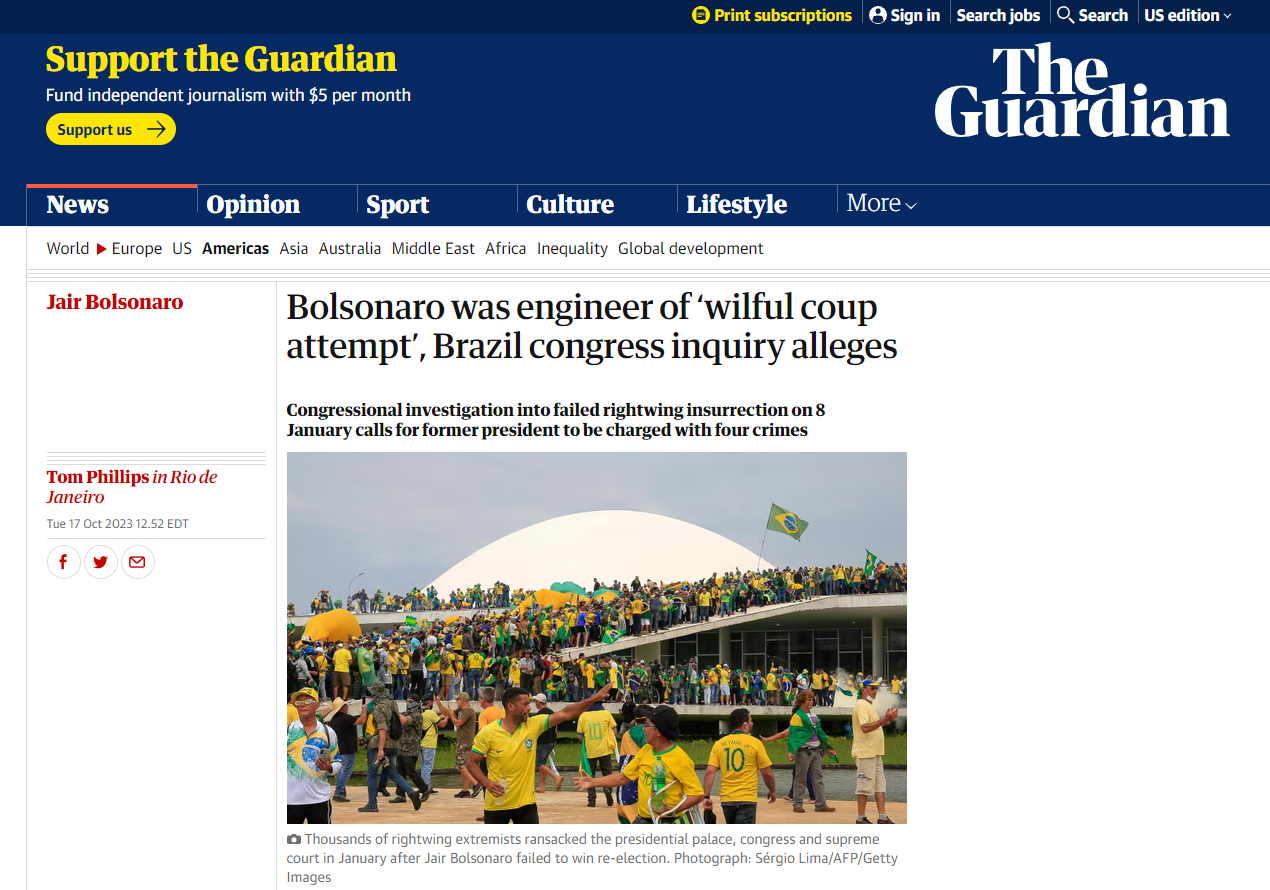
Former Brazilian President Jair Bolsonaro has been sentenced to 27 years in prison for allegedly plotting a coup to overturn the presidential election. Politicians who defy the new world order are silenced through assassination or imprisonment. This has become a worldwide phenomenon, from Germany to Brazil, as politicians who rebuke the globalist agenda are receiving massive support from the people, and eliminating opposition is the only way for current regimes to remain in power.
The Brazilian people independently denied the results of the 2022 election and stormed government buildings on January 8, 2022, a week after Lula was inaugurated. The Federal Police uncovered a draft of a coup announcement at the home of former Justice Minister Anderson Torres. After months of detainment, Torres maintained that the document, which he received from a private citizen, was taken out of context and held no legal validity. The plans outlined in the document never occurred, but the establishment maintains that Bolsonaro is a threat to Brazilian democracy.
As our computer warned, there would be intense, politically motivated civil unrest worldwide in November 2022. Ahead of the election, Brazil’s leftist opposition Workers’ Party (PT) Marcelo Arruda was enjoying his birthday celebration in the city of Foz de Iguacu, Parana, when he was shot dead. The vote of 49.1%-50.9% was the closest Brazilian presidential election in history since 1985 and marked Bolsonaro’s first political defeat. Bolsonaro supporters held mass protests across the nation to protest Lula’s victory and blocked hundreds of major roadways. Bolsonaro first sided with the protestors, saying they felt “indignation and a sense of injustice.”
The intense backlash from across the globe caused Bolsonaro to change course. “I know you are upset… Me too. But we have to keep our heads straight,” Bolsonaro said in a video posted online. “I will make an appeal to you: clear the highways.” Bolsonaro confirmed with Brazil’s Supreme Court that he would willingly hand over power to Lula. “I have always played within the four lines of the constitution,” he said, without declaring defeat. Bolsonaro is already barred from running for office until 2030. The establishment wants to ensure that he is never up for reelection.
The Brazilian Supreme Court rules in a 4-5 vote to convict Bolsonaro on all five charges, carrying a sentence of 27 years and 3 months in prison. There is no concrete evidence against Bolsonaro. There was no coup. No election was overturned and Bolsonaro did not attempt to take power after his defeat. Bolsonaro has evaded assassination in the past. Lula was desperate to find a reason to prevent Bolsonaro from running for office before the probationary period ended, and the Brazilian courts acted as weapons of the state.
The Brazilian government did not deter unrest; rather, they ensured it.
Posted originally on Sep 9, 2025 by Martin Armstrong |
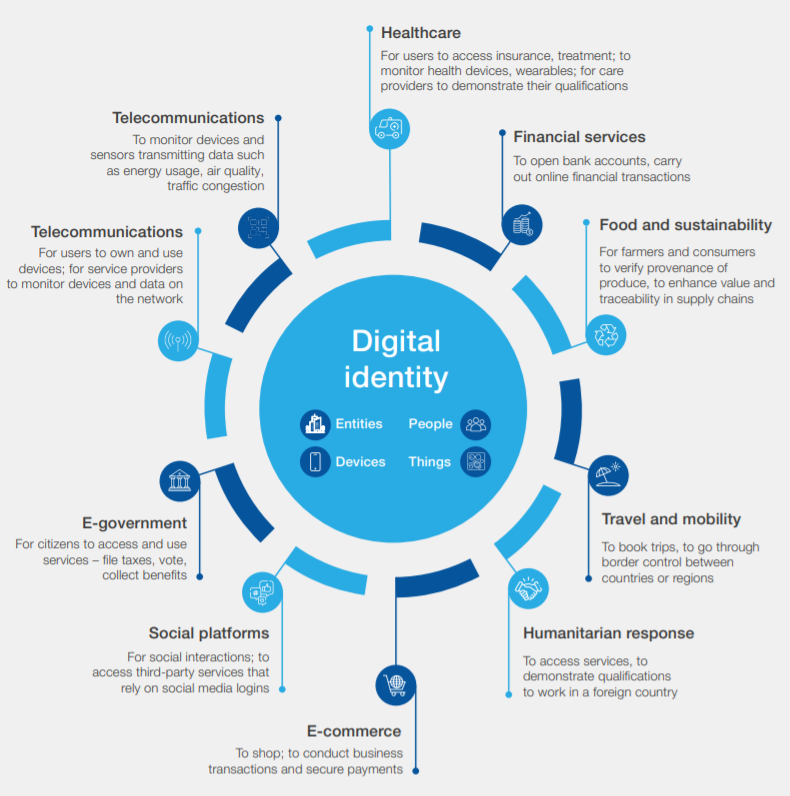
Vietnam has erased and/or frozen 86 million unverified bank accounts as the nation surrenders to the globalist Great Reset. Anyone wishing to function in society must surrender their biometric data to maintain a bank account. The State Bank of Vietnam (SBV) claims that the measure was a system cleanup aimed at preventing fraud. In actuality, the measure is one step closer toward a national ID system that enables the government to control its citizens’ every move.
“This is a data-cleansing revolution,” said Pham Anh Tuan, Director of the Payment Department. “While the total number of bank accounts remains 200 million, by September 2025, once the legal framework is complete, all accounts without biometric data will be closed to prevent scams and fraud. After seven years of promoting non-cash payments, we are moving toward real efficiency.”
Vietnam recently implemented a nationwide digital ID (e-ID) system called VNeID that requires both citizens and foreign residents to surrender to the matrix and permit the government to store their personal information in a centralized database. Fingerprints, facial biometric data, photographs, passports, nationality, criminal records, and even medical records will be stored in the government database. Participation is not optional.
Project 06 launched in January 2022, hailed as a technological revolution to digitize the country. Project 06’s full name is the “Project on Developing Data Applications on Population, Identification, and Electronic Authentication to Serve National Digital Transformation in the 2022-2025 Period (Vision 2030),” which aligns entirely with the World Economic Forum’s plans for the Great Reset. The concept has been sold to the people as a convenience measure, but in truth, the aim is centralized, unrestrained control over the entire population.
Everything from banking to renting an apartment is linked to the digital ID. One wrong move and the government can completely erase someone from the system. One glitch in the power grid and the nation will come to a standstill. The Vietnamese government has the power to halt a person’s life instantaneously.
High-level Vietnamese officials met in Davos in January 2025, and shortly after, began voicing concern for bank accounts that were unverified through biometric data. Vietnam has been actively seeking OECD membership and signed a Memorandum of Understanding, citing that Project 06 will enable the nation to meet the OECD’s guidelines for regulatory reforms. Vietnam was one of the last nations disconnected from the Automatic Exchange of Information (AEOI) that requires members to share banking information under the pretense of preventing tax evasion.
Vietnam signed the Multilateral Convention on Mutual Administrative Assistance in Tax Matters (MAAC) with the OECD in March 2023, enabling automatic exchange of tax and financial information with over 146 jurisdictions. In early 2025, shortly after Davos, Vietnam joined the Multilateral Competent Authority Agreement (MCAA) for Country-by-Country Reporting (CbCR), broadening its commitment to AEOI and international tax transparency. In February 2025, Vietnam activated CbCR exchange relationships with 29 jurisdictions including the entire European Union.
Globalist entities defy democracy and demand the complete surrender of national sovereignty under the belief that the world population must be controlled by one centralized force. The majority of world leaders have willingly surrendered, unaware of the full extent of power a small unelected few will yield if the Great Reset succeeds.
Posted originally on CTH on August 25, 2025 | Sundance
CTH noted several months ago, end the Marshall Plan for Europe and things will change quickly.
Germany is in a tight economic place as a result of: (1) former leftist Chancellor Olaf Scholz alignment with climate change policy, radically changing the German energy base and driving up costs; (2) the financial support for Ukraine; (3) the financial burden of mass African/ME migration, and (4) the new Trump-era EU tariffs that effectively end the Marshall Plan.
Put all four elements together and the German economic contraction is only forecast to worsen. This is the reality that current German Chanceller Fredrich Merz is facing. Thus, as a non-pretending former businessman, Merz recently told his party and the German electorate that current financial conditions no longer support the expansive entitlement state.
Pensions, benefits and even healthcare are potentially going to be impacted. Germans are not happy.
GERMANY – The German welfare state is no longer financially sustainable, Friedrich Merz said on Saturday. The chancellor argued for a fundamental reassessment of the benefits system as spending continues to soar past last year’s record of €47bn (£40bn).
In a state-level party conference meeting on Saturday, Mr Merz said: “The welfare state as we have it today can no longer be financed with what we can economically afford.”
Once the export champion of Europe, Germany’s economy has slowed dramatically since 2017, with GDP growing by only 1.6 per cent since then versus 9.5 per cent for the rest of the eurozone.
Germany’s economy shrank by 0.2 per cent last year following a 0.3 per cent dip in 2023 – the first time since the early 2000s the economy has retreated two years in a row.
Industrial production fell under the Left-leaning “traffic light” coalition of Olaf Scholz and continues to slide under the new government, with GDP declining by 0.3 per cent in the second quarter of 2025.
Meanwhile, spending on social welfare has exploded, and is set to increase further this year as Germany’s population ages and unemployment rises. Although the majority of benefit recipients are German, large numbers are non-German citizens.
[…] Germany has in place a so-called “debt brake”, which limits how much the government can borrow to fund its spending plans.
Mr Merz’s views on the welfare state are likely to provoke discontent among his Social Democratic Party (SDP) coalition partners, whom he relies on for a thin majority in the Bundestag.
[…] Lars Klingbeil, the SPD leader and vice-chancellor, hit back at Mr Merz’s announcement with calls for increased taxation on top earners. He called for a summit focused on helping industry leaders respond or adapt to US tariffs and said “no option is off the table” when it comes to plugging the 30-billion-euro gap in Germany’s budget. (more)
A note of caution. Historically speaking, when the German economy gets bad enough, Europe ends up in a war.
Posted originally on Aug 11, 2025 by Martin Armstrong |
QUESTION: Your model has projected a recession into 2028. ZeroHedge publishes “If everything is going to be just fine, why are thousands of stores closing all over the country? So far this year, the total amount of retail space that has been permanently closed has surpassed 120 million square feet. We have never seen anything like this before. Store closings spiked during the early days of the pandemic, but in 2025, stores are being permanently shuttered at an even faster pace.”
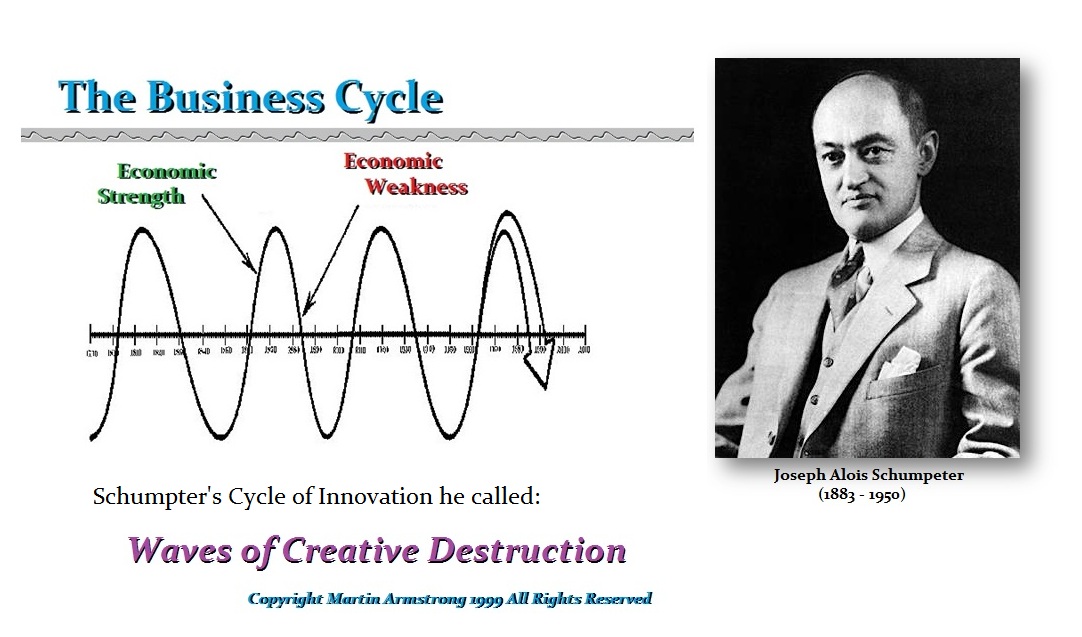
Do you agree with this? You have also written that in part this is a paradigm shift like Schumpet’s waves of Creative Destruction. Could you address this paradox?
Ronnie
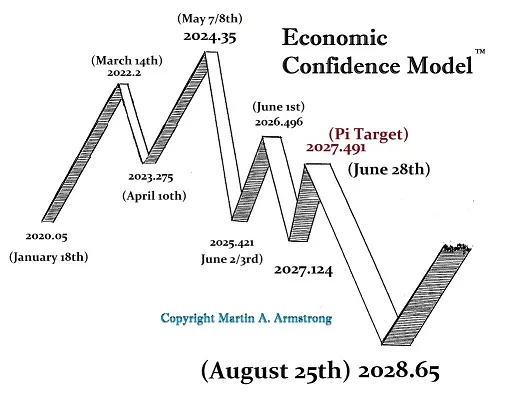
ANSWER: Zero Hedge’s statement is a little misleading, but certainly not intentional. Yes, we have a recessionary trend globally into 2028, which has also been set in motion within the EU by the pounding of war drums. The EU is more likely to experience a DEPRESSION, whereas the USA will have a recessionary atmosphere with STAGFLATION, more like the 1970s, with inflation outpacing GDP growth primarily due to rising costs and wars globally.
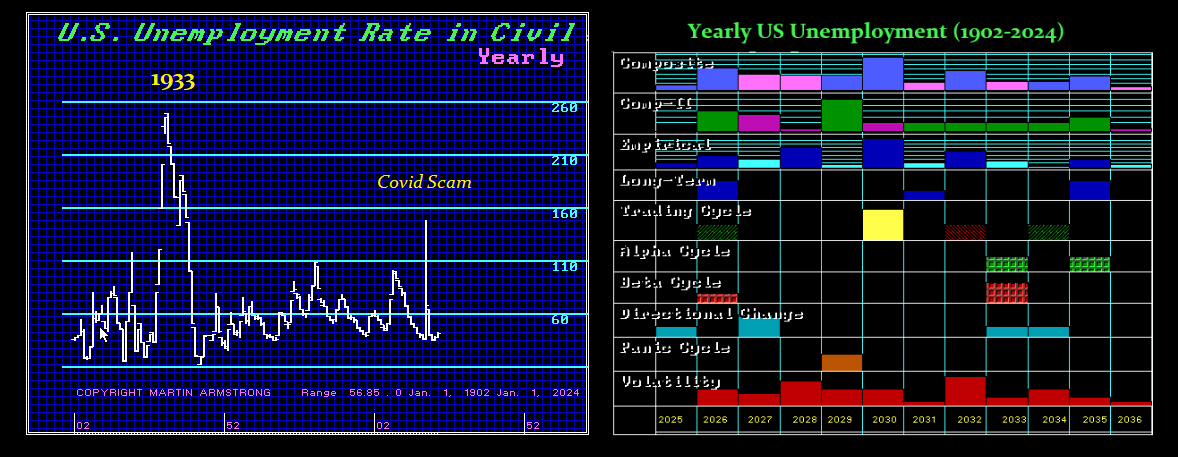
Our computer is demonstrating that volatility in Unemployment will rise from 2026, peaking first in 2028 with a Panic Cycle in 2029. This also confirms our War Cycles for 2026. What we MUST come to grips with is that there is far more to understanding the economy from a single statistic perspective. However, we are also undergoing two significant factors that the classic economic models fail to incorporate, aside from the fact that 99% of the rhetoric and the economic models overlook the leverage in the banking system that creates money outside of the Federal Reserve through lending:
TWO SIGNIFICANT FACTORS OMITTED IN CLASSIC ECONOMIC MODELS
(1) a shift to independent contractors/freelancers thanks to COVID, and (2) a wave of Creative Destruction.
(1) INDEPENDENT CONTRACT:
I stumbled into this issue when the Florida Revenue Department wanted to audit our company. Florida has no income tax, so I was a bit befuddled. I discovered they were auditing to see if we had independent contractors or freelancers who would qualify as a full-time employee, and as such, we were not collecting unemployment taxes, etc. I have NEVER had such an audit – EVER!. So I began to investigate why I was being audited for such an issue. It turned out that the COVID-19 pandemic significantly contributed to the rise in independent contractors and freelancers.
1. Job Losses & Economic Uncertainty
Many traditional employees were laid off or furloughed during lockdowns, pushing them into gig work or freelancing to make ends meet. Companies downsized and relied more on contract workers to reduce long-term labor costs.
2. Remote Work & Digital Acceleration
The shift to remote work made location-independent freelance roles more viable. Platforms like Upwork, Fiverr, and TaskRabbit saw increased demand for freelance services (e.g., digital marketing, programming, consulting).
3. Business Adaptations
Small businesses and startups turned to freelancers for flexibility instead of hiring full-time staff. The “Great Resignation” led many workers to seek autonomy, choosing self-employment over traditional jobs.
4. Government & Policy Influences
Stimulus checks and unemployment benefits (e.g., PPP loans, CARES Act) provided temporary support, allowing some to transition into freelancing.
In some states, labor laws evolved to accommodate gig workers (e.g., California’s Prop 22 for ride-share drivers).
Upwork (2021) reported that 59% of freelancers started during or after COVID. MBO Partners (2021) found a 34% increase in independent contractors in the U.S. compared to pre-pandemic levels. OECD data showed a global rise in gig economy participation, especially in delivery (e.g., Uber Eats, DoorDash) and remote freelance roles.
Long-Term Impact:
While some workers returned to traditional jobs post-pandemic, many stayed independent due to flexibility, higher earnings potential, and hybrid work trends. The shift toward a more contract-based workforce is likely here to stay.
States with Higher Unemployment Than Pre-COVID (Feb 2020)
Nevada
Pre-COVID (Feb 2020): 3.7% Mid-2024: 5.2% (fluctuating due to slower tourism recovery) Reason: Heavy reliance on hospitality and leisure sectors.
California
Pre-COVID: 3.9% Mid-2024: 4.8% Reason: Tech layoffs, high cost of living, and slower rebound in entertainment/hospitality, illegal aliens, and the highest income tax in the nation.
California Income Tax – 13.3% (on income over $1,000,000)
New York
Pre-COVID: 3.7% Mid-2024: 4.5% Reason: Slow office sector recovery (NYC), reduced business travel, and Wall Street moving to Florida.
New York Income Tax – 10.9% (on income over $25,000,000)
Pre-COVID: 2.4% Mid-2024: 3.8% Reason: The economy is highly dependent on Tourism and high taxation
Hawaii Income Tax – 11.0% (on income over $200,000)
States with No Income Tax:
Alaska, Florida, Nevada, South Dakota, Tennessee (repealed investment income tax in 2021), Texas, Washington (but has a capital gains tax over $250,000), Wyoming
States That Have Recovered or Improved
Texas, Florida, Utah, Idaho, and South Carolina have unemployment rates at or below pre-pandemic levels due to strong job growth in tech, manufacturing, and migration trends.
Remote Work Trends: NYC and San Francisco, more than the Sun Belt states, have lost office work. This, in part, has also resulted in the commercial real estate crisis that was part of the objective of the COVID Scam to force people to work from home and stop commuting to save the planet.
Migration Shifts: States like Texas and Florida gained workers, while some Northeast/Midwest states lost population. This is the Great Migration from the BLUE to the RED states. I met people who moved to Florida because their children were becoming suicidal in the Blue States as they shut down sports, and many children thought their dreams in life were over.
Because of that strange audit that still costs you $25,000 in legal and accounting fees for something we did not owe, I began to dig. I found that the rise in independent contractors and freelancers was a side-effect of COVID, in addition to the Great Migration. States were looking for spare change. I would not have been surprised if they didn’t start searching cars for coins left in the ashtrays.
(2) Waves of Creative Destruction:
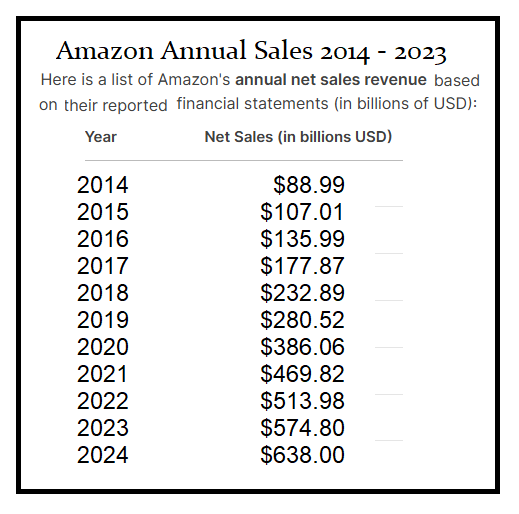
Simultaneously, the plot behind COVID was to create 15-minute cities and have people work from home, virtually ending commuting. What also took place was that people were locked down, and instead of shopping or even going out for dinner, they ordered from Amazon and took out from restaurants. COVID set in motion a new dynamic that the economic models are failing to comprehend. Unemployment can rise while commerce expands. Just look at the sale of Amazon. In the past 10 years, Amazon has expanded by 625%. I know a guy who had a camera shop. I closed after 30 years because he could no longer compete with online sales from Amazon. This is the story nationwide. But COVID was clever. The goal was to save the planet, and that has resulted in a cascade of small stores and even some chains closing stores. Now you have UBER.EATS, Door Dash, etc, to facilitate food being delivered to you within minutes. People closed offices and employees shifted to home, and commercial real estate is going into crisis liquidation. This is not all part of a normal recession – it is a Creative Destruction Wave where unemployment rises, but commerce can expand.
My firm became the highest-paid analyst ever, and we were an institutional advisor with some individuals who had a ton of money. Our reports used to go out by telex, and the cost could be up to $75 in telex fees per report, which would go out 3 times a day per currency. That was why I began opening offices around the world so we could reduce costs for clients by sending one set of reports to our London, Geneva, or Asian offices, and they would then redistribute it to the clients in that region. This would reduce costs from $200,000-$300,000 per client just in communication costs. We were Western Union’s biggest client.
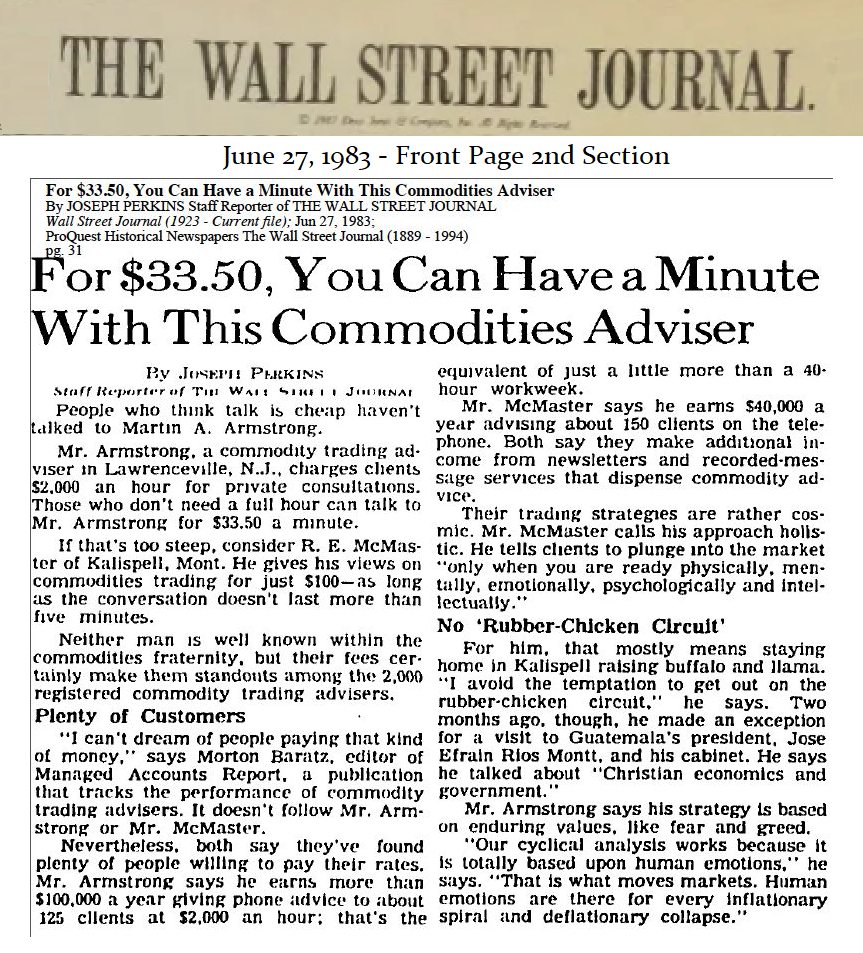
In 1983, the Wall Street Journal wrote a piece that I was charging $2,000 an hour for phone advice. The journalist, after talking to our clients who agreed to participate in their review, told him that if I charged $10,000 an hour, they would pay it. He called me back and was stunned. I was advising on a billion-dollar transaction in 1983. $2,000 or $20,000 did not make much difference.
By the mid-to-late 1980s, fax machines were a standard office appliance, peaking in the 1990s before email and digital scanning began replacing them. We started sending reports out by FAX, and that reduced the communication costs dramatically. So personally, I have lived through the technology cycle of Creative Destruction and saw the price of transmitting a report from $75 to email, which is now basically free. That took the business away from Western Union, and has been a wave as Schumpeter envisioned.
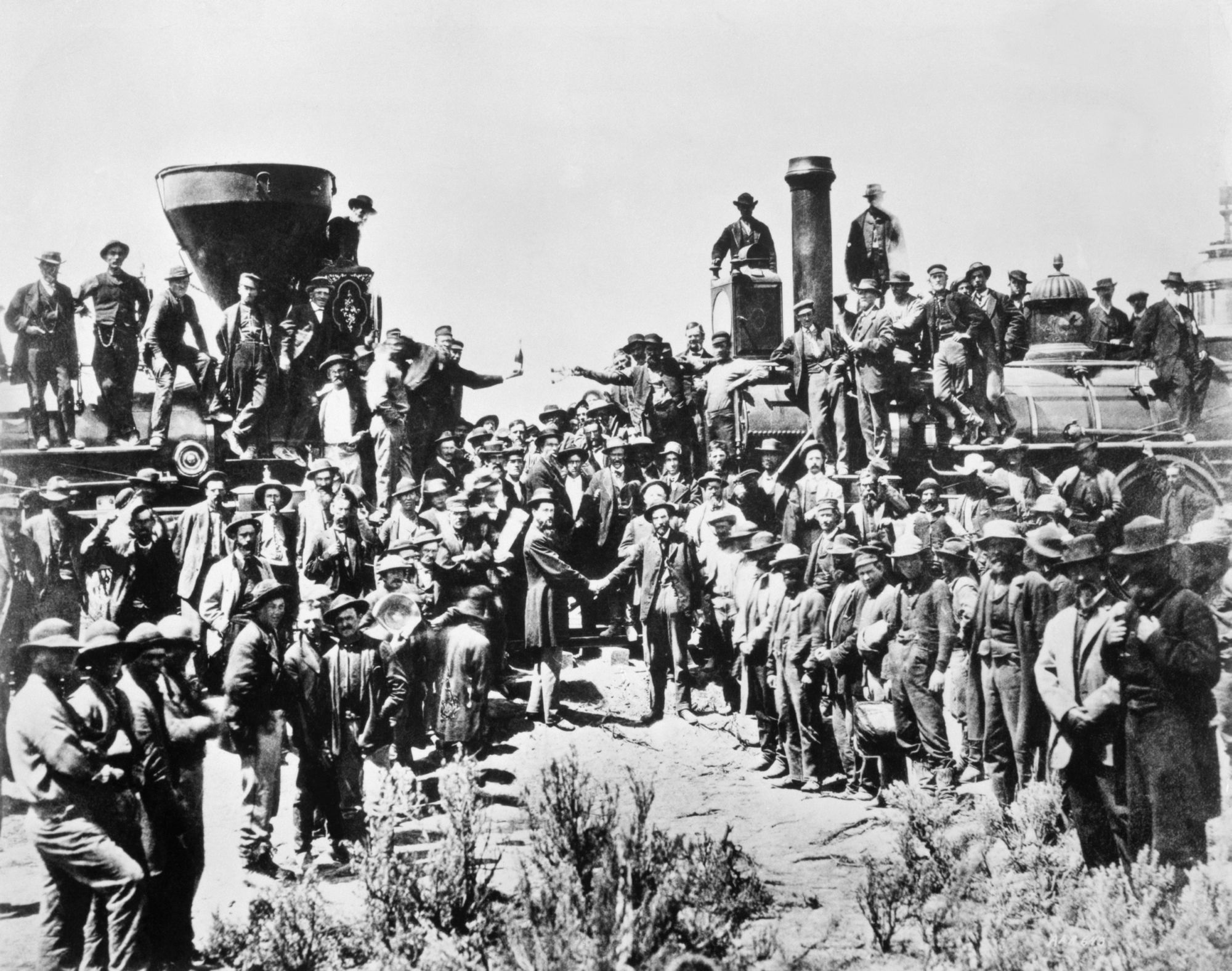
When the East and West Coasts were connected by train in 1869, the Railroad era put out of business the wagon train industry. The United States expanded, and as train tracts were laid around the country, it was first the Railroad Boom which really came to an end with the Panic of 1907.
The Industrial Revolution expanded, and the Industrialists, led by the auto stocks, drove the 1929 bull market. The invention of the combustion engine led to tractors for farmers, disproving the theories of Malthus that humanity would starve as population increased. He never understood the cycles of technology, yet he influenced Gates and the Rockefellers. As farmers had tractors, production increased while employment declined.
The horse & buggy was replaced with automobiles. As they expanded, so did the suburbs come alive. Suddenly, people could live in places without trains. The town I grew up in flourished because we had a train station, which enabled people to buy land and move out of the cities. The town I grew up in expanded further from the train station with the automobile.
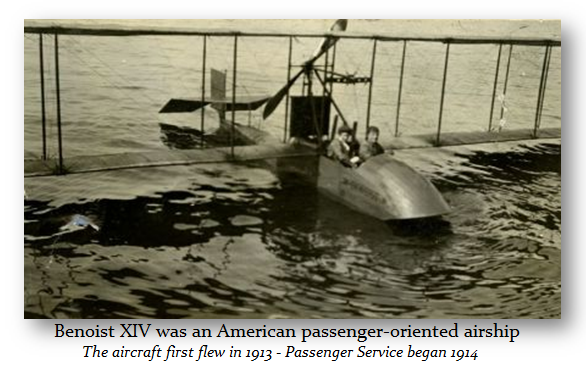
The first commercial airline was the St. Petersburg–Tampa Airboat Line, which began operations on January 1st, 1914. They flew a Benoist XIV, a small flying boat (seaplane). The distance was only 23 miles (37KM). It reduced the travel time from 2+ hours by boat or car to just 23 minutes.
Therefore, while the ECM has turned down, such forecasts that focus on ONLY one aspect or statistic are always wrong and/or lead to misinterpretations and confusion. Economists omitted from their models not only the creation of money by the banking sector through lending money, thereby leveraging the money supply. Those who believe shutting down the Fed and handing money creation to the Treasury will cure inflation do not know their monetary history.
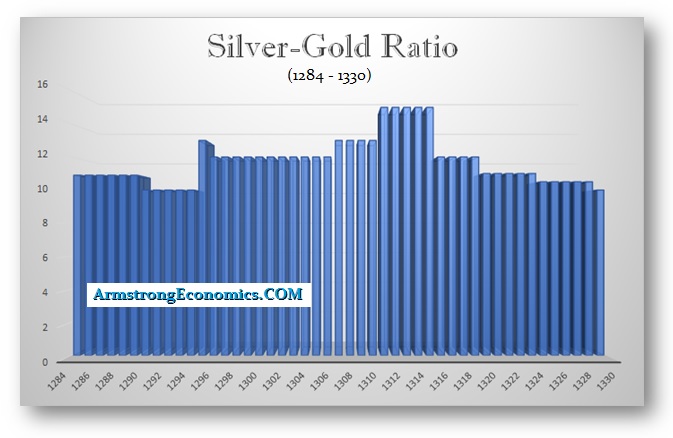
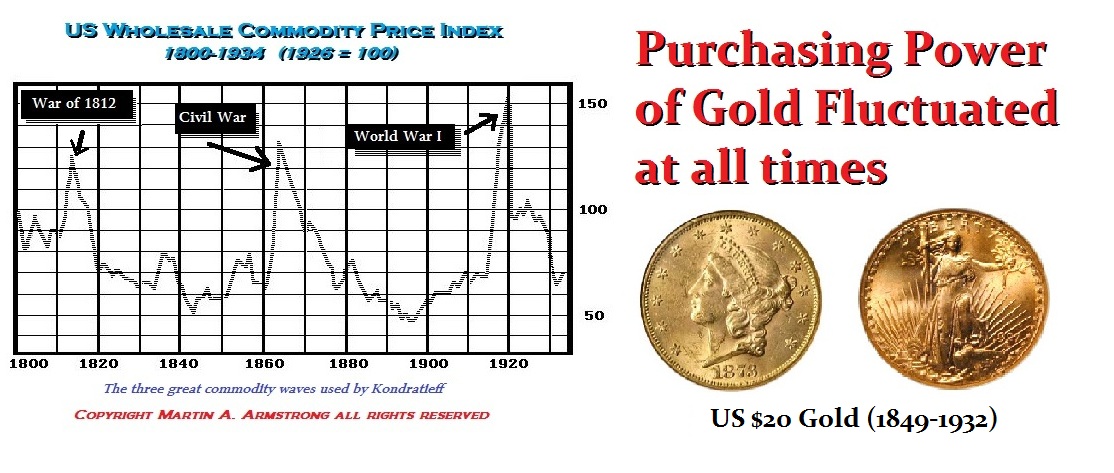
Even a gold standard did not prevent inflation. The discovery of gold in the New World flooded Europe and resulted in massive inflation. during the 15th-16th centuries. The gold-silver ratio has always fluctuated because the discovery of silver relative to gold has never been confined simultaneously.
The vast gold discoveries in California, Australia, and Alaska created waves of inflation, as did wars. Just because gold is money does NOT eliminate inflation. All the nonsense about paper currency is FIAT, and that is the problem, it is just stupid sophistry. It has NEVER mattered what the money is from gold, cowrie shells in China, to sheep skins, Bronze, or cattle.
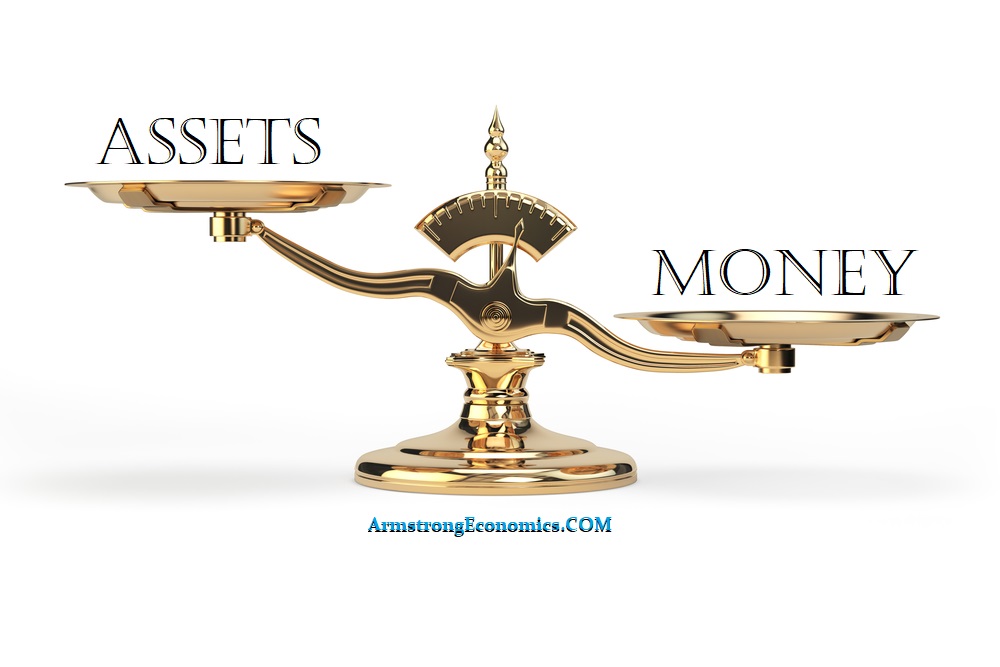
Assets rise in value regardless of what the money might be, and the purchasing power of money declines even when it is gold. This is the business cycle that DID NOT simply appear when paper money started in the USA.
The economic models are DOMESTIC because economists want a job to advise governments that they are all-powerful if they listen to them. I am sorry. As a trader, you lose your shirt, pants, your house, and your family if you trade based on economic theories. They are entirely useless. They never consider external factors.
(1) All banks create money with loans (I deposit $100 and they lend you $100, and both our accounts reflect a money supply of $100) (2) They have never been able to account for sudden increases in the money supply that have been caused by: (a) new gold or silver discovery (b) A war in another region diverted capital seeking shelter as European money flowed to the US for WWI & WWII (c) Capital concentration where foreign capital sees a profit in another economy driven by currency values (d) Capital flight from your economy based upon a sudden collapse in confidence, be it mismanagement or war (3) Economic technological evolution (trains, cars, airplanes, internet, etc…)
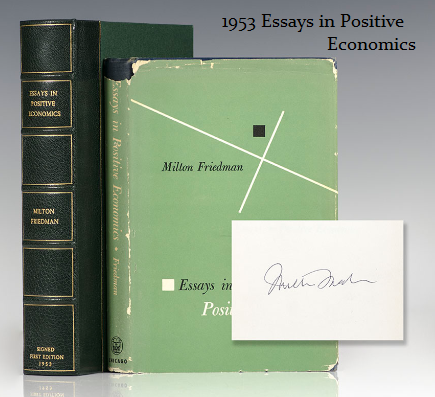
This is not even a complete list. I only met one academic who thought outside the box, and that was Milton Friedman. Milton came to listen to me at a trading convention in Chicago. I was explaining capital flows and currencies. When I was finished, Milton stepped forward to shake my hand and said I was doing what he had only dreamed about. We became friends, and then I understood what he was talking about. He had theories that a floating exchange rate system would impose checks and balances upon the fiscal policies of the government. He had written that theory down in 1953.
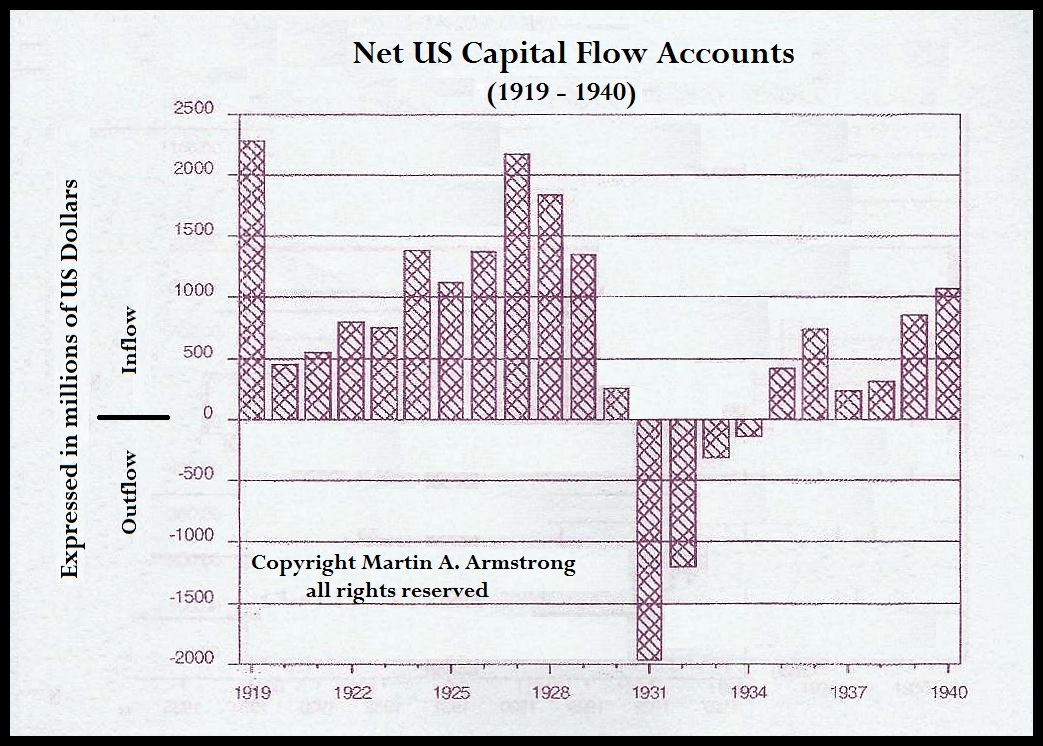
While I explained the Great Depression and the Sovereign Debt Defaults in 1931 in Europe, even Canada suspended debt payments, you can see the capital was taken back to its home countries, ending the Roaring ’20s. Everyone politically blamed Hoover and then tariffs, but nobody understood international capital flows.
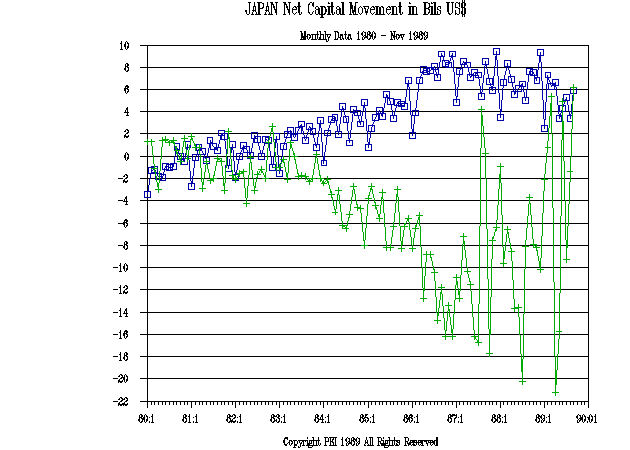
I explained HOW the G5 intentionally lowered the value of the dollar by 40% to reduce the trade deficit. As idiots, they never understood that doing that means you were devaluing everything held by a foreigner. Japan owned up to 30% of the US National Debt, and they dumped it as the capital flows revealed.
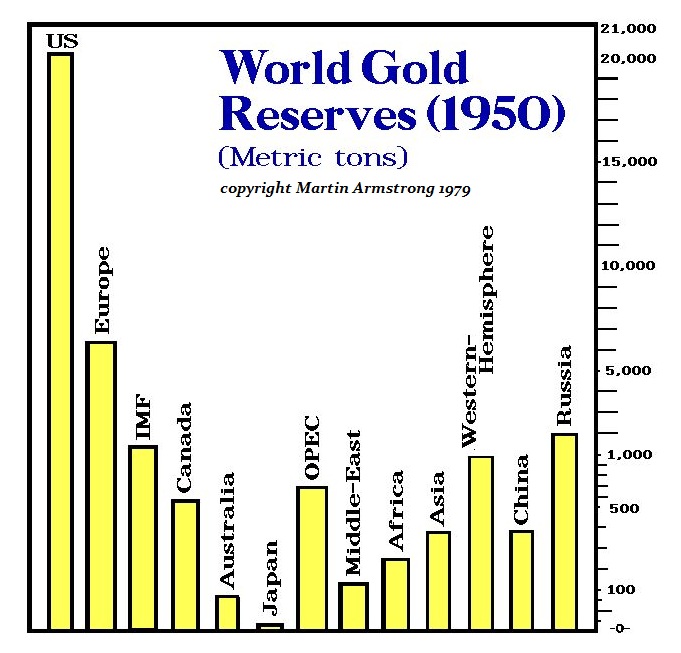
It was World War I and World War II that made the US the financial capital of the world because all the gold fled to the USA during the wars. There was ABSOLUTELY no political decision made by any domestic politician that stood up and proposed making the US become the new capital for finance, taking that title from Britain.
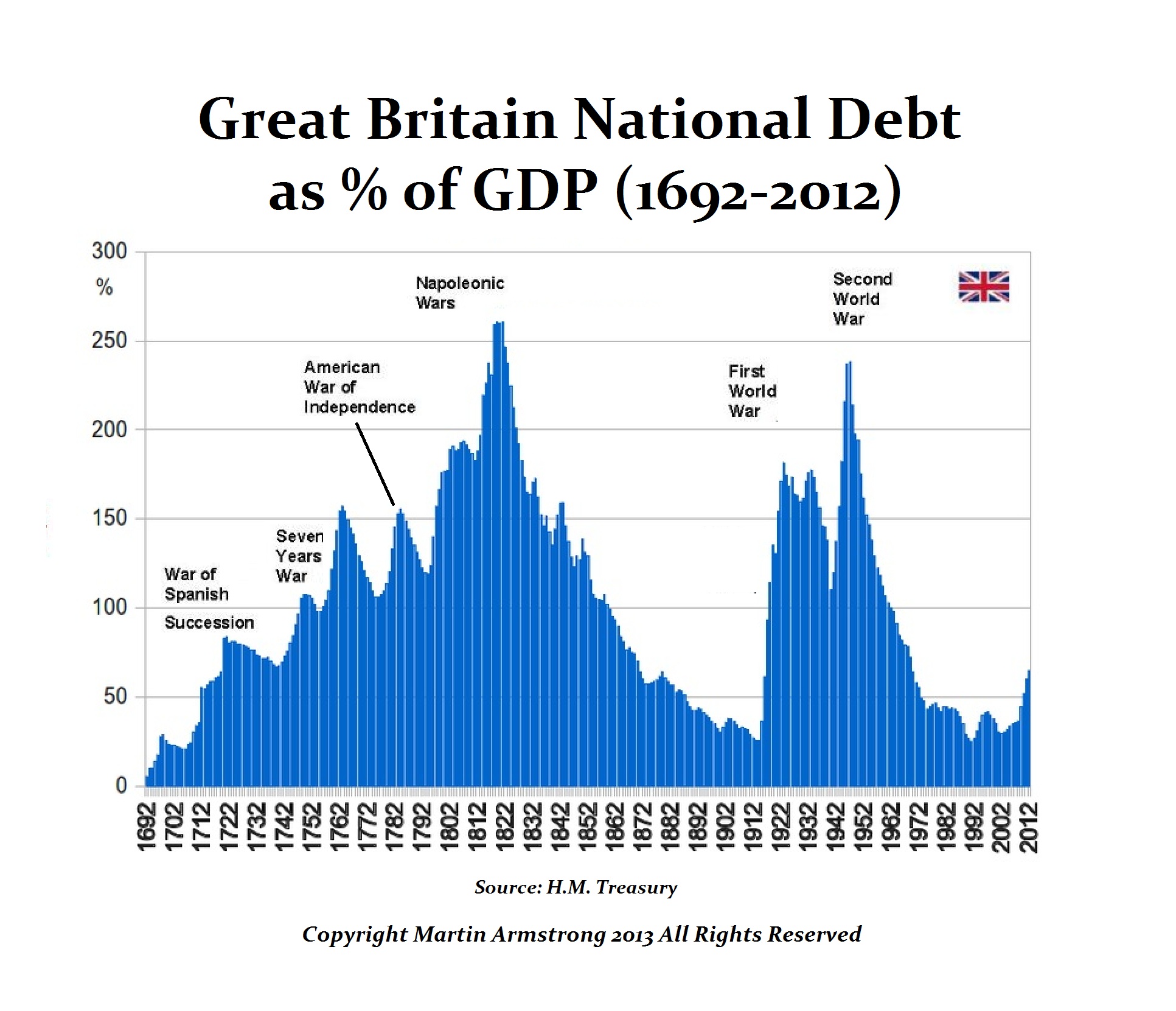
There is absolutely no historical evidence that repeated wars have ever benefited any country. Britain got into World War I when it was not threatened, all based on treaties, as NATO is doing right now. Those treaties shifted the financial capital from London to New York, and World War II led to Britain’s full displacement of the British pound with the dollar. Even Canada rejected the British monetary system and shifted to the Canadian dollar.
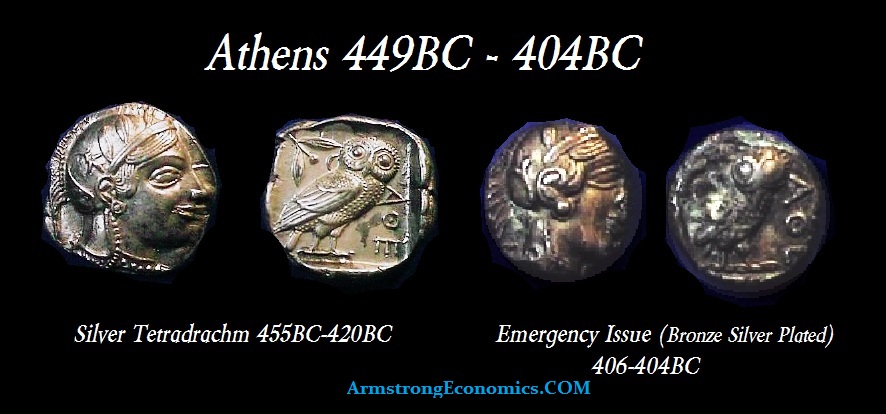
War destroys the economy, as evidenced by Lydia, which invented coinage and fought Persia. Athens became the financial capital of the world after the Battle of Marathon, and they were compelled to debase their coinage and lost in the Peloponnesian War to Sparta.
The favorite phase in economics is: “Assuming all things remain equal.” Of course, that never happens.
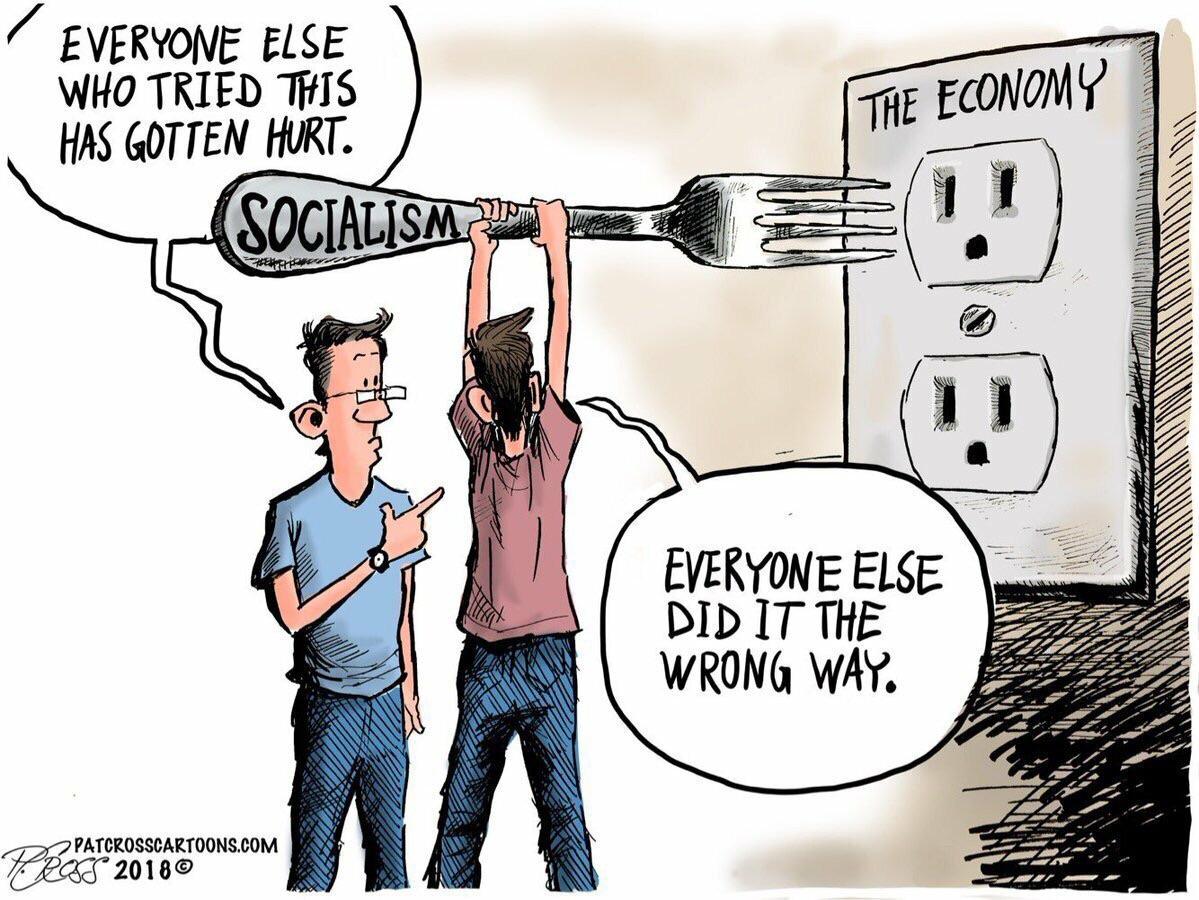
We have the socialists always claiming the problem is wealth disparity. They hate people who have more than they do – that’s all. Both China and Russia tried Marxism’s wealth disparity solution – confiscate all private wealth to create material equality. The people learned that you had no right to be individual. When everyone was equal, and they needed a floor swept, you were next in line – here is your broom.
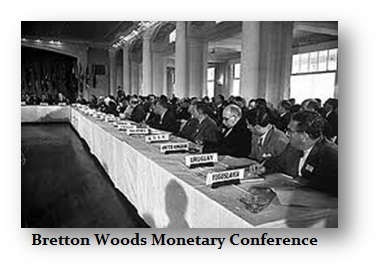
All things NEVER remain equal, and the wildcards always come from external sources. Just as no US politicians set out to make the dollar the reserve currency, that only took place at Bretton Woods after two World Wars.
My old PA used to have a man figure on her desk, which said – Shit Happens!
Larry Sanger, one of the founders of Wikipedia, states plainly that it is now all propaganda.
PS: That is why the government (Bankers & Neocons) work hard to try to keep people away from reading this site because they want to rule the world and expect to manipulate markets for their guaranteed trades and never want people to understand the truth. Just as they called the media and were directing them to cancel anyone who told the truth about COVID and were debanking people who told the truth, sold guns, or gold, the government has seized control of Wikipedia and ensured their fake news is always at the top of the list.
NEVER DONATE TO WIKIPEDIA – YOU ARE SUPPORTING THEIR PROJECTS TO UNDERMINE OUR FREEDOM
Posted originally on Jul 30, 2025 by Martin Armstrong
The fact that Trump is threatening sanctions against India for buying Russian oil and to hammer Russia to somehow force Putin to his knees and accept whatever terms Europe demands, proves that Trump is now taking advice from Lindsey Grachm, NATO, their puppet EU leaders, and the Neocons with the likes of Cheney in the background witgh a HUGE smile on her face.
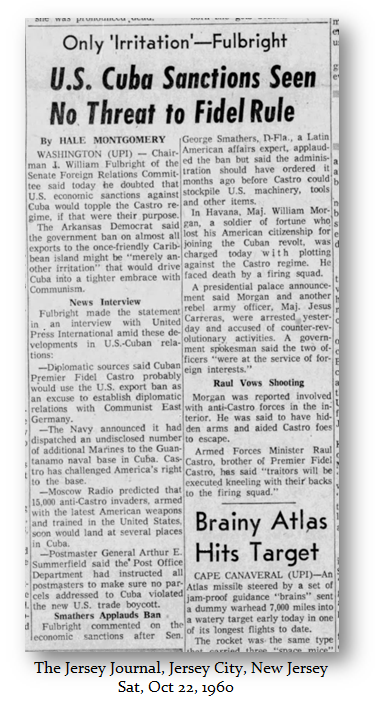
Cuba (1960s-present): U.S. sanctions have failed to topple the Castro regime or force democratic reforms. Despite economic hardship, the government adapted through alternative trade partners and domestic resilience, suggesting sanctions can entrench regimes and slter the world economy, which has taken place with the development of BRICS. The U.S. embargo (blockade) against Cuba remains in place, requiring Congressional action to lift it entirely. While some sanctions have been eased temporarily, no administration has completely ended them. After more than 60 years, this stands as a prime example of how sanctions have NEVER worked even once.
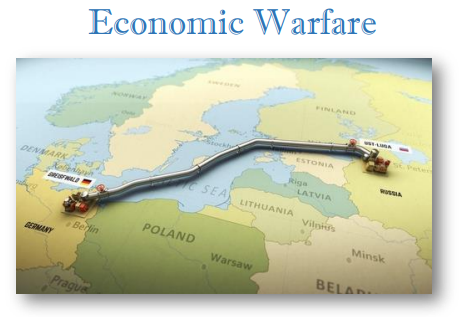
The United States has imposed sanctions on German and other European companies involved in the construction of the Nord Stream 2 gas pipeline, which was designed to transport Russian natural gas to Europe. In 2019–2021, the U.S. sanctioned firms like Swiss-based Allseas (forcing it to withdraw) and later targeted Russian and German entities.
The U.S. imposed sanctions on the Soviet-European gas pipeline in 1982 (under Reagan), targeting Western companies supplying equipment for the Urengoy–Pomary–Uzhhorod pipeline, which supplied gas to Western Europe. The U.S. opposed this project due to concerns over European energy dependence on the USSR. They, too, failed and had to be relaxed under Allied pressure.
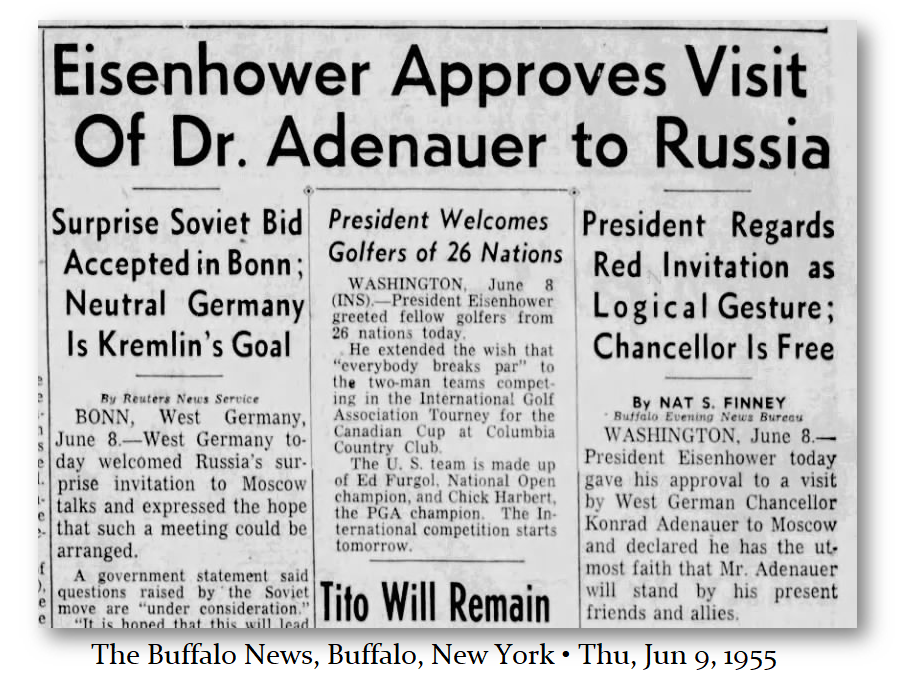
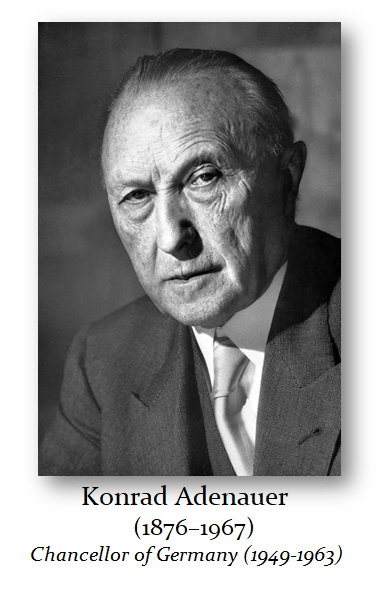
The Neocons, from the outset of any negotiations between Germany and Russia back in the communist days, did everything in their power to deny Germany access to Russian energy. It was 1955 when West German Chancellor Konrad Adenauer (1876-1967) visited Moscow in June and then established diplomatic relations for the first time between the new Federal Republic of Germany and the Soviet Union. The Neocons were outraged, but President Eisenhower saw it as no threat given Adenauer’s oppression by Hitler. The Necons wanted to prevent any meeting but Eisenhower declined.
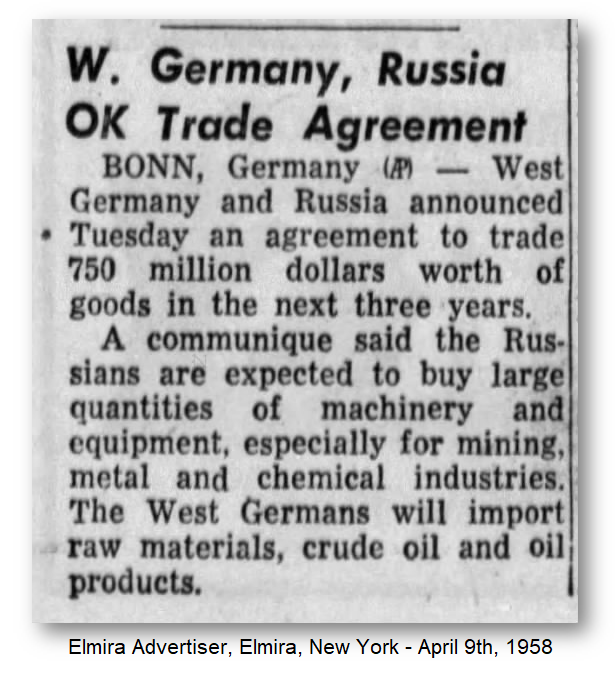
Adenauer was Chancellor from 1949 to 1963. Adenauer was one of the first opponents of the leader of the Nazi Party. Konrad Adenauer helped draft a constitution completed in May 1949. He opened the door for the trade agreement that followed in 1958, and by 1960, bilateral trade between the countries was booming.
The Trade Agreement was reported worldwide by the Associated Press on April 9th, 1958 (1958.271). Even so, from the very beginning, that trade link between Germany and Russia was controversial, to say the least. The United States, at the direction of the Neocons, was always against it and would criticize Germany behind every closed-door session. However, the US intimidation failed because it was necessary for the German people and their future.
While the U.S. did not impose formal sanctions on German pipe producers in 1955–1958, it actively discouraged such trade, setting the stage for the 1960s pipe embargoes. The major crackdown came later, but diplomatic and economic pressure began in the late 1950s.
Iraq (1990s): UN sanctions after the Gulf War devastated the economy, reducing GDP by nearly 50%, but Saddam Hussein’s regime remained intact. Political change only occurred after the 2003 invasion, not sanctions alone, and civilian suffering often strengthened regime propaganda.
North Korea (2000s-present): Decades of sanctions have crippled the economy but haven’t shifted the Kim regime’s policies or structure. Black market trade and Chinese support have mitigated impacts, and the regime uses isolation to reinforce control.
South Africa (1980s-1990s): Comprehensive sanctions, including trade bans and financial restrictions, the Neocons insist, contributed to ending apartheid. However, there was already internal resistance. It still took 14 years before any democratic reforms took place by 1994. Studies estimate that the sanctions reduced South Africa’s GDP only by 1-2% annually.
Iran (2010s): Heavy U.S. and EU sanctions targeting oil exports and banking, which the Neocons insist forced Iran to negotiate the 2015 nuclear deal (JCPOA). Oil revenues dropped by over 50% from 2011 to 2013, and inflation soared, but the regime did not fall. The regime didn’t fundamentally change its political system, showing again that sanctions have NEVER even once overthrown the core governance.
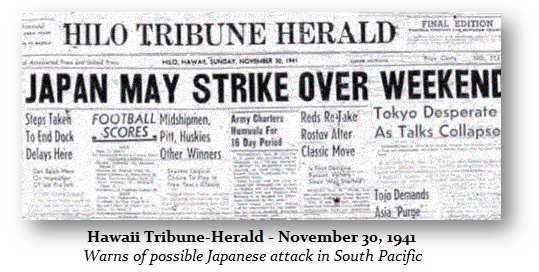
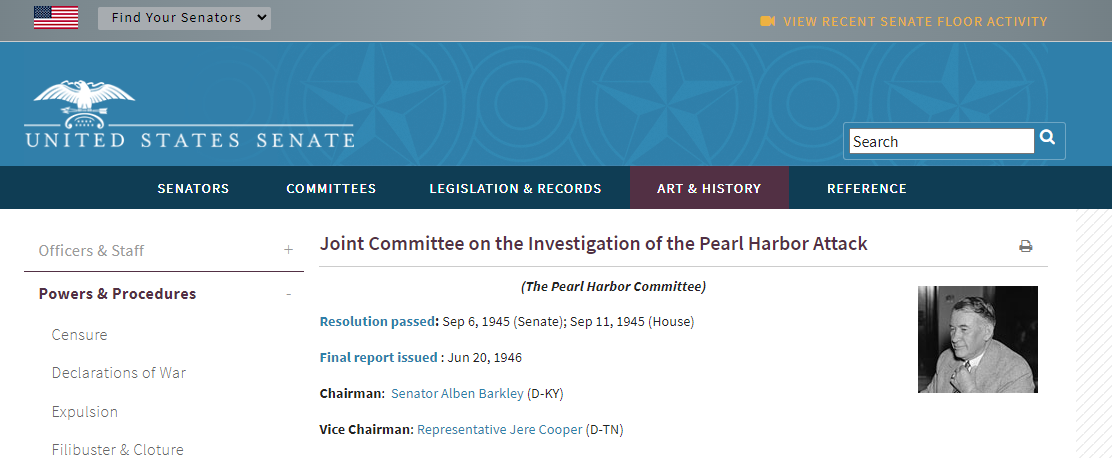
FDR deliberately imposed sanctions on Japan to get them to attack the United States, all because Congress would not authorize joining World War II in Europe. That led to a Senate investigation later because it became so obvious that FDR even knew when Pearl Harbor would take place and deliberately allowed thousands to be killed just so he could enter the war. It came out that US had broken the Japanese code and knew all about the attack. There was even a lead to the press a few days before reporting that they were about to be attacked.
Before the attack on Pearl Harbor on December 7, 1941, President Franklin D. Roosevelt (FDR) imposed a series of escalating economic sanctions on Japan in response to its aggressive expansion in Asia, particularly its invasion of China. These sanctions were meant to pressure Japan into halting its militaristic actions, but ultimately contributed to the tensions that led to war.
In 1938, FDR imposed a “moral embargo” on aircraft and aviation parts sales to Japan following its bombing of Chinese civilians. This was not a formal ban but a strong discouragement of exports. Then in July 1939, FDR announced the termination of the 1911 U.S.-Japan Treaty of Commerce and Navigation, removing legal barriers to future trade restrictions. This took effect in January 1940.
Now that the door was open for sanctions, in July 1940, the U.S. restricted exports of aviation fuel, lubricants, and high-grade scrap metal to Japan under the Export Control Act. That was followed by the September 1940 complete embargo on scrap iron and steel.
Then, FDR, like the West has done to Russia, froze all Japanese assets in the U.S. (July 26, 1941), effectively cutting off trade and financial transactions. That was followed by a complete oil embargo along with Britain and the Dutch government-in-exile. Since Japan relied on the U.S. for 80% of its oil, this was a crippling blow. FDR knew that Japan would take it as an act of war, as they then saw these sanctions as an existential threat, as they crippled its ability to fuel its military and industry.
The oil embargo, in particular, forced Japan to either negotiate a withdrawal from China (which it refused) or seize oil-rich territories in Southeast Asia (which risked war with the U.S.). The sanctions contributed to Japan’s decision to attack Pearl Harbor (December 7, 1941) to neutralize the U.S. Pacific Fleet before invading British and Dutch colonies. These sanctions deliberately pushed Japan toward a desperate military confrontation, culminating in the attack on Pearl Harbor and the U.S. entry into World War II, which was the objective of FDR from the outset. The outrage was so intense that in 1945, after the war, the Senate was forced to investigate FDR’s action and whitewashed the affair, claiming they were unsure if FDR had been fully advised of the Pearl Harbor attack in advance, even though leaks made the papers in advance.
There is NOT a single incident to demonstrate that sanctions have EVER worked. Nevertheless, the Neocons constantly advise heads of state to impose sanctions, hoping that they will bring about the collapse of that government. They will not work this time either and the real risk is that they will lead to war as we saw in FDR’s actions against Japan.
Posted originally on Jul 31, 2025 by Martin Armstrong
President Trump announced a 25% on India beginning August 1 due to its continued purchase of Russian oil. “Remember, while India is our friend, we have, over the years, done relatively little business with them because their Tariffs are far too high, among the highest in the World, and they have the most strenuous and obnoxious non-monetary Trade Barriers of any Country,” the president posted to Truth on Wednesday morning. “Also, they have always bought a vast majority of their military equipment from Russia, and are Russia’s largest buyer of ENERGY, along with China, at a time when everyone wants Russia to STOP THE KILLING IN UKRAINE,” he added.
India began drastically increasing its imports of Russian crude at the start of the Russia-Ukraine war in 2022, with good reason, as the oil became significantly cheaper and India was able to resell it at a premium to nations that simply wanted to bypass all things Russia. In January 2022, India was importing around 68,000 barrels per day (bpd) in Russian crude, which represented only 0.2% of crude imports. The war broke out a month later and by June India was importing 1.12 million bpd from Russia who overtook Iraq as the nation’s top supplier. Nearly a year later in May 2023, Russian imports peaked at 2.15 million bpd, with India currently importing around 1.7 million to 2.1 million bpd as of July 2025.
Around 35% to 40% of India’s crude oil now comes from Russia. Now, Russian crude was around $50 per barrel in May 2025 when imports to India peaked. Middle Eastern grades were around $10 to $20 higher at the time. The deal was a no-brainer.
India-US bilateral trade hit $118.4 billion in 2024. India exported approximately $79.4 billion in goods to the US and imported $39 billion. The current trade deficit with the US sits at $45.7 billion. A 25% tariff could cost India billions in lost revenue from exports and threaten jobs in key sectors such as autos, chemicals, jewelry, gems, electronics, and textiles. Other Asian exporters would become more desirable, but China actually purchases more Russian crude than India at this point and other nations in the region have drastically smaller economies. Estimates state India could risk losing $15 billion to $20 billion annually as a result of the 25% tariff.
Now, if India were forced to buy from the Middle East for $10 to $20 more per barrel, the nation would need to spend around $6 to $10 billion more on energy annually. India does refine and resells Russian crude and is said to bring in around $1.5 billion to $3.5 billion from that practice.
On paper, it would seem as if India has more to lose by continuing to purchase Russian oil. However, the US is showing the world that it has the ability to dictate political policy through economic warfare. India declared that it remains committed to continuing “mutually beneficial bilateral trade” with the US after the 25% tariff was announced. The US will go after all BRICS nations in an attempt to dismantle the alliance, but BRICS members have shown that they no longer need to rely on the West, and tariffs from the US may not hold the same leverage as they once did.
Posted originally on CTH on July 27, 2025 | Sundance
Office of Management and Budgets (OMB) Director Russ Vought appears on CNN to discuss the problems noted with the Federal Reserve (FED) as the organization viewed their ‘independent’ status as meaning beyond accountability. The FED has been operating without any oversight until President Trump and Russ Vought began a baseline review of how they spend taxpayer funds.
As noted by Director Vought, the FED can have independence and yet they must be held accountable to the American people. President Trump is that accountability piece and the FED were not familiar with scrutiny. They are now.
.
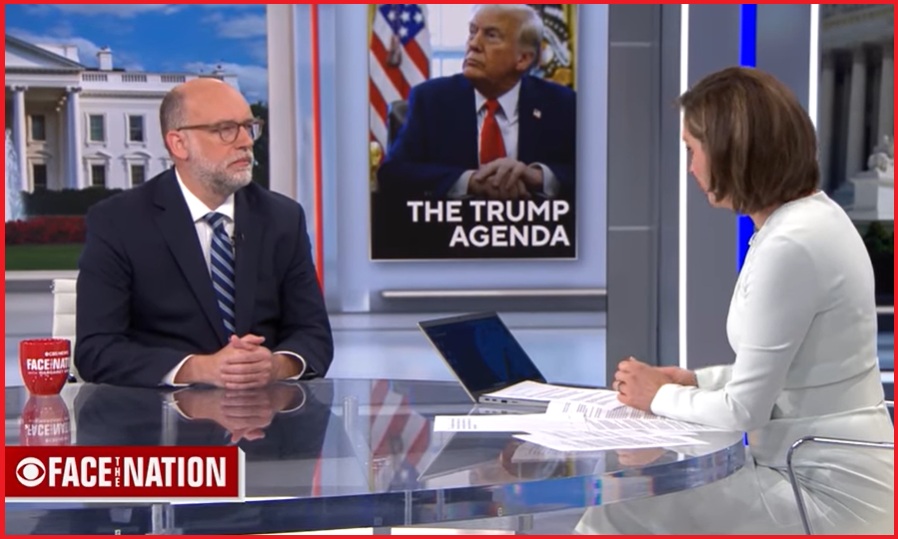
Russ Vought also appeared on Face the Nation to receive questions from the insufferable and ever-pontificating Margaret Brennan. Video and Transcript Below:
[Transcript] – MARGARET BRENNAN: We begin today with the director of the White House Office of Management and Budget, Russell Vought, welcome to ‘Face The Nation.’
DIRECTOR OF THE OFFICE OF MANAGEMENT AND BUDGET RUSSELL VOUGHT: Thanks for having me.
MARGARET BRENNAN: There’s so much to get to with you. Let’s start on what’s going on with the Federal Reserve. If you take the president at his word, he does not intend to fire the Federal Reserve Chair, Jerome Powell- though he’s still criticizing him. What is the President seeking in a successor when his term ends in May 2026?
VOUGHT: Well, I think he’s looking for a chairman that’s not continually too late to the developments in the economic marketplace. And I think what we’ve seen with Chairman Powell, he was very late in the Biden administration to raise rates, to articulate the concern with regard to the Biden administration’s spending. We all knew on the outside- even Larry Summers knew that we were going to have an issue with regard to inflation. And we saw, you know, recent, historical inflationary levels that we hadn’t seen before. And now he is too late to lower inflation rates and so that is the kind of thing that we want to see in the next chairman of the Federal Reserve. And one of the reasons why is–
MARGARET BRENNAN: –More of a focus on inflation?
VOUGHT: –want an ability to recognize the developments in the economic marketplace. In this case, we want to be able to see lower rates and to have an ability to get the economy going. And one of the things we saw with Powell is that one of the reasons he was so late was because he didn’t understand that inflation is largely a monetary phenomenon. He kept saying that inflation was transitory. He didn’t tackle the problem, and now he’s, again, too late, and you marry that with fiscal mismanagement at the Fed. It’s a huge problem that we’re trying to raise the country’s awareness level with.
MARGARET BRENNAN: But as you know, the Fed is structured in a way where he doesn’t have unilateral control. There’s a governing board. Others weigh in. You did work on Project 2025, and we went back and looked at what they said in there about the Fed. As people may know, that’s a Heritage Foundation product that got a lot of scrutiny during the campaign. the chapter on the Fed called for Congress to overhaul the Fed’s focus and powers. Is that what you’re looking to do in 2026?
VOUGHT: I don’t even know what that chapter says. All I know, in terms of the President, the President has run on an agenda. He’s been very clear about that. All that we’re doing is- in this administration is running on- is implementing his agenda.
MARGARET BRENNAN: You don’t want to overhaul the Fed?
VOUGHT: We want an economic system that works for the American people, that includes the Fed. And the President has been very clear that all he’s asking from the Fed is lower interest rates, because he thinks it’s important. When you look at across the across the globe, and you have countries lowering rates, and yet we don’t see that in this country, given all of the positive economic indicators that we’re seeing. And then we have fiscal mismanagement at the Fed with regard to this building renovation that I’m sure you will ask me about. Those are the kinds of things that we want to see from the Fed. This is not part of an existential issue with regard to the Federal Reserve.
MARGARET BRENNAN: Well, the Fed is indicating that they are trending towards a rate cut, though probably not as soon as this week. We mentioned those renovations at the top of the program, but I do want to ask about spending, or lack thereof, that the Trump administration is trying to direct. The White House said they will actually release the remaining $5 billion in education, funds that had been withheld from public schools until recently. There were 10 Republican senators very worried about this, and came out and said, your claim that the money goes to radical left wing programs was wrong. What changed your mind? What made you release this money?
VOUGHT: Well, we had been going through a programmatic review with these funds. These are programs that, as an administration, we don’t support. We’ve called for the elimination of them in the President’s budget for precisely the reasons of which they flow to often left wing organizations. Thankfully, the President came into office, put an executive order that said it can’t- these funds can’t go to these types of initiatives. I’ll just give you one example, English language acquisition was flowing to the New York school public education system to go into illegal immigration advocacy organizations. Preschool development grants doesn’t actually go to preschoolers. It goes to the curriculum for putting CRT into the school system for people as young- children as young as four years old.
MARGARET BRENNAN: Well, these senators said it goes to adult learners working to gain employment skills and after school programs.
VOUGHT: And what we–
MARGARET BRENNAN: So you deemed it is necessary?
VOUGHT: We believe that it’s important to get the money out right now, but we have taken an extended time frame to be able to make sure it doesn’t go to the types of things that we saw under the Biden administration.
MARGARET BRENNAN: Because, you know, Senator Lindsey Graham told the Washington Post, the administration is looking at considering clawbacks from the Department of Education. This, you know, rescissions process. Is that the plan? Are you seeking to claw back education funds in a rescissions package? And if so, when are you sending that up?
VOUGHT: We may be, we’re always looking at potential rescission options. This is an- this is a set of funding that we wanted to make sure it got out. We did our programmatic review. We wanted to make sure it got out before the school year, even though it’s multi-year funding. This is not funding that would expire at the end of this year. We are looking to do rescissions package. We’re always gauging the extent to which the Congress is willing to participate in that process, and we’re- be looking at a lot of different options along those lines, but certainly have nothing to announce here today. But we’re thrilled that we had the first rescissions package in decades, and we’ve got the process moving again.
MARGARET BRENNAN: So no rescissions package before September?
VOUGHT: Not here to say that. We’re looking at all of our options, we will look at it and assess where the Hill is, what are the particular funding opportunities that we have, but nothing that we’re going to announce today,
MARGARET BRENNAN: Because some of the funds that do expire in September have also been held up on the health front. Senator Katie Britt of Alabama, 13 other Republicans, came out with a letter saying that you’ve been slow in releasing funds for the National Institute of Health for research into cardiovascular disease, cancer. Are those funds going to be released?
VOUGHT: Again, we’re going through the same process with the NIH that we did with the education. I mean–
MARGARET BRENNAN: But there’s a time cost here.
VOUGHT: –$2 million for injecting dogs with cocaine that the NIH spent money on, $75,000 for Harvard to study blowing lizards off of trees with leaf blowers. That’s the kind of waste that we’ve seen at the NIH. And that’s not even getting to the extent to which the NIH was weaponized against the American people over the last several years, with regard to funding gain of function research that caused the pandemic. We have a- we have an agency that needs dramatic overhaul. Thankfully, we have a great new head of it, but we’re going to have to go line by line to make sure the NIH is funded properly.
MARGARET BRENNAN: Are you going to release the cancer funding research? And the cardiovascular disease research funding?
VOUGHT: We’re going to continue- we’re going to continue to go to the same process that we have gone through with regard to the Department of Education, that every one of these agencies–
MARGARET BRENNAN: Before September, that money will be released?
VOUGHT: –and we will release that funding when we are done with that review.
MARGARET BRENNAN: Because, as you know, there’s concern that you’re withholding the money, hoping it just won’t be spent. I mean, if you look at the White House budget, it does call for a 26% cut to HHS, $18 billion cut to NIH. Is this just a backdoor way to make those cuts happen?
VOUGHT: Well, I don’t want to speak to any specific program with regard to what we might do with regard to rescissions throughout the end of this fiscal year, but we certainly recognize that we have the ability and the executive tools to fund less than what Congress appropriated, and to use the tools that the Impoundment Control Act, a bill we’re not- a law that we’re not entirely thrilled with, gives us to- to send up rescissions towards the end of the fiscal year.
MARGARET BRENNAN: So just for our viewers, the Impoundment Control Act is the legal mechanism for the President to use to delay or avoid spending funds appropriated by Congress. You seem to want to have an argument, or Democrats think you want to have an argument, over the power of the purse and who holds it. Do you want that to go to the Supreme Court?
VOUGHT: Well, look, for 200 years, presidents have the ability to spend less than the congressional appropriations. No one would ever dispute, and our founders didn’t dispute that Congress has the ability to set the appropriation ceiling. But 200 years of presidents, up until the 1970s had the ability to spend less, if they could find efficiencies, or if they could find waste that an agency was doing.
MARGARET BRENNAN: — That sounds like a yes?–
VOUGHT:– We lost that ability in the 1970s. The president ran on restoring that funding authority to the presidency, and it’s vital. If you look at when we started to lose control fiscally, it was right around the time of the 1970s.
MARGARET BRENNAN: Well, many senators, Republican senators, are very uncomfortable with the tactics that you are using. Senator Murkowski, Senator Collins, that chair of the appropriations committee that is really running this- this funding process. And Senator Collins said you’re pushing the limits of what the executive can do without the consent of the- of the legislative branch. You need to work with her to get your budget through. And in fact, you need to also be able to get Democrats on board to get to that 60-vote threshold to pass any kind of government funding to avoid a government shutdown at the end of September.
VOUGHT: I have a great relationship with Senator Collins. I appreciate the work she does. She is the chairman of the Appropriations Committee, so obviously we’re going to have differences of opinion as to the extent to which these tools should be used. I mean, she had concerns with the rescissions package. The rescissions package was a vote that Congress had to make these cuts permanent–
MARGARET BRENNAN: — Under- on a party line vote, she says, you want to go do these clawbacks. You do it through regular order, and you can put- you can put rescissions into an appropriations bill–
VOUGHT: –But that was in fact, under regular order. That’s the challenge, is the appropriators want to use all the rescissions, they want to put them in their bills, and then they want to spend higher on other programs. We act- we’re $37 trillion in debt, Margaret. We actually need to reduce the deficit and have a dollar of cut go to $1 a deficit reduction. That’s not what the appropriators want, and it’s not news that the Trump administration is going to bring a paradigm shift to this town in terms of the business of spending.
MARGARET BRENNAN: You would acknowledge that you just added to the debt and to the deficit with this–
VOUGHT: — No, I would not acknowledge that. We reduced–
MARGARET BRENNAN: — The spending and tax bill that just passed?
VOUGHT: Correct.
MARGARET BRENNAN: Where you lifted the debt ceiling.
VOUGHT: The debt ceiling is an extension of the cap on what’s needed to pay your previous bills. In terms of the bill itself, it is $400 billion in deficit reduction, $1.5 trillion in mandatory savings reforms, the biggest we’ve seen in history.
MARGARET BRENNAN: Well, I want to make sure I get to the rest of this before I let you go here, because we’re running out of time. You said, a few weeks ago, that the appropriations process needs to be less bipartisan. You only have 53 Republicans. You do need Democrats to get on board, here. Is saying something like that intended to undermine negotiations? Do you actually want a government shutdown?
VOUGHT: No, of course not. We want to extend the funding at the end of this fiscal year. We understand, from a math perspective, we’re going to need Democrats to do that–
MARGARET BRENNAN: Well, what does less bipartisan mean?
VOUGHT: Well, Margaret, the whole week, the Democrats were making the argument that if you pass the rescission bill, that you were undermining the bipartisan appropriations process. So, if Brian Schatz and every other appropriator is making that argument for a week–
MARGARET BRENNAN: –The chair of the Senate Appropriations Committee is who said that–
VOUGHT: –you have to be able to respond and say, if you’re going to call a rescissions package that you told us during the month of January and February that we should use to do less spending, if you’re going to say that is undermining the bipartisan appropriations process, then maybe we should have a conversation about that. That is all it was meant to convey.
MARGARET BRENNAN: But, the alternative to this process is another continuing resolution, these stop-gap measures. Are you open to that, because that would lock in Biden-era funding? What is your alternative here? If you want a less bipartisan process, how do you solve for this? Because it sounds like you’re laying the predicate for a shutdown.
VOUGHT: We are not laying the predicate for a shutdown. We are laying the predicate for the fact that the only thing that has worked in this town- the bipartisan appropriations process is broken. It leads to omnibus bills. We want to prevent an omnibus bill, and all options are on the table to be able to do that.
MARGARET BRENNAN: All options are on the table?
VOUGHT: We need an appropriations process that functions. We’re going to go through the process. We’re going to work with them, and we’re going to do everything we possibly can to use that process to have cheaper results for the American taxpayer.
MARGARET BRENNAN: I’m told we’re out of time. Russell Vought, thank you for your time today.
I have created this site to help people have fun in the kitchen. I write about enjoying life both in and out of my kitchen. Life is short! Make the most of it and enjoy!
This is a library of News Events not reported by the Main Stream Media documenting & connecting the dots on How the Obama Marxist Liberal agenda is destroying America














 Subscribe to alerts for each new postEmail *


 Centinel2012