Environmental Terrorism


Armstrong Economics Blog/Climate Re-Posted Apr 18, 2022 by Martin Armstrong

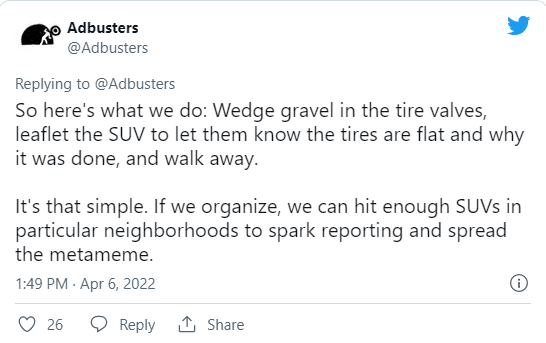
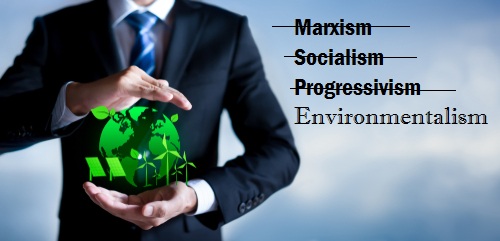
Woke domestic terrorist groups are permitted to freely operate on Twitter and other social media platforms, even when they call for violence. Adbusters, a self-proclaimed “global network of activists writers artists designers hackers tricksters poets philosophers and punks,” has requested that “activists” begin targeting SUV owners under the Tyre Extinguishers “movement.” These idiots are calling it a “deflating movement” and have justified their actions by saying they are “defending ourselves against climate change, air pollution and unsafe drivers.”

Luckily the group is planning on leaving clear evidence of their crimes at the scene. These terrorists are urging people to begin by targeting wealthy neighborhoods first before disrupting the working class. Their website suggests not targeting vehicles with disabled handicapped stickers.

FOX Business reached out to Twitter to ask why these blatant calls for vandalism and crime are permitted. At the time of this writing, the organization’s page is still online and it hosts over 65.1K followers. They have provided copies of their leaflet in various languages and are hoping this “deflating movement” takes off worldwide.

Their website provides a video on how to delate tires and operate effectively as criminals. They are requesting that people repeat the crime endlessly. Hybrid SUVs are “fair game” too. The majority of people I see driving SUVs have children. These domestic terrorists are going to end up killing innocent people because they’re scared of the big bad car. Law enforcement should begin cracking down on this pathetic movement immediately before we see a string of preventable crashes on the news. At this point, crime is permitted so long as it is within the realm of the leftist agenda

Rule One, Economic Security Is National Security


Posted originally on the conservative tree house on April 16, 2022 | Sundance

…Rule two, there is no bigger rule than the first rule.

“It must be remembered that there is nothing more difficult to plan, more doubtful of success, nor more dangerous to manage than a new system. For the initiator has the enmity of all who would profit by the preservation of the old institution and merely lukewarm defenders in those who gain by the new ones.”

~ Niccolo Machiavelli

Never has that Machiavelli quote been more apropos than when considering the MAGA movement and the rise of Donald Trump.

Thankfully, we are now in an era when the largest coalition of American voters have awakened to the reality that, to quote the former president: “Economic Security is National Security.”

As we live through the economic mess of a Biden administration hell bent on eroding the middle class of the United States, there are numerous pundits contemplating 2024 Republican presidential candidates other than Donald Trump; consider this group the lukewarm defenders Machiavelli noted.

At the same time the leftist coalition, writ large, are apoplectic about the base of the Republican Party now belonging to Donald Trump.  This group consists of those affluent Wall Street agents and politicians set on retaining the profits derived from decades of institutional objectives.

Institutional Democrats hate Trump, and institutional Republicans are lukewarm, at best, in defending Trump.  Both wings of the DC UniParty fear Trump.  Extreme efforts at control are a reaction to fear.  In this outline, I rise to explain why Donald Trump is the only option for the America First MAGA coalition; and I make my case not on supposition, but on empirical reference points that most should understand.

Everything, is about the economics of it.

If you accept that at its essential core elements the phrase “economic security is national security” is true – meaning the lives of the American citizen, person, worker, individual or family are best when their economic position is secure – then any potential leader for our nation must be able to initiate policies that directly touch the economics of a person’s life, liberty and the pursuit of happiness.  As a result, economic security and economic policy must be the fulcrum of their platform.

Now, look around and ask yourself this question: “What separated Donald J. Trump from the remaining field of 17 GOP candidates in 2016?”   An honest top-line answer would be immigration (border control), and his views on American economic policy.   In essence, what set Donald Trump apart from all other candidates was his view on the U.S. economy, and that was the driving factor behind ‘Make America Great Again’, MAGA.

Now, look around.  Look at every other potential candidate for political office. Is there another person in the field of your political view who comes from the starting point that economic security is national security?

Put aside all other issues and shiny things that may change from moment to moment as the political winds swirl and settle, and ask yourself that question.  Who can deliver MAGA, if not the central person who lives, eats, sleeps and thinks about U.S. economic security from every angle at every second of every hour of every day.  That’s Donald J. Trump.

Trump knows the extremely consequential sequence of BIG things that lead to a structurally strong American economic foundation.

We don’t have to guess at whether Trump can deliver on that policy sequence, we have reference points.

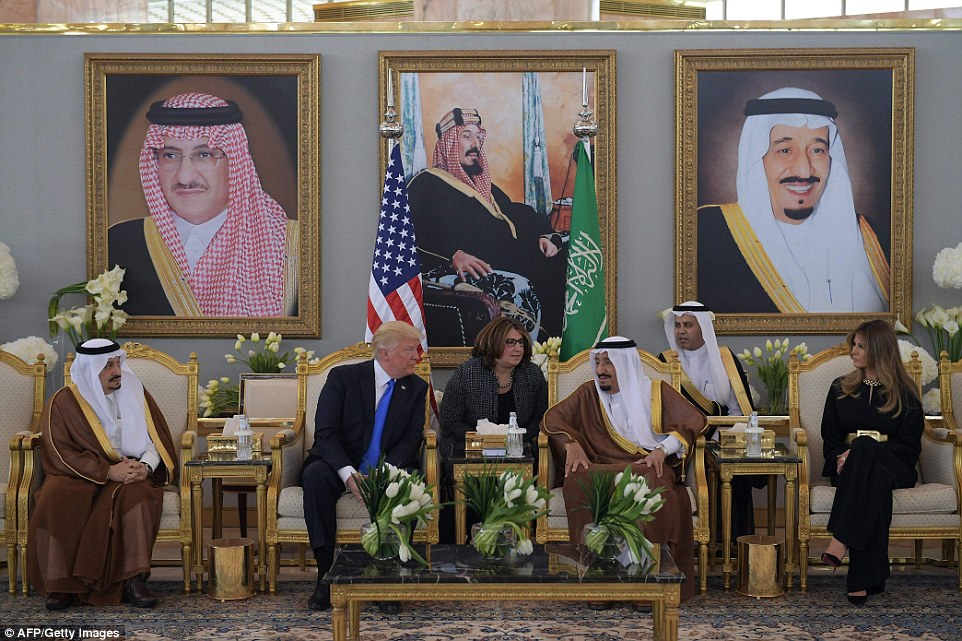
♦ Donald Trump knew that independent U.S. energy policy was a condition for a strong U.S. economy. He also knew there would be negative consequences to allies and partners if the U.S. energy policy was independent.  Trump knew that OPEC nations in general would be negatively impacted, and he knew that Saudi Arabia specifically would be weakened geopolitically.   That is why the very first foreign trip by Donald Trump was to Saudi Arabia and the Gulf States that make up the majority of OPEC.

Look at what President Trump did on that trip.  First, he assured Saudi Arabia that the United States would stand with the Gulf Cooperation Council and Mid-East nations as it pertained to their security.  Trump knew making the largest energy consuming nation independent from foreign oil would be adverse to the economic stability of the Mid-East, and as an outcome, could open a door to destabilization from extremist or ideological groups therein.

Take away top-line economic revenue from Saudi et al, and the leaders of those oil economies have a more difficult time remaining stable and controlling unrest and extremism.  Generations of Arab citizens know nothing other than the trickle down benefits of oil exports.  President Trump knew this, and he approached our need for energy independence by first assuring the Arab states of his commitment to their stability and safety.

President Trump delivered to those states a list of approved arms and defense agreements during that trip.  In essence, what he was doing was putting the promise of security into actual delivery of tools to retain that security.  Actions speak louder than words.  President Trump also promised to work diligently on peace in the region; a real substantive and genuine peace that would provide security in the big picture.

Over the course of the next few years, Trump delivered on that set of promises with the Abraham Accords.   Yes, economic security as national security applies to our allies as well as ourselves.  Again, actions speak louder than words.

With the U.S. energy independence program in place, President Trump then moved in sequence to the next big thing.

♦ Donald Trump moved to face the challenge of China.   A major shift in U.S. policy that is likely considered the biggest geopolitical shift in the last 75 years.  Trump strategically began with Trade Authority 302 national security Steel and Aluminum tariffs at 25% and 10% not only toward China but targeted globally.

The entire multinational system was stunned at the bold step with tariffs.   But remember, before Trump went to Saudi Arabia, he held a meeting with Chairman Xi Jinping in Mar-a-Lago.  The global trade world was shocked by the tariff announcement, but I’ll bet you a doughnut Chairman Xi was not.

That February 2017 meeting, only one month after his inauguration, was President Trump graciously informing Chairman Xi, in the polite manner that respectful business people do, that a new era in the U.S-China relationship was about to begin.  New trade agreements, new terms and conditions were to be expected in the future.  The tariff announcement hit Wall Street hard, but not Beijing – who knew it was likely.

U.S. financial pundits proclaimed the sky was surely falling.  These tariffs would cause prices to skyrocket, the global order of all things around trade was under attack by Trump.  They waxed and shouted about supply chains being complicated and intertwined amid the modern manufacturing era that was too complex for President Trump to understand with such a heavy handed tariff hammer.   Remember all of that?  Remember how cars were going to cost thousands more, and beer kegs would forever be lost because the orange man had just triggered steel and aluminum tariffs?

Did any of that happen?  No. Of course it didn’t. Actually, the opposite was true and no one could even fathom it.  Communist China first responded by subsidizing all of their industries targeted by the tariffs with free energy and raw materials, etc.  China triggered an immediate reaction to lower their own prices to offset tariffs.  Beijing did not want the heavy industries and factories to start back up again in the U.S, so they reacted with measures to negate the tariff impact.

China’s economy started to feel the pressure and panda was not happy.  Eventually, as the tariffs expanded beyond Steel and Aluminum to other specific segments and categories, China devalued their currency to lower costs even further for U.S. importers.  The net result was something no one could have imagined.  With lower prices, and increased dollar strength, we began importing all Chinese products at cheaper rates than before the tariffs were triggered.  Yes, we began importing deflation.  No one saw that coming…. but Trump did.

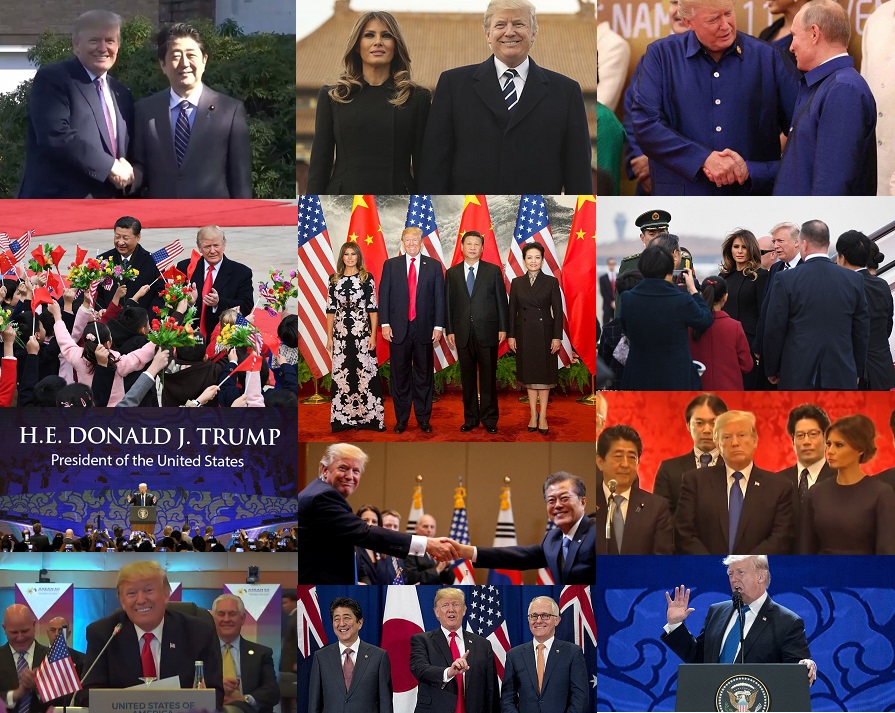
While all that initial U.S-China trade shock was taking place, Donald Trump took his next foreign trip to… wait for it…. Southeast Asia.

Just like in the example of the trip to Saudi Arabia, economically-minded Trump told partners and leaders in the export producing countries of Japan, Malaysia, South Korea, Vietnam, Philippines, Singapore, Thailand and ASEAN nations to prepare for additional business and new trade agreements with the U.S., as factories inside China might start to decouple.   Look at how they responded, they did exactly what Trump said would be in their best interests.

To seriously gather the focus of this SE Asia group, President Trump started direct talks with North Korea and Chairman Kim Jong-un for peace and regional stability.  It’s easy to forget just how stunning this was at the time, but generations of people in Asia were jaw-agape at the U.S. President confronting China, engaging with North Korea, and opening his arms to new trade deals with ASEAN partners.

On the world stage of geopolitics and global trade, any one of these moves would be a monumental legacy initiative all by itself.  But together, simultaneously, you can see how the entire continent physically stopped midstride and stood staring at this, this man, this American President, who was just about to step across the Demilitarized Zone in North Korea and shake hands with Chairman Kim…. and, wait for it…. they are smiling.

√ Energy security triggered and friends in Mid-East supported.

√ Mid-East peace initiatives triggered.

√ A return of heavy industry and manufacturing security triggered.

√ A confrontation of Chinese economic influence triggered.

√ Stability between South Korea and North Korea, triggered.

√ New trade deals and economic partnerships with Japan and South Korea, triggered.

And then, as if that was not enough… just as multinational investment groups started realizing they needed to change their outlooks and drop the decades long view of the U.S. as a “service driven economy”… just as they realized they needed to start investing domestically inside the United States for their own growth and financial security… as if all that wasn’t enough… President Trump kicks off an entirely new trade deal and renegotiated standard for all North American trade via NAFTA.

We don’t have to guess at whether Donald Trump can put together a program to ensure Economic Security is National Security.  We don’t have to guess at whether Donald Trump can deliver on economic policy.  We don’t have guess if Trump’s policy platform, proposals and initiatives would be successful.  We have the experience of it.  We have the results of it.  We have felt the success of it.

We also don’t need to guess at who is the best candidate to lead Making America Great Again, we already know who that is.

There is no other 2024 Presidential Candidate, who I am aware of, who could possibly achieve what Donald John Trump has achieved, or who could even fathom contemplating how to achieve a quarter of what President Trump achieved.

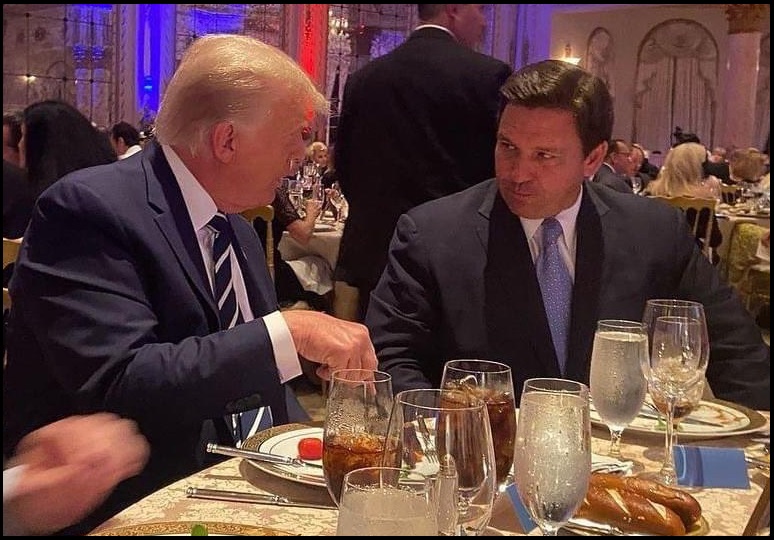
Do not tell me Florida Governor Ron DeSantis is a better option. DeSantis is an unknown commodity, a blank slate, when it comes to big picture economic outlooks. DeSantis doesn’t have an economic agenda inside his administration from which to contemplate or analyze his economic views.

Governor Ron DeSantis has a lot of really good skills and policies on the domestic front unique to his position in Florida; however, it is not a slight toward him to point out he has never expressed any larger economic proposal that would give any confidence in a national economic policy.

Look at the sum total of it, and there’s so much more that could be outlined to what Donald Trump achieved and could yet still achieve, it’s not even a close question.

And that my friends is exactly why Donald Trump is under relentless attack from both wings of the UniParty in DC.  Additionally, it is clear the Wall Street Republicans are trying to position Ron DeSantis as an alternative to another Trump term.  Look carefully at the current advocates for DeSantis, Nikki Haley and/or Kristi Noem, and you will note every one of those early voices are attached to favorable Wall Street politics and multinational corporate advocacy.

Look at what Donald J. Trump was able to achieve while he was under constant political attack.  Just imagine what Trump 2.0 would deliver.

They, the leftist Democrats and Wall Street Republicans, are yet again absolutely petrified of that.

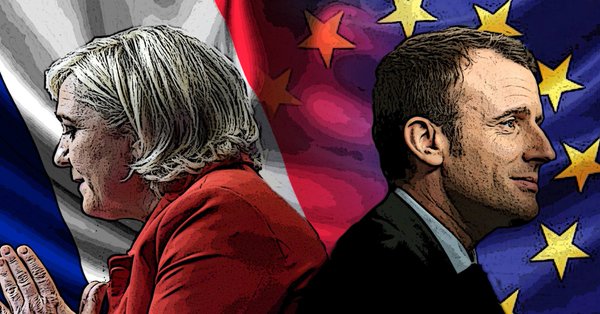
The Possibility of a Win for Marine Le Pen in France Has EU Worried


Posted originally on the conservative tree house on April 16, 2022 

One week from tomorrow the presidential election in France will be decided.  Polls put the race between Marine Le Pen and Emmanuel Macron in a statistical dead heat, and combined with the recent Hungary election outcome – that has many bureaucrats in the EU very twitchy.

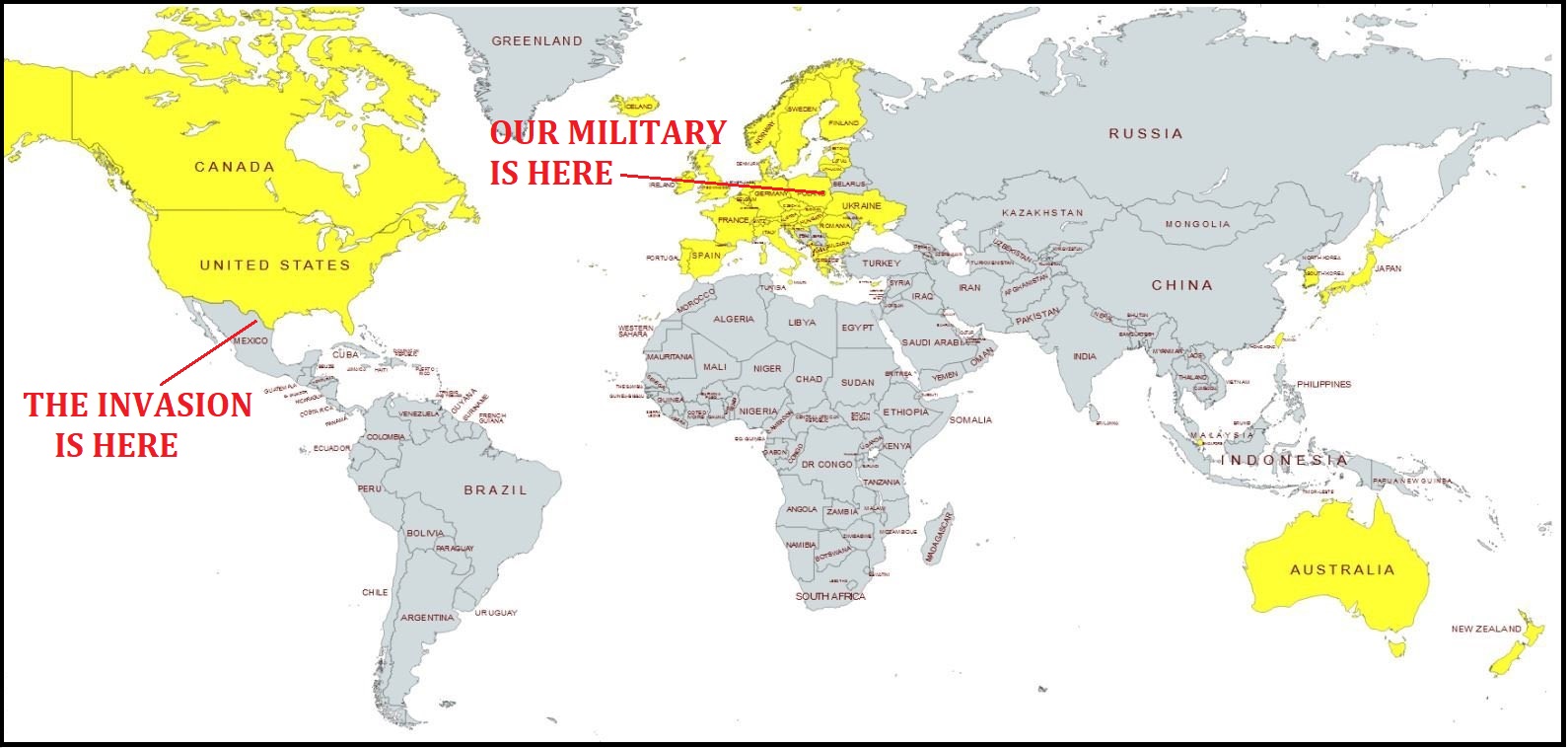
No doubt this race would have major ramifications if Marine Le Pen could end up victorious.  Factually, the Western alliance military operation in Ukraine could fundamentally change.  A post-COVID shift toward increased nationalism in France and the European Union would be very problematic for the forward plans of the professional political class and corporate globalists.

ASSOCIATED PRESS – […] If Macron falters in France’s April 24 presidential runoff between the two, the far-right could be at the helm of the European Union, an abhorrent idea to most leaders in the bloc.

Experts say a win for Le Pen would have immense repercussions on the functioning of the EU. Not only would her coming to power damage the democratic values and commercial rules of the bloc, but it would also threaten the EU’s common front and sanctions in response to Russia’s war in Ukraine.

[…] France has always stood at the heart of the EU — a founding member that has partnered with neighbor and historical rival Germany to turn the bloc into an economic giant and an icon of Western values. … [Le Pen] has proposed removing taxes on hundreds of goods and wants to reduce taxes on fuel — which would go against the EU’s free market rules and efforts to fight climate change.

[…]  Jean-Claude Piris, who served as a legal counsel to the European Council, said a victory for Le Pen would have the effect of an “earthquake.”

“She is in favor of a form of economic patriotism with state aids, which is contrary to the rules of the single market,” Piris told The Associated Press.

“She wants to modify the French constitution by giving preference to the French, by suppressing the right of the soil, the right of asylum,” which would be “totally incompatible with the values of the European treaties,” Piris added. (read more)

There isn’t a ‘splodey head detonation meter big enough to record the sound of the EU eruption if Marine Le Pen stands victorious next Sunday.

Vive le France!

Smart Investor Article (English Translation Provided)


Armstrong Economics Blog/Armstrong in the Media Re-Posted Apr 15, 2022 by Martin Armstrong

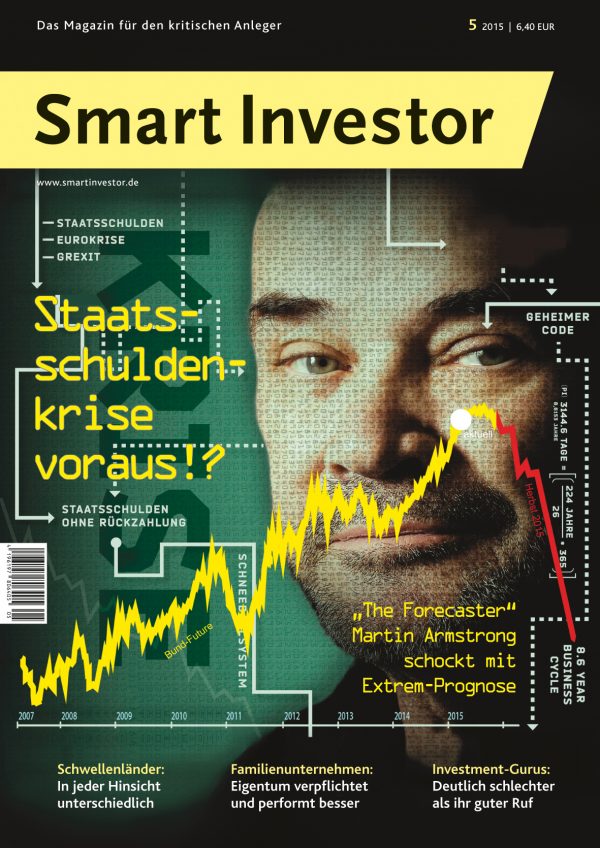
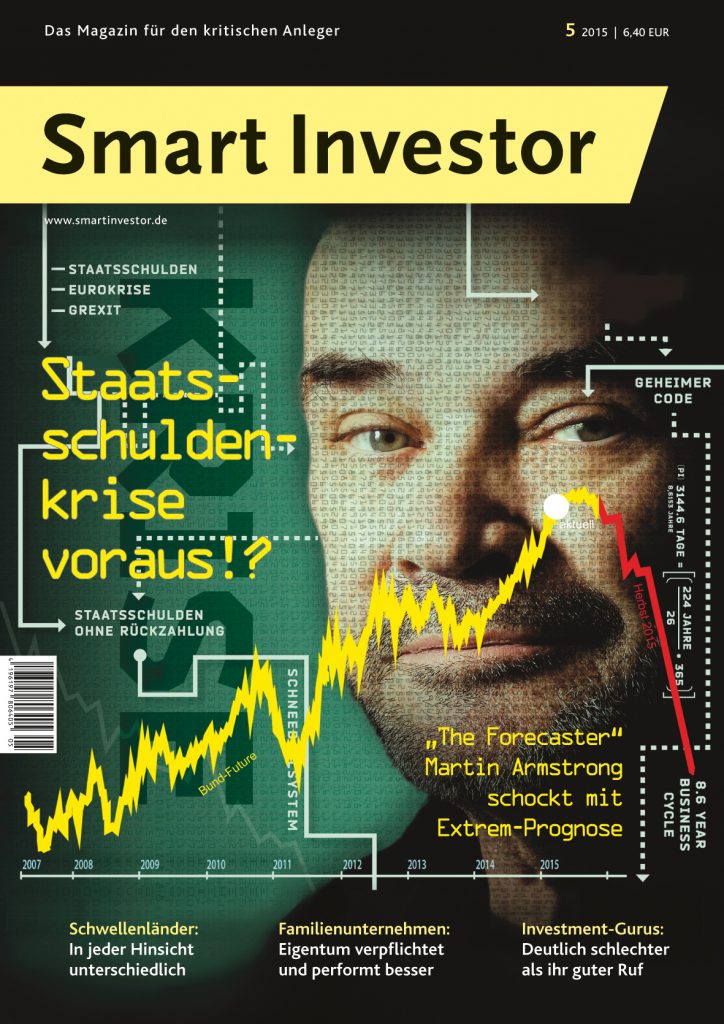
I recently appeared on the cover of “Smart Investor” after being approached by journalist Ralph Malisch. Click here to read the full interview (German).

The English translation is available below:

Smart Investor talks to legendary cycle analyst Martin Armstrong about Corona, war and reshaping the world

Smart Investor: Mr. Armstrong, in 2015, The Forecaster, a powerful film about your life, was released. We interviewed you extensively in Smart Investor 5/2015. How have you been doing in the meantime and what are your current projects?
Armstrong:  I was involved in a sequel to the film that will be out later this year. Otherwise, we have expanded our services and have now launched our computer system, which is the system that the government wanted for itself. It now produces over 1,000 written reports every day all over the world without human intervention. We now use it in over 40 countries, which means we probably have the largest institutional customer base in the world.

Smart Investor 5/2015

Smart Investor: Would you briefly explain your forecasting approach to our readers again?
Armstrong:  In the 1980s and 1990s, I was one of the top international hedge fund managers, even being named hedge fund manager of the year for predicting the collapse of Russia, which triggered the 1998 hedge fund Long-Term Capital Management crisis. During that time, I’d watched global investment capital refocus on markets and then move on—leaving Japan in 1989, Southeast Asia in 1994, and Russia in 1998, followed by the euro. All of this was fueled by capital flows. One can follow these movements of capital and see how they cause the boom-bust cycles around the globe.

Smart Investor: The topic of Corona has kept us under its spell for more than two years. Was this turning point, or a drastic event like this, visible in your cycle model?
Armstrong: Yes, I warned at our own World Economic Conference that if our model flipped in January 2020 (= year 2020.05) the market would crash. We were even able to pinpoint the exact day for the March 2020 bottom. Had an event like Corona happened during an uptrend, it would have been largely ignored. But if something like this happens while the model is turning down, then sentiment is inherently bearish. We also warned that there would be a scarcity-based commodity cycle from January 2020 to 2024.

Smart Investor: In our perception, major pandemics occur with a certain regularity. Have you thought about some kind of plague cycle and how it might continue?
Armstrong: Such epidemics have always existed – but never in history have governments reacted so madly. The global lockdown has cost jobs and created bottlenecks in supply chains that will persist for several years to come. It was an absurd response that was proven wrong and caused a lot more damage. Most people know someone who got sick from COVID but didn’t die from it. Those who died would likely have died from any form of respiratory disease, such as occurs during the annual cycle of influenza. It was not a dangerous plague that killed 30% to 50% of the population like smallpox or the black plague in the 14th century.

Smart Investor: Now a new dominant event has been triggered with the hot war in Ukraine. How does this war fit into your model, specifically the war cycle?
Armstrong: That too came at exactly the “right” time. Our model showed 1/16/2022. Unfortunately, instead of trying to bring peace to the world, the West has demonized Putin. The claim that Putin wanted to restore the old Soviet Union was pure propaganda. For the past 22 years he has made no attempt to restore communism, only calling Lenin himself a communist. He did not try to expand the borders but warned against NATO encroachment. In war, both sides spread propaganda, and it is always important to be objective about the claims of both sides. Putin’s invasion of Ukraine was consistent with his warnings and came four days after US Vice President Harris recommended Ukraine join NATO. That was totally irresponsible.

Smart Investor: Can you see in your models which regions or countries will suffer the most in this conflict, who will get off lightly and who will be the beneficiaries?
Armstrong: On both sides there are what we call neocons, people who just hate the other side. They cannot sleep at night as long as their enemy exists. Unfortunately, the deteriorating economic outlook is a reminder that war has often served as a diversionary tactic in the past. It looks like China is allying itself with Russia. I believe the confiscation of Russian private property was a serious violation of international law. Others, too, will realize that their assets could be confiscated if their country got into a dispute with the West. This would, of course, lead to a drop in global investment. It is precisely this process that seems to have started and, according to our models, will only get much worse over the next ten years. Disputes between countries are likely to remain at this level. The arrest of individuals simply because they are Russian is reminiscent of the internment camps for Japanese in the US during World War II solely on the basis of their ethnicity. It is very detrimental to the world economy when free investment is hampered.

Image: © Angelov – stock.adobe.com

Smart Investor: If we understand it correctly, the cycles develop largely independently of the specific actions of individuals. It’s hard to imagine, but would an escalation have been inevitable even if the Russian President hadn’t given the order for the invasion?
Armstrong: That’s right. Demonizing Putin is absurd. There have been far worse leaders in history, like Hitler or Stalin, who could kill millions of people without thinking twice. The development of things is primarily determined by the economy. Normally you don’t bite the hand that feeds you. But imposing sanctions on Russia has exactly the opposite effect: they isolate Russia and sever economic ties, leading to casualties and in turn evoking anger and retaliation. Rome survived for 1,000 years because the conquered provinces benefited from selling their products to Rome. The confiscation of Russia’s currency reserves is above all a warning to China to be very careful in its dealings with the West. For China, the exclusion of Russia from the SWIFT system only means that it is working flat out to introduce its variant of CIPS. Saudi Arabia just agreed to sell oil for yuan. These measures only guarantee that conflicts will continue to escalate and the world economy will be split in half.

Smart Investor: As investors, we try to prepare for strong cycles like these. Which asset classes or sectors should one avoid in this situation and where can one expect safety?
Armstrong:  Government bonds in particular are to be avoided. Governments will default and you will get nothing back. The loans from European governments from before the Second World War are now just an attractive wall decoration. When a company goes bust, its assets are sold and at least you get something back. But you can’t just run into the art museum and steal Picassos in the government. In times of war and geopolitical conflict, real assets are the best security.

Smart Investor: Gold is considered the safe haven, and Bitcoin is also perceived as such in some places. However, these two assets are also more of a thorn in the side of our governments. What do you think of the idea that the Russia argument could make life difficult for investors here in the future?
Armstrong: Gold has lost its mobility – so you can’t hop on a plane and fly somewhere with a briefcase full of gold coins or bars. Cryptocurrencies are vulnerable, because without a power grid, credit cards are a thing of the past. The government is trying to switch to digital currencies and they will not allow competition so they will confiscate cryptocurrencies. The best is paper money or small denomination silver coins that are recognizable to the average person. Tin cans will also have an exchange value if there is no electricity grid.

Smart Investor: Gold and cryptocurrencies are also the main alternatives to paper money, which the war is putting additional pressure on. Will the US dollar and euro survive this?
Armstrong:  The US dollar will outlast the euro, but if we get into a real world war, the paper dollars could lose their value too. Europe has historically canceled its fiat money, while the
US dollar has never been cancelled. Even Canada is now nullifying its currency.

Smart Investor: The Great Reset, the World Economic Forum and Prof. Dr. Klaus Schwab are making waves in Europe. During the corona pandemic, the government measures literally dismantled the medium-sized economy. What do you think of the corporations’ “Big Plan” and are the actors’ ideas compatible with the cycles?
Armstrong: The Great Reset is indeed a real goal. It’s not a conspiracy theory. The three stumbling blocks along the way were Trump, Putin and Xi. They got rid of the first one, and now the propaganda has turned to demonizing Putin and Xi. They believe that if they get rid of these two leaders, they can unite the world under the United Nations. Our models have warned that authoritarianism will rise in this final decade. But they will fail. Marx succeeded only because serfdom in Russia did not end until 1861, while in Europe it only lasted until the fourteenth century. So the people owned nothing, and it was easy to confiscate the wealth of the aristocrats. Today people own their own houses, cars and save for the future. The slogan “You will have nothing and be happy” propagated by the WEF is a red herring. Governments can no longer borrow indefinitely and there will be a default. To disguise this fact, the impression is given that all debts are being forgiven and that they are doing it for you. The guaranteed basic income will be there to replace the pension funds that hold government debt today.

Smart Investor: Thank you very much for your very interesting explanations.

In stock market circles, the American Martin Armstrong (born 1949) is considered a legend. As early as the early 1980s, he correctly predicted the stock market crash of 1987 – and in the midst of the panic he predicted new highs for 1989. He also predicted the bursting of the Japanese stock bubble at the end of 1989. He made his forecasts using the “Economic Confidence Model” (ECM) he developed himself, which is based on a database on the history of coins, which Armstrong used to reconstruct the (financial) history. You can find his daily updated assessments on the blog https://armstrongeconomics.com .

Reports of Finland and Sweden Likely to Join NATO Highlight Global Financial Cleaving Underway


Posted originally on the conservative tree house on April 11, 2022 | Sundance

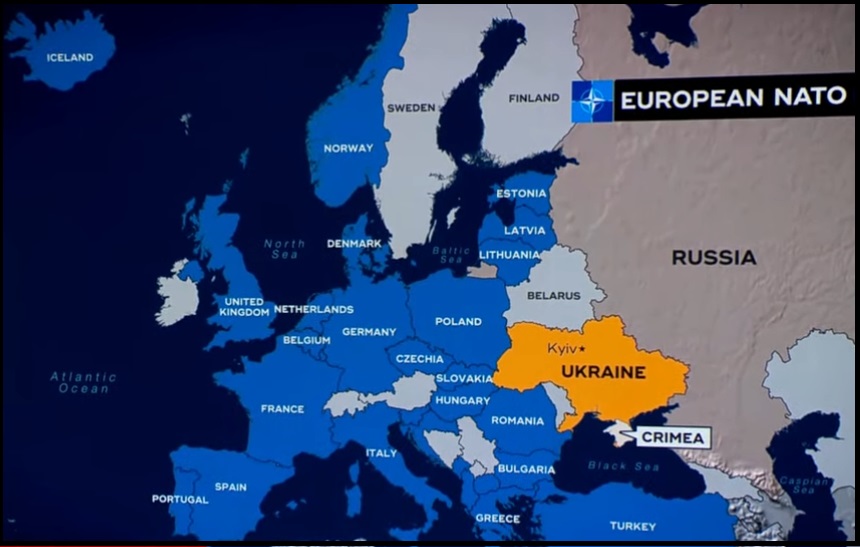
The Financial Times is reporting {link here, paywall} that Finland and Sweden are likely to join the NATO alliance.  According to the reporting {also in Reuters} the application from Finland is expected in June and Sweden shortly thereafter.

Adding Sweden and Finland would be a major escalation in both the western conflict and provocations against Russia, obviously, justified by western leaders as a consequence of the Russian invasion of Ukraine.  However, in the big analysis, the global financial system appears to be the larger issue.

From the outset of the Russian military operation into Ukraine, it was obvious the western alliance was intent on an almost ‘all or nothing‘ confrontation with Russia. The only limits to what the alliance was willing to do was trigger a nuclear showdown through direct military action against Russia to protect the non-NATO country of Ukraine.

The NATO and western government response was a fast system of financial sanctions intended to cripple the Russian economy.  However, Russia responded to those actions with countermoves on the trade front, beginning to establish the first ever non-Euro and non-dollar-based trade system.  In essence, a financial trading system created by the BRICS group (Brazil, Russia, India, China and South Africa).

Therefore, if we think about the current status of geopolitics and international finance, the NATO response now involves a priority of controlling and protecting the previously established financial structures of global trade.  A NATO effort to avoid the cleaving is now underway as an outcome of the sanctions against Russia.

As one person put it, “This is a fight for the dollar as reserve currency. Imagine trying to maintain our debt when nobody wants treasury notes. If BRICS succeed, US collapses as an economic power. On the other hand, if we win, Klaus Schwab’s nutty world wins.”  I tend to agree with this outlook because it parallels something we see domestically in the U.S.

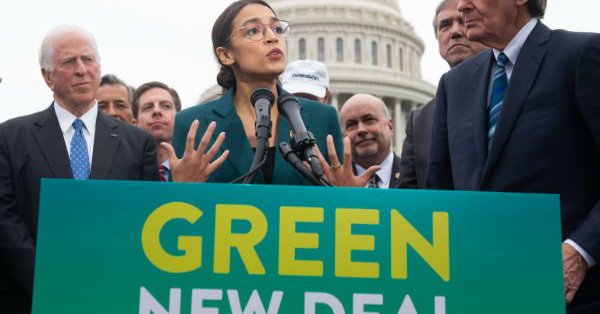
In the United States, the people behind Biden and the extreme leftists are rapidly advancing their ideological quest toward the “Green New Deal.”

Coal, oil, and gas exploration/development have been slowed, stymied and halted as the administration chases clean renewable energy goals.

However, the current problem is there’s no intermediate system of energy production to support their push.  This is driving energy costs through the roof, and that problem is magnifying inflation created by prior spending.

During their collective pandemic response, western governments all followed the blueprint laid out by the World Economic Forum (WEF), which was, in essence, to shut down human activities, lock down economies and then spend massively to fill the void.  Almost all western leaders followed this exact advice and spent tens-of-trillions in direct subsidies to people and businesses during their lockdowns and COVID mitigation efforts.

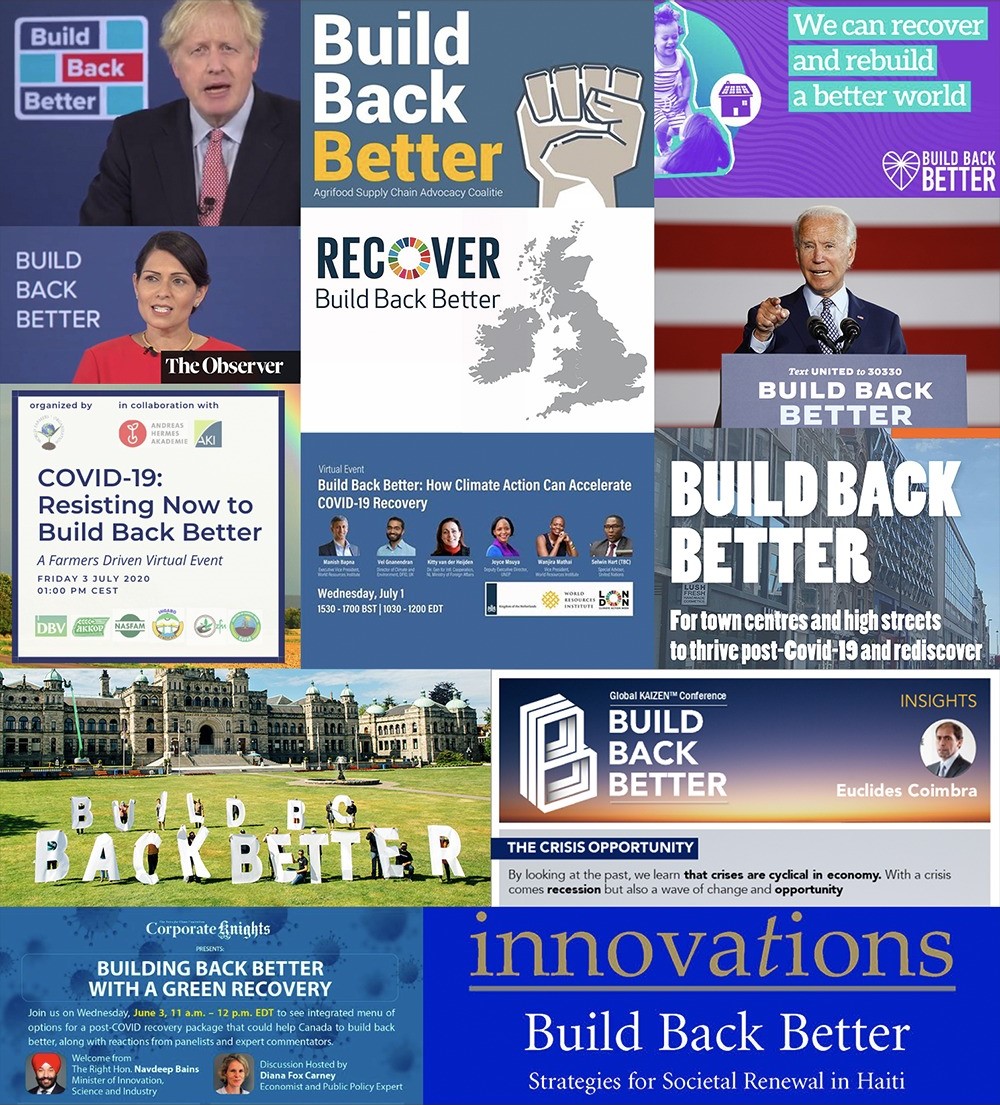
At the end of this interventionist rainbow, the collective was instructed to “build back better,” where the economies they destroyed would be rebuilt through the priority prism of ‘climate change.’  However, just like the absence of any U.S. energy transition, the WEF program also did not have a mechanism to bridge the change from ‘dirty’ to ‘clean’ energy.

All of the western government spending during their COVID plan has created two big issues (crisis):

♦ First, massive inflation in every nation who followed the government spending approach. Not coincidentally, the national rate of inflation in every nation directly correlates to the scale of their spending in relationship to their GDP.   Global inflation is raging amid the nations that locked down and then subsidized the missing economic activity with government spending.

♦ The second crisis is simple.  All of that unsustainable spending has created massive government debt, that has to be paid back.  The debt level within the western nations has skyrocketed.

However, if you take the outlook that WEF instructions were based on forethought this inflation and debt was going to be a natural consequence, a crisis created by following the plan, then it’s also likely the way out of the debt was going to be a global digital currency.  How else could the World Economic Forum members possibly expect to pay for their: (a) current spend level, and (b) grand “build back better” agenda?

That global banking system and multinational financial outlook puts a very important context to how the west would look at the BRICS financial trade mechanisms as a threat.

Additionally, if this financial and banking issue is the true motive of western government, then suddenly a lot of our internal conservative political pro-Ukraine anti-Putin commentary starts to make sense.

People have wondered why folks like Mark Levin, Ben Shapiro and other conservative voices have been pounding the table demanding U.S. military involvement and more punitive actions against Vladimir Putin.  In the U.S., people have wondered why suddenly a major section of the Republican establishment have aligned with the position of the WEF, UN, NATO, World Bank, George Soros, Hillary Clinton, etc.

If you accept the global banking system and international financial system is at risk, due to the strategies of Russia to avoid the sanctions, then suddenly the severe position of those voices makes sense.  Follow the money.

Arguably, this global economic problem (debt and inflation) was directly caused by the collective western government response to COVID.  However, now there’s another aspect that makes the debt and inflation seem small by comparison.  If there was an alternative to currencies deliberately devalued by the collective western approach to government spending, wouldn’t you want to own that?

If the financial systems, central banks, and global financial mechanisms are fractured by an entirely new system to pay for trade, i.e. the BRICS approach, we end up with two distinctly different currencies (still undetermined) to pay for trade.

This outlook puts Sweden and Finland essentially in a position of choosing banking sides.  NATO supporting the maintenance of Euros and Dollars, and the BRICS group, representing almost two thirds of the world population, fighting to go in another direction.

That is the bigger conflict.

WEF -vs- BRICS over trade currency….

…. is also NATO -vs- Russia

…. is also Climate Change -vs- Oil use.

…. is also Globalism -vs- Nationalism

…. is also Feudalism -vs- Freedom

German Parliament Blocks Over-60 Vaccine Mandate


Armstrong Economics Blog/Vaccine Re-Posted Apr 11, 2022 by Martin Armstrong

Chancellor Olaf Scholz’s attempt to mandate vaccinations for everyone over 60 was blocked by Parliament in a 378-296 vote. The bill would have forced all Germans over the age of 60 to receive three vaccinations before October 1, 2022.

The Social Democrats (SPD), Free Democrats (FDP), and Greens were all pushing this bill forward and will likely continue to fight for a mandate. If Parliament did not vote in favor of the people, this would have opened the floodgates to endless vaccination mandates for the entire population. Under the failed bill, unvaccinated Germans would have been required to attend a doctor consultation to discuss (coerce) them into getting the vaccine.

Health Minister Karl Lauterbach also recently reversed his stance on self-quarantine restrictions. Lauterbach initially said that the 10-day isolation rule would end on May 1. “I have withdrawn the proposal because the completely wrong impression would have arisen that either the pandemic is over or the virus has become significantly more harmless than was assumed in the past,” he stated. In other words, he does not want the people to feel safe as that would diminish the need for big government and Big Pharma.

They want to force injections on the people without erasing existing restrictions because they know the vaccine is ineffective. Parliament’s ruling comes as a silver lining, but the fight for medical freedom is far from over.

Zelenskyy Gives British Prime Minister Boris Johnson a Guided Tour of The Great Western Battle to Save Kyiv


Posted originally on the conservative tree house on April 9, 2022 | Sundance

To get a better context for the catastrophic and dangerous war zone that is Ukraine, yesterday European Commission President Ursula von der Leyen and European Commission Vice President Josep Borrell Fontelles visited President Zelenskyy in Kyiv {link}.  The primary purpose of the meeting was to affirm the intent of the EU to accept Zelenskyy into the Union.

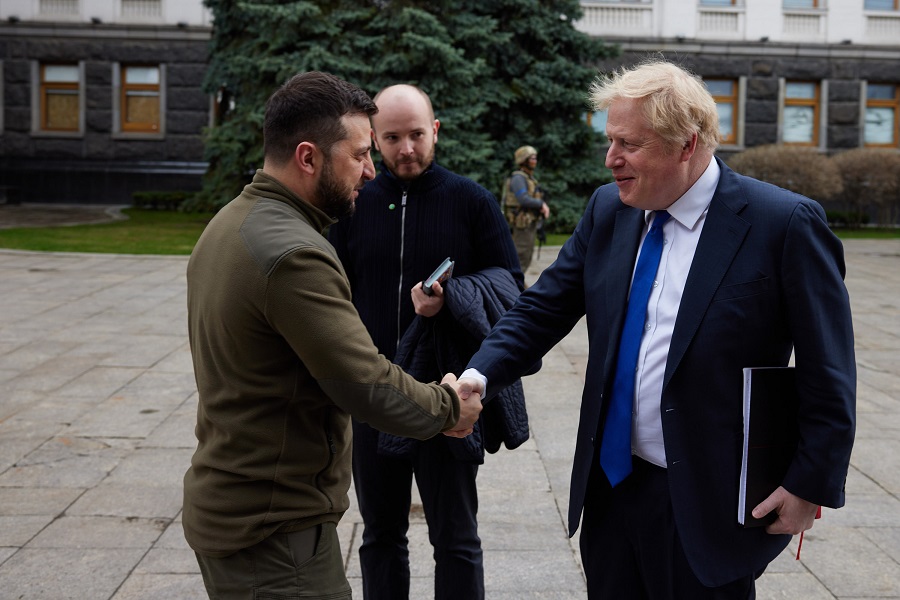
Earlier today, British Prime Minister Boris Johnson also went into the war zone, toured the extreme chaos and battleground, and met with Zelenskyy (video below).

(Via MSM) – The UK is to send 120 armored vehicles and new anti-ship missile systems to Ukraine, Downing Street announced Saturday, after Prime Minister Boris Johnson paid an in-person visit to Ukrainian President Volodymyr Zelensky.

Johnson and Austria’s Chancellor Karl Nehammer made separate visits to Zelensky on Saturday, the latest in a string of leaders to travel to the country during the ongoing Russian invasion.

Johnson posted on Twitter that his visit to Kyiv was “a show of our unwavering support for the people of Ukraine” and announced a new package of financial and military aid.

“Ukraine has defied the odds and pushed back Russian forces from the gates of Kyiv, achieving the greatest feat of arms of the 21st century,” the UK PM said in a statement.

He praised Zelensky’s “resolute leadership” and the “invincible heroism and courage of the Ukrainian people,” adding that the UK “stands unwaveringly with them in this ongoing fight … we are in it for the long run.”  Later in his nightly address posted on social media, Zelensky thanked the UK and Johnson. (read more)

As seen in video promoted by the NATO alliance, Johnson and Zelenskyy ignored the threat of bombs, missiles and artillery that could be raining down upon them, and bravely walked without flak jackets, vests or even helmets despite the chaos.

Unfortunately, the cinematography produced by the western NATO alliance failed to capture the smell of burning diesel fuel from the aftermath of hundreds of tanks and weeks of street-to-street urban warfare.  However, it does appear that Johnson was prepared for hand-to-hand combat if any angry shopkeeper stepped out of line.   Courage is, as they say, contagious.  Footage below:

Exclusive Klaus Schwab Tell All interview!


By Awaken With JP  Published originally on Rumble on April 9, 2022 41

Join me for an exclusive sit down interview with Klaus Schwab himself! The leader of the World Economic Forum opens up and speaks very candidly about his plans for you, and the future of our planet! Featuring The Great Reset, Fourth Industrial Revolution, and More!

Canada Bans Foreigners from Real Estate Market but Misses Loopholes


Armstrong Economics Blog/Real Estate Re-Posted Apr 8, 2022 by Martin Armstrong

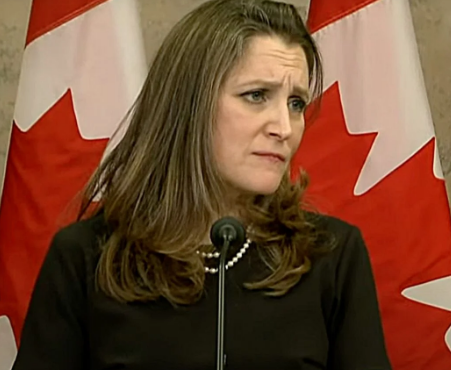
Finance Minister Chrystia Freeland announced on Thursday that most foreigners would be barred from purchasing real estate in Canada for the next two years in an effort to combat the housing crisis. Home prices in Canada have risen over 50% since 2020 as demand steadily increases and available inventory diminishes.

The Bank of Canada announced a record jump in housing costs this past February, with the benchmark price across the provinces reaching C$869,300. For years foreigners have seen Canada’s rising real estate market as a safe haven to park money. Chinese investors found it particularly lucrative when converting the yuan to CAD. The Trudeau Administration previously placed a 1% tax on vacant foreign-owned land, and as I warned, any tax in place will remain in place and likely rise. Vacancies are an issue, but they are not the lone culprit for this trend.

“I don’t think prices are going to fall as a result, though I do think it takes away at least some of the competition in what is the most competitive market in Canadian housing history,” Simeon Papailias, founder of real estate investment firm REC Canada. “I don’t think a two-year band-aid is going to have an impact on what’s a fundamental lack of supply.” This is the general consensus in Canada as people simply want affordable housing, and believe these measures will have a positive impact on prices. There is a good chance this ban will last beyond the two-year period as lawmakers remain misled on what is driving the real estate markets.

A few convenient loopholes make this law an empty gesture to appease those blaming foreigners for real estate inflation. The ban does not prohibit purchasing through corporations, so Vanguard and BlackRock can continue profiting while individuals face the burden of this new law — but only certain individuals without the money to bypass the system. Permanent residents, foreign workers, and students will be excluded from the law. Foreigners who plan to buy their primary residence in Canada are not prohibited from purchasing property. So Canada is not aiming to eliminate all foreign real estate investments; the government simply wants it to appear that they are working to lower real estate costs when this measure will do no such thing.

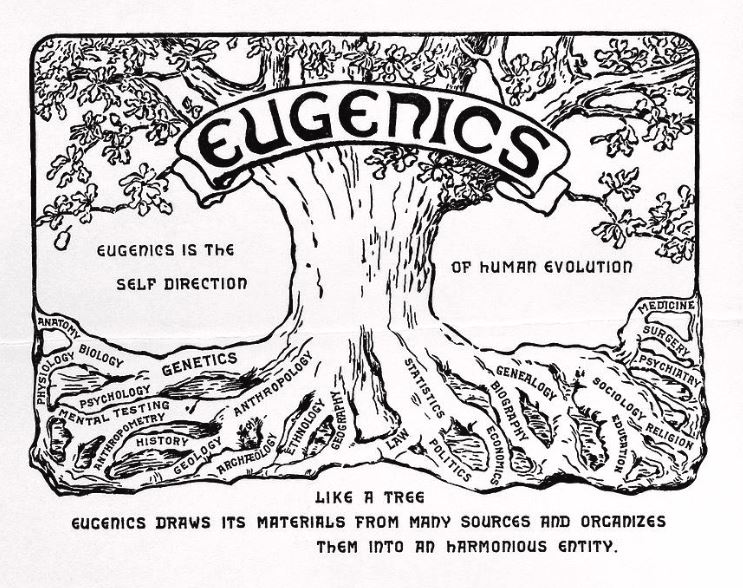
Canada Begins Eugenics Program


Armstrong Economics Blog/Canada Re-Posted Apr 7, 2022 by Martin Armstrong

While people always point to Nazi, Germany, Canada is no stranger to eugenics. The Sexual Sterilization Act in 1928 forced Indigenous women to undergo sterilizations to diminish their population. Canada provided these women with a skewed “mental deficiency” test in an attempt to prove they were unfit to reproduce. The practice was widespread until the 1970s, although numerous women have reported being coerced into the practice in recent times.

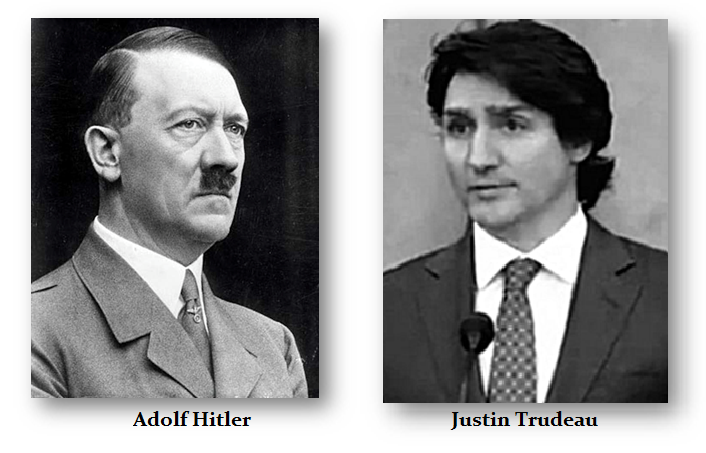
Justin Trudeau’s dad, Pierre Elliot Trudeau, supported eugenics and population “cleansing.” The Pierre Elliott Trudeau Foundation provided the initial foundation for the practice by highlighting the scientific achievement of genome sequencing and combining it with the potential for “reducing the burden of disease on themselves and on society as a whole.”

An excerpt on “Technology and Ethics” that can be found on the Trudeau Foundation website:

"For some analysts, genetic tests, along with the 'genetic understanding of health' that they shape, reflect our society's focus on individual responsibility and productivity. In the words of Roxanne Mykitiuk, 'with genetic tests marketed as a kind of health-risk kit, individuals are being called upon to undertake self-surveillance in the name of reducing the burden of disease on themselves and on society as a whole,' and in doing so to maintain a 'disciplined order of productive citizens.'”

This thinking is identical to other current and past forms of governments who have actively sought to eliminate those who are not considered “productive citizens.” The aforementioned report concluded:

"One of the most significant and pervasive issues is the risk that these new technologies will give rise to new forms of discrimination, inequality, and violations of human dignity, such as discrimination on the basis of genetic characteristics or unequal access to genetic enhancements. Other potential adverse effects include irreparable damage to the environment and to human health and the human genome."

Justin Trudeau is now following in his dad’s footsteps. Beginning in March 2023, Canada will expand its Medical Aid in Dying, or MAID, for people “whose sole underlying condition is depression, bipolar disorder, personality disorders, schizophrenia, PTSD or any other mental affliction.” There is no denying that mental disorders cause suffering – but do they call for government-aided suicide? This means that a vulnerable person suffering from a mental disorder, who may not be able to make a decision on their own, could be persuaded by a doctor to end their life. The measure also notes that “any other mental affliction” could be grounds for death by the government, which is more dystopian than anything George Orwell could have imagined.

Mental health providers stress that suicide is never an option. This bill is about voluntary eugenics, encouraged by healthcare providers, rather than public health.

Conveniently, Canada is implementing this measure after its COVID restrictions sent the nation into a mental health tailspin. Young Global Leader Trudeau is pushing forward the Great Reset and will likely call for universal healthcare. He considers these people a “burden” to his socialistic dreams as psychiatric conditions usually require lifelong care.

This is one of the evilest measures implemented by Justin Trudeau. He is persuading vulnerable Canadians to end their lives to create Schwab’s (Justin Trudeau does not have original ideas) dream Utopia where everyone will “be happy.”