The Energy Economy


Posted originally on the conservative tree house on August 30, 2022 | Sundance

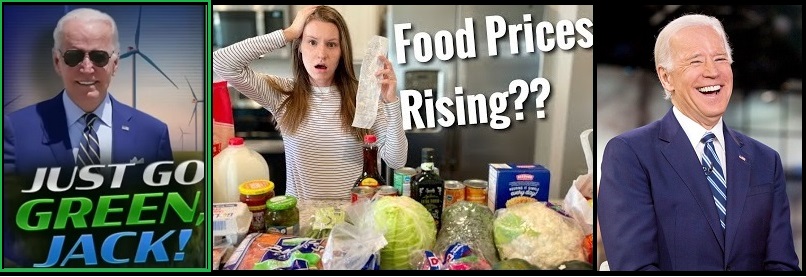
Let’s say you are an average household with an income around $100,000/yr who has an increase in electricity rates from $300 to $500 due to Joe Biden’s new national energy policy known as the Green New Deal.  That’s $200 more per month for this initial economic/energy “transition” moment.

That extra $200/month equates to $2,400 per year.

That $2,400 per year is static economic activity.  Meaning nothing additional was created, and nothing additional was generated.  The captured $2,400 is simply an increase in the price of a preexisting expense.

Take that expense and expand it to your community of 100 friends and family households.  The $2,400 now becomes $240,000 in cost that doesn’t generate anything.  $240,000 is removed from the community economy.  $240,000 is no longer available for purchasing other goods or services within this community of 100 households.

The economic purchasing power of the 100-household community is reduced by $240,000 per year.

Take that expense and expand it to your county of 10,000 households.  Now you are reducing the county economic activity by $24 million.  In this county of 10,000 households, $24 million in economic transactions have been wiped out.  Meals at restaurants, purchases of goods and services, or any other spending of the $24 million within the county of 10,000 households (approximately 25,000 residents) has been lost.

Now expand that expense to a larger county, quantified as a mid-size county, of 50,000 households.  The mid-sized county has lost $120 million in household economic activity, simply to sustain the status quo on electricity rates.  Nothing extra has been generated. $120 million is lost.  The activity within the county of 50,000 households shrinks by $120 million.

Expand that expense to a large county of 100,000 households, and the lost economic activity is $240 million.

Expand that expense to a small state of 1 million households (2.5 million residents), and the lost economic activity is $2.4 billion.

Expand that expense to a state with 5 million households (approximately 12 million residents) and the economic cost is $12 billion in lost economic activity unrelated to the expense of maintaining the status-quo on electricity use.   This state loses $12 billion in purchases of goods and services, just to retain current energy use.

These examples only touch on household expenses.  The community, county and state business expenses for offices, supermarkets, stores, etc. are in addition to the households quoted.

Meanwhile the Gross Domestic Product (GDP) of the community, county and state, remains static because the GDP is calculated on the total value of goods and services generated in dollar terms.  The appearance of a static GDP is artificial.  In real Main Street terms, $12 billion in economic activity is lost, but the price or increased value of electricity hides the drop created by the absence of goods and services purchased.

Fewer goods and services are purchased and consumed.  However, statistically the inflated price of electricity gives the illusion of a status quo economy.

Now expand that perspective to a national level and you can see our current economic condition.
Greenpeace to Ditch Greta


Armstrong Economics Blog/Climate Re-Posted Aug 30, 2022 by Martin Armstrong

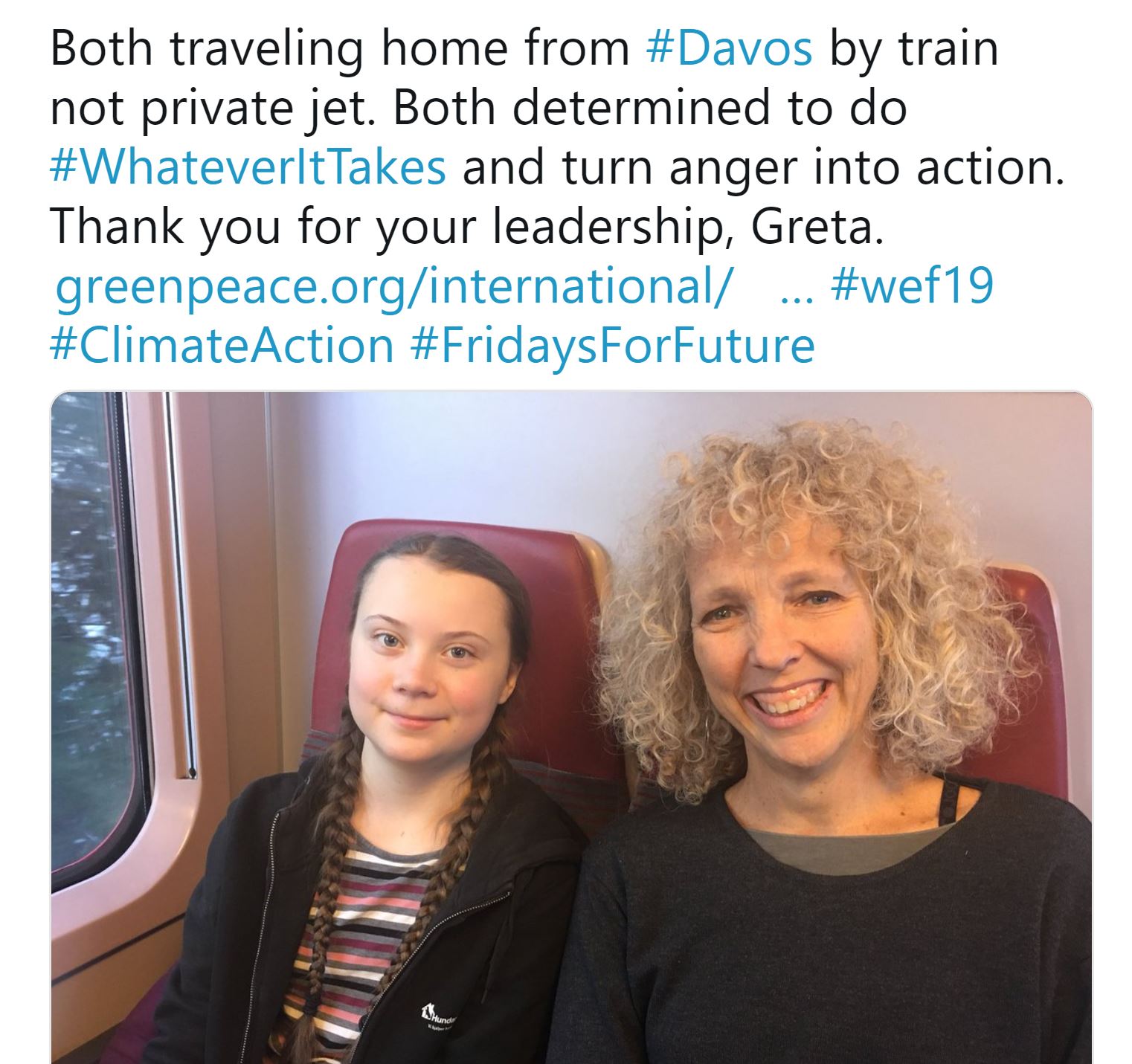
Reports are circulating that Greenpeace may soon ditch their poster child for climate change, Greta Thunberg. The Swedish activist was pushed to fame as a child and became notorious for passionate speeches that she was likely forced to read and believe. Klaus Schwab even featured the young girl in his film, “The Forum,” to promote Agenda 2030.

Greta is now 19 years old and no longer the perfect child-like puppet with braids and innocence. I warned that her parents manipulated this girl for their own benefit. She suffers from autism and depression, and her parents publicly stated that parading her around the globe was “medicine” for her ailments.

As an adult, she is diverting from the script. Last year, she said that democracy should be prioritized over climate change in a move that angered her handlers. She accidentally shared an image of “suggested posts” that her handlers asked her to share across social media platforms. Greta even came under fire by the Indian government after being spotted with pop star Rihanna who began promoting the Indian farmer’s protest.

There are now talks that the climate change crowd plans to discard the teen. Other activists have begun publicly criticizing her, which would have never happened when she was surrounded by the likes of Al Gore and Jennifer Morgan. “Since the beginning, we have said that we want to be hierarchy-free – and yet many saw Greta as the leader,” Swiss Jann Kessler stated. Others have whined that she was not the first to protest the weather cycle.

To the adults who abused this innocent girl – how dare you!

Treehouse Tips


Posted originally on the conservative tree house on August 24, 2022 | sundance

**Bumped, 8/23/22 8:30pm ET**

My jaw came near the floor when I opened July’s electricity bill to find a notification of a 28% increase in electricity rates, effective immediately.  An increase of 28%…. just like that. This month, August, even higher with less use.

After the initial shock wore off, I started thinking about what this means to the working-class people in my community.

Already struggling with a doubling of gas prices, massive food price increases at the grocery store and the pain of all costs for goods far outpacing any rate of wage increase, this type of uncontrollable increase in price of electricity is going to hit hard.

In the past we have used CTH threads to spotlight the smart thinking and resourcefulness of Treepers from all walks of life.  A discussion thread where people can share tips, things that can actually be done, to help offset the financial pressures during severe economic times.  I think we may all benefit from starting a series of post like that again.

Let us share our wisdom and experience again.  There are many thousand who will benefit, as I have always done, from reading your smart tips and suggestions.

What ideas, tips and suggestions do you have to help people save money on ordinary life and living expenses?

These are painful economic times and the stress that is caused by financial worry is some of the most horrific family stress that people can face.  Let us come together with tips as a community to help each other.   No suggestion is too small.  What advice do you have that can help people save money on monthly expenses?

During one of our previous discussions someone gave a tip about putting a clean dry towel in the clothes dryer as a way of cutting down drying time and energy used.  I tried it and jumping ju-ju-bones it worked fantastically.  Simply putting a dry towel into the dryer when you add the wet clothes from the washer reduces laundry drying time by around 25%.  Not only does that save time, but it also saves money – and it was so simple.

So, what suggestions do you have?   Tips about anything and everything that might lower the monthly cost of ordinary life. No tip is too small. No suggestion is too odd.  Your advice can/will make a difference.

Please use the comments section to drop your advice.

Thanks again for being part of our fellowship.

Love to all.

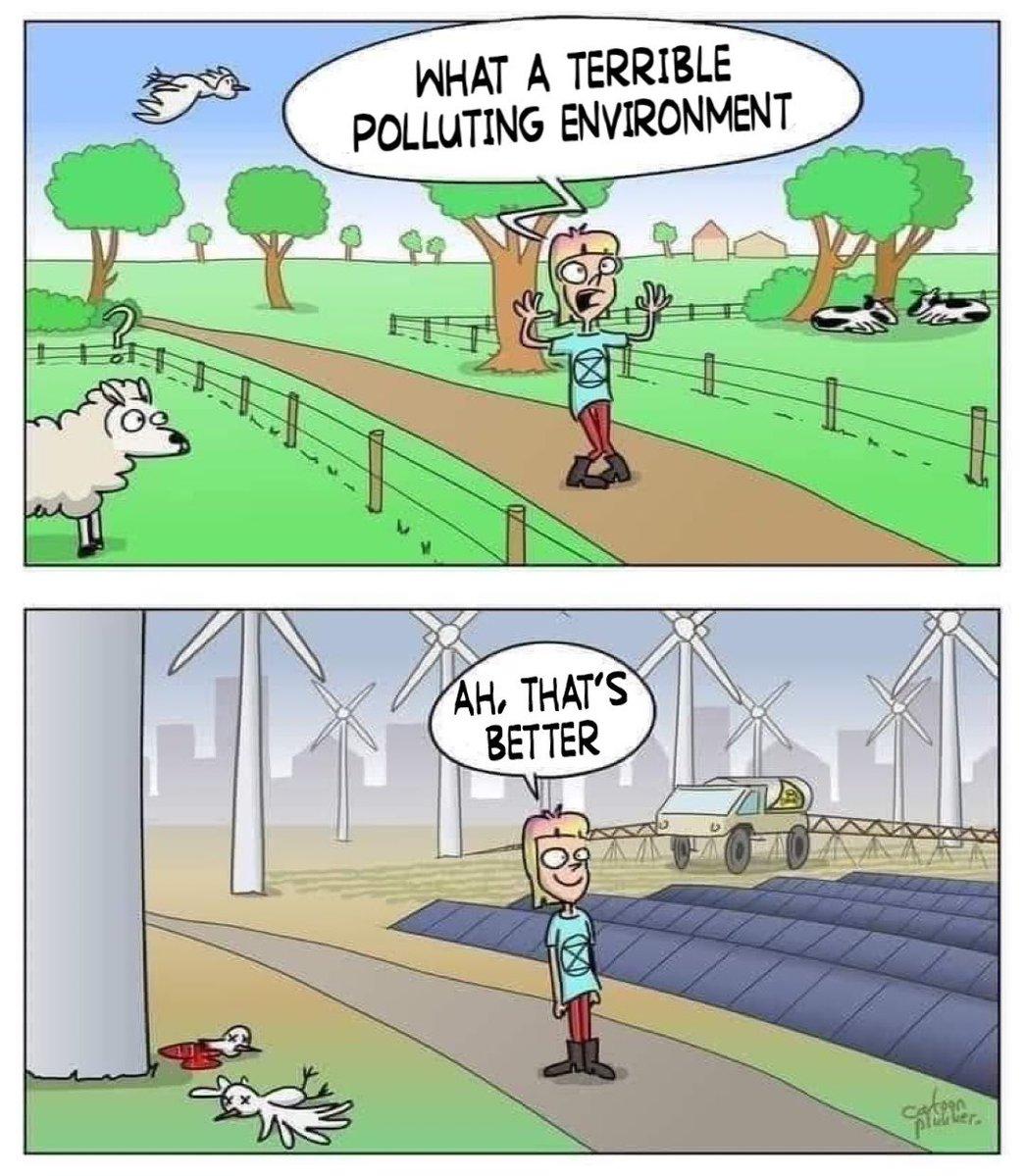
Green Deal Mentality


Armstrong Economics Blog/Humor Re-Posted Aug 21, 2022 by Martin Armstrong

Desperate Times in Lebanon


Armstrong Economics Blog/Corruption Re-Posted Aug 16, 2022 by Martin Armstrong

Desperate times drive people to desperate measures. A Lebanese man made international headlines after holding 10 people hostage in a seven-hour standoff with authorities before surrendering. This man was not attempting to steal from the bank and had no intention of harming anyone. He is a victim of Lebanon’s economic catastrophe, and this is a very sad story of what can happen when banks fail.

Lebanese banks have placed harsh limits on withdrawals since 2019. The man, who entered the bank with a gun and gasoline, was pleading for $35,000 of his own money in order to pay for his father’s healthcare.

The Lebanese lira declined by over 90% against the USD. The country’s GDP fell to $20.5 billion in 2021, and real GDP per capita declined 37.1%. The World Bank deemed the crisis a “deliberate depression” that was “manifested by a collapse of the most basic public services; persistent and debilitating internal political discord; and mass brain drain.” Inflation in Lebanon reached 210.08% in June, and the lira is utterly worthless. Food prices have spiked 332.35%, transportation 462.4%, and housing by 132.38%.

Billionaire Prime Minister Najib Mikati, one of the richest men in the Arab world, has done nothing to help the people. Time has run out for Lebanon, and the people need a complete political transformation to regain any quality of life.

He Looks Guilty, Joe Biden Refuses to Answer Questions About His Involvement Authorizing FBI Raid of President Trump’s Home


Posted originally on the conservative tree house on August 9, 2022 | Sundance 

Appearing to be medicated, today Joe Biden repeatedly refused to answer questions about his involvement in the FBI raid of President Trump’s home in Florida.

A few examples below. WATCH:

There is no way the FBI would conduct a raid on former President Donald Trump without involvement from the White House.

.

Second Quarter Productivity Drops Again, Companies Paying Workers More to Produce Less


Posted originally on the conservative tree house on August 9, 2022 | Sundance 

The previous first quarter productivity drop of 7.4% was the largest quarterly drop in 74 years.  Today the Bureau of Labor Statistics (BLS) reports the second quarter productivity dropped another 4.6% [Data Here].

For July, companies are paying 5.7% higher wages and getting a 4.6% drop in output, resulting in a total unit labor cost increase of 10.8%.  That increase in final output cost will either result in higher prices or lower profits.

With weak consumer purchasing (low demand) already creating an inventory surplus, hence lower outputs, lower profit leads to cutbacks.  The largest company expenses are generally labor and energy costs. The more variable and controllable of those two expenses is labor.  You know what comes next.

(WSJ) – […] Rising productivity is the key to improving living standards; it allows companies to raise wages without raising prices and fueling inflation. Instead, businesses appear to be paying workers more to produce less. The higher unit labor costs suggest companies will either endure lower profits or pass on higher costs to consumers.

“The trend in productivity growth has worsened compared to prior to the pandemic, and the surge in unit labor costs makes the Fed’s challenge of getting inflation back down to its 2% target all the more challenging,” Wells Fargo economist Sarah House said in a research note.

The central bank has increased rates four times this year from near zero in March in an effort to raise borrowing costs, slow economic growth and bring inflation down.

The consecutive negative productivity readings are a reversal from earlier in the pandemic, when the economy was expanding rapidly and businesses appeared to be adopting new technology to cope with worker shortages and limits to face-to-face contact. (read more)

Meanwhile, “U.S. manufacturing output in June was down by 0.4% compared with March though it was still up by 3.6% compared with the same month a year earlier, estimates prepared by the Federal Reserve Board found. Three-month output growth was the weakest since early 2021, and confirms slackening momentum evident in other data on output, orders and jobs.” (Reuters)

This month’s inflation report (reflecting changes in July) will show a large decline in overall inflation. This will provide the White House with a false narrative of confidence that inflation has peaked.  However, food inflation (farm prices not yet realized) will combine with wage inflation (as noted above) sometime around October, and then we enter another round of rising prices.

The prices for durable goods have likely peaked.  If you are in the market for an expense item (appliance, furniture, etc) look for significant incentives to trigger in Sept/October; right around the same time when the layoffs start.  So, sit tight for a few more weeks.

However, the prices for highly consumable products will present a false plateau (Aug/Sept) until they go bananas again just before the Thanksgiving holiday season.

Prepare and time your affairs accordingly.

Civil Unrest in Panama Continues


Armstrong Economics Blog/Central America Re-Posted Aug 8, 2022 by Martin Armstrong

The people of Panama have been protesting the obscene cost of living for weeks. President Laurentino Cortizo has promised to lower the cost of basic necessities such as food and energy, but the people are not satisfied. Teachers began protesting in July and went on an initial three-day strike. This act of defiance inspired other groups who also took to the streets to call for price reductions.

Inflation in Panama sits at 4.2% as of May, while the unemployment rate hovered around 10%. Fuel costs have soared nearly 50% since January of this year. The issue here is that despite the country’s economy growing, the benefits have not been passed on to the people in any way. Many highly-skilled professionals, such as doctors, left the country long ago for countries where they’re paid competitively and access to medical care has become increasingly difficult.

Protestors blocked the Pan-American highway, which is the main route for most of Panama’s food. Even the Catholic Church stepped in during June to mediate the battle between the people and government. The first round of discussions mediated by the Catholic Church resulted in the government freezing the cost of 72 products. Additionally, the government will now allocate 6% of GDP to education by 2024. The Inter-American Highway, connecting Panama to the rest of Central America, was cleared but the supply constraints and resulted in significant losses.

Panama’s economy grew 17.8% in 2021, and 13.6% in Q1 of 2022. There is no reason for Panamanians’ quality of life to decrease when their economy is in a surplus. The protests will continue as the people have realized that their corrupt government does in fact work for them

American Household Debt Surpasses $16 Trillion


Armstrong Economics Blog/USA Current Events Re-Posted Aug 8, 2022 by Martin Armstrong

American household has reached a new high, according to a report by the Federal Reserve Bank of New York. Total household debt has surpassed $16 trillion for the first time in American history. Americans have taken on $2 trillion in additional debt since the pandemic. Aggregate household debt balances rose by $312 billion in Q2 2022 alone, marking a 2% increase from Q1.

Mortgages were the largest contributing factor to the post-pandemic uptick after rising by $207 billion to $11.39 trillion. Americans have been relying more on credit to make purchases amid inflation, and credit card balances have spiked by $46 billion last quarter. Non-housing balances saw the largest uptick since 2016 after increasing by $103 billion. Auto loans saw a $33 billion rise as the cost of autos remained at a high.

Delinquency on debt “increased modestly” in all categories. Around 95,000 people faced bankruptcy in Q2 2022, which is still near historic lows. Of the $758 billion in new mortgage debt accumulated in the last quarter, 65% is held by people with credit scores over 760. Outstanding student loan debt reached $1.59 trillion last quarter, 5% of which was delinquent.

People may be able to pay off their debt now, but as inflation and interest rates rise, that will become increasingly difficult. While mortgage debt is no cause for concern, the over-reliance on credit purchases will not help Americans lower debt. Inflation must come down for the people to maintain their quality of life.

Fauci’s Fears Falls on Deaf Ears


Armstrong Economics Blog/Disease Re-Posted Aug 8, 2022 by Martin Armstrong

Dr. Anthony Fauci is relentless. Biden told us the fable of the winter of death and destruction last year. Now Fauci is warning that people are “going to get into trouble” if they’re not vaccinated and boosted by the fall and winter months.

After hearing of the countless side effects and realizing the vaccination does not prevent infection or transmission, most Americans do not want a booster. The Kaiser Family Foundation found that 70% of Americans, 228 million people, are currently not up to date on their vaccinations. Only 48.4% of Americans (children over five included) opted for a booster shot.

Fauci claims people should do it for their “community.” Why? I could have Moderna, Pfizer, J&J, and the rest injected into me, and it still would not prevent me from being prone to transmitting the virus. Fauci himself caught COVID, and even Biden continued to work and failed to isolate after testing positive for the virus. Fauci’s fears are falling on deaf ears as people are becoming aware of the truth – the vaccines do not work.