Armstrong Economics Blog/Climate
Re-Posted Nov 28, 2018 by Martin Armstrong
 Believe it or not, pretend Scientists are actuall proposing to create a synthetic Volcanic Winter by spraying sun-dimming chemicals into the Earth’s atmosphere the same as a volcanoe when it erupts. These pretend research scientists at Harvard and Yale universities have published in the journal Environmental Research Letters proposing to inject an aerosol (SAI) to reduce the rate of global warming. They have propsed a completely unproven attempt to alter the planet using a technique involving spraying large amounts of sulfate particles into the Earth’s lower stratosphere at altitudes as high as 12 miles. They argue to deliver the sulfates with specially designed high-altitude aircraft, balloons or large naval-style guns. To accomplish this they want $3.5 billion, with annual costs of $2.25 billion a year over.
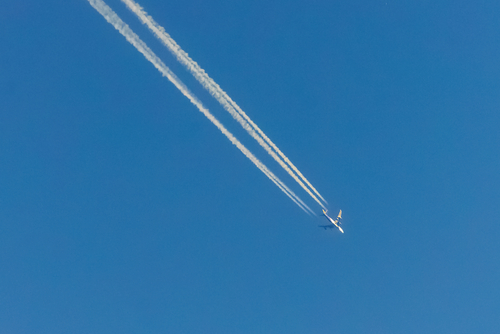
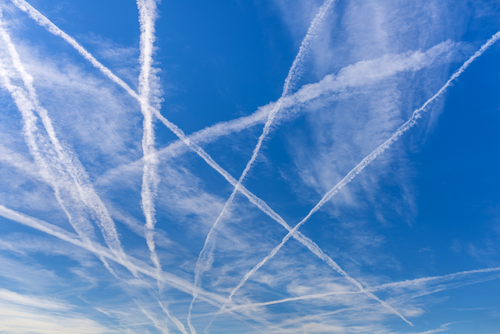
This is exactly as the chemtrail conspiracy theory which is based on the belief that long-lasting condensation trails are “chemtrails” consisting of chemical or biological agents are left in the sky by high-flying aircraft that are sprayed for undisclosed reasons. It seems that the pretend scientists have taken the chemtrail theories to a new level. They say they are only dimming the sun. Guess they have no clue about weather history and volcanic winters, Guess shattering 150 year cold records for thanksgiving is still too warm for these people.
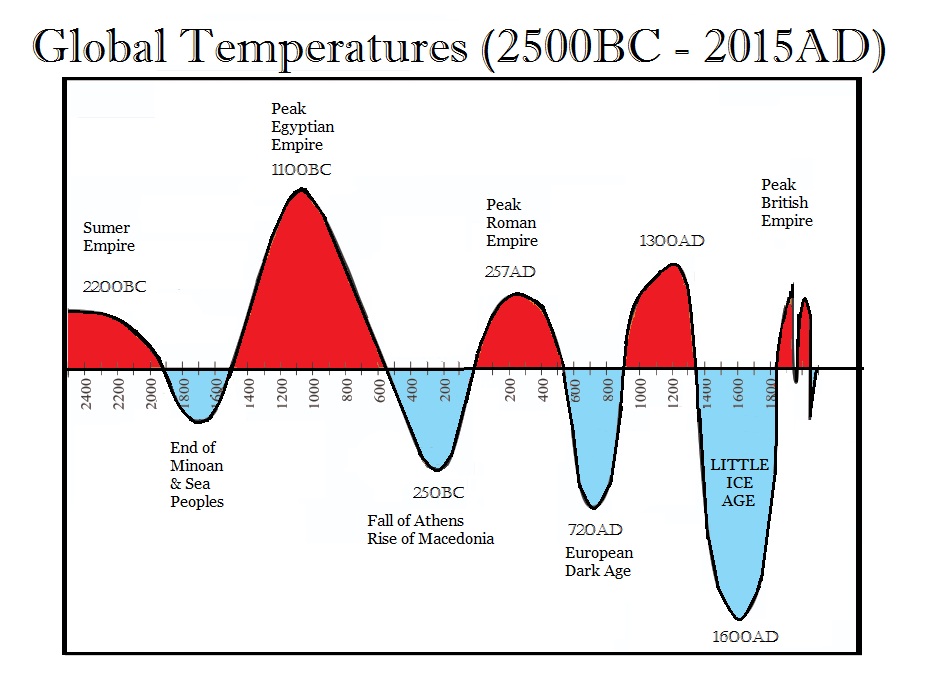
Climate Change is not just simply that there is a unusual cold storm or heat wave. Yet these people harp on each individual event as proof of their theory. Real climate change has to do with shifting patterns of weather and the progressive long-term trend. Their forecasts are based upon assuming whatever trend is in motion will remain in motion. That is a fatal flaw in analysis if we are talking about markets or weather. They really need to understand that there are cycles to start with





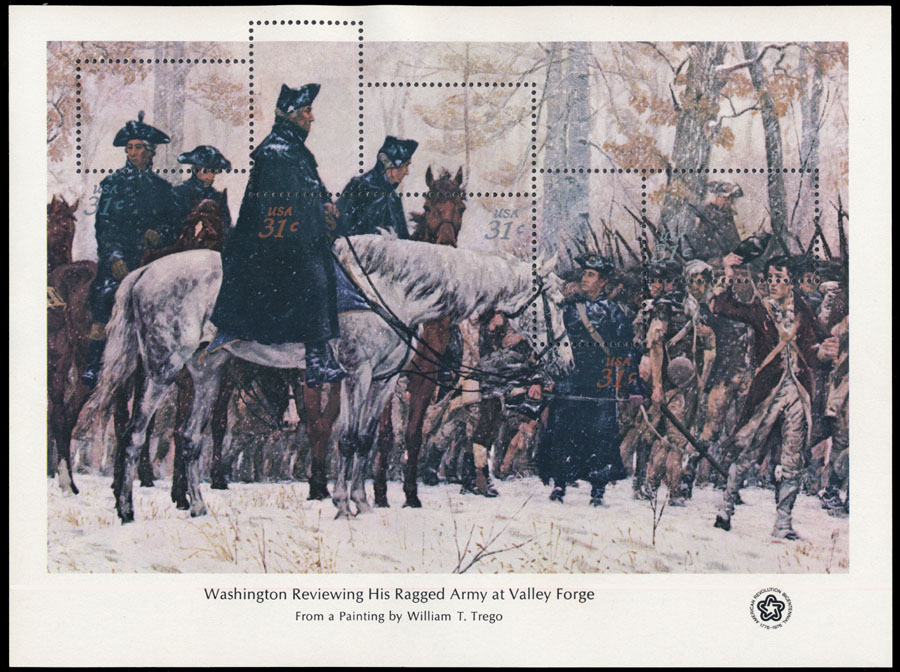
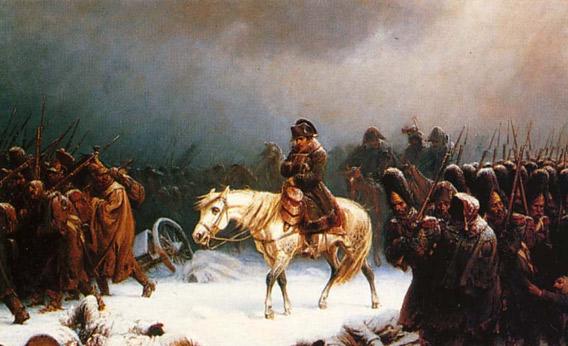 The Post Office even issued commemorative stamps in 1976 noting that winter event. Washington and his troops suffered more in Morristown, N.J., during the Hard Winter of 1779-80. Violent snowstorms had battered the Northeast, and both Boston and New York harbors were completely frozen over. The weather made it impossible to bring supplies to the men, many of whom had no coats or even shoes. They couldn’t even eat for days at a time. The soldiers finally mutinied in early May, though an officer persuaded them to abandon their rebellion. Just as the weather had