The Federal Reserve raised the benchmark by 25 bps, as expected. The Fed fully understands that the manipulation of the CPI is a necessary aspect both for containing government benefits and understating inflation also results in high tax revenues. The market loves hope, and as a result, they focused on the warning that we’ll be in restrictive territory for just a bit longer. Most still believe that there will be a slowdown in inflation just ahead.
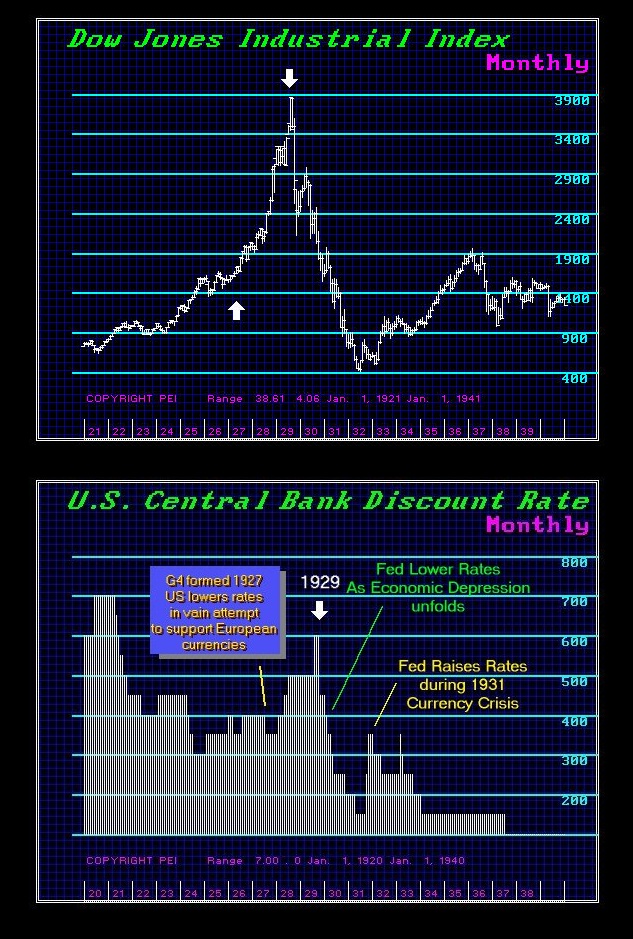
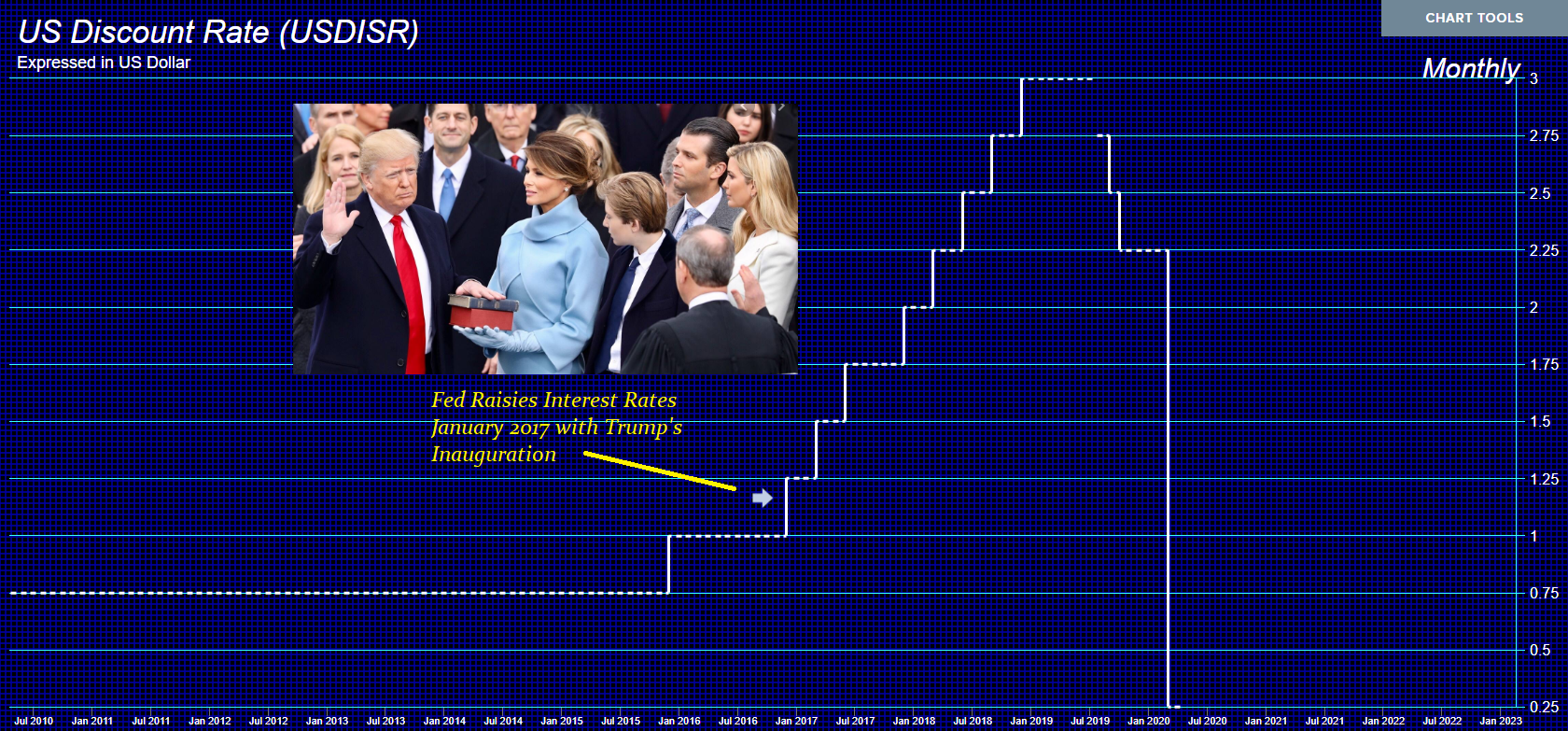
The Fed’s cautionary commentary saying that the “disinflation process” has started triggered shares to jump ending up 1%. This shows how insane the analysis had become that they cheer a recession and think that lower interest rates are bullish for the stock market. Obviously, they just listen to the talking heads on TV and have never bothered to look at reality. When interest rates decline, so has the stock market. Interest rates rose for the entire Trump Rally, and they crashed during the Great Recession of 2007-2009. For the life of me, I just shake my head when the talking heads cheer lower rates and spread doom and gloom with higher rates.
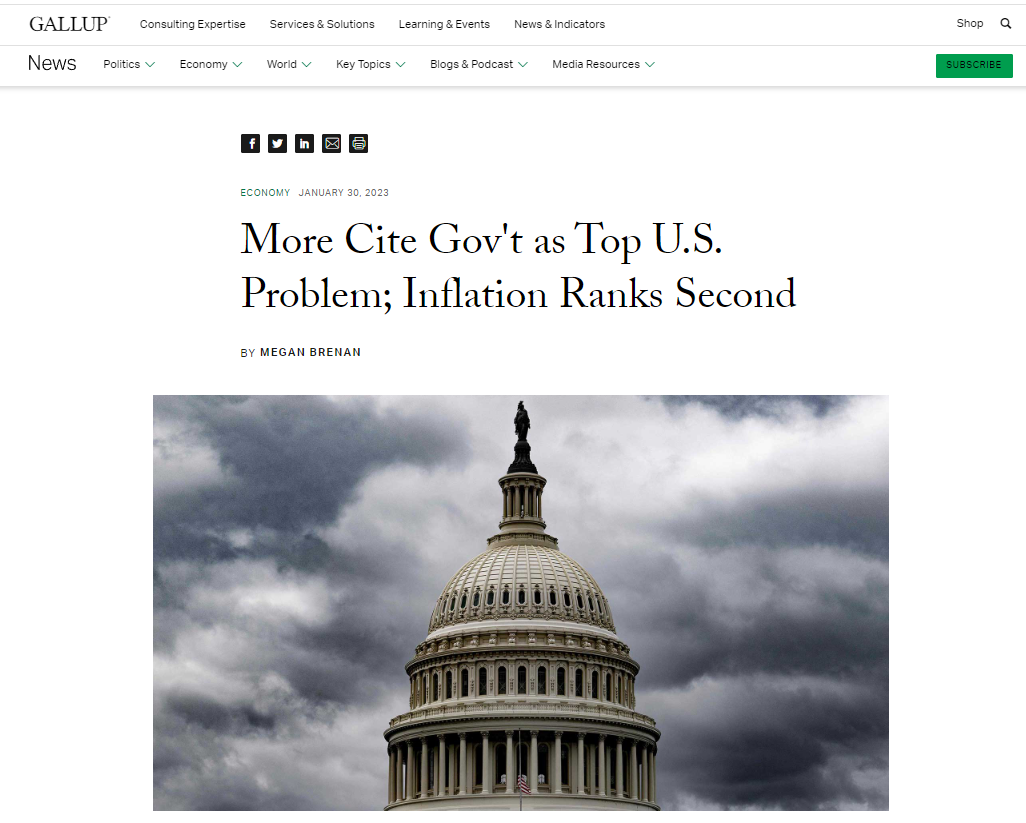
Gallup has just confirmed what our computer has been forecasting especially since 2011. The majority of Americans now say that a lack of leadership from President Biden and Congress is the country’s biggest problem and that means the entire world. Perhaps aliens should have a right to vote for the decisions of the Biden Administration are destroying lives around the world.
The Gallup Poll shows that it is the collapse of confidence in a government that is now viewed as the greatest threat even more so than inflation, the immigration crisis, and the state of the economy. Despite Americans suffering economically with higher taxes and inflation reducing the standard of living, they have cited that “the government/poor leadership” is now in the No. 1 spot taking that place from inflation over the past year. Gallup has reported that 21% of Americans name our incompetent government as the “most important problem facing this country today” compared to the 15% who said so last year, a Gallup Poll found.
Inflation and the economy came in last year as the top two issues — tied at 16% each — followed by the government (15%), immigration (8%), and unifying the country (6%). However, over the past year, Americans’ concerns with the economy fell 6% to 10%, with inflation falling one point to 15%, and immigration rose 3 points to 11%.
Just wait until they realize that the Biden Administration is so incompetent, it has allowed the Neocons to wage World War III on two fronts – China and Russia. These people will destroy Western Civilization and that is what 2032 is all about.
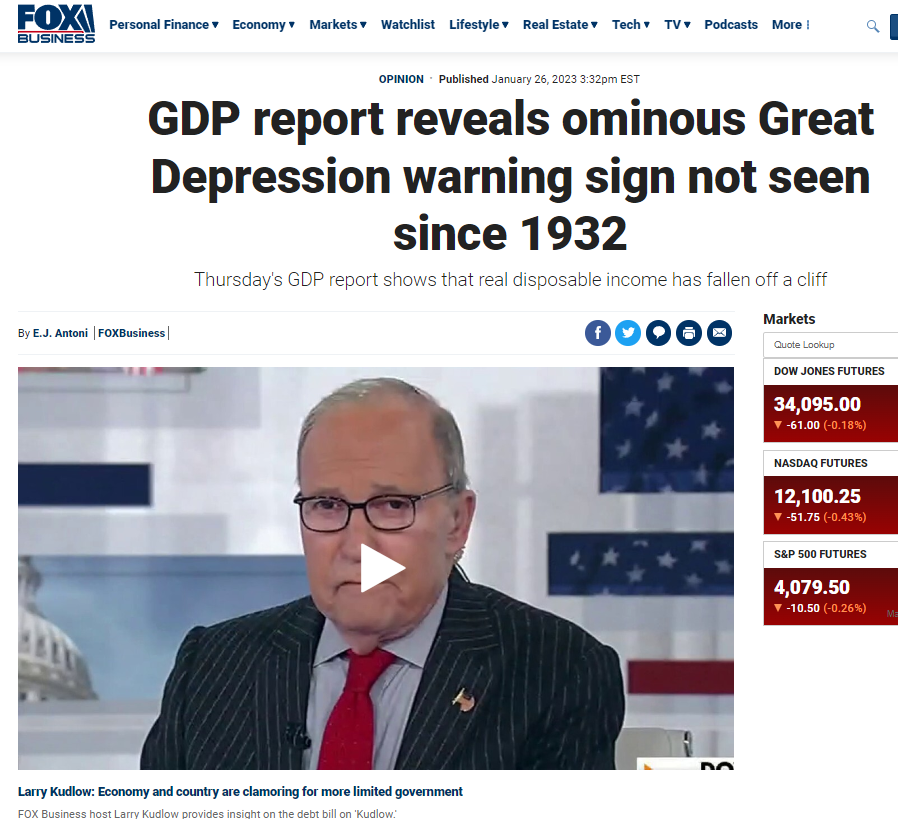
Fox Business is reporting that economic conditions are much worse than you are being told. Unfortunately, this is the conclusion when you have ZERO understanding of the historical trends and economic conditions. It is true that the shortages of COVID have caused prices to rise faster than economic growth and most incomes. Therefore, they conclude that our standard of living has been rapidly declining. The number reveals that more than one-third of all U.S. young adults are being supported in part by their parents. Thanks to COVID, this disrupted society far greater than anyone is reporting. In addition to the shortages because of the lockdowns, by the end of 2020, more than half of young adults in America were living with one or both parents. That statistic actually exceeded the record high of the Great Depression.
Here is the worst part of this analysis. Many are jumping on the bandwagon claiming that the decline in real disposable income has been the largest since 1932 and therefore, this is a warning sign of a Great Depression is coming. They seem to be focused on the fact that the GDP report showed a significant decline in real disposable income, which fell over $1 trillion in 2022. Now let’s look closer!
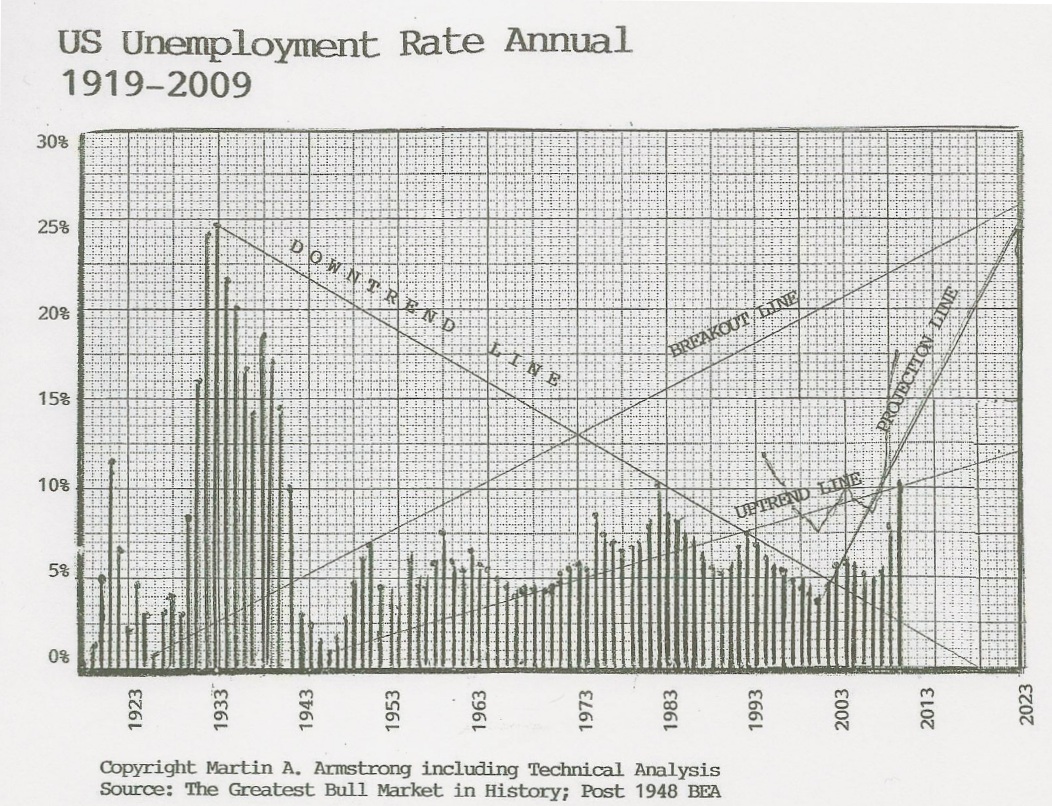
First of all, the entire reason why unemployment rise to 25% during the latter part of the Great Depression was the Dust Bowl. Why? At that time, about 40% of the civil workforce was still agrarian. The Dust Bowl meant job loss. If you could not even plant crops, there was no need for people to pick crops.
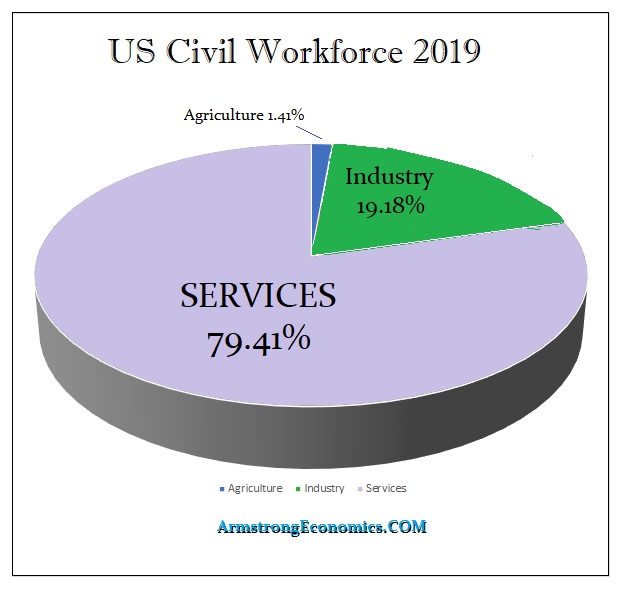
Service during the Great Depression accounted for 17% of the workforce compared to 44%+ today. Government, federal, state, and local, was 22% of the civil workforce during the Great Depression compared to 33% by 1980. Things have continued to evolve and by 2019, services represent 79.41%. Agriculture is now a tiny fraction of what it once was – 1.41%.
In the USA, at the state level, their share of the civil workforce varies greatly. Florida is at about 11.3% compared to New Mexico which is 22.5% – a government employee’s paradise. The lowest is Michigan at 10.1%.
During the Great Depression, the entire reason for the collapse in disposable income was the collapse in agriculture which created a collapse in income due to massive unemployment. That is totally different from the crisis we have today.
Here we have rising prices due to shortages and then central banks raising interest rates in a fool’s quest to stop inflation when it is not based on speculation. Moreover, the biggest borrower is the government, and rising interest rates will only increase their exposure to keep rolling over the debt. Therefore, governments have been borrowing year after year. What happens when the public no longer buys their debt? Real disposable income has been collapsing for completely different reasons since 1932. Here we have the costs of everything rising and then these people want war with Russia and China. Every war since the start of recorded history has resulted in inflation. Add to this, the total insanity of trying to end climate change by outlawing fossil fuels at a time when the climate is prone to getting colder.
We are already witnessing riots around the world BECAUSE of inflation. During the Great Depression, people were suffering from DEFLATION. So comparing just that statistic of a decline in personal income and projecting we now face a Great Depression, does not even qualify to be classified as analysis. That is no different from someone warning that carrots must be lethal because everyone who has ever eaten a carrot has obviously died.
As I’m watching President Trump doing the familiar targeting of the GOPe roadmap, in this instance hitting the Club for Growth (CfG), my spidey senses are telling me their modified 2024 path will involve increased emphasis on the Republican Governors Association (RGA).
In the 2020 midterms, the RGA headed by Arizona Governor Doug Ducey was positioning: specifically positioning Ron DeSantis. If the modified establishment roadmap rolls out as it looks right now, I suspect the RGA will play a key role in it.
President Trump hit back against the always insufferable Club for Growth yesterday. The CfG together with the Business Roundtable and U.S. Chamber of Commerce are the political nexus for all things multinational, Wall Street and globalist. Republican candidates endorsed by either of these assembled corporate advocacy groups can always be counted on to sell-out the American worker. This is the insider club activity within the larger Republican network, all aligned with Mitch McConnell and the DeceptiCon crew.
Whenever you see President Trump hit the power dynamic, he generally hits the shadow network, the true motive for the attack, that align with it. In this case CfG has a long history of paid support for Florida Governor Ron DeSantis.
It is true that Club for Growth represent the “globalist,” which is to say, ‘America Last’, perspective. DeSantis long political alignment with CfG to include his support for Fast Track Trade Promotion Authority (TPA), the tool for the Transpacific Partnership trade deal (TPP), is a part of his legislative record that Ron DeSantis cannot avoid.
However, beyond the corporate alignment, Wall Street banks and hedge fund billionaires, the people managing RdS are trying to avoid confrontation with President Trump on the key issues. Corporatism and Ukraine are the two biggest Achilles heels of the Florida governor.
The RdS managers have so far kept their principal from the foray. Preferring to let their recruited surrogates and conservative ‘influencers’ do the wagon-circling on behalf of DeSantis. This looks to have been a key part of the strategy within the RdS centric roadmap and explains why Christina Pushaw began those recruitment efforts in December 2021, culminating in the first meeting on January 6, 2022.
The second prong of the establishment approach to 2024 (DeSantis) that looks slightly different from 2016 (Jeb!) is the focus on South Carolina as a fulcrum primary race. As a result, we are seeing South Carolina Nikki Haley and South Carolina Tim Scott now positioning to enter the contest. Scott will be heading to Iowa later in February [LINK].
President Trump is doing something familiar by hitting DeSantis as the Club for Growth becomes confrontational. It’s one of the key differences between President Trump as a politician and all others. Trump remains focused on the non-pretending true beneficiary of the overall roadmap. Trump did the same thing with Jeb! in 2016.
In addition to Tim Scott and Nikki Haley, it is likely we will see Mike Pompeo, Chris Sununu, Mike Pence and Larry Hogan enter the 2024 contest for the GOP nomination. However, each of them will simply be forming a common line of attack against Godzilla Trump, permitting Ron DeSantis extra time before he needs to stop pretending and actually announce his intent.
If the roadmap holds up, DeSantis will be the last one to enter.
This is where the RGA looks to have been recruited for a larger role in 2024 than was deployed in 2016. Keep an eye on Republican governors and how they position their advocacy and endorsements.
While the online social media Pushaw group will be trying to attack MAGA voices and create the illusion of overwhelming support for the principal, DeSantis, the mainstream RGA voices will talk high-brow about the need for change and a brand of strategic politics they will claim only Ron DeSantis can provide. This forms the multiple fronts against the MAGA coalition that we will face later this year.
Trump’s strength in this contest is that he doesn’t need to pretend. The DeSantis weakness in this contest is that he must pretend he is not running as long as possible. Thus, in that very specific dynamic you will find the source motive for Pushaw’s early efforts with the “influencers”. However, on national economic matters as well as Ukraine corruption issues, you will note a comprehensive silence from RdS directly.
President Trump is exceptional at using the literal truth as a weapon against all of the shadowy aligned elements. Fox News, Paul Ryan, Karl Rove, CfG, the Murdoch clan, as well as the larger multinational billionaires and globalists are following a very transparent program, if you know what to look for.
Enhancing this strategy is where the RGA will come into play. All of them took a strategic loss when Harmeet Dhillon did not win the RNC chair position, which was particularly noteworthy due to the RdS endorsement. Once DeSantis enters the race it will be six or seven against one, with each of the individual partipants aligning to drop out in sequence and endorse the principal.
Keep watching… and keep all of the above in mind as you review this discussion about the GOPe dynamic.
Posted originally on the CTH on January 30, 2023 | Sundance
This is a topic we have covered extensively, and it is great to see Tucker Carlson questioning the sudden alignment of various elements that are creating a very real food insecurity problem.
The #1 factor in the shortage of food production is the newly emboldened ‘western energy policy‘ and the impact energy has on everything from field (fertilizer) to fork (distribution). Other factors include government policy that blocks food development (Dutch, Irish and Sri Lanka Farmers), a sudden uptick in food facilities having major fires and damage, and a series of issues with the feed that goes into the production of proteins.
This is all happening as the advancement of insects as a more “sustainable” protein replacement is being advanced by the same western governments. However, if you happen to notice that all of the issues travel in the same direction, you are a conspiracy theorist, or something. WATCH:
We have been watching the predictable outcomes surrounding the western government shift to change energy policy for almost two years. Approximately a year ago we first said, “the absence of food will change things.”
As energy resources like natural gas were curtailed the resulting price increase and subsequent shortage of fertilizer was discussed in great detail well in advance.
Now, we are starting to see exactly what those warning voices were talking about.
An interesting article in ZeroHedge Saturday [SEE HERE] draws attention to how the media can no longer try to ignore the created global food crisis.
ZeroHedge – People on the other side of the planet are dropping dead from starvation right now, but most people don’t even realize that this is happening. Unfortunately, most people just assume that everything is fine and dandy. If you are one of those people that believe that everything is just wonderful, I would encourage you to pay close attention to the details that I am about to share with you. Global hunger is rapidly spreading, and that is because global food supplies have been getting tighter and tighter.
If current trends continue, we could potentially be facing a nightmare scenario before this calendar year is over. (read more)
The article then goes on to detail the issues and food shortages in Pakistan, India and the entire African continent. Factually, according to media reports on the region, the worst food crisis in history is happening – yet most U.S. and European Union media are avoiding it. The famine is happening in almost complete western silence.
Keep in mind, none of this is unexpected. In fact, the G7 countries discussed the pending problem in mid 2022, yet no one took any steps to avoid it.
Vladimir Putin’s military action against eastern Ukraine had nothing to do with the severe food shortages and inflation in Sri Lanka {link}. Nor did Russia have any influence over the Dutch government trying to stop food production {link}. Additionally, Putin had no control over Justin Trudeau’s decision to limit harvest yields by blocking the use of nitrogen-based fertilizer {link}. More importantly, it was not Vladimir Putin who forced all the western politicians to sign up for a new ‘climate friendly’ energy program that is destroying the ability of western farms to generate higher yield crops.
You do not need to be a farmer to understand that nitrogen/phosphorus-based industrial fertilizer has been the reason why farm yields have generated massive amounts of food on a global basis. The United States, Canada, the U.K. and places like the Netherlands have massively increased their ability to generate food for export, in large part due to the success of improved fertilizer and crop saving modern pesticides. Take those farming advancements away under the guise of climate change and you get Sri Lanka, Pakistan and now the African Continent.
Those western climate and energy policies create downstream consequences. The decision to chase a new global energy policy under the name “Build Back Better,” in combination with short-sighted EU sanctions against Russia, and you get food shortages.
It was not Vladimir Putin who told British Prime Minister Boris Johnson and German Chancellor Olaf Scholz their proactive recommendation to switch from crop-based biofuels to human food would be blocked. That G7 decision was made by Justin Trudeau and Joe Biden. {link} Even more significantly, it was not Russia who threatened the multinational energy companies about investing in Africa for expanded natural gas supplies for their fertilizer needs. That threat came from the same western government alliance, per their instructions from the World Economic Forum group {link}.
It was predictable {JUNE 21st} {June 30th} and {July 6th} that western government leaders would seek to avoid responsibility for the food crisis they created, and throughout the latter part of 2022 we saw western media trying, desperately, to frame Russia for global food shortages in order to protect western politicians.
I said this in July of last year and as the consequences now surface it is even more critical to understand.
Joe Biden, NATO, the G7, the European Union, the World Bank, USAID, and every western leader in the United States and Europe stated in early and mid 2022 there will be food shortages in 2023.
They did not say there might be shortages; their statements were emphatic, there will be shortages.
Accept this basic cornerstone. Then ask why not a single proactive step has been taken by any of the aforementioned institutions or governments to alleviate what they declare is a certainty. Why?
Simple question, “why?”
If all of the western nations, non-govt organizations and heads of state, are aware of a coming food crisis, why is there no proactive response?
It is a question that even the most hardcore leftists will not answer, because there is only one answer. No action is being taken because they do not want to take action. No effort to avoid the crisis is being done, because they do not want the crisis avoided.
Peel all the layers of obfuscation and causation away, and what we find is the epicenter of the food shortage is directly the result of the Build Back Better agenda. A post-pandemic western government deliberate decision to radically change global energy development. In succinct terms, the climate change agenda.
However, regardless of how you feel about the validity of “climate change,” the cause of diminished food supplies is purposeful. It is not climate change causing food shortages. It is the purposeful action taken under the guise of mitigating climate change that is causing the shortage of food.
The collective Build Back Better energy policy of western governments’ is the reason for massive increases in energy costs, massive oil price jumps, gasoline price increases, significant increases in chemical costs, increases in diesel fuel costs, shortages of fertilizer created using natural gas, and the end result is lower crop yields, higher farming costs and eventually, food shortages. They knew this.
All of the organizations and government who have been decrying the future shortage of food, know it is the radical shift in energy resource development that is creating the crisis. This acceptance of reality begins the framework to understand just how entrenched and committed these western leaders are toward their beloved climate change agenda.
We are only just now beginning to see the first aspects of the food shortage. However, once the issue becomes unavoidable the western leaders will not and cannot accept the blame for what they have done. They will blame-cast, excuse and justify what is surfacing.
Food shortages will be blamed on the Ukraine conflict, Russian aggression, climate change and any various iteration of justification that does not identify the true cause, their energy ideology.
I’m not so sure that people fully understand what the entire system of western government would be willing to do to avoid being blamed for avoidable death on a potential scale that is quite alarming. All of the western leaders, institutions and governments are on the same boat. They are all in this together.
(June 22, 2022) – (Reuters) – The European Union is divided on how to help poorer nations fight a growing food crisis and address shortages of fertilizers caused by the war in Ukraine, with some fearing a plan to invest in plants in Africa would clash with EU green goals.
The need for food “clashes with EU green goals.”… Let that sink in.
Posted originally on the CTH on January 29, 2023 | Sundance
With talking points in hand CBS’s Margaret Brennan drops all pretenses and goes straight into her role as defender of the Biden regime in the White House.
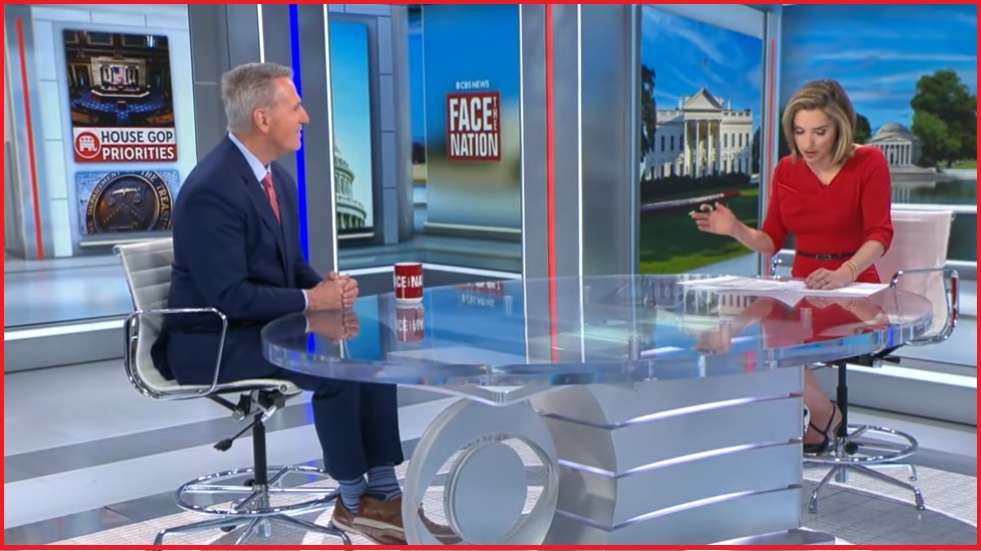
House Speaker Kevin McCarthy appears on Face the Nation for a dueling narrative contest with Ms. Brennan. WATCH (transcript below):
REPRESENTATIVE KEVIN MCCARTHY (R-California): Good morning. Thanks for having me back in studio.
MARGARET BRENNAN: It must be sobering to hear that reminder.
REPRESENTATIVE KEVIN MCCARTHY: Well, it took me a little while to get there, but it feels good.
(LAUGHTER)
MARGARET BRENNAN: Well, you are here now at this key moment in time. And I want to get to some of the top agenda items.
You have accepted an invitation to meet with President Biden. When will that happen, and what offer will you put on the table?
REPRESENTATIVE KEVIN MCCARTHY: Well, we’re going to meet this Wednesday.
I know the president said he didn’t want to have any discussions, but I think it’s very important that our whole government is designed to find compromise. I want to find a reasonable and a responsible way that we can lift the debt ceiling, but take control of this runaway spending.
I mean, if you look at the last four years, the Democrats have increased spending by 30 percent, $400 billion. We’re at a 120 percent of GDP. We haven’t been in this place to debt since World War 2. So we can’t continue down this path.
And I don’t think there’s anyone in America who doesn’t agree that there’s some wasteful Washington spending that we can eliminate.
MARGARET BRENNAN: Mm-hmm.
REPRESENTATIVE KEVIN MCCARTHY: So, I want to sit down together, work out an agreement that we can move forward to put us on a path to balance, at the same time, not put any — any of our debt in jeopardy at the same time.
MARGARET BRENNAN: But avoid a default, in other words?
REPRESENTATIVE KEVIN MCCARTHY: Yes.
MARGARET BRENNAN: But do you have any indication that the president is willing to discuss both lifting the debt ceiling and the issue of future spending?
REPRESENTATIVE KEVIN MCCARTHY: Well, if he’s changed his mind from his whole time in the Senate and vice president before — I mean, he literally led the talks in 2011 and he praised having those talks. This is what he’s always done in the past.
And if he listens to the American public, more than 74 percent believe we need to sit down and find ways to eliminate this wasteful spending in Washington. So, I don’t believe he would change his behavior from before, and I know there’s a willingness on our side to find a way that we can find a reasonable and responsible way to get this done.
MARGARET BRENNAN: But, right, I mean, you know why I’m asking that…
REPRESENTATIVE KEVIN MCCARTHY: Yes.
MARGARET BRENNAN: … in terms of not linking one as leverage for the other.
REPRESENTATIVE KEVIN MCCARTHY: Yes.
Well, in my first conversation — and, to be fair, the president, when he called me to congratulate winning speaker, this is one of the first things I brought up to him. And he said we’d sit down together.
Now, I know his staff tries to say something different, but I think the president is going to be willing to make an agreement together.
MARGARET BRENNAN: Well, we’ll watch for that on Wednesday.
REPRESENTATIVE KEVIN MCCARTHY: I’m hopeful, yes.
MARGARET BRENNAN: I want to dig into what you are willing to put on the table because Republicans campaigned on fiscal responsibility.
You promised you won’t spend more next year than you did last year. Are you willing to consider any reductions to Social Security and Medicare?
REPRESENTATIVE KEVIN MCCARTHY: No. Let’s take those off the table. We want to…
MARGARET BRENNAN: Completely?
REPRESENTATIVE KEVIN MCCARTHY: Yes.
I mean, if you read our commitment to America, all we talk about is strengthening Medicare and Social Security. So — and I know the president says he doesn’t want to look at it, but we’ve got to make sure we strengthen those. I think…
MARGARET BRENNAN: What do you mean by strengthen them? You mean lift the retirement age, for example?
REPRESENTATIVE KEVIN MCCARTHY: No, no, no.
What I’m talking about, Social Security and Medicare, you keep that to the side. What I want to look at is, they’ve increased spending by 30 percent, $400 billion, in four years. When you look at what they have done, adding $10 trillion of debt for the next 10 years in the short time period, if you just look a month ago, they went through and they never even passed a bill through appropriations in the Senate.
While Mr. Schumer has been leader, he’s never passed a budget. He’s never passed the appropriation bill. He simply waits to the — to the end of the year and allowed two senators who are no longer here to write a $1.7 trillion omnibus bill. I think we…
MARGARET BRENNAN: You want to work with Democrats to come to agreement on a budget?
REPRESENTATIVE KEVIN MCCARTHY: Yes.
MARGARET BRENNAN: Is that what you’re saying?
REPRESENTATIVE KEVIN MCCARTHY: Yes, I — I first think our very first responsibility, we both should have to pass a budget. We both should have to pass the appropriations bill, so the country can see the direction we’re going.
But you cannot continue the spending that has brought this inflation, that has brought our economic problems. We’ve got to get our spending under control.
MARGARET BRENNAN: OK, just fact-check, though, 25 percent of the debt was incurred during the last four years of the Trump presidency. I mean, this is cumulative debt over many, many years.
REPRESENTATIVE KEVIN MCCARTHY: Yes, well, over the short — this time period.
MARGARET BRENNAN: Yes.
REPRESENTATIVE KEVIN MCCARTHY: But you’ve also found that you had a pandemic.
MARGARET BRENNAN: Right.
REPRESENTATIVE KEVIN MCCARTHY: And, as that pandemic comes down, those programs leave. I have watched the president say he cut it.
No, it is spending $500 billion more than what was projected. They have spent more. And we’ve got to stop the waste.
MARGARET BRENNAN: Is defense spending on the table?
REPRESENTATIVE KEVIN MCCARTHY: Well, look, I — I want to make sure we’re protected in our defense spending, but I want to make sure it’s effective and efficient.
I want to look at every single dollar we’re spending, no matter where it’s being spent. I want to eliminate waste wherever it is.
MARGARET BRENNAN: But when you became speaker, you did come to that agreement I have referenced of capping ’24 spending at ’22 levels.
REPRESENTATIVE KEVIN MCCARTHY: Well, look, listen…
MARGARET BRENNAN: So that would call for reductions.
REPRESENTATIVE KEVIN MCCARTHY: Well, I mean, look, you’re going to tell me, inside defense, there’s no waste? Others? I mean…
(CROSSTALK)
MARGARET BRENNAN: So defense spending is up for negotiation?
REPRESENTATIVE KEVIN MCCARTHY: They spend a lot of — I think everything, when you look at discretionary, is sitting there.
It’s like every single household. It’s like every single state. We shouldn’t just print more money. We should balance our budget. So I want to look at every single department. Where can we become more efficient, more effective, and more accountable? That should be…
MARGARET BRENNAN: So, more efficiencies in Social Security and Medicare as well?
REPRESENTATIVE KEVIN MCCARTHY: The one thing I want to say, we take Social Security…
MARGARET BRENNAN: Completely?
REPRESENTATIVE KEVIN MCCARTHY: … and Medicare off the table.
MARGARET BRENNAN: Would you support a short-term debt limit extension until September, buy more time for talks?
REPRESENTATIVE KEVIN MCCARTHY: Look, I don’t want to sit and negotiate here.
I would rather sit down with the president, and let’s have those discussions. The one thing I do know is, we cannot continue the waste that is happening. We cannot continue just to spend more money and leverage the debt of the future of America.
MARGARET BRENNAN: Right.
REPRESENTATIVE KEVIN MCCARTHY: We’ve got to get to a balanced budget.
MARGARET BRENNAN: Well, and I think many people would agree with you on the issue of fiscal responsibility, but there’s that deadline on the calendar in terms of facing potential default.
Are you saying…
REPRESENTATIVE KEVIN MCCARTHY: Well, wait. Wait a minute…
MARGARET BRENNAN: … you will guarantee the United States will not do that?
REPRESENTATIVE KEVIN MCCARTHY: Listen, we’re not going to default.
But let me be very honest with you right now. So we hit the statutory date. But let’s take a pause. We have hundreds of billions of dollars. This won’t come to fruition until sometime in June. So the responsible thing to do is sit down like two adults and start having that discussion.
MARGARET BRENNAN: Mm-hmm.
REPRESENTATIVE KEVIN MCCARTHY: Unfortunately, the White House was saying before, like, they wouldn’t even talk.
MARGARET BRENNAN: Right.
REPRESENTATIVE KEVIN MCCARTHY: I’m — I’m thankful that we’re meeting on Wednesday, but that’s exactly what we should be doing.
And we should be coming to a responsible solution. Every family does this. What is — what has happened with the debt limit is, you reached your credit card limit. Should we just continue to raise the limit? Or should we look at what we’re spending?
MARGARET BRENNAN: Well, it’s paying past commitments.
REPRESENTATIVE KEVIN MCCARTHY: If Chuck Schumer — yes, but if — no, no.
Chuck Schumer never passed a budget since he’s been leading. He’s never passed an appropriation bill. Those are the most basic things that Congress should do. And what — if you’re going to show to the American public where you want to spend your money, and if you’re going to ask the hardworking taxpayer for more of their money, you first should lay out how you’re going to spend it, and you should eliminate any waste, so you don’t have to raise more taxes.
MARGARET BRENNAN: But just to put a fine point on it, because it matters a lot to the markets in particular, you will avoid a default? You will not let that happen on your watch?
REPRESENTATIVE KEVIN MCCARTHY: Look, there will not be a default.
But what is really irresponsible is what the Democrats are doing right now, saying you should just raise the limit.
MARGARET BRENNAN: But would you…
REPRESENTATIVE KEVIN MCCARTHY: I think…
MARGARET BRENNAN: Would you get in the way — if 15 Republicans came to you and said they would be willing to raise the debt limit…
REPRESENTATIVE KEVIN MCCARTHY: The only person — but let me be very clear.
MARGARET BRENNAN: … would you allow them to do so with Democrats?
REPRESENTATIVE KEVIN MCCARTHY: The person — the only person who is getting in the way right now is the president and Schumer. They won’t even pass a budget. They won’t even negotiate. We have now until June.
I want to make sure we have something responsible, something that we can move forward on and something that we can balance our debt with. So I’m looking for sitting down. That’s exactly what I have been asking for. The only one who’s playing with the markets right now is the president to have the idea that he wouldn’t talk.
Does the president really believe and, really, all your viewers, do you believe there’s no waste in government? Do you believe there was no waste in that $1.7 trillion? That’s what we were spending just four weeks ago. So, I think the rational position here is, sit down, eliminate the waste and put us on a path to balance.
MARGARET BRENNAN: We’ll watch for that meeting on Wednesday.
I want to ask you about your vision of leadership. You made a number of deals within your party to win the speakership. Senator Mitch McConnell, your Republican colleague, said: “Hopefully McCarthy was not so weakened by all this that he can’t be an effective speaker.”
How can you effectively govern with a very narrow majority and when your conference is so divided?
REPRESENTATIVE KEVIN MCCARTHY: Well, that may be somebody else’s opinion. So let’s just see what my father always said. It’s not how you start. It’s how you finish.
So, let’s — you see what happened in the first week. So, in the very first week, we have passed what? We repealed the 87,000 IRS agents. We bipartisanly created a new Select Committee on China, where 146 Democrats joined with us.
We bipartisanly passed to stop the Strategic Petroleum Reserve being sold to China, where 113 Democrats joined with us. We have just now, for the first time on the House — it hasn’t happened in seven years, the entire time the Democrats were in the majority, where you had an open rule.
And let me explain what that is. An open rule allows every single member of the House to offer an amendment on a bill. So what I’m trying to do here is let every voice in America have their ability inside the House. We opened the House back up so the public could actually join.
MARGARET BRENNAN: So you’re arguing you haven’t been weakened? But…
REPRESENTATIVE KEVIN MCCARTHY: I — no, it’s only been strengthened.
Maybe people didn’t like what they saw that we didn’t win on the very first vote, but that was democracy. And what you found at the end of the day, we’re actually stronger.
MARGARET BRENNAN: Well, I would…
REPRESENTATIVE KEVIN MCCARTHY: You know what else?
MARGARET BRENNAN: Yes.
REPRESENTATIVE KEVIN MCCARTHY: We changed it where members of Congress now have to show up for work. I know, in the Senate, they don’t come very often.
But if you look what we’ve been able to do, we’re transforming Congress. We’re looking for solutions.
MARGARET BRENNAN: But you also allowed one — just one member now can force a vote to oust you as speaker.
REPRESENTATIVE KEVIN MCCARTHY: OK.
MARGARET BRENNAN: How can you expect to serve in the next two years in this role?
REPRESENTATIVE KEVIN MCCARTHY: Exactly how every other speaker has served with that.
MARGARET BRENNAN: Without those rules like that right now.
REPRESENTATIVE KEVIN MCCARTHY: No.
MARGARET BRENNAN: That’s a risk.
REPRESENTATIVE KEVIN MCCARTHY: OK.
MARGARET BRENNAN: I mean, do you really think you can control the Freedom Caucus and some of those more conservative members who gave you such a hard time?
REPRESENTATIVE KEVIN MCCARTHY: Everybody has a voice.
But let me — let me explain that. That one vote to vacate, that’s not new. That’s been around for 100 years. The only person who took it away when they got a small majority was Nancy Pelosi. So, Nancy felt she did not have the power to stay in office if that was there. I’m very comfortable in where we are.
MARGARET BRENNAN: OK.
REPRESENTATIVE KEVIN MCCARTHY: So I don’t have any fear in that.
MARGARET BRENNAN: You don’t regret any of the concessions you made?
REPRESENTATIVE KEVIN MCCARTHY: The only concession I made was taking it from five to one, where it’s been around for 100 years.
MARGARET BRENNAN: I want to ask you about some of the makeup of your caucus.
REPRESENTATIVE KEVIN MCCARTHY: Yes.
MARGARET BRENNAN: According to CBS records, 70 percent of the House GOP members denied the results of the 2020 election.
You’ve put many of them on very key committees, Intelligence, Homeland Security, Oversight. Why are you elevating people who are denying reality like that?
REPRESENTATIVE KEVIN MCCARTHY: Well, if you look to the Democrats, their ranking member, Raskin, had the same thing, denied Trump when Bush was in there. Bennie Thompson, who was the…
(CROSSTALK)
MARGARET BRENNAN: Did you see those numbers we just put up there?
REPRESENTATIVE KEVIN MCCARTHY: Did you see the — yes.
MARGARET BRENNAN: Seventy percent.
REPRESENTATIVE KEVIN MCCARTHY: Did you also be fair and equal and where you looked at Raskin did the same thing. Bennie Thompson, who’s a ranking member and was the chair?
These individuals were chair in the Democratic Party.
MARGARET BRENNAN: I’m asking you, as leader of Kevin McCarthy’s House…
REPRESENTATIVE KEVIN MCCARTHY: But I’m also — I’m also…
MARGARET BRENNAN: … why you made these choices. These were your choices.
REPRESENTATIVE KEVIN MCCARTHY: Yes, They’re my choices, but they’re the conference choices.
But I’m also asking you, when you look to see just Republicans, Democrats have done the same thing. So maybe it’s not denying. Maybe it’s the only opportunity they have to have a question about what went on during the election.
So, if you want to hold Republicans to that equation, why don’t you also hold Democrats? Why don’t you hold Jamie Raskin? Why don’t you hold Bennie Thompson, when Democrats had appointed them to be chair? I never once heard you ask Nancy Pelosi or any Democrat that question when they were in power in the majority, when they questioned…
MARGARET BRENNAN: You’re talking about things going back to 2000, which was a time…
REPRESENTATIVE KEVIN MCCARTHY: Well, you’re talking about…
MARGARET BRENNAN: … when I didn’t have this show back then…
REPRESENTATIVE KEVIN MCCARTHY: Yes.
MARGARET BRENNAN: … which is why I’m asking you now about your leadership.
REPRESENTATIVE KEVIN MCCARTHY: No, on, but they were — they were in power last Congress. So, why — why…
MARGARET BRENNAN: But you’re talking about questions from 2000 election.
REPRESENTATIVE KEVIN MCCARTHY: But you’re asking me about that happened to another Congress.
MARGARET BRENNAN: About these choices you just made, you just made.
REPRESENTATIVE KEVIN MCCARTHY: You’re asking about questions for another Congress.
So, the only thing I’m simply…
MARGARET BRENNAN: This is your Congress.
REPRESENTATIVE KEVIN MCCARTHY: These — these are members who just got elected by their constituents, and we put them into committees, and I’m proud to do it.
MARGARET BRENNAN: Let me ask you about some specifics then. Marjorie Taylor Greene, you put her on a new subcommittee to investigate the origins of COVID.
REPRESENTATIVE KEVIN MCCARTHY: Yes.
MARGARET BRENNAN: She compared mask requirements to the type of abuse Jews were subjected to during the Holocaust. She called for Fauci to be arrested and imprisoned, and she spread conspiracy theories.
How is anyone supposed to take that work seriously and find that work credible?
REPRESENTATIVE KEVIN MCCARTHY: Very well. You look at all of it, so you have all the questions out there. I think what the American public…
MARGARET BRENNAN: You think these are legitimate questions?
REPRESENTATIVE KEVIN MCCARTHY: I think what the American public wants to see is an open dialogue in the process. This is a select committee where people can have all the questions they want, and you’ll see the outcome.
MARGARET BRENNAN: You know that there is a lot of doubt about institutions and faith in institutions in this country.
REPRESENTATIVE KEVIN MCCARTHY: Oh, yes, when you saw what happened in Congress where they had proxy voting, where bills didn’t go through committees, and you…
(CROSSTALK)
MARGARET BRENNAN: I don’t think most people know what proxy voting is.
REPRESENTATIVE KEVIN MCCARTHY: Well, let — well let — Well, let’s explain what proxy…
MARGARET BRENNAN: But — but approval…
(CROSSTALK)
REPRESENTATIVE KEVIN MCCARTHY: But I think it would be fair to your viewers…
MARGARET BRENNAN: Approval level, according to Gallup, of Congress is at 22 percent. Approval level of journalists is also not very high, I will give you that.
But doesn’t it further wear down credibility when you put someone who is under state, local, federal, and international investigation as a representative of your party on committees?
REPRESENTATIVE KEVIN MCCARTHY: Are you talking about Swalwell?
MARGARET BRENNAN: I’m talking about George Santos…
REPRESENTATIVE KEVIN MCCARTHY: No, I…
MARGARET BRENNAN: … representative from New York.
REPRESENTATIVE KEVIN MCCARTHY: Well, we should have that discussion. So let’s have that discussion.
You want to bring up Santos, and let’s talk about the institution itself, because I agree wholeheartedly that Congress is broken. And I think your — I think your listeners or viewers should understand what proxy voting was, because it never took place in Congress before.
MARGARET BRENNAN: But I’m asking you about George Santos.
REPRESENTATIVE KEVIN MCCARTHY: I know you asked me a question. Let me ask you.
MARGARET BRENNAN: Because you could put it to a vote to try to oust him.
REPRESENTATIVE KEVIN MCCARTHY: You asked me a question. I would appreciate if you let me answer.
So let’s go through this, because it’s not one simple answer. Congress is broken, based upon what has transpired in the last Congress. The American public wasn’t able to come in to see us. People voted by proxy, meaning you didn’t have to show up for work, Bills didn’t go — have to go through committee.
So what I’m trying to do is open the people’s house back for the people so their voice is there, so people are held accountable.
So, now, as I just had in the last week, for the first time in seven years…
MARGARET BRENNAN: Yes.
REPRESENTATIVE KEVIN MCCARTHY: … every member got to vote.
MARGARET BRENNAN: If you got a third of your caucus to vote to oust him, you could do so.
(CROSSTALK)
MARGARET BRENNAN: Do you — you don’t think you could get your Republicans to do that?
REPRESENTATIVE KEVIN MCCARTHY: I wasn’t finished answering the question.
So, if every single new person brought into Congress was elected by their constituents, what their constituents have done is lend their voice to the American public. So those members can all serve on committee.
Now, what I’m trying to do is change some of these committees as well, like the Intel Committee is different than any other committee.
MARGARET BRENNAN: So, you’re just not going to answer the question I asked?
REPRESENTATIVE KEVIN MCCARTHY: Well, no, I — no, you don’t get a question whether I answer it. You asked a question. I’m trying to get you through that.
MARGARET BRENNAN: I don’t think you’ve said the name George Santos, like, once.
(LAUGHTER)
MARGARET BRENNAN: I have asked you a few times.
REPRESENTATIVE KEVIN MCCARTHY: But you know what? I just — but — but…
MARGARET BRENNAN: You’re talking about proxy voting and other things.
REPRESENTATIVE KEVIN MCCARTHY: No, no, no, but — no, you started the question with Congress was broken, and I agreed with you.
MARGARET BRENNAN: No. Congress…
REPRESENTATIVE KEVIN MCCARTHY: But I was answering the question of how Congress is broken and how we’re changing it.
So, if I can finish the question that you asked me, how Congress is broken, I equated every single member…
MARGARET BRENNAN: Yes.
REPRESENTATIVE KEVIN MCCARTHY: … that just got elected by their — by their constituents. They have a right to serve.
MARGARET BRENNAN: OK.
REPRESENTATIVE KEVIN MCCARTHY: So that means that Santos can serve on a committee…
MARGARET BRENNAN: OK.
REPRESENTATIVE KEVIN MCCARTHY: … the same way Swalwell, who had a relationship with a Chinese spy.
MARGARET BRENNAN: Speaker…
REPRESENTATIVE KEVIN MCCARTHY: But they will not serve on Intel, because I think…
(CROSSTALK)
MARGARET BRENNAN: They’re wrapping me in the control room, because we have a break.
REPRESENTATIVE KEVIN MCCARTHY: Well that’s unfortunate. I wish I could answer the question.
MARGARET BRENNAN: I have to leave it there. I would love to have you back.
REPRESENTATIVE KEVIN MCCARTHY: I would love to be able to come back and have time to answer the questions.
MARGARET BRENNAN: OK. We’ve spent a lot of time here, and I have more questions for you.
Food shortages have historically contributed to revolutions more so than just international war. Poor grain harvests led to riots as far back as 1529 in the French city of Lyon. During the French Petite Rebeyne of 1436. (Great Rebellion), sparked by the high price of wheat, thousands looted and destroyed the houses of rich citizens, eventually spilling the grain from the municipal granary onto the streets. Back then, it was to go get the rich.
There was a climate change cycle at work and today’s climate zealots ignore their history altogether for it did not involve fossil fuels. The climate got worse at the bottom of the Mini Ice Age which was about 1650. It really did not warm up substantially until the mid-1800s. During the 18th century, the climate resulted in very poor crops. Since the 1760s, the king had been counseled by Physiocrats, who were a group of economists that believed that the wealth of nations was derived solely from the value of land and thereby agricultural products should be highly priced. This is why Adam Smith wrote his Wealth of Nations as a retort to the Physiocrats. It was their theory that justified imperialism – the quest to conquer more land for wealth; the days of empire-building.
The King of France had listened to the Physiocrats who counseled him to intermittently deregulate the domestic grain trade and introduce a form of free trade. That did not go very well for there was a shortage of grain and this only led to a bidding war – hence the high price of wheat. We even see English political tokens of the era campaigning about the high price of grain and the shortage of food to where a man is gnawing on a bone.
Voltaire once remarked that Parisians required only “the comic opera and white bread.” Indeed, bread has also played a very critical role in French history that is overlooked. The French Revolution that began with the storming of the Bastille on July 14th, 1789 was not just looking for guns, but also grains to make bread.
The price of bread and the shortages played a very significant role during the revolution. We must understand Marie Antoinette’s supposed quote upon hearing that her subjects had no bread: “Let them eat cake!” which was just propaganda at the time. The “cake” was not the cake as we know it today, but the crust was still left in the pan after taking the bread out. This shows the magnitude that the shortage of bread played in the revolution.
In late April and May of 1775, the food shortages and high prices of grain ignited an explosion of such popular anger in the surrounding regions of Paris. There were more than 300 riots and looking for grain over just three weeks (3.14 weeks). The historians dubbed this the Flour War. The people even stormed the place at Versailles before the riots spread into Paris and outward into the countryside.
The food shortage became so acute during the 1780s that it was exacerbated by the influx of immigration to France during that period. It was a period of changing social values where we heard similar cries for equality. Eventually, this became one of the virtues on which the French Republic was founded. Most importantly, theFrench Constitution of 1791 explicitly stipulated a right to freedom of movement. It was mostly perceived to be a food shortage and the reason was the greedy rich. Thus, a huge rise in population was also contributed in part by immigration whereas it reached around 5-6 million more people in France in 1789 than in 1720.
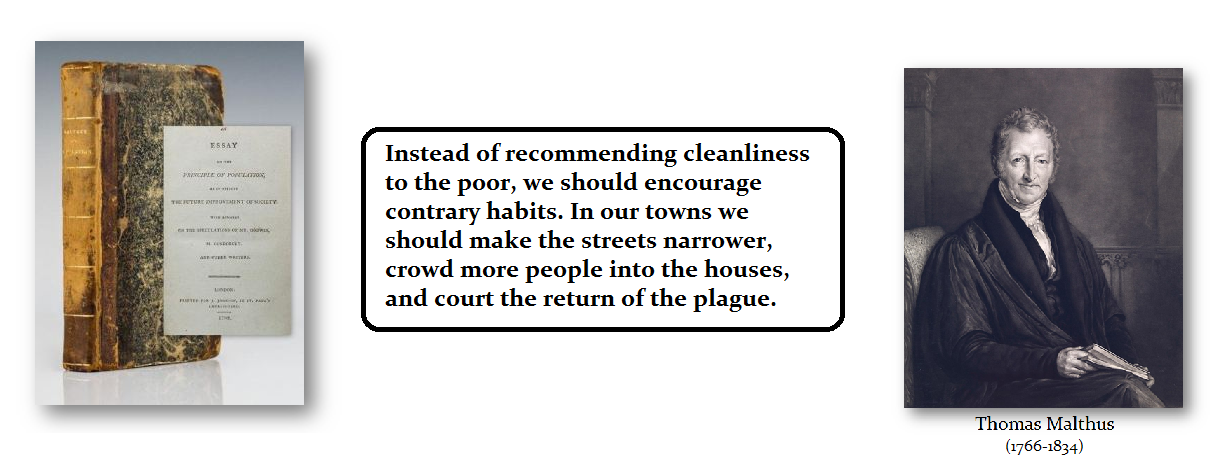
Against this backdrop, we have the publication by Thomas Malthus (1766-1834) An Essay on the Principle of Population was first published anonymously in 1798. He theorized that the population would outgrow the ability to produce food. We can see how his thinking formed because of the Mini Ice Age that bottomed in 1650. All of this was because of climate change which instigated food shortages. Therefore, it was commonly accepted that without a corresponding increase in native grain production, there would be a serious crisis.
The refusal on the part of most of the French to eat anything but a cereal-based diet was another major issue. Bread likely accounted for 60-80 percent of the budget of a wage-earner’s family at that point in time. Consequently, even a small rise in grain prices could spark political tensions. Because this was such an issue, and probably the major cause of the French Revolution among the majority, Finance Minister Jacques Necker (1732–1804) claimed that, to show solidarity with the people, King Louis XVI was eating the lower-class maslin bread. Maslin bread is from a mix of wheat and rye, rather than the elite manchet, white bread that is achieved by sifting wholemeal flour to remove the wheatgerm and bran.
That solidarity was seen as propaganda and the instigators made up the Marie Antoinette quote: Let them eat cake. . Then there was a plot drawn up at Passy in 1789 that fomented the rebellion against the crown shortly before the people stormed the Bastille. It declared “do everything in our power to ensure that the lack of bread is total, so that the bourgeoisie are forced to take up arms.”
It was also at this time when Anne Robert Jacques Turgot (1727-1781), Baron de l’Aulne, was a French economist and statesman. He was originally considered a physiocrat, but he kept an open mind and became the first economist to have recognized the law of diminishing marginal returns in agriculture. He became the father of economic liberalism which we call today laissez-faire for he put it into action. He saw the overregulation of grain production was behind also contributing to the food shortages. He once said: “Ne vous mêlez pas du pain”—Do not meddle with bread.
The French Revolution overthrew the monarchy and they began beheading anyone who supported the Monarchy and confiscated their wealth as well as the land belonging to the Catholic Church. Nevertheless, the revolution did not end French anxiety over bread. On August 29th, 1789, only two days after completing the Declaration of the Rights of Man and of the Citizen, the Constituent Assembly completely deregulated domestic grain markets. The move raised fears about speculation, hoarding, and exportation.
Then on October 21st, 1789, a baker, Denis François, was accused of hiding loaves from sale as part of a conspiracy to deprive the people of bread. Despite a hearing which proved him innocent, the crowd dragged François to the Place de Grève, hanged and decapitated him, and made his pregnant wife kiss his bloodied lips. Immediately thereafter, the National Constituent Assembly instituted martial law. At first sight, this act appears as a callous lynching by the mob, yet it led to social sanctions against the general public. The deputies decided to meet popular violence with force.
So, food has often been a MAJOR factor in revolutions. We are entering a cold period. Ukraine has been the breadbasket for Europe. Escalating this war will also lead to accelerating the food shortages post-2024. It is interesting how we learn nothing from history. Wars are instigated by political leaders while revolutions are instigated by the people.
The German Federal Foreign Minister has actually come out and bluntly said: “We are at war with Russia.” I have been warning from the outset that the West has been the aggressor and deliberately did what it could to compel Putin to invade the very same way that Roosevelt did to Japan (1) by imposing an energy embargo (2) seizing all their assets in the USA, and (3) threatening to blockade any attempt to get energy from any other place. There were senate investigations into this very question that Roosevelt deliberately compelled Japan to attack Pearl Harbor just so he could then enter World War II whereas the people and Congress refused to fight Europe’s war. That view of distrust of FDR was so great, it compelled the US Senate to hold hearings into what did FDR know in advance of the Pearl Harbor attack.
Here we have the same pattern.
(1) In 2014 US installs an interim government in Ukraine which is unelected and immediately sense troops to attack the Donbas for wanting to separate from Ukraine after its own revolution
(2) West engages in the Minsk Agreement whereby Merkel has come out and acknowledged it was in bad faith and intended only to allow Ukraine to build its army while making a fool out of Putin for trusting the West
(3) Zelensky is elected promising to end corruption and the civil war with Russia
(4) VP Kamila Harris at Munich Security Conference tells Ukraine they should join NATO
(5) On February 23rd, 2022, Zelensky announces that Ukraine should rearm itself with nuclear weapons
February 24th, 2022, Putin intervenes to support the Donbas. If the United States even exists after World War III which they are promoting, then we would no doubt have a similar investigation into the deliberate policies that have rejected any possible peaceful negotiations and promoted war for the total destruction of Russia.
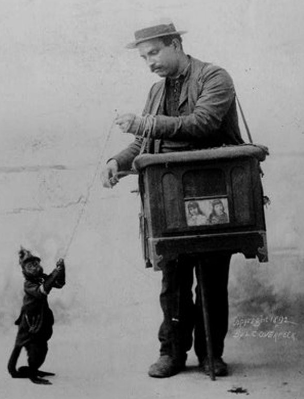
Putin has responded by saying that Germany is still occupied by the United States and it does as it is told. Indeed, all of Europe is totally out of its mind. You cannot push Russia into a corner and resurrect the old Iron Curtain this time from our side. That will NEVER bring peace and stability. Europe is indeed the monkey dancing to the tune of the organ grinder.
Running our war models, 2023 was the start and January was the target. I wish these forecasts were wrong. If Europe is going to even survive beyond 2027, it has better wake the hell up. The EU itself may not exist beyond 2024.
World Peace is attainable if we just look at Rome. After conquering various states, what kept them together? It was economics. Once everyone shared a common market, then the people benefited by manufacturing products and selling them to everyone else in the empire. We have taken the opposite approach adopting the theories of Karl Marx worrying about local jobs. It does not pay for the people to impose trade barriers so someone can grow a head of lettuce in the desert and sell it for $25. If another nation can produce a product at half the cost, that is not saving a local job, it is exploiting everyone else in the economy to pay higher prices for something that could be obtained far less. It REDUCES the standard of living for the whole – it does not advance society.
When people in Russia and China are linked economically with the consumers in America, then the governments are LESS LIKELY to push for war when that will undermine their people and their economic power. Blowing everyone else seems to be fund for politicians
Rome has shown us the way to peace. We ignore the lessons from history at our own peril.
I have created this site to help people have fun in the kitchen. I write about enjoying life both in and out of my kitchen. Life is short! Make the most of it and enjoy!
This is a library of News Events not reported by the Main Stream Media documenting & connecting the dots on How the Obama Marxist Liberal agenda is destroying America




















 Centinel2012