Posted originally on the conservative tree house on September 6, 2022 | Sundance
Less than 24 hours after making a weird proclamation that he “defeated Big Pharma,” Joe Biden introduces a new annual vaccine:
[White House] – This week, we begin a new phase in our COVID-19 response. We are launching a new vaccine – our first in almost two years – with a new approach. For most Americans, that means one COVID-19 shot, once a year, each fall. Starting this week, at tens of thousands of convenient pharmacies, doctor’s offices, and community health centers, and other places, Americans age 12 and older can go get this new fall COVID-19 vaccine. The new vaccines provide the strongest protection from the new Omicron strain of the COVID virus, which did not exist when the original vaccine was developed. As the virus continues to change, we will now be able to update our vaccines annually to target the dominant variant.
Just like your annual flu shot, you should get it sometime between Labor Day and Halloween. It’s safe, it’s easy to get, and it’s free. Go to Vaccines.gov to find a location near your home or work.
It’s simple, and it’s easy to understand: If you are vaccinated and 12 and older, get the new COVID-19 shot this fall. This once-a-year shot can reduce your risk of getting COVID-19, reduce your chance of spreading it to others, and dramatically reduce your risk of severe COVID-19. Winter is not that far away. The past two years, we have seen COVID-19 cases and deaths soar. It does not have to be that way this year. If you are 12 and older, go get your new COVID-19 shot this fall. (LINK)
Posted originally on the conservative tree house on September 4, 2022 | sundance
The Demoncrats have nothing positive to campaign about for the 2022 midterm election cycle, despite what they consider legislative agenda victories. The biggest legislative ‘win’ per se’, was the passage of a smaller package Green New Deal climate change agenda, which is not popular overall because it is further driving up the cost of energy prices.
All of the polling and generic focus group support shows the policy side of the Democrat agenda is a net negative for the party. Their energy and economic policies, in combination with the spending, has driven inflation through the roof. Main Street voters of all persuasions are feeling the impact of Biden/democrat agenda items. With no positive outcomes, the only thing left is to frame the opposition and give voters something to vote against. That’s the motive behind the political attacks on MAGA.
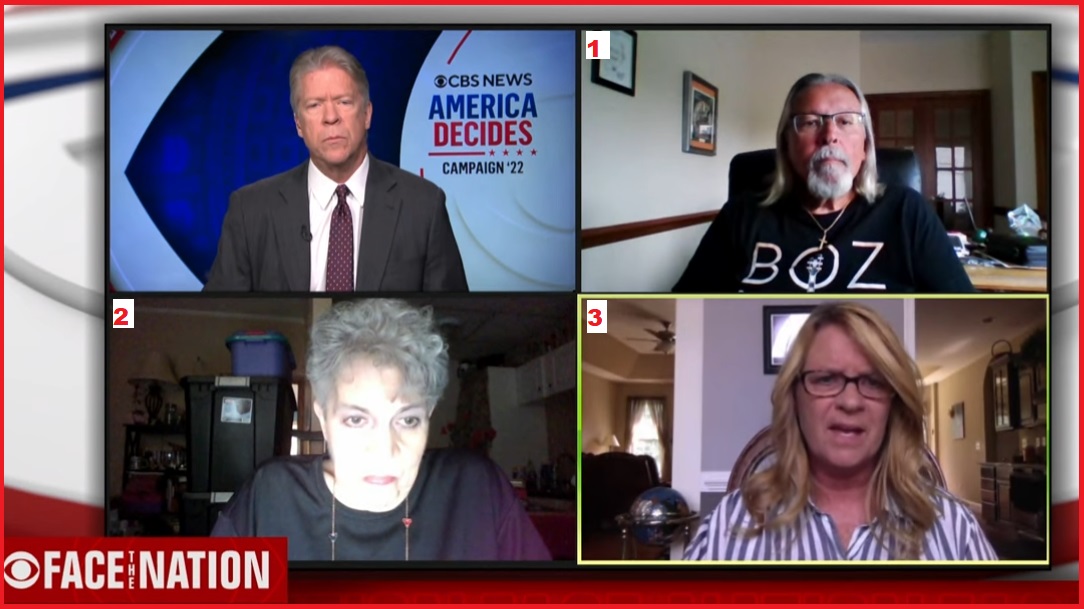
CBS Major Garrett broadcasts a focus group interview with three MAGA supporters as part of the larger media alignment with Democrat midterm strategy. It would be interesting to see the full unedited segment, because Mary, bottom right of screen has some great points that you can tell were cut out of the discussion. WATCH:
.
Whenever I review a focus group interview, it is always interesting to align the nature of the points delivered against where the possible group member would be gathering their information. Obviously, I have no idea, it’s just a fun exercise. In this group it would look something like this: (1) a potential reader of Gateway Pundit; (2) a person who listens to Fox News and Sean Hannity; and (3) a deeper researched argument, and understanding with historical context, like CTH.
Reuters Published originally on Rumble on September 3, 2022
The Chinese tech hub of Shenzhen on Saturday (September 3) shut parts of city and public transport, as cities across China battled COVID-19 outbreaks that have dampened the outlook for economic recovery.
California plans to ban gas-powered vehicles by 2035. The Advanced Clean Cars II rule would ban ALL gas car sales in 2035, but there are no alternatives in place. The average American cannot afford an electric car or maintenance on an electric vehicle. Beginning in 2026, 35% of new autos sold in California will be required to produce zero emissions. By 2027, 51% of all new cars will need to be electric, and that amount will rise to 68% in 2028, followed by an all-out ban on gas-powered cars in 2035.
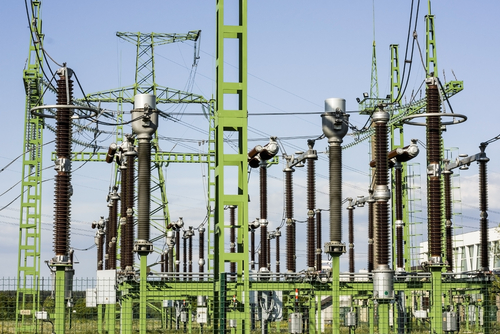
Well, California is already struggling to power the electric vehicles on the road in 2022. The California Independent System Operator called for a “voluntary energy conservation” during the upcoming Labor Day weekend due to the failing power grid. They are asking residents to refrain from charging their cars between 4 PM and 9 PM, which is when demand peaks. “If left unmanaged, the power demanded from many electric vehicles charging simultaneously in the evening will amplify existing peak loads, potentially outstripping the grid’s current capacity to meet demand,” Cornell University’s College of Engineering stated.
So electric vehicles have the potential to take down California’s power grid. The state estimates that it will need 1.2 million charging stations by 2030, but they have a mere 80,000 currently. California does not have the ability to implement this zero-emission ban without toppling the entire power grid.
The US Marines were finally awarded protection against COVID-19 vaccination mandates. “Oorah!” A federal judge agreed to the class action lawsuit against Secretary of Defense Lloyd Austin. All Marines who were denied religious exemptions are finally receiving justice. Out of the 3,733 Marines who applied for exemptions, only 11 were granted an exemption. “Is it more likely than not — in nearly all 3,733 cases —that no reasonable accommodation was available?” the court asked.
Judge Merryday of Florida declared that the following members are safe from religious prosecutions:
“All persons on active duty or in the ready reserve (1) who serve under the command of the Marine Corps, (2) who were affirmed by a chaplain as harboring a sincere religious objection, (3) who timely submitted an initial request for a religious accommodation, (4) who were denied the initial request, (5) who timely appealed the denial of the initial request, and (6) who were denied or will be denied after appeal.”
The judge went on to explain the Religious Freedom Restoration Act of 1993 (RFRA) and how it applies to all Americans from the president to military recruits. “[E]ven if they don’t agree with it. The Free Exercise Clause and RFRA are the law of the land,” the judge declared.
Unfortunately, not all of our servicemembers are safe. The Coast Guard Academy ordered all unvaccinated cadets to evacuate the campus within 24 hours. This includes those who applied for religious exemptions, as fetal tissue is used to create the useless vaccine. So at a time when military recruitment is at an all-time low, the government is disenrolling candidates for no valid reason. The Coast Guard expects the candidates placed on leave to enroll in online military training! It is disgusting to see our service members disrespected by the government they have put their life on the line to protect. I expect more lawsuits to follow.
Posted originally on the conservative tree house on August 28, 2022 | Sundance
Comrades, the dissident messenger known as Joe Dan Gorman has surfaced again, just long enough to transmit another Tokyo Rose’ broadcast in a coded frequency only receivable by patriots with a funny bone. This natural coded messaging ensures communists and leftists are incapable of receiving it.
The August edition comes from deep in the underground bunker of the Rebel Alliance. Pull out those super-secret decoder rings, and enjoy the transmission before the deep state satellite interception trucks show up on your driveway…
Posted originally on the conservative tree house on August 26, 2022 | Sundance
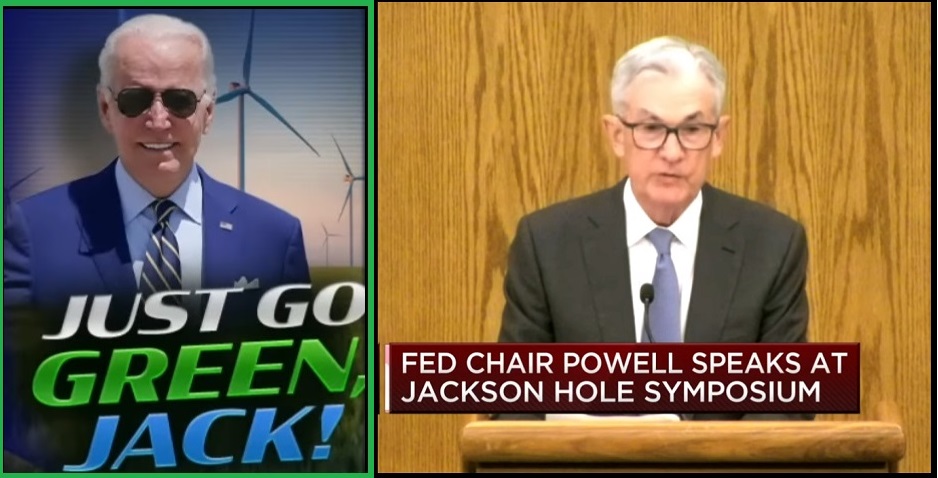
When Chairman Powell says things are really, really going to suck as monetary policy tries to support Biden’s goals to reduce energy supplies, will people believe him?
The agenda of the federal reserve was clearly outlined today in the remarks from Chairman Powell in Jackson Hole, Wyoming. The Fed chair is trying to manage the economic policy transition by reducing economic activity to match intentionally diminished energy supplies. Lowering economic activity drops demand for energy. Unfortunately, as admitted by Powell today, this means a period of “some pain” for Americans as the central banks join together in an effort to lower consumption. WATCH:
What does “some pain” mean? It means lower incomes, higher prices, lowered standards of living and more scarce resources. During this transition to owning nothing and being happy about it, the pain is your wealth being stripped as the economy is intentionally diminished.
We will not be able to afford much; we won’t be able to afford the foods we want; we will not be able to purchase anything except the essentials, and those essentials will cost much more; we won’t be able to vacation, travel, or enjoy recreational activities; we won’t be able to afford any indulgences; but at the end of the process, we will learn to live more meager existences based on lowered expectations needed for sustaining the planet. Pay no attention to the elites who don’t have those concerns, comrade.
[Transcript] – POWELL: “At past Jackson Hole conferences, I have discussed broad topics such as the ever-changing structure of the economy and the challenges of conducting monetary policy under high uncertainty. Today, my remarks will be shorter, my focus narrower, and my message more direct.”
“The Federal Open Market Committee’s (FOMC) overarching focus right now is to bring inflation back down to our 2 percent goal. Price stability is the responsibility of the Federal Reserve and serves as the bedrock of our economy. Without price stability, the economy does not work for anyone. In particular, without price stability, we will not achieve a sustained period of strong labor market conditions that benefit all. The burdens of high inflation fall heaviest on those who are least able to bear them.
Restoring price stability will take some time and requires using our tools forcefully to bring demand and supply into better balance. Reducing inflation is likely to require a sustained period of below-trend growth. Moreover, there will very likely be some softening of labor market conditions. While higher interest rates, slower growth, and softer labor market conditions will bring down inflation, they will also bring some pain to households and businesses. These are the unfortunate costs of reducing inflation. But a failure to restore price stability would mean far greater pain.
The U.S. economy is clearly slowing from the historically high growth rates of 2021, which reflected the reopening of the economy following the pandemic recession. While the latest economic data have been mixed, in my view our economy continues to show strong underlying momentum. The labor market is particularly strong, but it is clearly out of balance, with demand for workers substantially exceeding the supply of available workers. Inflation is running well above 2 percent, and high inflation has continued to spread through the economy. While the lower inflation readings for July are welcome, a single month’s improvement falls far short of what the Committee will need to see before we are confident that inflation is moving down.
We are moving our policy stance purposefully to a level that will be sufficiently restrictive to return inflation to 2 percent. At our most recent meeting in July, the FOMC raised the target range for the federal funds rate to 2.25 to 2.5 percent, which is in the Summary of Economic Projection’s (SEP) range of estimates of where the federal funds rate is projected to settle in the longer run. In current circumstances, with inflation running far above 2 percent and the labor market extremely tight, estimates of longer-run neutral are not a place to stop or pause.
July’s increase in the target range was the second 75 basis point increase in as many meetings, and I said then that another unusually large increase could be appropriate at our next meeting. We are now about halfway through the intermeeting period. Our decision at the September meeting will depend on the totality of the incoming data and the evolving outlook. At some point, as the stance of monetary policy tightens further, it likely will become appropriate to slow the pace of increases.
Restoring price stability will likely require maintaining a restrictive policy stance for some time. The historical record cautions strongly against prematurely loosening policy. Committee participants’ most recent individual projections from the June SEP showed the median federal funds rate running slightly below 4 percent through the end of 2023. Participants will update their projections at the September meeting.
Our monetary policy deliberations and decisions build on what we have learned about inflation dynamics both from the high and volatile inflation of the 1970s and 1980s, and from the low and stable inflation of the past quarter-century. In particular, we are drawing on three important lessons.
The first lesson is that central banks can and should take responsibility for delivering low and stable inflation. It may seem strange now that central bankers and others once needed convincing on these two fronts, but as former Chairman Ben Bernanke has shown, both propositions were widely questioned during the Great Inflation period.1 Today, we regard these questions as settled. Our responsibility to deliver price stability is unconditional. It is true that the current high inflation is a global phenomenon, and that many economies around the world face inflation as high or higher than seen here in the United States.
It is also true, in my view, that the current high inflation in the United States is the product of strong demand and constrained supply, and that the Fed’s tools work principally on aggregate demand. None of this diminishes the Federal Reserve’s responsibility to carry out our assigned task of achieving price stability. There is clearly a job to do in moderating demand to better align with supply. We are committed to doing that job.
The second lesson is that the public’s expectations about future inflation can play an important role in setting the path of inflation over time. Today, by many measures, longer-term inflation expectations appear to remain well anchored. That is broadly true of surveys of households, businesses, and forecasters, and of market-based measures as well. But that is not grounds for complacency, with inflation having run well above our goal for some time.
If the public expects that inflation will remain low and stable over time, then, absent major shocks, it likely will. Unfortunately, the same is true of expectations of high and volatile inflation. During the 1970s, as inflation climbed, the anticipation of high inflation became entrenched in the economic decisionmaking of households and businesses. The more inflation rose, the more people came to expect it to remain high, and they built that belief into wage and pricing decisions. As former Chairman Paul Volcker put it at the height of the Great Inflation in 1979, “Inflation feeds in part on itself, so part of the job of returning to a more stable and more productive economy must be to break the grip of inflationary expectations.”2
One useful insight into how actual inflation may affect expectations about its future path is based in the concept of “rational inattention.”3 When inflation is persistently high, households and businesses must pay close attention and incorporate inflation into their economic decisions. When inflation is low and stable, they are freer to focus their attention elsewhere. Former Chairman Alan Greenspan put it this way: “For all practical purposes, price stability means that expected changes in the average price level are small enough and gradual enough that they do not materially enter business and household financial decisions.”4
Of course, inflation has just about everyone’s attention right now, which highlights a particular risk today: The longer the current bout of high inflation continues, the greater the chance that expectations of higher inflation will become entrenched.
That brings me to the third lesson, which is that we must keep at it until the job is done. History shows that the employment costs of bringing down inflation are likely to increase with delay, as high inflation becomes more entrenched in wage and price setting. The successful Volcker disinflation in the early 1980s followed multiple failed attempts to lower inflation over the previous 15 years. A lengthy period of very restrictive monetary policy was ultimately needed to stem the high inflation and start the process of getting inflation down to the low and stable levels that were the norm until the spring of last year. Our aim is to avoid that outcome by acting with resolve now.
These lessons are guiding us as we use our tools to bring inflation down. We are taking forceful and rapid steps to moderate demand so that it comes into better alignment with supply, and to keep inflation expectations anchored. We will keep at it until we are confident the job is done.” [Transcript End]
Now a study published in the New England Journal of Medicine shows the medication shows “no measurable benefit” for the treatment of COVID-19 in patients 40 to 65-years of age.
WASHINGTON — Pfizer’s COVID-19 pill appears to provide little or no benefit for younger adults, while still reducing the risk of hospitalization and death for high-risk seniors, according to a large study published Wednesday.
The results from a 109,000-patient Israeli study are likely to renew questions about the U.S. government’s use of Paxlovid, which has become the go-to treatment for COVID-19 due to its at-home convenience. The Biden administration has spent more than $10 billion purchasing the drug and making it available at thousands of pharmacies through its test-and-treat initiative.
The researchers found that Paxlovid reduced hospitalizations among people 65 and older by roughly 75% when given shortly after infection. That’s consistent with earlier results used to authorize the drug in the U.S. and other nations.
But people between the ages of 40 and 65 saw no measurable benefit, according to the analysis of medical records. (read more)
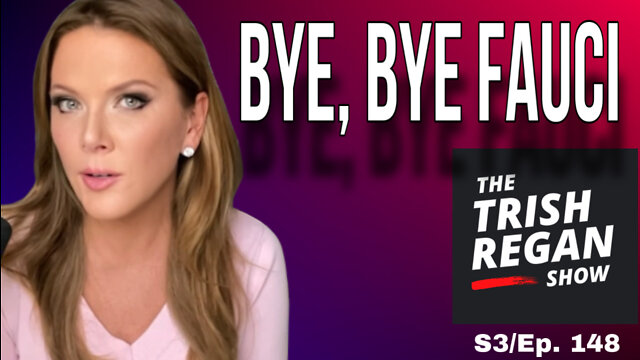
#TrishRegan #Fauci #Fed Markets are waiting on Jerome Powell’s speech at Jackson Hole this Friday…and any way you slice it, it won’t be good for the economy or for Wall Street. Powell messed up bigtime and the American economy is stuck paying the price. On the bright side, Anthony Fauci is (finally) retiring! Join me for a look at today’s headlines.
I have created this site to help people have fun in the kitchen. I write about enjoying life both in and out of my kitchen. Life is short! Make the most of it and enjoy!
This is a library of News Events not reported by the Main Stream Media documenting & connecting the dots on How the Obama Marxist Liberal agenda is destroying America








 Centinel2012