We have confirmation from readers in Rome that there has been a protest in Piazza Montecitorio which began as a sit-in protest by restaurateurs and other categories were taking place today on the emergency closures for Covid. The peaceful protest has degenerated into a clash between protestors and police forces who assaulted the people launching various types of bombs and objects. The protestors were yelling at the police who would obviously just follow orders as did the Nazis in Germany calling them “buffoons” and “freedom” and the protestors turned on the ruthless police breaking through the barriers and the police turned violent.
NEVER in 6,000 years has any government tried to lockdown its people because of a claimed virus. The death rates are no different between states that locked down and those that remained open in the United States. This is a political agenda coming from the World Economic Forum. In the meantime, we have Spirt Airlines going tyrannical kicking off the plane a family because a two-year old does not have a mask. When ALL the studies show that even masks do not work, yet we have been subjected to outright tyranny on such a scale.
The Democrats are out to end saving and passing on something for your children. I am sure those who voted for Biden simply because they hated Trump will find out what the real agenda is fairly soon. It might simply be a good time to die right now because the Democrats tear up everything that made America the land of opportunity.
The one thing that I would have to agree with Karl Marx on was his version of the “rich” in England was all about preventing the lower classes from ever obtaining wealth. You would take a house and basically pay full value, but it was for a 100-year lease, the way the Brits did in Hong Kong. The 100 years pass, and the property reverts to the historical owners. It was known as a “long lease.” The term “freehold” meant that it was a property you and your family could actually own.
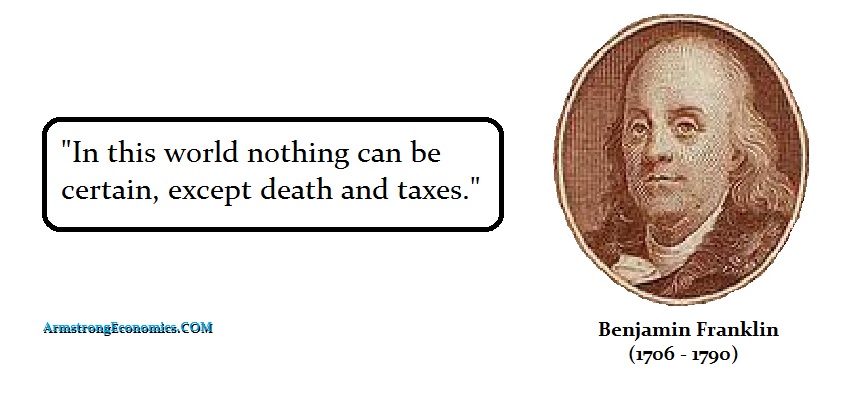
The Democrats are back to the same philosophy of the old aristocratic families of England. Instead of the aristocratic families retaining the title, the Democrats want whatever wealth you have earned and saved to make your family well established to revert to the state. People fled Europe and came to America so they could actually own the property outright. The Financial Panic of 1792 inspired Ben Franklin to say, “In this world nothing can be certain, except death and taxes.”
Many people have criticized my solution that the government should be prohibited from borrowing and it should simply create money to cover its expenses each year capped at 5% of GDP — all federal taxes should be abolished. State and local taxes would still exist since they cannot create money. But they too should be prohibited from borrowing.
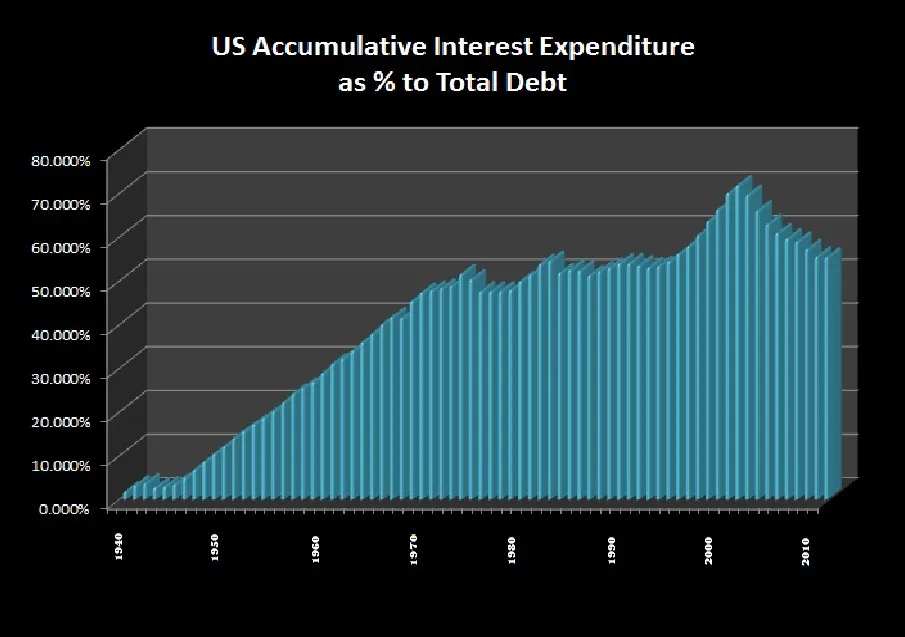
My critics will argue this will be inflationary. My point is that would be a dramatic improvement over the current system and eliminating federal debt means that the capital will be redirected into the private sector, creating far more economic growth. Politicians are incapable of managing the economy and should be prohibited from attempting anything. At times, up to 70% of the national debt is accumulated interest expenditures because they borrow year after year with NO intention of paying anything back.
Biden will not destroy the economy because he is spending recklessly, and then argues we must raise taxes to pay for this spending. Yet, the government will never pay for everything because they need to reduce the debt.
So, my solution would have kept your family and their future. Under the Democrats, they are wiping out the future of your family. We are returning to the days where private wealth is not something they will tolerate.
Remember one thing — 99% of all revolutions are created because of taxes! NO TAXATION WITHOUT REPRESENTATION!
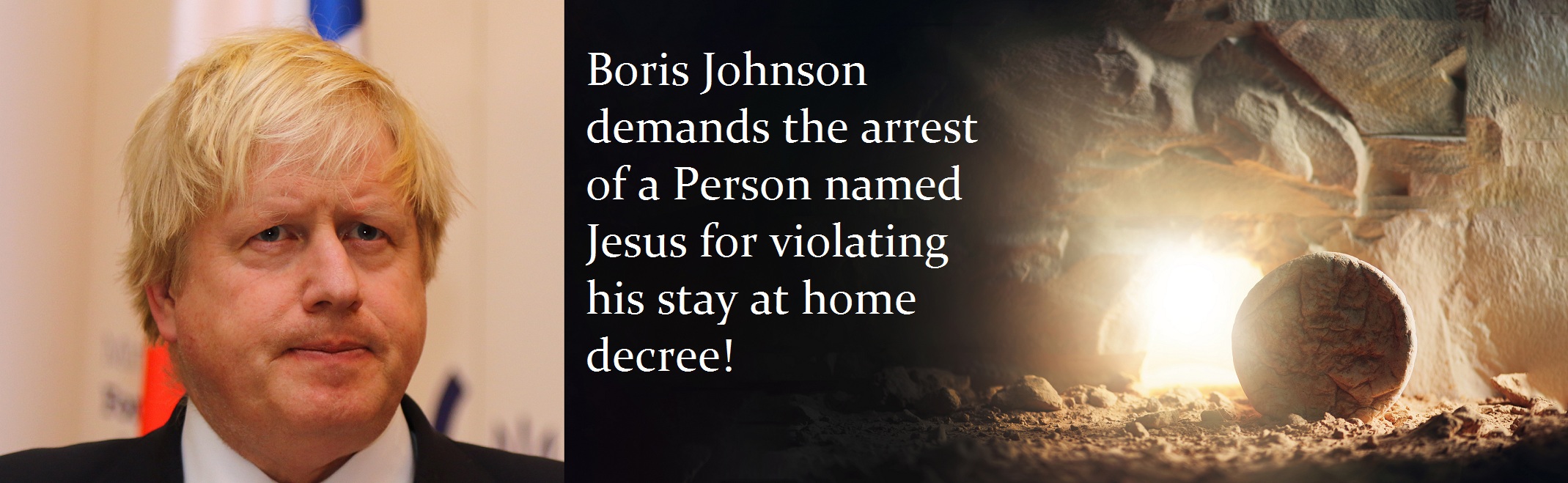
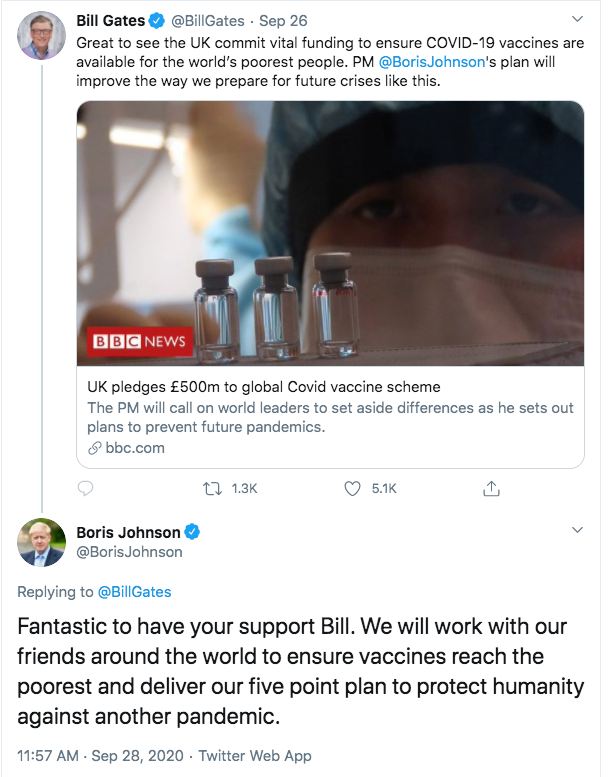
We have to wonder just how long are people going to sit on their hands before rising up? Boris Johnson is no doubt one of the world’s most ruthless heads of state. Please like this have often invoked revolutions and the policies of Boris in Britain are just so outrageous, history will remember him in the long list of absolute tyrants.
On Good Friday, police entered a Polish Church at stood at the altar and instructed worshipers to go home of they would be fined £200 per person. That was absolutely outrageous. On Sunday, the police who are obviously incapable of human thought descended upon a Polish Church once again. Boris believes in no religion other than trying to figure out how to wipe out the majority of the population following his father’s objectives as is Bill Gates. They do not believe in humanity or even that anyone is created by God nor do we possibly have a soul. We are all just biological mistakes he wants to correct so he can play God and Build Back Better because Goid screwed it all up if he even exists.
The real question is simple. When will the Brits say enough is enough?
COMMENT: Well it looks like the coronavirus is going to cause a major problem because everyone will be deducting their home offices.
HL
ANSWER: You better check with your accountant. It is my understanding that if you are a W2 employee, you cannot take a home office deduction. Currently, you need to have self-employment income to benefit from home office deduction. This is going to cause real problems now that so many people are forced to work remotely. I seriously doubt the Democrats will allow a deduction for working remotely.
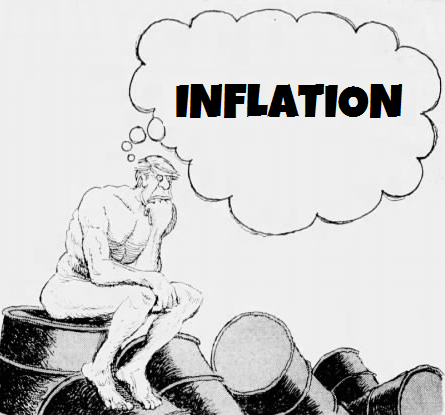
Your post today on inflation(when people see it coming) reminds me how things have changed from the 1970s. Then, the inflation we saw came from oil rising(Opec raising prices), unions demanding wage increases, and currencies untethered to the abandoned Bretton Woods agreement. Governments then seemed clueless how to stem this rise, with interest rates rising relentlessly, pressuring bonds and eroding earnings of still largely manufacturing-based economies. Globalization was not an issue as half the world still lived under communism.
Today, it seems central banks have “learned” how to rig interest rates by flooding markets addicted to debt. What is different today is governments now, instead of fearing inflation, actually want it. In fact, desire it to bring about the Great Reset. They appear to want to drive oil prices higher to such levels that this makes Green Energy cheaper and helps to accelerate the conversion over to electric cars. All at the expense of the consumer. On top of this, taxing old tech, principally oil and gas, only helps to fuel shortages, since companies have cut back on oil exploration. When you force people to stay home, the demand for energy shifts from driving to people staying home, more demand for computers, more energy required to supply the grid, more companies delivering products to the home. What has been accomplished? People fleeing high tax states to ones that remain open, those with no state income taxes, those in the south. The burden shifts to northern states, the advantage gained by southern states.
Today, governments are deliberately fueling these shortages…encouraging them, to expedite the transition away from globalization to one centrally controlled. No longer do they need access to debt markets, they can supply guaranteed income without fear of inflation or failed bond auctions. This is truly diabolical. And with Big Tech doing their bidding, people too stupid to grasp what is happening, it appears today’s inflation is by design, intended to destroy a private business, which can’t compete with large companies, jobs destroyed, inflation today used as a weapon against private enterprise. This is pure evil, which stands out against the market-based inflation of the 1970s.
MS
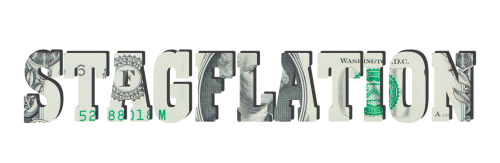
REPLY: You are correct that it was a period of unions demanding more, but it was more than just that aspect. There were two other major developments. First, there were rising prices with lower economic growth. This became known as STAGFLATION. This took place because COSTS were rising from an external price shock that rippled through the economy, which was created at the same time as an economic recession. That never took place before because previous recessions were entirely confined domestically, so prices declined with lower demand.
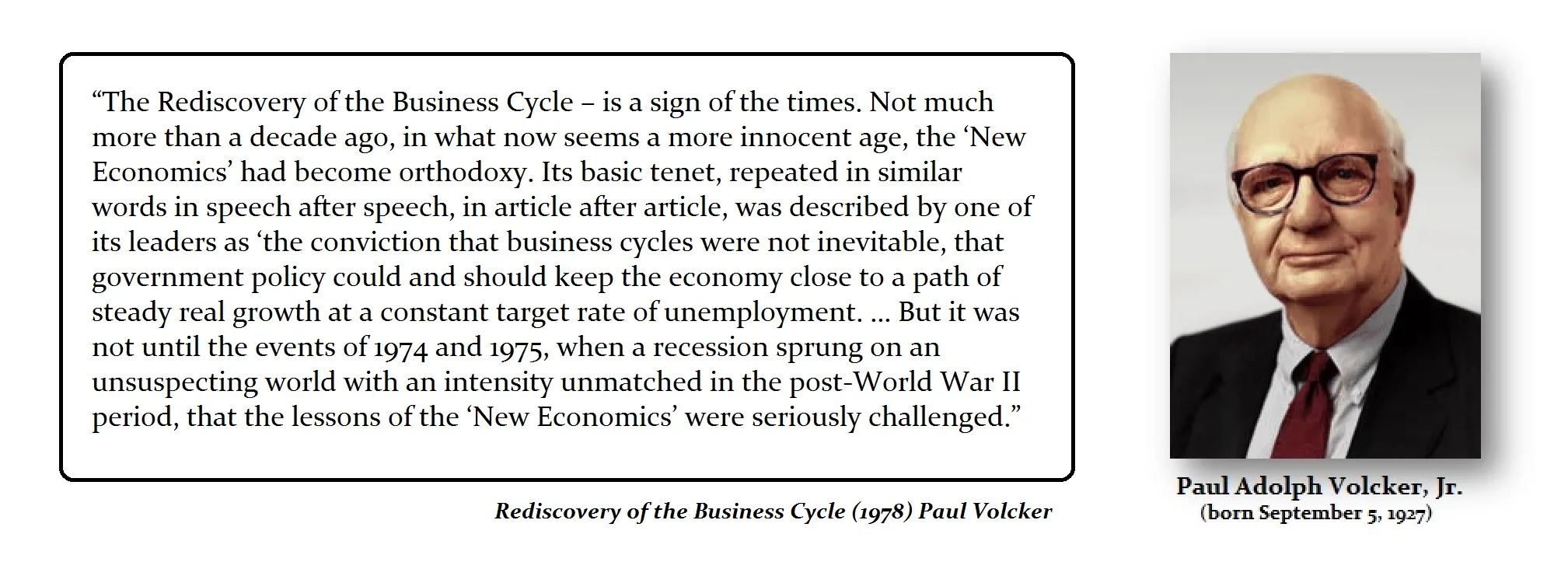
It was more than simply the collapse of Bretton Woods. It was the in-your-face collapse of Keynesian economics. Still, it was Paul Volcker who followed Keynesianism and raised interest rates into 1981 simply because he had no other theory available. I had a conversation with Volcker at the IMF Dinner in Washington. I did not bash him over his head with his mistake, he was so tall it would have been hard to do so, but we did have a frank discussion of the changes in the global economy.
Today, the central banks are still trapped by the same Keynesian economic theories. Now, they have painted themselves into a corner with artificially low interest rates that they cannot escape without a drastic alteration to the debt markets as a whole. Volcker could at least correct his mistake by lowering interest rates. Today, the central banks cannot raise rates without blowing up their own portfolios. It is a very different type of crisis they face today than what it was during the 1970s.
COMMENT: I find it interesting how two people the general consensus has said were scoundrels, John Law and Julius Caesar, you have shown were actually people against the establishment. I read your Anatomy of a Debt Crisis and you have put together the contemporary historians where everyone else just seems to rely on the fake news of the day.
Thank you for digging up the facts.
HY
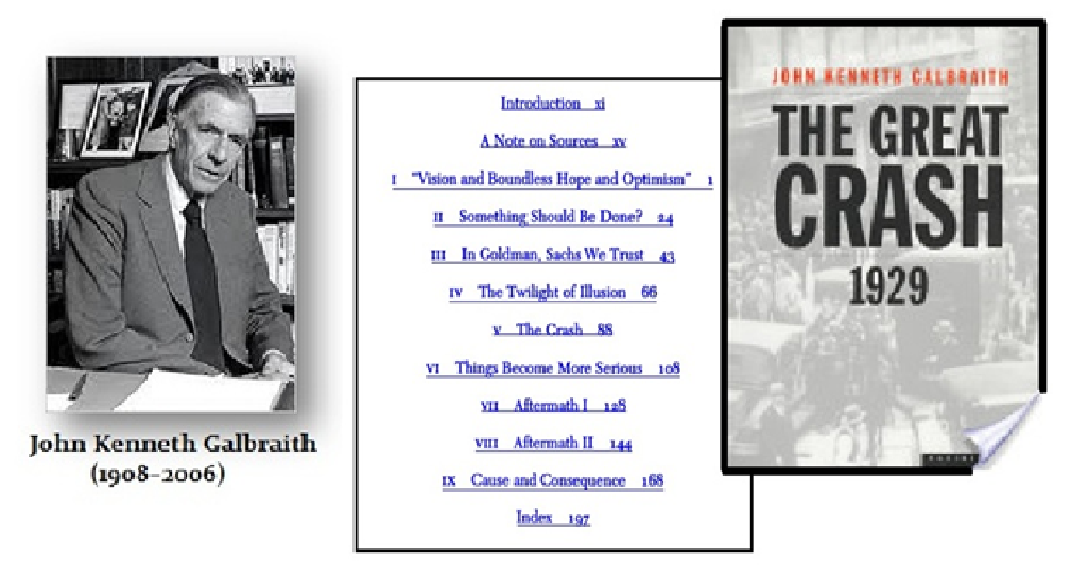
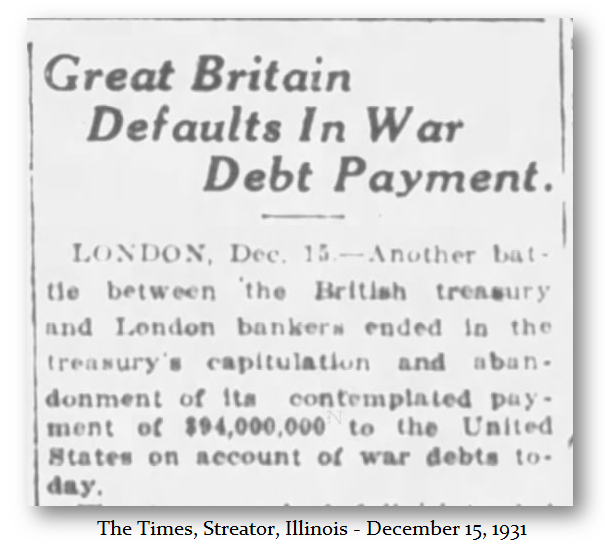
REPLY: When I was in high school, I had to read Galbraith’s “Great Crash.” Nowhere in his book did he ever mention defaults on national debts by any country. When I came across Herbert Hoover’s memoirs in an old book store in London, this was probably the second thing that changed my life, with the first being the movie “The Toast of New York” about the Panic of 1869 when gold hit $162.50, which I had to watch in history class. I learned not to trust the history books, and the best way to find out the truth was always to return to the contemporary reports of history and/or the newspapers of the time.
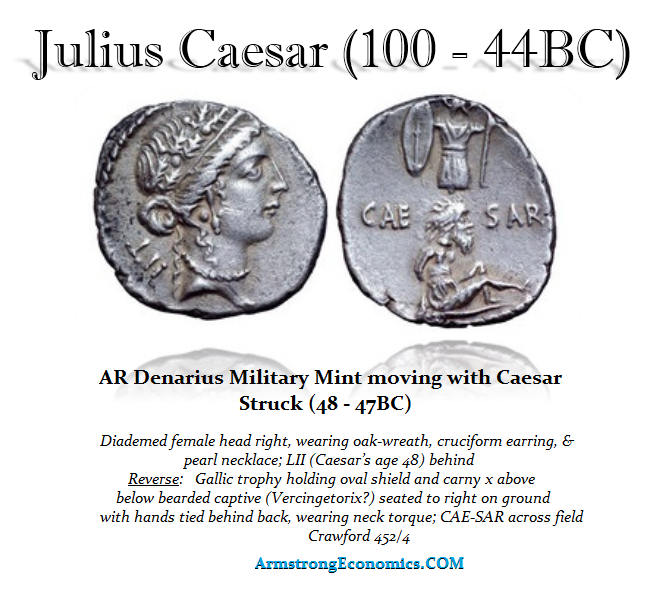
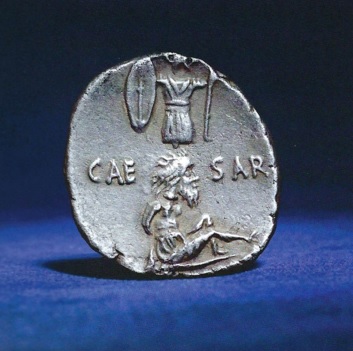
The coinage has been a major factor in identifying the history and accurately dating events. Here is an extremely rare coin of Julius Caesar. Note that there is no portrait of him. He is announcing his victory in Gaul. His Gallic campaign was initially a piecemeal affair, but within six years, he had expanded Roman rule over the whole of Gaul. Following years of relative success, mainly thanks to the disconnected nature of the tribes allowing him to take them on separately (divide and conquer), Caesar was faced with the chief of the Arverni tribe, Vercingetorix, who too late had built a confederation to stand against Caesar. In 52 BC, despite formidable resistance, Caesar finally defeated Vercingetorix at the Battle (or Siege) of Alesia. This illegal war which by Caesar’s own account had left a million dead, was instrumental in elevating him to a position of supreme power among the statesmen of the late Republic, making him incredibly wealthy through war booty and also making him dangerously popular with the plebs — the common people.
This coin was struck in the course of Caesar’s war against the Senatorial faction led by Pompey and later Metellus Scipio. Caesar’s triumphant coinage trumpets his military achievements and conquest in Gaul while reminding the bearer also of his claimed descent from Venus through Aeneas. Interestingly, behind the bust is how old he is IIL or 48 years old. The reverse figure tied below the trophy of arms is popularly believed to depict the defeated Vercingetorix. The figure is carefully rendered in detail of how the Gauls appeared unshaven often with tattoos in blue to frighten their opponents.
In order to consolidate his power when he returned, Caesar produced triumphant coinage to spread the news of his military capability. The reverse of this coin is popularly believed to depict Vercingetorix himself. In 48-47 BC, the defeated Gallic chieftain still languished in the Tullianum, the underground prison beneath the Comitium. He would be hauled out for Caesar’s triumph in 46 BC, then returned to his cell and strangled.
This example of Julius Caesar AR Denarius was struck by a military mint moving with Caesar to pay the troops on a regular basis between 48-47 BC.
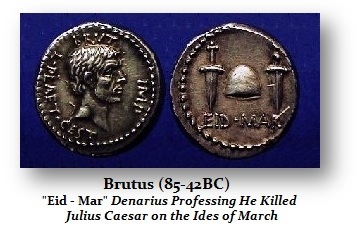
This is a Roman silver denarius struck by Brutus announcing he killed Caesar on the Ides of March 15, 44 BC (EID MAR). As you can see, the coinage can actually be used to confirm history to the year and sometimes to even the very day.
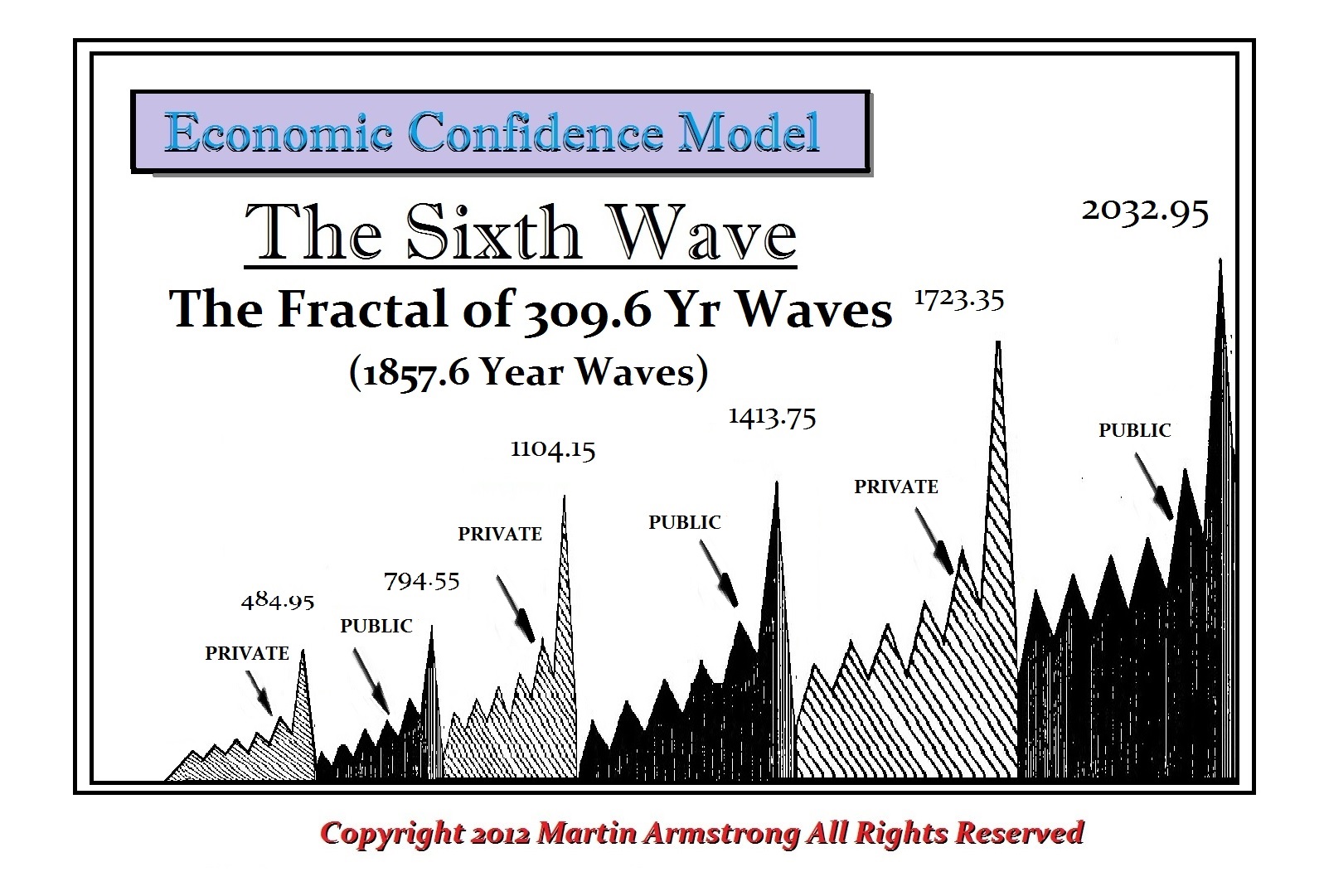
Many people have asked, “Why is 2032 going to be such a major change in the world’s political economy and society as a whole?”
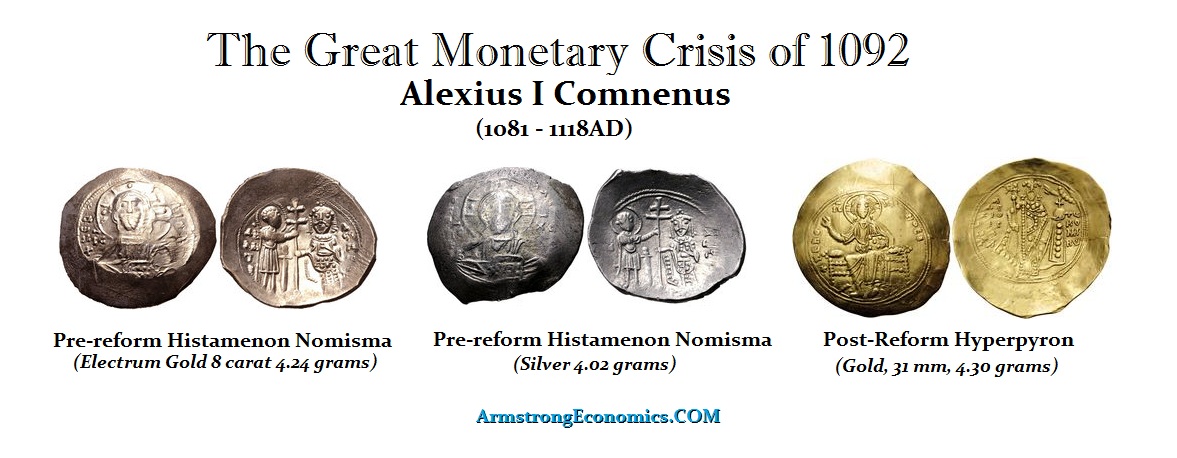
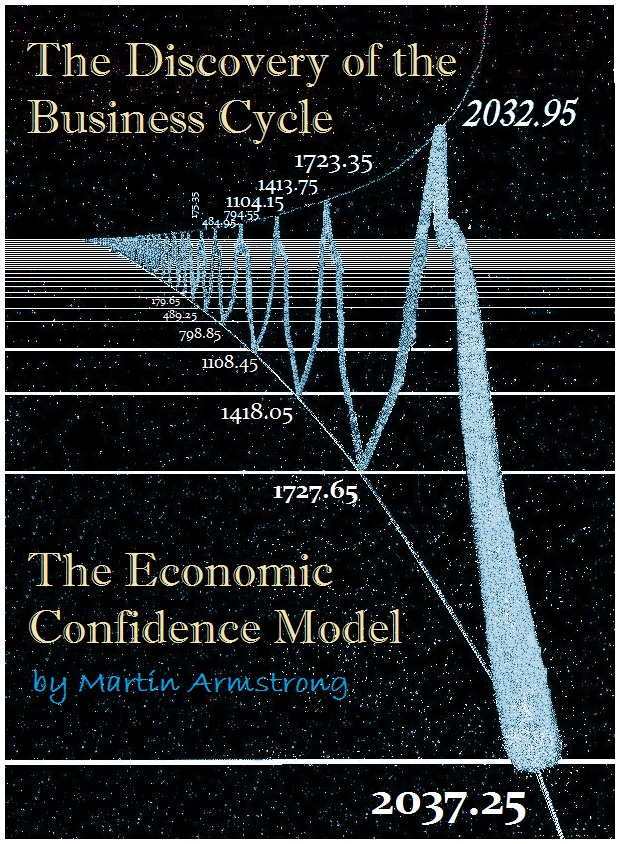
We are confronted by the end of the Sixth Wave come 2032, which will be a profound economic and political change. It appears these world leaders are pushing us toward fulfilling the vision of Kalus Schwab and his distorted view of how society functions. While the first wave marked the collapse of Rome, 794 marked the collapse of the Nara period in Japan as the capital then moved to Kyoto. That would last until 1185 AD when government was overthrown, marking the birth of the Shogun Period (military general authority). The Great Seljuk Turkish Empire had its origins, with its first capital in 1037. By 1092, the Seljuk Empire was at its greatest upon Malik Shah I’s death and had captured most of the Byzantine Empire, creating the Great Monetary Crisis of 1092 in Constantinople. Alexius I (1081-1118AD) of Byzantium saw his empire carved up.
It was 1075 when the Investiture Dispute began, where the Pope opposed kings appointing bishops to control. He had to threaten the ex-communication of kings, which only concluded in 1103. This was the start of the separation of church and state. In 1084, Emperor Henry IV deposed Pope Gregory VII and installed the first Anti-Pope Clement III who then crowned Henry Holy Roman Emperor. A revolution in 1094 resulted in Pope Urban II overthrowing the Anti-Pope and Henry lost power over Italy. But by 1111, Henry V captured the Pope, forced his settlement, and then crowned Henry V as Holy Roman Emperor. By 1112, the Church splits between Papal and Imperial supporters.
The Balkans had been overrun by the Patzinaks who were a nomadic people of the Turkic family. Their original home is unknown, but during the 8th and 9th centuries, they inhabited the region between the lower Volga and the Urals. They then laid siege to Constantinople itself in 1090 AD. They led Alexius to ask for help from Venice, which began the First Crusade (1096–1099) where they took Jerusalem. But the Venetians were more interested in plundering Constantinople. Thus, 1104 marked the peak in the Byzantine Empire and by the Latin rulers who seized Byzantium taking control 1204-1261 AD. It wasn’t until 1298 when the reign of Osman I, founder of the Ottoman Empire, began.
The financial crisis in France led to the default on loans to Italian bankers and the seizure of the Papacy itself moving it to Avignon in France known as the Avignon Papacy, also known as the Babylonian Captivity, which was period from 1309 to 1376. The French Anti-Pope seized the Knights Templars on Friday, October 13, 1307, to confiscate all their wealth and that of their clients. The Knights Templars had become the first real international banking system as they evolved following their founding around 1117/1118 AD, lasting for 22 waves of 8.6 years. This next wave also saw the Black Plague (1347-1351) wipe out 50% of the population, which then changed the economy by shifting it from serfdom in Europe to capitalism as wages began to take place because of the shortage of labor.
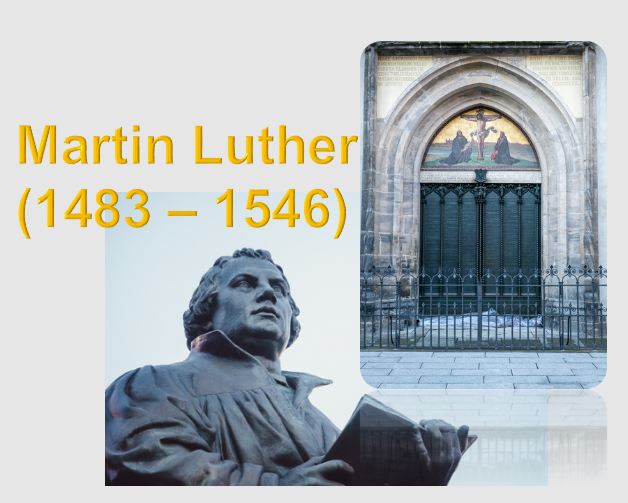
The next peak in the cycle 1413.75 marked the start of the religious revolution. In England, the Oldcastle Revolt was a Lollard uprising against both the Catholic Church and the English King Henry V. Oldcastle was influenced by Lollard cleric William Swynderby, who preached in Almeley during his youth. Lollardy was a politico-religious movement initiated by prominent theologian John Wycliffe during the 1370s. The Lollard beliefs dealt with their opposition to capital punishment, rejection of religious celibacy, and belief that members of the Clergy should be held accountable to civil laws. In addition, it was the rise of the iconoclasty, which took place in the Byzantine Empire, where they rejected ornamentation of churches, religious images, and pilgrimages. They objected to war, violence, and abortion. John Oldcastle led the revolt, and it took place on the night of 9/10 January 1414. The rebellion was absolutely crushed at the battle on St. Giles’s Fields. There was rising discontent in religion that manifested on October 31, 1517, when Martin Luther nailed his 95 Theses to the door of the Wittenberg Castle church in Germany.
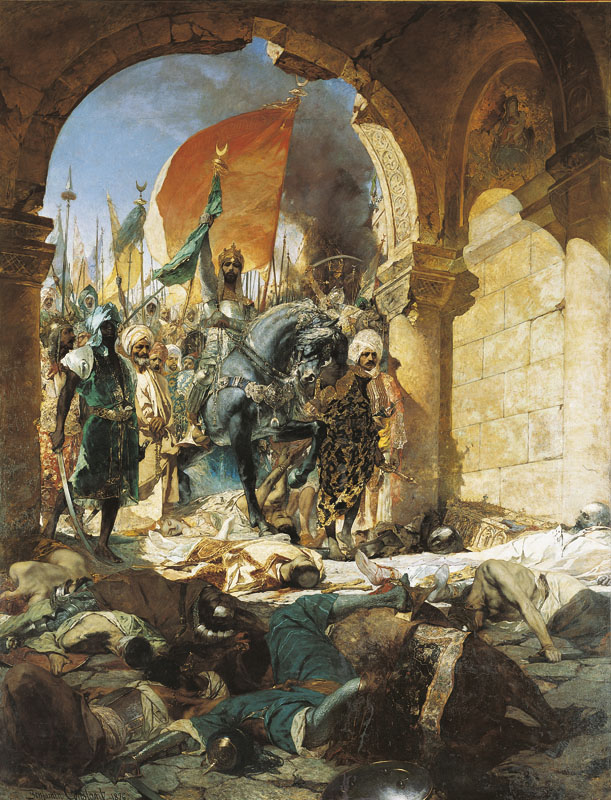
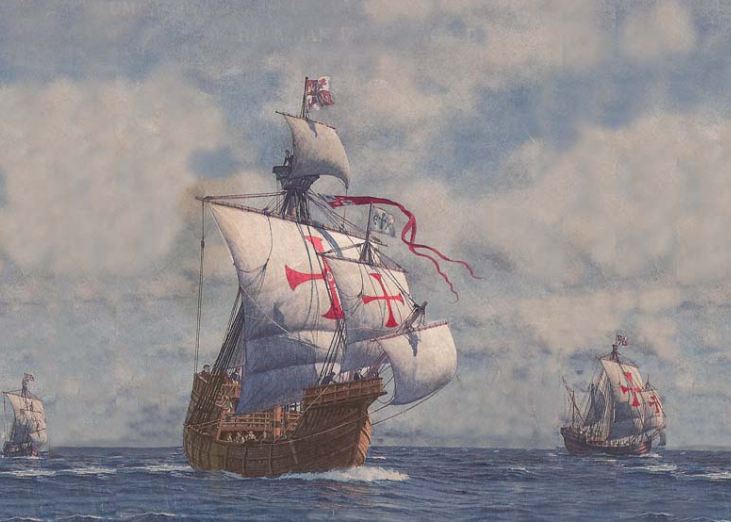
This next wave peaked in 1723.35, not merely saw the Protestant Reformation impact region, but with the fall of Constantinople in 1453, scholars fled to Europe and Russia, taking the wealth of knowledge with them. By 1492, Christopher Columbus convinced others that the world was round and not flat based upon maps that came from Constantinople. While it would slowly expand the knowledge in Europe, the Age of Enlightenment is formally classified as being between 1715-1789, which really became the foundation for the next wave into 2032.
But this wave was the beginning of the crisis with a monarchy. Columbus was backed by Spain, which then became the new financial capital of Europe. But the mismanagement by the monarchy led to Spain becoming a serial defaulter beginning in 1557, followed by 1570, 1575, 1596, 1607, and 1647, ending in a third world status by the end of this wave. King Philip V of Spain abdicated the throne in 1724 to go to a monastery.
In England, on October 17, 1722, the Habeas Corpus Act was suspended because of a Jacobite plot to take the thrown by a Catholic James III they called the Old Pretender, and Parliament prohibited journalists from reporting on political debates. From here on out, the tone for the next wave was set in motion. The rise against the monarchy. This was the wave of human rights and it moves into its culmination come 2032 with the rise against human rights and the attempt once more to suppress the people with the rise of authoritarianism. This is once more a major turning point, and we will face a dramatic change both economically and politically on a global scale.
The forthcoming “The Discovery of the Business Cycle” goes into the details of these waves throughout history with not merely political facts but also the rise and fall of the world’s monetary system.
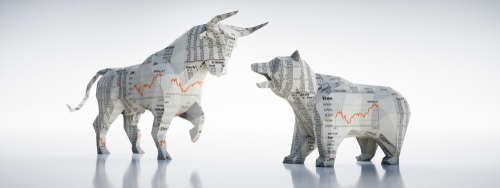
COMMENT: Dear Mr Armstrong, I wanted to write in to affirm your observation of regular people buying now rather than waiting (The Bull v Bear in the US Markets). I had to buy a new dryer earlier in the year. It took 6 weeks to get the one I had ordered. I wanted to buy a new computer recently. Lenovo showed delivery in 12 weeks for the one I wanted! Another company I looked at was taking pre-orders for delivery beginning the end of May. I paid a little extra and went with a small manufacturer that could deliver within 10 business days. I bought an extra freezer so we can stock up. I actually tried to buy a freezer last year and couldn’t get one at all, so I snapped one up as soon as they were available back in January. My wife just asked me if I wanted to get a new grill for Father’s Day. I said, ‘Let’s buy that right now and put it aside. Who knows what will happen by Father’s Day.’
J
REPLY: I remember the 70s well. Because of OPEC, not just gasoline was rising, but suddenly everything made of plastic was rising. For those who do not know, plastics are made starting with raw materials, such as natural gas, oil, or plants, which are refined into ethane and propane. Ethane and propane are treated with high heat, in a process known as cracking. This is how they’re converted into monomers such as ethylene and propylene. The monomers ethylene and propylene are combined with a catalyst to create a polymer “fluff,” which looks like powdered laundry detergent. Then the polymer is fed into an extruder, where it is melted and fed into a pipe, and the plastic forms a long tube as it cools. So when oil rose in price, so did everything made of plastic. That was much of the inflationary boom between 1976 and 1980.
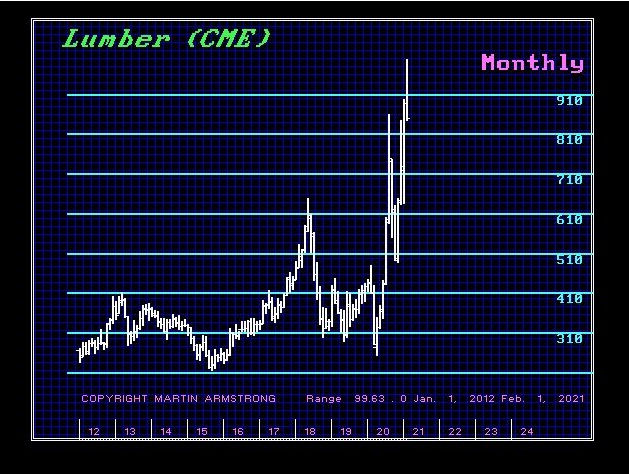
Everything was rising in price which led to the realization that it was cheap to buy today because it would only cost more tomorrow. I ordered a new refrigerator in December. It finally arrived in March. We are entering a period of shortages so prices will be moving higher as supply is constrained and demand will rise. The other side-effect of lockdowns and the destruction of offices with people working more remotely, everyone is out remodeling or expanding their homes. The construction industry is booming. Just look at the price of lumber.
Welcome to the inflation cycle our computer has been projecting would be built upon shortages
While the general overview of this market by most technicians has been bearish simply based upon how high the market has risen, we are also in an interesting position where the fiction of vaccines is providing some underlying support. Based upon RELIABLE sources, this entire Build Back Better motto and a scheme were developed BEFORE COVID took place. This virus has been one of convenience and I know people were warned to sell stocks and bonds because a virus was coming and that was Jan/Feb 2020. That leaves only two possibilities.
(1) This is really the Fauci virus since this was the precise research he was doing and was told to shut down so he sent it to Wuhan
(2) They knew a natural virus would appear seasonally and they would exploit it as extremely dangerous
While Europe is still trying to push the Great Reset and destroy as much of the economy as possible that is reliant upon fossil fuels, there is no question that this virus has been greatly exploited and exaggerated for political purposes. In the United States, because the power has resided with state governors, it has been more difficult to accomplish the economic contract that we see in Europe especially in Britain where Boris Johnson is in bed with Bill Gates.
Consequently, the US will not see the economic devastation that we are witnessing in Europe because Trump was in charge and made no effort to lockdown the entire country. Additionally, politics is so corrupt they rely on corporate donations and they have been getting a lot of resistance. On the private blog, I warned that the Biden Administration, according to reliable sources, was looking at putting a tax per mile that you drive in addition to the gasoline tax. That would create an army of new government employees and a nightmare of enforcement.
That all said, the real impact of all of this nonsense has been to seriously disrupt the supply chain in everything from food to electrical appliances. These shortages have already led to rising prices and consumers are starting to realize that it may be cheaper to buy today because whatever it is will be more expensive tomorrow. That is the REAL stimulus to inflation – not the increase in money supply which has been exponential since the 2007-2009 Financial Crisis with no inflationary impact. As long as the consumer does not trust the future, then they hoard their cash. Inflation emerges ONLY when they see that it is no longer beneficial to hoard their cash. That is the psychology we are now entering.
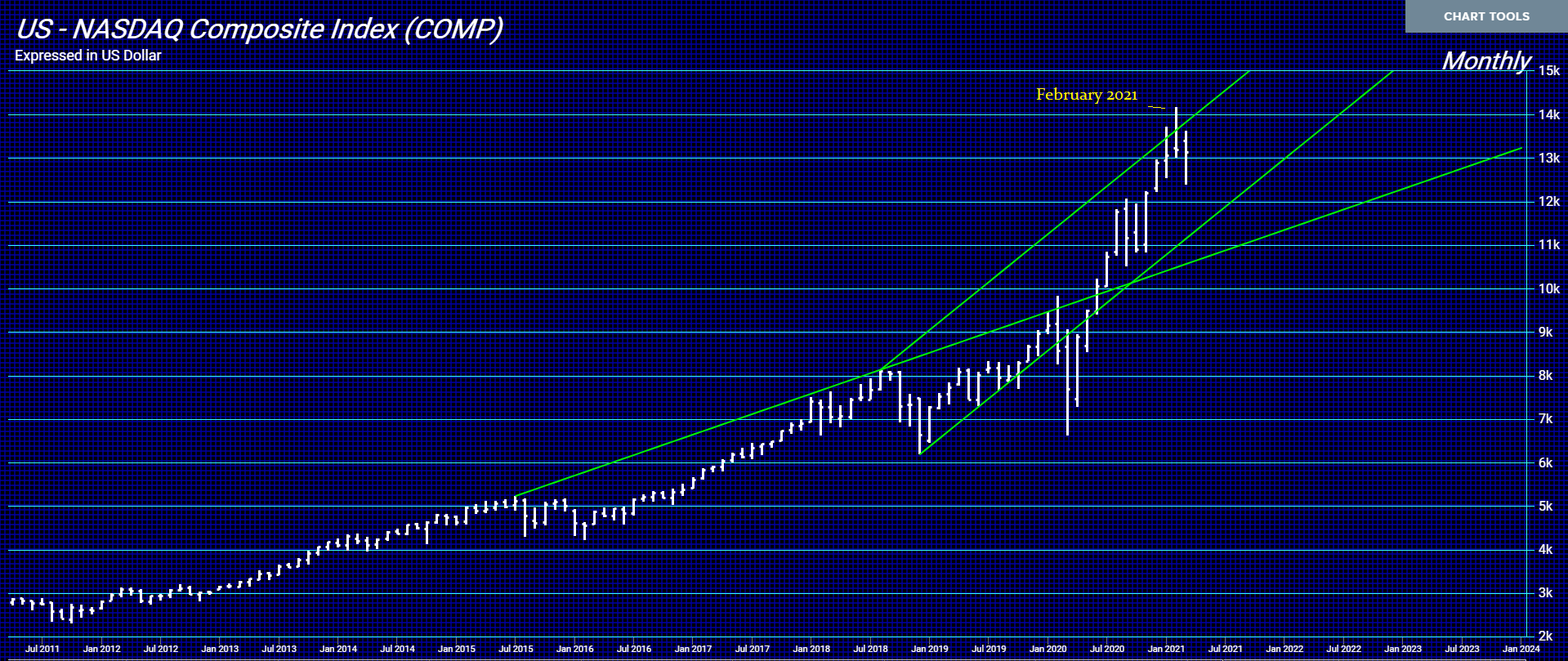
While our near-term target in the Dow Jones Industrials remains in the 36,000-37,000 range, we are still in a position to test the 40,000 number on a broader-term. What you must keep in mind are the capital flows. Because we had Trump, that one year of refusing to join this Build-Back-Better agenda was critical in keeping the US economy much stronger compared to Europe, yet neck & neck with China, which will put in a stronger growth pattern number in 2021. The Dow has been making new record highs which the NASDAQ peaked in February on target with our timing models. This disparity is reflecting the international capital flows for foreign money always go for the blue-chips.
To see the future, we must look at the entire world. Analyzing a single market based upon what comment the Fed will make tomorrow is for amateurs. We live in a global economy and it is time we open our eyes to the real world that surrounds us.
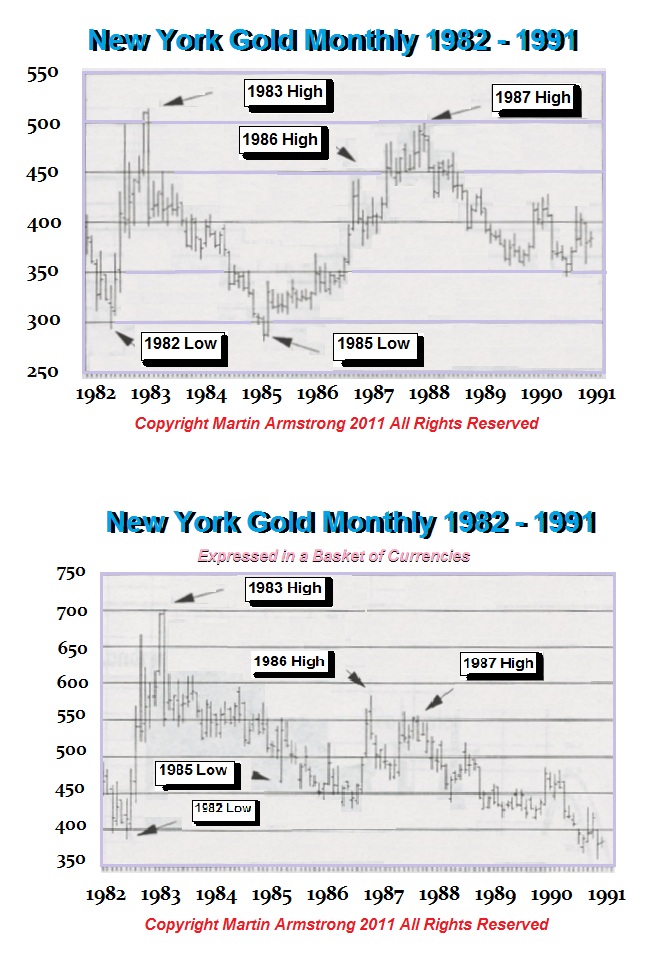
It has always been critical to look at everything from a global perspective. Gold declined for 19 years from 1980 into 1999 and the domestic analysis was always wrong. They looked at gold only in dollars. Yet when we looked at gold in a basket of currencies, what looked like a bull market in dollars was really a bear market in world currencies. This is why Socrates looks at everything in all currencies – not just domestic.
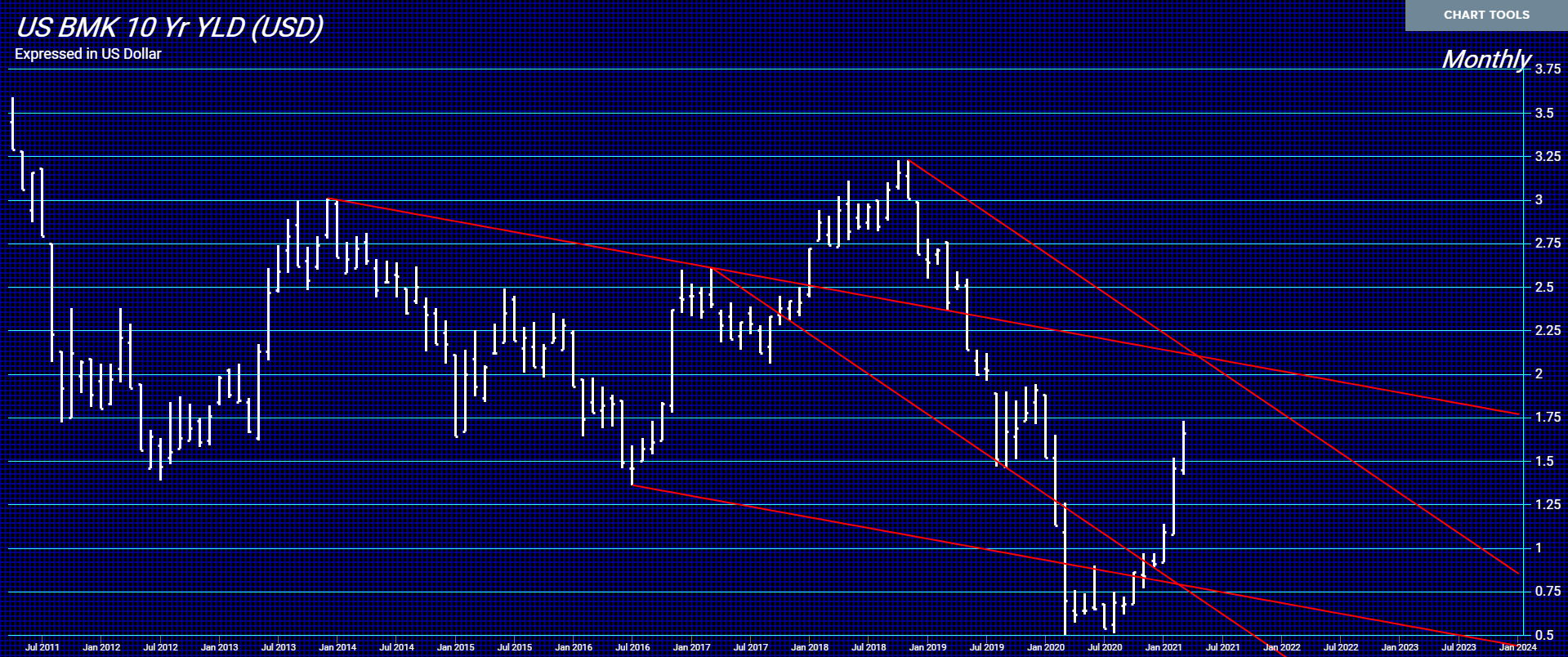
Those that keep calling to the collapse of the dollar because of debt have not bothered to look outside the United States. The US sovereign debt is about $28 trillion out of nearly $59 trillion globally. However, add in state and local government with private debt, as we are approaching $300 trillion. This is why US federal debt is still the golden parachute in the world and the fact that US long-term rates are not being manipulated as they are in Europe only offers a greater incentive for capital inflows. We are witnessing US rates rising and this will further attract international capital in the face of the US economy doing far better than Europe.
I have created this site to help people have fun in the kitchen. I write about enjoying life both in and out of my kitchen. Life is short! Make the most of it and enjoy!
This is a library of News Events not reported by the Main Stream Media documenting & connecting the dots on How the Obama Marxist Liberal agenda is destroying America