Leading Edge of Field to Fork Inflation Starts to Arrive in September Producer Price Index


Posted originally on the conservative tree house on October 12, 2022 | Sundance 

The “Producer Price Index” (PPI) is essentially the tracking of wholesale prices at three stages: Origination (commodity), Intermediate (processing), and then Final (to wholesale). Today, the Bureau of Labor and Statistics (BLS) released September price data [Available Here] showing another 8.5% increase year-over-year in Final Demand products at the wholesale level.  However, that’s not the bad news in this data.

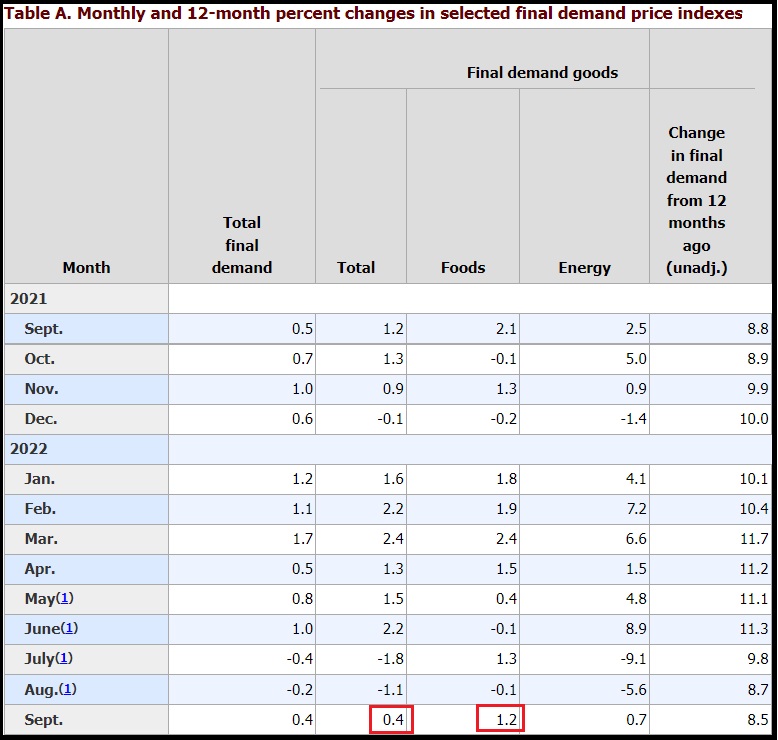
While the overall September PPI was higher than expected at 0.4%, the Final Demand Producer Price for food products in September was a whopping 1.2% (14.4% annualized).

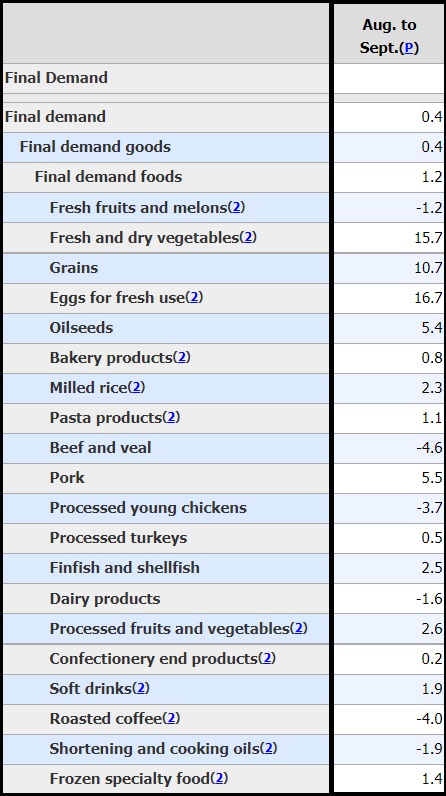
The BLS notes the driver by saying, “a major factor in the September increase in prices for final demand goods was a 15.7-percent advance in the index for fresh and dry vegetables. Prices for diesel fuel, residential natural gas, chicken eggs, home heating oil, and pork also moved higher.”

That’s a 15.7% increase in price, in one month, for fresh and dry vegetables.  Annualized that’s a rate of price increase of 188.4% for vegetables.   Remember the warning about farm costs (energy, fertilizer, fuel) driving field to fork inflation at harvest?  This is the leading edge of that third wave of food price increases.

I have modified BLS Table-2 to focus specifically on food costs.  The data is on left.

You will note that ‘row crops’ are the big drivers along with grain and seed products.  This is exactly as we predicted it would be because those specific farming costs are the ones with greatest increase from energy, fuel, fertilizer, weed and insect control, and diesel costs.

All of those higher costs have been growing in the fields and will now surface at harvest.   The higher farm costs transfer from the field to the fork via the food supply chain.  This is only the leading edge of the price increase.

In October 2021 we first warned of the food price increases coming in distinct waves.  The first was Jan, Feb and March 2022.   The second wave was May through July 2022.  This third wave will be bigger than the first two and starts arriving this month, October 2022.

People laughed at me when I said in late 2022 eggs were going to reach .50¢ EACH ($6/doz).

Well, in September the price of fresh eggs jumped 16.7% in a single month.  That’s an annualized rate of price increase for eggs over 200%.

With hindsight you can clearly see the three waves of food price increases (BLS Table A):

Get ready and shop smart.

The October, November and December price increases in the grocery store are going to make the prior fresh food increases look small, as the full increased costs of farming operations starts to arrive at the supermarket.   Unfortunately, this will coincide with a wave of gasoline price increases, and the prices of natural gas are already skyrocketing.

.

French Fuel Shortage Leads to Yellow Vest Resurgence


Armstrong Economics Blog/France Re-Posted Oct 12, 2022 by Martin Armstrong

The French, especially in Paris, are starting to feel the effects of the gas shortage. There are reports of cars queued for miles outside gas stations. Some have reported waiting for over an hour, only to find that there was no petrol left to fuel their vehicle.

Workers at TotalEnergies and Esso-ExxonMobil in France are on strike at the moment as well. This has led to three out of six refineries shutting down as production has been cut by 60% to 740,000 bpd. Over a third of TotalEnergies’ 3,500 stations are low on petrol. Workers are seeking a 10% salary increase as they feel the oil companies are reaping in profits amid this crisis.

President Emmanuel Macron has urged the people to avoid panicking. Some believe that this situation is only a glimpse of what will come in the winter when reserves plummet and demand soars. There is currently enough fuel for about 90 days.

The climate zealots of the Yellow Vest movement are prominent in France. The group protested for 60 consecutive weeks in 2018 and is extremely anti-Macron. They even stormed the Arc de Triomphe in central Paris. With Macron reelected and fuel woes rising, expect this movement to gain some momentum – with more support than the last go-around.

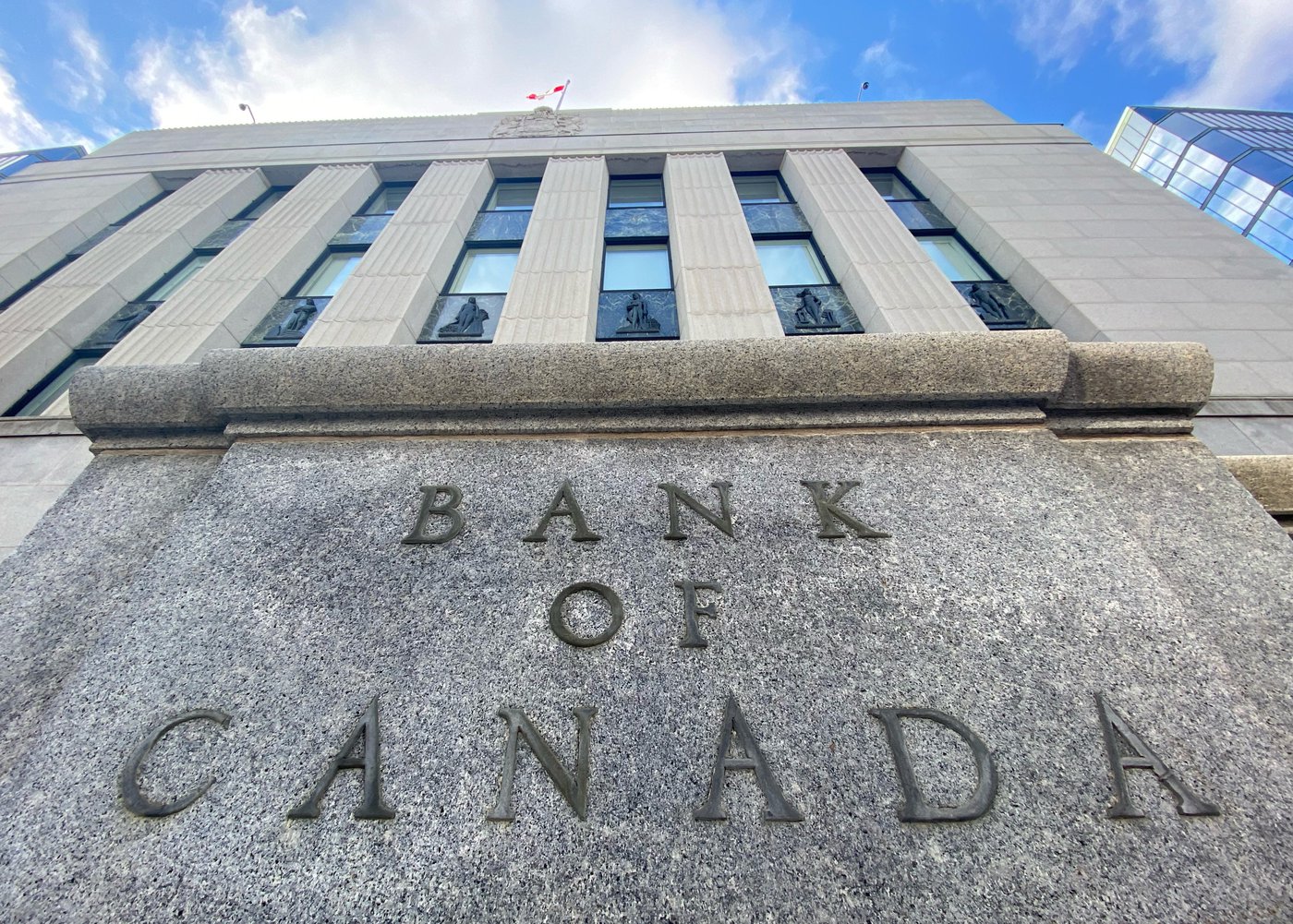
The Bank of Canada Should Admit QE FAILED


Armstrong Economics Blog/Canada Re-Posted Oct 11, 2022 by Martin Armstrong

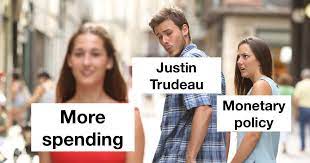
In 2020, Pierre Poilievre, chief Conservative spokesman on finance issues, said Canada’s central bank “should not be an ATM for Trudeau’s insatiable spending appetites.” Conservatives cooperated with the Liberals when it came to COVID-19 emergency spending. Everyone was in on that power grab. Now the nation is in worse shape, further in debt, and inflation is soaring.

Yet, Trudeau continues to spend recklessly without hesitation. The Bank of Canada (BoC) should remain neutral on political issues. Similar to the Federal Reserve, the BoC is the largest buyer of domestic debt. In response to criticism, the bank launched a social media campaign to deflect blame. “#YouAskedUs if we printed cash to finance the federal gov’t. We didn’t,” the Bank of Canada tweeted on August 25. Due to the pandemic, the central bank “took various measures, like buying bonds, to support and ensure a strong and stable #economy,” the bank tweeted. “We bought existing gov’t bonds from banks on the open market. Why? This helped unblock frozen markets at the start of the #pandemic. It let households, companies and governments access funding when they really needed it.”

This is the problem with those who believe they can manipulate the economy. Governments completely shut down the world for over a year and then claimed that they needed to spend as much as possible to save us from the crisis they created. “We did not use cash to pay for the bonds. We bought the bonds with settlement balances — a kind of central bank reserve — not with bank notes,” the bank continued to Tweet back in August. Basically, the strategy all along was Quantitative Easing. It failed.

They artificially lowered rates for too long and purchased government debt with no method for repayment. Their stupid idea of Quantitative Easing and lowering rates were under their theory that people would borrow if it were cheap enough. The central banks fail to understand that people will absolutely not borrow at any rate if there is no confidence. It has become conventional wisdom that when all else fails to make economies grow, create new money and buy government bonds. Of course, the “all else” never includes deregulation and lowering taxes.

Now Governor Tiff Macklem is posting videos on Twitter to explain why the bank raised rates by 300 bps in the past six months. Yes, “inflation is too high,” as Macklem pointed out, but he’s acting a bit too late. “It is by raising interest rates that we’re going to slow spending in the economy, give the economy time to catch up and take the steam out of inflation,” Macklem said in the video. “That’s gonna [sic] get inflation back down.” WHAT ABOUT GOVERNMENT SPENDING? Monetary policy does not align with the bank’s goals, as Trudeau’s continued spending will prolong inflation.

Florida Surgeon General Silenced by Twitter – Young Men are Dying from COVID Vaccine


Armstrong Economics Blog/Corruption Re-Posted Oct 11, 2022 by Martin Armstrong

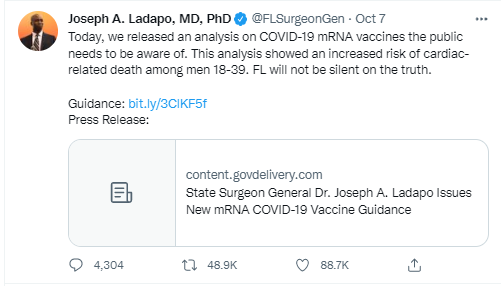
Florida Surgeon General Dr. Joseph Ladapo posted a warning on Twitter only to have the platform silence him. It is his responsibility to inform the public of potential health hazards. There should be a crackdown of Twitter for stifling free speech. The surgeon general’s tweet was reinstated after the weekend amid backlash. Hopefully, their desperate attempt to silence the truth backfired and brought more awareness to the problem.

The Florida Health Department examined those who had mysteriously died within 25 weeks of receiving the COVID vaccine. The guidance link provided by Dr. Lapado urges healthcare providers to examine the risks associated with these mRNA vaccines.

“The Florida Department of Health (Department) conducted an analysis through a self-controlled case series, which is a technique originally developed to evaluate vaccine safety. This studied mortality risk following mRNA COVID-19 vaccination. This analysis found there is an 84% increase in the relative incidence of cardiac-related death among males 18-39 years old within 28 days following mRNA vaccination. Individuals with preexisting cardiac conditions, such as myocarditis and pericarditis, should take particular caution when considering vaccination and discuss with their health care provider.”

These findings are extremely alarming, and the surgeon general recommends AGAINST COVID-19 vaccinations for men between 18-39 years of age. An 84% increase in cardiac-related deaths is astounding and a true eye-opener of how deep the cognitive dissonance is embedded in society, as NO ONE is discussing this matter. People are more concerned about Twitter removing the tweet than the actual content. The guidance continued:

“Based on currently available data, patients should be informed of the possible cardiac complications that can arise after receiving a mRNA COVID-19 vaccine. With a high level of global immunity to COVID-19, the benefit of vaccination is likely outweighed by this abnormally high risk of cardiac-related death among men in this age group.”

Men over the age of 60 experienced a 10% increase in cardiac-related deaths as well. They are also recommending against the use of these dangerous vaccines in healthy children under 17. We should have already reached herd immunity long ago. The risks associated with the vaccine far outweigh the benefits (if there are any benefits). Healthy young men should not be dying from heart failure – the COVID narrative must end.

Doctors sue FDA over ivermectin misinformation


Alison Morrow Published originally on Rumble on October 7, 2022

#FDA #Lawsuit #Doctors A group of doctors is suing the FDA, HHS and the men in charge of each agency for interfering in their ability to treat patients. They say the federal departments lied about Ivermectin.

The Japan Outlook


Armstrong Economics Blog/Japan Re-Posted Oct 7, 2022 by Martin Armstrong

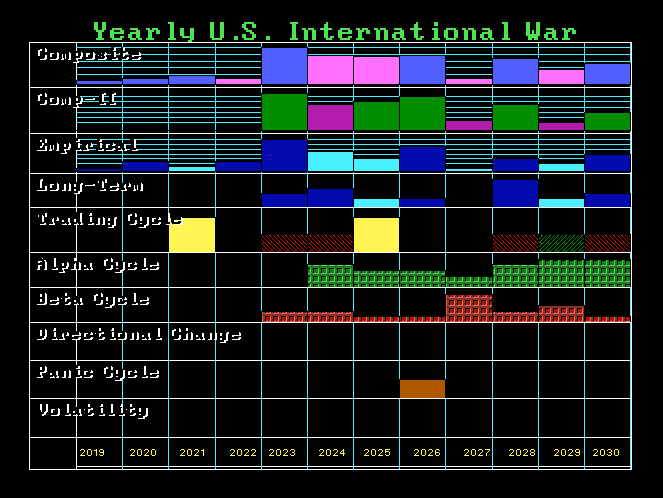
QUESTION: Marty, I greatly appreciate all you do to try to prevent this war cycle. You have said many times Socrates beats you. With missiles flying over Japan here, what do you see ahead?

AS

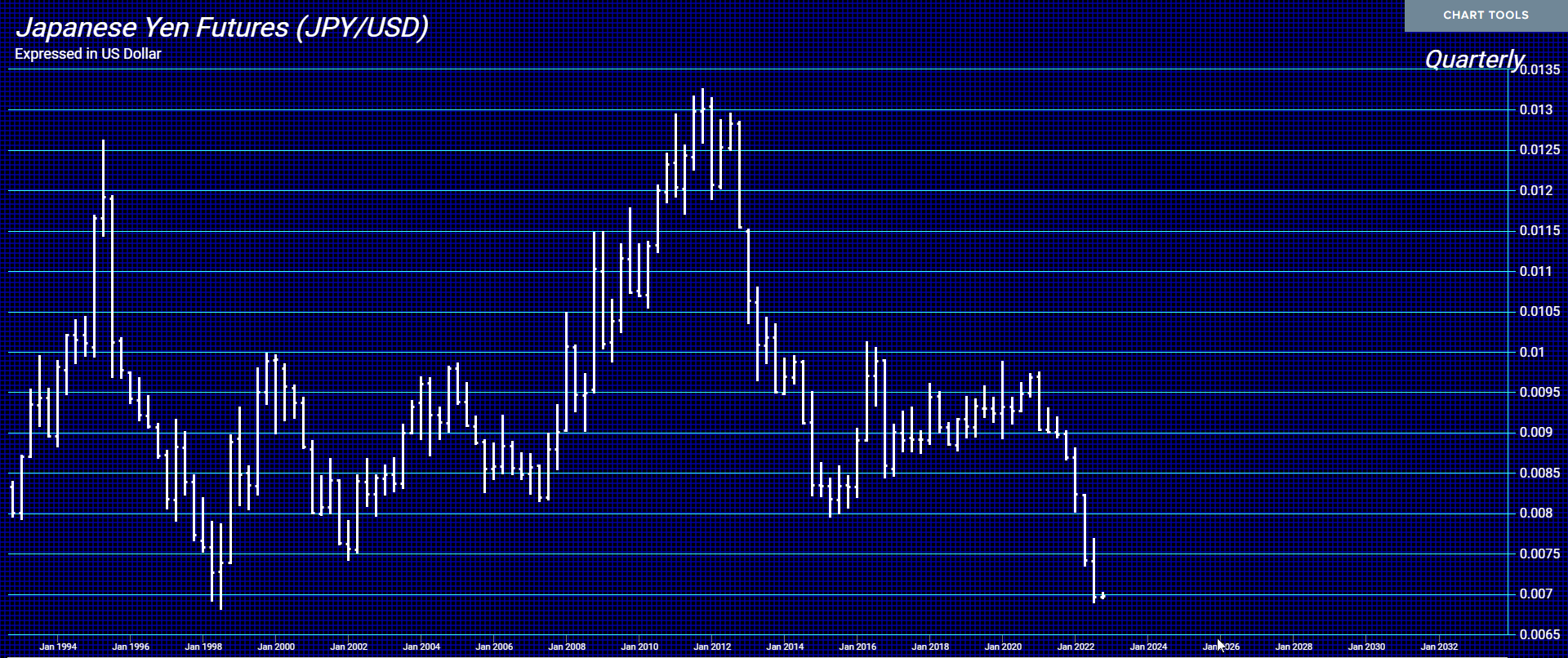
ANSWER: Nice to hear from you. It does not look very good. A year-end closing below 6805 will warn of a major crash in the Japanese yen next year.  I cannot stop the cycle. The best I can possibly do is perhaps reduce the amplitude. Even that is speculative. It just seems that we have insane leaders who care more about defeating Russia for this climate change nonsense. What they are doing to farmers in the Netherlands is insane. They know that the current monetary system is collapsing. They are using the war in hopes of creating an excuse and a diversion from their own sovereign debt defaults – hence you will own nothing and be happy.

All the market look to be cascading into 2023. This is not my opinion. I wish I did not even have to talk about this nonsense. The ray of hope is we get to restart the world economy post-2032. That is when we will hit the control-alt-delete. All I can do is try desperately to get society just for once to look at history and see what systems worked and what failed.

US National Debt Reaches Historic High


Armstrong Economics Blog/Gov’t Incompetence Re-Posted Oct 7, 2022 by Martin Armstrong

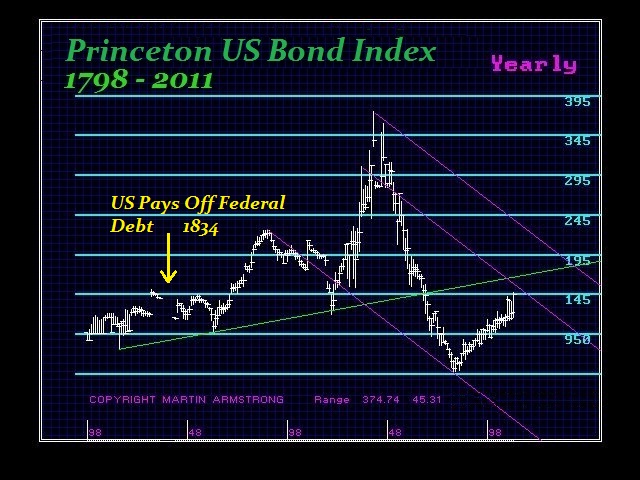
The US national debt has reached a historic high under Biden after surpassing $31 trillion. The national debt has always been chaotic as politicians push spending agendas with no plans to pay their debts. The only time the national debt was paid in full was in January 1835 under President Andrew Jackson. The US fell into debt just one year later as a result of the Civil War and Jackson’s war on the banks.

The last time the US experienced a surplus was in 2001, although the debt still increased. COVID spending pushed the nation’s debt to new levels, and the US government spent $3.1 trillion more than it earned. In 2021, the federal government spent $2.8 trillion more than it earned. Now in 2022, the Biden Administration is announcing a new spending plan each week.

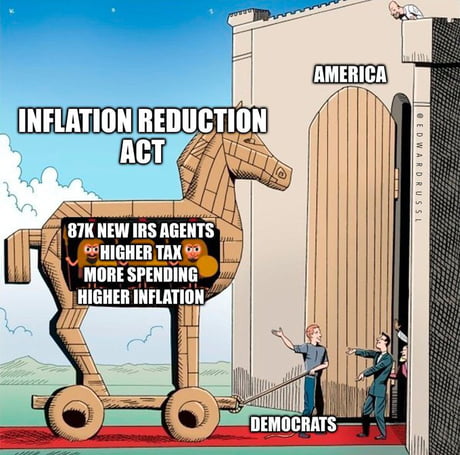
Biden spent $1.9 trillion on the American Rescue plan last year, which many blame for fueling inflation as $400 billion was earmarked for Americans to stay home and not work. Biden attempted to pass the $5 trillion Build Back Better bill, the largest proposed bill in US history. When that bill failed, Biden signed the Inflation Reduction Act for $740 billion. Numerous independent studies have stated that the act will only worsen inflation.

Biden plans to spend around $400 billion to cancel student loan debt for families earning as much as $250,000 annually. To add insult to injury, Washington has sent Ukraine nearly $17 billion this year alone. This administration is not worried about taxpaying citizens, and eventually, the citizens will be the ones footing the bill for Biden’s excessive spending.