Treasury Secretary Janet Yellen Delivers Remarks Outlining “The future of Our International Order,” and Need to “Decarbonize Our Economies”


Posted originally on the conservative tree house April 13, 2022 | Sundance 

Treasury Secretary Janet Yellen delivered a remarkable speech today outlining “the future of the international order,” in the aftermath of the global pandemic and the current conflict in Ukraine.  Within the speech, Yellen outlines the priorities of the United States according to the current administration and the international financial mechanisms that she controls.
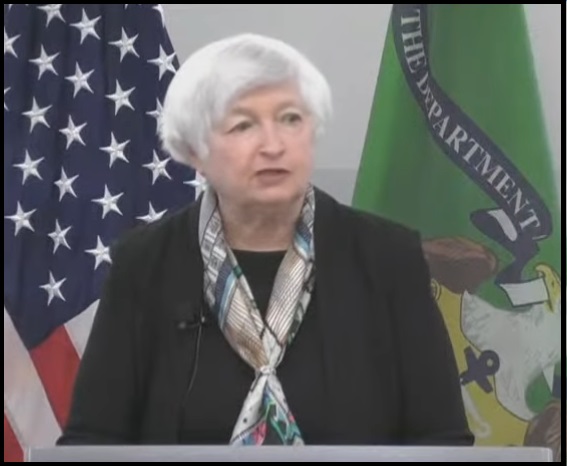
The speech is quite jaw-dropping when you consider the nature of her position, and the fact that she is an unelected bureaucrat within government.

As you read the speech {Transcript Here}, keep in mind she is not the President of the United States, or the commissioner of the New World Order, yet she presents herself as authorized to control the geopolitical constructs of the Biden administration.  The hubris is astounding.

Secretary Yellen: outlines the goals and objectives of the international order, predicts a concerning global famine, warns against the cleaving of financial mechanisms for international trade as an outcome of the Ukraine conflict, threatens any nation who does not support the western political alliance and outlines the need for decarbonization of the global economy.

Yellen expresses all of these powers from the position of a U.S. Treasury Secretary – the equivalent of a government financial minister.  Speech highlights with emphasis mine:

(Transcript) – […] “Russia’s horrific conduct has violated international law, including core tenets of the UN Charter—challenging countries to demonstrate where they stand with respect to the international order that has been built since World War II.  Therefore, when I speak about a changed global outlook, I’m not just talking about growth forecasts.  I’m also referring to our conception of international cooperation going forward.  

I will focus my remarks today on the significance of international cooperation in this current environment and for our future.

[…] With Attorney General Garland, I convened a novel taskforce of law enforcement and finance ministry leaders from G7 and partner countries to advance our efforts. […] Rest assured, until Putin ends his heinous war of choice, the Biden Administration will work with our partners to push Russia further towards economic, financial, and strategic isolation.

[…] When Russia made the decision to invade Ukraine, it predestined an exit from the global financial system.  Russian leaders knew that we would impose severe sanctions. […] We are now seeing higher commodity prices that have added to global inflationary pressures and are posing threats to energy and food security, trade flows, and external balances across many countries.  

[…] The ultimate outcome for the global economy of course depends on the path of the war.  Russia could end this unnecessary war and the near-term impact could be contained. 

[…] While many countries have taken a unified stand against Russia’s actions and many companies have quickly and voluntarily severed business relationships with Russia, some countries and companies have not.  Let me now say a few words to those countries who are currently sitting on the fence, perhaps seeing an opportunity to gain by preserving their relationship with Russia and backfilling the void left by others.  Such motivations are short-sighted.  The future of our international order, both for peaceful security and economic prosperity, is at stake.

[…] The Russian invasion of Ukraine has dramatically demonstrated the need for us to stand together to defend our international order and protect the peace and prosperity that it has conferred on advanced and developing countries alike. […] On some issues, like trade and competitiveness, this will involve bringing together partners that are committed to a set of core values and principles.

[…] we need to modernize the multilateral approach we have used to build trade integration.

[…] we should implement last year’s global tax deal.  Some 137 countries—representing nearly 95 percent of the world’s GDP—have agreed to rewrite the international tax rules to impose a global minimum tax on corporate foreign earnings and to partially reallocate taxing rights from countries where companies are headquartered to those where they sell goods and services.

[…] the economic and financial response to the global financial crisis in 2008-2009 was too timid and short-lived.  With inadequate global liquidity, the crisis caused lasting damage.  In response to the pandemic, the IMF acted creatively to support poorer countries.  […] Experts put the funding needs in the trillions, and we have so far been working in billions.  The irony of the situation is that while the world has been awash in savings—so much so that real interest rates have been falling for several decades—we have not been able to find the capital needed for investments in education, healthcare, and infrastructure. 

[…] We know we have not yet done enough in terms of mitigation, adaptation, green technology innovation and adoption, and funding for those efforts. […] We must redouble our efforts to decarbonize our economies, recognizing that countries will use a range of tools—including carbon pricing, regulation, and subsidies—to achieve needed emissions reductions.  Because those approaches will have quite different consequences for the costs of production, we will see differing impacts on trade competitiveness.  We will need to work together to avoid trade tensions and in time to coordinate and harmonize our approaches.

[…] Some may say that now is not the right time to think big.  Indeed, we are in the middle of Russia’s war in Ukraine, alongside the lingering fight against a global pandemic and a long list of other initiatives underway.  Yet, I see this as the right the time to work to address the gaps in our international financial system that we are witnessing in real time. […] we ought not wait for a new normal.  We should begin to shape a better future today.”  {Read Full Transcript}

Think carefully about what you just read, and then remember the previous warning:
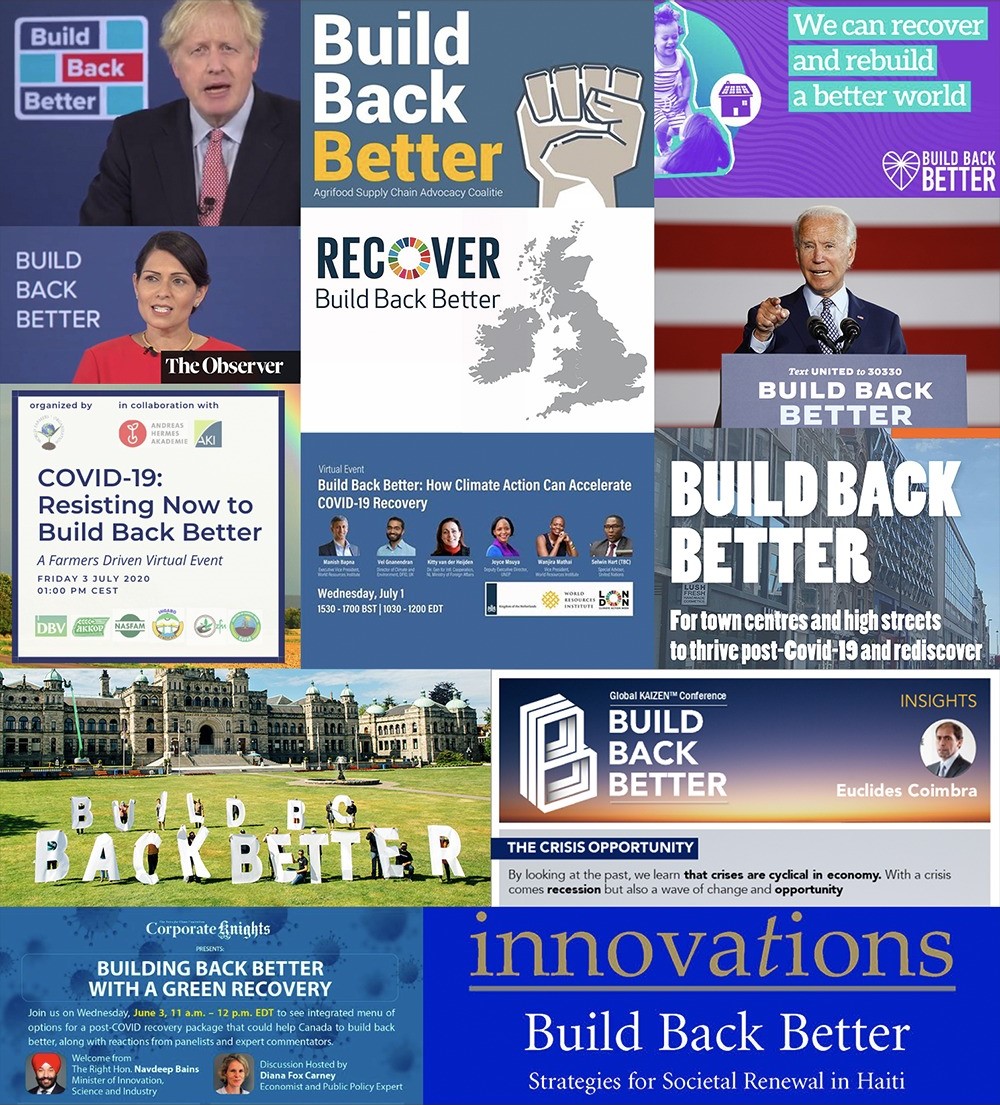
[CTH March 23, 2022] A Build Back Better society, or “great reset”, is factually underway as triggered by the gateway of SARS-CoV-2 and the massive spending by western nations to subsidize the lockdowns, shut-downs, economic closures and forced unemployment.

Global inflation is being driven not only by the American spending spree, but also by the massive government spending programs of the EU, U.K, New Zealand, Australia, Canada and many western nations.

The bills for those subsidies and bailouts are due.  The labor of the citizens is going to have to pay those bills, while simultaneously we deal with inflation and massive debt balances on all nations’ balance sheets.

Into this mix comes the very real possibility of a declining U.S. trade dollar, as a result of geopolitical conflict between the west and Russia, China, Iran and OPEC in the geography of Ukraine.  The financial sanctions by NATO and western allies have factually created a rift in currency exchange valuations.

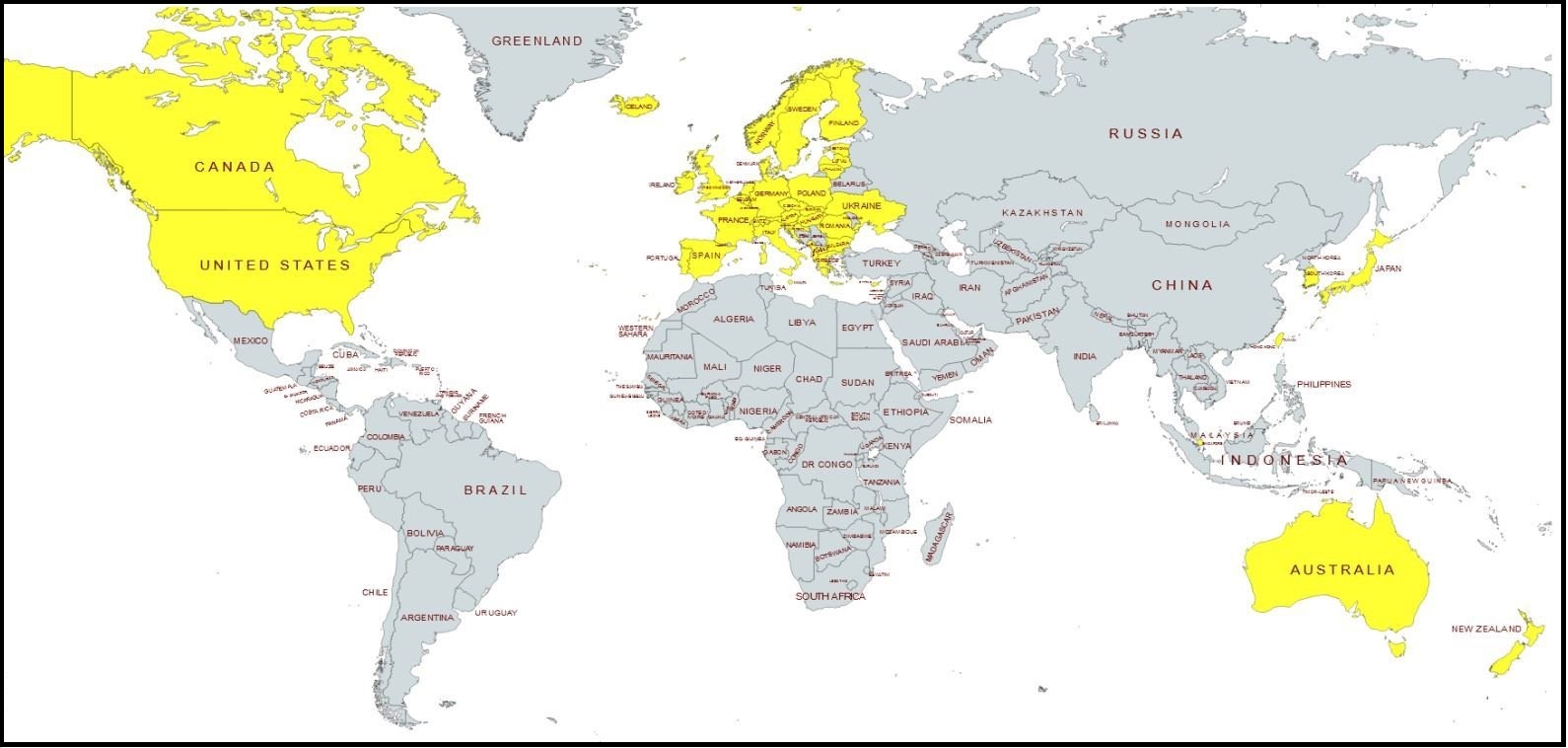
As the proverbial west hammers those sanctions even harder and more deliberately, what they are doing is creating a stronger and greater likelihood that the dollar will be removed as the global trade currency, and we will enter a phase where two sets of nations exist:

One set of nations will run their economy on oil, gas and fossil fuels.  The other set of nations will be focused on running their economic engine on the premise of sustainability, or renewable energy.

The sanctions toward Russia actually help to drive this chasm even wider.

To me, this looks entirely purposeful – done by specific intent and design.

Two world groupings.  One group, oil-based energy (traditional) – let’s label them the RED GROUP; and one group GREEN energy (the build back better plan).  It is not accidental these two groups hold similar internal geopolitical views and perspectives.

♦ The important part to see is… there are going to be two sets of nations with two structurally different economies. A red group and a green group.

What Treasury Secretary Janet Yellen outlines in that speech is the geopolitics of this exact cleaving.  Also worth noting, We The People represent the carbon she seeks to eliminate.
Mitch McConnell Warns About Republican Voters Supporting Unacceptable Candidates


Posted originally on the conservative tree house on April 13, 2022 | Sundance 

DeceptiCon ruler Mitch McConnell is the ultimate abuser in the relationship of the Republican Party to its base of voters.

During a series of remarks at a Kentucky Chamber of Commerce convention Tuesday, the Senate Minority Leader went right back to his familiar pattern of telling voters they should listen to who he says is acceptable or not acceptable as a 2022 Republican candidate.

Those of you who have walked the deep political weeds with us, will remember the battles against McConnell’s uniparty wing in the 2010, 2012 and 2014 races.  This is where McConnell and McCain famously called the base of the GOP “whack-o-birds” and “jihobbits” for supporting unsanctioned Senate candidates like Scott Brown, Ted Cruz, Mike Lee, Ron Johnson, Tom Cotton, Rand Paul, Marco Rubio and more.

(KENTUCKY) – […] McConnell, speaking at a chamber event in Kentucky, said that 1994 had been the best year for Republicans and that the atmosphere heading into November “is better than it was in 1994.”

“From an atmospheric point of view, it’s a perfect storm of problems for the Democrats,” McConnell said. “How could you screw this up? It’s actually possible. And we’ve had some experience with that in the past.”

“In the Senate, if you look at where we have to compete in order to get into a majority, there are places that are competitive in the general election. So you can’t nominate somebody who’s just sort of unacceptable to a broader group of people and win. We had that experience in 2010 and 2012,” McConnell added. (read more)

This guy is such a profound manipulator it is almost sickening.  After the 2008 election, the Democrats had a 60-seat majority. A veto-proof majority.  Mitch was the minority with 40 Republican senators in January 2009.  It was the Tea Party that changed it all around, starting with Scott Brown in December of 2009.

In the specific races McConnell points out in 2010 and 2012 were races where the Tea Party base of the GOP actually produced more seats for the Republicans, culminating in a successful majority reestablished in the Senate in 2014.  The Republicans did nothing with that majority and couldn’t even get rid of the Obamacare mandate which they campaigned on with eight years of promises.

Stop Blaming Putin for Inflation


Armstrong Economics Blog/Inflation Re-Posted Apr 13, 2022 by Martin Armstrong

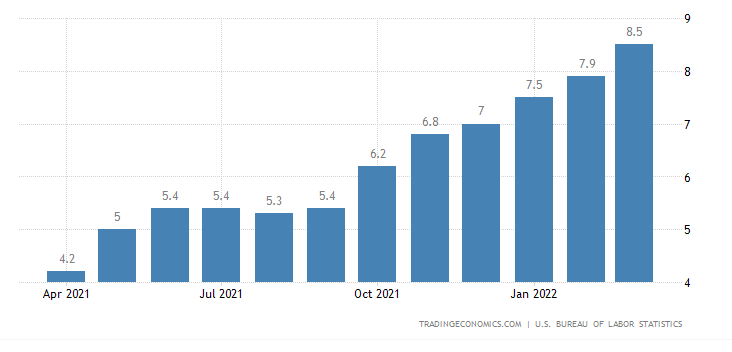
The Consumer Price Index soared 8.5% in March year-on-year, according to the report released by the Labor Department on Tuesday. Prices have not been this inflated since Reagan was in power in December 1981.

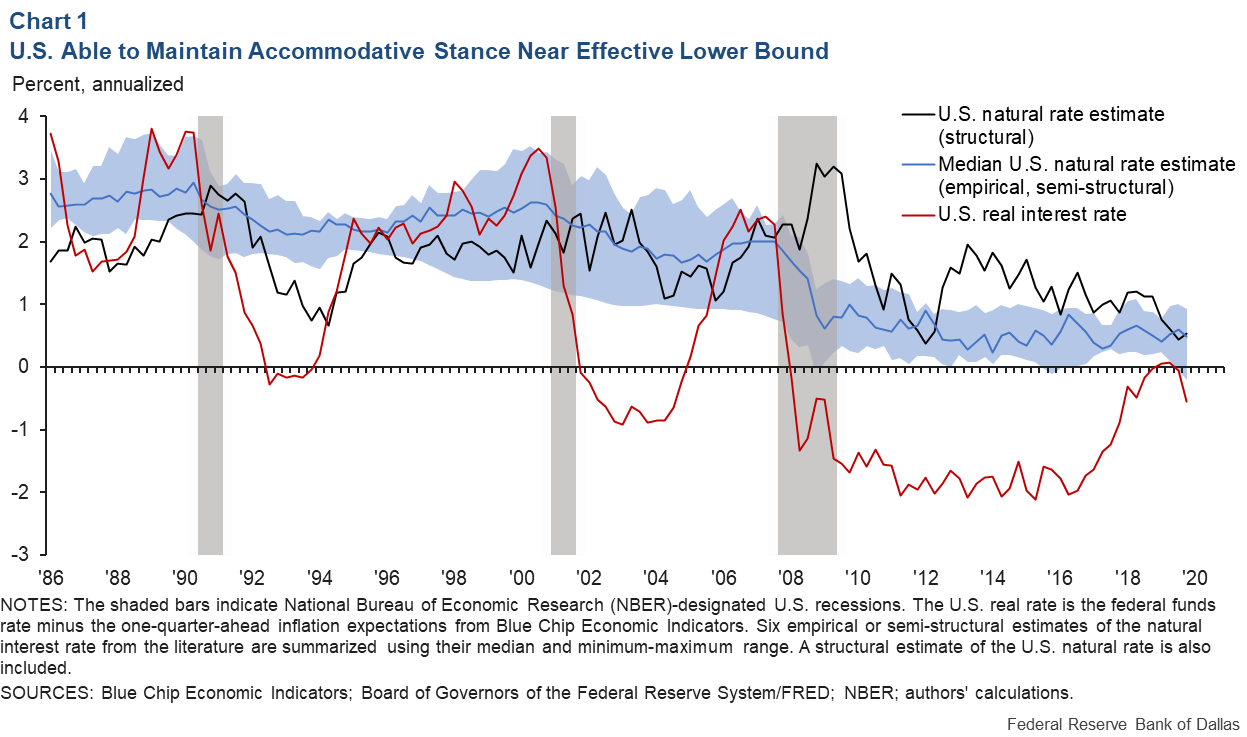
Former Fed Chair Ben Bernanke set the target level of inflation at 2% back in 2012. Once the Federal Reserve began pursuing a 2% level of inflation in 2012, that standard was soon set as the target for numerous central banks across the world. This all changed when the world collectively agreed to stop spinning for the coronavirus. As you can see, median inflation in the US was declining prior to 2020.

The 2% level remained in place for some time until they realized that inflation was not “transitory” and artificially low rates had diminished the central bank’s ability to control the situation. Guidelines and restrictions were lifted chaotically. The US government continued to spiral into debt by adopting new socialistic spending programs. Unemployment levels are just now recovering three years later, but the damage from COVID cannot be ignored. While wages are increasing, inflation has reached such an unsustainable level that everyone’s buying power has decreased.

By August of 2020, the Federal Reserve carefully changed its language:

“Notably, the Fed changed its language on inflation, replacing its 2 percent inflation target commitment, and instead said it will “[seek] to achieve inflation that averages 2 percent over time.”

Inflation made a notable uptick in April 2021 (4.2%) at a pace not seen since the Great Recession. By the end of Q4 2021, Chairman Powell admitted inflation was not “transitory,” and underplayed the situation that would unfold. We are now in the midst of a supply chain crisis, energy crisis, and wage-price spiral. Every variable of this situation contributes to inflation on top of a government that does not take measures to address any crisis.

White House Press Secretary Jen Psaki tried to do damage control a day before the report was released. “We expect March CPI headline inflation to be extraordinarily elevated due to Putin’s price hike,” Psaki said. The numbers do not lie. Inflation was on the rise well before Putin engaged with Ukraine. Government and central bank mismanagement have caused the current situation. Powell admitted they should have moved a bit quicker, but Biden remains wholly unaware of the problem and continues to worsen matters with his policies that are intended to destroy America before Build[ing] Back Better.

Multiple Simultaneous Food Production Impacts Create Global Concern


Posted originally on the conservative tree house on April 12, 2022 | Sundance 

I want to be very careful here, because multiple people have sent me a version of this outline asking for opinion. Basically, is David Friedberg correct?

The discussion in this video surrounds farming as a construct of global caloric creation.  Meaning, with all that is taking place in the farming system on a global scale, will there be dramatic food shortages?  It is a complex issue.  In the larger picture what Friedberg, a former scientist within the Monsanto organization, explains is accurate; however, I would inject some nuanced dissension as it relates to U.S. farm production specifically.

The first four and a half minutes of the video are an accurate representation of the global state of farming, albeit with a little too much weight on the Ukraine-Russia aspect.  There was a preexisting issue long before Russia entered the picture. The price of fertilizer was already skyrocketing, Russia-Ukraine has made that already looming issue, worse.  WATCH First 04:30 minutes:

The problem described, about farmers deciding not to plant, is weighted more heavily in less developed countries where access to the financing for a future crop is not stable {AP Article Here}.  For most of the developed world farming will continue; it is the end product where prices will reflect the additional costs of bringing a harvest to market.  Bottom line, as the futures market is showing, crops will be more expensive.

There is going to be a problem in the same areas of the world where food stability and dependency is already an issue.  Yes, the convergence of current farm challenges will make those areas more vulnerable.  We do not know, to what extent.

The notation about a 90-day supply of food on a global basis (Northern Hemisphere) is slightly askew, as countries like the United States have a much deeper reserve and storage capacity.  We discussed this last year {Go Deep}.

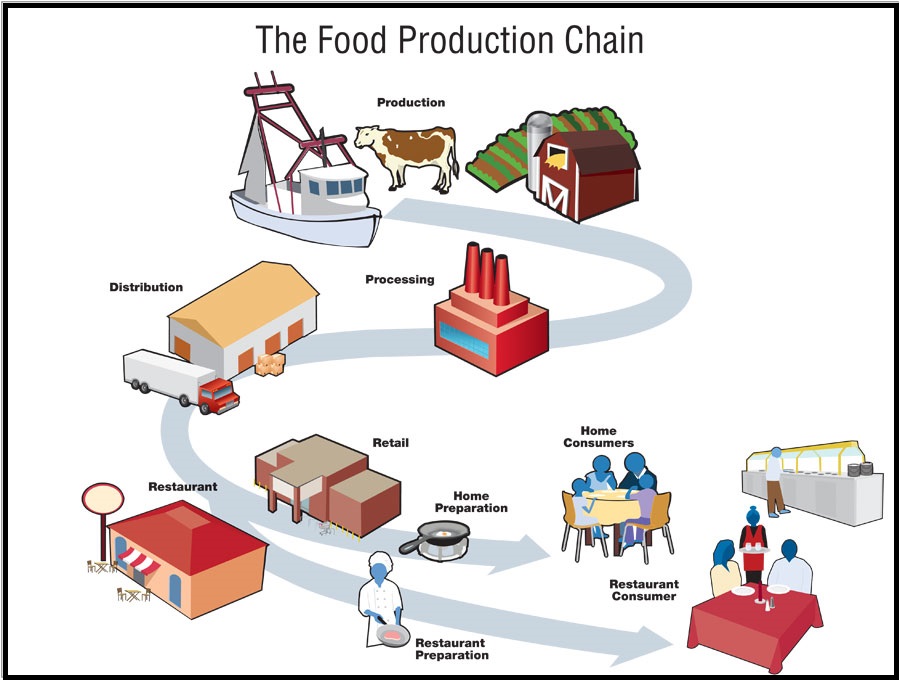
Essentially, in the U.S. we operate approximately one full harvest cycle ahead of demand.   However, our problem is the COVID lockdowns in 2020 and 2021 disrupted the two food delivery systems by shutting down restaurants, cafeterias, hotels, hospitality venues, entertainment, school lunchrooms etc and limiting capacity for six months.  The government intervention seriously messed up our food supply chain. {Go Deep}

In North America I do not foresee any major scarcity of total food availability, certainly not in the fresh food supply side.  There may be shortages on specific segments within the processed and manufactured food supply chain, but those would be nuanced based on specific ingredient issues.

What we will see is continued increases in price and a demand for U.S. agricultural products to fill the voids in global markets that result from less developed nations needing the products our North American farming experts can deliver.  There will be a higher demand for us to export food materials, and when combined with the already increased cost for the harvest, that means much higher prices still coming.

Our North American farmers are awesome in their ability to maximize yield, with the customary and appropriate qualifier that ultimately mother nature will determine success or failure.   Our U.S. and Canadian farmers and ranchers are the best of the best.  Their ability to feed our nation is a national and strategic advantage, unparalleled in any other region.  They know how to do it, if the government will just get out of the way and let them work.

If it was a priority for the U.S. government to ensure U.S. food stability, they could spend a few billion by securing fertilizer and reasonably priced energy (diesel) for our farmers, simply to offset the upfront and increased production costs.  Then, just turn North America loose, pray a little bit, and let them create as much product as possible for the overall market.  Let the market demand determine the crop, and get government out of their business.

Farmers in the U.S, Mexico and Canada have the capacity to drive higher yields.  Unfortunately, the politics of war, Wall Street – and the influence of the international banking system – takes a higher priority for DC than simple farming commonsense.   Unfortunately, as we saw today, turning corn into gasoline additive just exemplifies the stupidity of the DC mindset.

On one hand, we have serious people concerned about global famine. On the other hand, we have a narcissistic occupant of the oval office, and a tribe of DC idiots worried about gasoline prices and the mid-term election.  These issues do not have to be mutually exclusive, and there is a reasonable solution for both of them.  However, all that reasonableness evaporates once the people behind a fraudulently elected DC politician walk in the room.

Will there be a dangerous level of food shortage globally?  Yes

Will there be a dangerous level of food shortage in North America? No, but there may be some scarcity.

Will there be higher prices?  Absolutely.

Unleash the farmers and unleash the energy experts and all of this maddening anxiety ends.  Unfortunately, those actions are adverse to the Build Back Better agenda.

We are in an abusive relationship with our government.

Inflation Rate Jumps to 8.5 Percent as Energy, Food and Gasoline Prices Skyrocket


Posted originally on the conservative tree house on April 12, 2022 | Sundance 

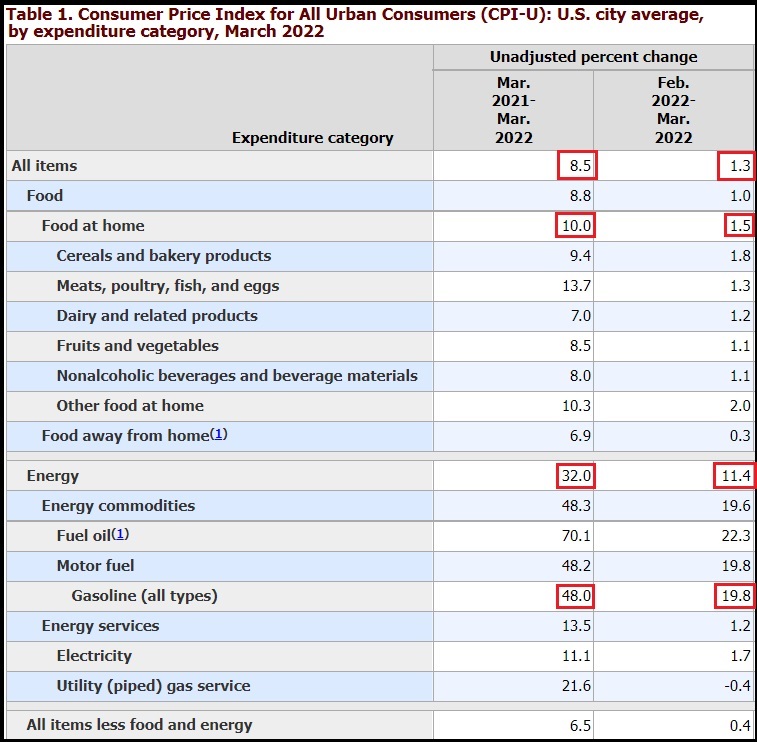
This is not going to be news to CTH readers and intellectually honest analysts.  The Bureau of Labor and Statistics has released the March consumer pricing data [DATA HERE] showing the recent surge in energy, gasoline and food costs that we have all felt.

The monthly increase of 1.3% brings the annual rate of inflation to 8.5 percent year-over-year.  However, the details tell the exact story we have been outlining for well over six months.   This is the second wave of inflation being recorded.  Grocery store prices (food at home), energy prices, and gasoline prices are all driving the inflation rate. [BLS Table 1]

Again, I modified Table-1 to take out the noise.  The data shows what we have felt for the past two months.  Working class families are feeling the pinch as their wages cannot keep pace with the increase in prices on products that are a priority.  Food, housing, gasoline, energy.

If we were using the old CPI method for analysis, current inflation would be well above 20%.

That said, there are issues also inherent and visible in the data for the non-food and energy segments, what I would call the durable goods side.  First, we are seeing the beginning of the durable good contraction getting quantified as we have previously discussed.   The prices for used vehicles, electronics, appliances and other non-critical durable goods are now flatlining, or even dropping in price.

Every indication within the economy indicates this is being caused by a demand contraction.  People are not purchasing durable goods because their disposable income is gone.  This lack of demand also shows up in wage rate suppression.  Despite high employment, wages are not rising – in part because there is excess productivity in the durable good economy.

You will note from Table-2 [available here] that food away from home, restaurant food, is not climbing as high as food at the grocery store (0.3% -vs- 1.5%).   Restaurants are trying to keep prices down and their profit margins are being eroded.  They are in a tough place, because if restaurants raise prices, they may lose customers who are already feeling pain in their checkbooks.  However, they cannot hold out much longer before raising prices, because the price increases are permanent.

The good news is the March data appears to quantify the apex of the second wave rate of inflation.  The rate of increase in food, fuel and energy will now start to moderate and slow down.  The prices may, likely will, keep going up, but they will go up less dramatically than they have in the past six months.  This price plateau will hopefully remain in place until late summer, that’s when the next harvest food costs will hit in Wave-3.

On the durable goods, what we will see now is a typical demand side issue.  Price increases for durable goods will quickly, if they are not already, be less connected to material costs and more connected to demand.   Obviously, the cost to manufacture, create, produce, transport and deliver durable goods is still experiencing upward pressure due to raw materials.  However, the demand variable will now enter more dominantly.

With wage growth meek and prices still rising on essentials like food, housing, energy and gasoline, demand for non-essential durable goods will drop. The demand decline should naturally put downward price pressure on appliances, electronics, used vehicles, etc.  Unfortunately, this also contracts the overall economy, creates unemployment, and indicates “stagflation.”

(MSM) – […] The consumer price index leaped 8.5% annually, the fastest pace since December 1981, the Labor Department said on Tuesday, likely cementing Federal Reserve plans for an unusually large half-point interest rate hike early next month. That increase is up from 7.9% in February and inflation now has notched new 40-year highs for five straight months. (more)

We will need to watch the service side closely now to see if consumers start to lessen travel, entertainment, and other service side expenses.

Protect your family.  Be frugal, wise and smart with expenses.  However, do not trouble yourself with dark imaginings.

If you are like most here, you have prepared yourself with commonsense actions and you are a doer who fixes problems, not a naysayer who sits around mulling over them.  Your family, kids and/or grandkids as well as your community can benefit from wise, albeit sometimes stern, counsel.  Stand strong, stand firm and stand resolute.

All of these challenges are simply that, challenges.  Work any problem as it arises, including for the kids.  And also remember, God is in charge, not you. So, listen to his instructions.  Listen to that instinct he buried within you.  Draw upon the strength that a loving God constantly provides.

Be a vessel for those who need hope.  Be a guiding light for those who feel distressed. Be cheerfully strong among everyone around you, and thankful for all the kindness you experience.  If you get stuck, start giving….

Ultimately, everything is a choice.  So, be the lighthouse, not the rocks.

P

New York Lt Governor Arrested on Bribery and Corruption Charges, Resigns Immediately


Posted originally on the conservative tree house on April 12, 2022 | Sundance

New York Lieutenant Governor Brian Benjamin (below right) was indicted on bribery, wire fraud, and falsification of records charges.  He turned himself in for arrest and resigned within hours.

NEW YORK – New York Governor Kathy Hochul’s second-in-command pleaded not guilty to bribery charges Tuesday after being indicted for allegedly funneling illicit donations to one of his past campaigns. Benjamin entered the plea in federal court in Manhattan before being released on a $250,000 bond. He surrendered to authorities early in the morning as the indictment was unsealed, the U.S. attorney’s office said.

“While the legal process plays out, it is clear to both of us that he cannot continue to serve as Lieutenant Governor,” Hochul said in an emailed statement. (link)

According to the Washington Post Benjamin was seeking political donations and public matching funds when he enlisted the help of a real estate developer to raise money and disguise its source. In exchange, Benjamin used his official authority to try to steer $50,000 to a charitable organization the developer controlled.  A typical quid-pro-quo.