Trying to Figure Out Why the World is So Precise


Armstrong Economics Blog/ECM Re-Posted Mar 13, 2022 by Martin Armstrong

QUESTION #1: Marty;
Long-time reader, pro member. First of all, thank you for confirming suspicions from my youth that there are cycles everywhere and for expanding the ideas enabling me to see that everything is connected.
I agree w/ you that the financial center of the world is headed back to China. My question, however, is this. China is currently undergoing its own economic problems in banking and real estate putting pressure on the populace and hence, upon the CCP. What does Socrates say China will look like come 2032+? How will the Chinese society change and how will this change influence the world at large post-2032?

VT

QUESTION #2: Marty, I am flabbergasted that you said in 2013 that Ukraine was the place this all begins. Your long-range forecasts are beyond what anyone has ever done. I find it appalling that these sites like ______  post everyone but you because they are closet gold bugs. This is about helping society understand how the world works for which you should get the Noble Prize. These sites ignore you because they too are no different than the people they claim to oppose. They only preach their own theories.

My question is, have you made any progress in understanding how your model makes these forecasts nobody else can do?

HF

ANSWER: I believe the world is so COMPLEX that there is no possibility of humans analyzing and forecasting the future from a personal gut feeling on a consistent basis. Yes, there are people who hate me because they do not like a forecast. They are just fools and you cannot ever win an argument with a fool. Life is all about keeping an open mind and learning everything we can. Perhaps that is what people call an old soul.

It is true that you see advertisements of some guy who claims he called some crash. One forecast can be nothing but dumb luck the same as a broken clock is still correct twice each day. I have been pursuing this phenomenon of trying to understand how the world REALLY works for decades. I too have found it fascinating how the model can make so many forecasts to the very day – not just one and it is all mathematical which cannot be fudged. I believe this simply reveals that there is a hidden order to everything. It reminds me of the conflict I saw in school between Physics class and Economics. The first said there is nothing random and the latter said everything was random so we can eliminate the business cycle and prevent depressions and recession. Physics was correct – economics was wrong.

Yes, on December 3rd, 2013, I posted: “Ukraine Maybe The Most Important Country To Watch.” I wrote:

“The War Cycle turns up next year. Because Kiev was the first capital of Russia, this is really important. Ukraine is between Russia and Europe and is being torn apart. Russia’s pride is on the chopping block and this is the real center of the struggle for Russia.”
If you watch Ukraine of Fire, it will help you better understand this critical crossroads that will bring the world to WWIII. Perhaps you will understand that there is a lot more to Ukraine than the fake news presents. We face a crisis where there are people who once again think they know better than everyone else and that they alone have the answer as to how the world should work. They are the typical academic economists who think that the business cycle is nonsense and that they can temper, control, and manipulate society into a perfect state of harmony.

What 2032 represents is the complete collapse in government precisely as we saw with the American Revolution which brought the downfall of the monarchy. This was the birth of republics once again and we will move back to a new form of government that may be hard to visualize. The current system of socialism is collapsing. Politicians only know how to bribe people for votes rather than present themselves as efficient managers of the state. Socialism has allowed the invasion of all of our rights. They can put in a billionaire’s tax and everyone will cheer. You then must file revealing your wealth to prove you are not a billionaire. Every regulative imposition on one group necessitates the same control on everyone else.

I hope that when the system falls like a tree being sawed off at its base, it will fall in the direction of democracy rather than a republic. But all forms of government will be confronted with a new wave of change.

A Technical Study in the Relationships of Solar Flux, Water, Carbon Dioxide in the upper Atmosphere, Using the latest January, 2022 NASA & NOAA Data


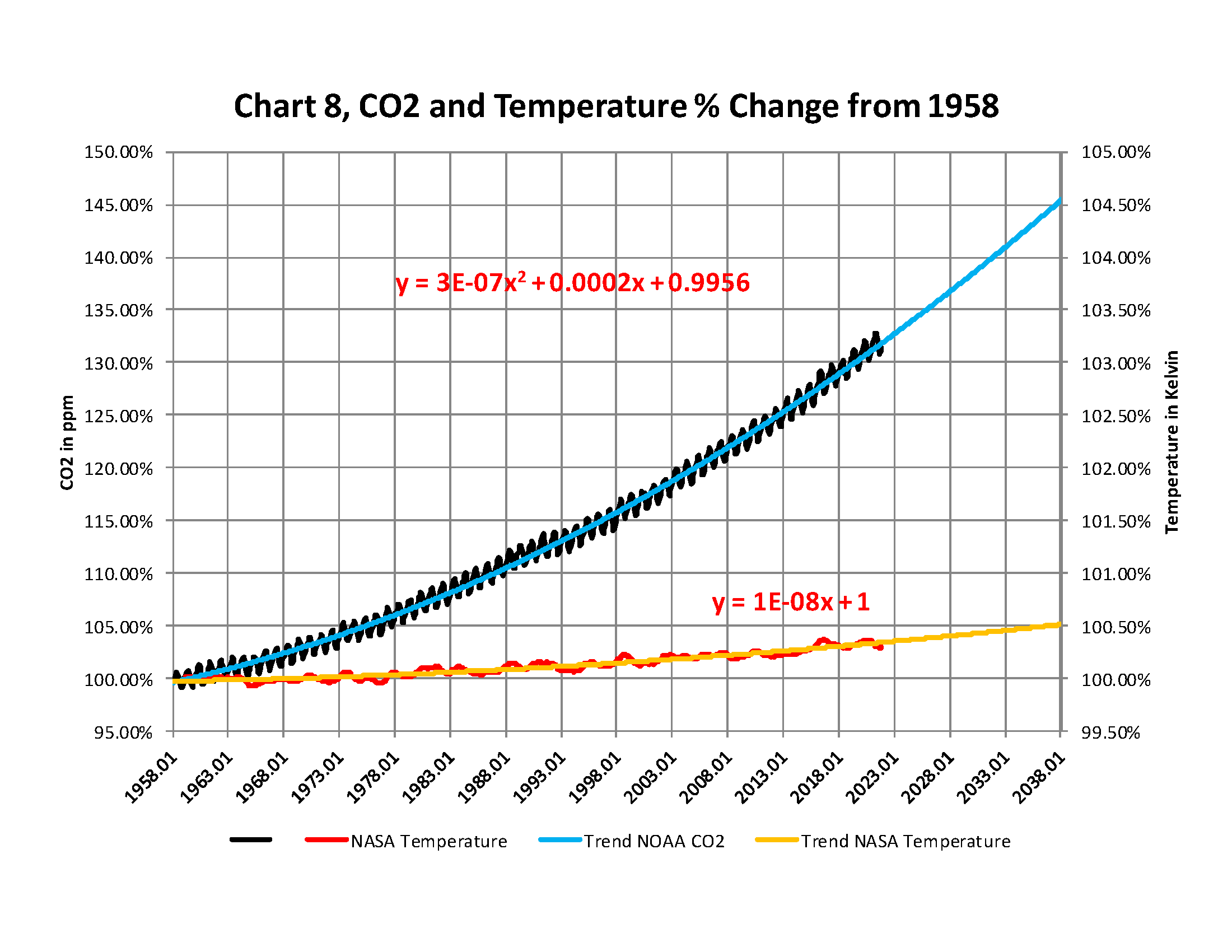
From the attached report on climate change for January 2022 Data we have the two charts showing how much the global temperature has actually gone up since we started to measure CO2 in the atmosphere in 1958? To show this graphically Chart 8a was constructed by plotting CO2 as a percent increase from when it was first measured in 1958, the Black plot, the scale is on the left and it shows CO2 going up by about 32.0% from 1958 to January of 2022. That is a very large change as anyone would have to agree.  Now how about temperature, well when we look at the percentage change in temperature also from 1958, using Kelvin (which does measure the change in heat), we find that the changes in global temperature (heat) is almost un-measurable at only .4%. As you see the increase in energy, heat, is not visually observably in this chart hence the need for another Chart 8 to show the minuscule increase in thermal energy shown by NASA in relationship to the change in CO2 Shown in the next Chart using a different scale.

This is Chart 8 which is the same as Chart 8a except for the scales. The scale on the right side had to be expanded 10 times (the range is 50 % on the left and 5% on the right) to be able to see the plot in the same chart in any detail. The red plot, starting in 1958, shows that the thermal energy in the earth’s atmosphere increased by .40%; while CO2 has increased by 32.0% which is 80 times that of the increase in temperature. So is there really a meaningful link between them that would give as a major problem?

Based to these trends, determined by excel not me, in 2028 CO2 will be 428 ppm and temperatures will be a bit over 15.0o Celsius and in 2038 CO2 will be 458 ppm and temperatures will be 15.6O Celsius.

The numbers tell us the real story of the planets Climate

The full 40 page report explains how these charts were developed

Click on the link below for the full report that you can download.

<object class="wp-block-file__embed" data="https://centinel2012.com/wp-content/uploads/2022/03/blackbody-temperature-2022-01.pdf&quot; type="application/pdf" style="width:100%;height:600px" aria-label="Embed of <strong>blackbody-temperature-2022-01blackbody-temperature-2022-01Download

Volcanoes & The Risks Ahead


Armstrong Economics Blog/Nature Re-Posted Jan 15, 2022 by Martin Armstrong

Spread the lovemore

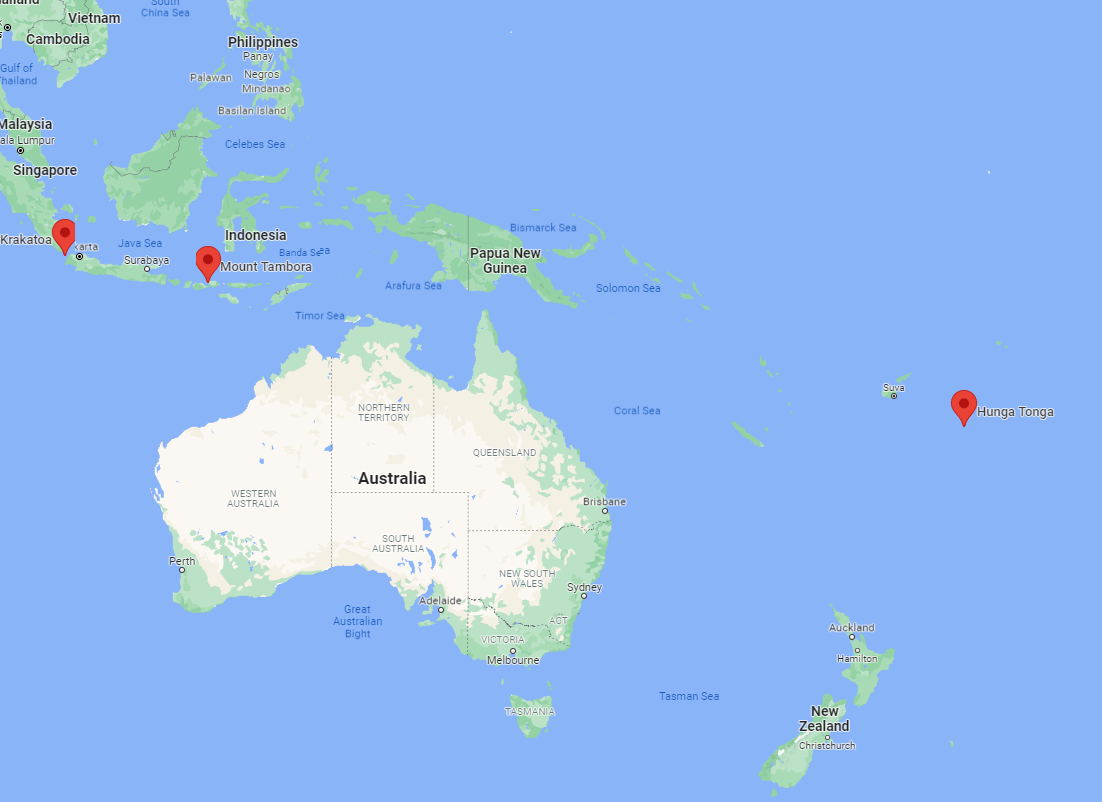
Hunga Tonga-Hunga Ha’apai volcano, which is a Submarine volcano, has erupted sending tsunamis off in every direction. The eruption has not yet been classified. However, it has been building since the March 16, 2009 (2009.205) eruption. There have been four eruptions since then and it does appear to be closer to a Pi cycle.

If we look at the volcanic activity in the entire region we can see this was then due to begin rising from 2019. There tends to be a general cyclical wave of 68 years looking at Tambora and Krakatoa which were 1815 and 1883. Kelud is one of the most active volcanoes in Indonesia that has major eruptions from time to time. The first explosion was around 1586. It had an eruption in 1951. The next target was 2019 marking the eruption of Tangkuban Perahu Volcano but a few months before Anak Krakatau became one of the most active volcanoes in Indonesia.

The key here appears to be that there are multiple eruptions of a lesser magnitude in 1815 and 1883 so they were not eruptions that were by themselves. The risk from volcanoes of a volcanic winter ahead would emerge when we see more coordinated eruptions that could lead to one major eruption that blocks the sun.

Important Omicron/COVID Research


The preprint landscape, January 10, 2022

Robert W Malone MD, MS 31 min ago867

A number of significant preprint articles came out recently with good scientific design and important conclusions. Below are a few:

Protection afforded by prior infection against SARS-CoV-2 reinfection with the Omicron variant medRxiv Jan 6, 2022

BACKGROUND Natural SARS-CoV-2 infection elicits strong protection against reinfection with the Alpha (B.1.1.7), Beta (B.1.351), and Delta (B.1.617.2) variants. However, the Omicron (B.1.1.529) variant harbors multiple mutations that can mediate immune evasion. We estimated effectiveness of prior infection in preventing reinfection (PES) with Omicron and other SARS-CoV-2 variants in Qatar.

HIGHLIGHTS

  • Protection afforded by prior infection in preventing symptomatic reinfection with Alpha, Beta, or Delta is robust, at about 90%.
  • While such protection against reinfection with Omicron is lower, it is still considerable at nearly 60%.
  • Prior-infection protection against hospitalization or death at reinfection appears robust, regardless of variant.

Although this study is not a head to head comparison of natural immunity versus vaccine induced immunity, it does suggest that protection afforded by natural infection is superior to vaccine induced immunity.

Effectiveness of COVID-19 vaccines against Omicron or Delta infection medRxiv Jan 1, 2022 doi: https://doi.org/10.1101/2021.12.30.21268565

Methods Applying the test-negative design to linked provincial data, we estimated vaccine effectiveness against infection (irrespective of symptoms or severity) caused by Omicron or Delta between November 22 and December 19, 2021. We included individuals who had received at least 2 COVID-19 vaccine doses (with at least 1 mRNA vaccine dose for the primary series) and used multivariable logistic regression to estimate the effectiveness of two or three doses by time since the latest dose.

(The study included 3,442 Omicron-positive cases, 9,201 Delta-positive cases, and 471,545 test-negative controls).

HIGHLIGHTS:

  • In contrast, receipt of 2 doses of COVID-19 vaccines was not protective against Omicron.
  • Vaccine effectiveness against Omicron was 37% (95%CI, 19-50%) ≥7 days after receiving an mRNA vaccine for the third dose.

Updated projections for COVID-19 omicron wave in Florida. medRxiv Jan 6, 2022 doi: https://doi.org/10.1101/2022.01.06.22268849

Abstract

In this report, the authors use a detailed simulation model to assess and project the COVID-19 epidemic in Florida. The model is a data-driven, stochastic, discrete-time, agent based model with an explicit representation of people and places.

Highlights:

  • Using the model, the authors find that the omicron variant wave in Florida is likely to cause many more infections than occurred during the delta variant wave.
  • Due to testing limitations and often mild symptoms, it is anticipated that omicron infections will be underreported compared to delta.
  • They project that reported cases of COVID-19 will continue to grow significantly and peak in early January 2022
  • That the number of reported COVID-19 deaths due to omicron may be 1/3 of the total caused by the delta wave.

Lifestyle changes during the coronavirus disease 2019 pandemic impact metabolic dysfunction-associated fatty liver disease. Liver International. 07 January 2022 (peer reviewed)

The coronavirus disease 2019 (COVID-19) pandemic precipitated lifestyle changes. The authors aimed to clarify whether COVID-19–induced lifestyle changes affected the development of metabolic dysfunction–associated fatty liver disease (MAFLD).

Metabolic associated fatty liver disease (MAFLD) affects 20-30% of the worldwide population and is becoming the most common cause of chronic liver disease, cirrhosis and hepatocellular carcinoma (HCC). MAFLD is the hepatic expression of metabolic dysfunction correlated with a variety of metabolic comorbidities including obesity, dyslipidemia, hypertension and type 2 diabetes (T2DM).:

Methods

This retrospective longitudinal study included 973 participants who underwent health checkups between 2018 and 2020. Participants’ clinical characteristics and lifestyle habits were investigated. Independent lifestyle predictors of MAFLD development before the pandemic (2018–2019) and during the pandemic (2019–2020) were identified using logistic regression analysis.

Results

  • In 2018, 261 (27%) patients were diagnosed with MAFLD. Before the pandemic, 22 patients developed new MAFLD. During this time,
  • Routine late-night meals were identified as an independent lifestyle predictor of MAFLD development (hazard ratio [HR] 2.54, 95% confidence interval [CI] 1.02–6.36, P=0.046). In contrast, 44 patients developed new MAFLD during the pandemic.
  • During this time, higher daily alcohol intake was identified as an independent lifestyle predictor of MAFLD development (HR 1.03, 95% CI 1.01–1.05, P=0.008).
  • In participants aged <60 years, daily alcohol intake and the proportion of participants who ate 2 times/day were significantly higher in patients who developed MAFLD during the pandemic than in those who did not.

Conclusions

New MAFLD diagnoses increased during the COVID-19 pandemic. Changes in lifestyle factors, particularly in those aged <60 years, must be monitored and addressed as the pandemic continues.

Basically, this study suggests that people are eating and drinking more – leading to unhealthy lifestyle changes. What was not answered was whether this was due to remote employment, lock downs, stress or some other cause.

The risk between morbid obesity and severe COVID-19 outcomes is real. More public education and research is needed in this topic area.

Other interesting news items on the web:

The Wall Street Journal has an excellent opinion piece, written by my good friends Dr. Luc Montagnier and Jed Rubenfeld

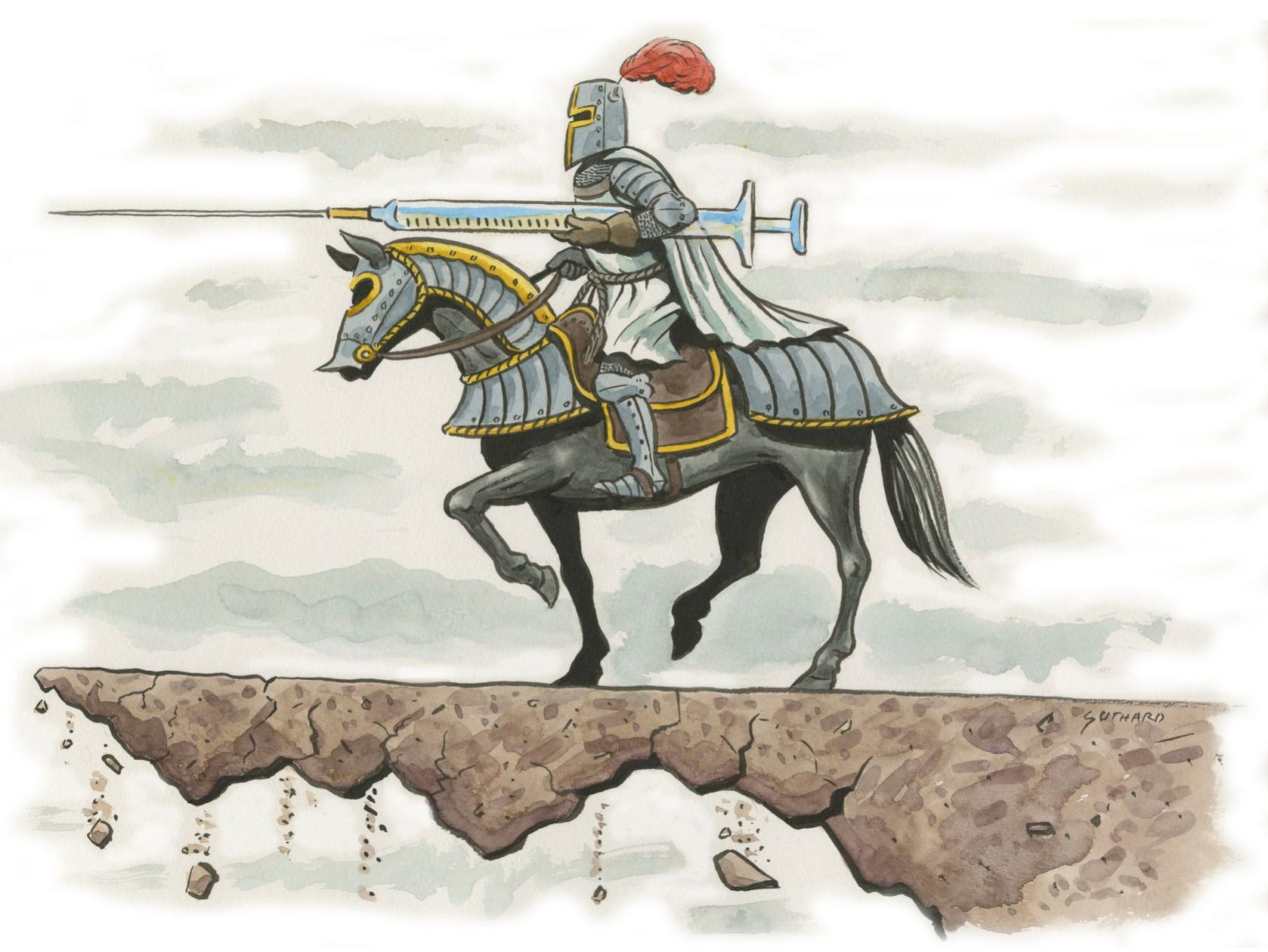
Omicron Makes Biden’s Vaccine Mandates Obsolete

There is no evidence so far that vaccines are reducing infections from the fast-spreading variant.

Jan. 9, 2022 5:20 pm (Illustration: David Gothard)

Greenland Bans Oil and Gas Exploration


Armstrong Economics Blog/Energy Re-Posted Jan 10, 2022 by Martin Armstrong

In July 2021, Greenland ceased issuing licenses for oil and gas exploration. Now, Greenland has announced that the ban will be permanent. The government cited climate change as their main concern, and Greenpeace cheered their decision. The announcement would leave one to believe that Greenland actually had a good amount of oil reserves. Major oil companies such as ExxonMobil, Chevron, Shell, and Eni have been scouring Greenland since the 1970s for oil unsuccessfully.

Some may recall that in April 2020, former President Trump actually attempted to buy the sovereign territory, but not for natural resources. The Trump Administration wanted Greenland as a strategic military location to repel China and Russia from dominating the Arctic region. This angered Danish authorities and the US handed over $12.1 million for “sustainable economic development,” meaning they needed to secure a consulate on the world’s largest island.

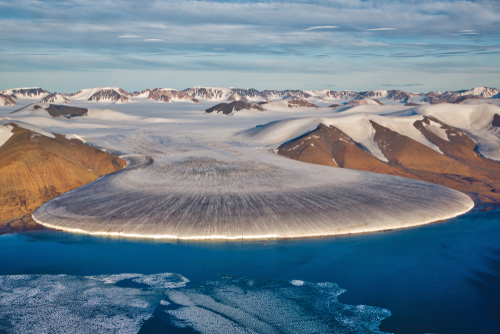
Four-fifths of Greenland (836,000 square miles) is covered by the only permanent ice sheet outside of Antarctica. Sure, there are likely oil and mineral recourses beneath the ice, but after 50 years of exploration, Greenland’s announcement to ban further exploration seems lackluster.

“The future does not lie in oil. The future belongs to renewable energy, and in that respect, we have much more to gain,” a spokesman noted. Keyword: future! There is no current sustainable energy to replace fossil fuels at this point in history. That technology does not exist on a wide enough scale to power the world. So again, this announcement sounds like another nation bowing to the Build Back Better agenda to show the world that they are adhering.

Easing the Semiconductor Shortage Through Domestic Manufacturing


Armstrong Economics Blog/Technology Re-Posted Jan 10, 2022 by Martin Armstrong

As Biden said, the current crisis will end at the state level. Well, luckily Governor Ron DeSantis is continuing to support his promise to improve the economy with dealings that will benefit the nation. DeSantis previously announced plans to open Florida ports around the clock and measures to attract new labor to the Sunshine State.  The governor is now investing $10 million in semiconductor production, a crucial albeit an increasingly rare part that is vital for technology.

DeSantis accused the Chinese Communist Party of stealing American technology and threatening the global semiconductor supply chain. America is overly dependent on foreign imports of semiconductors, and although Taiwan, a US ally, mass manufactures semiconductors, its reliance and political strife with China could lead to trouble.

“We cannot be captive, key sectors of our economy should not be captive to some of these foreign nations, in particular, outfits like the Communist Party of China…So the more we have this capacity within our own country but particularly within our own state here in Florida, the more opportunities there are going to be here for people and the more secure both our economic supply chains will be and our national security,” DeSantis stated.

Strong manufacturing is crucial to the American labor force. In fact, each manufacturing job supplements an additional 7.4 jobs in other industries. The Semiconductor Industry Association (SIA) stated that global sales of semiconductors totaled $48.8 billion in October 2021, marking a 24% annual increase.

The Biden Administration has been reluctant to address China’s stronghold over the semiconductor industry in fear of retaliation. Former President Trump attempted to curb China’s borderline monopoly by withholding American machinery used to make the chips. China simply found a way to create those machines on their own (it is a free market after all). Bloomberg reported that China accounts for over 50% of the chip industry’s sales, which have surpassed the $400 billion mark. If China chose to retaliate, as the US and China tend to do, then it would have an impact on the overall growth prospects for US tech.

Japan Restricts Exports of AI Facial Technology


Armstrong Economics Blog/Technology Re-Posted Jan 8, 2022 by Martin Armstrong

Spread the lovemore

(The video above shows Chinese university students using facial recognition technology to pay for their meals)

The Japanese government is restricting facial recognition exports over growing concern of China’s extreme surveillance measures. A recent report from Tokyo’s Central News Agency (CNA) states that China has been using AI-powered facial recognition technology to “deploy large-scale surveillance systems to restrict people’s movement in Xinjiang Uyghur Autonomous Region and other places.” In addition to citing national security, the nation is aiming to prevent advanced technology from infringing upon human rights.

Japan is not alone in its plight as numerous countries, including the US, are now assessing whether technology ranging from facial recognition to cameras coming from China are safe for use. This is mainly for the government’s safety; your government is already tracking you.

Semiconductor Shortage Hurting Smartphone Industry


Armstrong Economics Blog/Technology Re-Posted Dec 13, 2021 by Martin Armstrong

COMMENT: Hi Martin. Thank you for your work. The chip and supply shortage has not improved. I live in America outside a major city. My cellular device failed at the beginning of November so I ordered a replacement directly from Samsung. Best Buy and my cellular provider were both out of the phone I was seeking, and I went to around five stores. Shipping from Samsung was supposed to take a bit over a week, then two weeks, and now the ETA is in January. The stores I went into had Apple iPhones but not Androids. Frustrating.

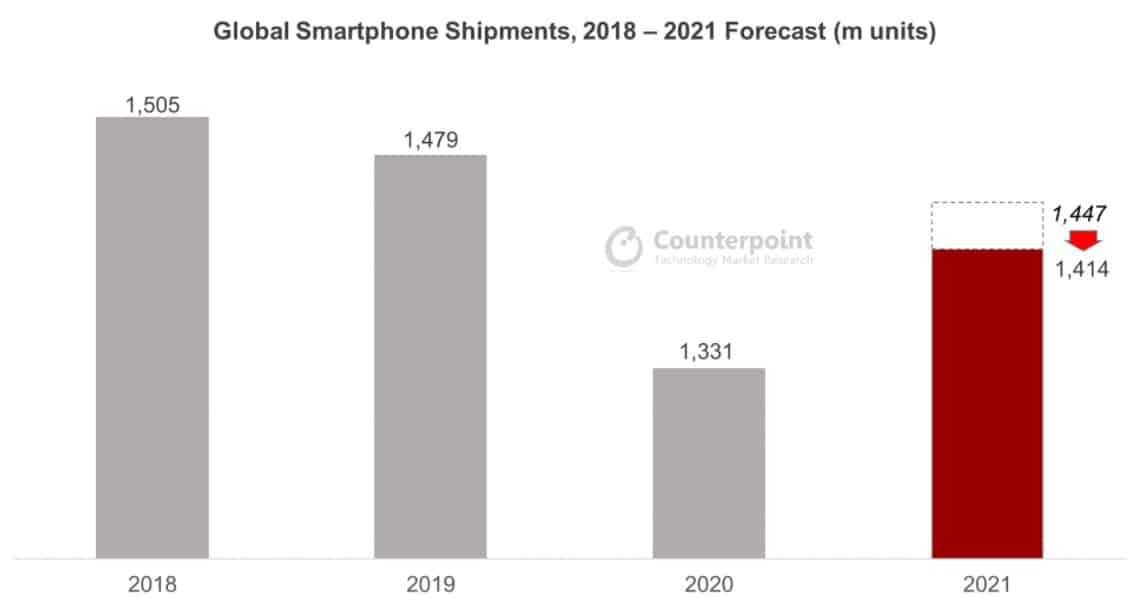
REPLY: Now is an unfortunate time to need a new phone. Numerous original equipment manufacturers (OEMs) reported failing to secure crucial parts this year due to semiconductor shortages. Counterpoint Research lowered their forecast of global smartphone shipments from 1.45 billion units to 1.41 billion. Their study further suggests that smartphone OEMs only received 80% of the crucial components they need this year to manufacture phones during the second half of the year.

Samsung completely canceled their Galaxy Note series this year as they knew they would not be able to obtain the components. “Samsung, Oppo, Xiaomi have all been affected and we are lowering our forecasts. But Apple seems to be the most resilient and least affected by the AP (application processor) shortage situation,” Tom Kang, a researcher with Counterpoint reported in October. Kang’s research did not indicate why Apple was more immune to the chip shortage. Numerous companies are racing to produce highly in-demand chips, but it will take time for manufacturing to begin.

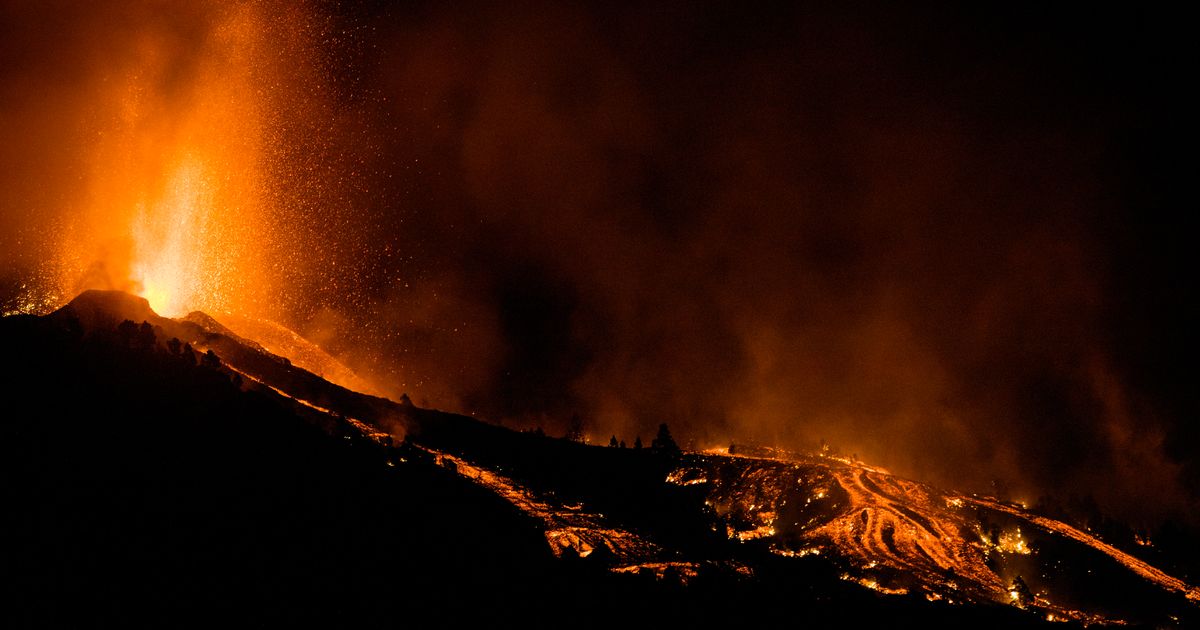
La Palma Volcano & 6th Wave


Armstrong Economics Blog/Nature Re-Posted Sep 22, 2021 by Martin Armstrong

QUESTION: Marty, if I understood your forecasts on volcanos, you said this would increase post-2020 but the big one was not until after 2032. Is this all hype about La Palma Volcano?

GV

REPLY: There is normally a rise in volcanic activity with solar minimum. There is a plain correlation with that. I have written about how Napoleon was defeated by a Volcanic Winter. This eruption of La Palma Volcano seems to be on target. There is roughly a 22-year cycle to that particular volcano.

The known eruptions have been 2021 (Sep – ongoing), 1971, 1949, 1712, 1677-1678, 1646, and 1585. This volcano conforms to the 8.6-year frequency. It has been 51.6 years from 1871 to 2021 so it is on target. This one can build bigger. There is a risk it could extend into 2022 since this is the 6th wave from 1712.

There are a number of volcanos on the watch list right now. The main threat of volcanos is creating volcanic winters.

How much Vitamin D should we be taking?


The discussion is based on world wide medical studies> Its a must watch if you’re interested in your health.