Posted originally on the conservative tree house on April 13, 2022 | Sundance
The CDC announced today {SEE HERE} they are extending the federal emergency order requiring masks on planes, trains and public transportation for a period of 15 days, ending May 3rd.
The mask mandate was set to expire April 18. However, the Biden administration will keep the requirement in place for another 15 days under the justification of a rise in COVID-19 cases driven by the new BA.2 sublineage of the Omicron variant.
(Press Release) – […] The CDC Mask Order remains in effect while CDC assesses the potential impact of the rise of cases on severe disease, including hospitalizations and deaths, and healthcare system capacity. TSA will extend the security directive and emergency amendment for 15 days, through May 3, 2022. (link)
There are contradicting claims on the benefits and/or futility of wearing masks to avoid spreading the COVID-19 virus. Several scientific studies have found no significant benefit; however, the theatrics of mask wearing is now a litmus test for global virtue.
Philadelphia, Pennsylvania, has recently announced a new indoor mask mandate for their extended metropolitan area. Fauci soundbite below.
Posted originally on the conservative tree house on April 13, 2022 | Sundance
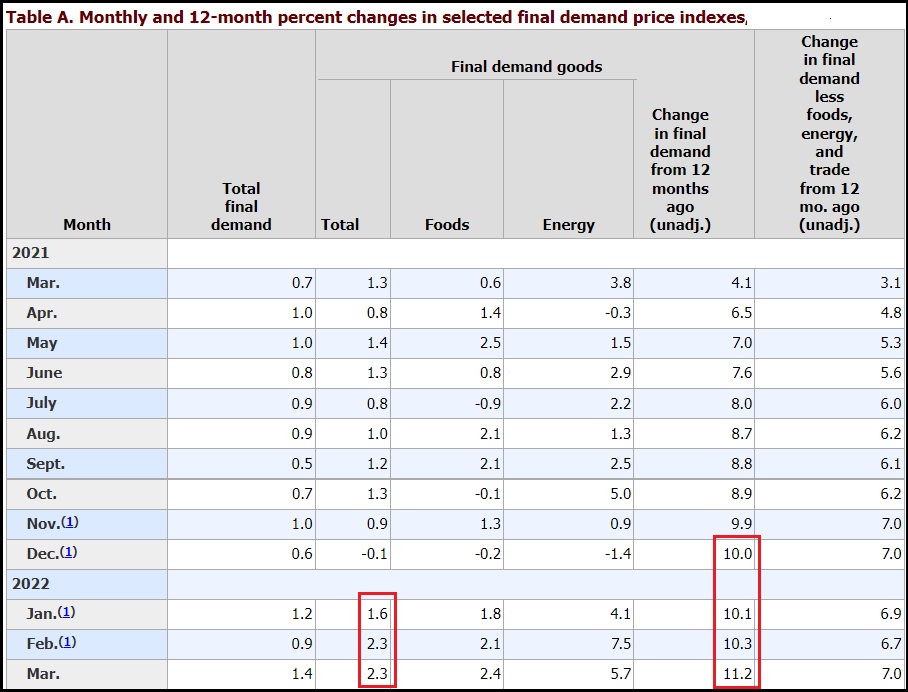
he “Producer Price Index” (PPI) is essentially the tracking of wholesale prices at three stages: Origination (commodity), Intermediate (processing), and then Final (to wholesale). Today, the Bureau of Labor and Statistics (BLS) released March price data [Available Here] showing a dramatic 11.2% increase year-over-year in Final Demand products at the wholesale level. This is the fifth consecutive month with the highest rate of inflation the PPI ever recorded.
The single month increase in wholesale prices of 2.3% was driven by inflation built into the supply chain at every level that shows up in the final wholesale price. Those price increases then get passed along to consumers along with the additional costs for warehousing, transportation and delivery. I modified Table-A (FINAL DEMAND) to take out some of the noise.
Wholesale prices of goods jumped 2.3 percent in March, and the wholesale price of food products jumped 2.4 percent. The total demand inflation compared to last year is 11.2 percent, the highest rate ever recorded since the PPI tracking was first started.
The total final demand monthly calculation (1.4%) is lower than the final demand goods (2.3%), because final demand services are offsetting. You may remember the discussion/analysis about prices beginning to stabilize after this month due to a contraction in demand for goods and services. I see support for that thesis within this data.
The three phases of wholesale product creation: (1) origination, (2) intermediate, and (3) final, cycle through the economic analysis in reverse chronological order. Roughly speaking, the flow of goods quantified is done in 30-day sequences. Final demand this month is comparing to final demand in March 2021. The intermediate demand goods this month will become final demand goods next month (April).
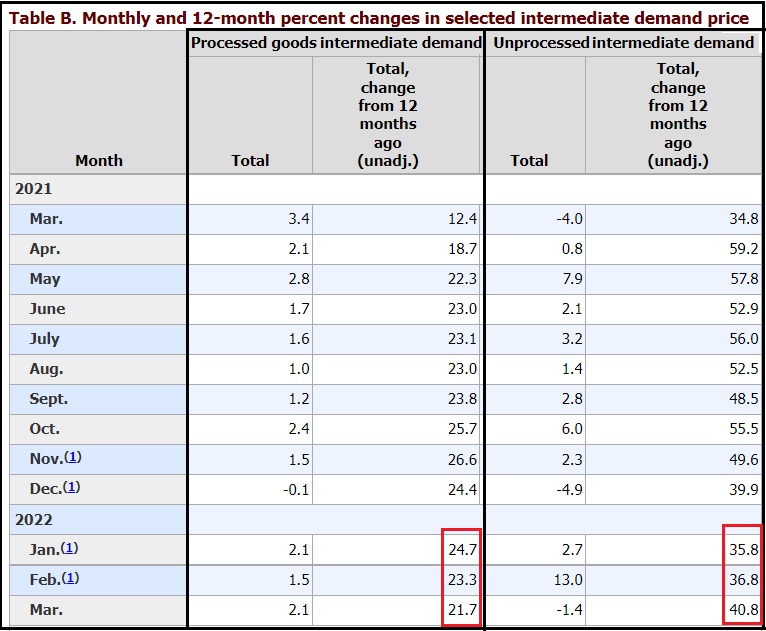
The rate of inflation behind this set of final demand goods is beginning to soften. See Table B, Intermediate goods. Again, modified to take out the noise:
While the yearly comparison for both processed and unprocessed intermedia goods is eye dropping, in the unprocessed intermediate demand goods, we are starting to see a lessening of monthly price increases.
In essence, prices have been rising so fast and for such an extended period of time, that we are now cycling through the rate of increase and starting to compare it to last year when the rate of increase was originally going high. As a consequence, the rate of price increase will likely lessen, even though the actual price may still keep climbing within the manufacturing process.
The price of raw materials, and the wholesale energy costs to process those materials into finished goods, are still rising. In addition to the consumer prices reported yesterday, this wholesale price data is showing the most recent increases (March) in fuel and transportation costs. For the next report these figures should now plateau.
♦ BOTTOM LINE – We have not yet reached PEAK INFLATION – However, the price increases from wholesalers to retailers are now at parity. The increased price of things coming into the supply chain are now at similar rates of increase when compared to the stuff on the shelves.
Inflation from field to fork is now fully matriculated and embedded in the total economy as a result of two massive price waves (July to October 2021 and November to March 2022). Those prices will never fall.
Highly consumable goods like food, fuel and energy will remain at approximately the price today for a period of around five months, then we will see the third wave kick in as the new higher harvest prices hit the processors in late summer.
The prices for non-essential durable goods, like cars, electronics, appliances etc. from this moment forth will now be determined by demand. Highly sought after goods will increase in price as more customers chase fewer products. However, ordinary or widely available durable goods will likely start to come down in price very soon as inventories climb because consumer spending has prioritized and dropped non essential goods from their shopping lists.
To put it more succinctly: The stuff we need will cost more. The stuff we don’t need will cost less.
Posted originally on the conservative tree house April 13, 2022 | Sundance
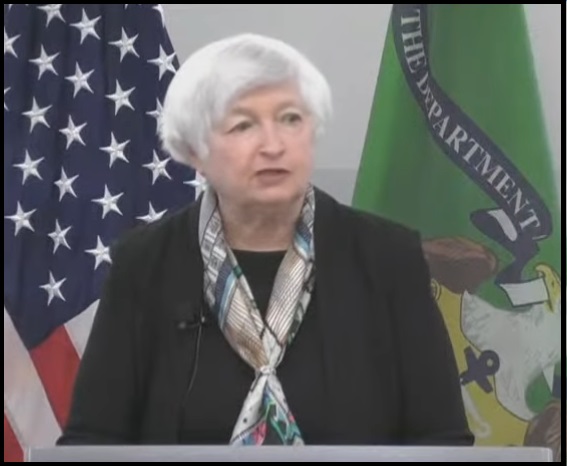
Treasury Secretary Janet Yellen delivered a remarkable speech today outlining “the future of the international order,” in the aftermath of the global pandemic and the current conflict in Ukraine. Within the speech, Yellen outlines the priorities of the United States according to the current administration and the international financial mechanisms that she controls.
The speech is quite jaw-dropping when you consider the nature of her position, and the fact that she is an unelected bureaucrat within government.
As you read the speech {Transcript Here}, keep in mind she is not the President of the United States, or the commissioner of the New World Order, yet she presents herself as authorized to control the geopolitical constructs of the Biden administration. The hubris is astounding.
Secretary Yellen: outlines the goals and objectives of the international order, predicts a concerning global famine, warns against the cleaving of financial mechanisms for international trade as an outcome of the Ukraine conflict, threatens any nation who does not support the western political alliance and outlines the need for decarbonization of the global economy.
Yellen expresses all of these powers from the position of a U.S. Treasury Secretary – the equivalent of a government financial minister. Speech highlights with emphasis mine:
(Transcript) – […] “Russia’s horrific conduct has violated international law, including core tenets of the UN Charter—challenging countries to demonstrate where they stand with respect to the international order that has been built since World War II. Therefore, when I speak about a changed global outlook, I’m not just talking about growth forecasts. I’m also referring to our conception of international cooperation going forward.
I will focus my remarks today on the significance of international cooperation in this current environment and for our future.
[…] With Attorney General Garland, I convened a novel taskforce of law enforcement and finance ministry leaders from G7 and partner countries to advance our efforts. […] Rest assured, until Putin ends his heinous war of choice, the Biden Administration will work with our partners to push Russia further towards economic, financial, and strategic isolation.
[…] When Russia made the decision to invade Ukraine, it predestined an exit from the global financial system. Russian leaders knew that we would impose severe sanctions. […] We are now seeing higher commodity prices that have added to global inflationary pressures and are posing threats to energy and food security, trade flows, and external balances across many countries.
[…] The ultimate outcome for the global economy of course depends on the path of the war. Russia could end this unnecessary war and the near-term impact could be contained.
[…] While many countries have taken a unified stand against Russia’s actions and many companies have quickly and voluntarily severed business relationships with Russia, some countries and companies have not. Let me now say a few words to those countries who are currently sitting on the fence, perhaps seeing an opportunity to gain by preserving their relationship with Russia and backfilling the void left by others. Such motivations are short-sighted. The future of our international order, both for peaceful security and economic prosperity, is at stake.
[…] The Russian invasion of Ukraine has dramatically demonstrated the need for us to stand together to defend our international order and protect the peace and prosperity that it has conferred on advanced and developing countries alike. […] On some issues, like trade and competitiveness, this will involve bringing together partners that are committed to a set of core values and principles.
[…] we need to modernize the multilateral approach we have used to build trade integration.
[…] we should implement last year’s global tax deal. Some 137 countries—representing nearly 95 percent of the world’s GDP—have agreed to rewrite the international tax rules to impose a global minimum tax on corporate foreign earnings and to partially reallocate taxing rights from countries where companies are headquartered to those where they sell goods and services.
[…] the economic and financial response to the global financial crisis in 2008-2009 was too timid and short-lived. With inadequate global liquidity, the crisis caused lasting damage. In response to the pandemic, the IMF acted creatively to support poorer countries. […] Experts put the funding needs in the trillions, and we have so far been working in billions. The irony of the situation is that while the world has been awash in savings—so much so that real interest rates have been falling for several decades—we have not been able to find the capital needed for investments in education, healthcare, and infrastructure.
[…] We know we have not yet done enough in terms of mitigation, adaptation, green technology innovation and adoption, and funding for those efforts. […] We must redouble our efforts to decarbonize our economies, recognizing that countries will use a range of tools—including carbon pricing, regulation, and subsidies—to achieve needed emissions reductions. Because those approaches will have quite different consequences for the costs of production, we will see differing impacts on trade competitiveness. We will need to work together to avoid trade tensions and in time to coordinate and harmonize our approaches.
[…] Some may say that now is not the right time to think big. Indeed, we are in the middle of Russia’s war in Ukraine, alongside the lingering fight against a global pandemic and a long list of other initiatives underway. Yet, I see this as the right the time to work to address the gaps in our international financial system that we are witnessing in real time. […] we ought not wait for a new normal. We should begin to shape a better future today.” {Read Full Transcript}
Think carefully about what you just read, and then remember the previous warning:
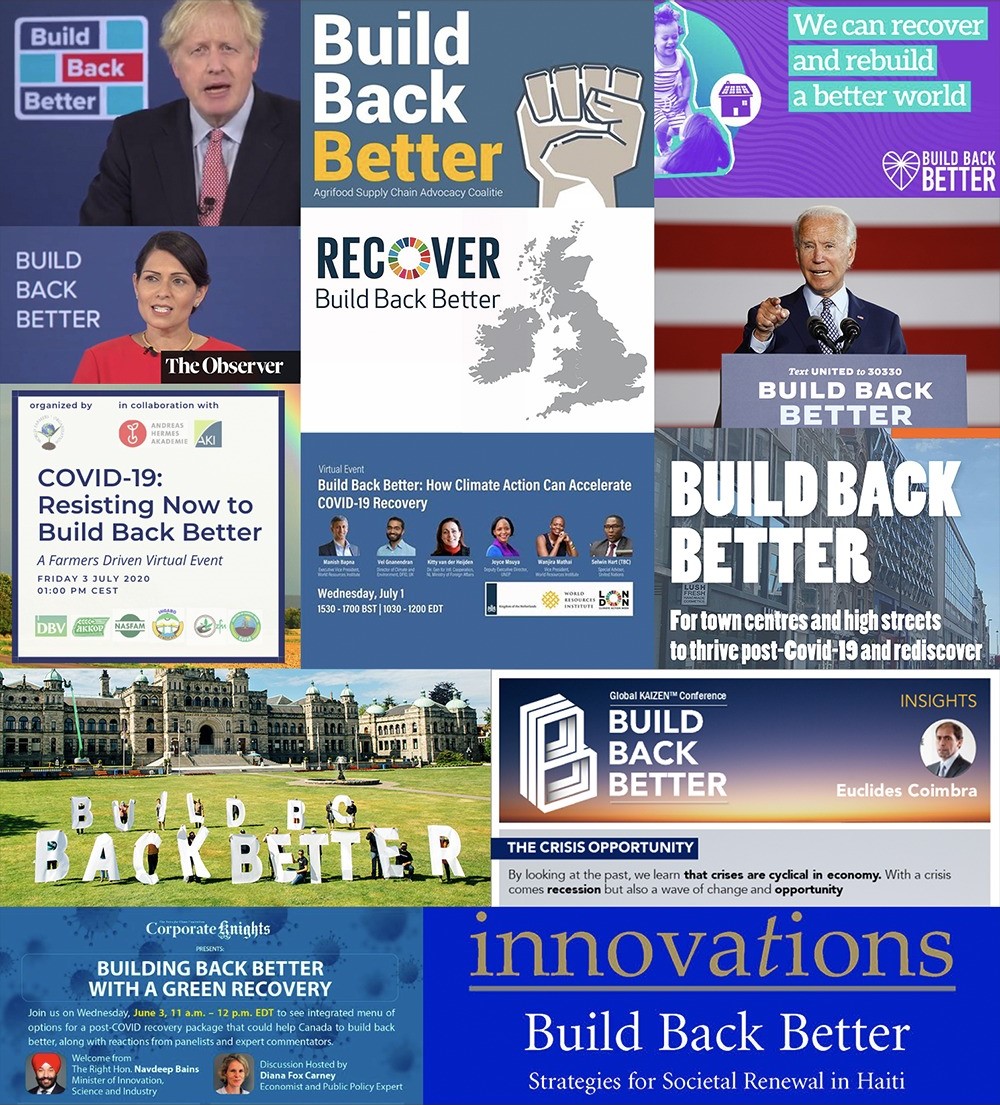
[CTH March 23, 2022] A Build Back Better society, or “great reset”, is factually underway as triggered by the gateway of SARS-CoV-2 and the massive spending by western nations to subsidize the lockdowns, shut-downs, economic closures and forced unemployment.
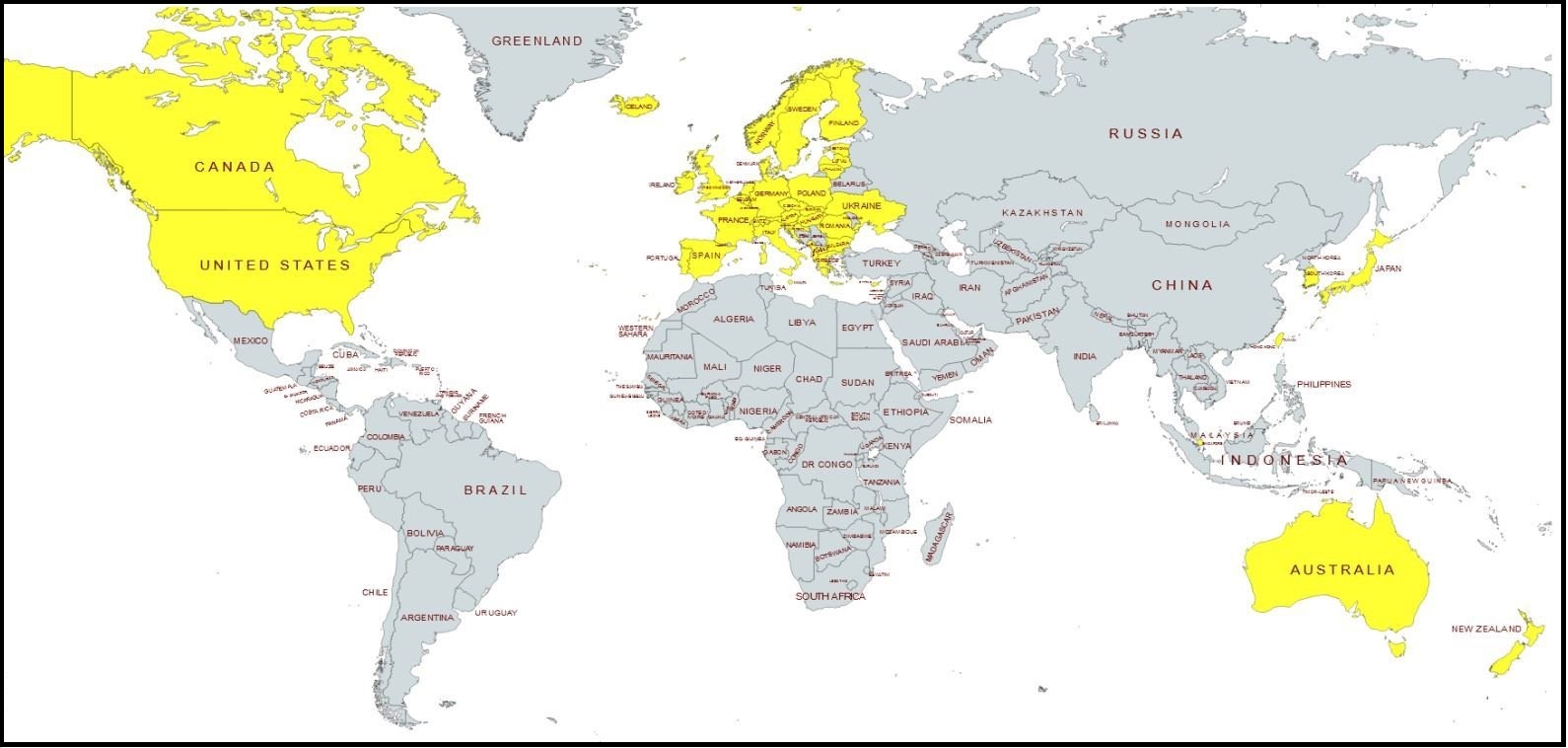
Global inflation is being driven not only by the American spending spree, but also by the massive government spending programs of the EU, U.K, New Zealand, Australia, Canada and many western nations.
The bills for those subsidies and bailouts are due. The labor of the citizens is going to have to pay those bills, while simultaneously we deal with inflation and massive debt balances on all nations’ balance sheets.
Into this mix comes the very real possibility of a declining U.S. trade dollar, as a result of geopolitical conflict between the west and Russia, China, Iran and OPEC in the geography of Ukraine. The financial sanctions by NATO and western allies have factually created a rift in currency exchange valuations.
As the proverbial west hammers those sanctions even harder and more deliberately, what they are doing is creating a stronger and greater likelihood that the dollar will be removed as the global trade currency, and we will enter a phase where two sets of nations exist:
One set of nations will run their economy on oil, gas and fossil fuels. The other set of nations will be focused on running their economic engine on the premise of sustainability, or renewable energy.
The sanctions toward Russia actually help to drive this chasm even wider.
To me, this looks entirely purposeful – done by specific intent and design.
Two world groupings. One group, oil-based energy (traditional) – let’s label them the RED GROUP; and one group GREEN energy (the build back better plan). It is not accidental these two groups hold similar internal geopolitical views and perspectives.
♦ The important part to see is… there are going to be two sets of nations with two structurally different economies. A red group and a green group.
What Treasury Secretary Janet Yellen outlines in that speech is the geopolitics of this exact cleaving. Also worth noting, We The People represent the carbon she seeks to eliminate.
Posted originally on the conservative tree house on April 13, 2022 | Sundance
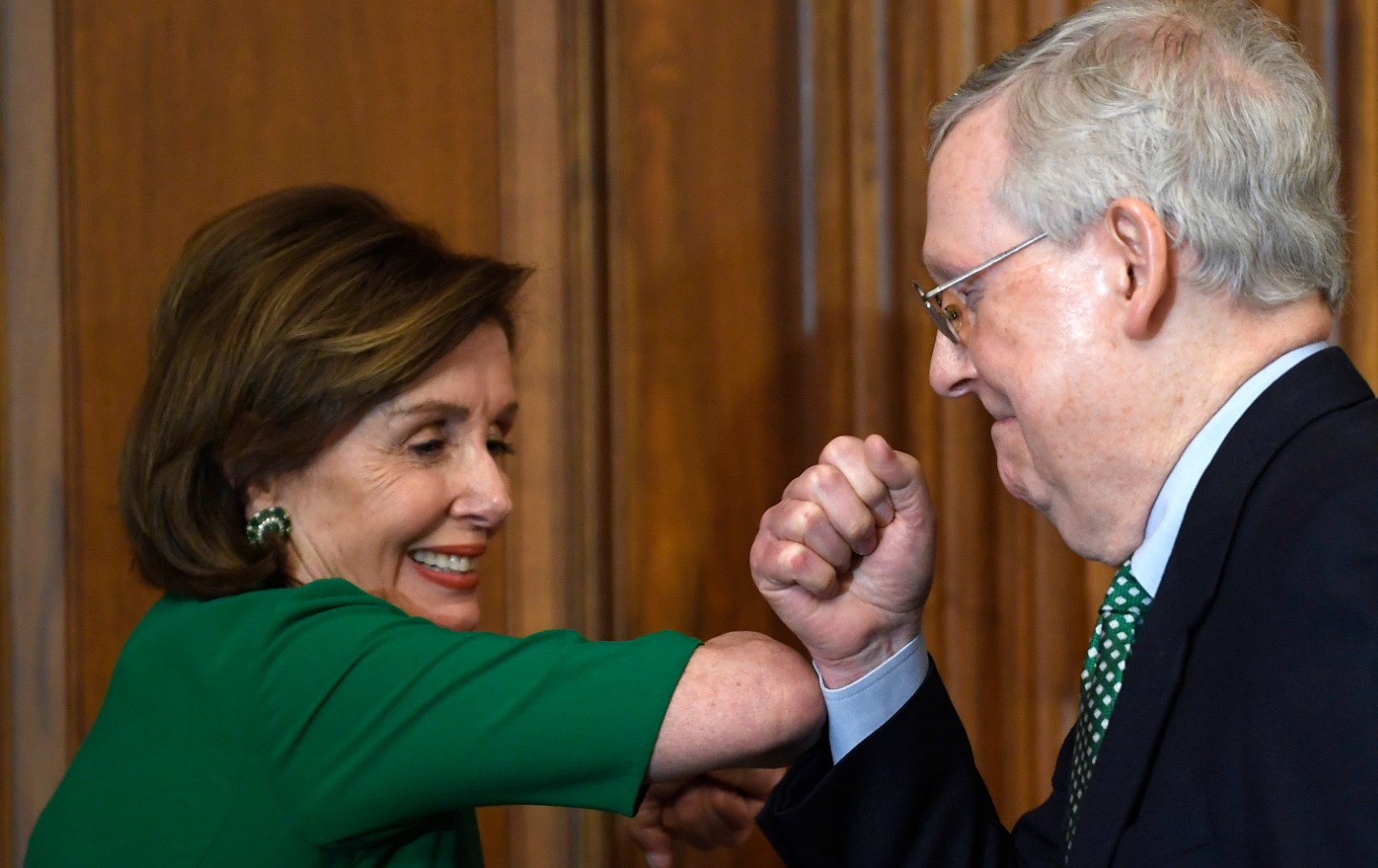
DeceptiCon ruler Mitch McConnell is the ultimate abuser in the relationship of the Republican Party to its base of voters.
During a series of remarks at a Kentucky Chamber of Commerce convention Tuesday, the Senate Minority Leader went right back to his familiar pattern of telling voters they should listen to who he says is acceptable or not acceptable as a 2022 Republican candidate.
Those of you who have walked the deep political weeds with us, will remember the battles against McConnell’s uniparty wing in the 2010, 2012 and 2014 races. This is where McConnell and McCain famously called the base of the GOP “whack-o-birds” and “jihobbits” for supporting unsanctioned Senate candidates like Scott Brown, Ted Cruz, Mike Lee, Ron Johnson, Tom Cotton, Rand Paul, Marco Rubio and more.
(KENTUCKY) – […] McConnell, speaking at a chamber event in Kentucky, said that 1994 had been the best year for Republicans and that the atmosphere heading into November “is better than it was in 1994.”
“From an atmospheric point of view, it’s a perfect storm of problems for the Democrats,” McConnell said. “How could you screw this up? It’s actually possible. And we’ve had some experience with that in the past.”
“In the Senate, if you look at where we have to compete in order to get into a majority, there are places that are competitive in the general election. So you can’t nominate somebody who’s just sort of unacceptable to a broader group of people and win. We had that experience in 2010 and 2012,” McConnell added. (read more)
.@LeaderMcConnell on the 2022 midterms: "How could you screw this up? It's actually possible. […] In the Senate, if you look at where we have to compete in order to get into a majority, there are places that are competitive in the general election." https://t.co/pevgKhkPwmpic.twitter.com/eHRBVGRjQF
This guy is such a profound manipulator it is almost sickening. After the 2008 election, the Democrats had a 60-seat majority. A veto-proof majority. Mitch was the minority with 40 Republican senators in January 2009. It was the Tea Party that changed it all around, starting with Scott Brown in December of 2009.
In the specific races McConnell points out in 2010 and 2012 were races where the Tea Party base of the GOP actually produced more seats for the Republicans, culminating in a successful majority reestablished in the Senate in 2014. The Republicans did nothing with that majority and couldn’t even get rid of the Obamacare mandate which they campaigned on with eight years of promises.
QUESTION: We elected Zelensky who promised to end the civil war. It looks like the West is telling him not to compromise and let the Russian section go.
DH (from Ukraine)
ANSWER: On Sunday, CBS News program “60 Minutes” aired an interview with Zelensky. I believe Zelensky is still claiming evidence of Russian war crimes, saying: “We are defending the ability of a person to live in the modern world.” Despite what the press says, this is a Proxy War against Russia and the US, along with the EU and Britain. They are quite happy to use the Ukrainian people as cannon fodder. There is no possible way all of these countries would allow Zelensky to address their own people UNLESS this was a Proxy War.
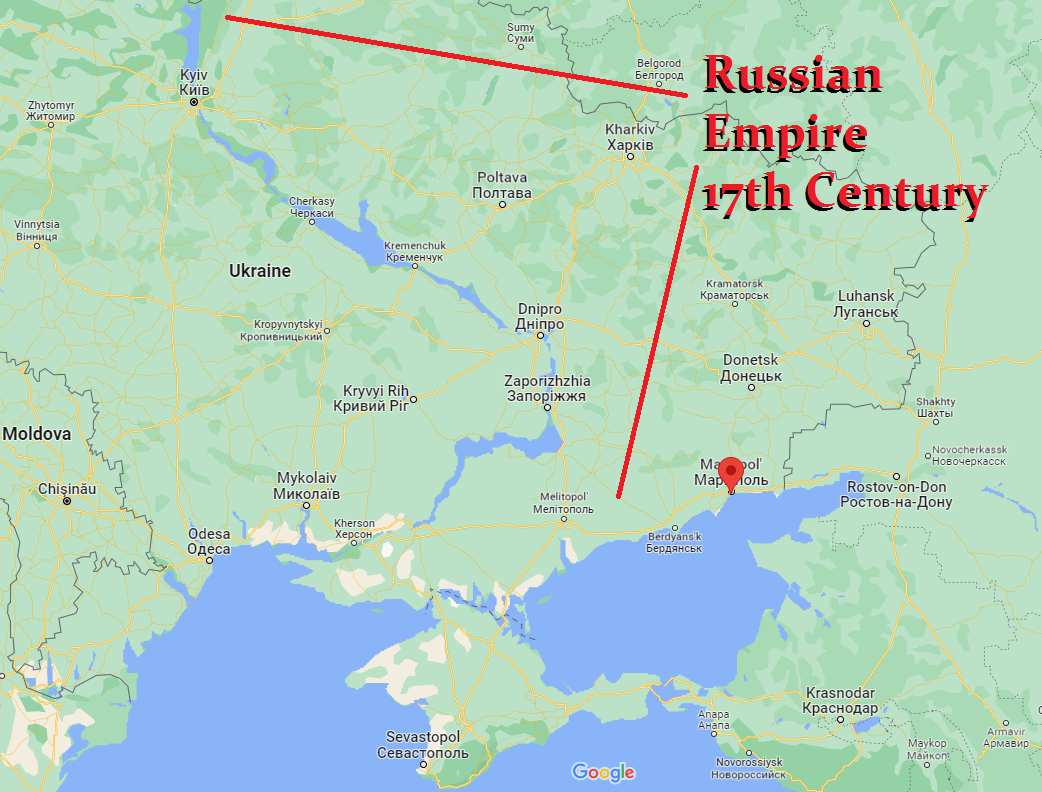
The Dnieper River which runs 1,423 miles and today is the border between Belarus and Russia, was also the border of Ukraine with Russia during the Tsarist Empire at the time of Mikhail I (1613-1645) of the Romanov Dynasty. Zelensky’s claims that Putin has invaded a sovereign nation are debatable. Eastern Ukraine today was assigned to it for administrative purposes during the USSR. It was never Ukrainian territory. It is very hard to see why it is worth killing your own people for a territory that has been occupied by Russians for centuries.
This is obviously a Proxy War, and despite whatever the press says, the West is using the Ukrainian people as the Vanguard in this battle against Russia. They cannot declare war on Russia legally, so they have used Ukraine. Zelensky seems happy to accommodate, blaming civilian deaths on Putin when he shared responsibility for this war.
In Crimea, the population is predominantly Russian and Tatars where there is a population of about 250,000, accounting for about 10% of the total.
TrialSite chronicled the efforts of Dr. Jackie Stone in Zimbabwe during the worst stages of the pandemic. Born in Zimbabwe, Dr. Stone has been fascinated by research since a young age, and her commitment to caring for people during the pandemic has been legendary. While her off-label ivermectin-based combination regimen was identified with the saving of many lives in this southern African country, the medical establishment isn’t too keen on thinking outside of the box, even during the worst pandemic in a century. Dr. Stone now faces a court trial with criminal charges for merely treating COVID-19 patients with an early outpatient treatment protocol based on a combination of off-label treatments that includes ivermectin. This, even though Dr. Stone treated many in the Zimbabwe government and military successfully. In fact, for a while, the Medicines Control Authority of Zimbabwe (MCAZ) authorized access on an emergency basis for research—which amounted to care in this low-and middle-income country. The regulatory agency did a turnaround with ivermectin due to the results in the clinic of Dr. Jackie Stone.
Articles about Dr. Stone and Zimbabwe can be found at TrialSite. A fighter to the end originally of English and Norwegian descent, curious, and tough, yet elegant and empathetic, she grew up in the bush in this part of Africa, as her father was involved with geology and mining. Dr. Stone’s ethos, integrity, and commitment to doing good should have led her to awards from groups such as the World Health Organization.
Together Trial Mainstream Media Interpretations Could Put Low-Cost Regimen at Risk in MICs
Stone recently got together remotely with TrialSite’s founder Daniel O’Connor to discuss her concern with the Together Trial. While mainstream media have pounced on the findings, at least a dozen physicians and scientists are findings various issues with the data.
Ed Mills, the principal investigator, did the right thing investing his time as well as raising money to study repurposed drugs. While the Together trial’s primary endpoint failed to show efficacy for ivermectin, even Mills went on the record in a private email declaring ivermectin proponents should be upbeat about some of the data generated in the study. But Mills’ data was taken by mainstream media and used as a weapon to attack the use of the drug worldwide. This isn’t Dr. Mills’ fault–again he took the time to investigate the drug as well as other important repurposed drugs.
But Stone’s concern centers on the needs of low and middle-income countries (LMICs) for low-cost, available regimens for early care. Stone told TrialSite, “in poor and up-and-coming countries we don’t always have the luxury of waiting around for gold standard evidence. Rather, in the case of the pandemic, we need to move fast, and we did, leading to the saving of many thousands of lives.”
She continued, “My concern now is that papers such as the New York Times or Wall Street Journal pounce on data, often misinterpreting quotes from the PI can lead to a cutting off of life-saving approaches in LMICs such as my country.”
“Dr. Stone’s commitment to LMICs cannot be denied based on a clear track record of success. With COVID-19 came politics around the use of off-label drugs such as ivermectin, and unfortunately, Dr. Stone is caught in the middle of a political battle, but she is one of the most resilient individuals I have ever come across,” reports TrialSite’s O’Connor.
What about Together?
Dozens of scientists and doctors now pour through data of the Together Trial. Recently, Dr. David Wiseman, affiliated with TrialSite, shared a dozen bullet points of concern associated with Together, including inputs from Dr. Flavio Cadegiani and others that TrialSite poses as questions.
Together Trial Questions: Ivermectin
#
Question/Concern Issues for Discussion with Together Trial
1.
Did the ivermectin arm of Together run later than the placebo arm, a time when a more virulent strain was present in that part of Brazil?
2.
Why wouldn’t the protocol call for screening for ivermectin use—after all the drug was used in many parts of Brazil. Were those participating already using the drug? It would be hard to prove now.
3.
The critics fret about the lack of reported boosts in gastrointestinal side effects in the ivermectin arm leading to what they believe is a fundamental problem with the study—either A) placebo group was on ivermectin or B) those taking ivermectin were not administered real study drug
4.
Were these placebo pills produced to look identical to the study drug? As the drug is commonly used, this would have unblinded the study.
5.
Together used ivermectin alone yet the early care community uses the drug in combination with other economical safe drugs such as antibiotics, steroids, as well as nutraceuticals such as vitamin D, C, and zinc. The study of ivermectin alone doesn’t mean much to frontline doctors.
6.
Together started up to 8 days post symptom onset, but frontline ivermectin proponents declare the drug should be given immediately upon symptomatic infection. The P.1 variant also saw a faster progression to severe illness only compounding the problem.
7.
In the Together study, they used a dose of (0.4 mg per kilo per day) which many critics called inadequate for ill patents–was the study underdosed?
8.
Given ivermectin proponents suggest using the drug till symptoms are resolved, why did the Together protocol only call for use for 3 days?
9.
Why did the protocol call for administration of the drug on an empty stomach when proponents declare the drug works best when associated with consumption of fatty food?
10.
Why is so much basic data missing from the study results such as Recruitment Period, Recruitment Locations, Recruitment and allocation order per sit, Description of how the molecules and placebo were produced or compounded to look identical (otherwise loss of blinding); why is there missing age data for 98 patients? Other gaps in data or anomalies are present for those interested
11.
Some basic math shows that the numbers listed in the trial paper for the different arms and outcomes in the trial do not add up to the totals and percentages that they give – either a gross mathematical error or fraud. To see many of the strange mathematical discrepancies which invalidate the trial conclusions, go to investigative journalist Phil Harper’s article: Moreover Wiseman declares And the alteration of the death count in the trial data raises serious questions:
Seeking more information about Dr. Stone?
For all of those interested in Dr. Stone’s story check out the many articles published in TrialSite along with this important letter authored by Dr. Eleftherios Gkioulekas, Professor of Mathematics Undergraduate Program Coordinator at The University of Texas — Rio Grande Valley School of Mathematical and Statistical Sciences in Edinburg, Texas.
Call to Action: TrialSite suggests a fund to support Dr. Stone in her legal battle if needed.
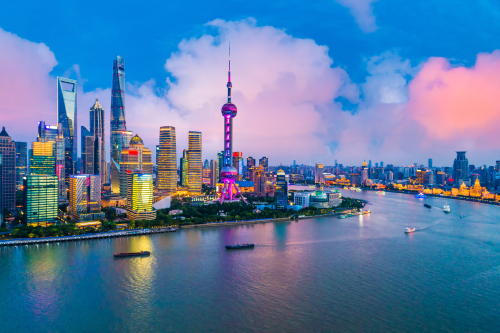
Shanghai went under a full lockdown at the end of March under China’s zero-COVID tolerance policy. When cases allegedly rose, China extended the lockdown indefinitely. Shanghai hosts the busiest container port in the world, and its inability to operate is contributing to the supply chain crisis in a profound way. A member of the EU Chamber of Commerce’s Shanghai Chapter estimated that volume was down by 40% during the first week that the ports were prohibited from operating. There is no set date for when the port will resume operation.
It is estimated that the lockdown currently imposed has imprisoned an alarming 25 million Chinese citizens in their homes, but the implications of shutting down the world’s largest shipping port amidst a supply crisis will send aftershocks throughout the global economy. To understand how crucial Shanghai’s port is to the global flow of goods, the Port of Shanghai hosts over quadruple the volume of the Port of Los Angeles (one of America’s largest shipping ports).
Those in the industry warned that this would cause problems. One of the largest international container companies, Maersk, said that Shanghai’s shutdown would cause a 30% rise in trucking costs alone.
Some businesses are operating the “closed loop” system where employees are basically unable to leave their place of work. Still, the port cannot operate with the current restrictions as there are simply not enough available workers. This is completely unsustainable. China is throwing gas on the rapidly burning supply chain and inflation crises with their current policies that will be felt across the world.
Posted originally on the conservative tree house on April 12, 2022 | Sundance
Police have identified suspect Frank R James (62) as the man who opened fire on a Brooklyn subway train during the early morning rush Tuesday, injuring at least 29 people. According to authorities, ten people were shot when James set off a smoke grenade and opened fire in a subway car.
New York – A 62-year-old man who made bizarre threatening rants on YouTube has been identified as a person of interest in the savage Brooklyn subway attack that injured at least 29 people Tuesday morning, officials said.
Frank James — who warned last month that he was “entering the danger zone” — rented a U-Haul van tied to the N train attack in Sunset Park and is being sought for questioning, police said at an evening briefing.
“Mr. Mayor, I’m a victim of your mental health program,” James said in one lengthy video.
“I’m 63 now full of hate, full of anger, and full of bitterness.” James said he had a diagnosed mental illness and railed against what he called the “horror show” of the city’s mental health services. “What’s going on in that place is violence,” he said about a facility he claimed to receive care from. (read more)
During an evening press briefing (video below), NYPD Commissioner Keechant Sewell said among the items recovered by cops at the scene were a 9 mm handgun, a hatchet, gasoline and “consumer-grade fireworks.”
Breaking: NYPD named Frank James as a person of interest in the #Brooklyn mass shooting. I looked into his social media. Like the Waukesha suspect & the Louisville BLM activist who allegedly tried to assassinate a mayoral candidate, he appeared to be a fan of black nationalism. pic.twitter.com/aUQZGakJfW
Posted originally on the conservative tree house on April 12, 2022 | Sundance
I want to be very careful here, because multiple people have sent me a version of this outline asking for opinion. Basically, is David Friedberg correct?
The discussion in this video surrounds farming as a construct of global caloric creation. Meaning, with all that is taking place in the farming system on a global scale, will there be dramatic food shortages? It is a complex issue. In the larger picture what Friedberg, a former scientist within the Monsanto organization, explains is accurate; however, I would inject some nuanced dissension as it relates to U.S. farm production specifically.
The first four and a half minutes of the video are an accurate representation of the global state of farming, albeit with a little too much weight on the Ukraine-Russia aspect. There was a preexisting issue long before Russia entered the picture. The price of fertilizer was already skyrocketing, Russia-Ukraine has made that already looming issue, worse. WATCH First 04:30 minutes:
The problem described, about farmers deciding not to plant, is weighted more heavily in less developed countries where access to the financing for a future crop is not stable {AP Article Here}. For most of the developed world farming will continue; it is the end product where prices will reflect the additional costs of bringing a harvest to market. Bottom line, as the futures market is showing, crops will be more expensive.
There is going to be a problem in the same areas of the world where food stability and dependency is already an issue. Yes, the convergence of current farm challenges will make those areas more vulnerable. We do not know, to what extent.
The notation about a 90-day supply of food on a global basis (Northern Hemisphere) is slightly askew, as countries like the United States have a much deeper reserve and storage capacity. We discussed this last year {Go Deep}.
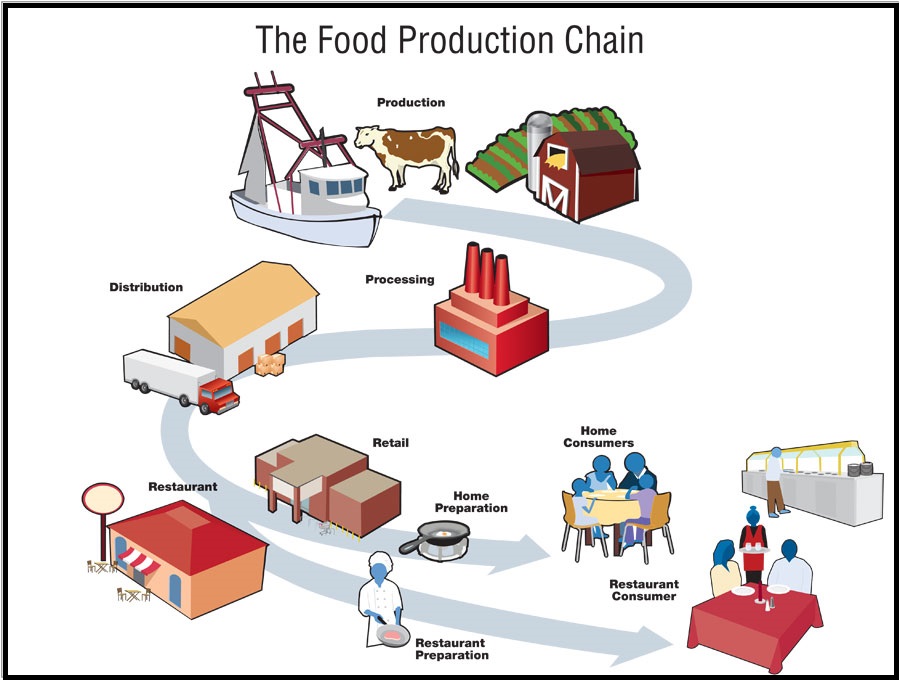
Essentially, in the U.S. we operate approximately one full harvest cycle ahead of demand. However, our problem is the COVID lockdowns in 2020 and 2021 disrupted the two food delivery systems by shutting down restaurants, cafeterias, hotels, hospitality venues, entertainment, school lunchrooms etc and limiting capacity for six months. The government intervention seriously messed up our food supply chain. {Go Deep}
In North America I do not foresee any major scarcity of total food availability, certainly not in the fresh food supply side. There may be shortages on specific segments within the processed and manufactured food supply chain, but those would be nuanced based on specific ingredient issues.
What we will see is continued increases in price and a demand for U.S. agricultural products to fill the voids in global markets that result from less developed nations needing the products our North American farming experts can deliver. There will be a higher demand for us to export food materials, and when combined with the already increased cost for the harvest, that means much higher prices still coming.
Our North American farmers are awesome in their ability to maximize yield, with the customary and appropriate qualifier that ultimately mother nature will determine success or failure. Our U.S. and Canadian farmers and ranchers are the best of the best. Their ability to feed our nation is a national and strategic advantage, unparalleled in any other region. They know how to do it, if the government will just get out of the way and let them work.
If it was a priority for the U.S. government to ensure U.S. food stability, they could spend a few billion by securing fertilizer and reasonably priced energy (diesel) for our farmers, simply to offset the upfront and increased production costs. Then, just turn North America loose, pray a little bit, and let them create as much product as possible for the overall market. Let the market demand determine the crop, and get government out of their business.
Farmers in the U.S, Mexico and Canada have the capacity to drive higher yields. Unfortunately, the politics of war, Wall Street – and the influence of the international banking system – takes a higher priority for DC than simple farming commonsense. Unfortunately, as we saw today, turning corn into gasoline additive just exemplifies the stupidity of the DC mindset.
On one hand, we have serious people concerned about global famine. On the other hand, we have a narcissistic occupant of the oval office, and a tribe of DC idiots worried about gasoline prices and the mid-term election. These issues do not have to be mutually exclusive, and there is a reasonable solution for both of them. However, all that reasonableness evaporates once the people behind a fraudulently elected DC politician walk in the room.
Will there be a dangerous level of food shortage globally? Yes
Will there be a dangerous level of food shortage in North America? No, but there may be some scarcity.
Will there be higher prices? Absolutely.
Unleash the farmers and unleash the energy experts and all of this maddening anxiety ends. Unfortunately, those actions are adverse to the Build Back Better agenda.
We are in an abusive relationship with our government.
Posted originally on the conservative tree house on April 12, 2022 | Sundance
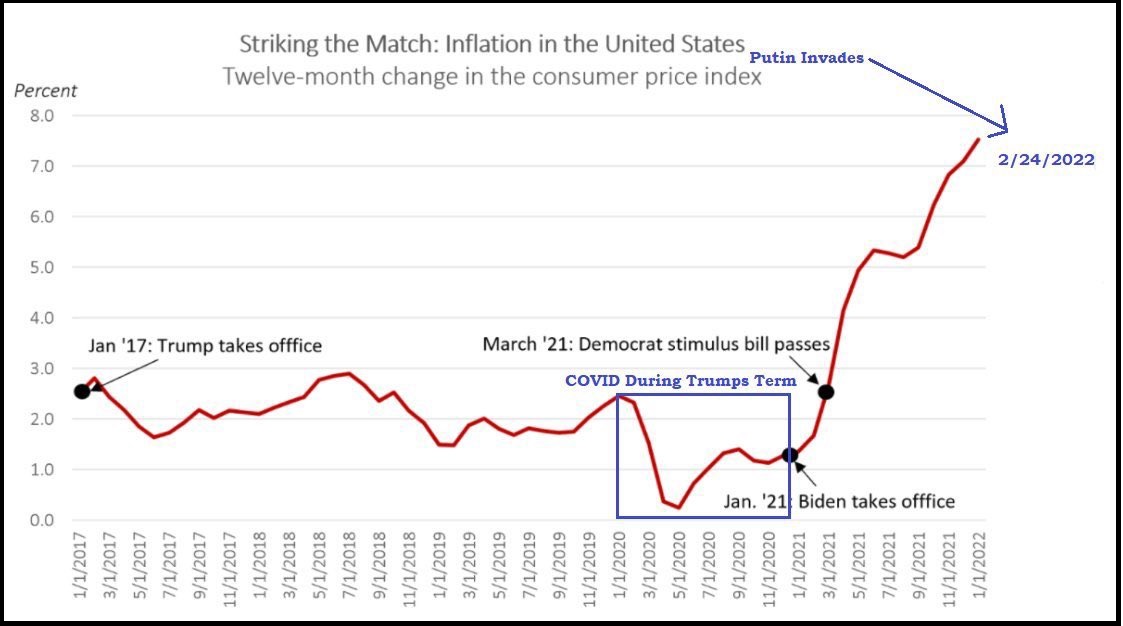
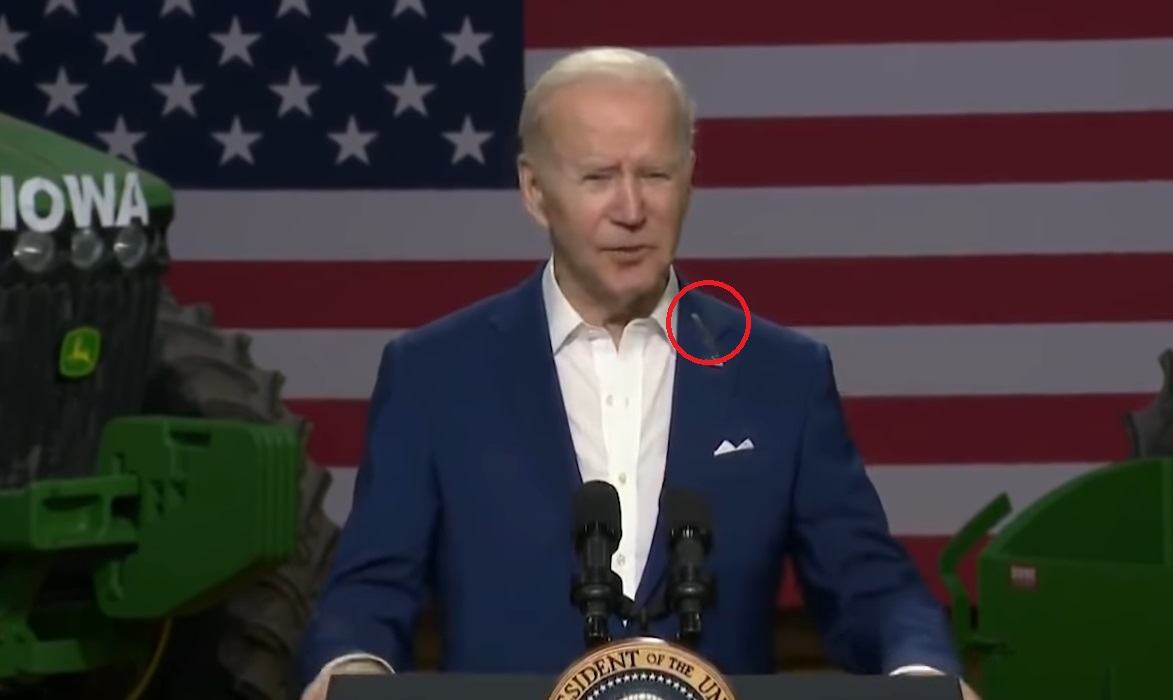
oe Biden was in Iowa today attempting to justify the massive Bidenflation his economic policies have created. As a result of Biden energy, fiscal and monetary policy, rising oil and gasoline prices are contributing to pre-existing inflation and crushing the U.S. economy.
As part of the White House plan to blame anyone and everyone except the Joe Biden policy agenda, Biden took to the microphones to blame Russian President Vladimir Putin. However, reflecting the synergy of human and avian opinion, a bird flew overhead and pooped on him. WATCH:
I have created this site to help people have fun in the kitchen. I write about enjoying life both in and out of my kitchen. Life is short! Make the most of it and enjoy!
This is a library of News Events not reported by the Main Stream Media documenting & connecting the dots on How the Obama Marxist Liberal agenda is destroying America







 Centinel2012